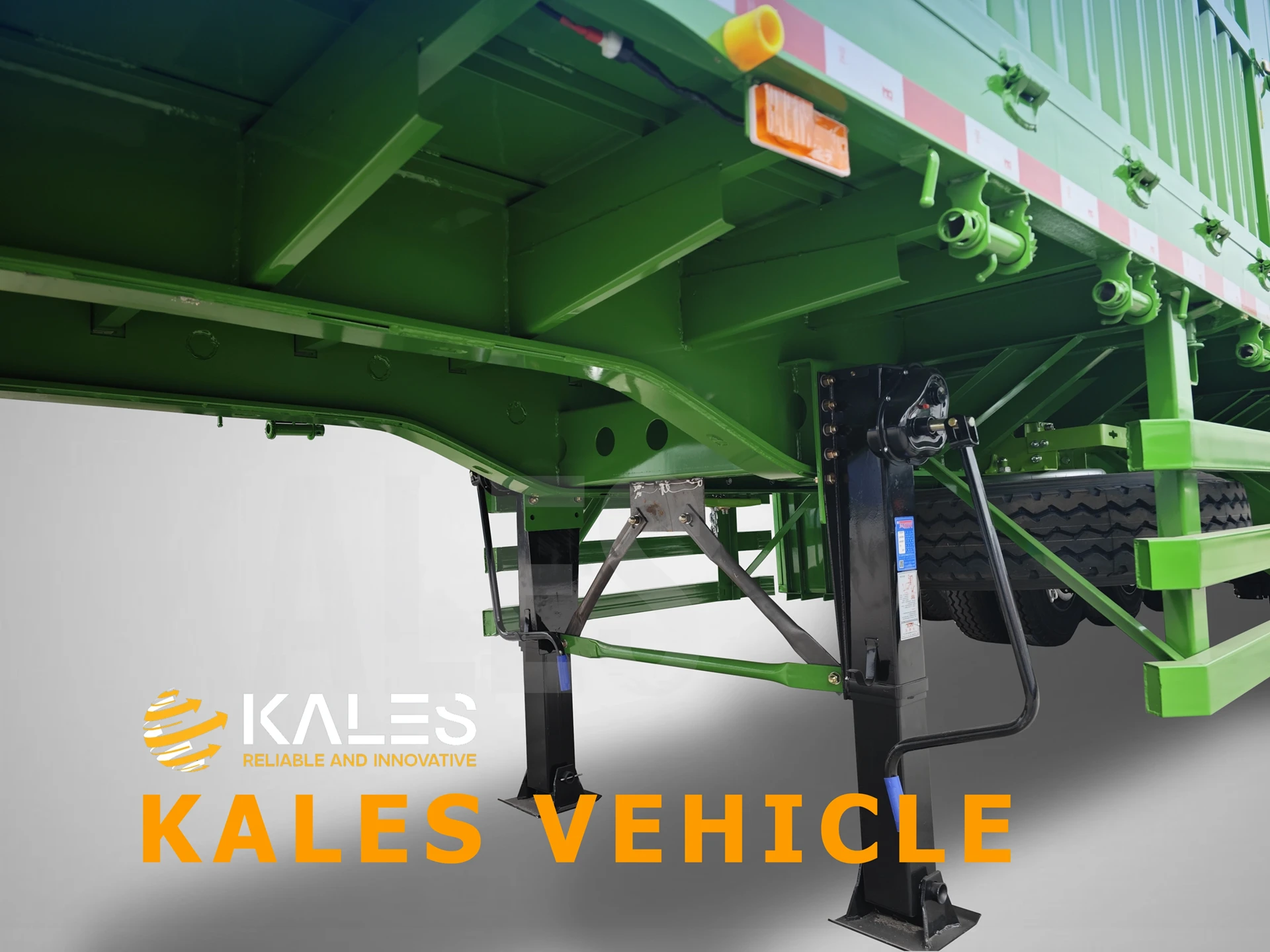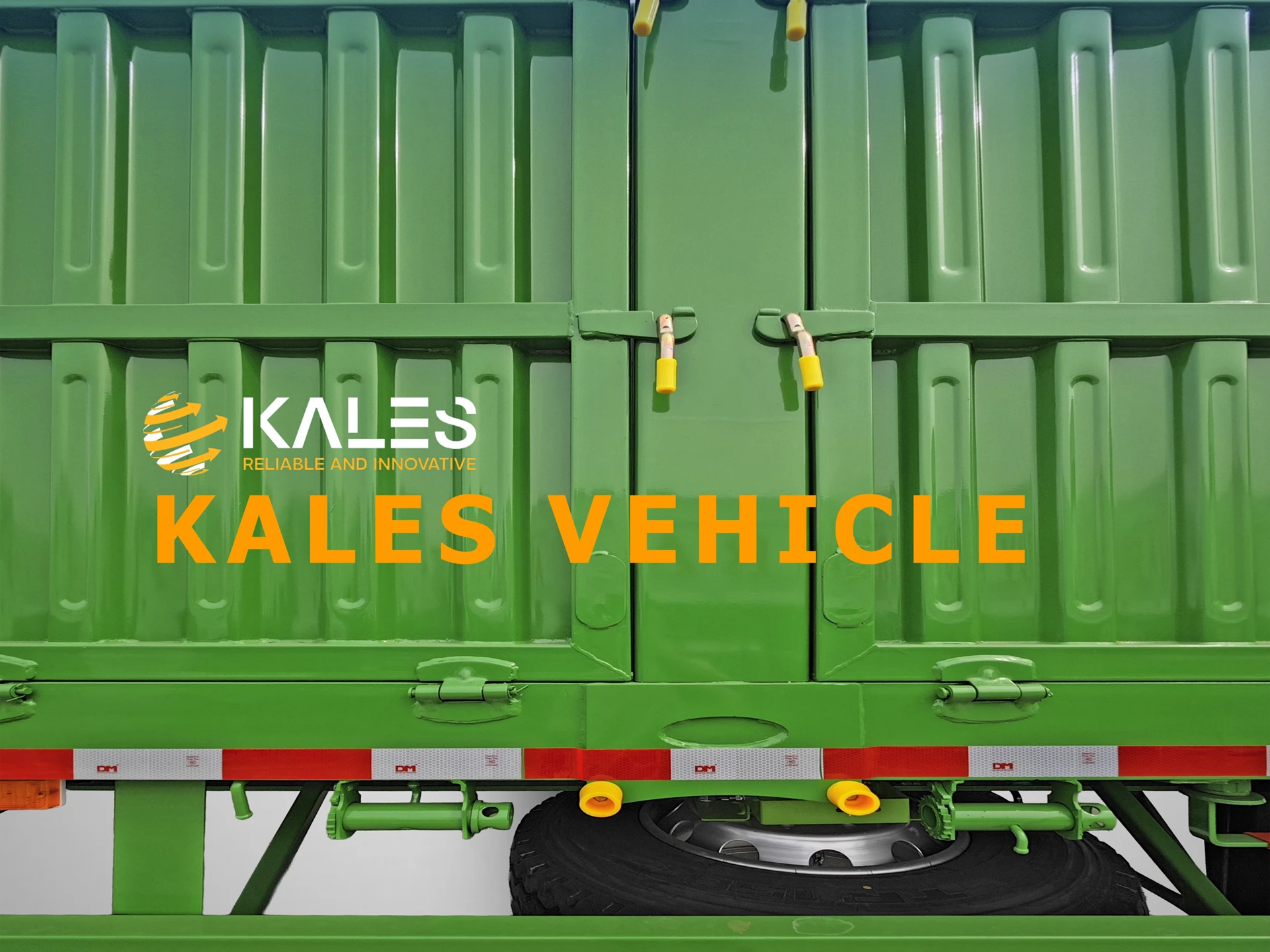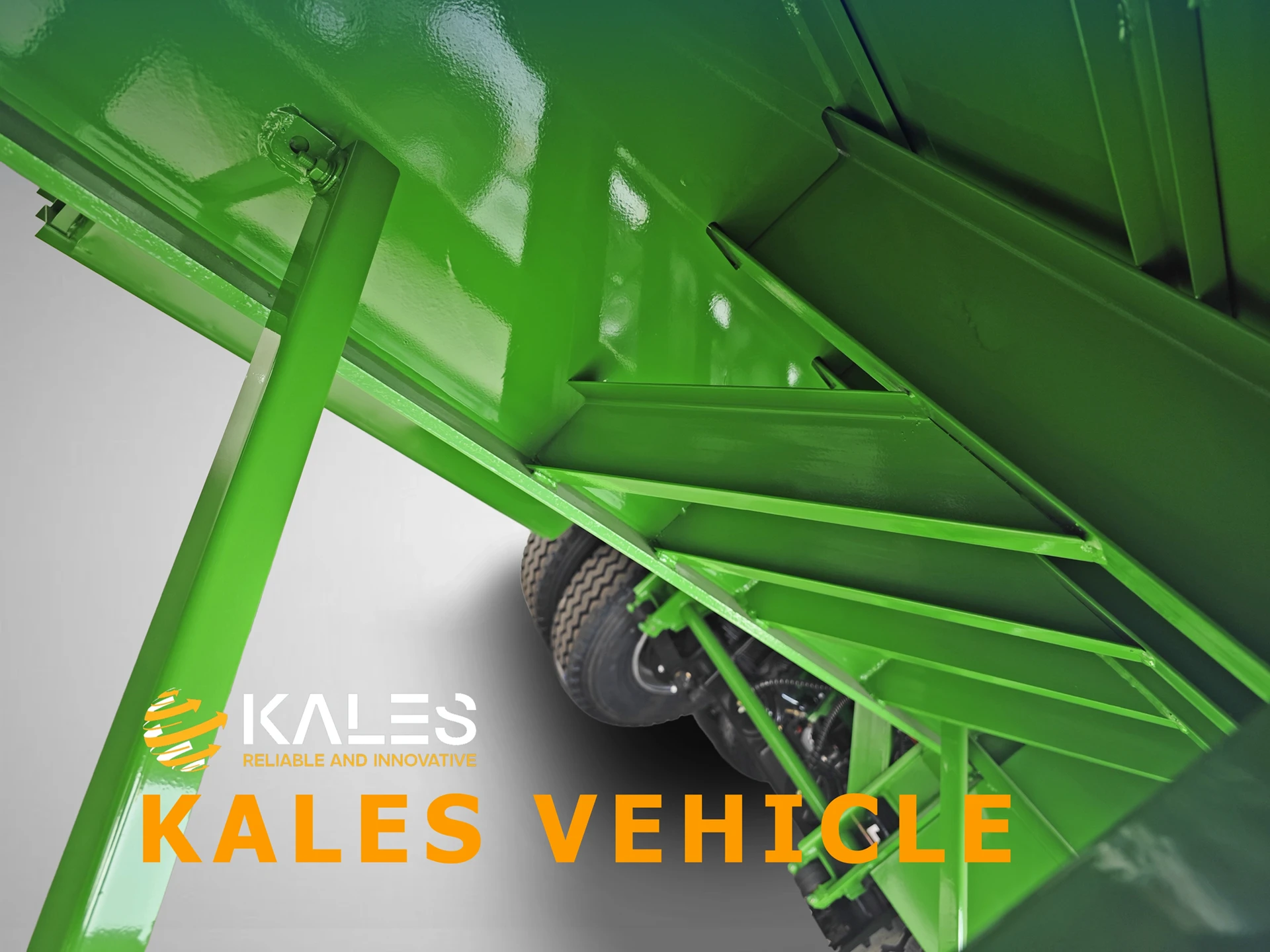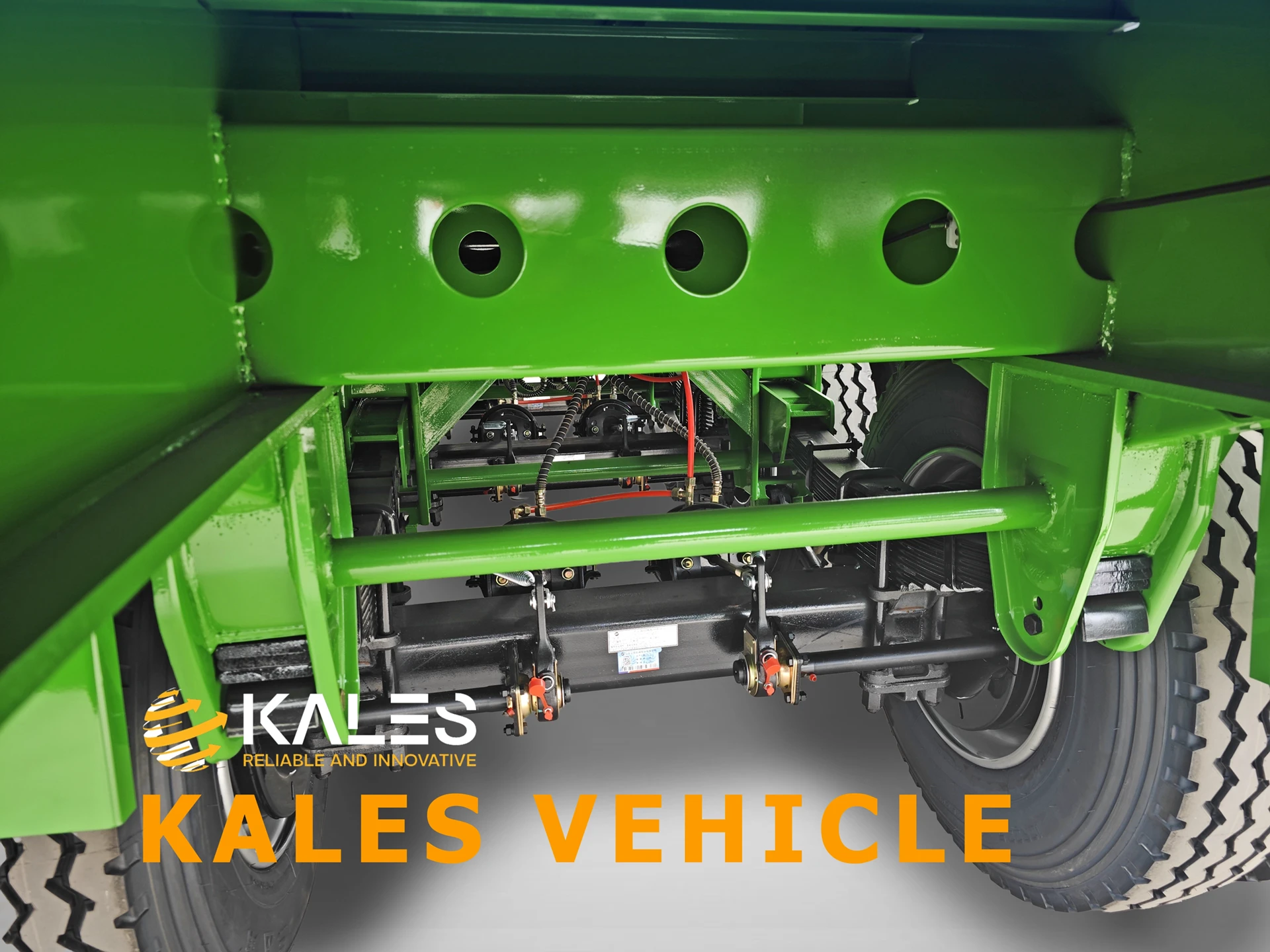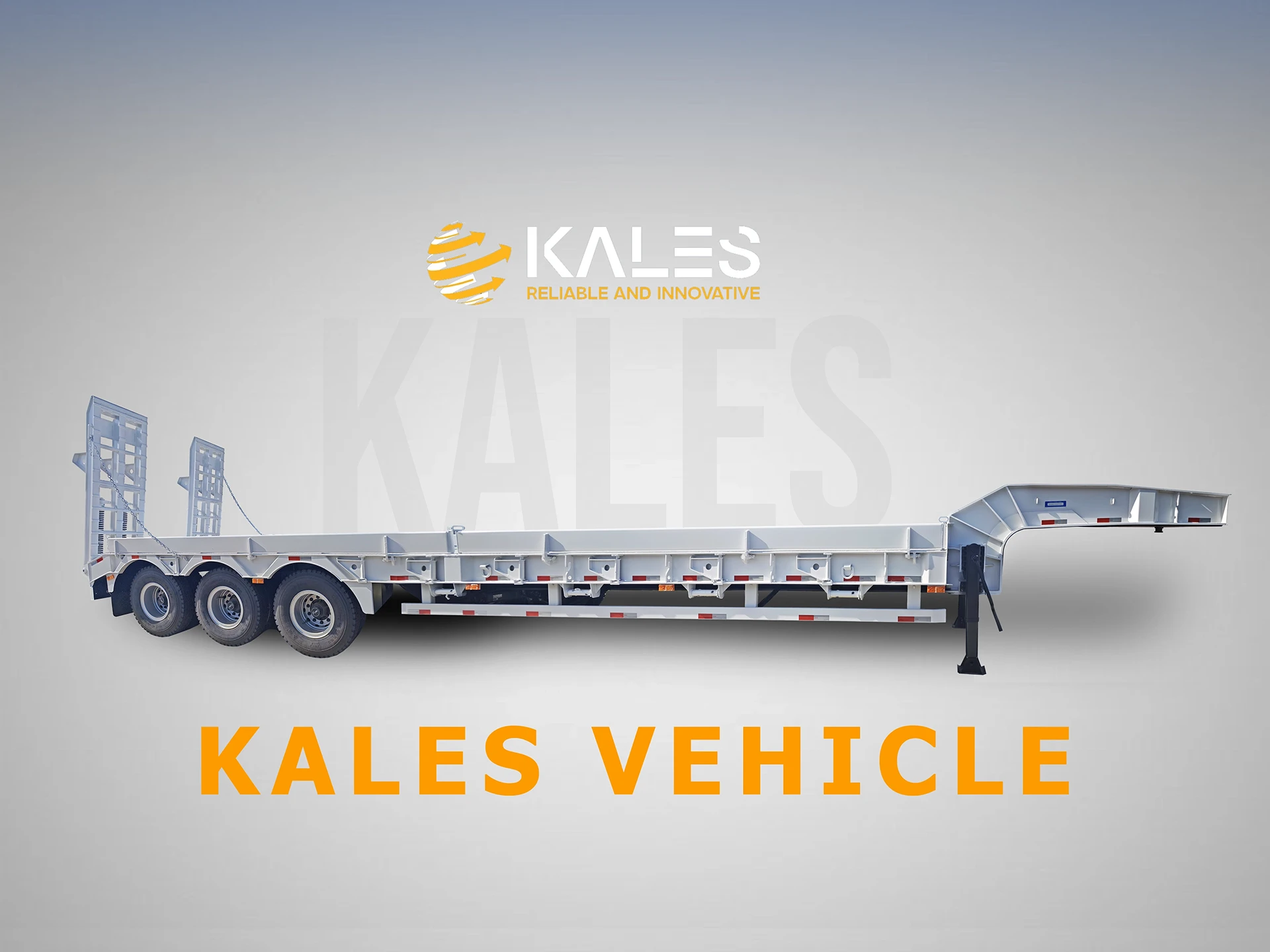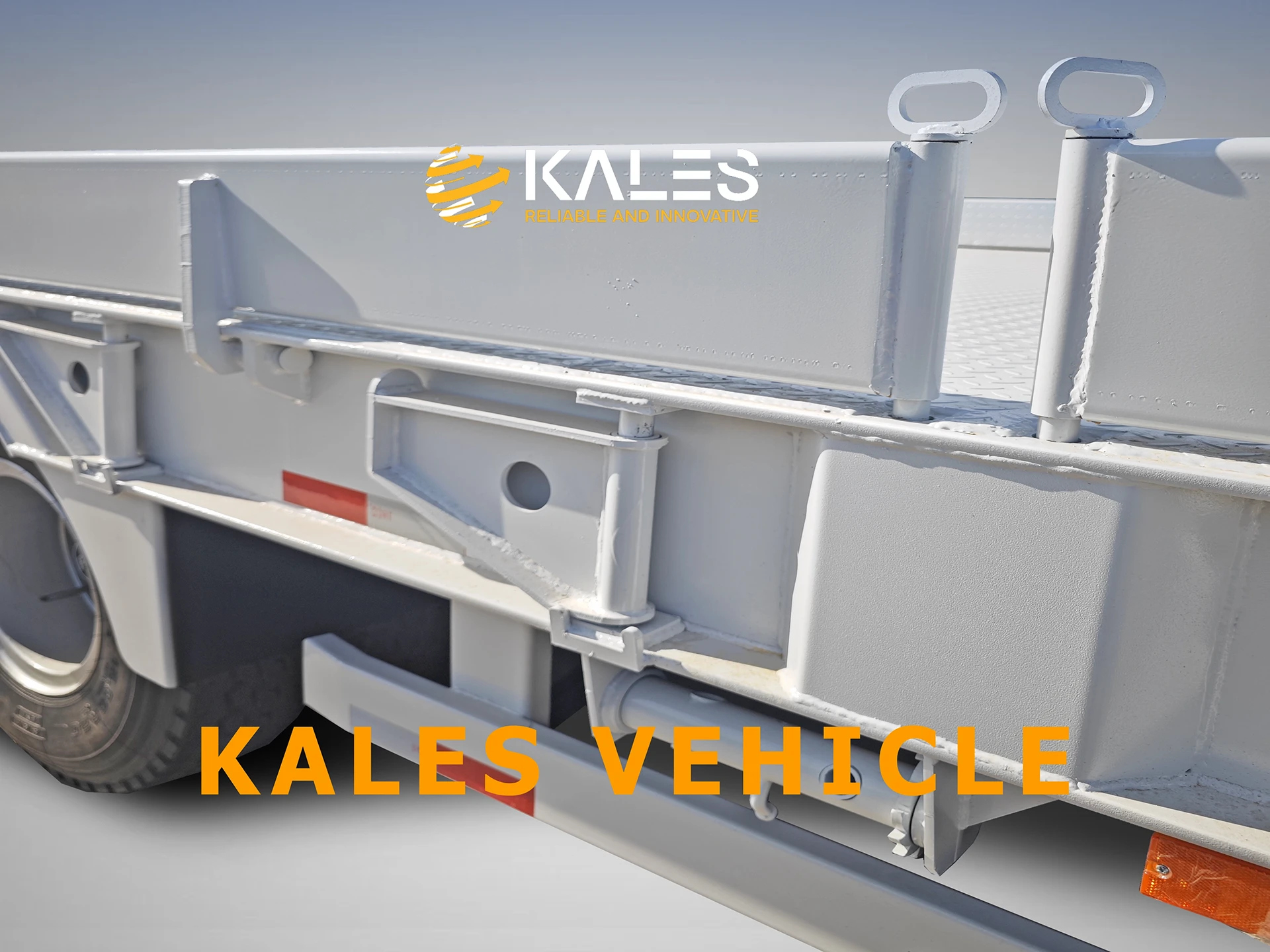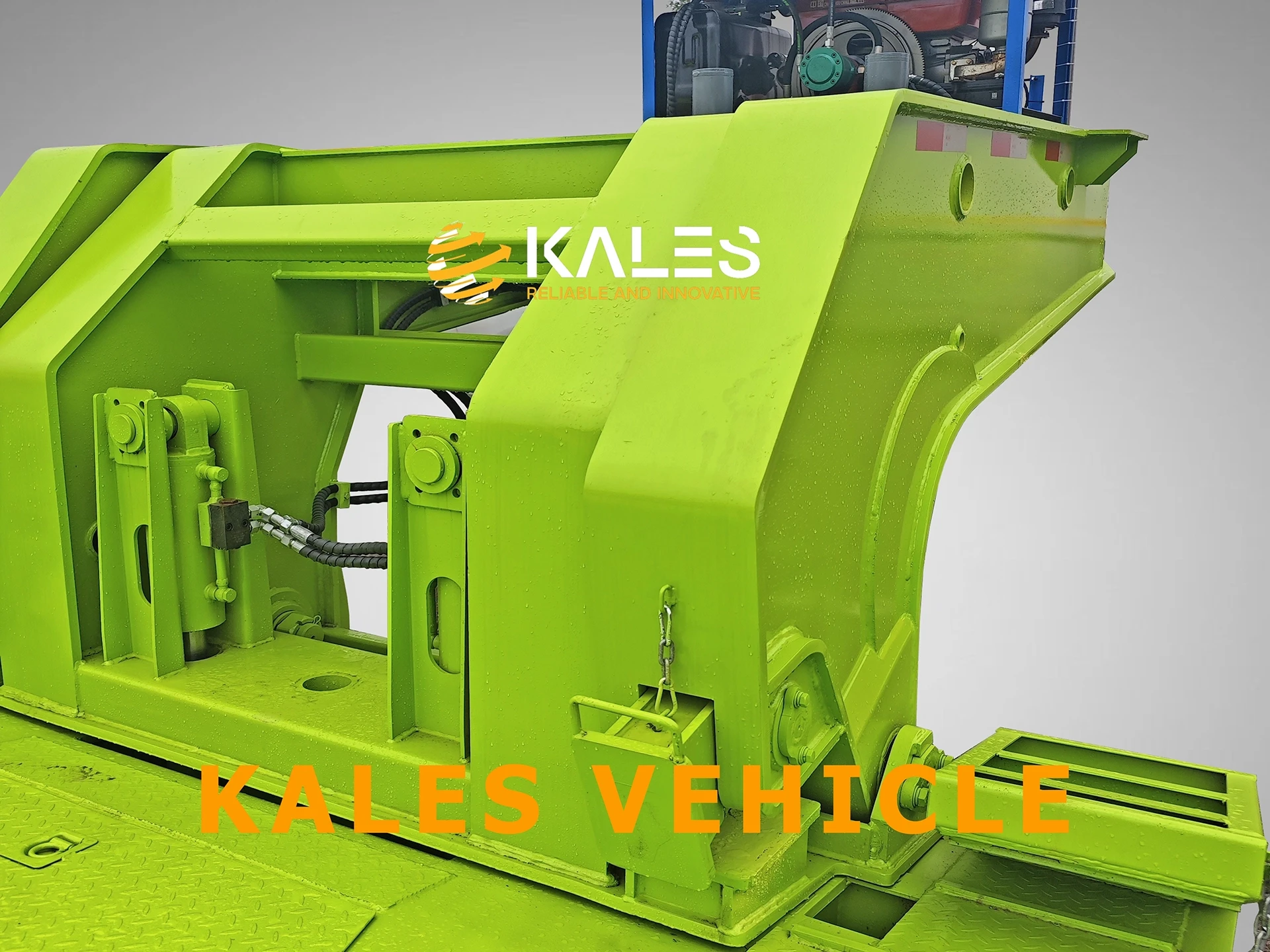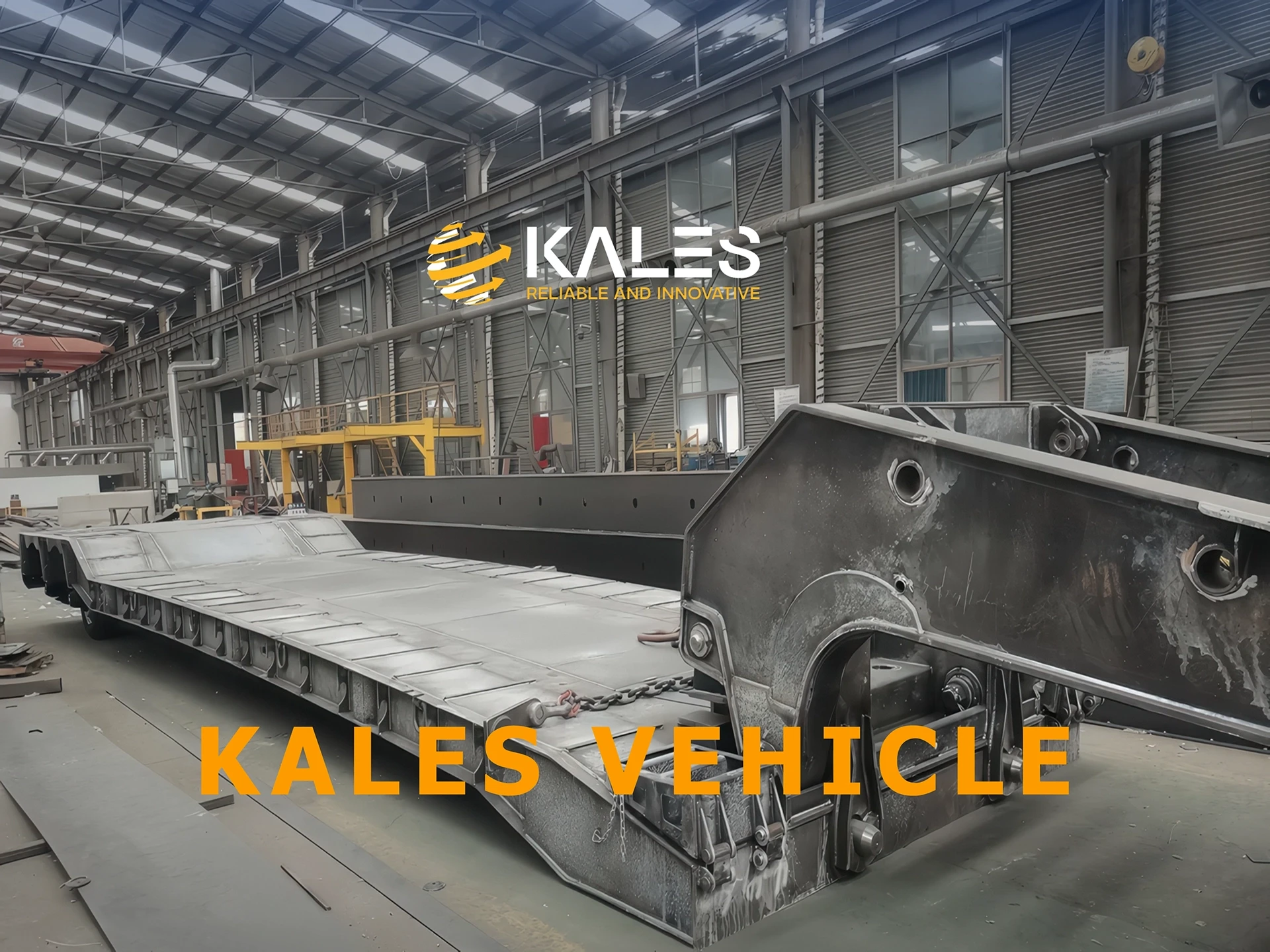
Product Category: Trailers

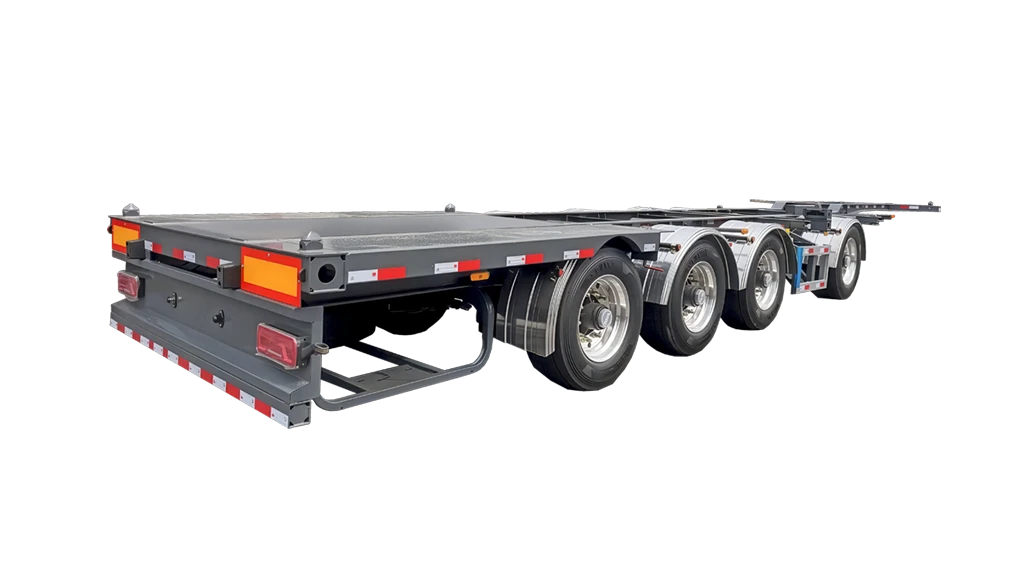
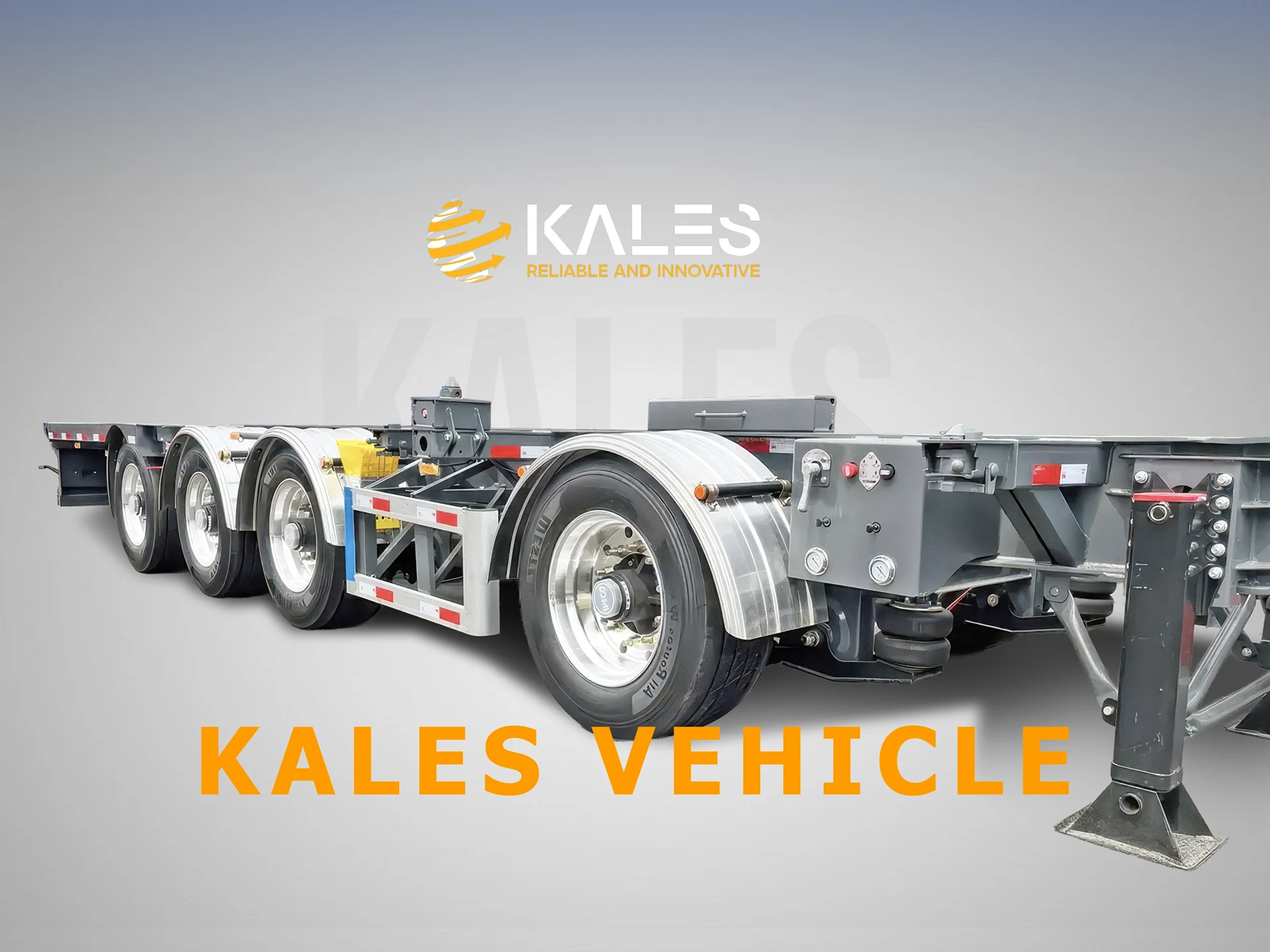
Reliable Transport Solutions Direct from the Factory At Kales Vehicle, we engineer semi trailers built to withstand the toughest road conditions in Africa, Latin America, and Central Asia. As a leading semi trailer manufacturer in China, we combine advanced welding technology with high-strength steel to deliver fleets that last longer and perform better.

Our Diverse Product Range Whether you are transporting ISO containers, bulk cargo, or heavy machinery, our comprehensive catalog covers every logistical need:

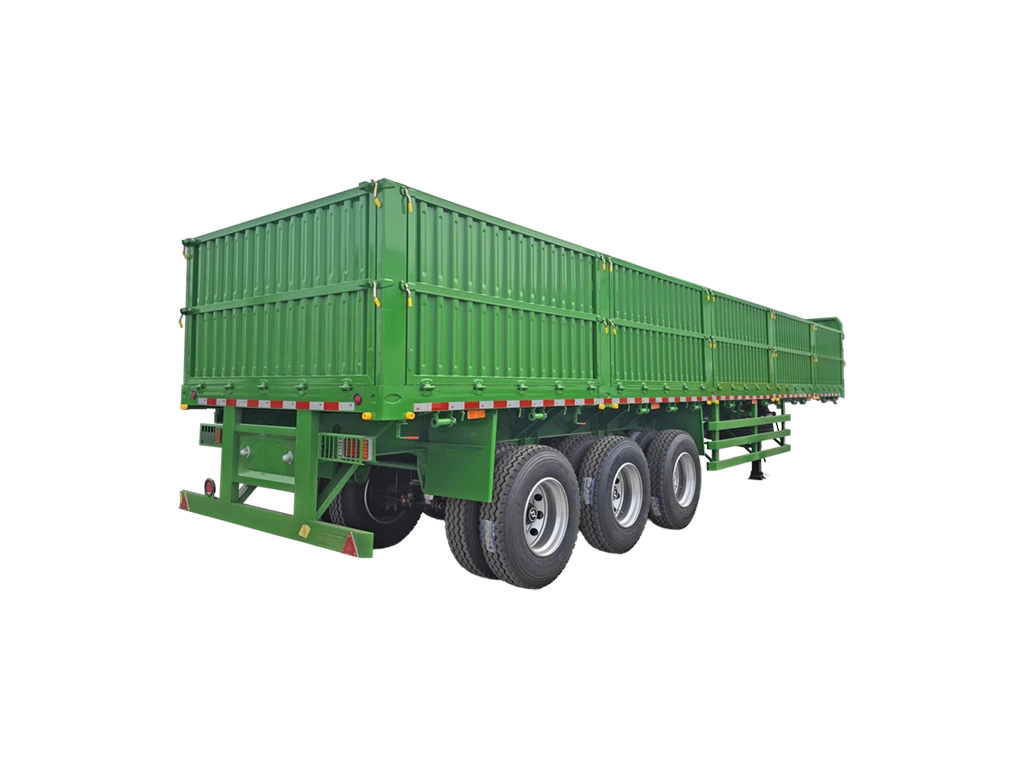
  • Container & Bulk Transport: Optimized solutions including Flatbed, Skeleton, and Fence semi trailers for versatile cargo handling.

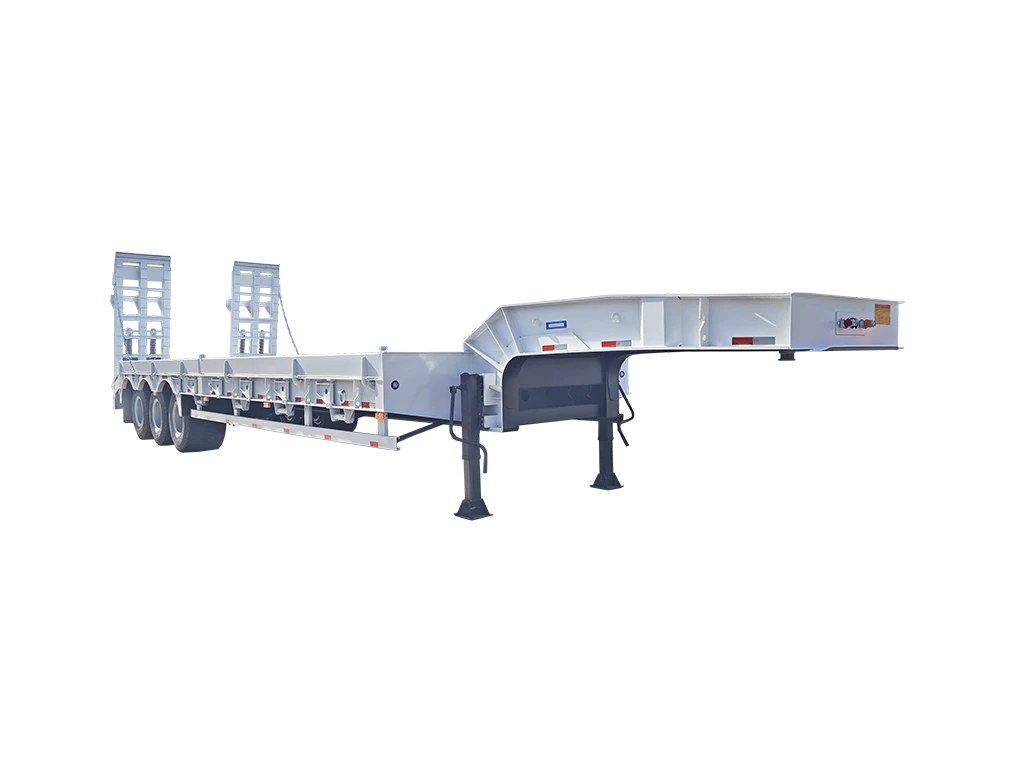
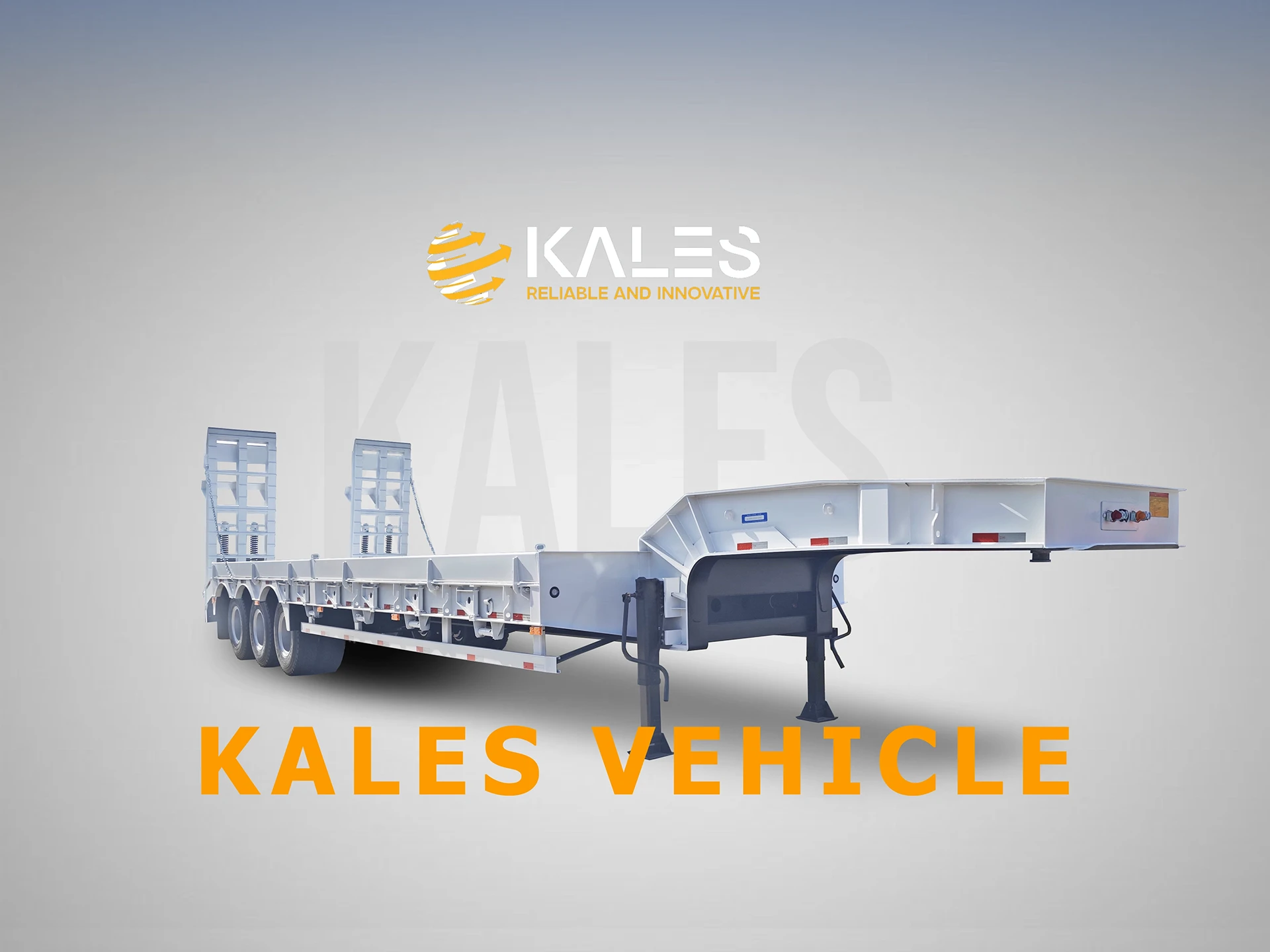
  • Heavy Haulage: Robust Lowbed trailers designed for construction machinery and oversized loads.

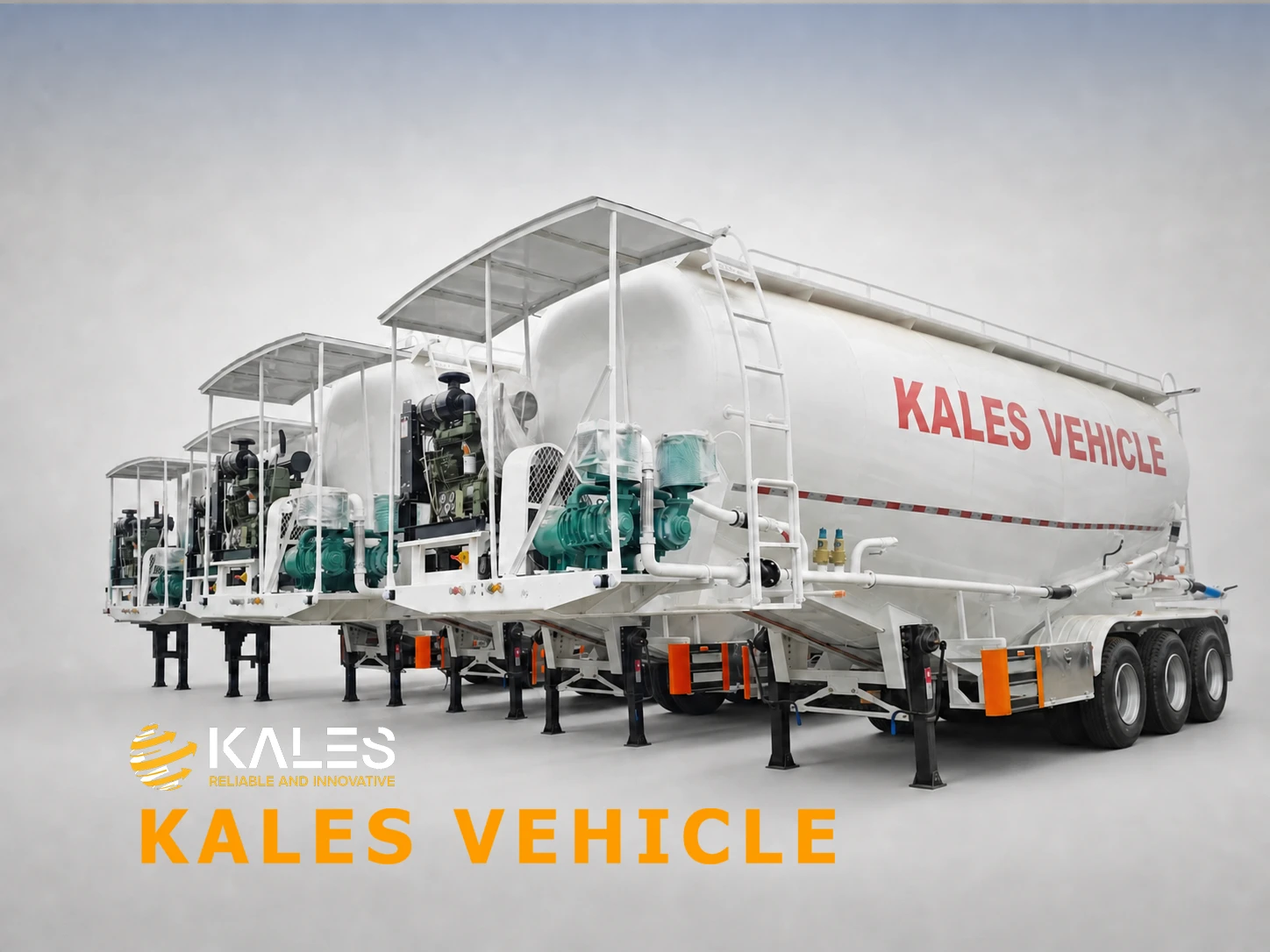
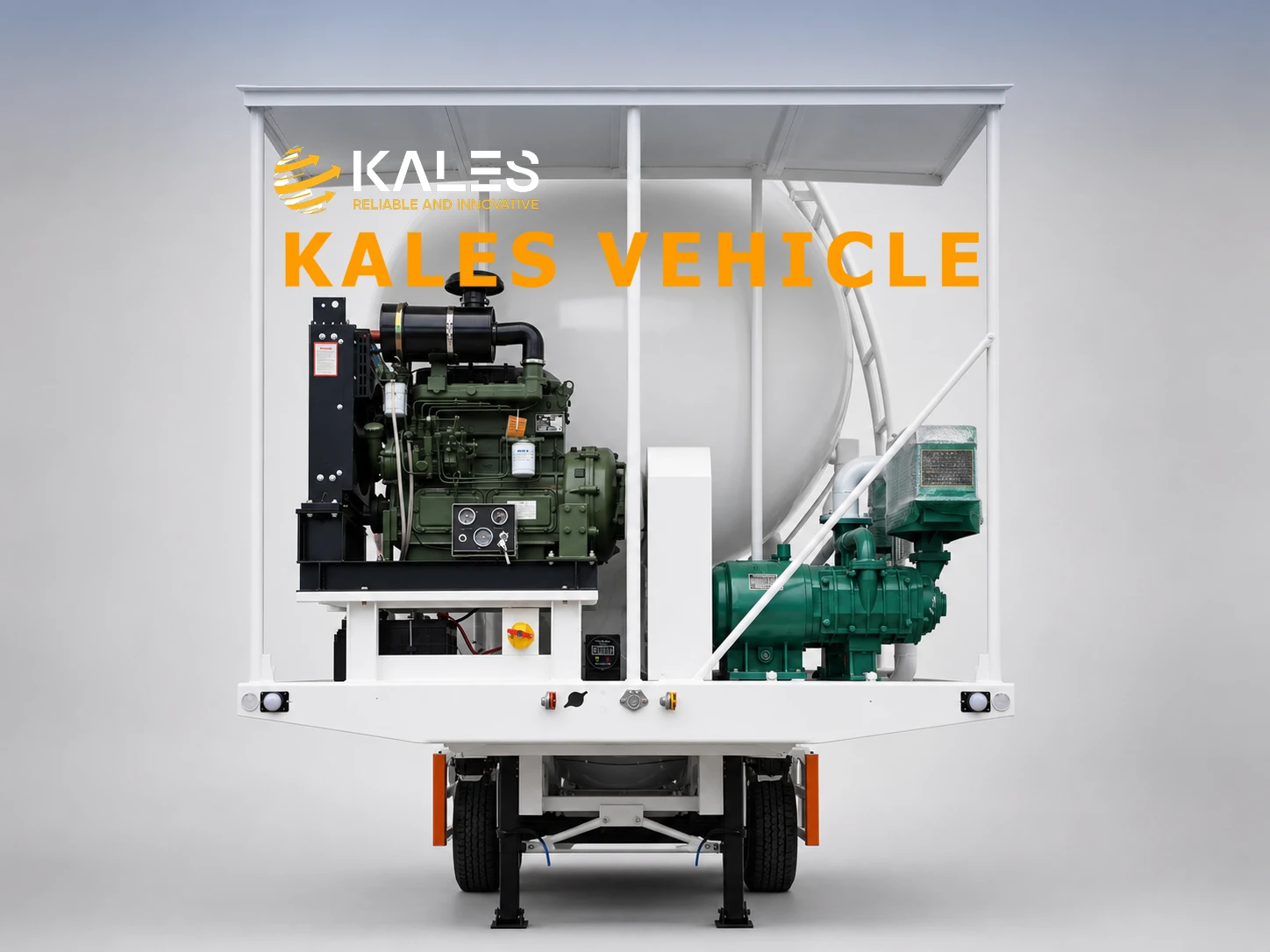
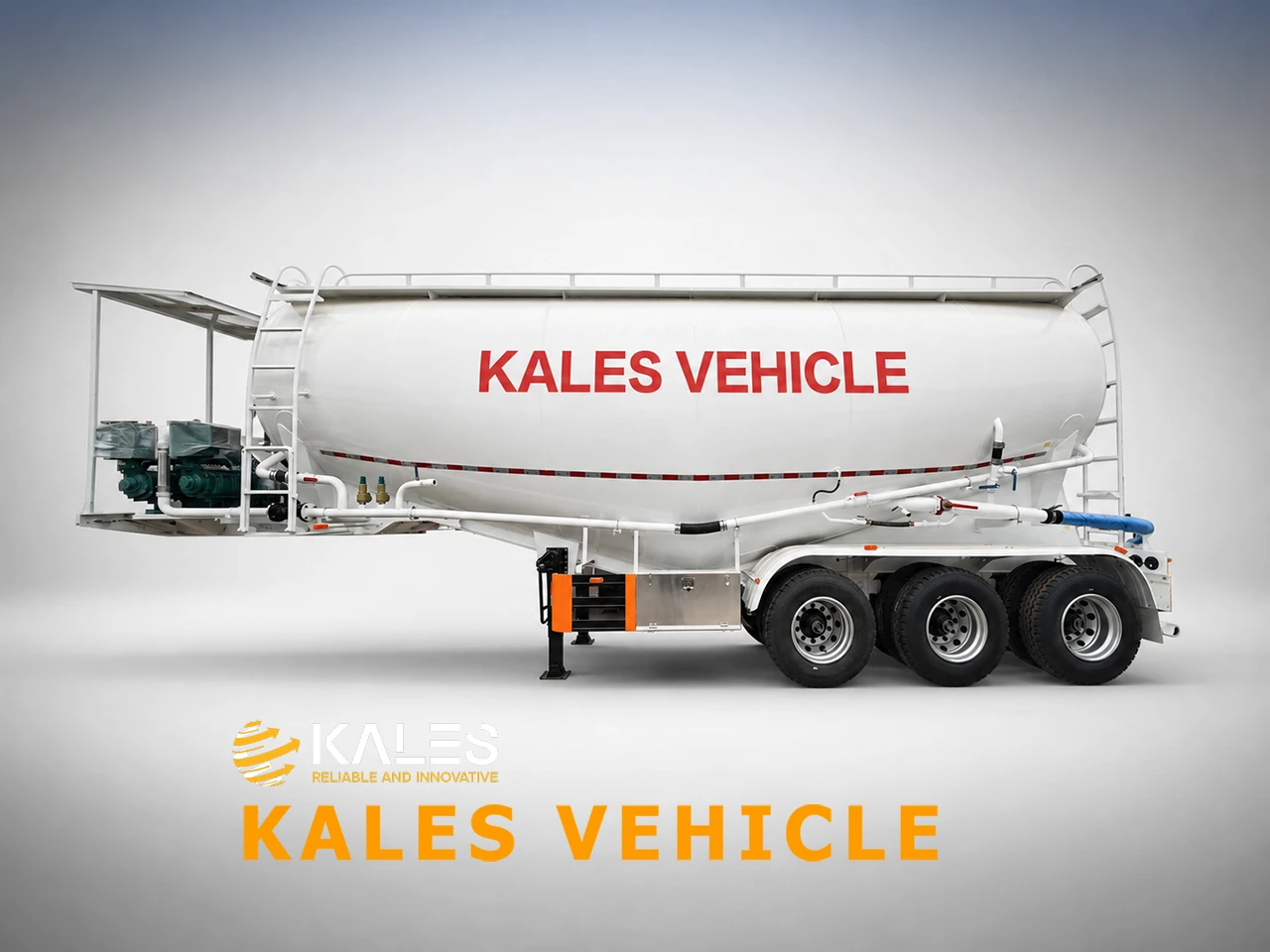
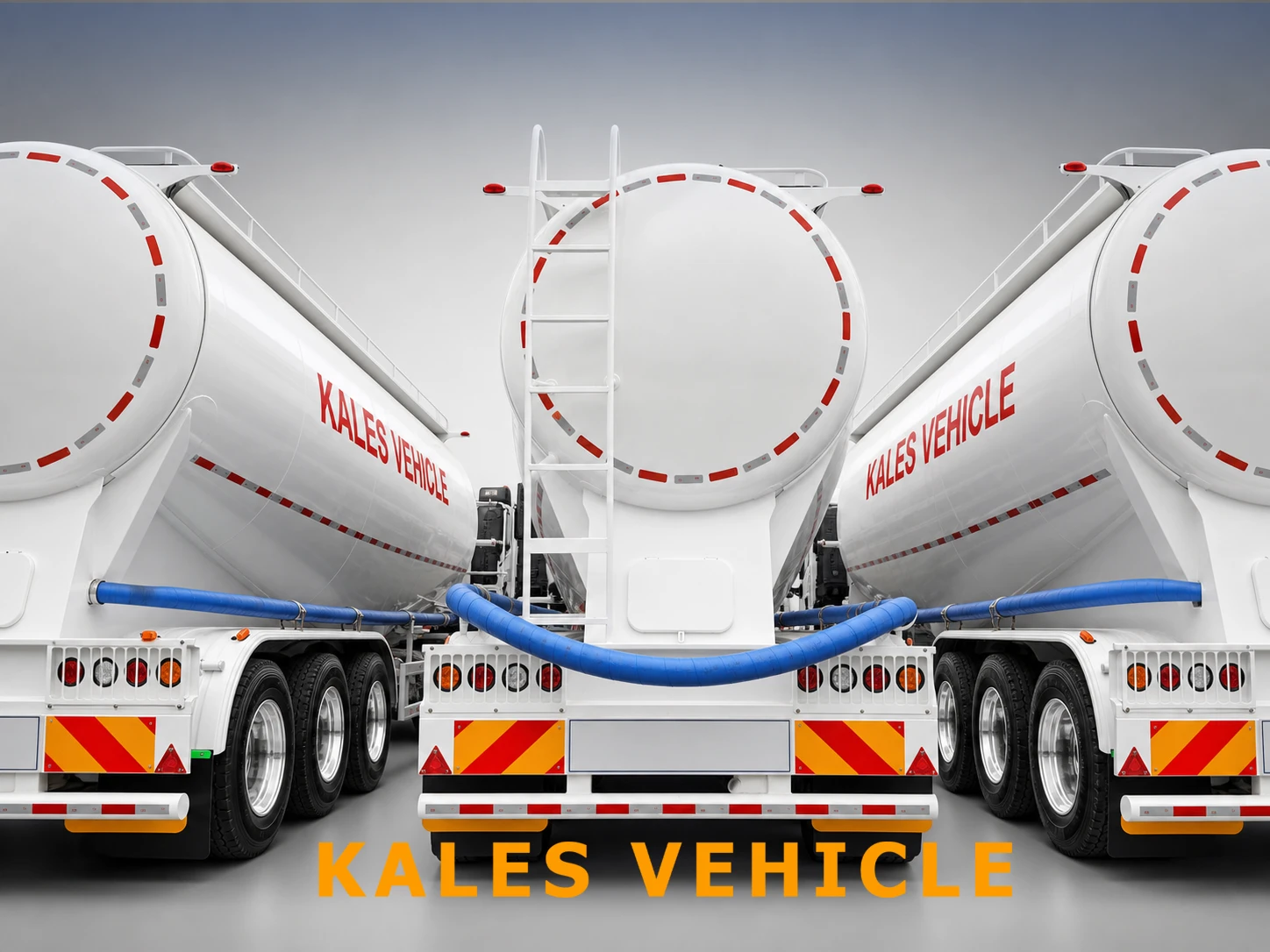
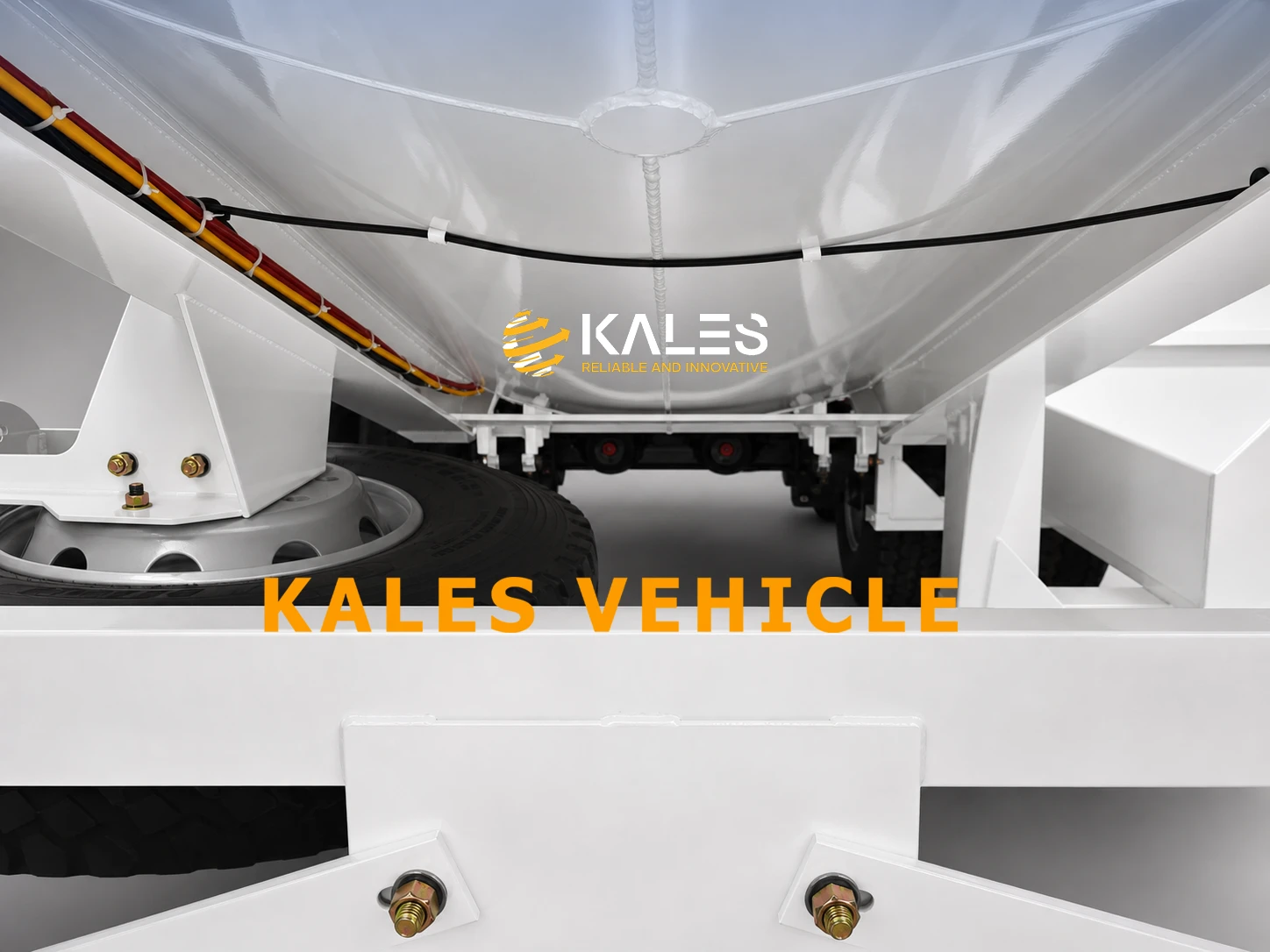
  • Tankers: Specialized Fuel and Cement Tankers ensuring safety and efficiency.

Why Choose Kales Vehicle? We offer factory-direct pricing without compromising on quality. All Kales trailers are compatible with major truck heads (Sinotruk, Shacman) and meet strict ISO standards. Browse our categories below to find the perfect specification for your business.

  • 3-Axle Drop-Side Flatbed Trailer

    3-Axle Drop-Side Flatbed Trailer

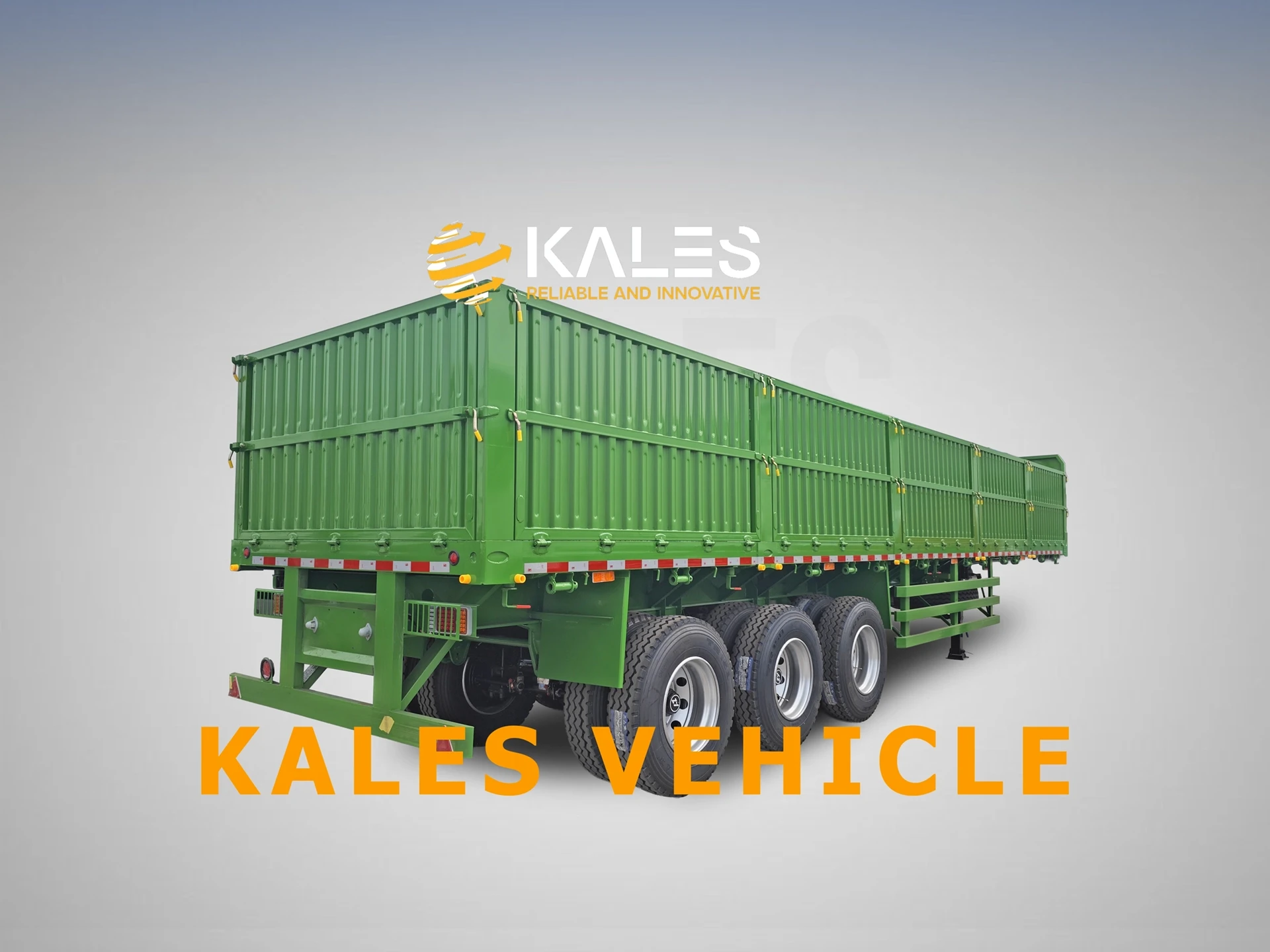
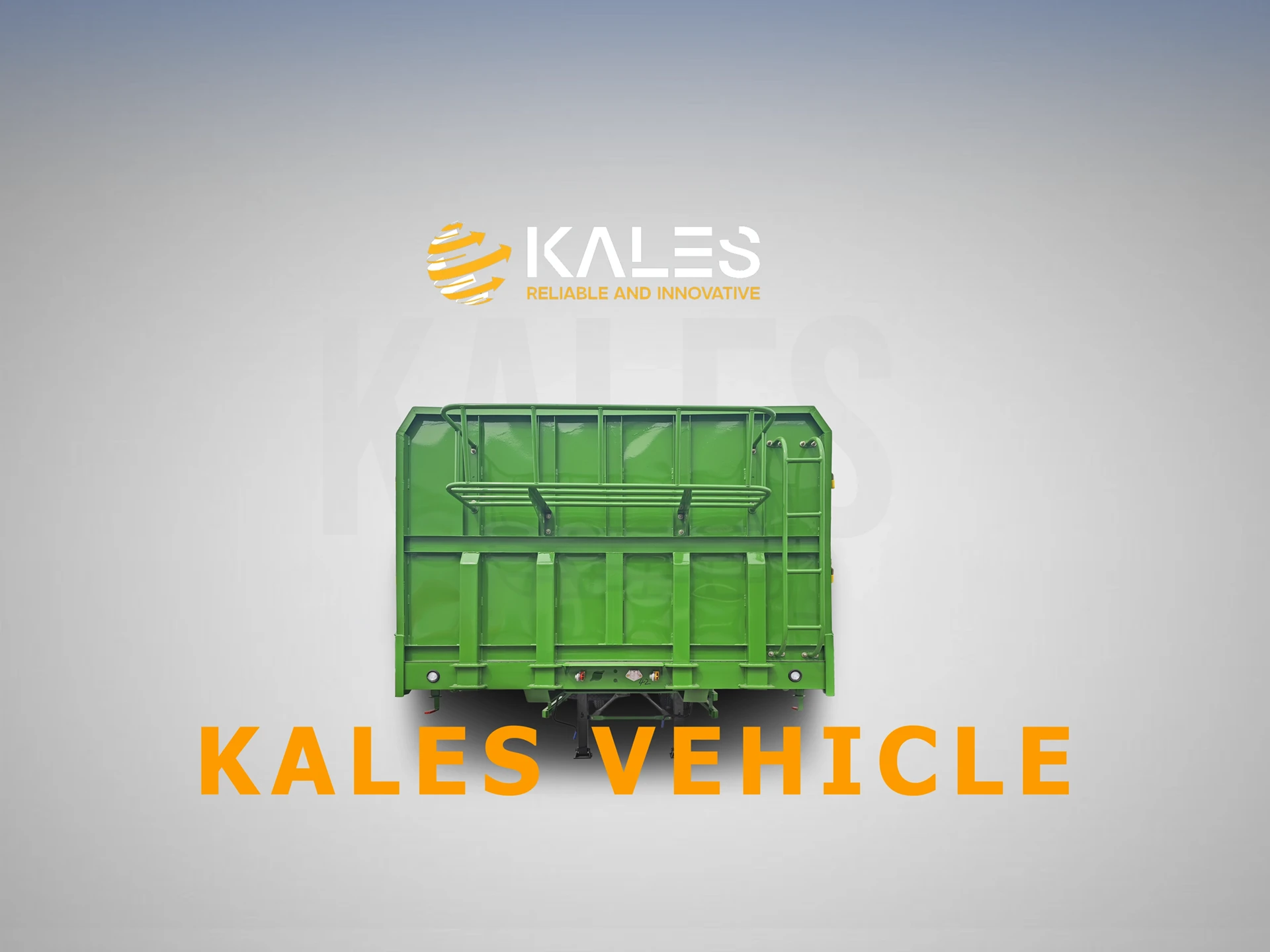
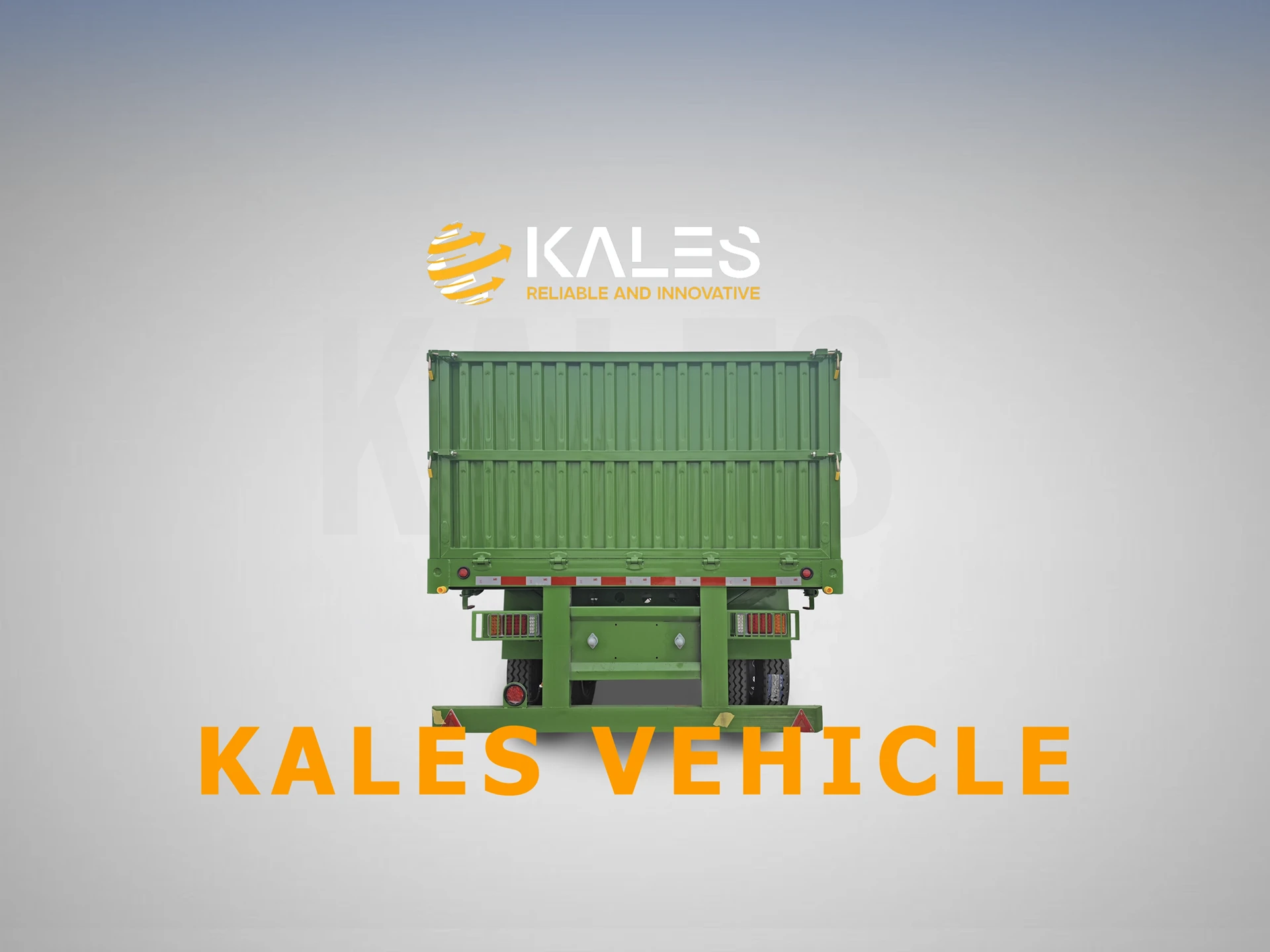
    Side Wall Semi Trailer with reinforced removable panels
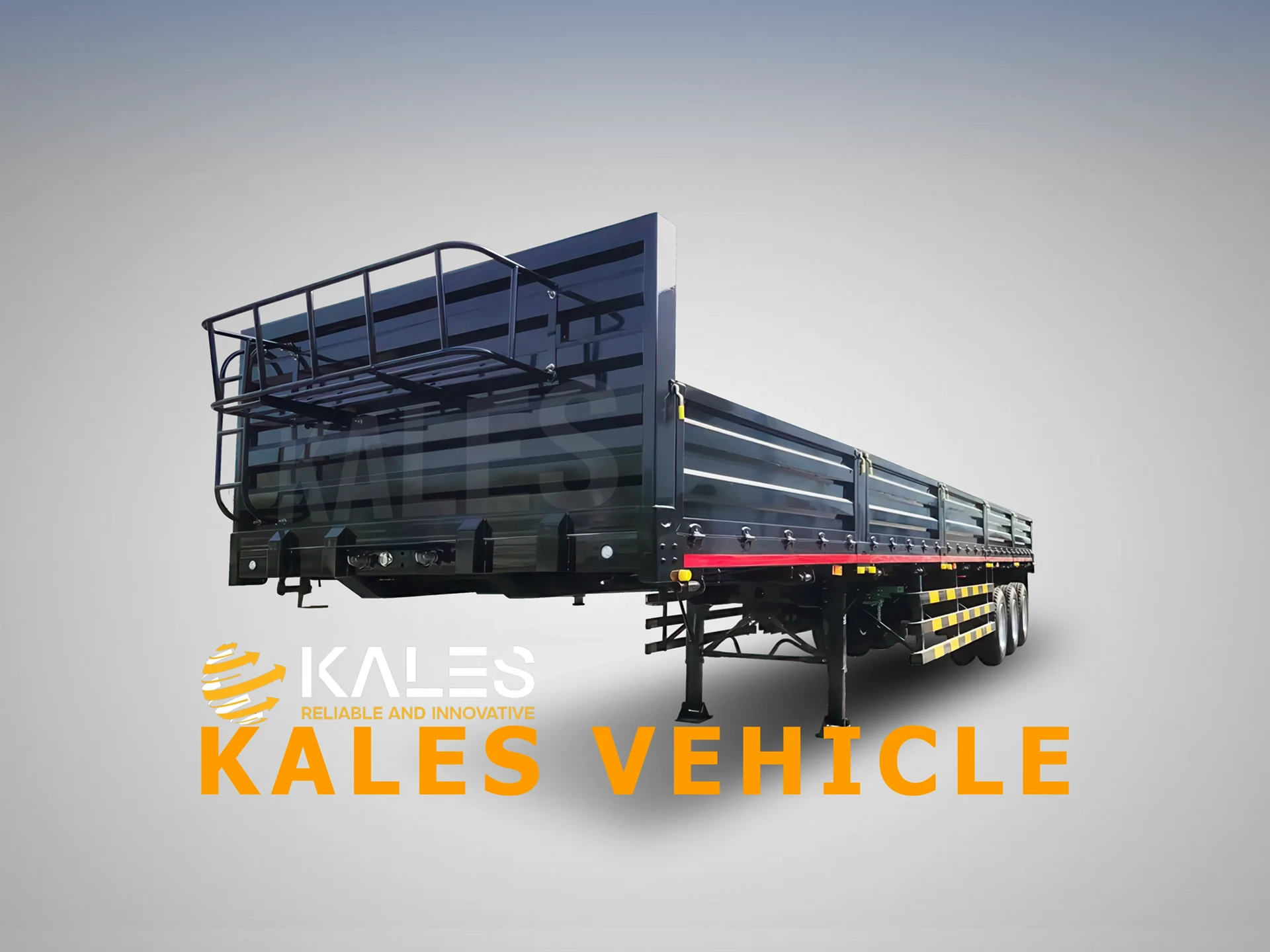
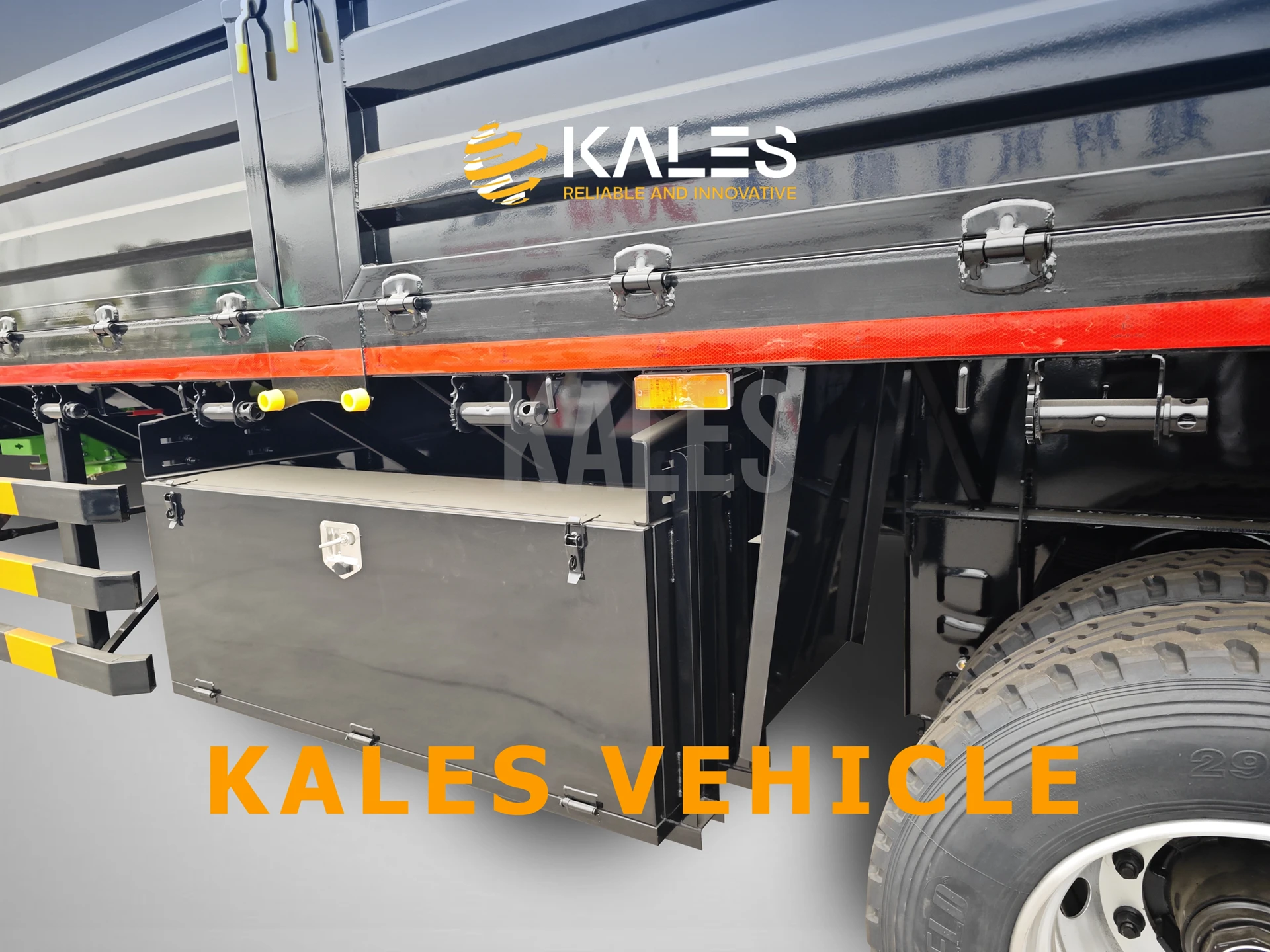
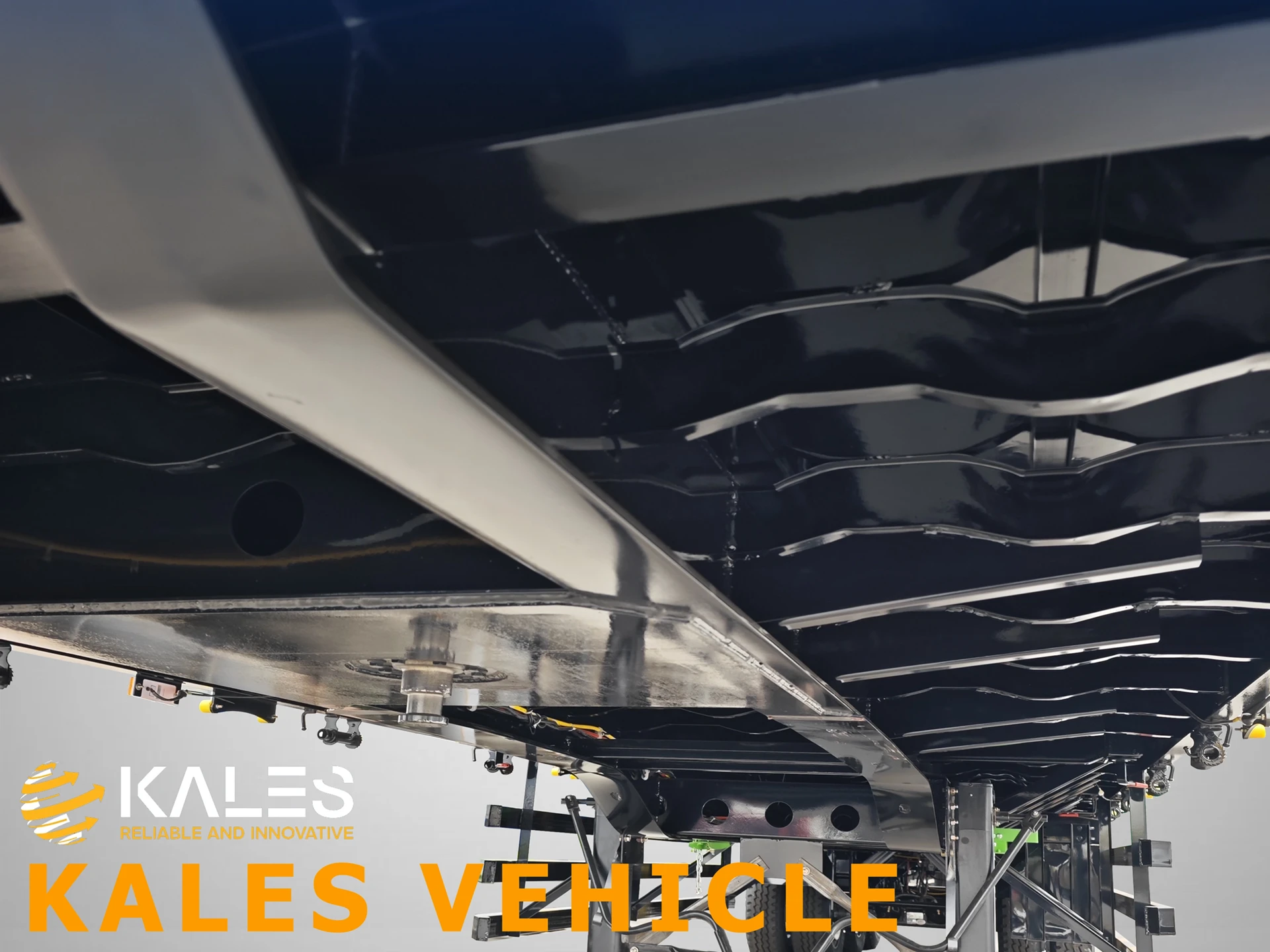
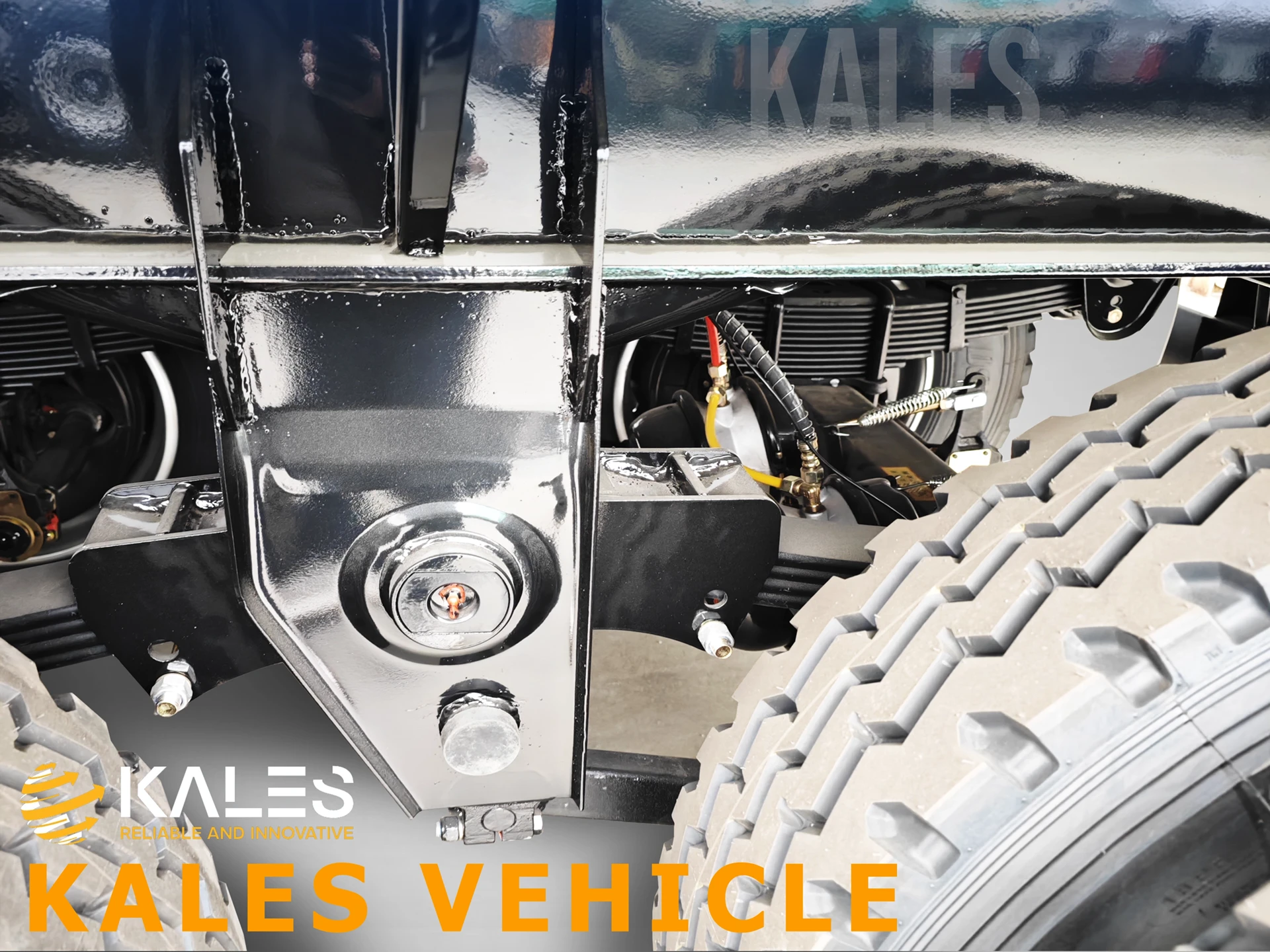
    Kales 3-axle drop-side flatbed trailer configured for containers, bagged cargo, bulk materials, steel, pallets, and mixed general freight with removable side restraint.

    Container & Bulk Transport Product Guide · Published: December 17, 2025 · Updated: June 4, 2026 · By Kales Vehicle Engineering Team · Reviewed by Kales Export Sales Engineering · Market focus: Africa, the Middle East, Latin America, port-to-inland freight, construction supply, and mixed-route open cargo programs

    3-axle drop-side flatbed trailer: this Kales sidewall platform is built for fleets that need more cargo restraint than an open flatbed, but more flexibility than a fixed sidewall trailer focused only on dense heavy freight. It fits container backhaul, bagged cargo, bulk materials, steel, pallets, timber, and general cargo where removable side panels make the trailer commercially useful on more than one route type.

    Engineering guidance from the Kales Vehicle product team for buyers comparing a removable-sidewall platform with open flatbeds, broader 45ft export decks, and heavier 80 ton dropside trailers.

    Quick answer: choose this 3-axle drop-side flatbed trailer when your operation needs one open trailer that can handle containers, bagged freight, bulk cargo, steel, and general cargo with practical side restraint. It is the right fit when removable sidewalls matter more than a pure open deck, but your freight profile still does not justify moving into a heavier 80 ton dropside program.

    Why Buyers Choose This Removable-Sidewall Platform

    • Removable sidewall logic: side panels help retain bagged, bundled, palletized, and loose cargo, then can be removed when the trailer needs a cleaner open deck.
    • Container plus cargo versatility: 12 ISO twist locks support container work while the deck still serves steel, timber, pallets, and general freight.
    • Broader cargo restraint than an open flatbed: this page owns the buyers who need side retention without stepping into a much heavier sidewall-only chassis.
    • Practical export structure: Q355B high-strength beam, reinforced side members, and workshop-friendly running gear suit real mixed-route fleet use.
    • Represented export configuration with practical options: sidewall height, floor thickness, axle brand, suspension, and reinforcement can still be matched to the cargo profile without misrepresenting the page as a broad price-range family.

    Specification-backed advantages

    • Primary freight role: Containers, bagged cargo, bulk freight, steel, pallets, timber, and mixed general cargo. This provides a concrete durability and load-control basis for the stated duty cycle.
    • Brake system: WABCO valve logic with dual-circuit air braking. This gives the buyer a specific braking or safety package to verify for the intended route.
    • Axles: 3 axles, usually 13T or 16T; FUWA, BPW, or KALES options. This makes destination-market parts support and workshop planning easier to confirm before production.


    Technical Snapshot

    Product type 3-axle drop-side flatbed trailer / removable-sidewall semi trailer
    Primary freight role Containers, bagged cargo, bulk freight, steel, pallets, timber, and mixed general cargo
    Reference dimensions About 13,000 mm x 2,500 mm x 1,550 mm, customizable by cargo program and destination market
    Payload class About 45T to 60T depending on axle matching, legal road limits, floor thickness, and reinforcement level
    Main beam Q355B high-strength steel beam with reinforced front transition and side structure support
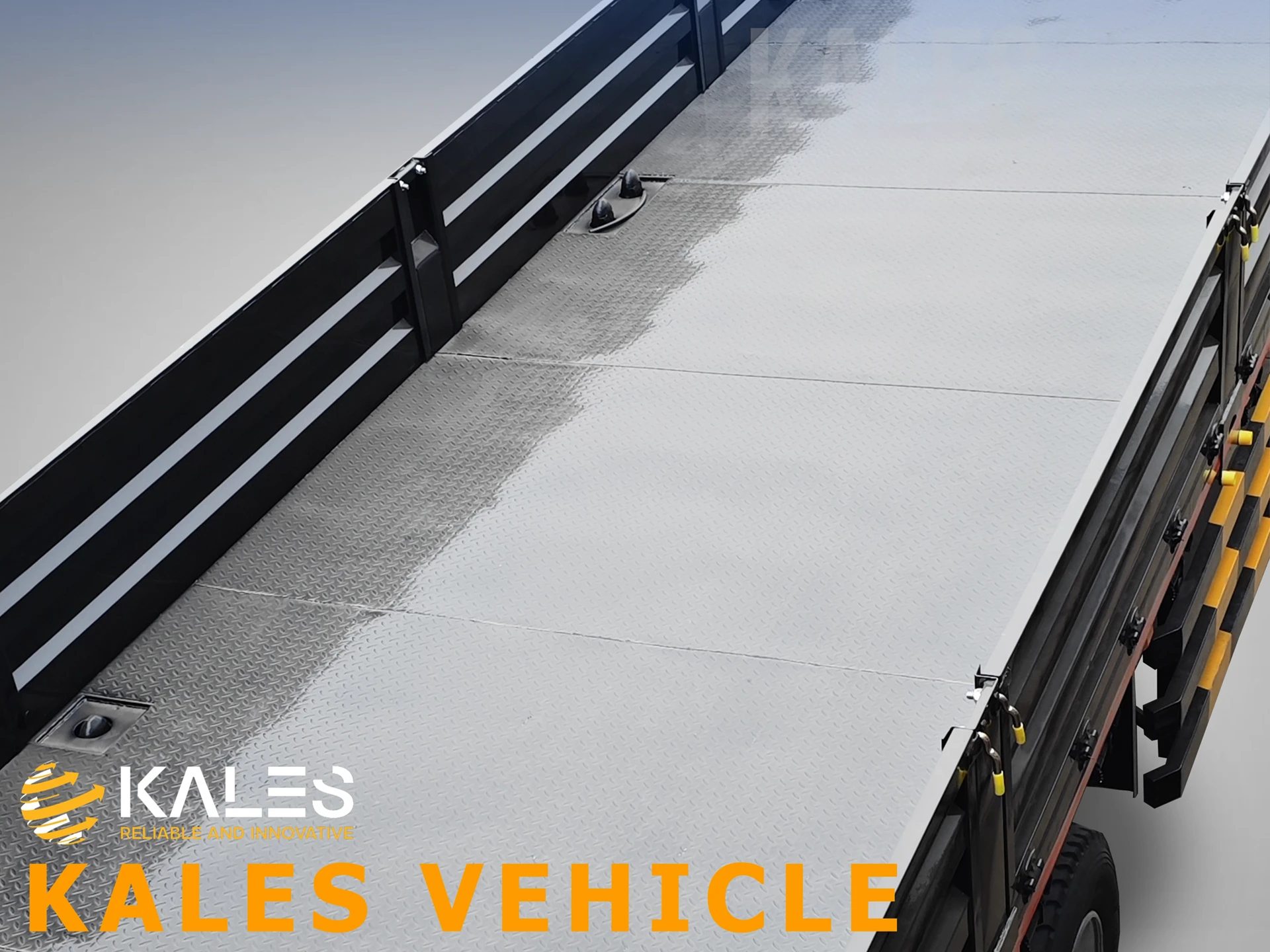
    Sidewall arrangement Removable corrugated steel side panels, typically 600 mm or 800 mm, with higher options by request
    Deck floor 3 mm to 4 mm anti-slip checkered steel plate
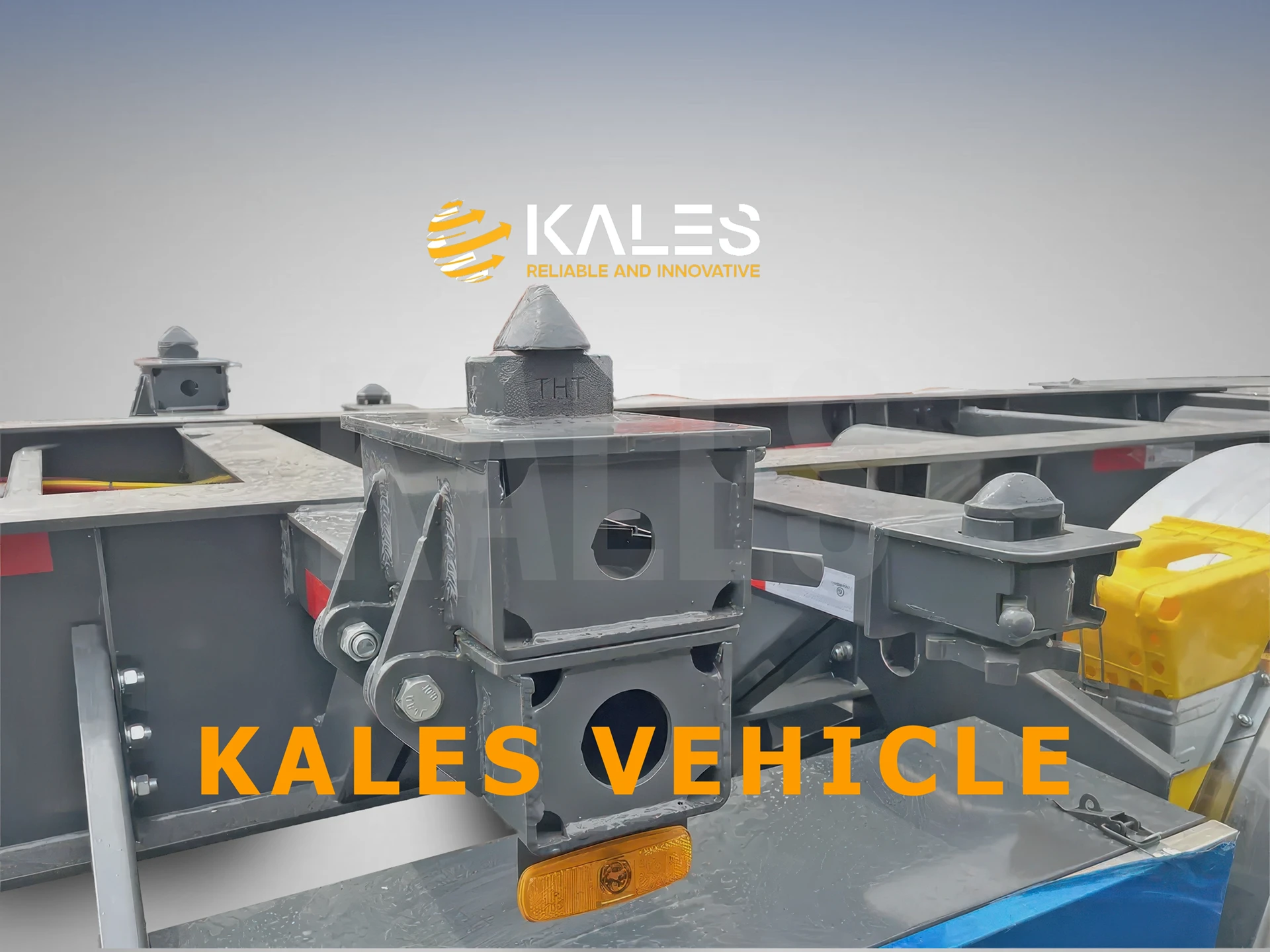
    Container locking 12 ISO twist locks for 1 x 40ft or 2 x 20ft container positioning
    Axles 3 axles, usually 13T or 16T; FUWA, BPW, or KALES options
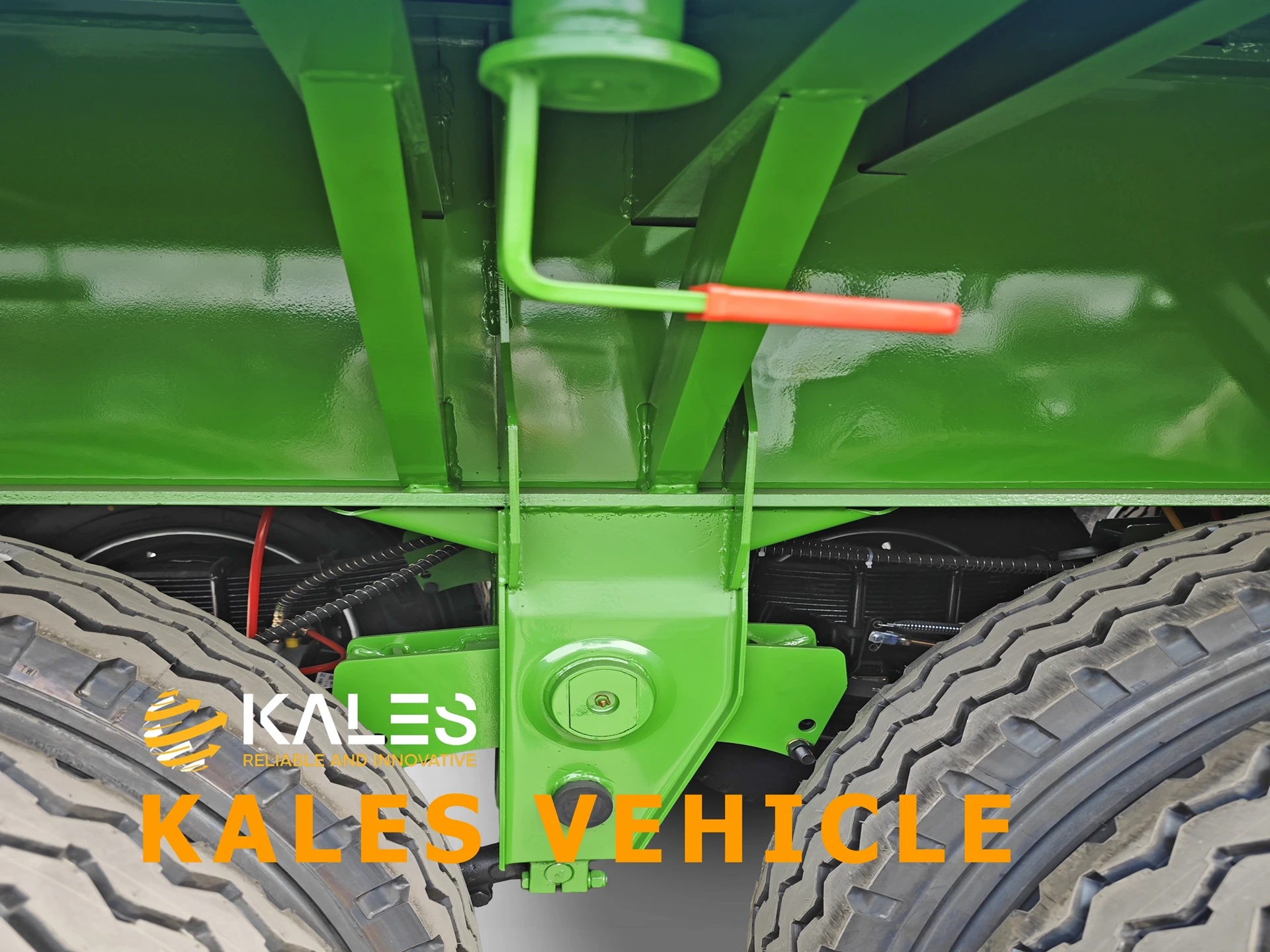
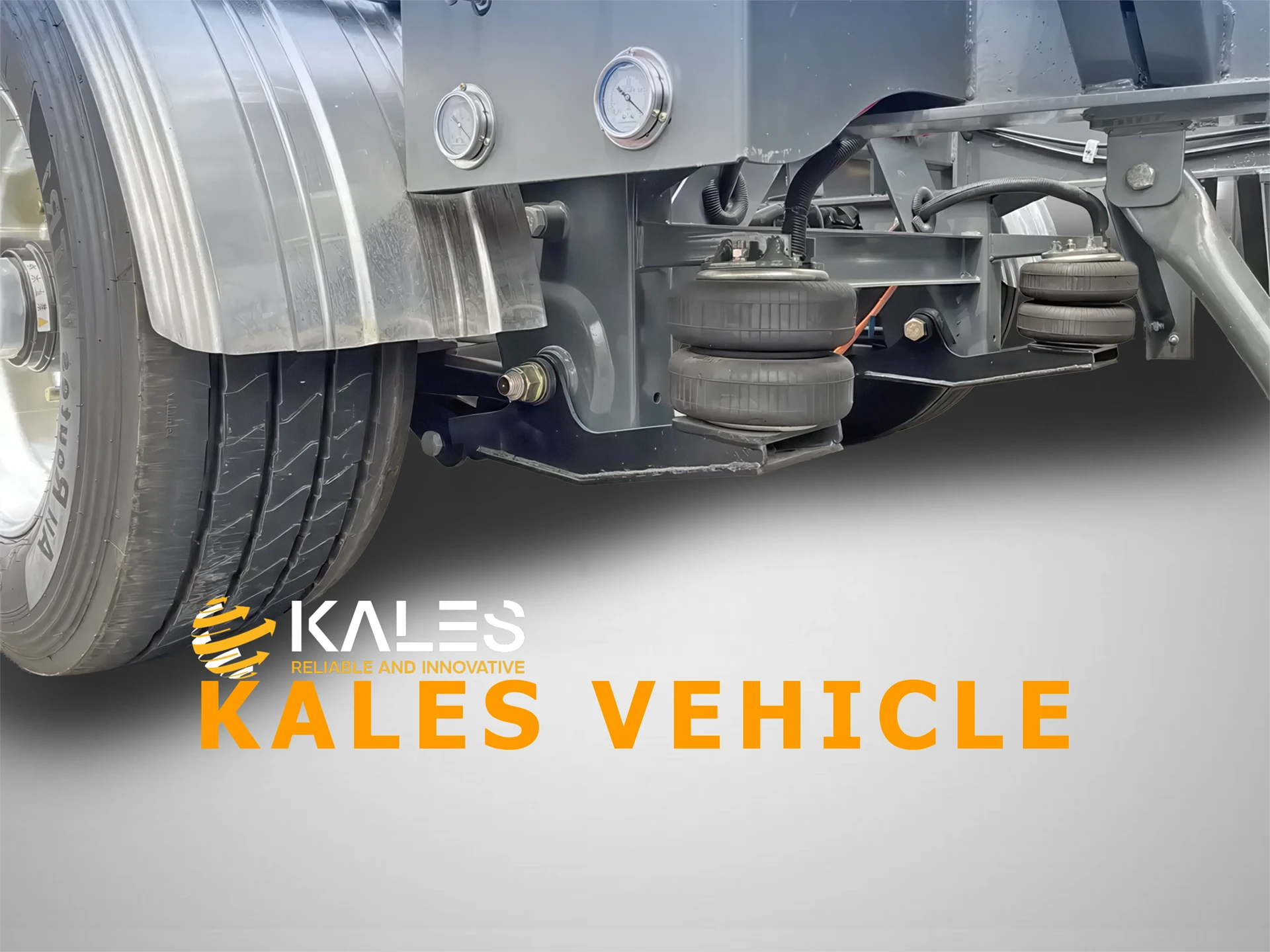
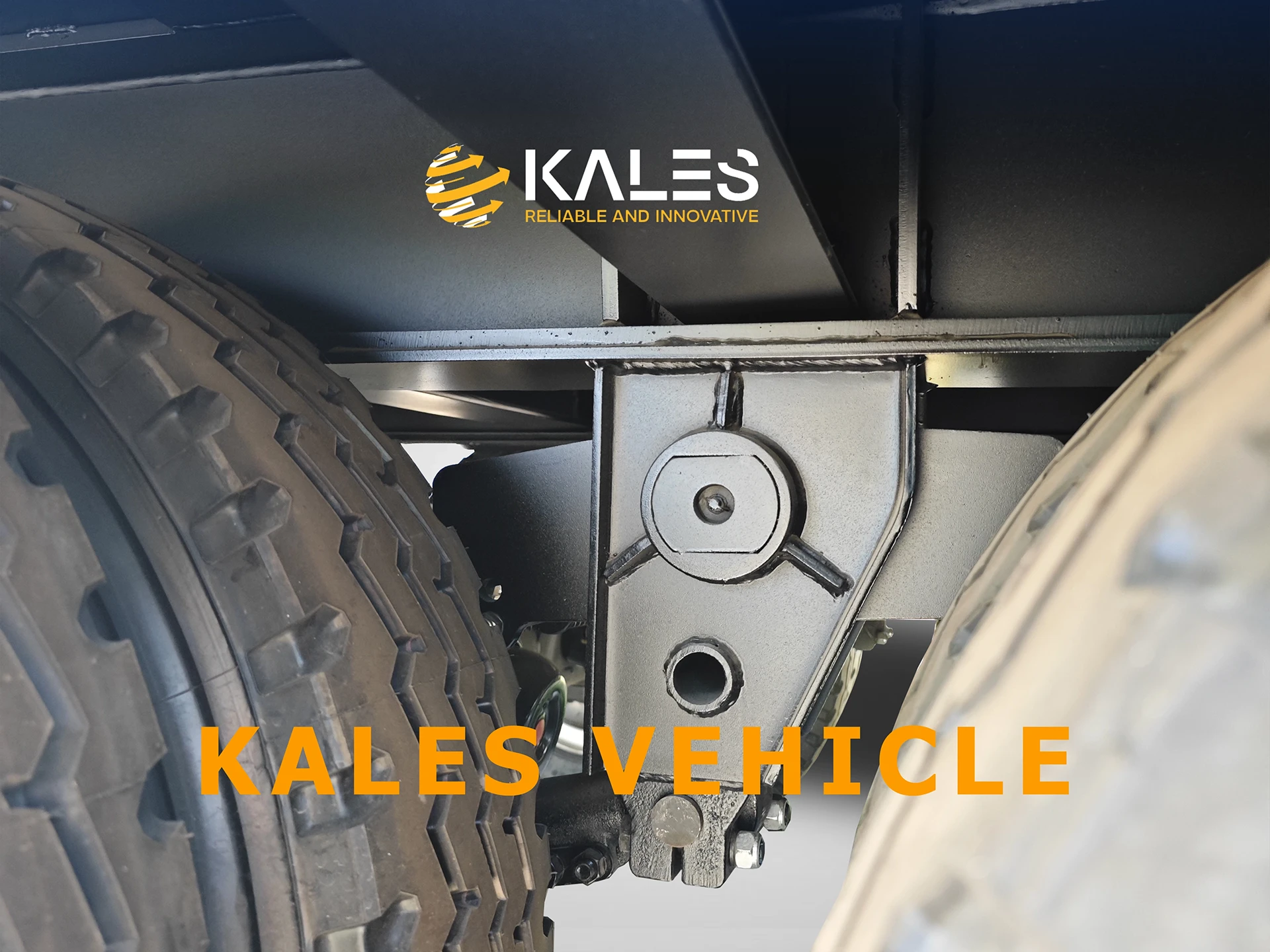
    Suspension Heavy-duty mechanical suspension standard; air suspension optional for selected highway cargo programs
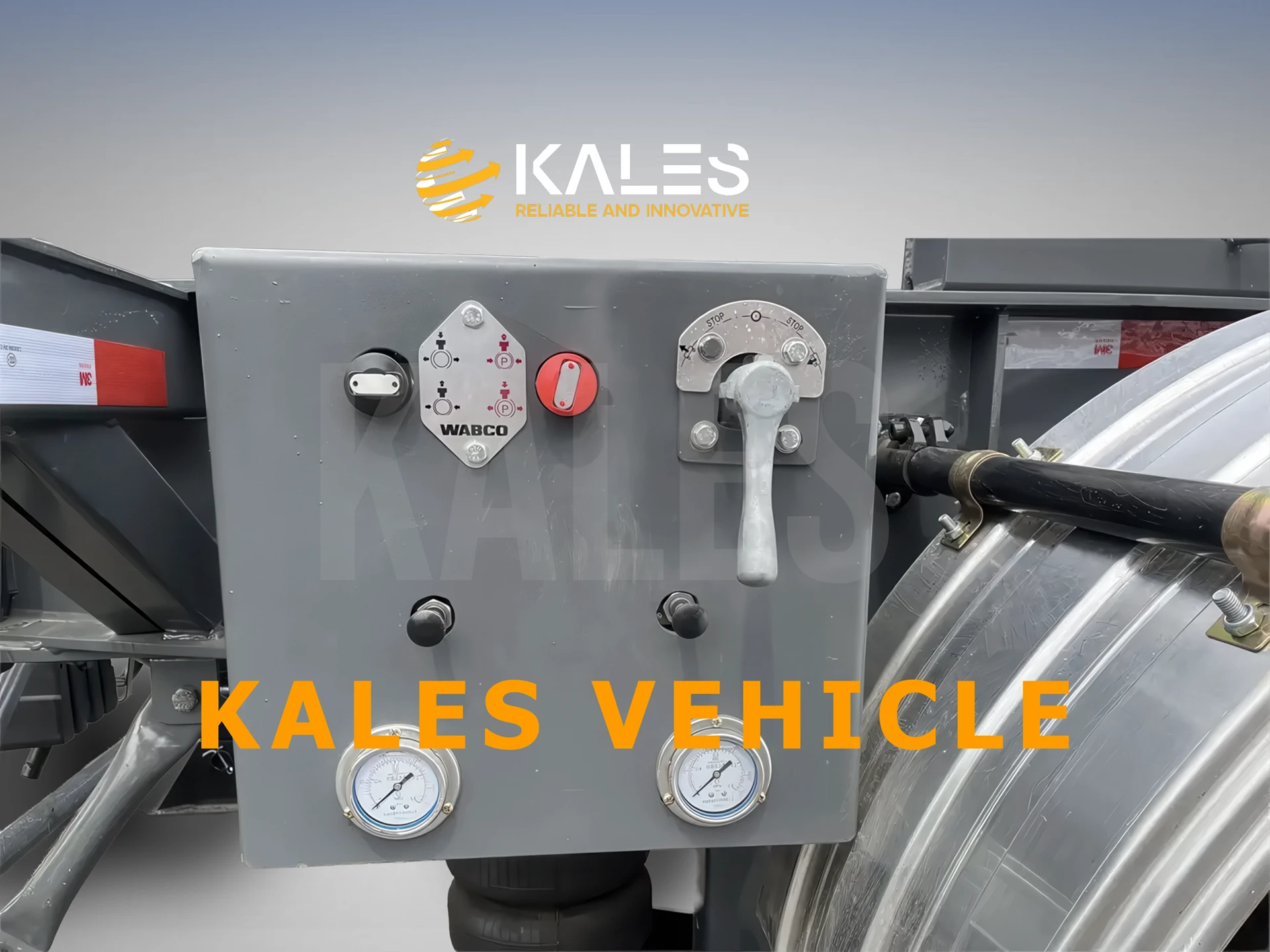
    Brake system WABCO valve logic with dual-circuit air braking
    Custom quotation Contact KALES for a tailored quotation based on the required configuration, order quantity, and destination.

    Best Fit Operating Profile

    This trailer fits fleets that alternate between restrained open cargo and container work on the same route network. It performs well when the cargo mix includes bagged cement, fertilizer, feed, grain sacks, steel products, pallets, timber, packaged goods, and occasional container moves. The removable-sidewall design matters most when the operator needs containment without giving up open-deck flexibility.

    Best for

    • Bagged cargo, bundled materials, pallets, and steel that benefit from side restraint on an open trailer
    • Port-to-inland routes where one trailer may carry containerized cargo on one leg and general freight on another
    • Construction supply, agricultural distribution, and mixed-freight programs with varying cargo forms
    • Buyers who need more retention than an open flatbed, but not the heavier positioning of a dense-cargo 80 ton dropside trailer

    Not ideal for

    • Container-first operations that do not need side panels and are better served by a pure flatbed or container chassis
    • Very dense heavy freight programs that justify a more reinforced 60-80 ton dropside platform
    • Agricultural or livestock routes that benefit more from a fence trailer with more open side access and airflow

    How This Page Differs From Nearby Flatbed and Sidewall Options

    This page should own the removable-sidewall flatbed intent. It is not the same as a standard open flatbed, because side retention is part of the buying logic. It is not the same as the broader 45ft export platform, because this page is centered on cargo restraint and mixed-route practicality, not longer international deck framing. It is also not the same as the heavier 80 ton dropside page, because this model is about 45T to 60T versatility rather than maximum dense-freight positioning.

    Buyer situation Best-fit Kales page Why
    Containers plus bagged or general cargo with side retention needs This 3-axle drop-side flatbed trailer Removable sidewalls give restraint without giving up open-deck flexibility
    Open-deck freight and containers without permanent side restraint focus 40ft flatbed semi trailer Simpler structure when the cargo does not need side panels
    Broader 40ft and 45ft export logistics with longer deck framing Tri-axle 45ft flatbed semi trailer Better fit when deck length and wider export framing matter more than side containment
    Heavier dense cargo and stronger sidewall-heavy daily duty 80 ton dropside semi trailer Higher heavy-freight positioning when structural margin matters more than mid-range versatility

    Engineering and Serviceability Details

    Removable sidewalls are the commercial differentiator

    The value of this page is not only that the trailer has side panels. The real point is that the sidewalls can be part of the route plan instead of a permanent limitation. The trailer can support restrained cargo on one dispatch cycle, then return to a cleaner open-deck role when the cargo changes. That is what keeps the page distinct from both pure flatbeds and denser fixed-sidewall programs.
    Q355B beam and reinforced side structure

    This configuration is not meant to be a decorative light-duty platform. Cargo such as cement bags, feed sacks, fertilizer, steel, and palletized materials creates repeated side loading and deck stress. The Q355B beam, reinforced edge members, and stronger panel supports are there to keep the trailer structurally useful over time instead of allowing early distortion around the floor and side attachments.

    Container capability without losing freight flexibility

    Because the trailer keeps 12 ISO twist locks, it can support container work without becoming container-only. That matters in route networks where the return leg should still earn revenue from open cargo, or where the same fleet unit needs to shift between container and cargo dispatch during the same month.

    How is the final quotation confirmed?

    KALES confirms the quotation after reviewing the required specification, quantity, destination, and delivery terms. Send the operating requirements for an accurate proposal.

    Quotation and Procurement Guidance

    Buyers should quote this trailer against the real cargo mix, not against the cheapest open flatbed on a spreadsheet. The key question is whether the route earns more from removable side restraint than from a simpler open deck. If the answer is yes, this page is the right midpoint between a standard flatbed and a heavier high-payload dropside.

    Kales can match panel height, deck thickness, axle brand, suspension, grain-door details, and reinforcement before production. That keeps the build aligned with the cargo program instead of forcing a generic sidewall layout onto every buyer.

    Factory Images and Inspection Views

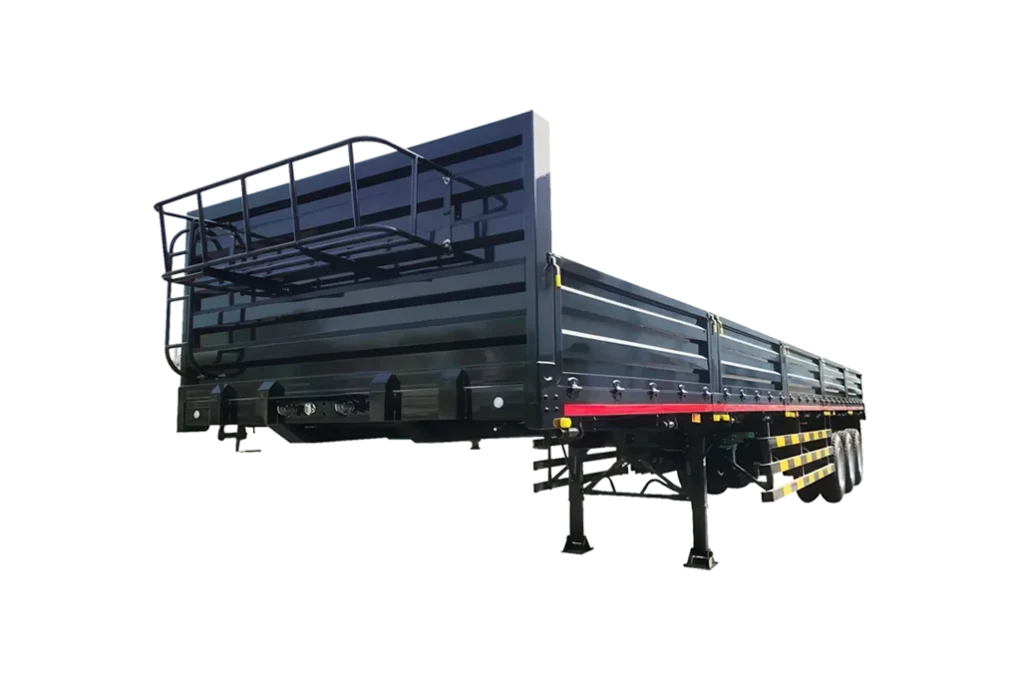
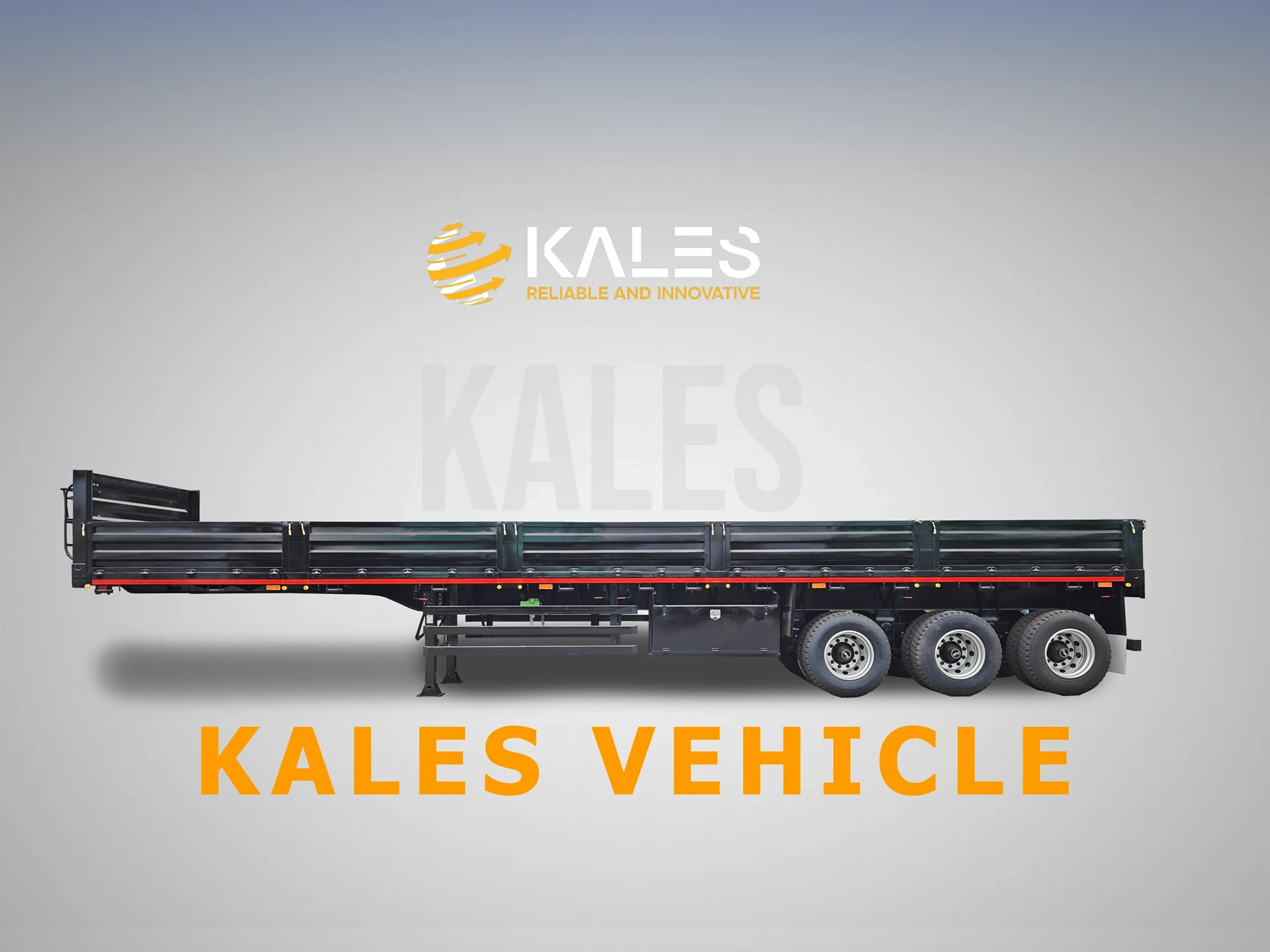
    Side view of a 45 ton payload side wall cargo trailer showing heavy duty chassis.
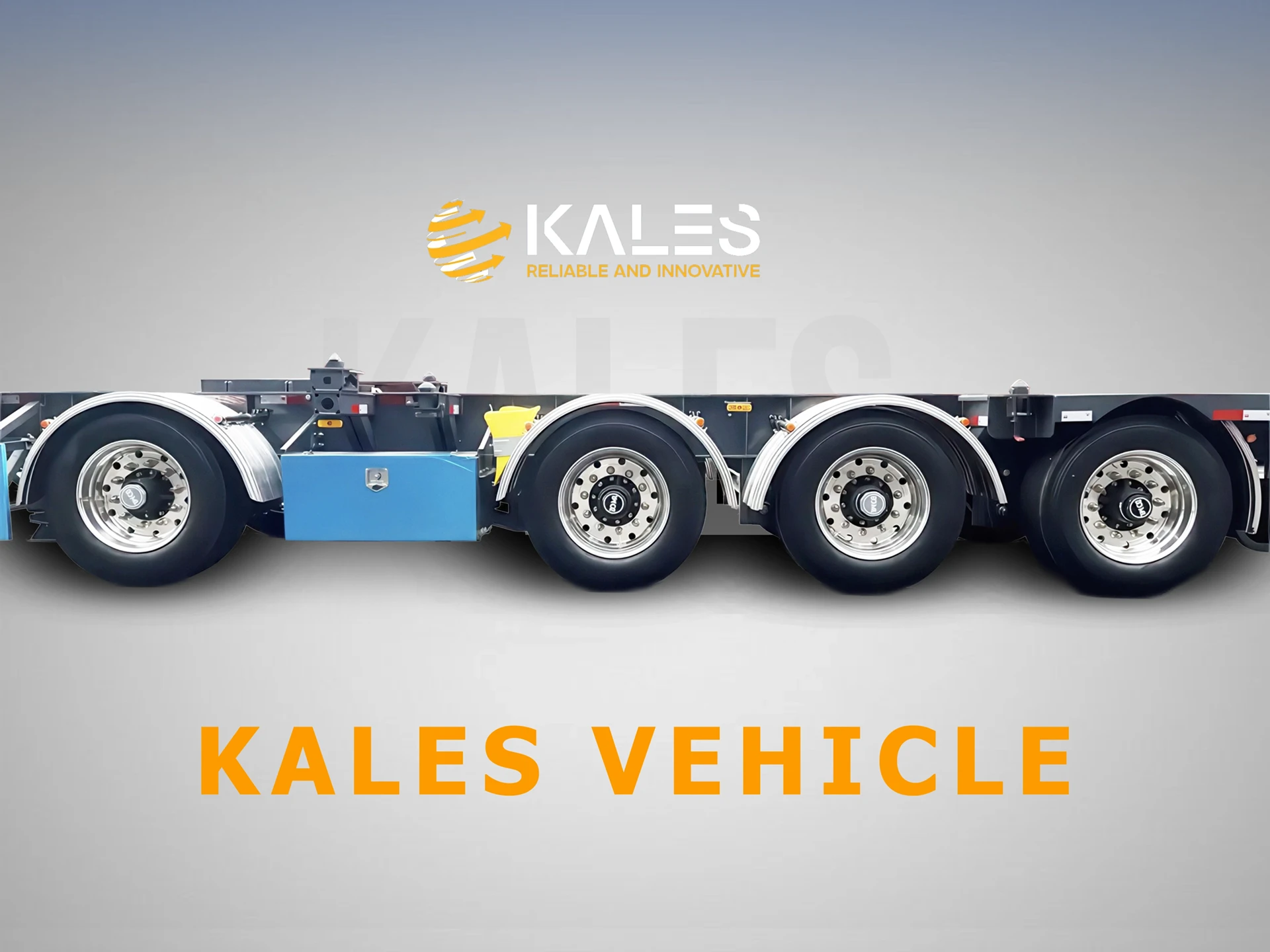
    Side profile showing the overall platform proportion and removable sidewall layout.
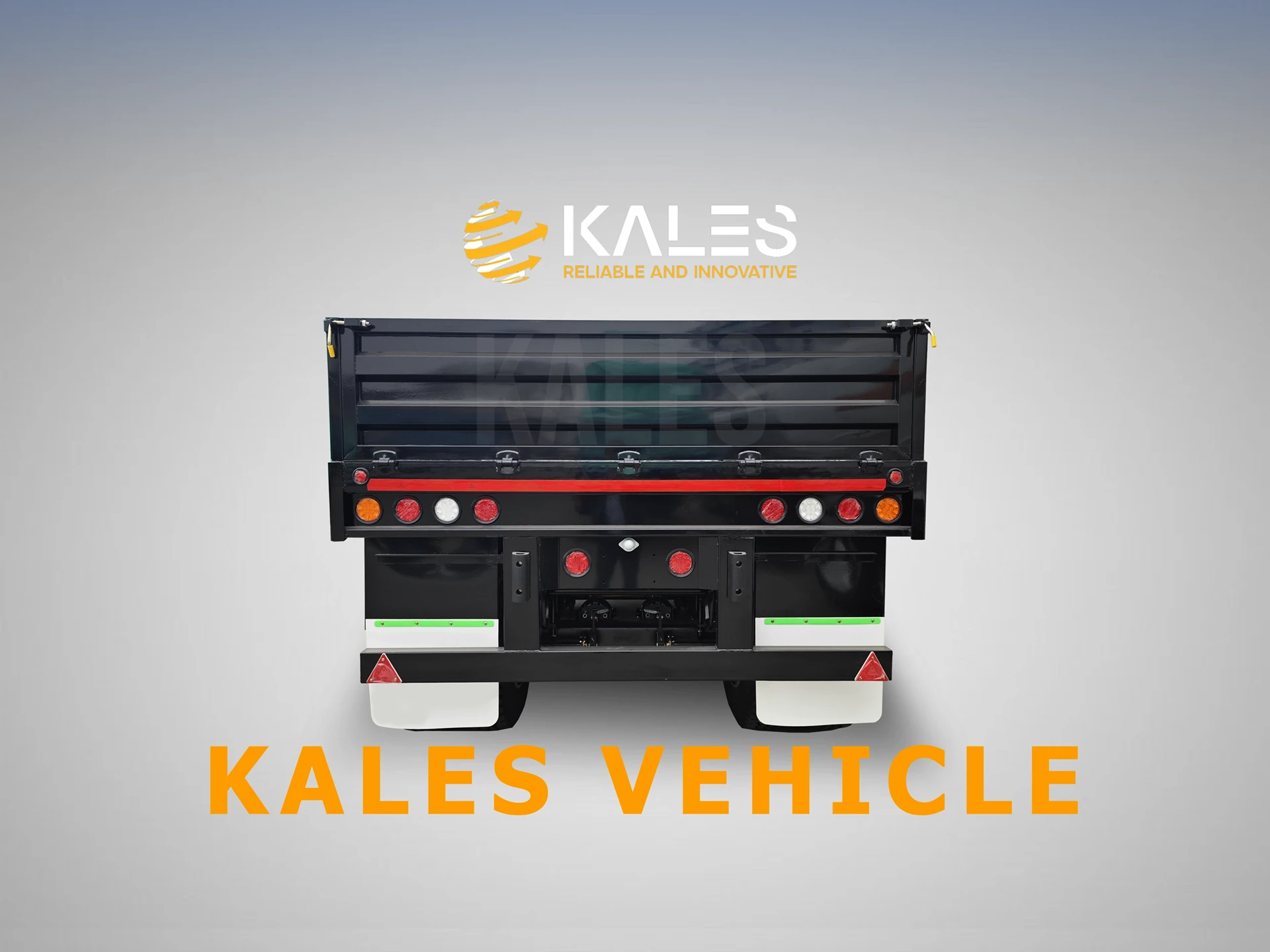
    Kales 3 axle drop side flatbed trailer parked in the factory yard
    Factory-yard inspection view for buyers checking the full trailer stance and sidewall arrangement.
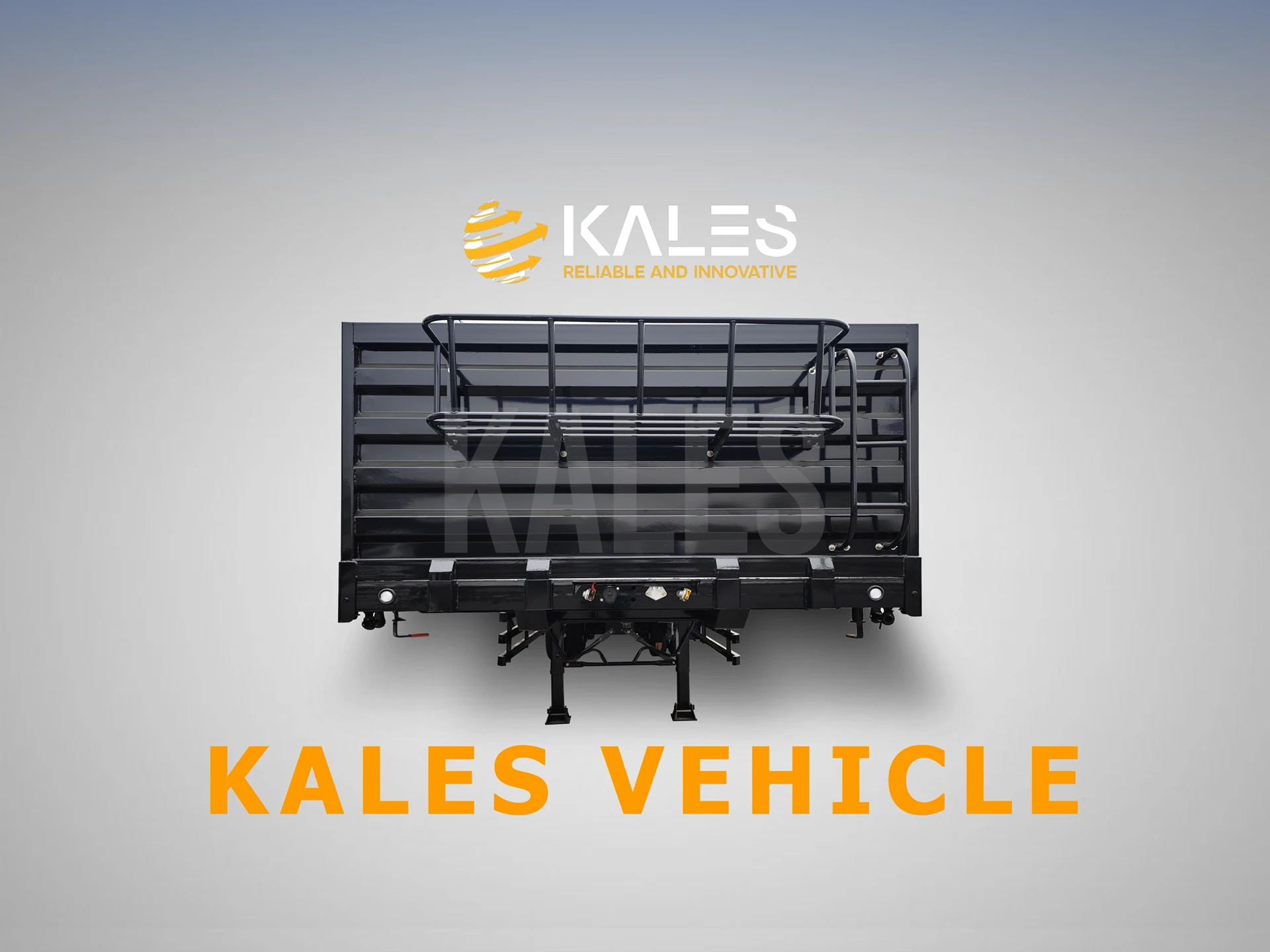
    Multi-purpose dry cargo truck trailer suitable for logistics in Africa.
    Front three-quarter view highlighting the mixed-freight sidewall platform structure.
    Side Wall Semi Trailer with reinforced removable panels
    Featured inspection view used as the primary visual signal for this removable-sidewall cargo platform.

    Frequently Asked Questions

    What is the main difference between this page and a standard flatbed trailer?

    The difference is the removable sidewall logic. A standard flatbed is better when the route rarely needs side restraint. This page is better when bagged, bundled, palletized, or mixed cargo benefits from side containment on part of the route plan.

    Can this trailer still carry containers?

    Yes. The 12 ISO twist locks allow container positioning, so the trailer can still support 1 x 40ft or 2 x 20ft container work while keeping its open cargo role.

    When should I move up to the heavier 80 ton dropside page instead?

    Move up when the cargo is consistently denser, payload stress is higher, and the route needs a more reinforced heavy-duty sidewall platform rather than a 45T to 60T versatile cargo trailer.

    Should I keep mechanical suspension or choose air suspension?

    Mechanical suspension is usually the correct default for rougher roads and simpler workshop maintenance. Air suspension becomes more relevant when the roads are better and the cargo is more sensitive to vibration.

    What information should I send before asking for a quote?

    Send your main cargo types, whether containers are regular or occasional, route country, target payload, preferred sidewall height, and whether the trailer will see rough roads, depots, or mainly highway work.

    Request Drawing and Quote

    If you are comparing a 3-axle drop-side flatbed trailer for containers, bagged cargo, steel, bulk freight, or mixed-route open cargo work, send your route country, main cargo mix, target payload, sidewall height preference, and whether container backhaul is regular. Kales can then match the right panel layout, beam program, axle package, and reinforcement level.

    Related Kales Cargo Trailer Options


  • Kales 3-Axle 80 Ton Lowbed Trailer: 1060mm Low Deck with Side Extension

    Kales 3-Axle 80 Ton Lowbed Trailer: 1060mm Low Deck with Side Extension

    Kales 80 ton 3-axle flat deck lowbed trailer front 45-degree view
    Kales 3 axle 80 ton flat-deck lowbed trailer with side extension, built for wider excavators, construction equipment, and oversized machinery that need more deck width without moving into a telescopic or detachable-gooseneck platform.

    Lowbed Trailer Procurement Guide · Published: December 13, 2025 · Updated: June 4, 2026 · By Kales Vehicle Lowbed Engineering Team · Reviewed by Kales Export Sales Engineering · Market focus: wider machinery transport, project cargo, contractor fleets, mining support, and export lowbed procurement

    80 ton 3-axle lowbed trailer with side extension: this Kales flat-deck lowbed is for buyers whose transport problem is cargo width rather than only payload class. It keeps the service logic of a practical 3 axle fixed-deck lowbed, but adds side-extension deck support and a 1060 mm low platform strategy for wider excavators, construction machinery, industrial units, and project cargo that do not sit comfortably on a standard-width lowbed.

    Engineering guidance from the Kales Vehicle lowbed team for buyers comparing standard-width Africa lowbeds, broader global 80 ton fixed-deck platforms, side-extension lowbeds, and detachable-gooseneck heavy-haul trailers.

    Quick answer: choose this 80 ton 3-axle lowbed trailer with side extension when the machine is too wide for a standard 2,500 mm deck, but the job still fits a practical rear-loading fixed-deck platform. It is the right fit for buyers who need width expansion from roughly 2,500 mm to 3,000 mm, a low 1060 mm deck, reinforced side support, and a cost structure that stays simpler than a telescopic or detachable-gooseneck trailer.

    Technical Snapshot

    Product type 3 axle 80 ton flat-deck lowbed trailer with side extension
    Payload positioning 80 ton class heavy-duty lowbed for wide machinery and oversized-width project cargo, subject to route regulation and final tractor match
    Platform height Approx. 1060 mm low deck for lower center of gravity and better height control
    Reference dimensions 15,500 x 2,500 x 1,060 mm with side extension support expanding usable width toward 3,000 mm
    Deck width logic Standard 2,500 mm deck with 250 mm side-extension support on each side for wider machinery
    Main beam HG60 high-strength steel main beam, approx. 500 mm beam height, designed for concentrated heavy equipment loads
    Side beam structure Heavy-duty H-beam side support structure for extension rigidity and anti-deformation performance
    Axles 3 axles with BPW, FUWA, or KALES heavy-duty matching depending on procurement scope
    Suspension Reinforced mechanical suspension for practical serviceability on mixed routes
    Tyre logic All-steel radial twin-tyre setup for wide-load stability and heavy-duty bearing support
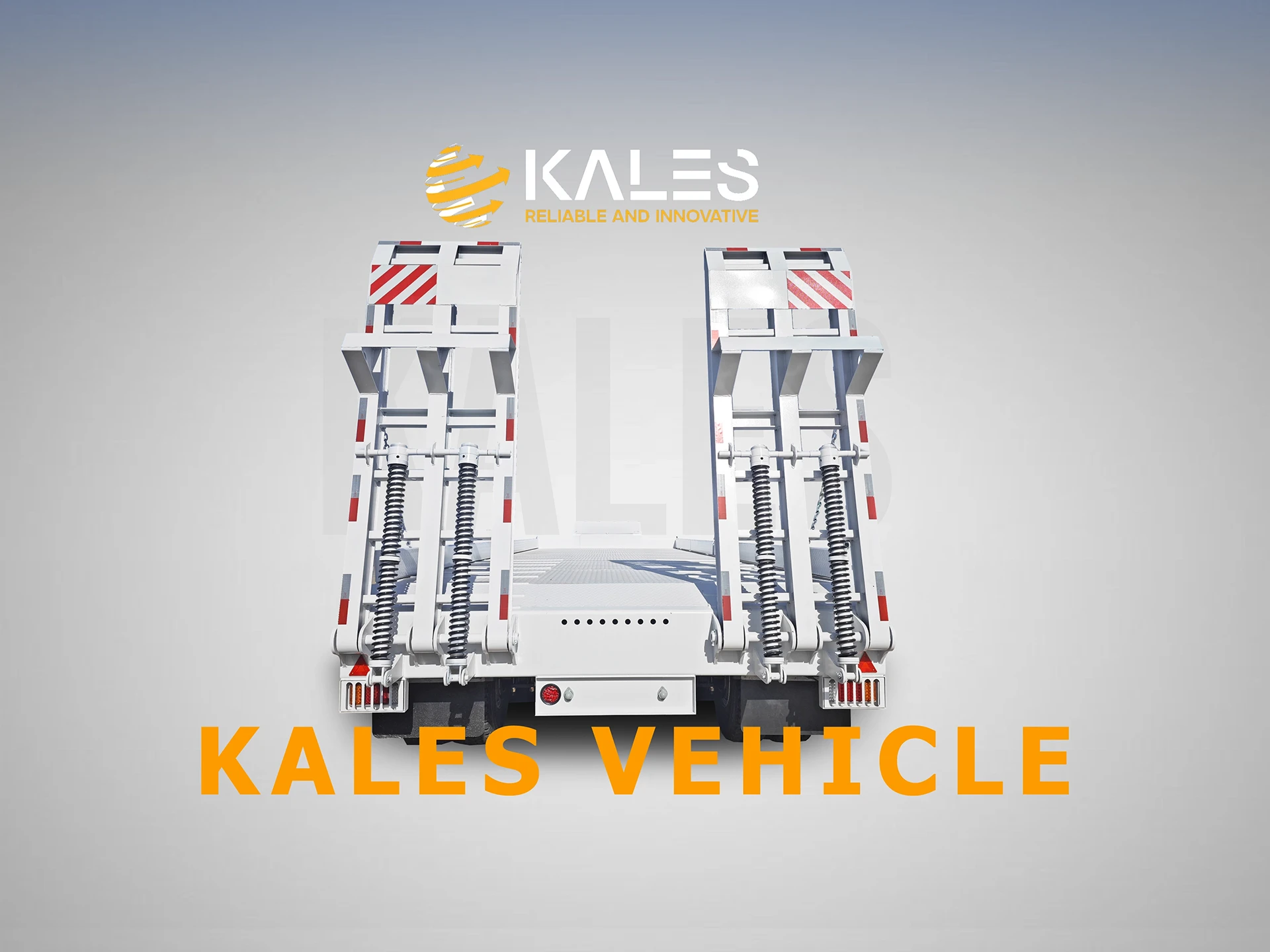
    Ramp strategy Reinforced mechanical ramps as standard, hydraulic ramp upgrade available
    Brake system WABCO valve logic with ABS-ready heavy-duty air-brake layout
    Landing gear JOST or KALES 28T heavy-duty landing gear
    Custom quotation Contact KALES for a tailored quotation based on the required configuration, order quantity, and destination.

    Best Fit Operating Profile

    This page is strongest when the buyer is still within the practical 3 axle 80 ton lowbed class, but the equipment footprint is wider than a standard-width platform handles comfortably. It suits contractors, machinery rental fleets, mining-support operators, industrial transporters, and export buyers carrying wide excavators, wheel loaders, rollers, crusher units, agricultural equipment, or broad project components that need more lateral deck support without moving into a longer telescopic chassis or a front-loading RGN.

    Best for

    • Wide excavators, bulldozers, wheel loaders, rollers, and tracked machinery that need extra deck width support
    • Contractors and project fleets that still prefer a simpler fixed-deck rear-loading platform
    • Buyers who need a lower 1060 mm deck and wider support surface for mixed-road heavy equipment transport
    • Operations where standard-width Africa lowbeds are too narrow, but a detachable-gooseneck trailer would be excessive

    Not ideal for

    • Buyers whose real requirement is a lower-cost standard-width Africa 3 axle lowbed
    • Export buyers who need the broader fixed-deck global 80 ton narrative without side-extension width emphasis
    • Front-loading crawler routines that require detachable-gooseneck access
    • Extra-long project cargo where telescopic deck extension matters more than side width

    Why Buyers Choose This 80 Ton Side-Extension Lowbed

    • Width-led positioning: this page owns the wider-cargo lowbed intent rather than the standard-width 80 ton machinery route.
    • 1060 mm low platform: lower deck height improves stability and helps control total transport height for taller machinery.
    • Side-extension practicality: width expansion toward 3,000 mm gives better deck support for broad machine tracks and body footprints.
    • Heavy side-beam design: H-beam side support improves rigidity and reduces deformation risk when extensions are carrying real load.
    • Still serviceable as a 3 axle workhorse: buyers keep simpler mechanics and rear-loading logic instead of jumping too early to a specialized heavy-haul chassis.
    • Better differentiation for procurement: this page solves the width problem directly, which standard 80 ton lowbeds and Africa-value pages do not own as their main message.

    Specification-backed advantages

    • Main beam: HG60 high-strength steel main beam, approx. 500 mm beam height, designed for concentrated heavy equipment loads. This provides a concrete durability and load-control basis for the stated duty cycle.
    • Payload positioning: 80 ton class heavy-duty lowbed for wide machinery and oversized-width project cargo, subject to route regulation and final tractor match. This defines the working band to validate against the cargo, route, and local legal limits.
    • Brake system: WABCO valve logic with ABS-ready heavy-duty air-brake layout. This gives the buyer a specific braking or safety package to verify for the intended route.


    How This Side-Extension Lowbed Differs from the Other 80 Ton Lowbed Pages

    Product route Choose it when Do not use it when
    80 Ton Lowbed Trailer for Africa Your priority is an affordable, standard-width 3 axle lowbed for practical regional mixed-road machinery transport Your main problem is wider cargo footprint that needs more lateral deck support
    Global 80 Ton Fixed-Deck Lowbed You need a broader export-facing 80 ton fixed-deck platform with more general machinery positioning You specifically need the page that owns width expansion and side-extension deck logic
    This 3 axle side-extension lowbed You need an 80 ton fixed-deck lowbed whose key differentiator is width expansion from standard deck width toward 3,000 mm You need front loading, telescopic length, or a more specialized project-haul chassis
    80 Ton Telescopic Detachable Gooseneck Trailer You need front-loading access, detachable-gooseneck workflow, or more specialized oversized project handling The real requirement is simply a wider rear-loading 3 axle fixed deck

    Engineering and Serviceability Details

    Why the 1060 mm low deck matters

    The deck height is one of the real technical signals on this page. A platform around 1060 mm helps lower the center of gravity for wide machines and protects total loaded height for taller equipment. That matters when the machine is already broad and top-heavy, because width alone does not solve transport stability if the deck still sits too high.

    Why side extension changes the buying logic

    Most 80 ton lowbed pages are still solved as payload pages. This page should be evaluated differently. The width-expansion mechanism is the center of the procurement decision. When the standard 2,500 mm deck is not enough, side extensions create a better support surface for tracks, tyres, or base frames that would otherwise overhang too much. That is a different transport problem from simply asking for more tonnage.

    Why the side-beam and support structure matter

    Once the buyer moves into side-extension territory, the side structure becomes more important than on a standard-width platform. The H-beam side support and reinforced brackets are there to keep the extended deck usable under real load rather than only as a visual sales option. Buyers should review side extension width, support bracket design, and machine contact pattern before locking the build.

    Why mechanical ramps still make sense here

    This product remains a practical rear-loading lowbed. Reinforced mechanical ramps are still the right default when the operator wants simpler maintenance and lower acquisition cost. Hydraulic ramps become more attractive only when loading frequency is high, machines are more difficult to handle, or the fleet wants faster and safer loading cycles.

    Quotation and Procurement Guidance

    Buyers comparing this 80 ton 3-axle lowbed trailer with side extension should confirm the actual machine width, track spacing, total height, total weight, support-point pattern, route country, and loading frequency before requesting a final build. The point is to verify whether side-extension width solves the transport problem or whether the job is actually moving into detachable-gooseneck or telescopic project-haul territory.

    Kales positions this page as a width-focused fixed-deck lowbed option. Before approval, buyers should lock in extension width, beam package, ramp type, axle brand, tyre strategy, and tractor saddle height. That is what keeps this page distinct from both the value-led Africa 80 ton route and the broader export 80 ton fixed-deck page.

    Factory Images and Inspection Views

    Front angle of Kales 3 axle 80 ton flat deck lowbed trailer showing reinforced gooseneck and low platform geometry.
    Front structure and low-platform inspection angle.
    Close-up of side extension deck supports on a Kales 80 ton flat-deck lowbed trailer.
    Side-extension support detail for width expansion review.
    Inspection view of the widened side support structure on a Kales 3 axle 80 ton lowbed trailer.
    Extended deck-support area used for wider equipment footprints.
    Heavy-duty twin-tyre and axle setup used on a Kales 80 ton side-extension lowbed trailer.
    Twin-tyre and running-gear view for heavy-duty support logic.
    Reinforced mechanical ramps on a Kales 80 ton side-extension lowbed trailer for excavator loading.
    Rear ramp structure for practical machinery loading.

    Frequently Asked Questions

    What problem does the side extension solve?

    It solves deck-width limitation on a standard fixed-deck lowbed. When the machine footprint is broader than a normal 2,500 mm deck supports comfortably, the side-extension structure gives more usable width and better lateral support.

    Is this page different from the Africa 80 ton lowbed page?

    Yes. The Africa page is the more value-led standard-width 3 axle route. This page is specifically for buyers whose machinery width requires a side-extension deck strategy.

    Should I choose this page or the broader global 80 ton fixed-deck page?

    Choose this page when width expansion is the real decision driver. Choose the broader global 80 ton fixed-deck page when you need a more general export-facing machinery platform without width expansion as the main differentiator.

    When should I move to a detachable-gooseneck trailer instead?

    Move to a detachable-gooseneck trailer when front loading, crawler access, or more specialized oversized project workflows matter more than simply gaining deck width on a fixed rear-loading platform.

    What should I confirm before asking for a quote?

    Confirm machine model, operating weight, overall width, contact-point spacing, deck-height limit, route country, tractor saddle height, and whether you need mechanical or hydraulic ramps. Those inputs determine whether this side-extension lowbed is the correct fit.

    Request Drawing and Quote

    If you need an 80 ton 3-axle lowbed trailer with side extension for wide excavators, rollers, loaders, or oversized machinery, send the machine model, overall width, weight, operating country, and preferred ramp style. Kales can then confirm whether this width-focused fixed-deck lowbed is the right configuration or whether the job needs a broader export platform or a detachable-gooseneck trailer.

    WhatsApp Us Email Inquiry

    Related Kales Lowbed Options


  • Kales 80-Ton Telescopic RGN Lowbed Trailer – The Heavy Haul Master

    Kales 80-Ton Telescopic RGN Lowbed Trailer – The Heavy Haul Master

    Kales 2-line-4-axle detachable gooseneck low bed semi-trailer with telescopic beam designed for oversized cargo transport.
    Kales 80 ton telescopic detachable-gooseneck lowbed trailer configured for front-loading crawler machines, oversized project cargo, and extendable heavy-haul work that needs more than a fixed deck.

    Heavy-Haul Trailer Procurement Guide · Published: December 12, 2025 · Updated: June 4, 2026 · By Kales Vehicle Heavy-Haul Engineering Team · Reviewed by Kales Export Sales Engineering · Market focus: front-loading machinery transport, oversized project cargo, long abnormal loads, mining support, and heavy-haul route planning

    80 ton telescopic detachable-gooseneck RGN lowbed trailer: this Kales heavy-haul platform is built for buyers who need three things on the same trailer: detachable-gooseneck front loading, telescopic deck length for long cargo, and an 80 ton class structure for concentrated machinery and project work. It is for fleets moving crawler excavators, drilling rigs, crushers, long steel members, wind components, and abnormal cargo that does not sit well on a fixed 3 axle lowbed.

    Engineering guidance from the Kales Vehicle heavy-haul team for buyers comparing Africa-value fixed lowbeds, global fixed-deck 80 ton lowbeds, side-extension platforms, telescopic RGN trailers, and larger 150 ton project-haul solutions.

    Contact KALES for a tailored quotation based on the required configuration, order quantity, and destination.

    Why Buyers Choose This 80 Ton Telescopic RGN Platform

    • Front-loading access: the detachable gooseneck lets crawler machines and low-clearance cargo load from the front instead of climbing steep rear ramps.
    • Telescopic deck logic: the main beam can extend to support long cargo that would overhang or destabilize a standard fixed deck.
    • One trailer, broader project scope: buyers can cover concentrated machinery loads in closed mode and longer cargo in extended mode without defaulting to two separate platforms.
    • Heavy-haul route control: the 2-line 4-axle structure spreads load better than a simpler 3 axle fixed lowbed on difficult project routes.
    • Correct commercial signal: this is a configurable project trailer family, not a configuration-specific stock lowbed.

    Specification-backed advantages

    • Extension travel: Up to 4,500 mm telescopic beam travel on the represented family configuration. This provides a concrete durability and load-control basis for the stated duty cycle.
    • Payload logic: About 80 tons in closed heavy-haul mode, with lower practical capacity in extended long-cargo mode depending on route and load distribution. This defines the working band to validate against the cargo, route, and local legal limits.
    • Gooseneck: Hydraulic detachable gooseneck for front-loading access and low-angle cargo entry. This directly supports the loading, unloading, or handling workflow described for this product.


    Technical Snapshot

    Product type 80 ton telescopic detachable-gooseneck RGN lowbed semi trailer
    Primary role Front-loading heavy machinery transport plus extendable support for long abnormal project cargo
    Reference model Kales-RGN-2L4A-Telescopic heavy-haul family
    Payload logic About 80 tons in closed heavy-haul mode, with lower practical capacity in extended long-cargo mode depending on route and load distribution
    Extension travel Up to 4,500 mm telescopic beam travel on the represented family configuration
    Overall deck length Up to about 12.2 m depending on extension scope and neck configuration
    Gooseneck Hydraulic detachable gooseneck for front-loading access and low-angle cargo entry
    Axle package 2-line 4-axle heavy-haul layout with 16 wheel ends
    Main structure HG60 high-strength steel telescopic beam and low-deck structure for oversized cargo transport
    Suspension Heavy-duty mechanical suspension, matched for project-haul route severity
    Tyres 265/70R19.5 heavy-haul tire package on the represented build
    Hydraulic power Independent diesel power pack can be specified for gooseneck operation without relying on truck PTO
    Custom quotation Contact KALES for a tailored quotation based on the required configuration, order quantity, and destination.

    Best Fit Operating Profile

    This page fits fleets that move crawler excavators, tracked drilling equipment, crushers, long plant components, wind-energy sections, long steel members, and other cargo that needs both front-loading access and deck extension. It is strongest where the transport problem is no longer just payload. The real issue is loading method, cargo geometry, ground approach angle, deck length, and route stability under abnormal freight conditions.

    Best for

    • Crawler machines that load more safely from the front through a detachable-gooseneck workflow
    • Long project cargo that needs telescopic deck extension rather than only a wider fixed deck
    • Mining, EPC, energy, and infrastructure fleets balancing machine haulage with long abnormal cargo work
    • Buyers who have already outgrown a standard fixed-deck 80 ton lowbed but do not need a full 150 ton ultra-heavy platform

    Not ideal for

    • Value-led Africa procurement where a fixed 3 axle 80 ton lowbed is enough
    • Global fixed-deck 80 ton machinery hauling where rear loading remains acceptable
    • Wider cargo that mainly needs side-extension width support rather than telescopic front-loading logic
    • Transformer-class or ultra-wide abnormal freight that belongs on the 150 ton 8-axle project-haul platform

    How This Page Differs From the Other 80 Ton Lowbed Options

    Buyer comparison point This telescopic RGN page Africa 3 axle fixed lowbed Global fixed-deck 80 ton page Side-extension fixed deck page
    Primary intent Front-loading plus telescopic heavy-haul flexibility Value-led regional machinery hauling Broader export fixed-deck machinery transport Width-flexible fixed deck for broader machines
    Key loading method Detachable-gooseneck front loading Rear ramp loading Rear ramp loading Rear ramp loading with width support
    Main cargo challenge Long abnormal cargo and crawler-machine access Lower-cost mixed-route heavy equipment work Export-ready fixed-deck machinery transport Wider machinery and side-support deck demand
    When to move up When the job turns into true ultra-heavy abnormal project haul When front loading or telescopic length becomes necessary When front loading or extension becomes necessary When front loading or extension becomes necessary

    Engineering and Serviceability Details

    Detachable-gooseneck loading changes the transport method

    This trailer is not just a fixed lowbed with extra complexity added on top. The removable gooseneck changes how the cargo is loaded. For crawler machines, low-clearance equipment, and awkward long pieces, front loading can be operationally safer and commercially faster than forcing everything onto rear ramps.

    Telescopic beam solves length, not just tonnage

    The extension system matters because some buyers do not only face a weight problem. They face a geometry problem. Long beams, wind sections, pipes, and long-wheelbase machines need more support length and better center-of-gravity management than a shorter fixed deck can offer. That is the commercial reason this page should own telescopic project-haul intent.

    2-line 4-axle structure and low ground pressure logic

    The represented 2-line 4-axle layout with 16 wheel ends improves load spreading on softer surfaces and project routes. That helps buyers operating on mixed industrial yards, mining access roads, and unfinished construction corridors where ground pressure and maneuvering confidence matter as much as nominal payload.

    Hydraulic and power-pack service logic

    Buyers should evaluate this trailer as a hydraulic heavy-haul system, not only as a chassis. The gooseneck cylinders, hose layout, valve block, locking interfaces, and independent diesel power pack all affect uptime. That service profile is justified only when the operation truly needs front-loading and extendable-project flexibility.

    How is the final quotation confirmed?

    KALES confirms the quotation after reviewing the required specification, quantity, destination, and delivery terms. Send the operating requirements for an accurate proposal.

    Factory Images and Inspection Views

    Front view of Kales 2-line-4-axle detachable gooseneck low bed semi-trailer with telescopic main beam.
    Front three-quarter heavy-haul view of the telescopic RGN platform in closed transport mode.
    Telescopic beam layout of Kales detachable gooseneck lowbed trailer.
    Inspection view of the telescopic main-beam arrangement used for longer abnormal cargo.
    Deck detail of Kales telescopic detachable gooseneck lowbed trailer.
    Heavy-duty deck detail for concentrated equipment contact loads and long cargo support.
    Diesel power pack on Kales telescopic detachable gooseneck lowbed trailer.
    Independent diesel power-pack position for hydraulic gooseneck operation.
    2 line 4 axle detachable goose neck low bed semi trailer with telescopic main beam 07
    2 line 4 axle detachable goose neck low bed semi trailer with telescopic main beam 07
    Close-up of detachable gooseneck connection and front ramps on Kales RGN lowbed trailer.
    Gooseneck connection and front-loading zone for crawler-machine entry.
    Rear axle and suspension angle of Kales telescopic RGN lowbed trailer.
    Rear running-gear and suspension view for serviceability review.
    2 line 4 axle detachable goose neck low bed semi trailer with telescopic main beam 05
    2 line 4 axle detachable goose neck low bed semi trailer with telescopic main beam 05
    2 line 4 axle detachable goose neck low bed semi trailer with telescopic main beam 09
    2 line 4 axle detachable goose neck low bed semi trailer with telescopic main beam 09

    Frequently Asked Questions

    When should I choose this trailer instead of the Africa 80 ton lowbed?

    Choose this page when the operation needs detachable-gooseneck front loading or telescopic deck extension. Stay with the Africa page when the real need is a simpler value-led fixed 3 axle machinery trailer.

    How is this different from the global fixed-deck 80 ton lowbed?

    The global fixed-deck page stays in the rear-loading lowbed category. This page moves into a more specialized heavy-haul method: front-loading access plus telescopic deck flexibility for longer abnormal cargo.

    Should I choose this page or the side-extension lowbed page?

    Choose the side-extension page when width support is the main issue on a fixed-deck workflow. Choose this page when the operation needs front-loading access or more deck length through a telescopic main beam.

    What should I send before requesting a quote?

    Send the cargo type, dimensions, single-piece weight, route country, loading method, required extension travel, tractor saddle height, and whether the operation involves crawler front loading, long steel members, or oversized project cargo.

    Request Drawing and Heavy-Haul Quote

    If you are comparing an 80 ton telescopic detachable-gooseneck RGN lowbed trailer, send the cargo model, dimensions, single-piece weight, loading method, route country, and whether the job needs crawler front loading or long-cargo extension. Kales can then confirm whether this telescopic RGN platform is the right fit or whether a fixed-deck or 150 ton project-haul path is more accurate.

    Related Kales Lowbed Options

  • 3-Axle 40ft Flatbed Trailer for Africa

    3-Axle 40ft Flatbed Trailer for Africa

    Kales 3-axle 40ft flatbed trailer in export-yard condition for African mixed-freight and container pickup work.
    Kales 3-axle 40ft flatbed trailer configured as a durable mixed-freight workhorse for African logistics, container moves, steel cargo, and open-deck inland transport.

    Container & Bulk Transport Product Guide · Published: December 7, 2025 · Updated: June 4, 2026 · By Kales Vehicle Engineering Team · Reviewed by Kales Export Sales Engineering · Market focus: Africa regional logistics, container pickup, inland freight, construction cargo, and mixed-route serviceability

    3-axle 40ft flatbed trailer for Africa: this Kales regional workhorse is built for fleets that need one practical platform for containers, steel, timber, bagged cargo, pallets, pipes, and machinery without pushing into a longer export-oriented 45ft configuration. It is framed around daily uptime, simpler maintenance, and durable use on mixed road conditions where repair logic matters as much as payload.

    Engineering guidance from the Kales Vehicle product team for African transport buyers comparing a regional 40ft flatbed with longer export flatbeds, container chassis, and side-structure trailer alternatives.

    Quick answer: choose this 3-axle 40ft flatbed trailer for Africa when your route needs a durable, easier-service platform for mixed freight rather than a broader 45ft export trailer. It is the right fit for container pickup, steel and timber transport, bagged cargo, machinery support, and regional open-deck hauling where practical maintenance, chassis toughness, and everyday dispatch flexibility matter more than extra deck length.

    Why Buyers Choose This Regional 40ft Workhorse

    • Built for mixed freight: one trailer can cover containers, steel, timber, bagged materials, pallets, machinery, and general cargo.
    • Simpler service logic: mechanical suspension and mainstream running gear fit the repair realities of regional African transport.
    • Regional road practicality: better matched to mixed highway, secondary road, depot, and construction-corridor use than a longer export-led platform.
    • Useful container capability: practical 40ft-platform logic for fleets that want open-deck versatility without switching to a pure chassis.
    • Stronger value discipline: easier to justify when the business needs reliability and cargo range rather than extra 45ft deck length.

    Specification-backed advantages

    • Main beam: High-strength steel beam with reinforced gooseneck and heavy cross-member support. This provides a concrete durability and load-control basis for the stated duty cycle.
    • Payload class: 40T to 50T practical regional workhorse range, with heavier matching possible by configuration. This defines the working band to validate against the cargo, route, and local legal limits.
    • Brake system: Dual-circuit air brake system with WABCO valve logic. This gives the buyer a specific braking or safety package to verify for the intended route.


    Technical Snapshot

    Product type 3-axle 40ft flatbed semi trailer / regional platform trailer
    Primary freight role Mixed open-deck freight plus standard 40ft container-compatible platform work
    Reference dimensions About 12,500 mm x 2,500 mm x 1,550 mm
    Payload class 40T to 50T practical regional workhorse range, with heavier matching possible by configuration
    Main beam High-strength steel beam with reinforced gooseneck and heavy cross-member support
    Deck floor Anti-slip steel plate for mixed freight loading and forklift handling
    Container handling Open-deck platform suitable for container pickup plus general cargo work
    Axles 3 axles, typically 13T or 16T; FUWA, BPW, or KALES matching
    Suspension Heavy-duty mechanical leaf spring suspension as the default regional setup
    Brake system Dual-circuit air brake system with WABCO valve logic
    Landing gear JOST or KALES 28T heavy-duty landing gear
    Custom quotation Contact KALES for a tailored quotation based on the required configuration, order quantity, and destination.

    Best Fit Operating Profile

    This page fits fleets that need a practical regional 40ft platform for Africa rather than a longer export-oriented flatbed. It works well for container pickup, construction-supply transport, bagged cargo, steel and timber delivery, machinery support, and inland distribution where the route network mixes ports, highways, secondary roads, depots, and rougher operating surfaces. The trailer is especially valuable when serviceability and cargo range matter more than extending the deck to 45ft.

    Best for

    • African fleets moving mixed freight across port, inland, and regional road networks
    • Container pickup plus return-trip general cargo on the same trailer
    • Construction materials, steel, timber, bagged goods, pallets, and machinery support
    • Buyers who prioritize repair familiarity and practical uptime over longer export deck length

    Not ideal for

    • Export buyers who genuinely need 45ft deck utility and broader international configuration framing
    • Container-only shuttle work that is better served by a dedicated container chassis
    • Cargo requiring sidewalls, curtains, or closed-body weather protection

    How This Regional 40ft Page Differs From the 45ft Export Flatbed

    This page is intentionally narrower than the 45ft export flatbed. It owns the regional 40ft workhorse intent: practical mixed-freight uptime, easier service logic, and durable daily use for African route conditions. The 45ft page is for broader export framing, longer deck utility, and 40/45ft container comparison. Here, the focus stays on operational durability and everyday usability.

    Buyer comparison point This regional 40ft page 45ft export flatbed page
    Primary intent Regional 40ft mixed-freight workhorse Broader 40/45ft export flatbed platform
    Route frame Africa ports, inland freight, secondary roads, and construction logistics Port, highway, export, and cross-border logistics
    Buyer concern Repair simplicity, durability, and practical cargo range Compliance, longer deck utility, and broader container flexibility
    Step-up path 45ft export flatbed when longer deck and broader framing are truly needed Regional 40ft page when simpler mixed-freight uptime matters more

    Engineering and Serviceability Details

    Regional workhorse logic

    The core value of this page is not specialization. It is useful durability across a wide cargo mix. Many fleets in Africa do not run one perfect highway mission all week. They move a container today, steel tomorrow, timber next week, and construction cargo after that. A regional 40ft flatbed works because it stays commercially useful across those changes without forcing the fleet into a longer, less practical platform.

    Beam, deck, and cross-member support

    A 40ft flatbed earns its value when the beam and deck stay straight under concentrated freight. Kales positions this trailer around a reinforced main beam, strong gooseneck support, and dense cross-members so the platform can handle steel, bagged materials, pallets, and machinery support without quickly sagging into maintenance trouble.

    Mechanical suspension and field serviceability

    Mechanical suspension remains the default because this page is written for real regional operating conditions. That means easier repair, better tolerance of rough road abuse, and more workshop familiarity than a more system-heavy running-gear program. Where the business cares most about uptime and field service, that logic remains commercially sound.

    How is the final quotation confirmed?

    KALES confirms the quotation after reviewing the required specification, quantity, destination, and delivery terms. Send the operating requirements for an accurate proposal.

    Quotation and Procurement Guidance

    Buyers searching for a 3-axle 40ft flatbed trailer for Africa should compare this page against route reality. If the freight program is mixed, the roads are varied, and maintenance simplicity matters, this regional 40ft platform usually makes more sense than stretching into a longer export-oriented 45ft trailer. The right purchase decision comes from cargo mix and service conditions, not from headline length alone.

    Kales can match deck plate thickness, axle brand, suspension, landing gear, and structural reinforcement to the actual route and load pattern. That keeps the trailer practical for field use instead of forcing a more international specification that the operation does not truly need.

    Factory Images and Inspection Views

    Kales 3-axle 40ft flatbed trailer main yard view for mixed-freight and regional African transport.
    Main yard view of the regional 40ft flatbed workhorse.
    Additional side inspection view of the Kales regional 40ft flatbed trailer.
    Additional side inspection view of the regional flatbed platform.
    Front three-quarter view of Kales 3-axle 40ft flatbed trailer for regional mixed freight.
    Front-structure and deck inspection view for regional mixed-freight use.
    Front-left inspection angle of the Kales 3-axle 40ft flatbed trailer for Africa.
    Front-left inspection angle for deck and front-structure review.
    Additional yard image of the Kales 40ft flatbed trailer showing deck stance and axle layout.
    Additional yard image showing deck stance and axle layout.
    Deck and chassis inspection view of the Kales 3-axle 40ft flatbed trailer for Africa.
    Deck and chassis inspection view for regional service review.
    Rear-side inspection view of the Kales regional 40ft flatbed trailer.
    Rear-side inspection view of the regional flatbed trailer.
    Side view of Kales regional 40ft flatbed trailer showing open deck and tri-axle running gear.
    Side profile showing open deck proportion and practical regional running gear.
    Rear structure and suspension detail of Kales 40ft flatbed trailer for Africa.
    Rear frame and suspension angle for maintenance review.

    Frequently Asked Questions

    Who should choose this page instead of the 45ft export flatbed?

    Choose this page when your real operating need is a simpler 40ft regional workhorse for Africa, with mixed freight, easier maintenance, and more practical everyday uptime. Move to the 45ft page only when the business genuinely needs longer deck utility and broader export framing.

    Can this trailer handle both containers and general cargo?

    Yes. That is one of its main strengths. It can support container pickup while still working as an open flatbed for steel, timber, bagged freight, pallets, and machinery support.

    Why not use a container chassis instead?

    A container chassis is better when every trip is container-only. This flatbed is more useful when the cargo mix changes and the trailer must still earn revenue on non-container legs.

    Why is mechanical suspension the default recommendation?

    Because this page is built around regional durability, simpler repairs, and workshop familiarity on mixed road networks. That service logic often matters more than smoother ride refinement.

    What should I confirm before requesting a quote?

    Confirm your cargo mix, route country, target payload, whether containers are regular or occasional, axle preference, and how rough the actual road conditions are. Those factors determine the right deck, axle, and reinforcement package.

    Request Drawing and Quote

    If you are comparing a 3-axle 40ft flatbed trailer for Africa for mixed freight, container pickup, construction cargo, or inland open-deck transport, send your route country, cargo mix, target payload, and road-condition profile. Kales can then match the beam, deck, axle package, and reinforcement level to the real regional duty.

    Related Kales Flatbed and Container Options


  • Tri-Axle 45ft Flatbed Semi Trailer

    Tri-Axle 45ft Flatbed Semi Trailer

    Kales tri-axle 45ft flatbed semi trailer side view for container, steel, and export freight transport
    Kales tri-axle 45ft flatbed semi trailer configured for 40ft and 45ft container work, export freight, steel cargo, and broader long-haul logistics use.

    Container & Bulk Transport Product Guide · Published: December 4, 2025 · Updated: June 4, 2026 · By Kales Vehicle Engineering Team · Reviewed by Kales Export Sales Engineering · Market focus: Middle East, Africa, port corridors, export freight, and mixed 40ft/45ft container programs

    Tri-axle 45ft flatbed semi trailer: this Kales export-oriented platform is built for buyers who need a broader 40ft and 45ft container-capable flatbed rather than a regional 40ft-only workhorse page. It fits fleets moving containers, steel, bagged cargo, pallets, timber, and project freight where deck flexibility, export compliance, and longer-route stability matter more than chasing the lowest base build.

    Engineering guidance from the Kales Vehicle product team for buyers comparing a 45ft flatbed platform with regional 40ft flatbeds, container chassis, and more specialized cargo bodies.

    Quick answer: choose this tri-axle 45ft flatbed semi trailer when your operation needs broader 40ft and 45ft container compatibility, export-oriented configuration depth, and a platform that can handle container work plus open-deck freight on the same trailer. It is the better fit for buyers comparing SASO-ready export supply, longer cargo footprint, and mixed logistics use across highways, ports, and industrial corridors.

    Why Buyers Choose This 45ft Export Flatbed Platform

    • 40ft and 45ft container flexibility: better aligned with export buyers who need one platform across multiple ISO dispatch patterns.
    • Broader route framing: positioned for international and cross-border logistics rather than a narrower Africa-only 40ft workhorse role.
    • Open-deck versatility: carries containers, steel, palletized freight, timber, machinery, and general project cargo on the same platform.
    • Export compliance focus: stronger fit for buyers reviewing SASO-style documentation, axle matching, and highway-led operating programs.
    • Longer deck utility: more useful where 45ft cargo footprint or higher loading length matters in everyday commercial planning.

    Specification-backed advantages

    • Payload class: 40T to 60T depending on route regulation, beam reinforcement, axle choice, and final specification. This provides a concrete durability and load-control basis for the stated duty cycle.
    • Brake system: WABCO valve logic with dual-circuit air braking. This gives the buyer a specific braking or safety package to verify for the intended route.
    • Axles: 3 axles, typically 13T or 16T; FUWA, BPW, or KALES matching. This makes destination-market parts support and workshop planning easier to confirm before production.


    Technical Snapshot

    Product type Tri-axle 45ft flatbed semi trailer / export platform trailer
    Primary freight role 40ft and 45ft container transport plus general open-deck freight
    Reference dimensions About 13,750 mm x 2,500 mm x 1,550 mm, customizable by market and cargo program
    Payload class 40T to 60T depending on route regulation, beam reinforcement, axle choice, and final specification
    Main beam T700 high-strength steel beam with reinforced gooseneck and dense cross-member support
    Deck floor Anti-slip steel plate with export-duty cross-member layout
    Container locking Configured for 40ft and 45ft container positioning with ISO lock layout according to dispatch need
    Axles 3 axles, typically 13T or 16T; FUWA, BPW, or KALES matching
    Suspension Heavy-duty mechanical suspension standard, with air suspension possible on selected highway programs
    Brake system WABCO valve logic with dual-circuit air braking
    Landing gear JOST or KALES 28T heavy-duty landing gear
    Custom quotation Contact KALES for a tailored quotation based on the required configuration, order quantity, and destination.

    Best Fit Operating Profile

    This page fits buyers whose freight program is broader than a standard regional 40ft flatbed. It is a good match for port corridors, export projects, container-plus-general-cargo fleets, steel distributors, and long-haul operators who need more deck length and stronger international procurement positioning. The trailer works best when container dispatch is mixed with open-deck freight and the business wants one export-ready platform rather than multiple narrow-use trailers.

    Best for

    • Export buyers needing one flatbed for 40ft containers, 45ft containers, and open-deck freight
    • Middle East and Africa highway logistics where longer cargo footprint and compliance framing matter
    • Steel, timber, pallet, machinery, and project cargo that benefits from a longer deck than a standard 40ft platform
    • Procurement teams comparing flatbed, container chassis, and specialized body options for mixed route use

    Not ideal for

    • Buyers whose real operating need is a simpler regional 40ft workhorse for Africa or Latin America
    • Container-only shuttle work where a dedicated container chassis is commercially cleaner
    • Cargo that needs permanent side structure, curtains, or enclosed-body protection rather than an open flat deck

    How This Page Differs From the Regional 40ft Flatbed Workhorse

    This page owns the broader 45ft export flatbed intent. It is written for buyers comparing longer deck utility, 40ft and 45ft container compatibility, and export-market procurement logic. The regional 40ft page stays narrower: a simpler workhorse for mixed freight and easier service in Africa or Latin America. Here, the positioning is more international and more configuration-led.

    Buyer comparison point This 45ft page Regional 40ft page
    Primary intent Broader 40ft and 45ft export flatbed platform Regional 40ft mixed-freight workhorse
    Route frame Port, highway, export, and cross-border logistics Africa or LATAM freight with simpler service logic
    Buyer concern Container flexibility, compliance, and deck length Durability, repair simplicity, and practical mixed-freight uptime
    Alternative path Container chassis or specialized cargo body This 45ft page when broader export framing is needed

    Engineering and Serviceability Details

    Longer deck, broader dispatch logic

    The reason to choose this page is not that 45ft is automatically better than 40ft. It is that some freight programs genuinely need the longer platform. That can be because of 45ft container compatibility, longer steel and timber bundles, or mixed project cargo that fits awkwardly on a shorter regional flatbed. The longer deck only makes sense when the route and loading environment can monetize that extra length.

    T700 beam and export-duty reinforcement

    A longer flatbed needs a coherent beam program, not only a longer piece of steel. Kales positions this trailer around a T700 main beam, reinforced gooseneck support, and a dense cross-member layout so the deck can stay more stable under mixed cargo instead of drifting into sagging and fatigue under longer-span loading.

    Container capability without losing flatbed usefulness

    This product should not be treated as only a container tool. It is valuable because it can combine container locking logic with open-deck freight handling. That makes it more commercially flexible than a pure chassis when the return leg or secondary route still needs steel, pallets, timber, or machinery support.

    How is the final quotation confirmed?

    KALES confirms the quotation after reviewing the required specification, quantity, destination, and delivery terms. Send the operating requirements for an accurate proposal.

    Quotation and Procurement Guidance

    Buyers searching for a tri-axle 45ft flatbed semi trailer should compare this platform against real route and cargo need, not only against the cheapest 40ft platform on a quote sheet. The key questions are whether you truly need 45ft deck utility, whether 40ft and 45ft container handling will both be used, and whether the export corridor expects stronger compliance and highway readiness.

    Kales can match lock layout, beam reinforcement, axle brand, suspension, landing gear, and deck thickness before production. That keeps the trailer aligned with the freight program instead of overspecifying a regional workhorse or underspecifying a broader export platform.

    Factory Images and Inspection Views

    Front three-quarter view of the Kales 45ft flatbed trailer highlighting deck stance and T700 steel chassis structure.
    Front three-quarter view highlighting deck stance, gooseneck proportion, and heavy-duty flatbed structure.
    Heavy-duty front wall headboard and 7-pin ISO electrical socket detail on the Kales 45ft flatbed trailer.
    Headboard and electrical-connection detail for front-structure and wiring-harness review.
    Rear structure and running-gear view of the Kales tri-axle 45ft flatbed trailer.
    Running-gear close-up showing the wheel package and road-duty hardware.
    Double-plate reinforced main beam web at suspension area to prevent chassis deformation under heavy load.
    Main-beam reinforcement detail showing the heavy-load support area around the suspension zone.
    Heavy-duty mechanical leaf spring suspension system for stable 40 to 60 ton flatbed loads.
    Mechanical suspension detail for mixed-freight serviceability and load stability.
    Side-mounted waterproof toolbox and dual spare tire carriers on Kales semi trailer.
    Toolbox and spare-carrier view covering roadside practicality and fleet service support.
    Triangular reinforcement detail on the rear underrun protection bar for impact resistance.
    Rear underrun reinforcement detail showing the impact-resistance design.
    Standard steel side protection rails protecting the chassis and fuel tank
    Side-protection rail detail covering chassis and roadside safety hardware.
    Rear view of the flatbed trailer with reinforced bumper and LED tail lights.
    Rear view showing bumper layout, tail-light package, and finished chassis presentation.

    Frequently Asked Questions

    Who should choose this page instead of the Africa 40ft flatbed page?

    Choose this page when your buying logic is broader: 40ft and 45ft container compatibility, longer freight footprint, and export-oriented configuration depth. Stay with the Africa 40ft page when your real need is a simpler 40ft regional workhorse.

    Is this trailer only for containers?

    No. It supports container work, but it is still a flatbed platform. That means it can also carry steel, pallets, timber, machinery, and other open-deck freight when the dispatch plan changes.

    Why not just use a container chassis?

    A container chassis is more focused when every trip is ISO-box transport. This flatbed makes more sense when the route needs both container capability and practical open-deck cargo use.

    What should I confirm before asking for a quote?

    Confirm whether you truly need 45ft deck length, your container mix, route country, target cargo types, axle preference, suspension preference, and any export compliance requirement such as SASO-related documentation.

    Request Drawing and Quote

    If you are comparing a tri-axle 45ft flatbed semi trailer for 40ft and 45ft container work, export freight, or longer open-deck cargo, send your route country, container mix, cargo types, target payload, and compliance requirements. Kales can then match the deck length, lock layout, axle package, and reinforcement program to the actual logistics duty.

    Related Kales Flatbed and Container Options


  • Kales 4-Axle Hydraulic Folding Arm Car Carrier Semi Trailer

    Kales 4-Axle Hydraulic Folding Arm Car Carrier Semi Trailer

    Kales 4-Axle Hydraulic Folding Arm Car Carrier Semi Trailer featured view for efficient vehicle transport.
    Kales 4-axle hydraulic folding-arm car carrier semi trailer configured for finished vehicle delivery, hydraulic deck positioning, and higher route utilization.
    Car Carrier Trailer · Published: December 1, 2025 · Updated: June 4, 2026 · By Kales Vehicle Engineering Team · Reviewed by Kales Export Sales Engineering · Market focus: finished vehicle distribution, dealer transfer, long-haul auto logistics, and mixed backhaul planning

    Kales 4-axle hydraulic folding-arm car carrier semi trailer: this configuration is built for fleets moving finished passenger vehicles, SUVs, and mixed dealer inventory that need controlled hydraulic deck adjustment rather than fixed-angle loading compromises. It fits operators who care about load density, cleaner loading geometry, and better return-leg flexibility when the outbound trip is vehicle transport but the business still wants a more useful lower-deck platform on the way back.

    Quick answer: Choose this 4-axle hydraulic car carrier when your core job is finished vehicle transport and you need a folding-arm upper deck that can be adjusted quickly for mixed vehicle heights, safer loading angles, and denser vehicle placement. It is especially useful on longer routes where better lower-deck utility and more flexible backhaul planning matter more than buying a basic fixed-structure carrier.

    Why Buyers Choose This Configuration

    • Hydraulic folding-arm control: the upper deck can be positioned more precisely for sedans, SUVs, and mixed-height finished vehicles without relying on crude manual adjustment.
    • Higher load density: better deck-angle management helps fleets use vertical space more efficiently across multi-car dispatch work.
    • More flexible return-leg planning: the lower deck can support more useful backhaul thinking than a basic single-purpose carrier when fleets are trying to reduce empty kilometers.
    • 4-axle route logic: the longer chassis and axle spread better match operators running heavier multi-vehicle programs on export and regional corridors.
    • Cargo protection focus: air suspension, ABS braking, and hydraulic stability all support safer handling for high-value finished vehicles.

    Specification-backed advantages

    • Main structure: T700 high-strength steel main beam with automated submerged-arc welding. This provides a concrete durability and load-control basis for the stated duty cycle.
    • Rated loading capacity: 40 tons. This defines the working band to validate against the cargo, route, and local legal limits.
    • Deck system: Electro-hydraulic folding-arm upper deck with multi-point cylinder control. This directly supports the loading, unloading, or handling workflow described for this product.

    Technical Snapshot

    Product type 4-axle hydraulic folding-arm car carrier semi trailer
    Primary use Finished vehicle transport for sedans, SUVs, and mixed dealer distribution loads
    Overall dimensions 17,000 x 2,550 x 3,800 mm
    Rated loading capacity 40 tons
    Tare weight About 14.5 tons depending on final configuration
    Deck system Electro-hydraulic folding-arm upper deck with multi-point cylinder control
    Hydraulic layout 11 cylinder sets with centralized 24V control station
    Main structure T700 high-strength steel main beam with automated submerged-arc welding
    Axles 4 x 13T BPW-style axles, front 2 axles liftable on the represented build
    Suspension Heavy-duty air suspension
    Braking system WABCO ABS with T30/30 brake chambers
    Tires 245/70R17.5 low-profile tires
    Custom quotation Contact KALES for a tailored quotation based on the required configuration, order quantity, and destination.

    Best Fit Operating Profile

    This trailer fits auto logistics operators, dealer transfer fleets, OEM distribution partners, and regional exporters moving finished vehicles over medium and long corridors. It makes the most sense where fleets need controlled deck operation for varied vehicle heights, reliable chassis stability, and a procurement model that balances vehicle-carrying density with the need to reduce empty return exposure.

    It is less suitable for buyers whose work is only occasional local vehicle relocation or who do not need hydraulic deck control and 4-axle distribution.

    Engineering and Serviceability Details

    Hydraulic deck logic

    The core engineering value is not just that the trailer carries several vehicles. It is that the folding-arm hydraulic structure gives operators a repeatable way to set deck angles for different wheelbases and roof heights. That matters when the cargo is finished vehicles and loading damage risk is unacceptable.

    Structure and axle distribution

    The represented configuration uses a T700 main beam, 4 axle layout, and air suspension package to control flex, stabilize deck behavior, and spread load over a long chassis. That combination is more coherent for export vehicle logistics than trying to force a simpler trailer into dense multi-car duty.

    Return-leg flexibility

    One reason this page should not be positioned as a generic car carrier is that its lower-deck utility affects route economics. Fleets running long one-way finished-vehicle deliveries often care about what the trailer can still do on the return leg, especially when dispatch planners are trying to avoid deadhead miles and recover part of the trip cost.

    Maintenance logic

    The service profile centers on hydraulic oil checks, hose inspection, filter changes, brake support parts, suspension consumables, and axle-running gear rather than specialized bodywork. Buyers should confirm local support for air and hydraulic components, but the represented build uses familiar heavy-trailer logic rather than a closed proprietary structure.

    Factory Images and Inspection Views

    kales 4 axle hydraulic car carrier trailer 02
    kales 4 axle hydraulic car carrier trailer 02
    Front view of Kales hydraulic car carrier trailer showing double-deck vehicle transport structure.
    Front inspection angle showing the long double-deck structure used for multi-vehicle loading.
    Hydraulic cylinder detail on Kales 4-axle car carrier trailer.
    Hydraulic lift-cylinder detail for upper-deck positioning and stable deck support.
    Centralized hydraulic control station on Kales vehicle transporter trailer.
    Centralized control area used to manage deck movement during loading and unloading.
    Axle and suspension detail on Kales hydraulic car carrier trailer.
    Axle and suspension inspection view for buyers reviewing running-gear specification.
    kales 4 axle hydraulic car carrier trailer 08
    kales 4 axle hydraulic car carrier trailer 08
    kales 4 axle hydraulic car carrier trailer 07
    kales 4 axle hydraulic car carrier trailer 07
    Rear section of Kales car carrier trailer with ladder and lighting.
    Rear access and lighting area for practical loading support and road visibility.
    kales 4 axle hydraulic car carrier trailer 04
    kales 4 axle hydraulic car carrier trailer 04

    Frequently Asked Questions

    Is this trailer mainly for finished vehicles or general freight?

    It is primarily for finished vehicle transport. The route-economics discussion around return-leg flexibility does not change the core product role, which is still a hydraulic car carrier for multi-vehicle delivery work.

    Why does hydraulic deck control matter compared with a simpler carrier?

    Because mixed vehicle heights and wheelbases need better angle control, safer loading geometry, and tighter deck packing. Hydraulic adjustment helps operators reduce wasted space and loading risk.

    What maintenance does the hydraulic system need?

    Routine work usually includes hydraulic oil inspection, hose and seal checks, filter replacement on schedule, and visual confirmation that cylinder movement remains synchronized and leak-free.

    When is a 4-axle carrier the better choice?

    It becomes the better answer when route length, vehicle count, chassis length, and load-distribution demands justify a longer, more stable multi-axle platform rather than a lighter local-delivery carrier.

    What should I send before asking for a quote?

    Send your target vehicle mix, route country, tractor-head specification, deck-height limits, axle preference, and whether backhaul flexibility is part of the real operating requirement.

    Request Drawing and Quote

    If you are comparing a 4-axle hydraulic folding-arm car carrier semi trailer, send your finished vehicle mix, route profile, trailer-head match, unloading environment, and backhaul expectations. Kales can then confirm the deck program, axle package, and hydraulic setup against the actual operating plan.

    Related Kales Options