Product Category: Trailers

Reliable Transport Solutions Direct from the Factory At Kales Vehicle, we engineer semi trailers built to withstand the toughest road conditions in Africa, Latin America, and Central Asia. As a leading semi trailer manufacturer in China, we combine advanced welding technology with high-strength steel to deliver fleets that last longer and perform better.

Our Diverse Product Range Whether you are transporting ISO containers, bulk cargo, or heavy machinery, our comprehensive catalog covers every logistical need:

  • Container & Bulk Transport: Optimized solutions including Flatbed, Skeleton, and Fence semi trailers for versatile cargo handling.

  • Heavy Haulage: Robust Lowbed trailers designed for construction machinery and oversized loads.

  • Tankers: Specialized Fuel and Cement Tankers ensuring safety and efficiency.

Why Choose Kales Vehicle? We offer factory-direct pricing without compromising on quality. All Kales trailers are compatible with major truck heads (Sinotruk, Shacman) and meet strict ISO standards. Browse our categories below to find the perfect specification for your business.

  • 80 Ton Tipper Trailer with Electric Tarp

    80 Ton Tipper Trailer with Electric Tarp

    Kales 80 ton U-shape tipper semi trailer with electric tarp system for dust-controlled aggregate, coal, and construction haulage
    Kales 80 ton U-shape tipper configured for heavy dump fleets that need electric tarp coverage for dust control, rain protection, and safer load covering on public-road and site-compliance routes.

    Tipper Semi-Trailer Procurement Guide · Published: November 15, 2025 · Updated: June 4, 2026 · By Kales Vehicle Trailer Engineering Team · Reviewed by Kales Export Sales Engineering · Market focus: quarry aggregates, coal, construction spoil, and heavy dump fleets that need compliant covered transport instead of a generic open-body 80 ton tipper

    80 ton tipper trailer with electric tarp: this Kales page is for buyers who already need an 80 ton U-shape rear dump trailer, but where the real buying problem is not only payload. It is for routes that move between quarry, mine, transfer yard, highway, and city approach roads where dust escape, rain ingress, falling material, and manual tarp handling create avoidable operating risk.

    Engineering guidance from the Kales Vehicle trailer team for fleets comparing a generic 80 ton rear dump trailer with a covered heavy-duty tipper that improves site compliance and covering safety.

    Quick answer: choose this 80 ton U-shape tipper semi trailer with electric tarp when your fleet needs heavy rear-dump capacity, but the decisive issue is covered transport discipline. The represented stock logic combines a 35 cubic meter U-shape body, electric tarp system, T700 heavy-duty beam structure, 196-series hydraulic cylinder, hybrid front-air-lift and rear-mechanical suspension package, WABCO ABS. Contact KALES for a tailored quotation based on the required configuration, order quantity, and destination. If your route only cares about raw mining-duty tipping and does not benefit from faster, safer tarp control, the broader generic 80 ton rear dump page is the better comparison.

    Why Buyers Choose This Electric-Tarp 80 Ton Tipper

    • Safer covering workflow: the electric tarp reduces ladder climbing and manual sheet handling compared with a conventional rope or hand-pulled cover.
    • Dust and spill control: it is better suited to public-road aggregate, coal, and spoil routes where uncovered loads create fines, complaints, or site-entry rejection.
    • Weather protection: the tarp helps reduce rain contamination on moisture-sensitive bulk and keeps the load contained during long transfer legs.
    • Heavy-duty U-shape dump logic: the curved body still supports cleaner unloading and less residue than a flatter rectangular dump body.
    • Stronger buyer positioning than a generic 80 ton page: this page is for fleets whose commercial risk sits in compliance, containment, and covering speed rather than in tonnage alone.

    Specification-backed advantages

    • Reference body program: 35 cubic meter U-shape body, with 24 m3, 30 m3, and 45 m3 body programs available on request. This provides a concrete durability and load-control basis for the stated duty cycle.
    • Payload positioning: 80 ton heavy-duty tipper class, subject to final axle package, route condition, cargo density, and local legal limits. This defines the working band to validate against the cargo, route, and local legal limits.
    • Hydraulic system: 196-series heavy-duty hydraulic cylinder for stronger lift force and tipping stability. This directly supports the loading, unloading, or handling workflow described for this product.


    Technical Snapshot

    Product type 80 ton U-shape rear dump semi trailer with electric tarp system
    Reference body program 35 cubic meter U-shape body, with 24 m3, 30 m3, and 45 m3 body programs available on request
    Overall dimensions 9,000 x 2,500 x 3,950 mm on the represented stock type, customizable to route and local compliance
    Payload positioning 80 ton heavy-duty tipper class, subject to final axle package, route condition, cargo density, and local legal limits
    Main beam T700 high-strength steel with heavy-duty double-plate beam logic
    Hydraulic system 196-series heavy-duty hydraulic cylinder for stronger lift force and tipping stability
    Body and rear structure Reinforced lattice body, 4 flip-bracket rear hinge support, and U-shape unloading geometry
    Axles 3 heavy-duty axles in 13T, 16T, or 20T selection from FUWA, BPW, or Kales matching
    Suspension Hybrid package with front air-suspension lift function and rear heavy-duty mechanical suspension
    Tires 12R22.5 or 315/80R22.5 in 12-tire heavy-haul layout
    Braking and electrics WABCO emergency valve with ABS, 24V waterproof lighting, and electric tarp drive system
    Custom quotation Contact KALES for a tailored quotation based on the required configuration, order quantity, and destination.

    Best Fit Operating Profile

    This page is strongest for fleets hauling coal, quarry aggregate, crusher stone, wet sand, overburden, and construction spoil where the trailer leaves controlled loading yards and enters roads, checkpoints, transfer corridors, or municipal sites that expect covered loads. It is the right fit when the trailer must still work as a true heavy-duty U-shape tipper, but the tarp system materially improves operating discipline.

    Best for

    • Heavy dump fleets that move from quarry or mine zones onto public roads
    • Construction spoil and aggregate routes where dust control and falling-material risk matter
    • Rain-season or long-haul bulk movements that benefit from covered loads
    • Operators trying to reduce unsafe manual tarp handling and speed up turnaround at dispatch

    Not ideal for

    • Pure pit-only or closed-site work where tarp discipline adds little operating value
    • Buyers who only need a lower-cost 40 ton or 35CBM tipper for mainstream bulk routes
    • Missions where the main requirement is simply a generic 80 ton mining trailer and the tarp system will not be used consistently

    Engineering and Serviceability Details

    Why the electric tarp is the main buying reason here

    On many heavy-dump programs, the trailer itself is not the only problem. The daily risk comes from uncovered material, driver exposure during manual covering, and inconsistent tarp discipline at weighbridges, city approaches, or site gates. The electric tarp changes the workflow from a manual task into a faster repeated operating step, which is exactly what separates this page from a broader 80 ton rear dump listing.

    How the heavy-duty dump structure supports covered 80 ton work

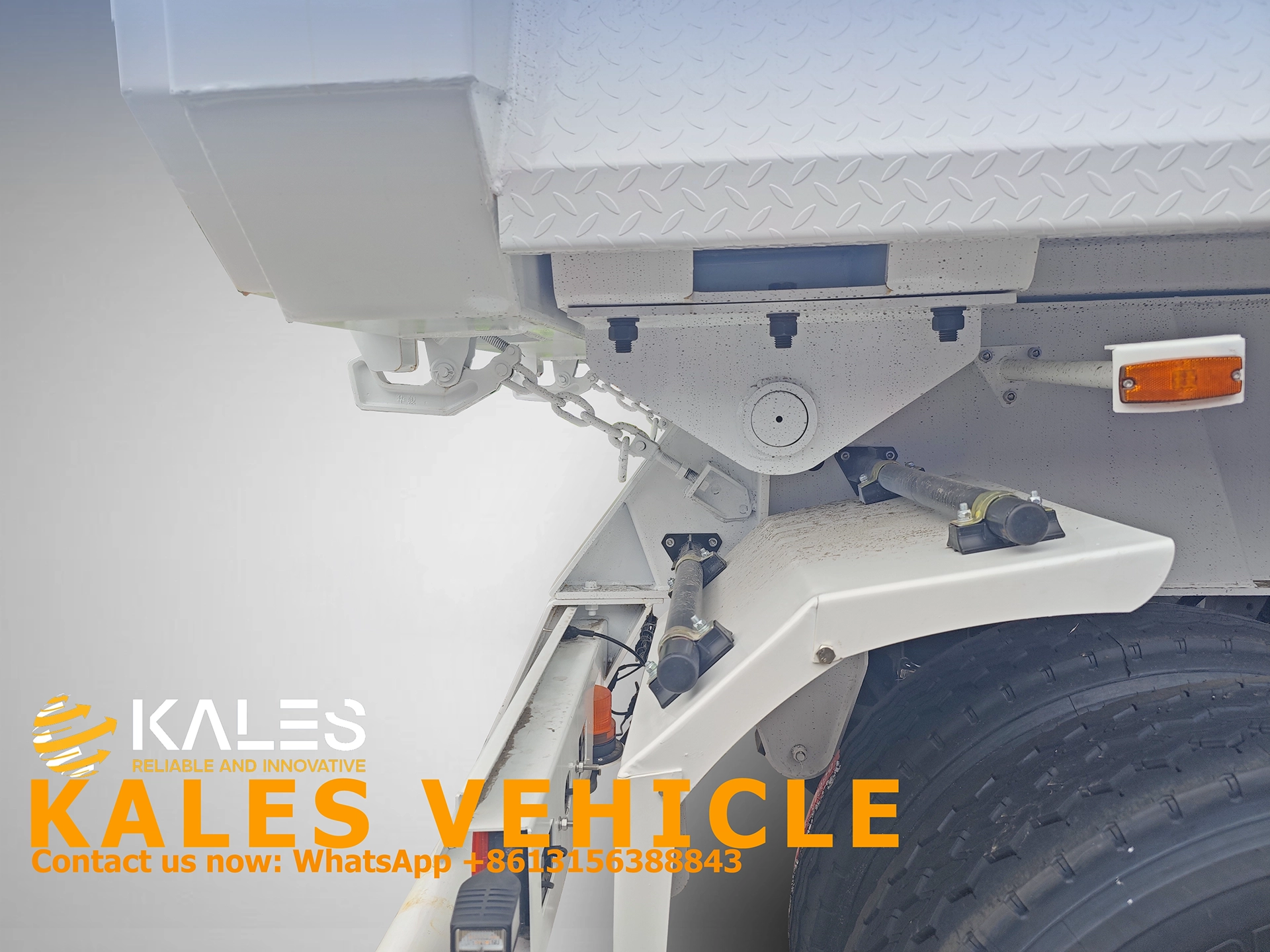
    The represented build still uses a genuine U-shape heavy tipper structure: T700 beam material, a wider 196-series cylinder, reinforced lattice side structure, and 4 flip brackets at the rear hinge point. The tarp is not a cosmetic add-on. It sits on top of a trailer that is already engineered for hard aggregate, coal, and mining-support duty.

    Suspension and route logic

    The hybrid suspension package combines front air-lift function with rear mechanical heavy-duty support. That matters because this page targets mixed-duty routes: rough loading points still demand rugged rear support, while the front lift logic helps tire wear and maneuver efficiency when the trailer cycles empty between sites.

    How this page differs from the generic 80 ton rear dump page

    Buyer question Best-fit direction Why
    I need a straightforward heavy 80 ton rear dump trailer for mining or aggregate duty Generic 80 ton U-shape rear dump trailer The main decision is payload class and mining-duty structure, not covered-load workflow
    I need 80 ton rear-dump capacity plus faster, safer, more consistent load covering This 80 ton tipper with electric tarp The tarp system is part of the operating method, not just an accessory
    I only need a mainstream dense-bulk tipper with simpler service logic 40 ton rear dump trailer Lower class, lower complexity, and better fit when 80 ton duty is unnecessary

    Inspection Views

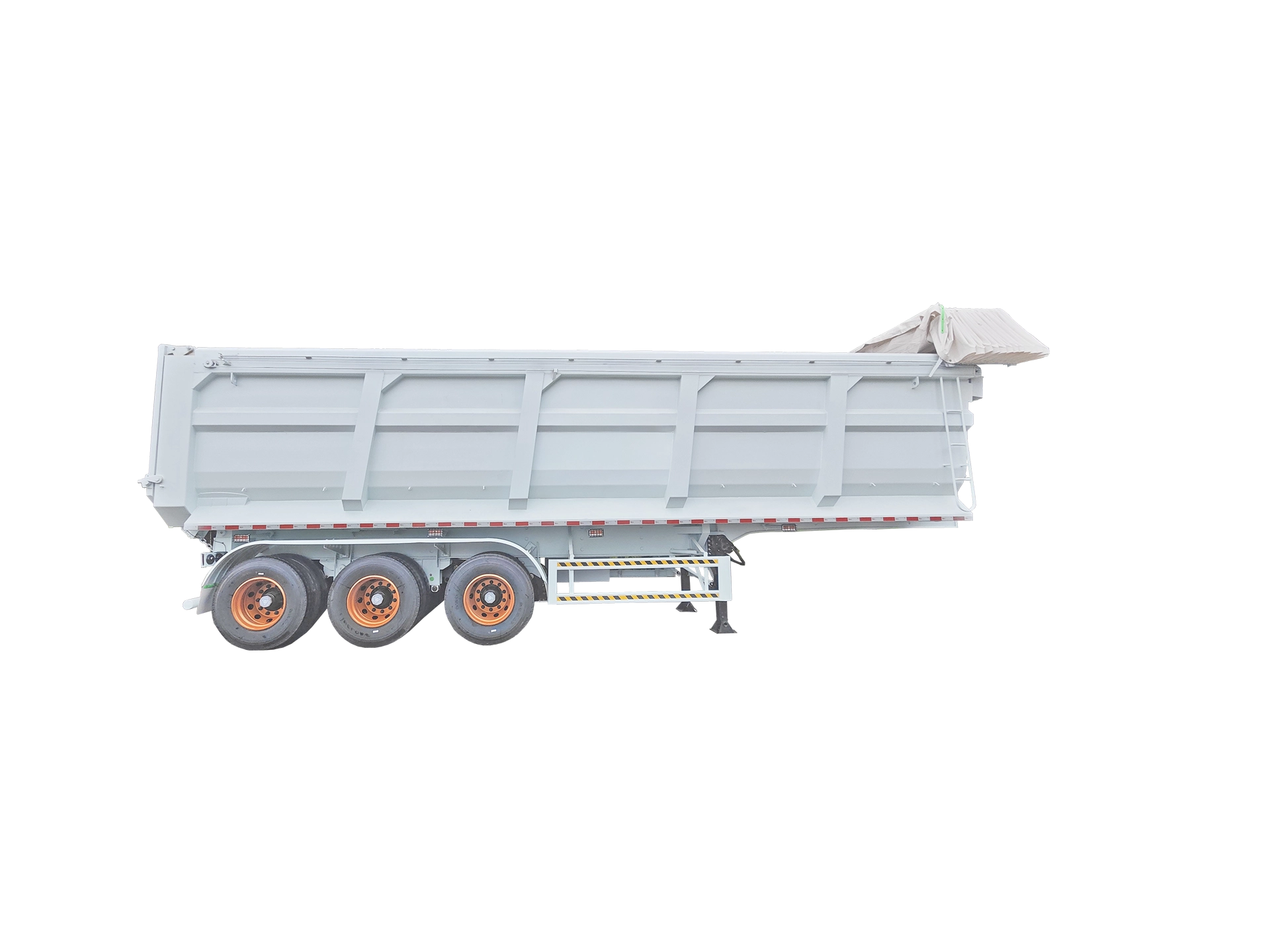
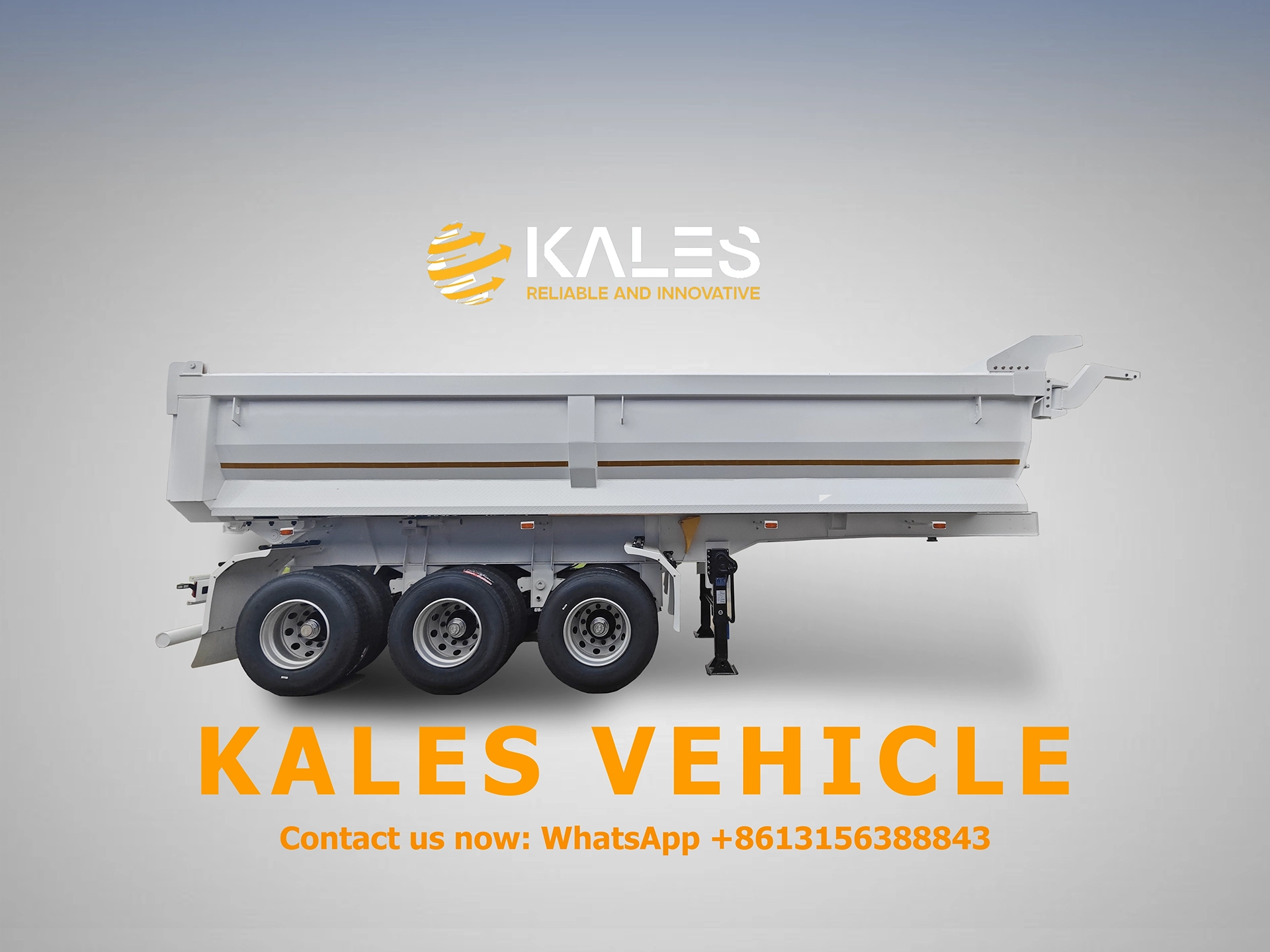
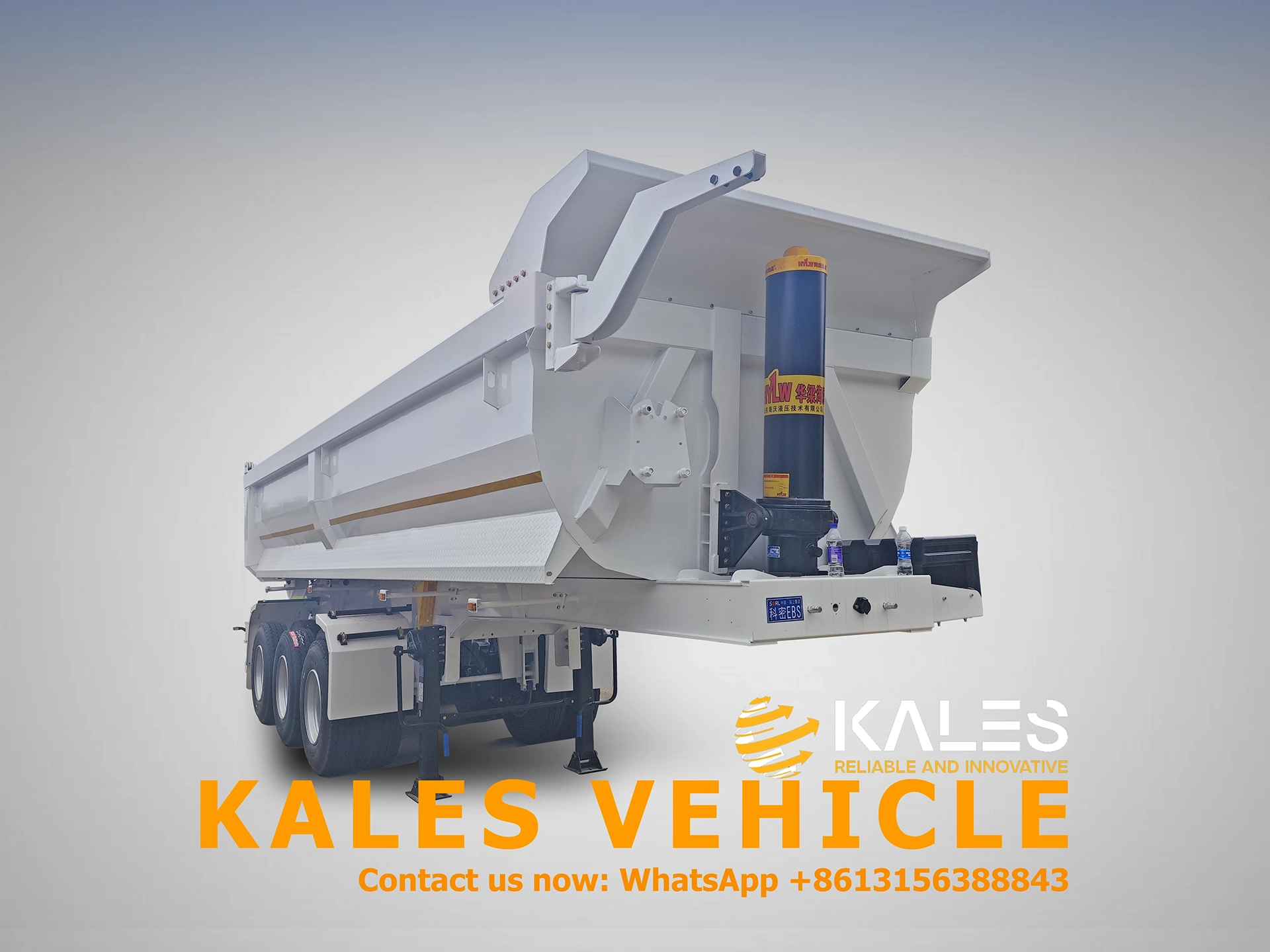
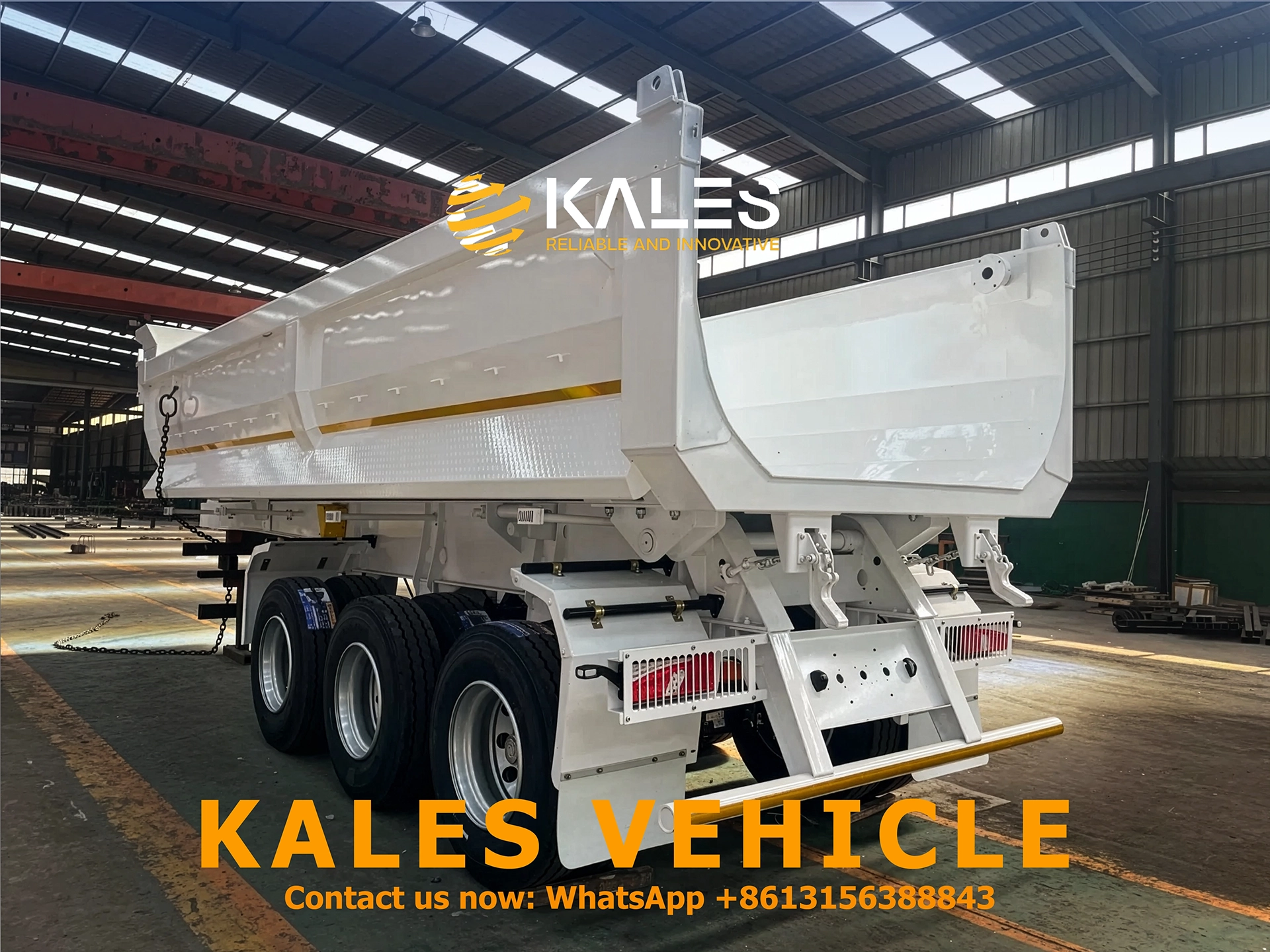
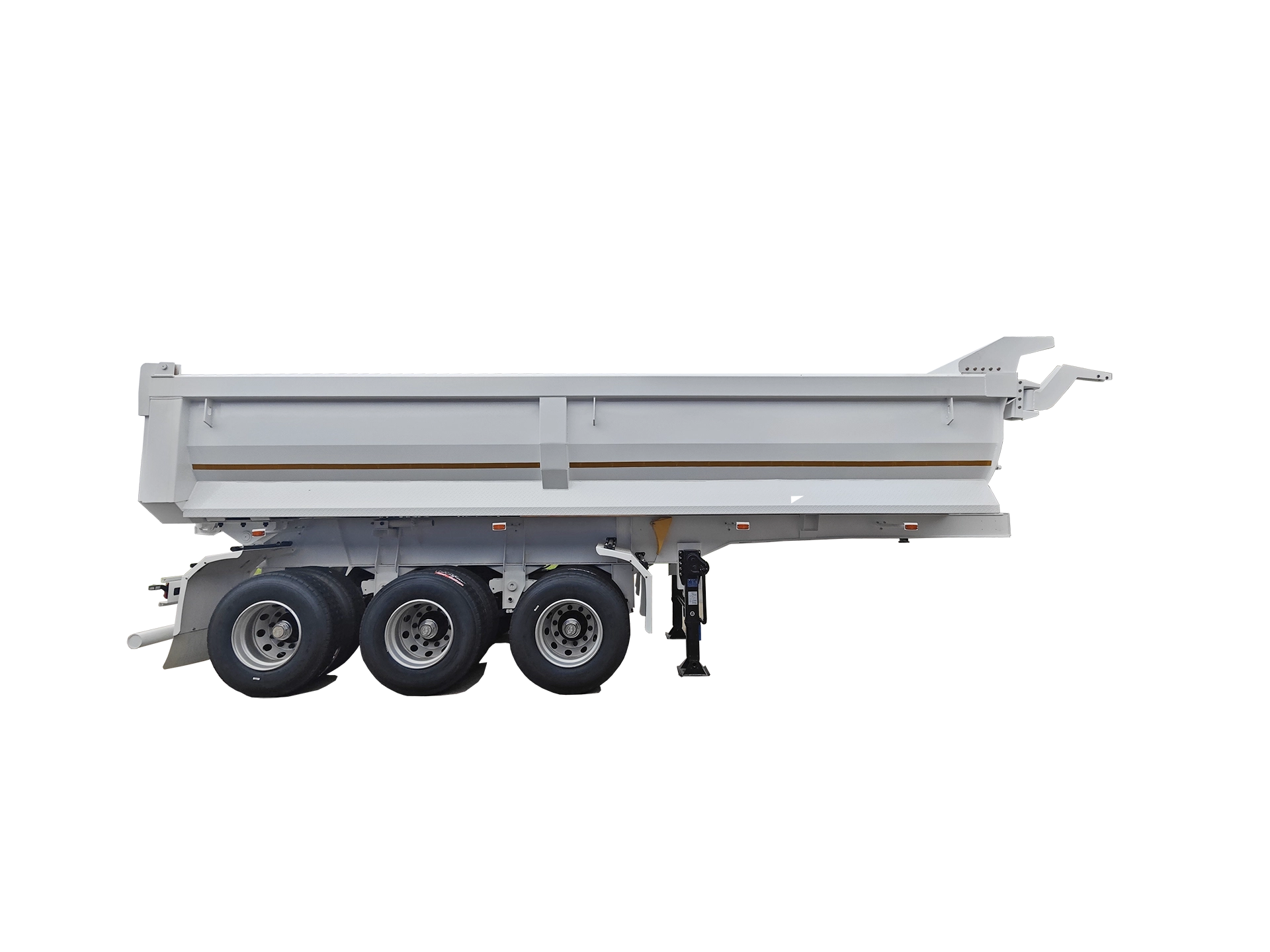
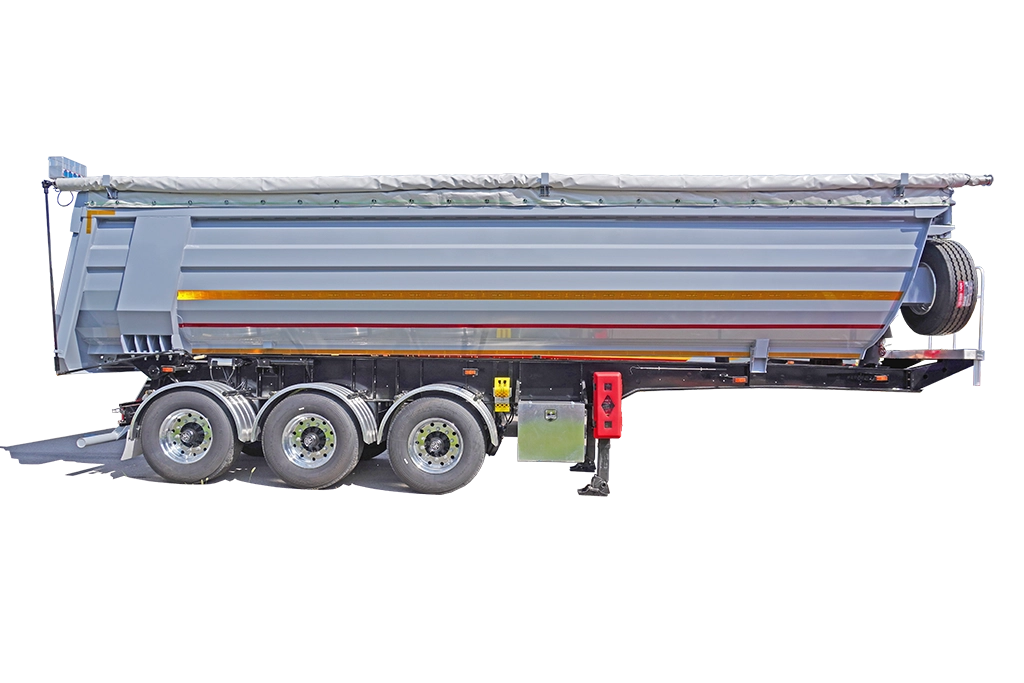
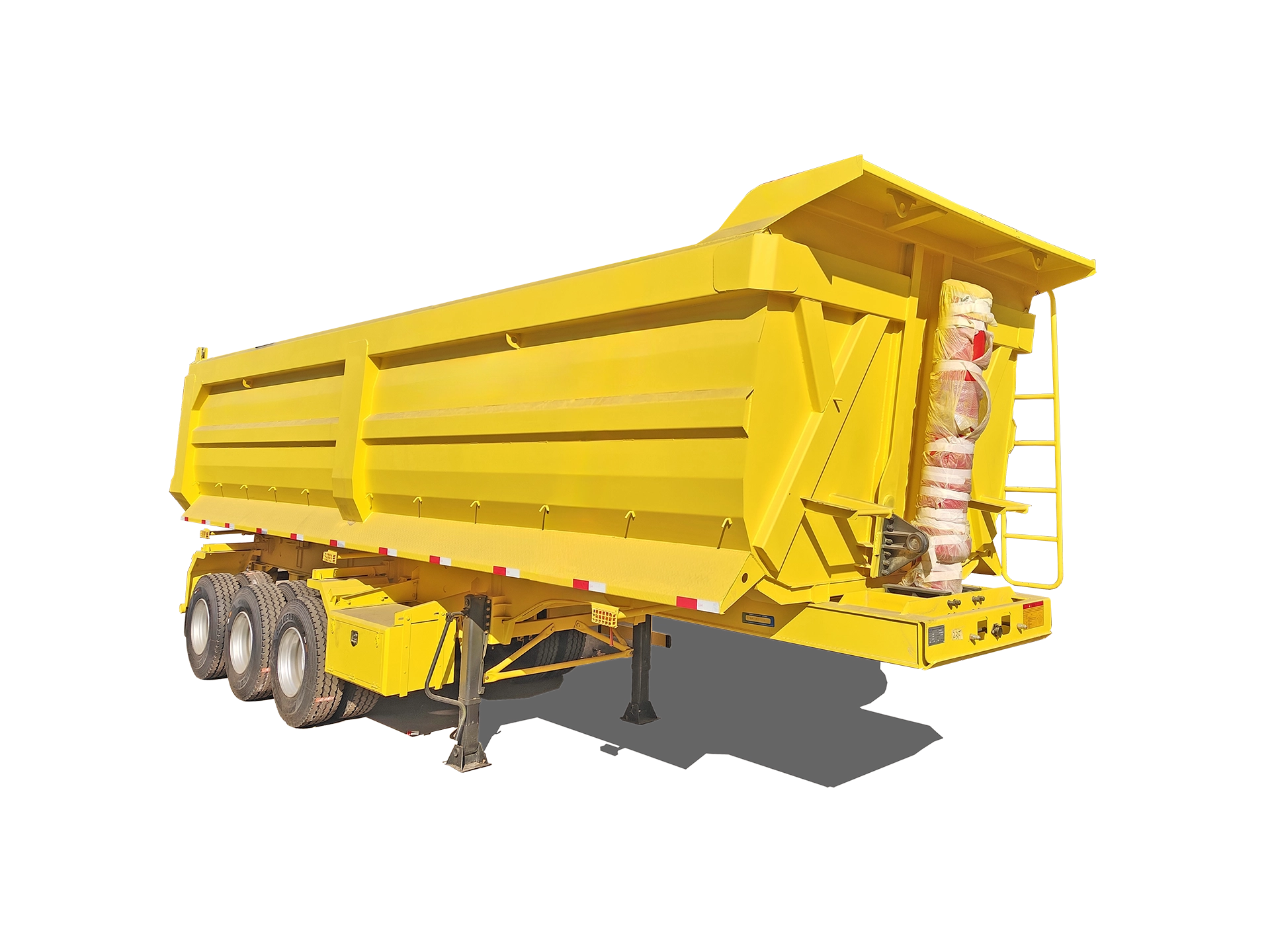
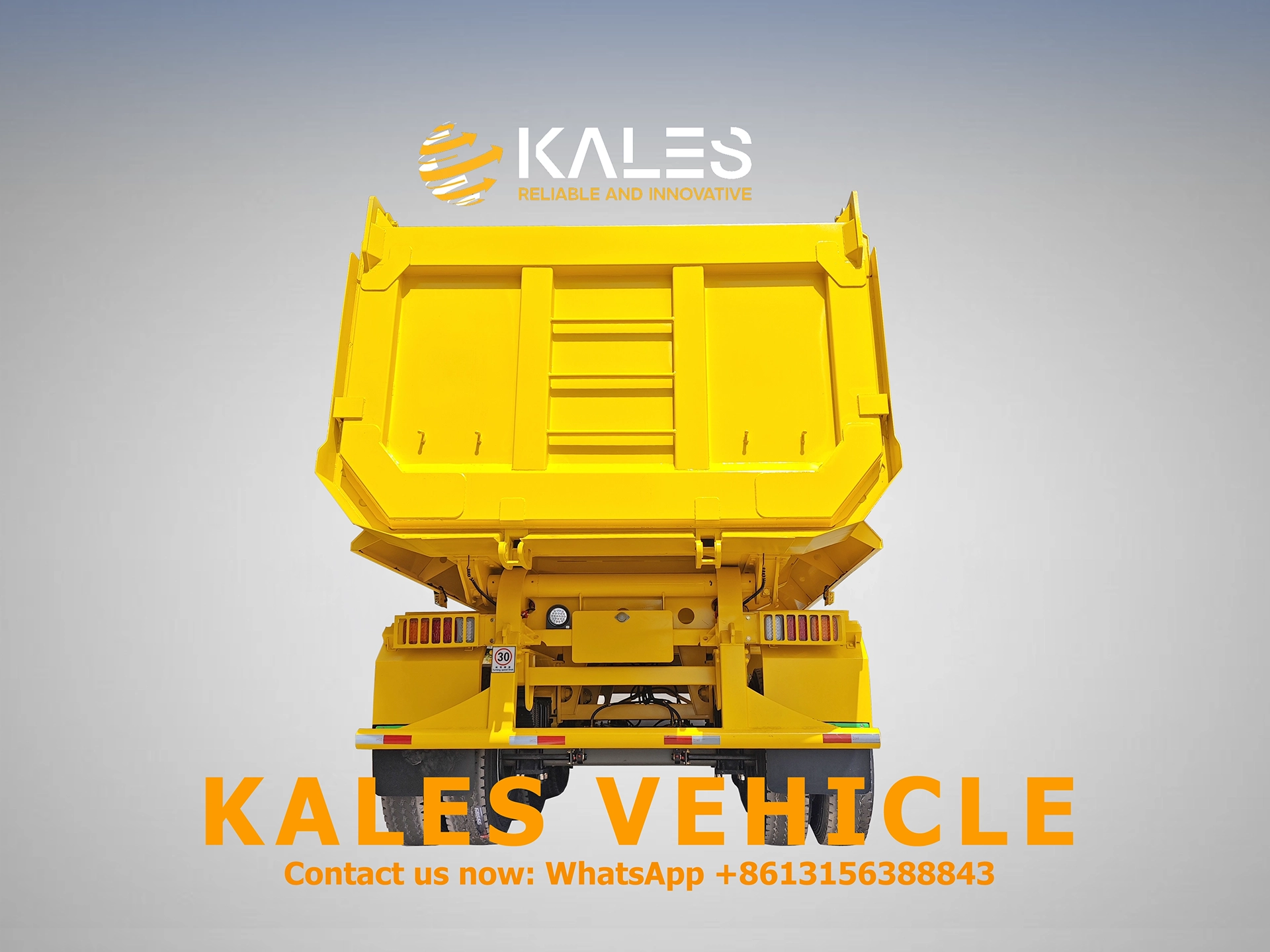
    Side view of Kales 80 ton U-shape tipper body with electric tarp-ready configuration
    Side inspection view of the U-shape body and covered-load working profile.
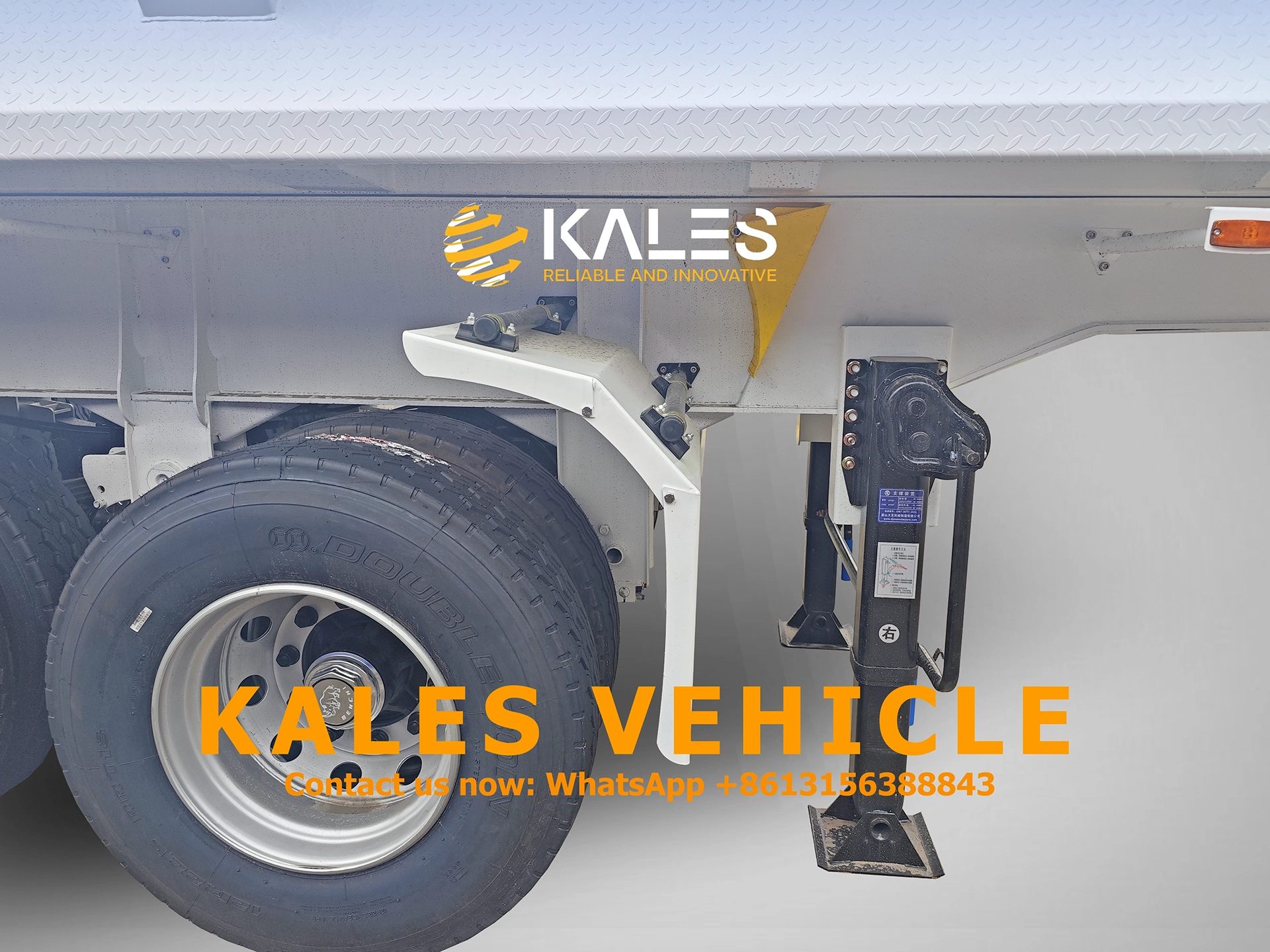
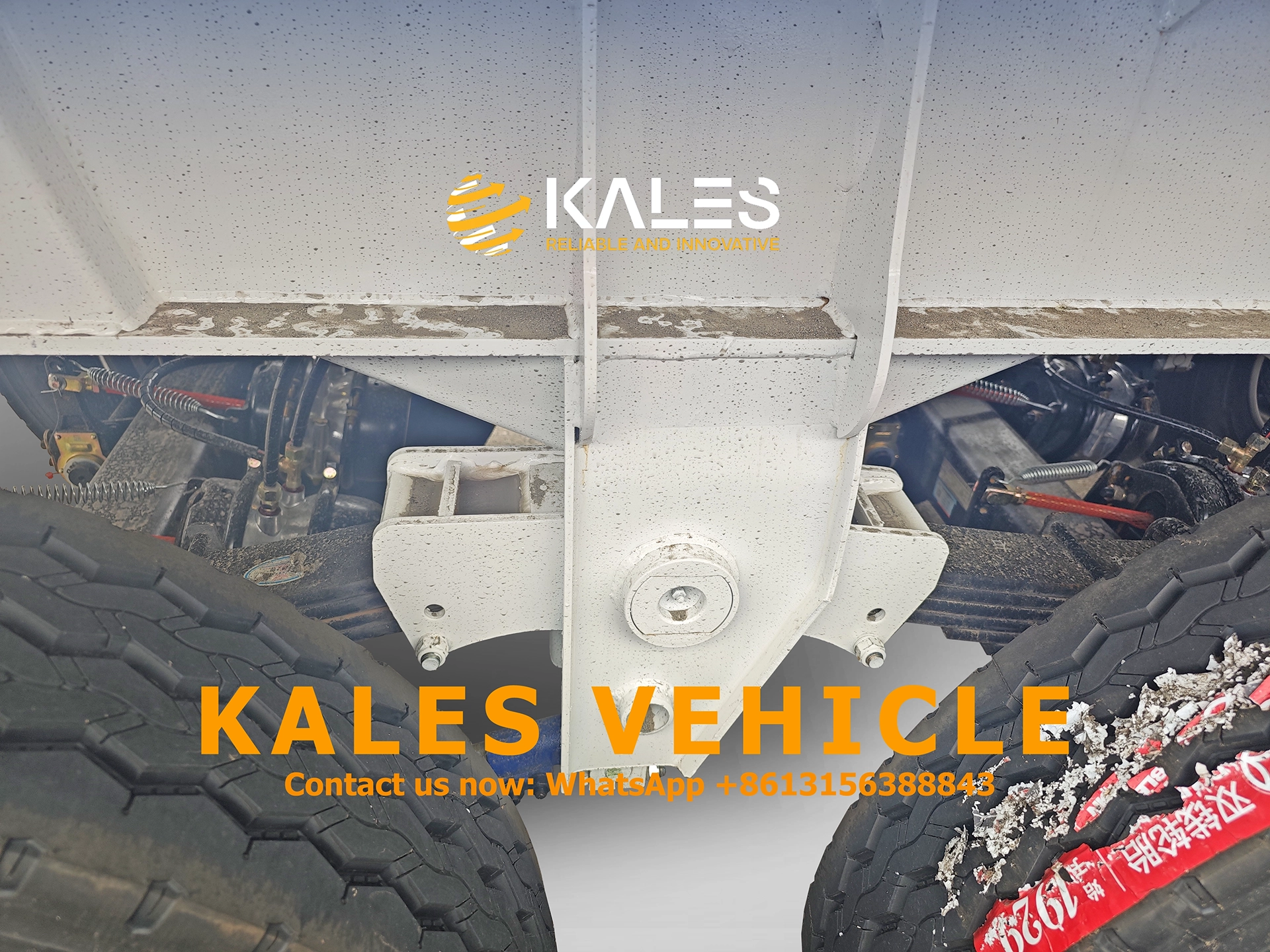
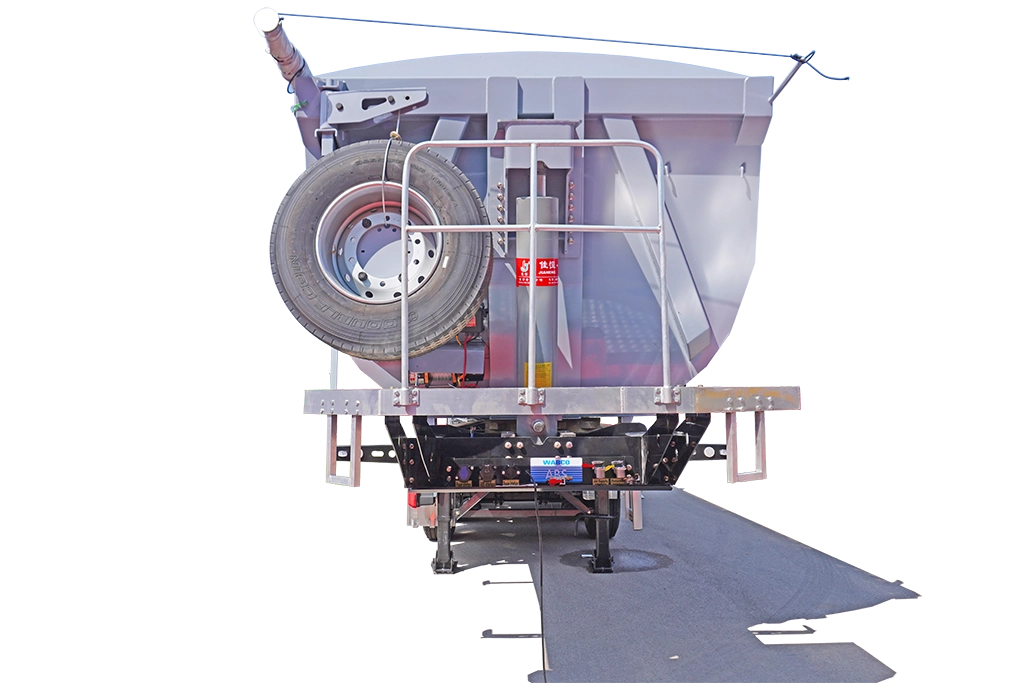
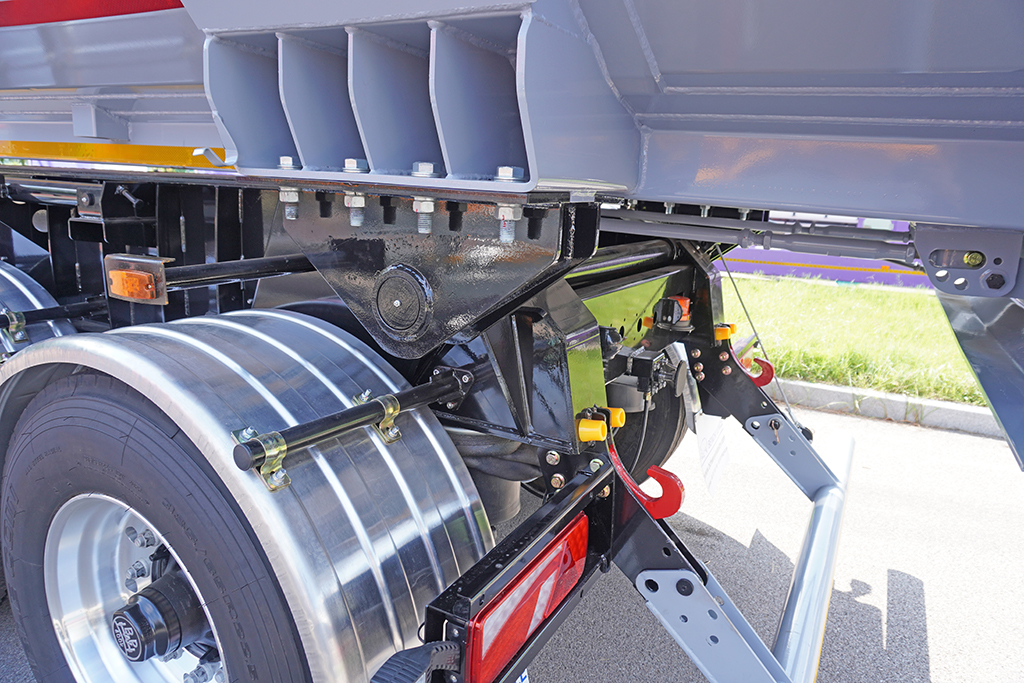
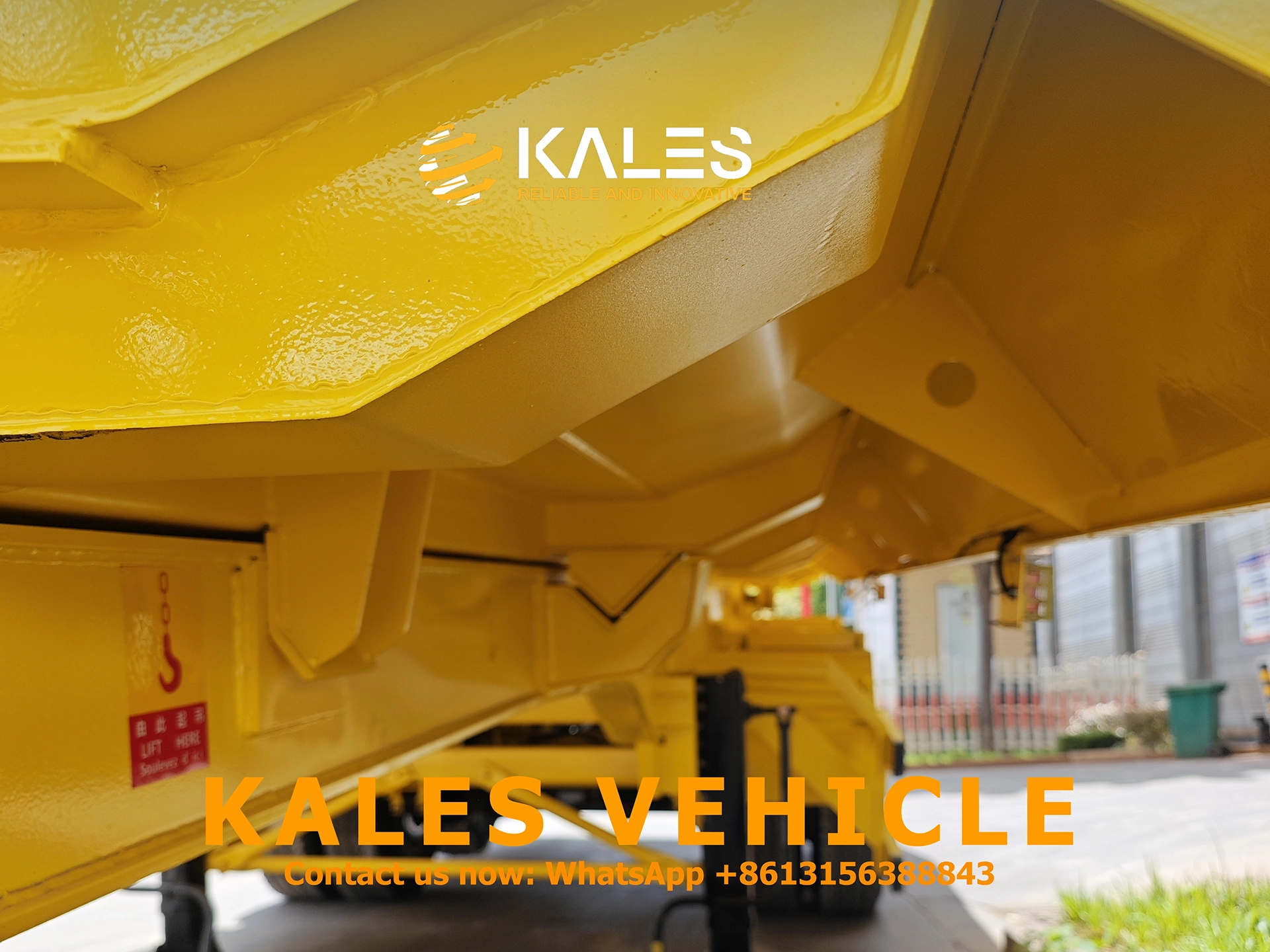
    Reinforced chassis detail of Kales 80 ton tipper trailer with heavy-duty beam and rear support structure
    Chassis angle useful for checking beam reinforcement and rear support layout.
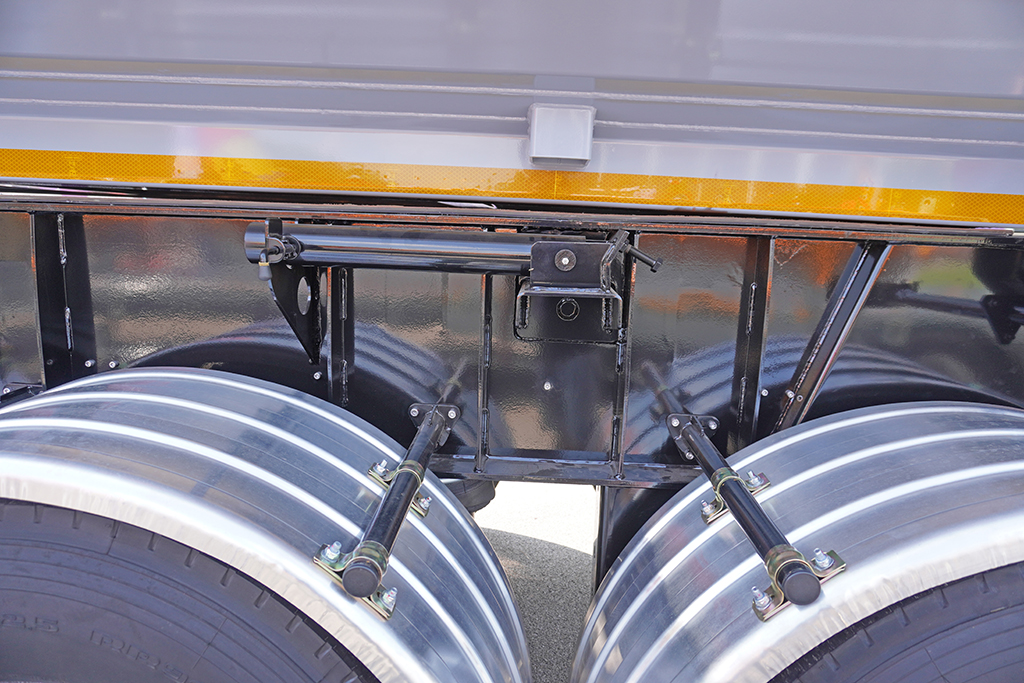
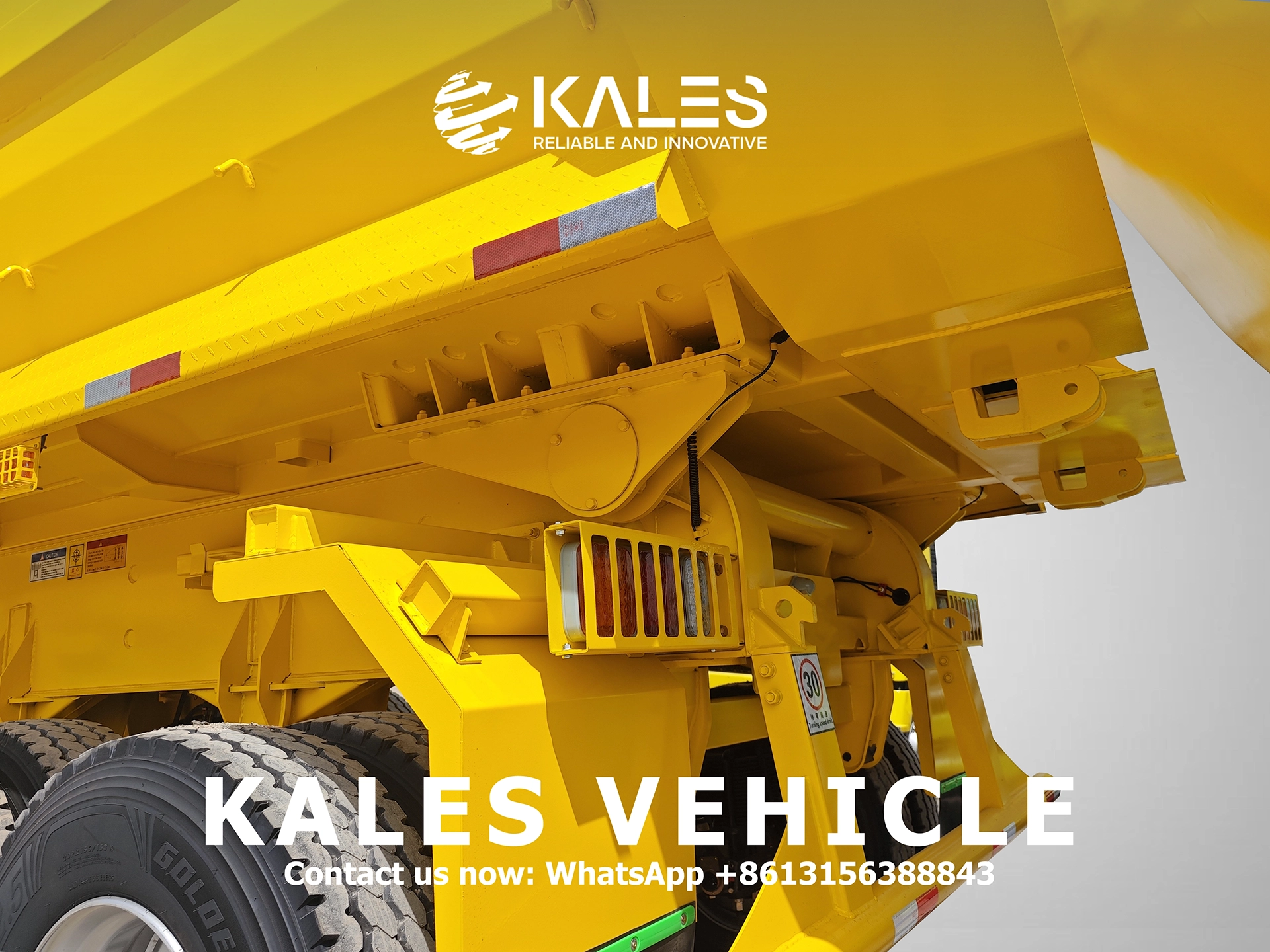
    Heavy-duty hydraulic cylinder detail on Kales 80 ton rear dump semi trailer
    Inspection view centered on the heavy-duty hydraulic cylinder package.
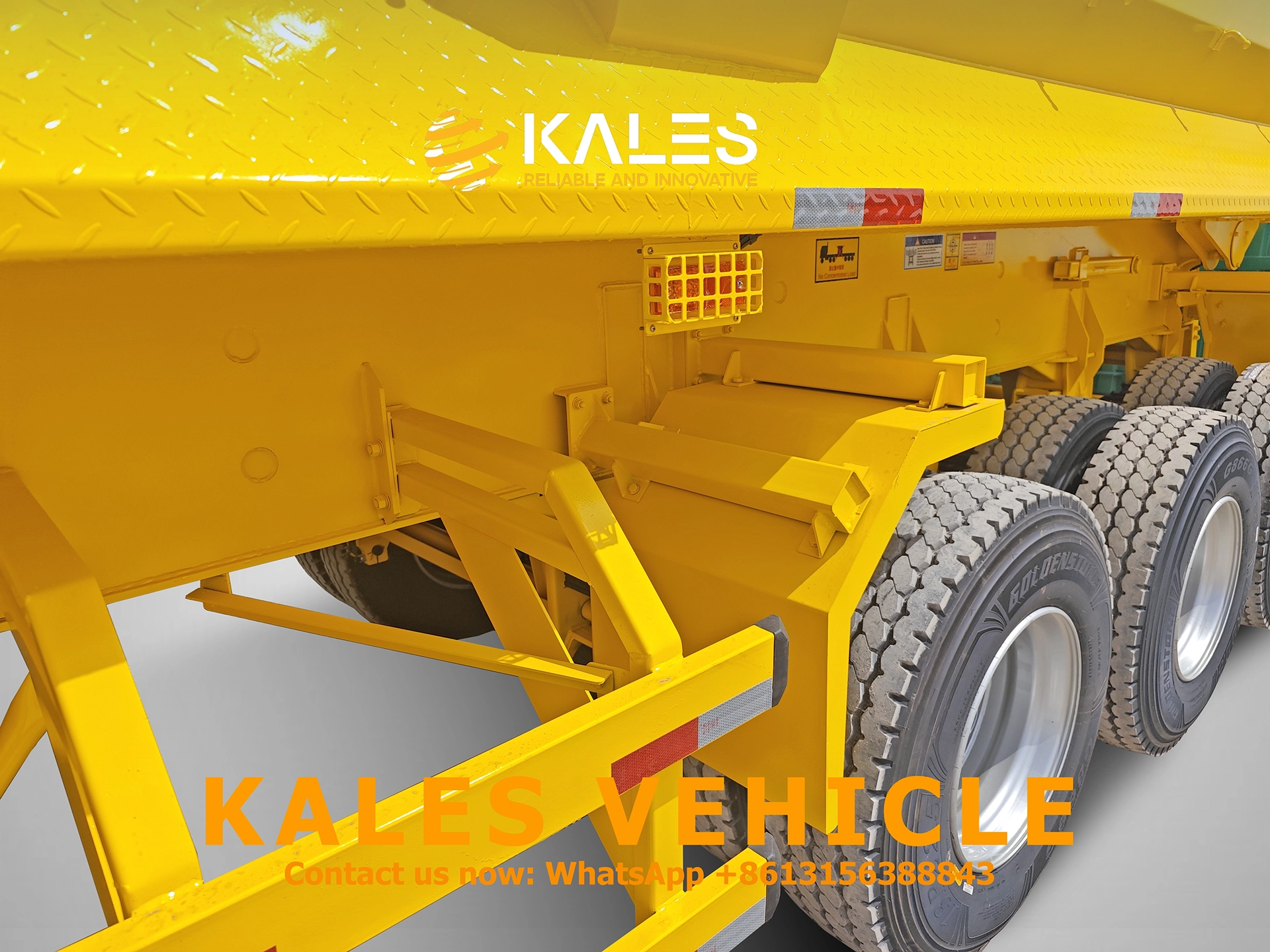
    Kales 80 ton rear dump tipper trailer working in heavy aggregate or mining-support conditions
    Working-context image aligned with quarry, aggregate, and mining-support use.
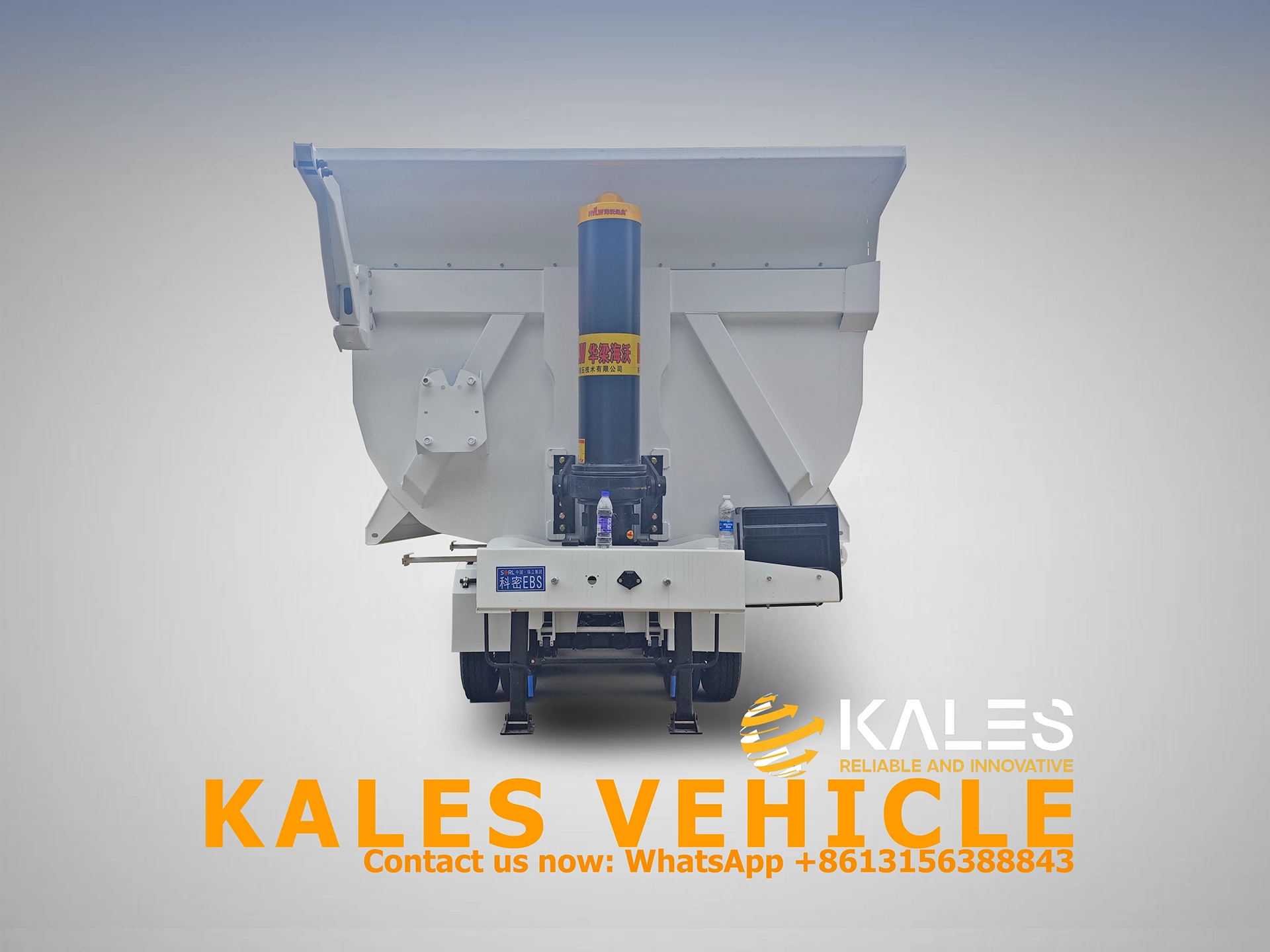
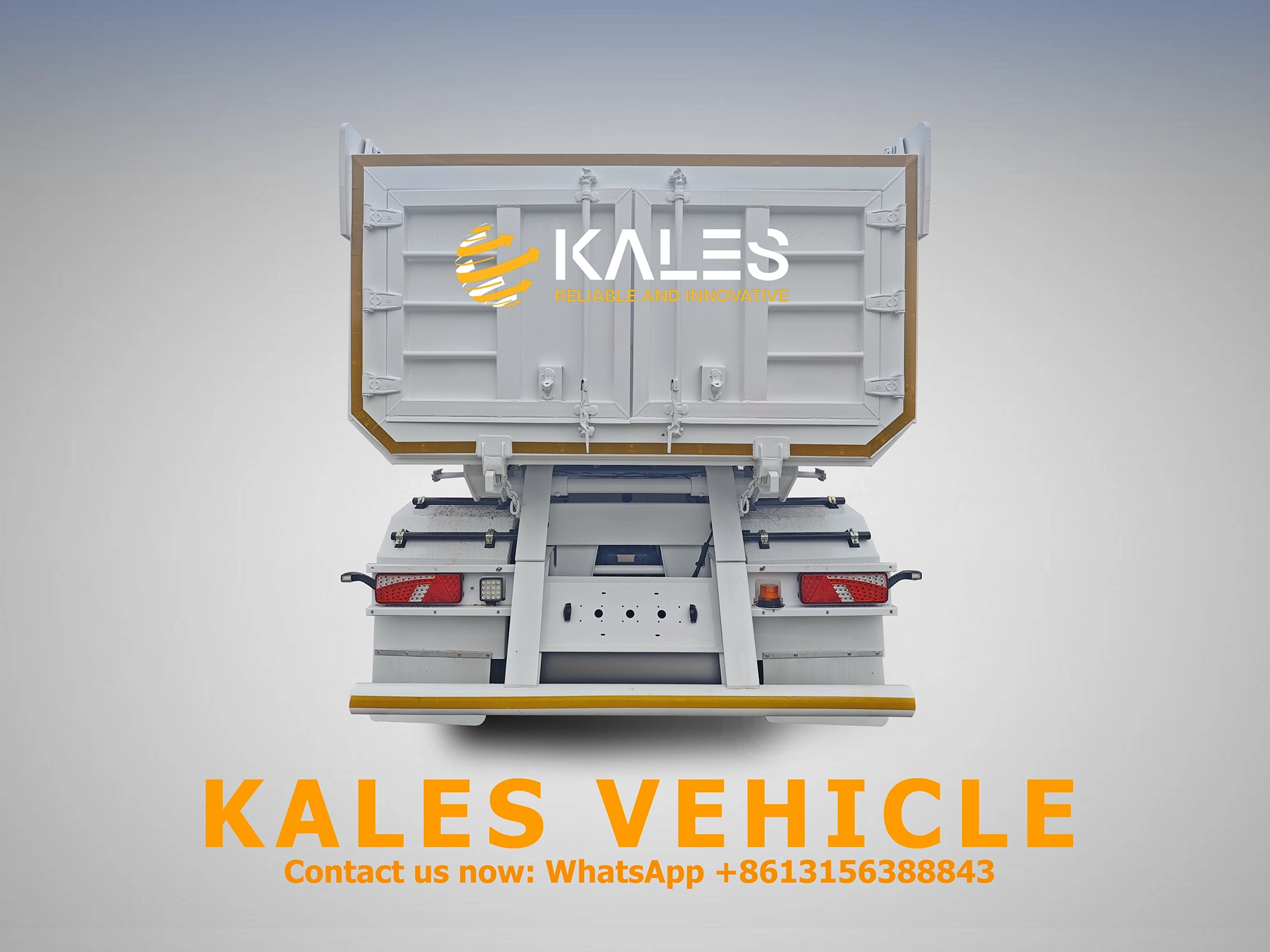
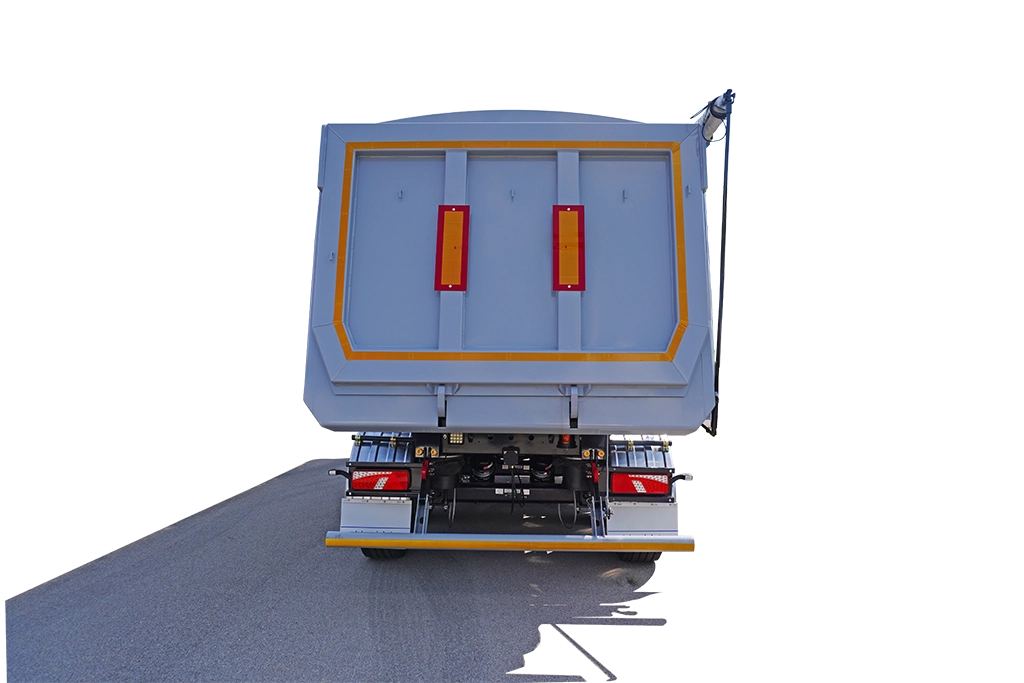
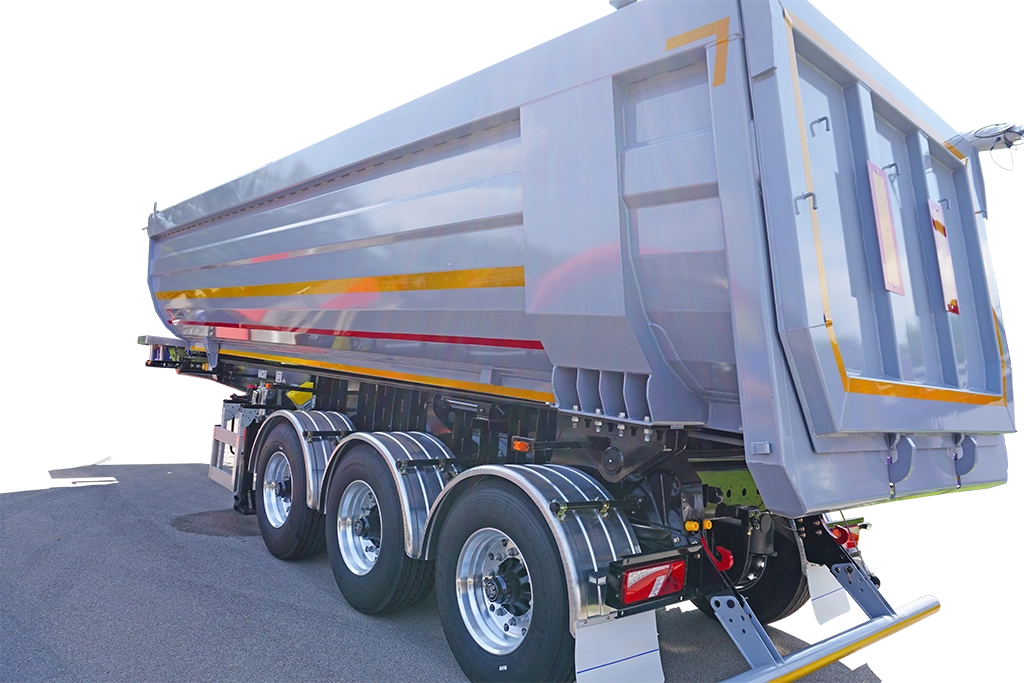
    Rear inspection view of Kales 80 ton tipper trailer showing bumper and heavy-duty dump frame
    Rear inspection angle for dump frame, bumper, and discharge stance review.

    Frequently Asked Questions

    Why should I choose this page instead of a generic 80 ton rear dump trailer?

    Choose this page when load covering is a daily operating requirement, not an afterthought. If the fleet needs safer tarp handling, better dust control, and more consistent weather protection, this page is the better fit than a broader open-body 80 ton tipper listing.

    Does the electric tarp matter only for city work?

    No. It also matters on highway transfer legs, rainy-season bulk haulage, weighbridge checks, and contractor routes where covered loads reduce dust escape, spillage complaints, and moisture exposure.

    Is this still a true heavy-duty mining-support tipper?

    Yes. The represented build still uses heavy-duty beam, cylinder, rear hinge, axle, and suspension logic. The electric tarp adds operating control; it does not replace the need for a proper 80 ton structure.

    Can the body volume and axle package be customized?

    Yes. Kales can adjust body volume, axle rating, suspension mix, steel thickness, and tarp specification to match cargo density, route condition, and legal load limits.

    What should I confirm before requesting a quote?

    Confirm cargo type, moisture sensitivity, route condition, road-enforcement expectations, target body volume, tractor specification, and whether the tarp must be standard or optional in your operating program.

    Request Drawing and Quote

    If you are comparing an 80 ton tipper trailer with electric tarp, send your cargo type, target payload, body volume target, route condition, country of operation, and whether dust-control or rain-cover compliance is mandatory. Kales can then confirm whether this covered heavy-duty U-shape tipper or a simpler rear dump class is the better fit.

    • Email: [email protected]
    • WhatsApp: +86 131 5638 8843
    • Request scope: cargo density, moisture risk, body volume, axle target, tarp requirement, and road-compliance constraints

    Related Kales Tipper Options

  • 60 Ton Rear Dump U-Shape Tipper Semi Trailer

    60 Ton Rear Dump U-Shape Tipper Semi Trailer

    Kales heavy-duty U-shape rear dump semi-trailer for quarry, aggregate, sand, coal, and mine haulage
    Kales heavy-duty U-shape rear dump semi-trailer positioned for quarry, aggregate, mine, sand, and coal haulage where the buyer needs a serious rear-dump platform without moving all the way into the full 80 ton class.

    Tipper Semi-Trailer Procurement Guide · Published: January 24, 2025 · Updated: June 4, 2026 · By Kales Vehicle Trailer Engineering Team · Reviewed by Kales Export Sales Engineering · Market focus: quarry stone, aggregate, mine support, sand and coal haulage, and buyers comparing 35CBM, 40 ton, 60 ton, and 80 ton rear-dump classes

    60 ton rear dump U-shape tipper semi trailer: this Kales page is built for fleets that have already outgrown the mainstream 35CBM and 40 ton dump segment, but do not need the heavier acquisition cost, higher payload ambition, or broader mining posture of the full 80 ton U-shape class. It is the serious middle step for quarry, aggregate, mine-support, sand, and coal hauling where body stability, rear-unloading confidence, and stronger floor structure matter more than chasing the biggest spec headline.

    Engineering guidance from the Kales Vehicle trailer team for buyers comparing standard rear dump trailers, lighter U-shape quarry bodies, this 60 ton heavy-duty platform, and the separate 80 ton pages that own the top payload tier or electric tarp feature set.

    Quick answer: choose this 60 ton rear dump U-shape trailer when you need a stronger quarry-and-mine rear tipper than a 35CBM or 40 ton platform, but your job still does not justify the full 80 ton class. The represented stock type uses a reinforced U-shape body around 9600 × 2550 × 3650 mm, 38 to 40 cubic meter positioning, a full HYVA front-lift hydraulic set, 12 mm floor and 8 mm side-wall plate, 3 × 16T heavy-duty axles, reinforced mechanical suspension, 12R22.5 or 315/80R22.5 tyre matching. Contact KALES for a tailored quotation based on the required configuration, order quantity, and destination.

    Why Buyers Choose This 60 Ton U-Shape Rear Dump Trailer

    • Serious middle-duty position: this page owns the buyer intent between mainstream dump trailers and the full 80 ton mining class.
    • U-shape unloading logic: the body is built for cleaner discharge of quarry stone, wet aggregate, sand, and coal than a flatter straight-wall dump box.
    • HYVA lifting package: full front-lift hydraulic support keeps the trailer aligned with export expectations for a heavy-duty rear tipper.
    • Heavy-duty structure without 80 ton overbuild: thicker floor plate, stronger axle matching, and reinforced suspension give real durability without forcing the buyer into the top payload tier.
    • No tarp-feature ownership here: this page stays focused on payload class, rear-dump stability, and quarry-duty structure rather than the electric tarp operating story that belongs to the separate 80 ton tarp page.

    Specification-backed advantages

    • Body reference size: 9600 × 2550 × 3650 mm. This provides a concrete durability and load-control basis for the stated duty cycle.
    • Payload class: 60 ton rear dump platform. This defines the working band to validate against the cargo, route, and local legal limits.
    • Hydraulic system: Full HYVA front-lift hydraulic cylinder set. This directly supports the loading, unloading, or handling workflow described for this product.


    Technical Snapshot

    Product type Heavy-duty 3 axle U-shape rear dump semi-trailer
    Payload class 60 ton rear dump platform
    Body reference size 9600 × 2550 × 3650 mm
    Body volume positioning 38 to 40 cubic meters depending on side height and local compliance
    Tare weight About 12.8 tons on the represented heavy-duty build
    Floor and side plate 12 mm floor and 8 mm side-wall plate on the represented stock type
    Hydraulic system Full HYVA front-lift hydraulic cylinder set
    Axles 3 × 16T FUWA, BPW, or Kales-matched heavy-duty axles
    Suspension Reinforced mechanical suspension
    Tyre matching 12R22.5 or 315/80R22.5 heavy-duty export specification
    Braking Dual-line air braking with ABS available by market requirement
    Custom quotation Contact KALES for a tailored quotation based on the required configuration, order quantity, and destination.

    Best Fit Operating Profile

    This trailer is built for operators hauling quarry aggregate, blasted stone, coal, mine-support bulk, wet sand, and other dense materials on routes that need a more serious rear-dump structure than the standard 35CBM and 40 ton pages. It is the right fit when payload, floor life, and dump-body stability need to step up, but the buyer still wants to stay below the full 80 ton purchase and maintenance burden.

    Best for

    • Quarry and aggregate fleets that want a stronger U-shape rear dump body below the 80 ton class
    • Sand, coal, ore-support, and dense mineral haulage where 40 ton-class trailers are already too light
    • Buyers who want a serious mechanical rear tipper with HYVA lifting logic and thicker floor plate
    • Mixed mine-and-plant shuttle work where stable rear unloading matters more than add-on tarp features

    Not ideal for

    • Operations that still fit a standard 35CBM or 40 ton rear dump trailer more efficiently
    • Heavy mining corridors that already justify the full 80 ton U-shape payload tier
    • Road programs where electric tarp control is the deciding requirement rather than payload class and structure

    How This 60 Ton Page Fits the Dump Trailer Lineup

    Buyer comparison point Best-fit page Why
    Mainstream volume-led rear dump buying intent 35CBM rear dump semi trailer Best when the operation still starts with practical cubic-volume logic before heavier-duty structure is required
    Heavy-duty rear dump below the full 80 ton class This 60 ton rear dump U-shape trailer Best when the buyer needs a serious quarry-and-mine rear tipper without stepping up to the top payload tier
    Full higher-payload mining posture 80 ton U-shape rear dump trailer Better when the route, loading pattern, and structural demand already belong in the heavier 80 ton class
    Heavy dump fleet that also needs powered tarp control 80 ton tipper with electric tarp That page owns the tarp-control story, while this 60 ton page stays centered on payload class and rear-dump structure

    Engineering and Serviceability Details

    Why the 60 ton class matters

    Many quarry and mine-support fleets sit in the uncomfortable middle where a standard dump trailer wears out too quickly, but an 80 ton mining program adds more acquisition cost, tare, and operational burden than the route actually needs. That is where the 60 ton page should win: it gives the buyer a real heavy-duty rear-dump chassis and floor package without pretending every job is an 80 ton corridor.

    Why the U-shape body still matters on dense material

    The U-shape body improves discharge flow on sticky sand, wet aggregate, coal blends, and blasted stone fines that do not always release cleanly from a flatter straight-wall box. That matters when the fleet is cycling repeatedly between pit, crusher, stockyard, and plant and cannot afford slow clean-out or unstable unloading behavior.

    Why this page stays off the electric tarp angle

    Electric tarp control can be operationally useful, but it is not the core buying intent for this cluster. This page should stay disciplined around the 60 ton heavy-duty U-shape decision: payload band, rear-dump stability, hydraulic logic, and reinforced structure. When tarp compliance or material containment becomes the primary requirement, the 80 ton tarp page is the cleaner answer.

    How is the final quotation confirmed?

    KALES confirms the quotation after reviewing the required specification, quantity, destination, and delivery terms. Send the operating requirements for an accurate proposal.

    Inspection Views

    Side inspection view of a Kales U-shape rear dump semi-trailer
    Side inspection view of the represented 60 ton-class U-shape rear dump trailer.
    Angle view of a Kales heavy-duty U-shape rear dump trailer
    Angle useful for checking body curvature, axle spacing, and heavy-duty stance.
    Exterior view of a Kales rear dump semi-trailer for quarry and aggregate haulage
    Exterior view supporting comparison with standard 35CBM and heavier 80 ton dump classes.
    Rear side inspection of a Kales U-shape tipper semi-trailer
    Rear-side inspection angle for body stance and chassis balance review.
    Working-profile view of a Kales U-shape rear dump trailer
    Image useful for reviewing the working profile of the dump body and underframe.
    Additional inspection view of a Kales heavy-duty rear tipper trailer
    Additional inspection view aligned with quarry, mine-support, and coal-haul evaluation.
    Final inspection view of a Kales U-shape rear dump semi-trailer
    Final inspection image for buyers reviewing represented export stock presentation.

    Frequently Asked Questions

    Who should choose this 60 ton rear dump trailer instead of the 35CBM or 40 ton pages?

    Buyers should move here when their route already needs thicker floor steel, stronger axle matching, and a heavier rear-dump structure than the mainstream dump pages can justify. It is the right middle step when a standard quarry tipper is no longer enough.

    How is this page different from the 80 ton U-shape rear dump trailer?

    This page owns the lower heavy-duty payload class. It is for serious quarry, aggregate, sand, coal, and mine-support hauling below the full 80 ton posture. The 80 ton page is the step-up choice when the operation already knows it needs the higher class from day one.

    Does this page include an electric tarp system?

    No. This page is intentionally centered on the 60 ton heavy-duty rear-dump platform itself. If powered tarp control is a primary requirement, compare the separate 80 ton electric tarp page instead.

    What cargoes fit this trailer best?

    It is strongest on quarry aggregate, blasted stone, coal, wet sand, mineral bulk, and similar dense loads that benefit from a reinforced U-shape dump body and stronger rear-unloading platform.

    What should I confirm before requesting a quote?

    Confirm material density, target payload, route condition, tractor saddle height, unloading frequency, preferred axle brand, and whether the job truly belongs in this 60 ton band or should move up to the full 80 ton class.

    Request Drawing and Quote

    If you are comparing a 60 ton rear dump U-shape semi trailer, send your material type, target payload, route condition, tractor specification, and whether tarp control is required or not. Kales can then confirm whether this 60 ton heavy-duty platform is the right fit or whether the job should stay lower or step into the 80 ton class.

    Related Kales Tipper Options


  • 80 Ton U-Shape Rear Dump Trailer

    80 Ton U-Shape Rear Dump Trailer

    Kales 80 ton U-shape rear dump semi trailer for sand, gravel, coal, quarry, and mining haulage
    Kales 80 ton U-shape rear dump semi trailer positioned as the core heavy-duty rear-dump platform for sand, gravel, coal, quarry aggregate, and mining haul routes that need full 80 ton class capacity without moving into electric tarp ownership.

    Tipper Semi-Trailer Procurement Guide · Published: November 15, 2025 · Updated: June 4, 2026 · By Kales Vehicle Trailer Engineering Team · Reviewed by Kales Export Sales Engineering · Market focus: sand, gravel, coal, quarry aggregate, mine-support bulk haulage, and buyers comparing 60 ton heavy-duty rear dumps, core 80 ton U-shape tippers, and 80 ton tarp-equipped variants

    80 ton U-shape rear dump semi trailer: this Kales page is built for fleets that already know a mainstream 35CBM, 40 ton, or even 60 ton rear dump trailer is below the job, but who do not need this cluster to be defined by electric tarp workflow. It owns the base heavy-duty 80 ton rear-dump buying intent: full payload class, reinforced U-shape discharge body, stronger chassis logic, and serious quarry-and-mining posture for sand, gravel, coal, blasted stone, and dense mineral haul routes.

    Engineering guidance from the Kales Vehicle trailer team for buyers comparing the 60 ton middle-duty U-shape rear dump, this core 80 ton heavy-duty rear-dump platform, and the separate 80 ton electric-tarp page that owns covered-load workflow.

    Quick answer: choose this 80 ton U-shape rear dump semi trailer when your operation already belongs in the top heavy-duty rear-dump class for sand, gravel, coal, quarry stone, and mining shuttle work, and the main buying question is structure and payload band rather than tarp automation. The represented stock logic combines a 35 cubic meter U-shape body, T700 heavy-duty beam structure, HYVA front-lift hydraulic cylinder, FUWA or BPW axle options, reinforced rear-dump chassis layout, WABCO ABS. Contact KALES for a tailored quotation based on the required configuration, order quantity, and destination.

    Why Buyers Choose This Core 80 Ton Rear Dump Trailer

    • Full 80 ton class ownership: this page is for buyers who already need the heavier rear-dump payload tier, not the middle step below it.
    • U-shape discharge logic: the body is built for cleaner release of sand, gravel, coal, and quarry stone than a flatter straight-wall rear dump box.
    • HYVA hydraulic support: the lifting package keeps the trailer aligned with export expectations for a true heavy-duty rear tipper.
    • FUWA or BPW axle matching: axle-brand flexibility helps buyers fit the trailer to destination-market parts and workshop logic.
    • Disciplined cluster position: this page owns the base 80 ton rear-dump intent, while the separate tarp page owns electric covering workflow rather than this cluster.

    Specification-backed advantages

    • Reference body program: 35 cubic meter U-shape body with heavy-duty quarry-and-mining positioning. This provides a concrete durability and load-control basis for the stated duty cycle.
    • Payload class: 80 ton rear dump platform. This defines the working band to validate against the cargo, route, and local legal limits.
    • Hydraulic system: HYVA front-lift hydraulic cylinder set. This directly supports the loading, unloading, or handling workflow described for this product.


    Technical Snapshot

    Product type Heavy-duty 3 axle U-shape rear dump semi trailer
    Payload class 80 ton rear dump platform
    Reference body program 35 cubic meter U-shape body with heavy-duty quarry-and-mining positioning
    Overall dimensions 9,000 × 2,500 × 3,950 mm on the represented stock type, adjustable to route and compliance requirements
    Main beam T700 high-strength steel with reinforced heavy-duty double-plate beam logic
    Hydraulic system HYVA front-lift hydraulic cylinder set
    Body and rear structure Reinforced U-shape dump body with heavy-duty rear hinge and discharge layout
    Axles 3 heavy-duty axles in FUWA, BPW, or Kales matching according to destination support
    Suspension Heavy-duty mechanical suspension, with route-specific matching available
    Tyres 12R22.5 or 315/80R22.5 heavy-haul export configuration
    Braking Dual-line air braking with WABCO ABS
    Custom quotation Contact KALES for a tailored quotation based on the required configuration, order quantity, and destination.

    Best Fit Operating Profile

    This trailer is strongest for fleets hauling sand, gravel, coal, blasted quarry stone, ore-support bulk, crusher feed, and other dense materials on routes that have already moved beyond the 60 ton heavy-duty class. It is the right fit when the buyer needs a true 80 ton rear-dump posture for quarry and mining work, but does not want the page intent to drift into tarp-control compliance as the primary decision driver.

    Best for

    • Quarry and mining fleets that already require the full 80 ton rear-dump class
    • Sand, gravel, coal, and dense mineral haulage where a 60 ton heavy-duty trailer is already too conservative
    • Buyers who want a serious HYVA-equipped U-shape rear dump with FUWA or BPW axle options
    • Mine-to-plant, quarry-to-crusher, and stockyard shuttle work where structure and unloading confidence matter more than tarp automation

    Not ideal for

    • Operations that still fit the 60 ton U-shape heavy-duty class more efficiently
    • Buyers whose real requirement is covered-load workflow and electric tarp control
    • Lower-duty bulk routes that are better served by mainstream 35CBM or 40 ton rear dump trailers

    How This 80 Ton Page Fits the Dump Trailer Lineup

    Buyer comparison point Best-fit page Why
    Heavy-duty rear dump below the top payload tier 60 ton U-shape rear dump trailer Best when the route has outgrown mainstream dump trailers but does not yet justify full 80 ton class structure
    Core heavy-duty 80 ton rear-dump buying intent This 80 ton U-shape rear dump trailer Best when payload class, U-shape body, HYVA lift logic, and quarry-and-mining structure are the main decision
    Heavy dump fleet that also needs powered tarp control 80 ton tipper with electric tarp That page owns covered-load workflow, while this page stays centered on the base 80 ton rear-dump platform itself

    Engineering and Serviceability Details

    Why this page must own the base 80 ton rear-dump intent

    The buyer reaching this cluster is usually past the question of whether a heavier trailer is needed. That decision is already made. The real requirement is a straightforward 80 ton U-shape rear dump with the correct structure, axle-brand matching, hydraulic logic, and discharge behavior for repeated quarry and mining duty. That is why this page should stay disciplined around the core platform instead of drifting into accessory-led positioning.

    How the U-shape body and HYVA lift logic work together

    The U-shape body improves material release on sticky sand, wet gravel, coal blends, and quarry fines that can hang inside flatter straight-wall bodies. HYVA front-lift hydraulic support then helps the heavy body raise with the kind of predictable export-spec tipping logic buyers expect in this class. Together, those two systems define the trailer as a serious rear-dump tool rather than a generic high-tonnage body.

    Why FUWA and BPW axle options matter

    At this payload level, the trailer is not only a structure question. It is also a service-network question. FUWA and BPW axle matching gives buyers practical flexibility to fit the destination market’s parts ecosystem, workshop familiarity, and replacement preference. That matters more on an 80 ton trailer than on a lighter unit because downtime and wrong-fit service decisions become more expensive very quickly.

    Why electric tarp ownership belongs to the separate 80 ton page

    Electric tarp control can be useful, but it is not the core buying intent for this cluster. This page should answer the buyer who wants the base heavy-duty 80 ton rear-dump platform. When covered-load discipline, faster tarp handling, or road-compliance covering becomes the lead requirement, the electric-tarp 80 ton page is the cleaner and more accurate destination.

    Inspection Views

    Side inspection view of a Kales 80 ton U-shape rear dump semi trailer
    Side inspection view of the represented 80 ton U-shape rear dump trailer.
    Reinforced chassis detail of a Kales 80 ton rear dump semi trailer
    Chassis angle useful for checking beam reinforcement and rear support structure.
    HYVA hydraulic cylinder detail on a Kales 80 ton rear dump trailer
    Inspection image centered on the HYVA hydraulic lifting package.
    Kales 80 ton rear dump trailer working in quarry and mining support conditions
    Working-context image aligned with quarry, mining-support, sand, and coal haulage.
    Rear inspection view of a Kales 80 ton U-shape rear dump trailer
    Rear inspection angle for dump frame, bumper, and heavy-duty discharge stance review.

    Frequently Asked Questions

    Who should choose this 80 ton U-shape rear dump trailer instead of the 60 ton page?

    Choose this page when the job already belongs in the top heavy-duty rear-dump class and the 60 ton middle-duty step is no longer enough for route severity, material density, or structural demand.

    How is this different from the 80 ton tipper with electric tarp?

    This page owns the base 80 ton rear-dump platform itself: payload class, U-shape body, HYVA lift logic, and heavy-duty quarry-and-mining structure. The electric-tarp page is the better fit only when covered-load workflow is the main buying reason.

    What cargoes fit this trailer best?

    It is strongest on sand, gravel, coal, blasted stone, quarry aggregate, crusher feed, and similar dense bulk materials that need a serious U-shape rear-dump chassis.

    Can I specify FUWA or BPW axles?

    Yes. This page is positioned with FUWA or BPW axle options so the final build can match destination-market service logic and parts support.

    What should I confirm before requesting a quote?

    Confirm material density, target payload, route condition, body volume target, tractor saddle height, preferred axle brand, and whether the operation truly needs the base 80 ton rear-dump platform or the tarp-equipped variant.

    Request Drawing and Quote

    If you are comparing an 80 ton U-shape rear dump semi trailer, send your cargo type, target payload, route condition, tractor specification, preferred axle brand, and whether tarp control is optional or unnecessary for the job. Kales can then confirm whether this core 80 ton rear-dump platform is the right fit or whether you should stay with the 60 ton class or move to the tarp-equipped variant.

    Related Kales Tipper Options

  • 150 Ton 8-Axle Lowbed Trailer with Detachable Gooseneck

    150 Ton 8-Axle Lowbed Trailer with Detachable Gooseneck

    Kales 150 ton 8-axle lowboy trailer with detachable gooseneck and ultra-wide heavy-haul deck in factory inspection position.
    Kales 150 ton 8-axle detachable-gooseneck lowboy configured for transformers, oversized industrial cargo, and modular heavy-haul projects.

    Heavy-Haul Trailer Procurement Guide · Published: November 18, 2025 · Updated: June 3, 2026 · By Kales Vehicle heavy-haul engineering team · Reviewed by Kales sales engineering · Market focus: transformer transport, oversized industrial equipment, and modular project haul

    150 ton 8-axle lowboy trailer with detachable gooseneck: this Kales project-haul platform is built for buyers whose freight has already moved beyond normal machinery transport into transformer logistics, oversized equipment relocation, ultra-wide components, and modular heavy-haul planning. It combines an ultra-wide 4,200 mm deck, front-loading detachable gooseneck access, and multi-axle heavy-haul structure for real project cargo rather than standard excavator moves.

    Engineering guidance from the Kales Vehicle heavy-haul team for EPC buyers, abnormal-load carriers, power-sector contractors, mining logistics teams, and fleet procurement managers comparing 50 ton entry lowbeds, 80 ton lowbeds, and true 150 ton detachable-gooseneck platforms.

    Contact KALES for a tailored quotation based on the required configuration, order quantity, and destination.

    Why Buyers Choose This 150 Ton Detachable-Gooseneck Platform

    • Ultra-heavy intent: this page is for transformers, bridge beams, heavy mining machines, petrochemical modules, and oversized project cargo rather than routine rear-loading machinery moves.
    • Front-loading access: the detachable gooseneck makes it easier to load crawler machines, low-clearance cargo, and abnormal pieces that do not suit ladder ramps.
    • Wide-deck logic: a 4,200 mm deck changes the buying conversation from standard lowbed transport to true oversized-width project haul.
    • Multi-axle stability: the 4-line 8-axle structure gives buyers the load distribution margin expected in modular heavy-haul planning.

    Specification-backed advantages

    • Main structure: HG60 high-strength steel heavy-haul frame with reinforced crossmember strategy for concentrated abnormal loads. This provides a concrete durability and load-control basis for the stated duty cycle.
    • Rated payload class: 150 ton class, with final legal payload depending on route regulation, tractor combination, and axle configuration. This defines the working band to validate against the cargo, route, and local legal limits.
    • Gooseneck: Fully detachable gooseneck for front-loading and project-haul loading flexibility. This directly supports the loading, unloading, or handling workflow described for this product.


    Technical Snapshot

    Product type 150 ton 8-axle lowboy semi trailer with detachable gooseneck
    Project role Ultra-heavy project-haul trailer for transformers, oversized equipment, and modular cargo
    Rated payload class 150 ton class, with final legal payload depending on route regulation, tractor combination, and axle configuration
    Overall dimensions 16,300 x 4,200 x 970 mm reference configuration
    Deck layout Ultra-wide flat low deck, approximately 4,200 mm wide, designed for oversized-width cargo support
    Gooseneck Fully detachable gooseneck for front-loading and project-haul loading flexibility
    Axle package 4 lines / 8 axles heavy-haul configuration
    Main structure HG60 high-strength steel heavy-haul frame with reinforced crossmember strategy for concentrated abnormal loads
    Deck plate 8 mm anti-slip steel deck plate for heavy concentrated contact loads
    Operating height Ultra-low deck height around 970 mm for lower center of gravity and route clearance control
    Custom quotation Contact KALES for a tailored quotation based on the required configuration, order quantity, and destination.

    Best Fit Operating Profile

    This 150 ton lowboy trailer is the correct fit when the buyer is solving an abnormal-load problem, not simply moving standard plant machinery. It is aimed at power transmission projects, transformer relocation, refinery and petrochemical module work, wind and industrial subassemblies, very heavy tracked equipment, and modular freight that needs more width, more axle distribution, and a better loading method than conventional lowbeds can provide.

    Best for

    • Transformer transport programs that need ultra-wide deck support and better load distribution across a multi-axle heavy-haul platform
    • Oversized equipment relocation where front loading or side-access planning matters more than simple rear-ramp loading
    • Mining, EPC, oil and gas, and infrastructure buyers planning route studies and permit-heavy abnormal transport
    • Procurement teams that need a configurable heavy-haul trailer family rather than a configuration-specific entry lowbed

    Not ideal for

    • Everyday excavator, loader, and bulldozer transport that still fits a 50 ton fixed-deck ladder-ramp trailer
    • Africa-focused mixed-route machinery work that is better served by a simpler 3 axle 80 ton lowbed
    • Long but not exceptionally heavy cargo where the main issue is deck extension rather than extreme payload and width
    • Buyers who need a lighter specialized detachable-gooseneck trailer but not a full 150 ton project-haul platform

    How This 150 Ton Page Should Stay Separated From the Nearby Lowbed Pages

    Model path Choose it when Do not use it as a substitute for this page when
    50 Ton Lowbed Trailer with Ladder Ramps You are moving standard machinery from the rear on a practical fixed-deck 3 axle trailer with a published fixed quotation price The cargo is transformer-class, ultra-wide, or operationally better suited to detachable-gooseneck heavy haul
    80 Ton Lowbed Trailer for Africa You need a stronger but still practical 3 axle lowbed for mixed-road machinery transport The project requires 4.2 m deck width, 8 axles, and abnormal-load route planning
    80 Ton Telescopic RGN Lowbed Trailer You need a detachable-gooseneck lowbed for heavier and more specialized machinery than standard rear-ramp units can handle The freight has already moved into daily transformer, ultra-wide, or modular heavy-haul territory
    This 150 ton 8-axle detachable-gooseneck lowboy You need a true project-haul trailer for oversized industrial cargo, very heavy machines, and wide abnormal loads The real requirement is still ordinary machinery transport or long cargo without extreme single-piece weight

    Why the 4,200 mm Deck and 8-Axle Layout Matter

    A 150 ton page only works if it reads like a real project-haul tool. The 4,200 mm deck width is not a decorative spec. It changes the loading envelope for transformers, beams, modules, and wide industrial components that do not sit safely on a normal 3,000 mm lowbed. The 4-line 8-axle structure then supports the axle-distribution logic buyers expect when route approvals, bridge limits, and concentrated load management become part of procurement.

    Why the Detachable Gooseneck Is a Core Engineering Decision

    On the 50 ton page, ladder ramps are the right simplification. On this page, that simplification is wrong. Abnormal freight often needs front loading, low-angle entry, side-assisted positioning, or staged installation loading. The detachable gooseneck is therefore part of the transport method itself, not just an optional feature. That is one of the clearest ways to separate this page from both the fixed-deck 50 ton trailer and the Africa-oriented 80 ton lowbed.

    Why This Page Keeps an configuration-based quotation Structure

    Contact KALES for a tailored quotation based on the required configuration, order quantity, and destination.

    Procurement Notes for Engineering and Buying Teams

    Serious buyers should review more than nominal payload. The real procurement questions are deck width, cargo footprint, axle grouping, neck operating method, tractor match, turning envelope, permit route restrictions, escort requirements, and whether the trailer will carry transformer-class concentrated loads or mixed modular cargo over time. This is why the page must preserve a procurement-and-engineering tone rather than drifting toward a general lowbed sales pitch.

    Factory Images and Inspection Views
    Front-quarter factory view of Kales 150 ton detachable-gooseneck lowboy trailer.
    Front-quarter view for deck width and neck layout review.
    Side profile of Kales 150 ton 8-axle lowboy trailer.
    Side profile showing long heavy-haul support geometry.
    Rear-quarter inspection view of Kales 150 ton ultra-wide lowboy trailer.
    Rear-quarter reference for axle grouping and tail structure.
    Deck and side beam detail on Kales 150 ton ultra-wide lowboy trailer.
    Deck surface and side structure inspection detail.
    Detachable gooseneck connection area on Kales 150 ton lowboy trailer.
    Detachable-gooseneck connection area for loading-method review.
    Axle line and suspension view on Kales 150 ton heavy-haul trailer.
    Axle-line and heavy-haul running gear inspection view.
    Wide-deck rear section of Kales 150 ton heavy-haul lowboy trailer.
    Wide-deck rear section for oversized-load support review.
    Wide elevated view of Kales 150 ton lowboy trailer with detachable gooseneck.
    Overall platform view for abnormal-load deck planning.

    Frequently Asked Questions

    What makes this page different from the 50 ton lowbed trailer?

    The 50 ton page is for standard machinery loading from the rear on a fixed-deck 3 axle trailer with a published fixed quotation price. This 150 ton page is for ultra-heavy and oversized project cargo that needs a detachable gooseneck, much wider deck support, multi-axle distribution, and a range-based heavy-haul procurement model.

    How is this different from the 80 ton lowbed trailer for Africa?

    The Africa 80 ton page is still a practical mixed-route machinery trailer built around a simpler 3 axle structure. This page is a project-haul trailer for transformer logistics, abnormal width, and much heavier single-piece freight that requires 8 axles and a different loading method.

    How is the final quotation confirmed?

    KALES confirms the quotation after reviewing the required specification, quantity, destination, and delivery terms. Send the operating requirements for an accurate proposal.

    Can this trailer be used for transformer transport and modular heavy haul?

    Yes. That is one of the main reasons this page exists. The deck width, low operating height, detachable neck, and multi-axle structure are intended for transformer projects, oversized components, and modular heavy-haul planning.

    When should I choose the 80 ton telescopic RGN instead?

    Choose the 80 ton telescopic RGN when you still need detachable-gooseneck loading but the project has not yet moved into full 150 ton / 8 axle / ultra-wide heavy-haul territory. Once the load case becomes daily transformer-class or wide abnormal project freight, this 150 ton platform is the more accurate comparison.

    Request Drawing and Heavy-Haul Quote

    Contact KALES for a tailored quotation based on the required configuration, order quantity, and destination.

    • Email: [email protected]
    • WhatsApp: +86 131 5638 8843
    • Request scope: cargo type, dimensions, transport weight, route country, permit conditions, tractor match, axle preference, quantity

    Related Kales Lowbed Options


  • 80 Ton Lowbed Semi Trailer

    80 Ton Lowbed Semi Trailer

    Rear three-quarter view of a Kales 80 ton lowbed semi trailer with fixed low deck, reinforced gooseneck, and heavy-duty running gear for export machinery transport.
    Kales 80 ton lowbed semi trailer configured as a fixed-deck heavy-haul platform for excavators, bulldozers, and project equipment.

    Lowbed Trailer Procurement Guide · Published: October 24, 2024 · Updated: June 3, 2026 · By Kales Vehicle Engineering Team · Reviewed by Kales Export Sales Engineering · Market focus: global heavy equipment transport, export project logistics, contractor fleets, and specialized machinery haulage

    80 ton lowbed semi trailer: this Kales lowbed platform is built for buyers who need a broader export-ready 80 ton heavy-haul trailer rather than a value-led Africa-focused 3 axle route page. It stays within the practical fixed-deck lowbed category, but it is framed for buyers comparing deck width options, hydraulic ramp upgrades, axle-class matching, and higher-spec export procurement for excavators, bulldozers, drilling units, transformers, and other concentrated machinery loads.

    Engineering guidance from the Kales Vehicle trailer team for buyers comparing mainstream 80 ton lowbed platforms with Africa-value configurations, side-extension lowbeds, and detachable-gooseneck heavy-haul trailers.

    Quick answer: choose this 80 ton lowbed semi trailer when your project needs a fixed-deck heavy-haul platform with broader export positioning than the Africa-focused 3 axle page, but without stepping all the way into a detachable-gooseneck or telescopic trailer. It is the right fit for buyers who need stronger international procurement framing, configurable width and ramp options, and a platform that can serve mixed machinery categories across contractor, industrial, and project-logistics work.

    Why Buyers Choose This Global 80 Ton Lowbed Platform

    • Broader buying intent: positioned for export heavy-haul procurement, not only for the lower-cost Africa 3 axle route.
    • Project cargo range: excavators, bulldozers, cranes, transformers, construction machinery, steel modules, and industrial equipment with concentrated axle load.
    • Platform flexibility: fixed-deck lowbed structure with configurable width support, ramp choice, and axle matching before production.
    • Engineering basis: HG60 high-strength beam structure, reinforced gooseneck zone, anti-slip deck, and heavy-duty suspension options.
    • Procurement logic: better suited to buyers comparing export documentation, structural margin, loading method, and configuration depth rather than chasing the lowest initial quote.

    Specification-backed advantages

    • Main beam: HG60 high-strength steel with 20 mm upper plate, 20 mm lower plate, and 12 mm double web. This provides a concrete durability and load-control basis for the stated duty cycle.
    • Payload class: 60 to 80 tons depending on route regulation, deck layout, axle specification, and tractor match. This defines the working band to validate against the cargo, route, and local legal limits.
    • Brake system: Dual-circuit air brake system with WABCO valve logic. This gives the buyer a specific braking or safety package to verify for the intended route.


    Technical Snapshot

    Product type 80 ton fixed-deck lowbed semi trailer
    Payload class 60 to 80 tons depending on route regulation, deck layout, axle specification, and tractor match
    Reference dimensions 13,000 x 3,000 x 1,750 mm, customizable for cargo profile and route requirement
    Main beam HG60 high-strength steel with 20 mm upper plate, 20 mm lower plate, and 12 mm double web
    Deck plate 5 mm anti-slip checkered steel platform
    Axle matching 3 axles with 13T, 16T, or 20T options; FUWA, BPW, or KALES matching
    Suspension Heavy-duty mechanical suspension with 8 mm or 10 mm configuration options
    Ramp options Reinforced spring ramps as standard, hydraulic ramps available for higher loading frequency
    Brake system Dual-circuit air brake system with WABCO valve logic
    Landing gear JOST or KALES 28T heavy-duty landing gear

    Best Fit Operating Profile

    This page fits buyers who need a mainstream 80 ton lowbed platform with more formal export and project-logistics positioning than the Africa value page, but who still want the service logic and deck simplicity of a fixed lowbed trailer. It is a practical fit for contractors, machinery distributors, industrial project carriers, equipment-rental groups, and specialized transport buyers who need real heavy-haul capacity without defaulting immediately to a detachable-gooseneck chassis.

    Best for

    • Export buyers comparing heavy machinery transport platforms across multiple countries or project environments
    • Contractor and industrial fleets moving excavators, bulldozers, rollers, drilling equipment, and dense project cargo
    • Procurement teams that need configurable deck width, ramp type, and axle class before final production release
    • Operators who need a stronger procurement narrative than the Africa 3 axle page but do not need telescopic or RGN structure yet

    Not ideal for

    • Buyers whose real priority is the lower-cost Africa-oriented 3 axle machinery trailer
    • Front-loading operations that require detachable gooseneck access for frequent crawler loading
    • Extra-long project cargo that requires telescopic extension rather than a fixed low deck

    How This Page Is Positioned Against the Africa 80 Ton Lowbed Page

    This page owns the broader 80 ton lowbed platform intent. The Africa-focused 80-ton-lowbed-trailers-2 page stays narrower: value-led, simpler-service, and explicitly centered on a practical 3 axle route for mixed African operating conditions. Here, the positioning is wider and more international. The buyer is usually comparing configuration depth, export suitability, and machinery mix rather than only day-one price discipline.

    Buyer comparison point This page Africa 80 ton page
    Primary intent Global fixed-deck 80 ton lowbed platform Value-led 3 axle Africa machinery trailer
    Procurement frame Export-heavy-haul specification and project fit Lower-cost fleet practicality and simpler service
    Buyer concern Configuration depth, structural margin, and broader cargo suitability Affordability, workshop familiarity, and regional uptime
    Step-up path Side-extension lowbed or detachable-gooseneck trailer This global 80 ton platform when broader export framing is needed

    Engineering and Serviceability Details

    Main beam and gooseneck structure

    The technical case for an 80 ton lowbed starts with concentrated-load support, not marketing payload language. HG60 beam material, the 20 mm upper and lower plates, and the 12 mm double web are chosen to resist sagging and fatigue when dense machinery sits on a relatively compact low deck. The reinforced gooseneck zone matters because braking, turning, and grade changes put high stress into that transition area.

    Deck width, ramp choice, and loading logic

    This platform remains a fixed-deck lowbed, but it should be reviewed as a configurable loading system. Standard 3,000 mm width is practical for many machines, while side support or wider-deck adjustments can be specified for broader equipment. Reinforced mechanical ramps remain appropriate where service simplicity matters, while hydraulic ramps become the better choice once loading frequency, machine size, or operator safety expectations increase.

    Axle, suspension, and maintenance logic

    For export heavy-haul fleets, serviceability still matters, but the procurement review is usually more structured than on the Africa-value page. Buyers should confirm axle class, suspension thickness, brake-valve matching, and spare-parts strategy based on actual route severity and support networks. The point is to specify enough structural and running-gear margin for the job without drifting into unnecessary special-transport complexity.

    Quotation and Procurement Guidance

    Buyers searching for an 80 ton lowbed semi trailer often compare this platform against both low-cost regional lowbeds and more specialized RGN or telescopic trailers. That comparison only works when the operating requirement is clear. The right question is not simply whether one trailer is cheaper. It is whether the configuration gives enough structural margin, width flexibility, ramp suitability, and export-readiness to support the cargo plan over years of use.

    Kales supplies this 80 ton lowbed as a configurable factory-direct platform. Before quotation approval, buyers should lock in machine type, axle load distribution, required deck width, ramp style, operating country, and tractor saddle height. That process keeps the product aligned with actual engineering need and prevents the common purchasing error of buying either too light a regional trailer or too specialized a heavy-haul chassis.

    Factory Images and Inspection Views
    Close view of reinforced mechanical loading ramps on a Kales 80 ton lowbed semi trailer.
    Reinforced ramp layout for fixed-deck machinery loading.
    Front three-quarter view of an 80 ton lowbed trailer showing reinforced gooseneck and front structure.
    Gooseneck reinforcement and front-structure inspection angle.
    Detailed image of heavy-duty mechanical suspension and rear frame structure on an 80 ton lowbed trailer.
    Axle and suspension area for service review.
    Wide anti-slip deck surface on a Kales 80 ton lowbed heavy-haul platform.
    Deck width and anti-slip platform surface.
    Close-up of double-layer gooseneck reinforcement and 28T landing gear on a Kales lowbed trailer.
    Gooseneck and landing-gear detail.
    Side beam and support structure of an HG60 lowbed trailer chassis with robotic welding.
    Beam and side-structure inspection detail.
    Close-up of the main beam and secondary support structure on an 80 ton lowbed trailer chassis.
    Main beam and secondary support view.

    Frequently Asked Questions

    How is this page different from the Africa 80 ton lowbed page?

    This page is the broader global fixed-deck 80 ton platform. It is written for buyers comparing export-heavy-haul specification, cargo flexibility, and configuration depth. The Africa page stays narrower and more value-led around a practical 3 axle route with simpler service priorities.

    When should I stay with a fixed-deck 80 ton lowbed instead of moving to an RGN?

    Stay with this platform when rear loading is acceptable and the machinery mix does not require frequent front-loading through a detachable gooseneck. Move to an RGN once crawler loading access or project cargo geometry makes front loading operationally necessary.
    Can this trailer be configured for wider machinery?

    Yes. Standard width is around 3,000 mm, but side extensions or related width adjustments can be specified when the machine profile or route requirement calls for more deck support.
    Should I choose mechanical or hydraulic ramps?

    Mechanical ramps remain the practical choice when service simplicity and lower acquisition cost matter most. Hydraulic ramps become more appropriate when loading is frequent, machines are heavier to handle, or the operating team wants faster loading cycles.

    What should I confirm before requesting a quote?

    Confirm machine model, total weight, axle-load concentration, required deck width, operating country, local transport limits, tractor saddle height, and preferred ramp type. Those inputs determine whether this fixed-deck 80 ton platform is the correct configuration or whether a side-extension or detachable-gooseneck trailer is the better fit.

    Request Drawing and Quote

    If you are sourcing an 80 ton lowbed semi trailer for excavators, bulldozers, drilling equipment, transformers, or project machinery, send the cargo model, operating country, weight distribution, target deck width, and preferred ramp style. Kales can then match the platform specification to the actual transport duty instead of quoting a generic trailer with the wrong heavy-haul logic.

    • Email: [email protected]
    • WhatsApp: +86 131 5638 8843
    • Request scope: cargo model, dimensions, weight, axle-load pattern, route country, tractor saddle height, ramp preference

    Related Kales Lowbed Options


  • 58m³ 4-Compartment Powder Tanker Trailer

    58m³ 4-Compartment Powder Tanker Trailer

    Kales 58m³ 4-compartment powder tanker trailer for cement and dry bulk powder transport
    Kales 58m³ four-compartment pneumatic powder tanker trailer configured for cement, fly ash, lime, mineral powder, and similar dry bulk materials.

    Bulk Powder Tanker Procurement Guide · Published: May 15, 2025 · Updated: June 3, 2026 · By Kales Vehicle Tanker Engineering Team · Reviewed by Kales Export Sales Engineering · Market focus: Africa dry-bulk logistics, cement distribution, plant-to-silo delivery, and regional construction supply chains

    Kales 58m³ 4-compartment powder tanker trailer: this configuration is built for buyers who need higher-volume pneumatic dry-bulk transport with compartment separation for cement, fly ash, lime, mineral powder, and similar materials. It is positioned as a heavy-duty powder tanker for silo-linked bulk logistics, not as a fuel tanker, edible-liquid tanker, or aluminum liquid tanker alternative.

    Quick answer: choose this 58m³ 4-compartment pneumatic powder tanker when your fleet needs more dry-bulk volume than a standard 40 CBM cement bulker and needs compartment separation to reduce cross-mixing across different powders or delivery programs. The represented stock type uses a 58m³ V-shape four-compartment tank, T700 high-strength steel structure, 4120 diesel engine, 14 m³ single-cylinder air compressor, 3 x 13T axles, leaf spring suspension. Contact KALES for a tailored quotation based on the required configuration, order quantity, and destination.

    Why Buyers Choose This 58m³ 4-Compartment Powder Tanker

    • Higher-volume dry-bulk fit: 58m³ gives more route volume than mainstream single-compartment cement tankers.
    • Compartment separation: four compartments help fleets manage different powder lots, staged unloading, and cleaner dispatch planning.
    • Pneumatic unloading package: onboard diesel-powered compressor support keeps silo discharge practical in export operating environments.
    • Heavy-duty tank structure: T700 high-strength steel frame logic and reinforced tank details support rougher regional road conditions.
    • Clear product positioning: this page stays on dry bulk powder transport and avoids confusion with fuel or aluminum liquid tanker intent.

    Specification-backed advantages

    • Tank volume: 58m³. This provides a concrete durability and load-control basis for the stated duty cycle.
    • Maximum carrying capacity: 50T. This defines the working band to validate against the cargo, route, and local legal limits.
    • Air compressor package: 4120 diesel engine with 14 m³ single-cylinder air compressor. This links the powertrain choice to the intended load, grades, and operating conditions.


    Technical Snapshot

    Product type 3 axle pneumatic bulk powder tanker semi trailer
    Tank volume 58m³
    Tank layout 4-compartment V-shape dry powder tanker
    Dimensions 12500 × 2550 × 3900 mm
    Curb weight 11.8T
    Maximum carrying capacity 50T
    Tank material T700 high-strength steel, 4 mm tank body, 5 mm end closure heads
    Axles 3 x 13T Kales axles
    Suspension Factory-standard leaf spring suspension
    Air compressor package 4120 diesel engine with 14 m³ single-cylinder air compressor
    Tires 12.00R22.5
    Custom quotation Contact KALES for a tailored quotation based on the required configuration, order quantity, and destination.

    Tank and running-gear details

    Specification item Kales data
    Powder types Cement, fly ash, lime, mineral powder, and similar dry bulk powder
    Roof walkway Carbon steel anti-skid net walkway
    Rear ladder Rear welded ladder with anti-skid steps and foldable lower section
    Manhole cover External three-claw powder tanker manhole cover
    Landing gear Kales 28T carbon steel landing gear
    King pin 50# / 90# selectable
    Brake hardware Aluminum-alloy air tank, double brake chambers, WABCO emergency valve
    Electrical system 7-wire electrical harness
    Side and rear protection Carbon steel side guards and rear underrun protection
    Service accessories Standard tool box, spare tire rack, and fire extinguisher equipment

    Best Fit Operating Profile

    This 58m³ powder tanker is best for cement plants, fly ash programs, lime distribution, mining-linked mineral powder routes, and bulk dry-material supply chains where fleets need both larger volume and compartment separation. It fits operators working with receiving silos and pneumatic unloading processes, especially across regional African routes where robust steel construction and workshop-familiar running gear matter.

    Engineering and Serviceability Details

    Four-compartment dry-bulk logic

    The core value here is not just tank volume. Four compartments give dispatch flexibility for separate powder lots, staged unloading, and better control over contamination risk between different dry materials. That makes it a different buying decision from a single-compartment cement bulker.

    Pneumatic unloading system

    The 4120 diesel engine and 14 m³ single-cylinder air compressor are part of the product, not optional side details. This trailer is meant for silo-linked powder unloading, so compressor reliability, piping layout, and air-delivery stability matter directly to turnaround time and discharge consistency.

    Structure and route durability

    The tank body uses high-strength steel construction with a T700 structural logic, 4 mm tank wall, and 5 mm closure heads. Combined with leaf spring suspension, 13T axles, and conventional service hardware, the represented stock type is aimed at export fleets that need durable dry-bulk equipment on demanding regional roads.

    How is the final quotation confirmed?

    KALES confirms the quotation after reviewing the required specification, quantity, destination, and delivery terms. Send the operating requirements for an accurate proposal.

    Inspection Views

    4 compartment 58m%c2%b3 powder tanker trailer 01
    4 compartment 58m%c2%b3 powder tanker trailer 01
    Side view of Kales 58m³ 4-compartment powder tanker trailer
    Side inspection view showing full tank length, compartment body shape, and axle spacing.
    Front-side angle of Kales 58m³ pneumatic powder tanker
    Front-side angle useful for checking tank stance, walkway layout, and landing-gear area.
    Rear ladder area of Kales 58m³ bulk powder tanker trailer
    Rear access view highlighting the anti-skid ladder and discharge-side service layout.
    Tank body and running gear on Kales 58m³ dry powder tanker
    Inspection angle for reviewing tank body finish, running gear, and structural presentation.
    Detail image of Kales 58m³ 4-compartment powder tanker trailer
    Closer product view supporting buyer checks on the compartment build and factory finish.
    4 compartment 58m%c2%b3 powder tanker trailer 08
    4 compartment 58m%c2%b3 powder tanker trailer 08
    4 compartment 58m%c2%b3 powder tanker trailer 09
    4 compartment 58m%c2%b3 powder tanker trailer 09
    4 compartment 58m%c2%b3 powder tanker trailer 10
    4 compartment 58m%c2%b3 powder tanker trailer 10

    Frequently Asked Questions

    What materials is this powder tanker designed to carry?

    It is configured for cement, fly ash, lime, mineral powder, and similar dry bulk powders that are unloaded pneumatically into receiving silos.

    Why choose this trailer instead of a fuel tanker or aluminum liquid tanker?

    Because it is a pneumatic dry-bulk tanker with compartmented powder handling, compressor-driven unloading, and silo-delivery logic. Fuel tankers and aluminum liquid tankers are designed for liquid cargo and different loading, sealing, and discharge requirements.

    Why choose the 58m³ 4-compartment design instead of a 40 CBM cement tanker?

    Choose this model when you need more total powder volume and want separate compartments for product planning or route sequencing. A 40 CBM single-compartment tanker remains the more mainstream choice for simpler cement-only programs.

    Is this configuration practical for African regional routes?

    Yes. The represented stock type uses a steel-heavy construction logic, conventional leaf spring running gear, and workshop-familiar service parts that fit many regional dry-bulk operations. Final fit still depends on legal axle limits, road condition, and silo setup.

    What should I confirm before requesting a quote?

    Confirm powder type, target payload, receiving silo conditions, required unloading distance or height, route environment, axle-limit rules, and whether four compartments are necessary for your dispatch program.

    Request Drawing and Quote

    If you need a 58m³ 4-compartment pneumatic powder tanker trailer, send your powder type, silo conditions, target country, route environment, and compartment requirement. Contact KALES for a tailored quotation based on the required configuration, order quantity, and destination.

    Related Kales Dry-Bulk Options