Lowbed Trailer Procurement Guide · Published: December 13, 2025 · Updated: June 4, 2026 · By Kales Vehicle Lowbed Engineering Team · Reviewed by Kales Export Sales Engineering · Market focus: wider machinery transport, project cargo, contractor fleets, mining support, and export lowbed procurement
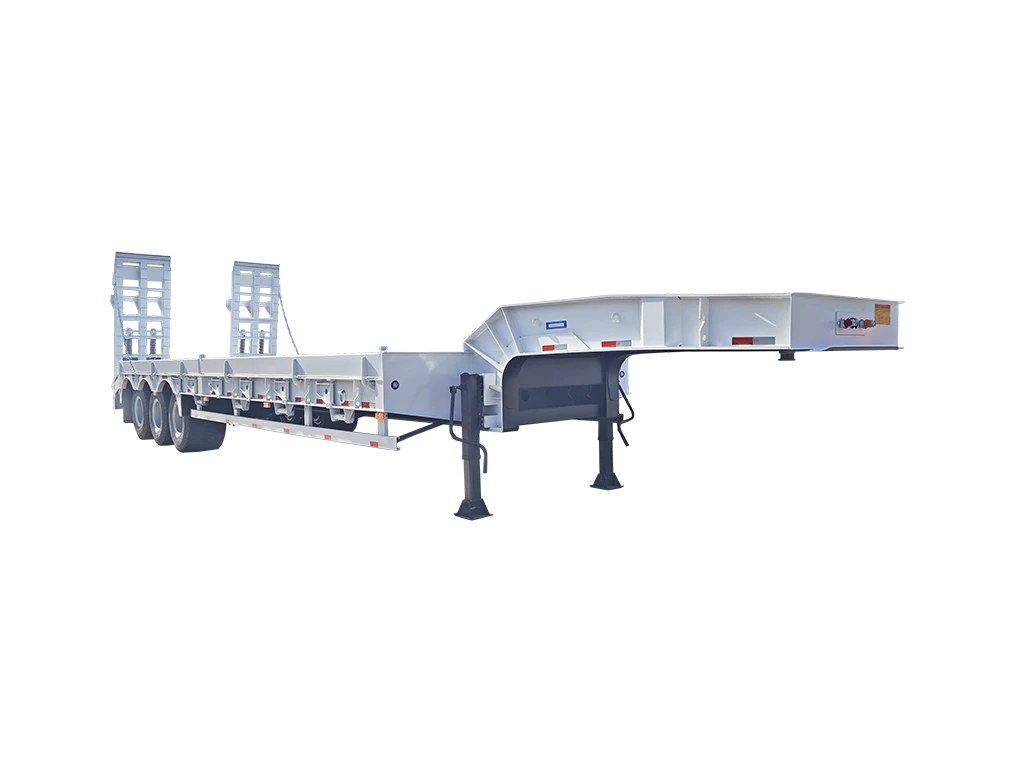
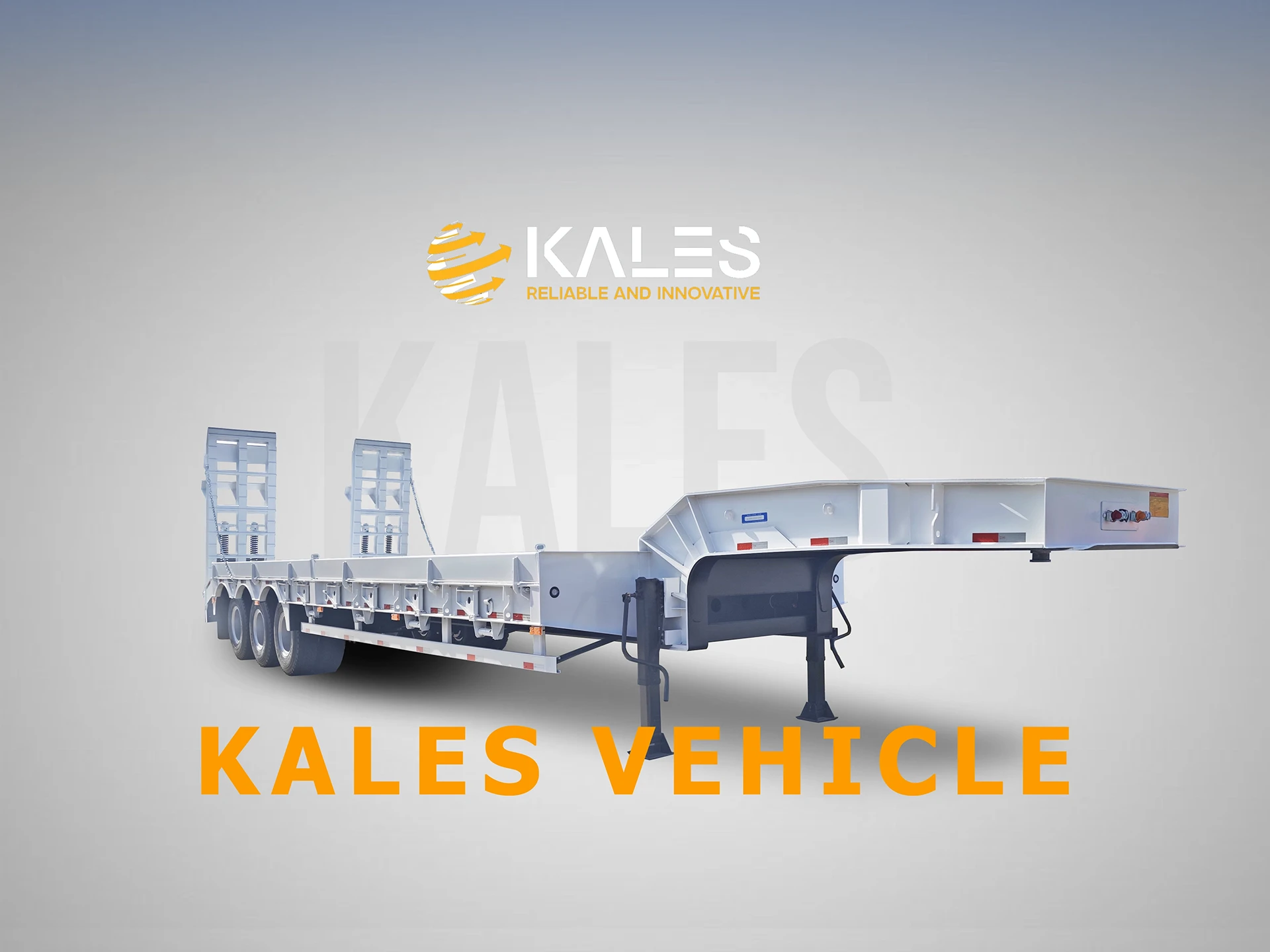
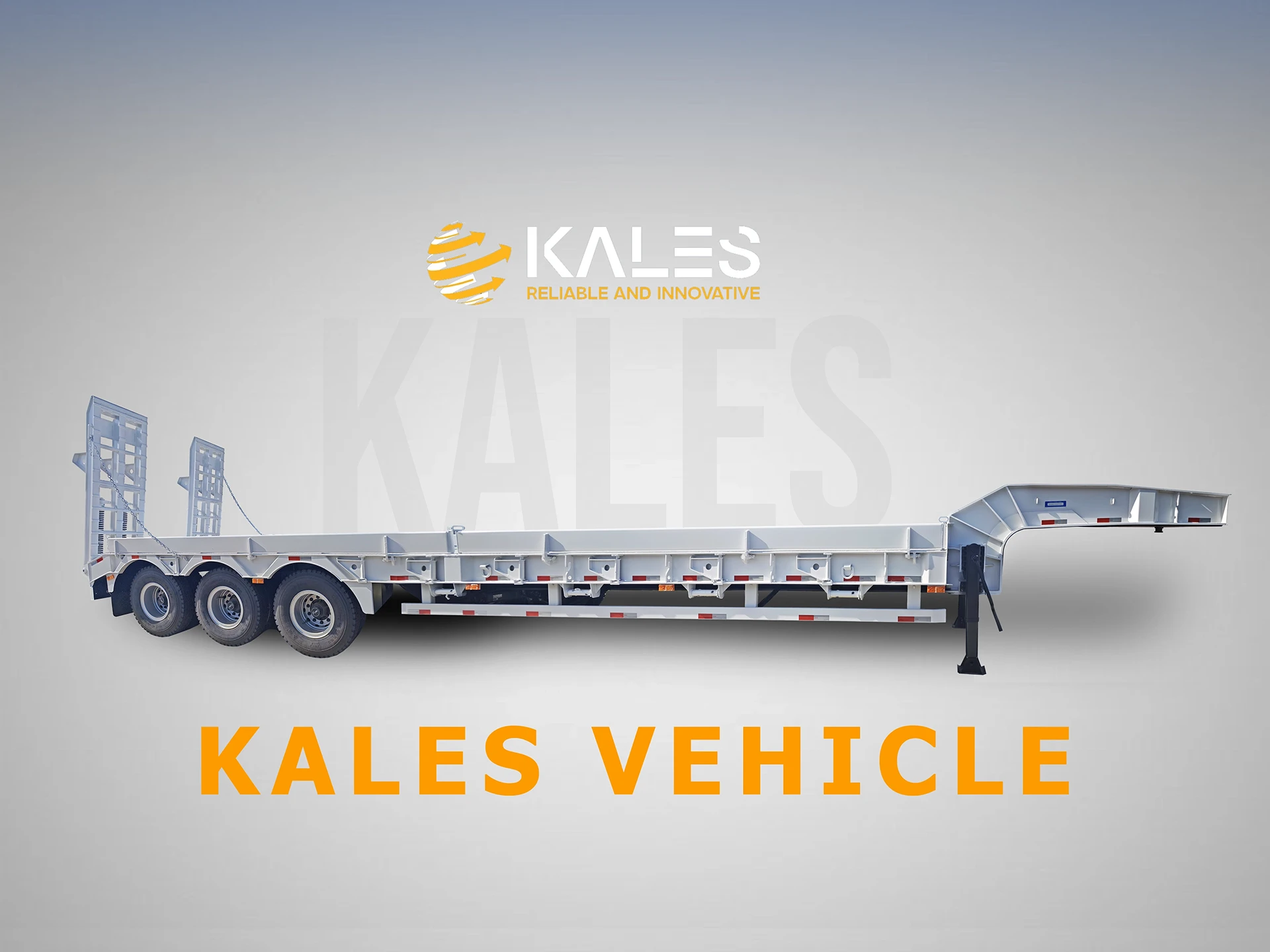
80 ton 3-axle lowbed trailer with side extension: this Kales flat-deck lowbed is for buyers whose transport problem is cargo width rather than only payload class. It keeps the service logic of a practical 3 axle fixed-deck lowbed, but adds side-extension deck support and a 1060 mm low platform strategy for wider excavators, construction machinery, industrial units, and project cargo that do not sit comfortably on a standard-width lowbed.
Engineering guidance from the Kales Vehicle lowbed team for buyers comparing standard-width Africa lowbeds, broader global 80 ton fixed-deck platforms, side-extension lowbeds, and detachable-gooseneck heavy-haul trailers.
Quick answer: choose this 80 ton 3-axle lowbed trailer with side extension when the machine is too wide for a standard 2,500 mm deck, but the job still fits a practical rear-loading fixed-deck platform. It is the right fit for buyers who need width expansion from roughly 2,500 mm to 3,000 mm, a low 1060 mm deck, reinforced side support, and a cost structure that stays simpler than a telescopic or detachable-gooseneck trailer.
Technical Snapshot
| Product type | 3 axle 80 ton flat-deck lowbed trailer with side extension |
|---|---|
| Payload positioning | 80 ton class heavy-duty lowbed for wide machinery and oversized-width project cargo, subject to route regulation and final tractor match |
| Platform height | Approx. 1060 mm low deck for lower center of gravity and better height control |
| Reference dimensions | 15,500 x 2,500 x 1,060 mm with side extension support expanding usable width toward 3,000 mm |
| Deck width logic | Standard 2,500 mm deck with 250 mm side-extension support on each side for wider machinery |
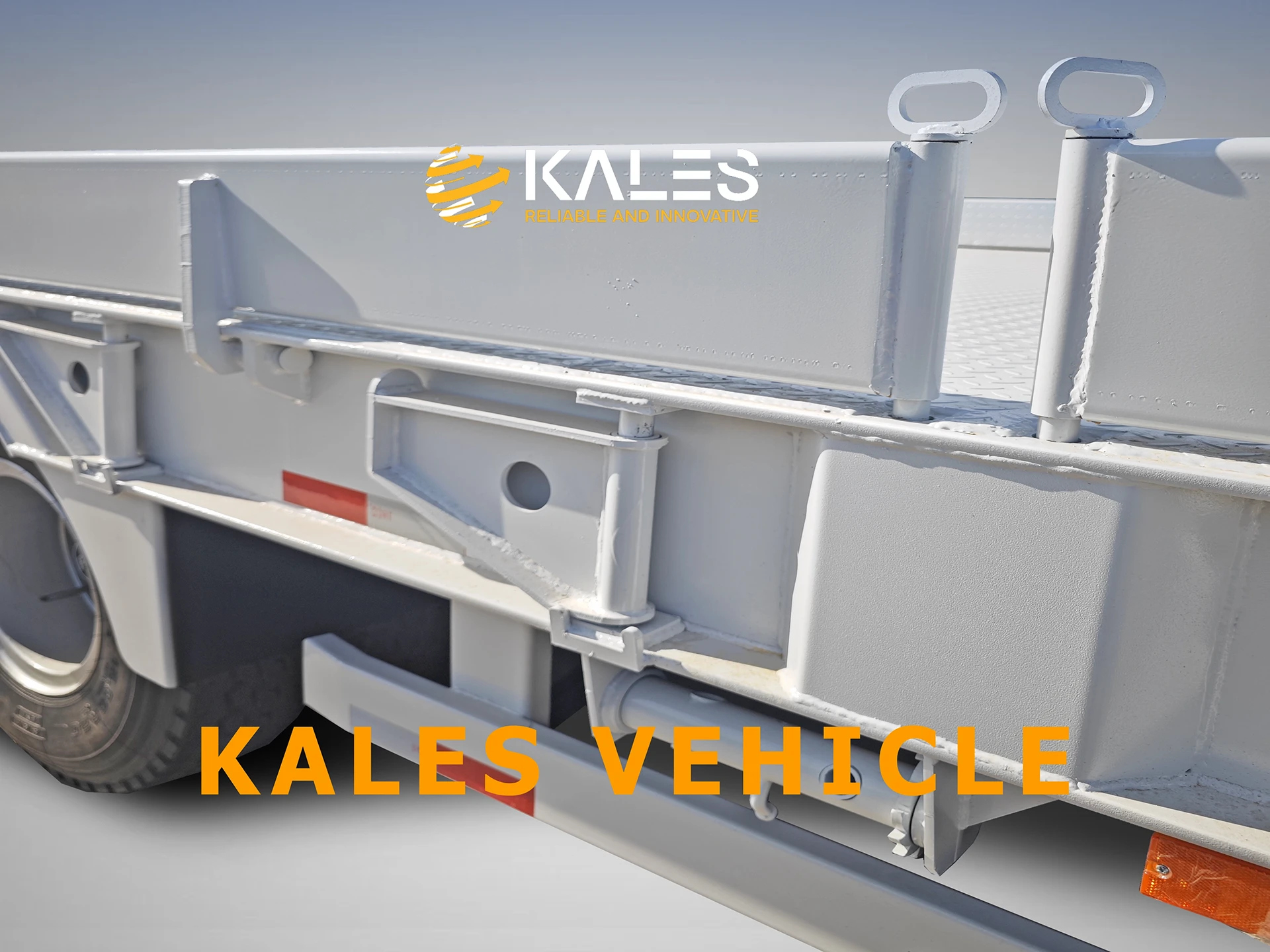
| Main beam | HG60 high-strength steel main beam, approx. 500 mm beam height, designed for concentrated heavy equipment loads |
| Side beam structure | Heavy-duty H-beam side support structure for extension rigidity and anti-deformation performance |
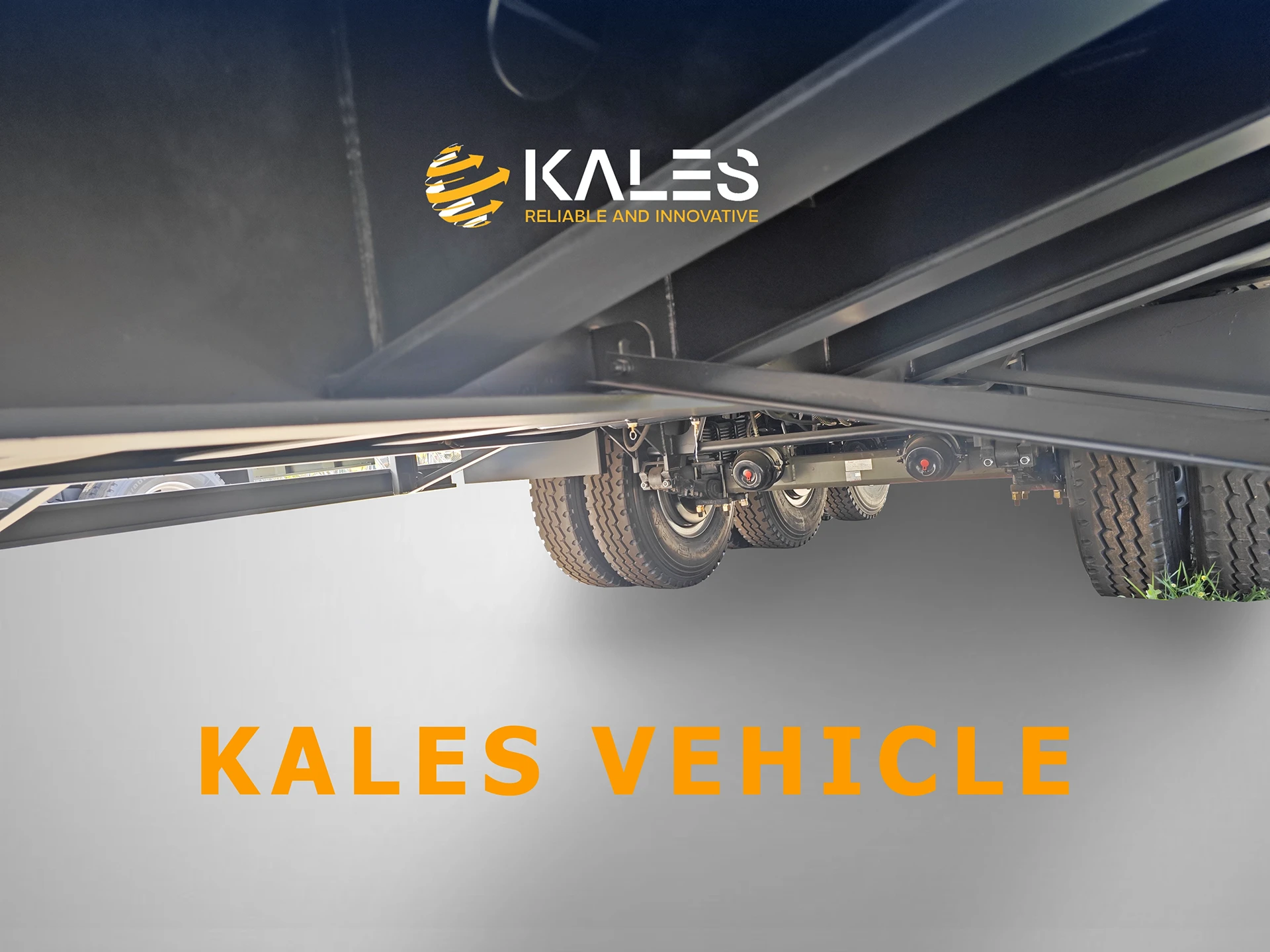
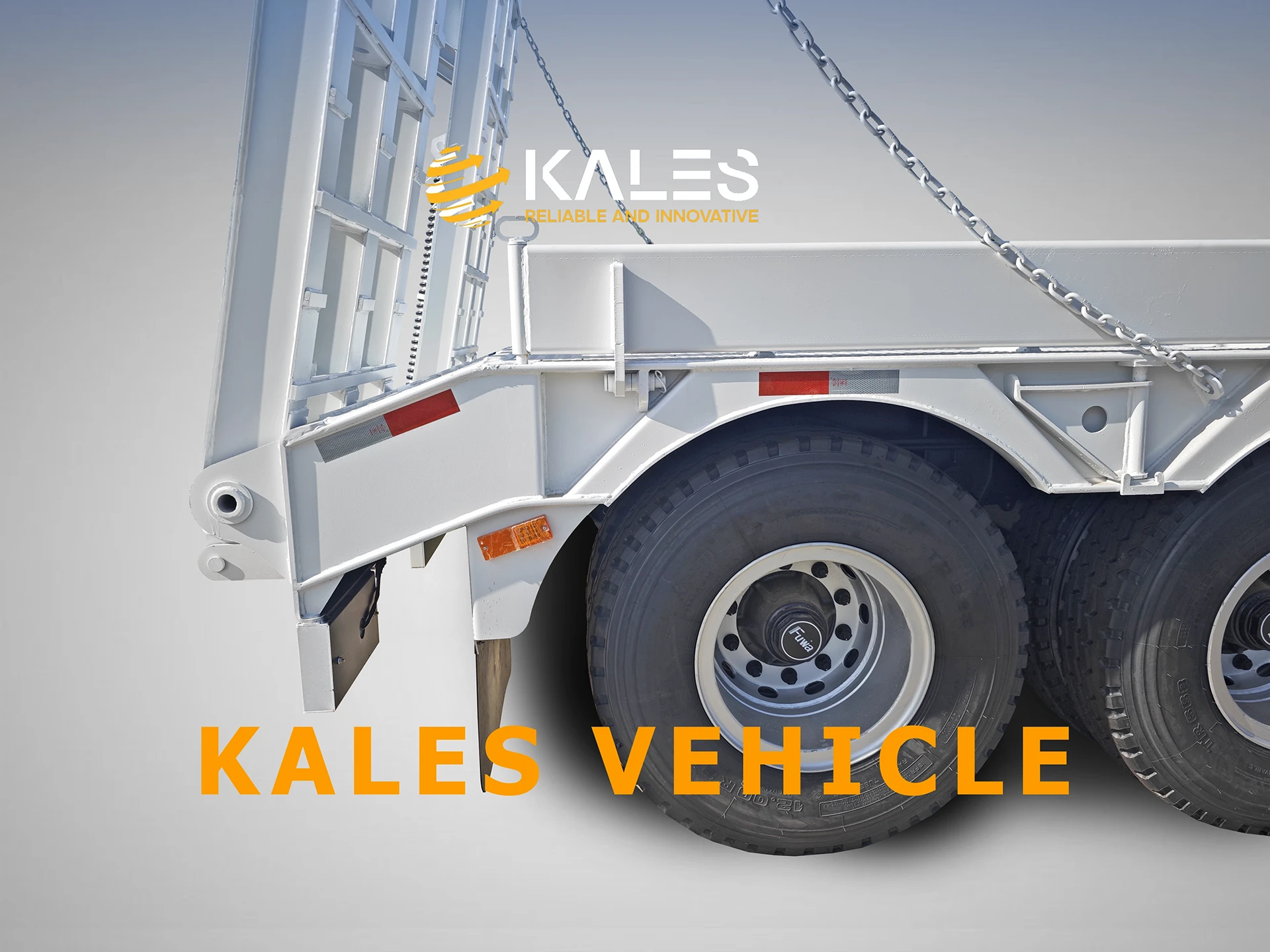
| Axles | 3 axles with BPW, FUWA, or KALES heavy-duty matching depending on procurement scope |
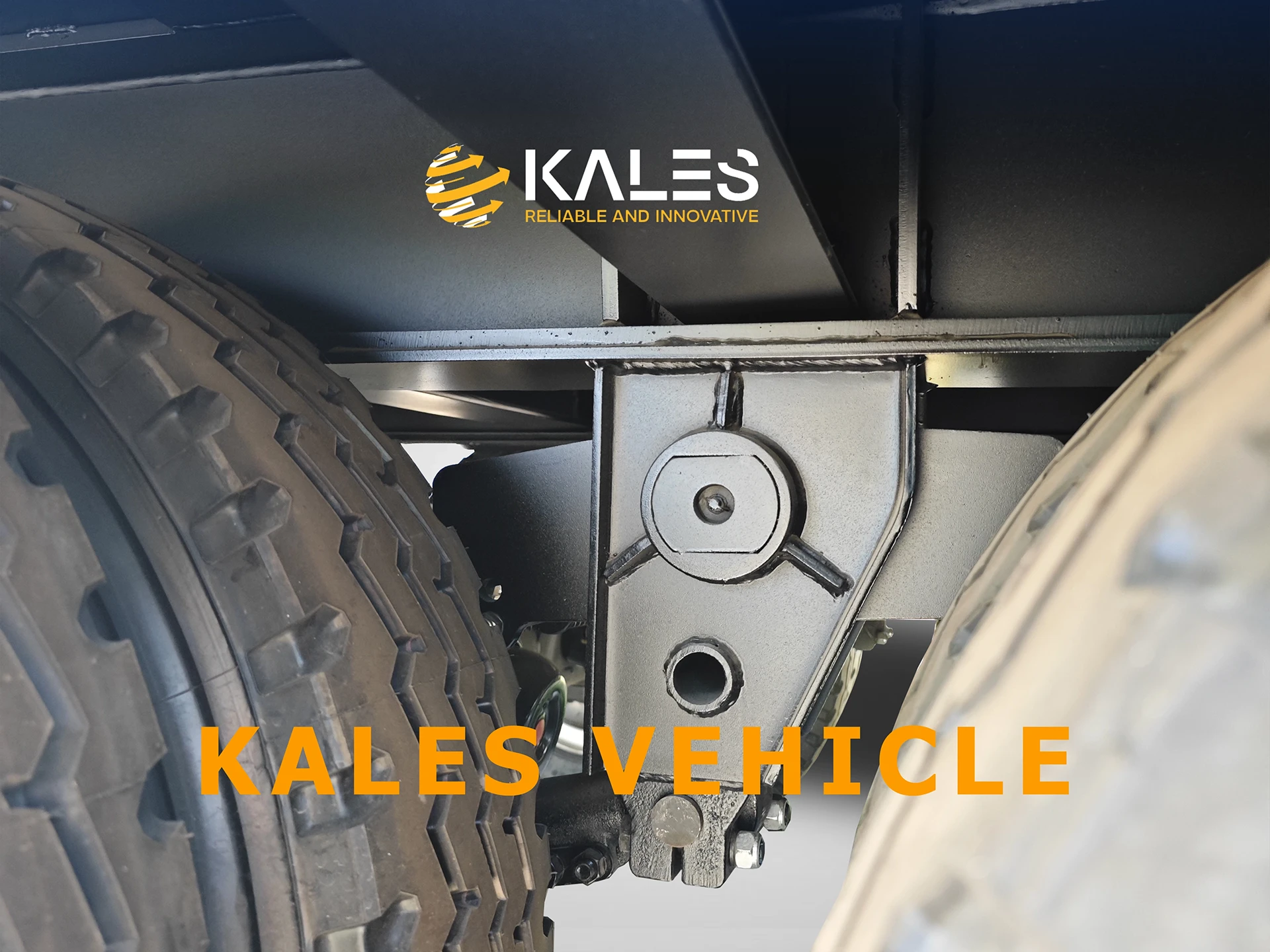
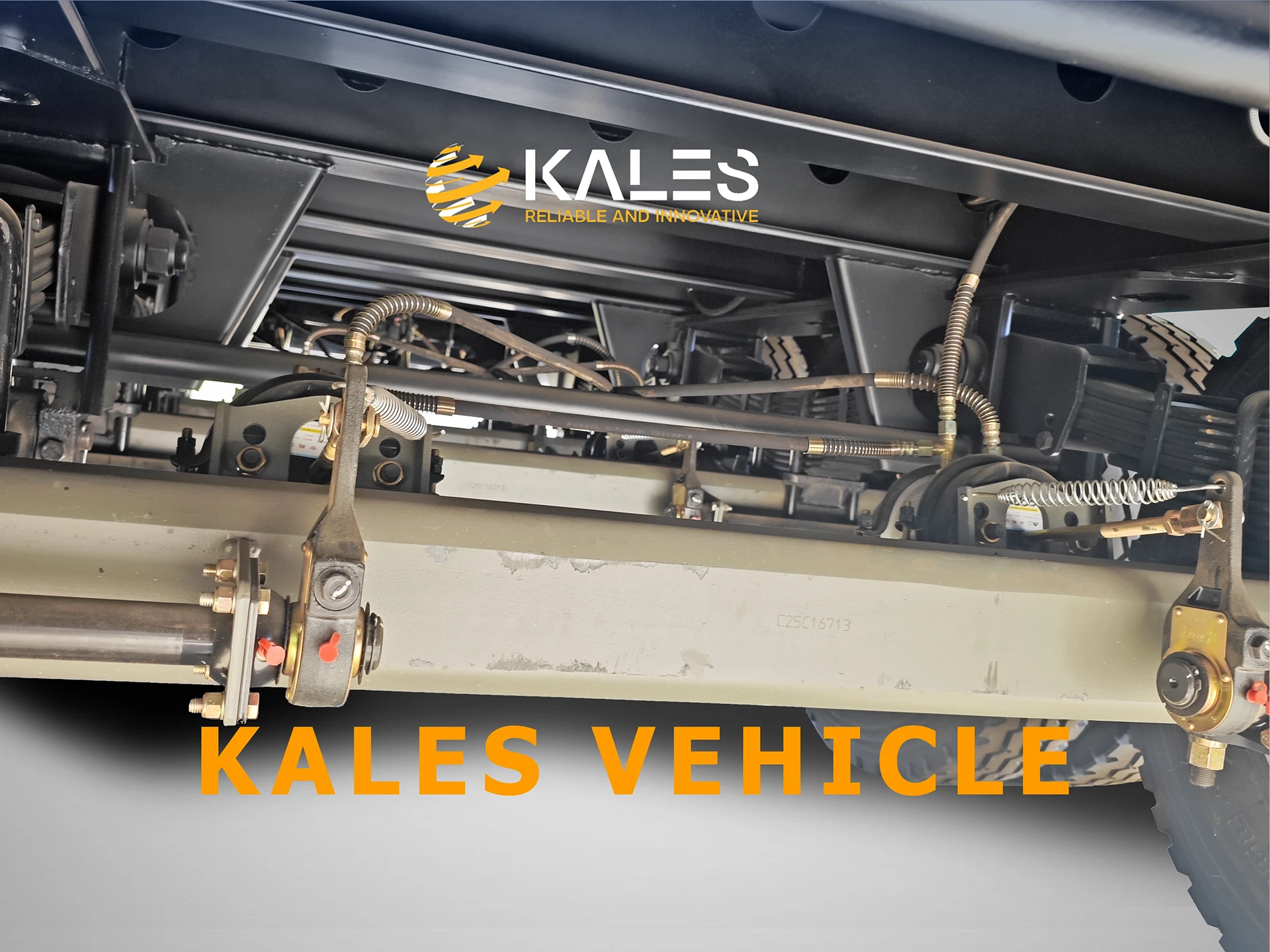
| Suspension | Reinforced mechanical suspension for practical serviceability on mixed routes |
| Tyre logic | All-steel radial twin-tyre setup for wide-load stability and heavy-duty bearing support |
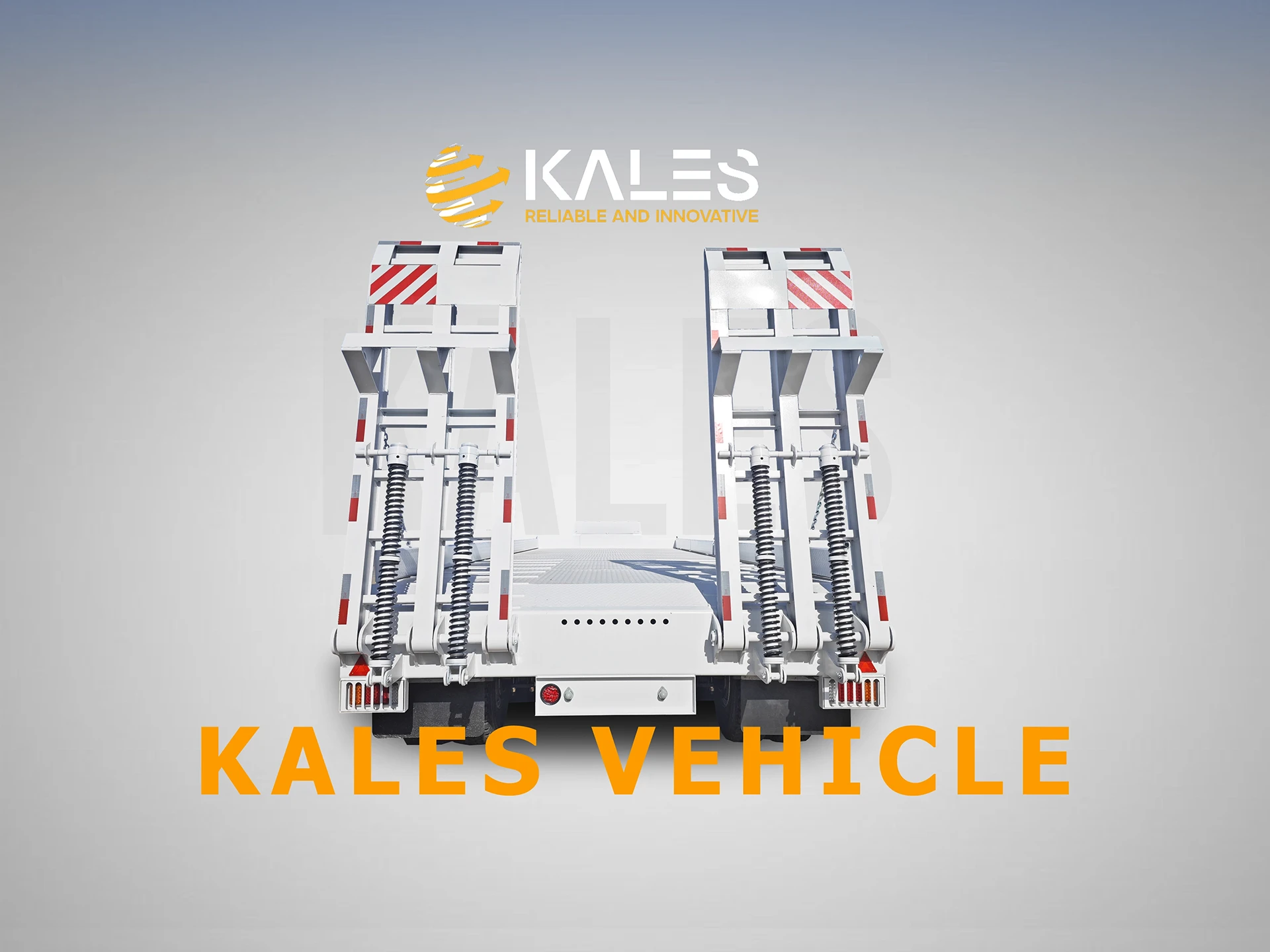
| Ramp strategy | Reinforced mechanical ramps as standard, hydraulic ramp upgrade available |
| Brake system | WABCO valve logic with ABS-ready heavy-duty air-brake layout |
| Landing gear | JOST or KALES 28T heavy-duty landing gear |
| Custom quotation | Contact KALES for a tailored quotation based on the required configuration, order quantity, and destination. |
Best Fit Operating Profile
This page is strongest when the buyer is still within the practical 3 axle 80 ton lowbed class, but the equipment footprint is wider than a standard-width platform handles comfortably. It suits contractors, machinery rental fleets, mining-support operators, industrial transporters, and export buyers carrying wide excavators, wheel loaders, rollers, crusher units, agricultural equipment, or broad project components that need more lateral deck support without moving into a longer telescopic chassis or a front-loading RGN.
Best for
- Wide excavators, bulldozers, wheel loaders, rollers, and tracked machinery that need extra deck width support
- Contractors and project fleets that still prefer a simpler fixed-deck rear-loading platform
- Buyers who need a lower 1060 mm deck and wider support surface for mixed-road heavy equipment transport
- Operations where standard-width Africa lowbeds are too narrow, but a detachable-gooseneck trailer would be excessive
Not ideal for
- Buyers whose real requirement is a lower-cost standard-width Africa 3 axle lowbed
- Export buyers who need the broader fixed-deck global 80 ton narrative without side-extension width emphasis
- Front-loading crawler routines that require detachable-gooseneck access
- Extra-long project cargo where telescopic deck extension matters more than side width
Why Buyers Choose This 80 Ton Side-Extension Lowbed
- Width-led positioning: this page owns the wider-cargo lowbed intent rather than the standard-width 80 ton machinery route.
- 1060 mm low platform: lower deck height improves stability and helps control total transport height for taller machinery.
- Side-extension practicality: width expansion toward 3,000 mm gives better deck support for broad machine tracks and body footprints.
- Heavy side-beam design: H-beam side support improves rigidity and reduces deformation risk when extensions are carrying real load.
- Still serviceable as a 3 axle workhorse: buyers keep simpler mechanics and rear-loading logic instead of jumping too early to a specialized heavy-haul chassis.
- Better differentiation for procurement: this page solves the width problem directly, which standard 80 ton lowbeds and Africa-value pages do not own as their main message.
Specification-backed advantages
- Main beam: HG60 high-strength steel main beam, approx. 500 mm beam height, designed for concentrated heavy equipment loads. This provides a concrete durability and load-control basis for the stated duty cycle.
- Payload positioning: 80 ton class heavy-duty lowbed for wide machinery and oversized-width project cargo, subject to route regulation and final tractor match. This defines the working band to validate against the cargo, route, and local legal limits.
- Brake system: WABCO valve logic with ABS-ready heavy-duty air-brake layout. This gives the buyer a specific braking or safety package to verify for the intended route.
How This Side-Extension Lowbed Differs from the Other 80 Ton Lowbed Pages
| Product route | Choose it when | Do not use it when |
|---|---|---|
| 80 Ton Lowbed Trailer for Africa | Your priority is an affordable, standard-width 3 axle lowbed for practical regional mixed-road machinery transport | Your main problem is wider cargo footprint that needs more lateral deck support |
| Global 80 Ton Fixed-Deck Lowbed | You need a broader export-facing 80 ton fixed-deck platform with more general machinery positioning | You specifically need the page that owns width expansion and side-extension deck logic |
| This 3 axle side-extension lowbed | You need an 80 ton fixed-deck lowbed whose key differentiator is width expansion from standard deck width toward 3,000 mm | You need front loading, telescopic length, or a more specialized project-haul chassis |
| 80 Ton Telescopic Detachable Gooseneck Trailer | You need front-loading access, detachable-gooseneck workflow, or more specialized oversized project handling | The real requirement is simply a wider rear-loading 3 axle fixed deck |
Engineering and Serviceability Details
Why the 1060 mm low deck matters
The deck height is one of the real technical signals on this page. A platform around 1060 mm helps lower the center of gravity for wide machines and protects total loaded height for taller equipment. That matters when the machine is already broad and top-heavy, because width alone does not solve transport stability if the deck still sits too high.
Why side extension changes the buying logic
Most 80 ton lowbed pages are still solved as payload pages. This page should be evaluated differently. The width-expansion mechanism is the center of the procurement decision. When the standard 2,500 mm deck is not enough, side extensions create a better support surface for tracks, tyres, or base frames that would otherwise overhang too much. That is a different transport problem from simply asking for more tonnage.
Why the side-beam and support structure matter
Once the buyer moves into side-extension territory, the side structure becomes more important than on a standard-width platform. The H-beam side support and reinforced brackets are there to keep the extended deck usable under real load rather than only as a visual sales option. Buyers should review side extension width, support bracket design, and machine contact pattern before locking the build.
Why mechanical ramps still make sense here
This product remains a practical rear-loading lowbed. Reinforced mechanical ramps are still the right default when the operator wants simpler maintenance and lower acquisition cost. Hydraulic ramps become more attractive only when loading frequency is high, machines are more difficult to handle, or the fleet wants faster and safer loading cycles.
Quotation and Procurement Guidance
Buyers comparing this 80 ton 3-axle lowbed trailer with side extension should confirm the actual machine width, track spacing, total height, total weight, support-point pattern, route country, and loading frequency before requesting a final build. The point is to verify whether side-extension width solves the transport problem or whether the job is actually moving into detachable-gooseneck or telescopic project-haul territory.
Kales positions this page as a width-focused fixed-deck lowbed option. Before approval, buyers should lock in extension width, beam package, ramp type, axle brand, tyre strategy, and tractor saddle height. That is what keeps this page distinct from both the value-led Africa 80 ton route and the broader export 80 ton fixed-deck page.
Factory Images and Inspection Views
Frequently Asked Questions
What problem does the side extension solve?
It solves deck-width limitation on a standard fixed-deck lowbed. When the machine footprint is broader than a normal 2,500 mm deck supports comfortably, the side-extension structure gives more usable width and better lateral support.
Is this page different from the Africa 80 ton lowbed page?
Yes. The Africa page is the more value-led standard-width 3 axle route. This page is specifically for buyers whose machinery width requires a side-extension deck strategy.
Should I choose this page or the broader global 80 ton fixed-deck page?
Choose this page when width expansion is the real decision driver. Choose the broader global 80 ton fixed-deck page when you need a more general export-facing machinery platform without width expansion as the main differentiator.
When should I move to a detachable-gooseneck trailer instead?
Move to a detachable-gooseneck trailer when front loading, crawler access, or more specialized oversized project workflows matter more than simply gaining deck width on a fixed rear-loading platform.
What should I confirm before asking for a quote?
Confirm machine model, operating weight, overall width, contact-point spacing, deck-height limit, route country, tractor saddle height, and whether you need mechanical or hydraulic ramps. Those inputs determine whether this side-extension lowbed is the correct fit.
Request Drawing and Quote
If you need an 80 ton 3-axle lowbed trailer with side extension for wide excavators, rollers, loaders, or oversized machinery, send the machine model, overall width, weight, operating country, and preferred ramp style. Kales can then confirm whether this width-focused fixed-deck lowbed is the right configuration or whether the job needs a broader export platform or a detachable-gooseneck trailer.
Related Kales Lowbed Options
- 80 Ton Lowbed Trailer for Africa for buyers whose real requirement is a standard-width, more value-led 3 axle machinery trailer.
- 80 Ton Lowbed Semi Trailer for buyers who need the broader global fixed-deck 80 ton machinery platform without width expansion as the main message.
- 80 Ton Telescopic Detachable Gooseneck Trailer for front-loading and more specialized oversized project-haul work.
Leave a Reply
You must be logged in to post a comment.