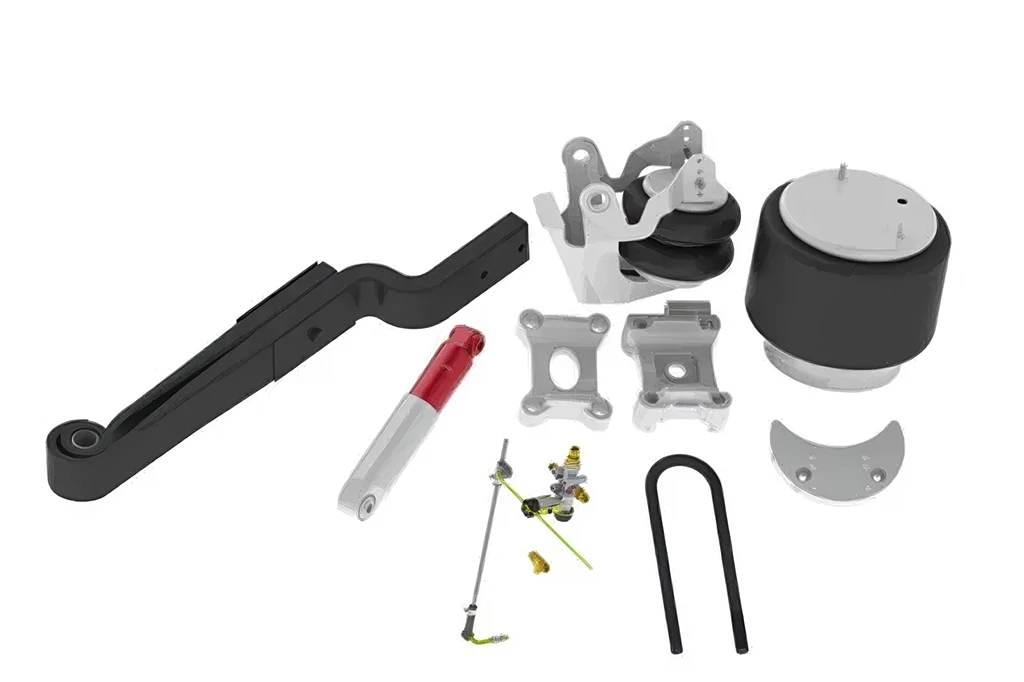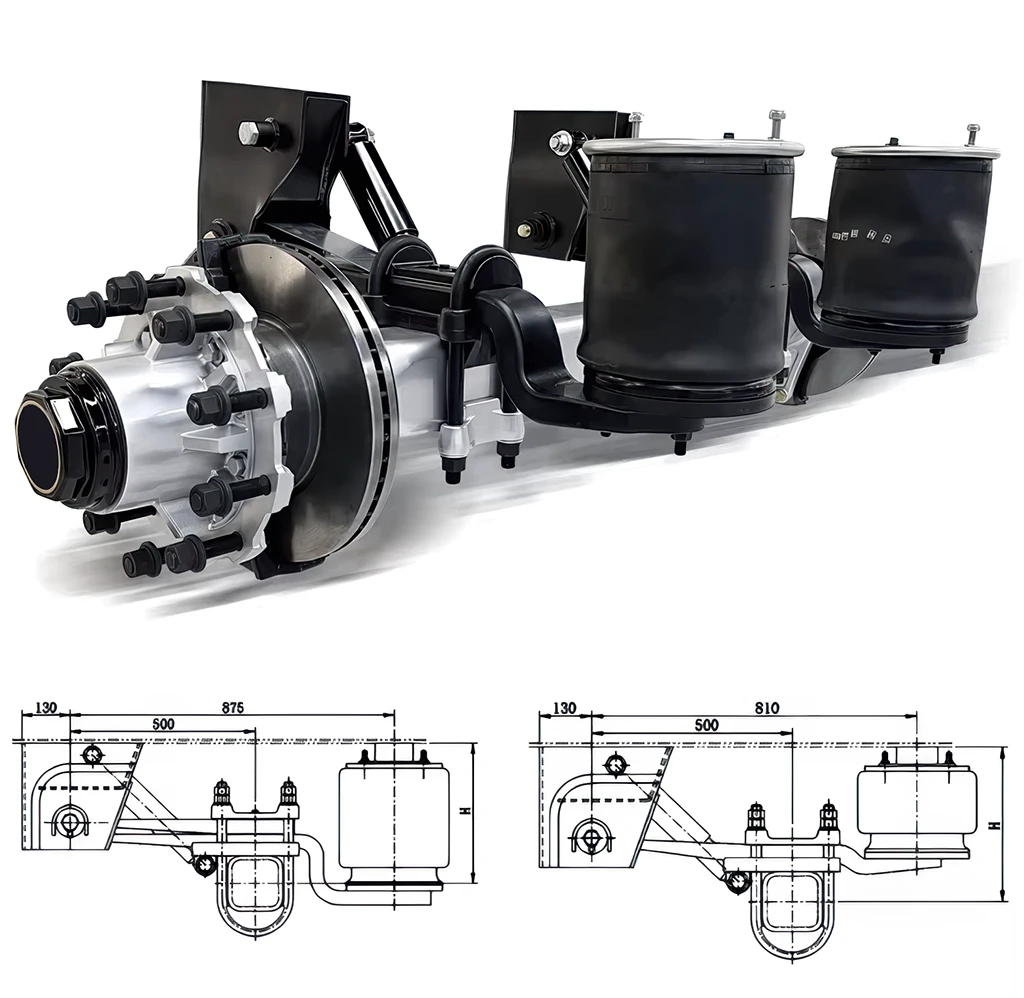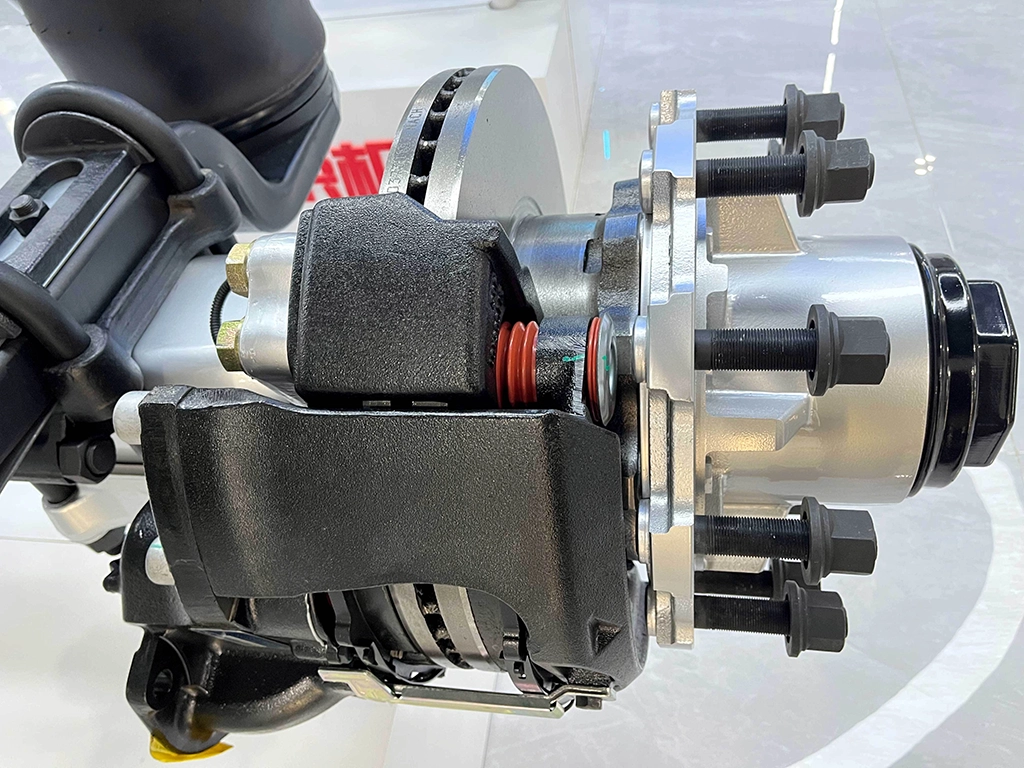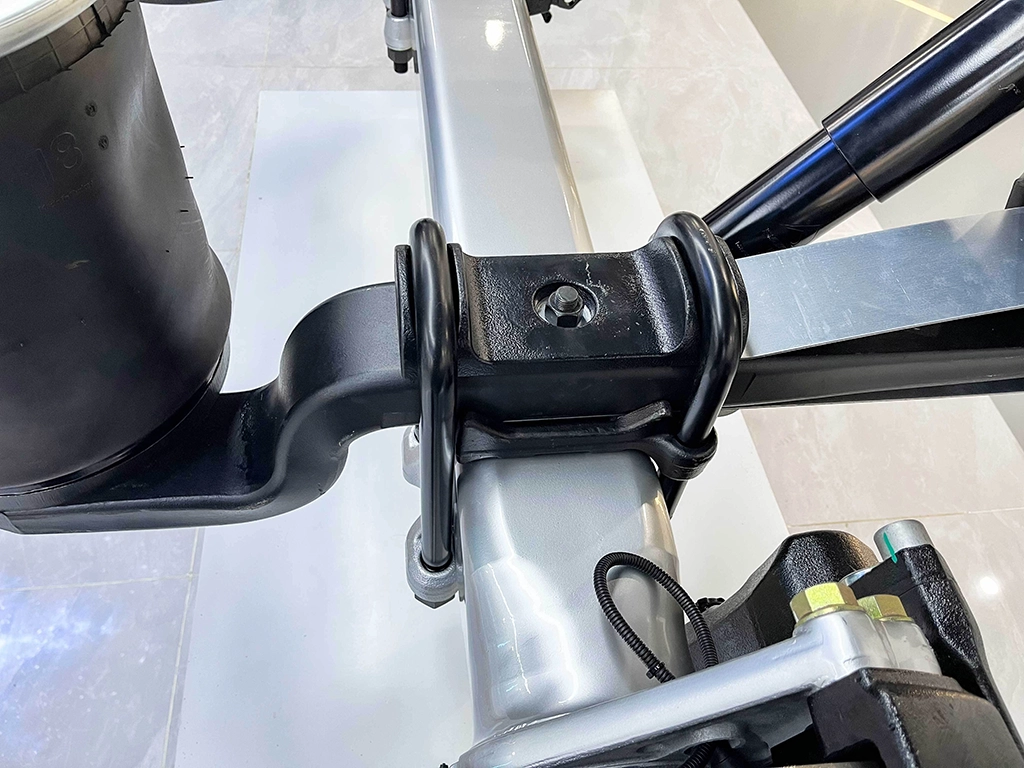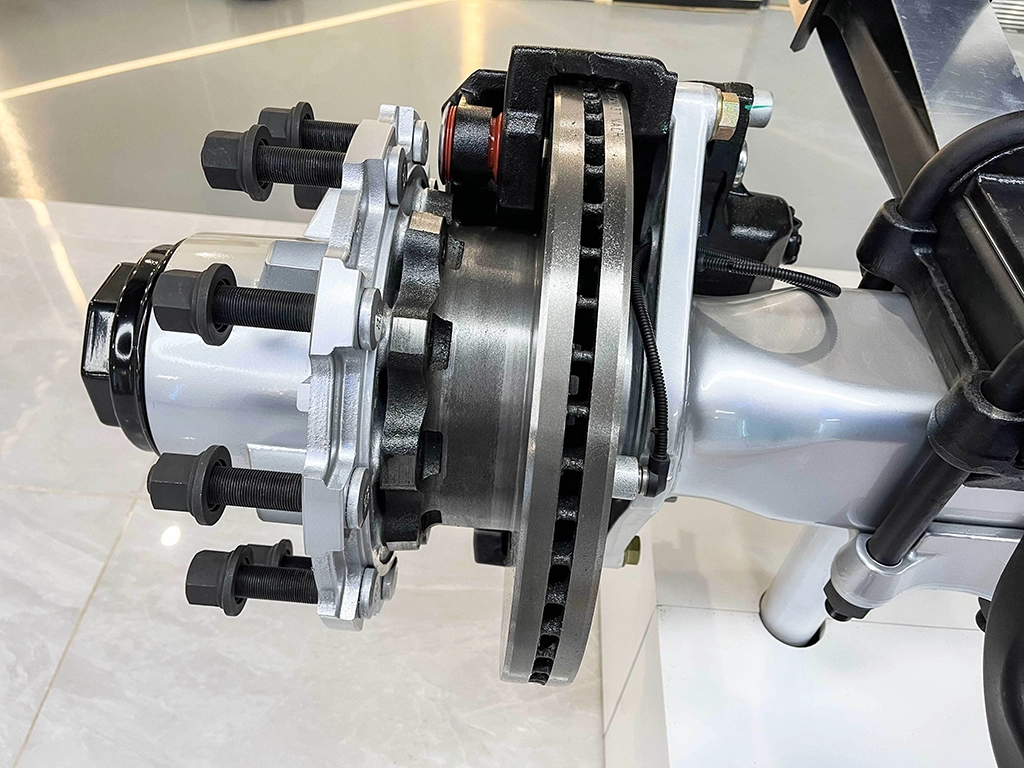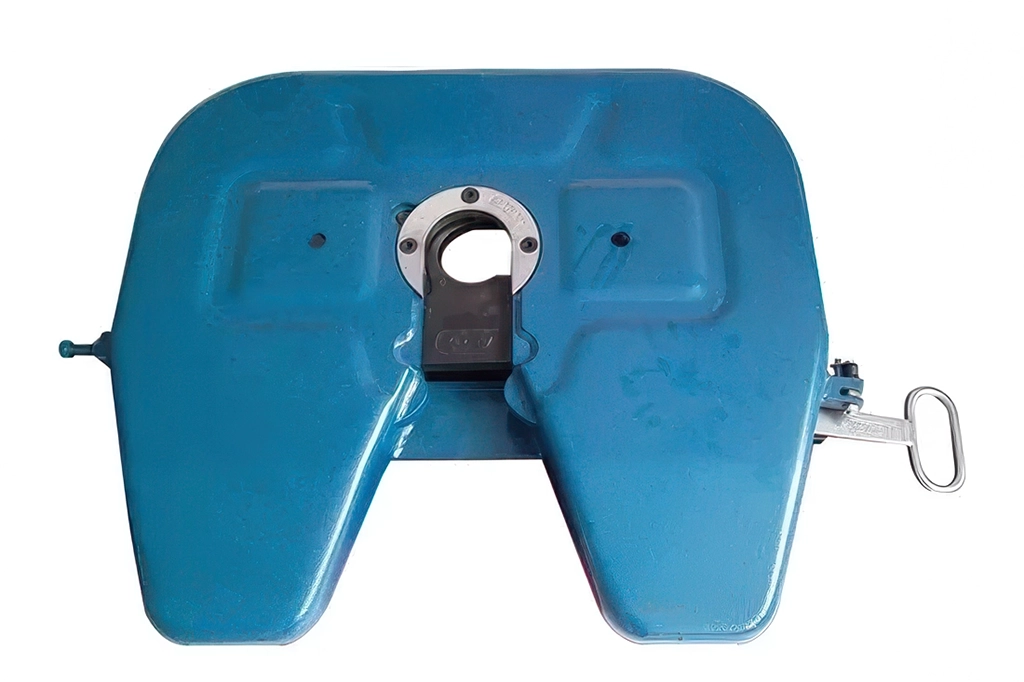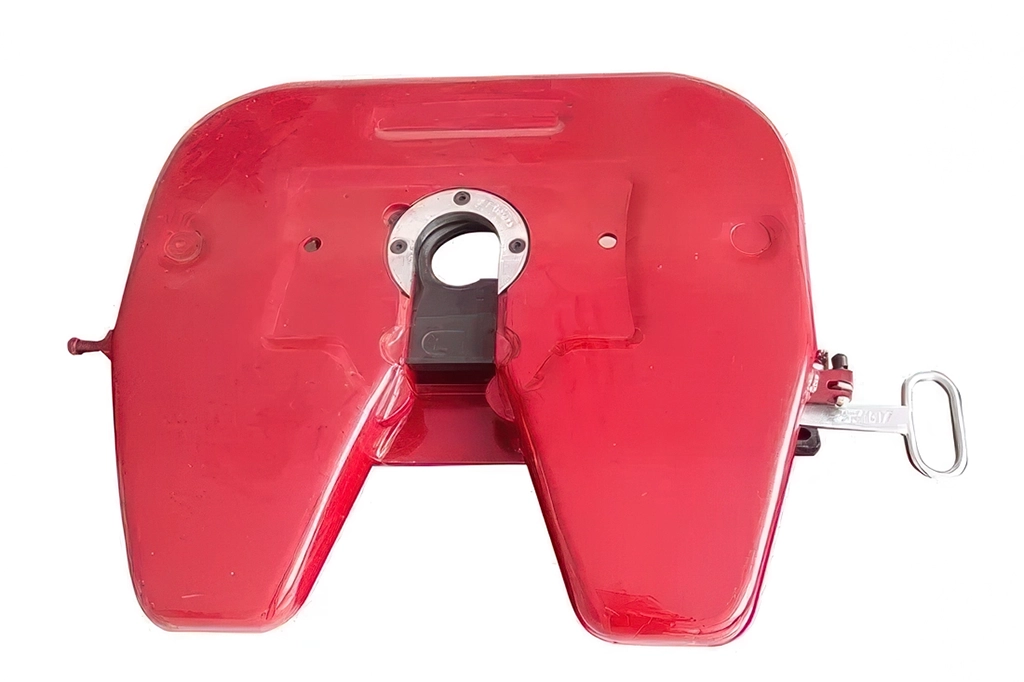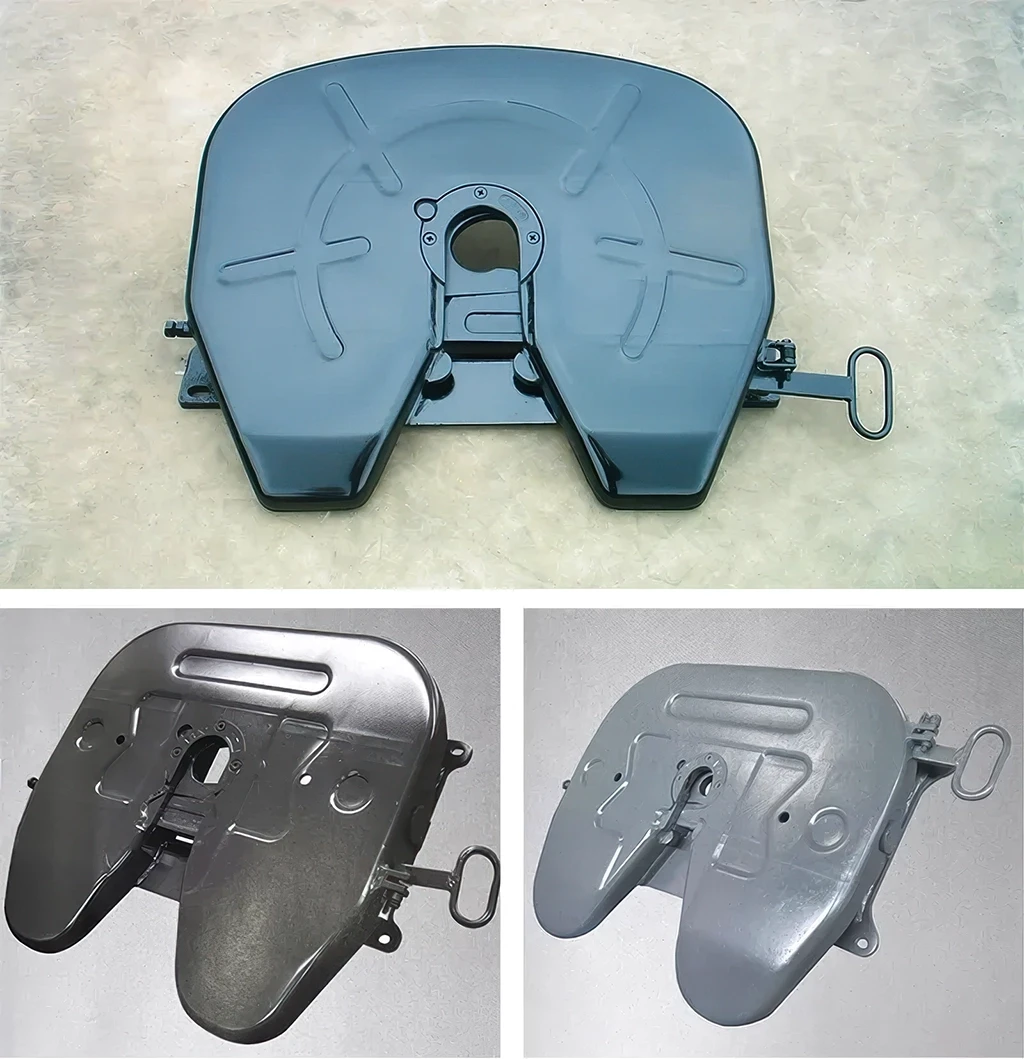
Product Category: Parts

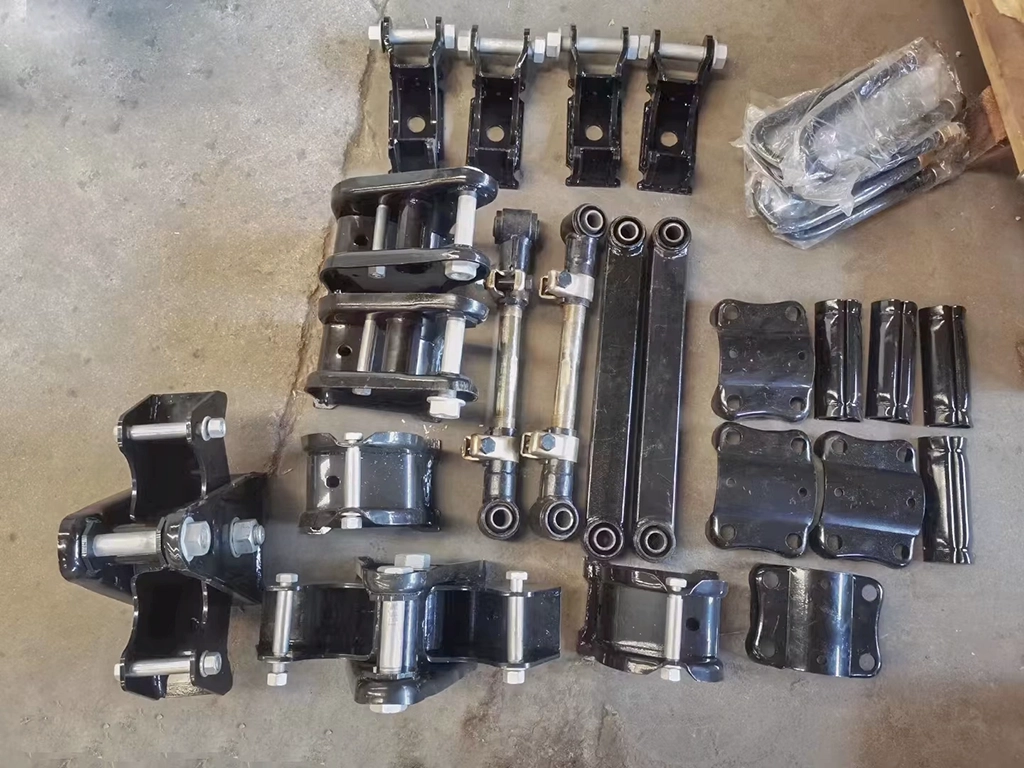
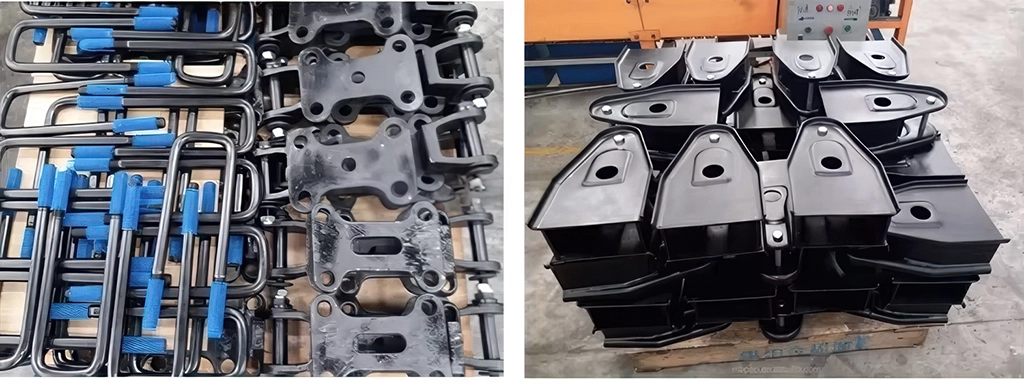
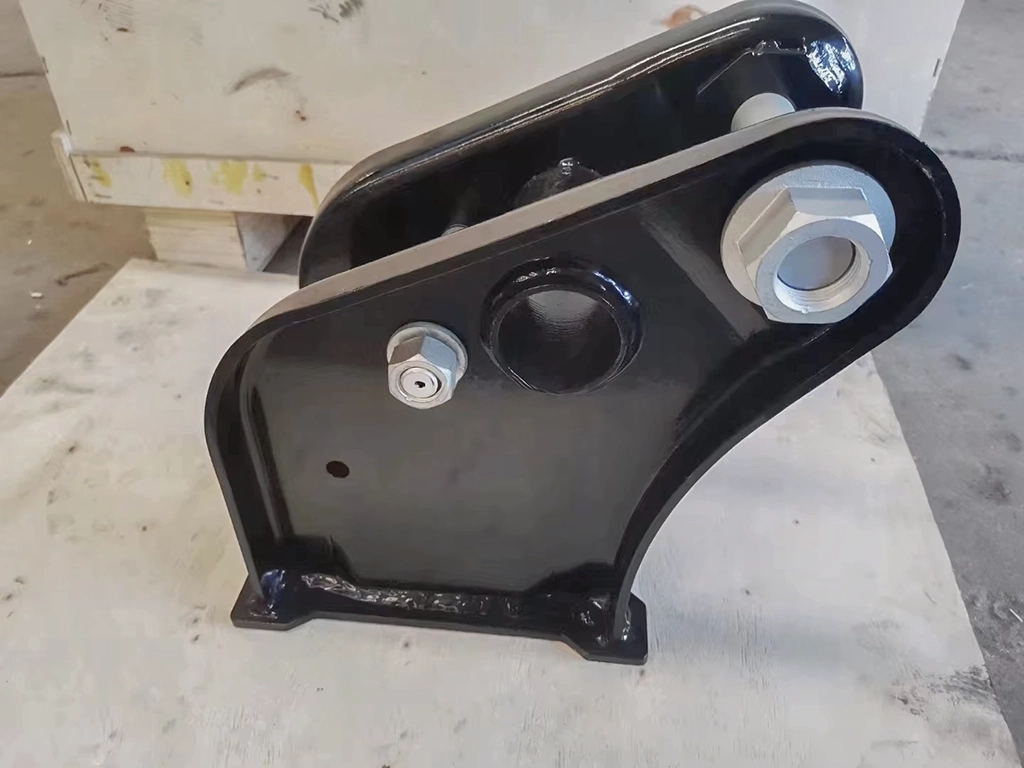
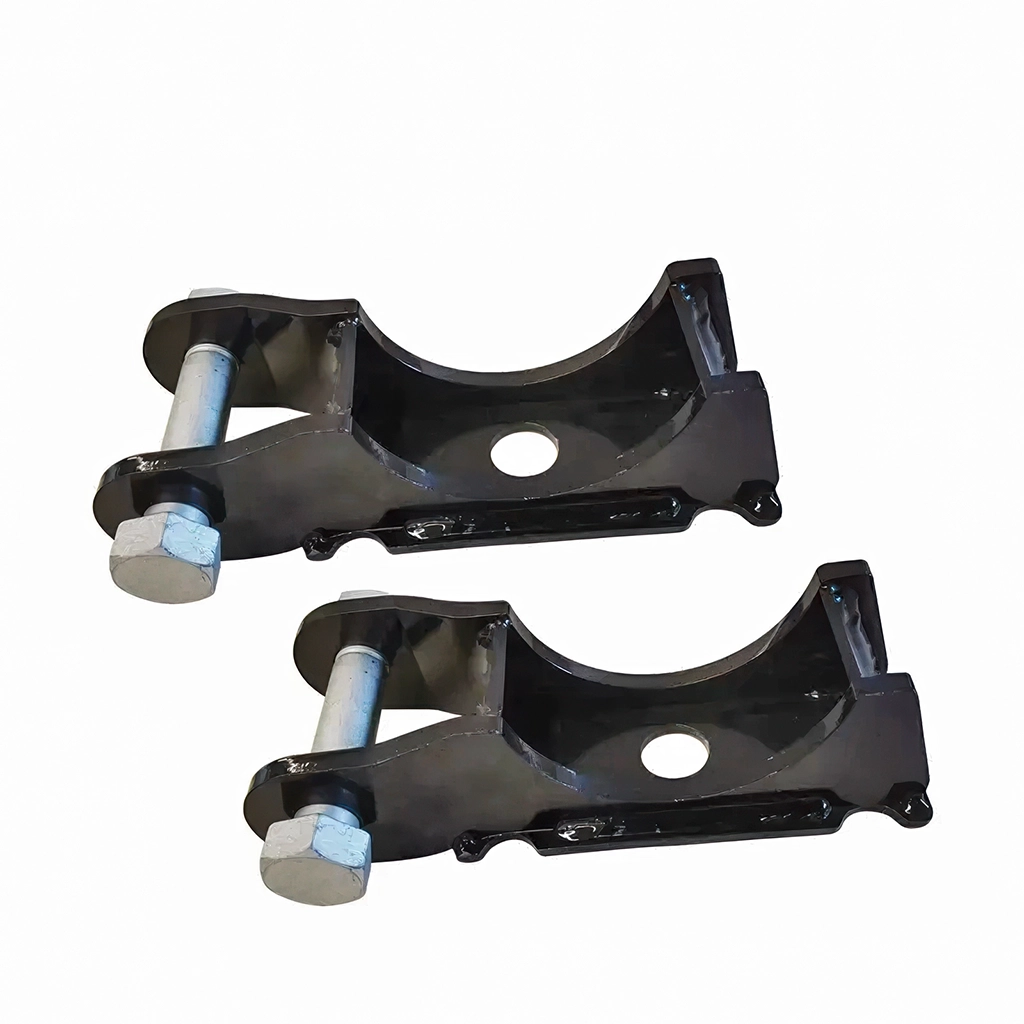
Maintain peak performance with Kales Vehicle’s comprehensive range of genuine spare parts. We provide a full catalog of heavy-duty components compatible with major semi-trailer brands and truck manufacturers (including Sinotruk HOWO and Shacman).

From BPW/FUWA axles, mechanical and air suspension systems, and landing gears, to critical consumables like brake pads, leaf springs, and rims, we ensure every part meets strict OEM quality standards. Minimize your fleet’s downtime with our reliable global shipping and expert technical support. Whether you need replacement parts for a lowbed, flatbed, or fuel tanker, Kales is your trusted partner for durable transport solutions.

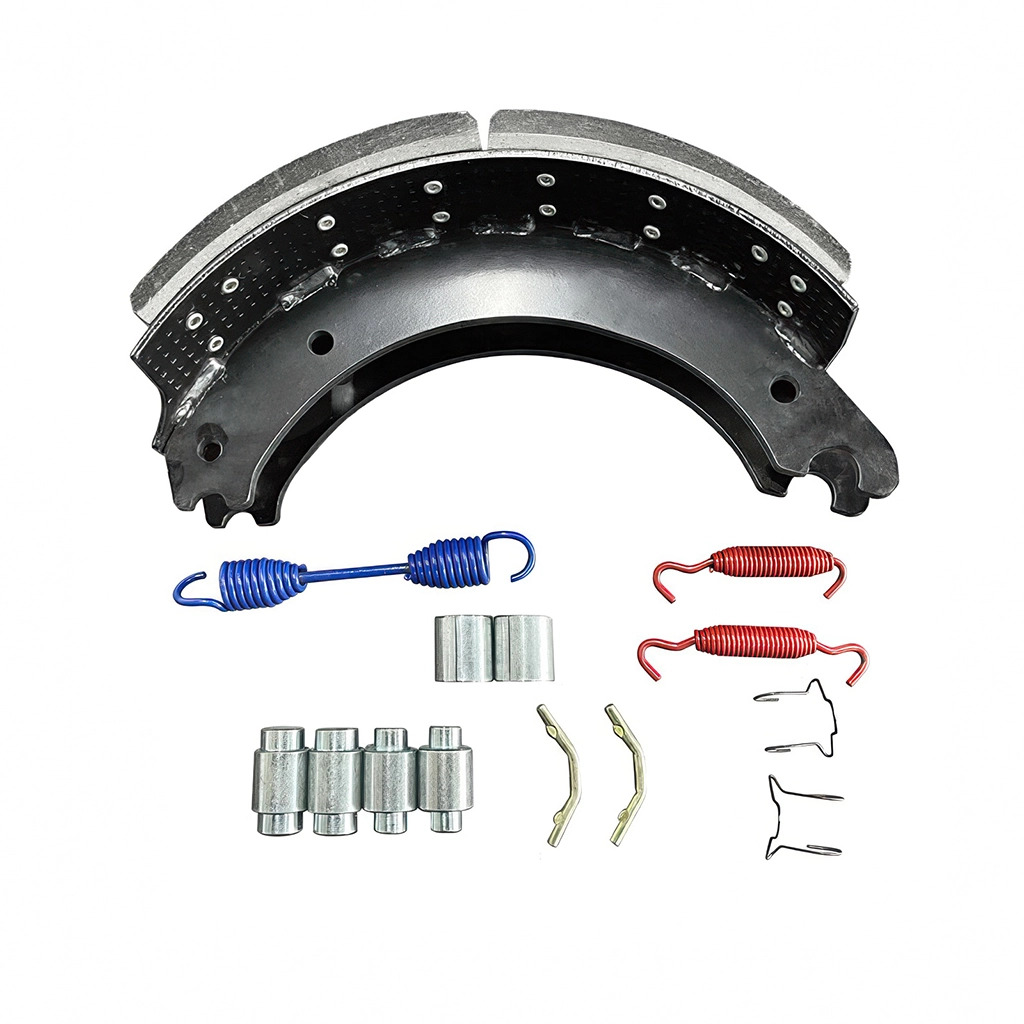
  • 13 Ton Trailer Axle Brake Repair Kit 4707

    13 Ton Trailer Axle Brake Repair Kit 4707

    13-Ton-Trailer-Drum-Axle-Brake-Repair-Kit-Heavy-Duty-Truck-Brake-Repair-Kit-4707
    Kales 13 ton trailer drum axle brake repair kit page centered on 4707 brake service demand for heavy-duty semi-trailer maintenance and axle rebuild programs.

    Trailer Brake Parts Buying Guide · Published: December 17, 2024 · Updated: June 3, 2026 · By Kales Vehicle Brake Systems Engineering Team · Reviewed by Kales Export Parts Sales Engineering · Market focus: Africa, Latin America, Middle East trailer workshops, axle rebuilders, and fleet brake-maintenance buyers

    13 ton trailer axle brake repair kit 4707: this Kales page is built for buyers replacing drum-brake service parts on heavy-duty semi-trailer axles, especially where stable friction behavior, low-dust operation, and practical interchangeability matter more than generic low-price brake shoes.

    Engineering guidance from the Kales Vehicle brake systems team for buyers matching brake repair kits to 13 ton trailer drum axle service, workshop rebuild programs, and export parts supply.

    Quick answer: choose this Kales 4707 brake repair kit page when your job is servicing 13 ton trailer drum axles and you need a heavy-duty drum-brake replacement solution with known fitment logic, non-asbestos friction material, and fleet-oriented maintenance support. If you actually need the complete axle assembly rather than brake service parts, move to the axle page instead of treating brake repair as axle replacement.

    Technical Snapshot

    Product type 13 ton trailer drum axle brake repair kit family centered on FMSI 4707 service demand
    Representative model KADR-S13
    Representative size 209 × 178 × 11/21 mm
    FMSI reference 4707
    Primary service use Heavy-duty semi-trailer drum-brake rebuild and brake shoe service
    Friction material direction Non-asbestos proprietary composite formulation with low-dust and wear-resistant positioning
    Warranty 12 months from shipping date or 60,000 km
    Custom quotation Contact KALES for a tailored quotation based on the required configuration, order quantity, and destination.

    Specification and compliance table

    Specification item Kales data
    QC management system IATF 16949:2016
    Service quality management system ISO 9001:2015
    Product technical standard GB5763-2018
    Width tolerance 2.0 mm
    Thickness tolerance ±0.25 mm
    Friction coefficient (μ) 0.15 to 0.70
    Friction coefficient tolerance ±0.14
    Wear value 3 × 10^-7 cm3/(N·m)
    Documented sales volume 10,000+ units

    Extended compatibility notes: the old product content also lists replacements such as BPW180, BPW220, SAF180, SAF200, 4515, 4551, 4709, 4311, 4524, 4702, 1443, 1308, 4516, 4514, 11.5 YORK, and 11.5 FUWA, plus brake sizes such as 420×150 mm, 420×180 mm, 420×200 mm, 420×220 mm, and 311×190 mm. That is why this page remains a brake-service family page rather than a single narrow pad listing.

    Best Fit Operating Profile

    This brake repair kit family is best suited to trailer maintenance workshops, fleet service teams, and parts buyers rebuilding heavy-duty drum-brake systems on 13 ton semi-trailer axles. It is a strong fit where the buyer needs brake lining and brake shoe service parts with practical interchangeability and stable road-duty performance rather than a full running-gear replacement.

    Best for

    • 13 ton trailer drum axle brake rebuild work centered on 4707 service demand
    • Fleet maintenance buyers who need predictable brake-service parts for semi-trailers
    • Workshops handling BPW, FUWA, SAF, and related heavy-duty drum-brake replacement programs
    • Export parts buyers who need brake-service compatibility and documentation support

    Not ideal for

    • Buyers who actually need a complete axle rather than brake repair parts
    • Applications where disc-brake service parts are required instead of drum-brake components
    • Orders placed without confirming FMSI, brake size, and axle compatibility logic

    Why Buyers Choose This 4707 Brake Repair Kit Family

    • 4707-centered service logic: clearer fitment path for buyers working on mainstream heavy-duty trailer drum-brake service.
    • Non-asbestos friction material: positioned for cleaner brake service and stable heavy-duty operation.
    • Wear and heat resistance: built for repeated braking cycles on road-freight equipment.
    • Low-dust and noise-control positioning: useful for fleets trying to reduce dirty braking behavior and abnormal noise.
    • Broad interchange direction: the page supports workshop buyers comparing multiple replacement references, not just one part number.
    • Documented standards and warranty: easier for professional buyers to review before committing to supply.

    Specification-backed advantages

    • Friction material direction: Non-asbestos proprietary composite formulation with low-dust and wear-resistant positioning. This provides a concrete durability and load-control basis for the stated duty cycle.
    • Documented sales volume: 10,000+ units. This defines the working band to validate against the cargo, route, and local legal limits.
    • Primary service use: Heavy-duty semi-trailer drum-brake rebuild and brake shoe service. This gives the buyer a specific braking or safety package to verify for the intended route.


    How This Brake Repair Kit Should Be Evaluated

    The correct way to evaluate a 13 ton trailer axle brake repair kit 4707 is to verify brake architecture first: drum size, axle platform, FMSI reference, shoe dimensions, friction-material behavior, and workshop interchange requirement. Buyers who skip that check and order only by “13 ton brake kit” risk mismatched parts, uneven braking, or wasted downtime during service installation.

    Buyer situation Best-fit Kales direction Why
    Brake service on 13 ton trailer drum axles 4707 brake repair kit family Matches workshop brake rebuild demand better than generic brake-shoe sourcing
    Buyer replacing the complete drum axle assembly 13T or 20T trailer axle page Brake service parts and full axle replacement should be quoted separately
    Workshop needs external drum axle compatibility review 13T external drum trailer axle plus brake matching Brake kit selection should be checked against the actual axle architecture
    Disc-brake service request Disc axle page This page is positioned for drum-brake repair logic, not disc-brake service

    Engineering and Serviceability Details

    Why fitment data matters more than generic brake language

    The old product tables are useful because they provide the real service anchors: FMSI 4707, representative dimensions, tolerance limits, and replacement references. Those details are what let a workshop confirm whether the kit can actually be used on the target drum-brake setup. Without that check, “heavy-duty brake kit” is not a precise order description.

    Why the friction-material claim needs to stay disciplined

    Brake pages often drift into vague claims about premium materials. The defensible version here is simple: Kales positions this kit with a non-asbestos composite friction material, low-dust behavior, wear resistance, and heat resistance for heavy-duty drum-brake service. That is specific enough to be useful without making unsupported marketing promises.

    Why standards, warranty, and interchangeability matter to workshops

    Professional buyers care about IATF and ISO process control, tolerance consistency, replacement references, and warranty terms because those are the signals that reduce service risk. The value of this page is not only the part itself, but the ability to order brake-service parts with enough technical context to avoid rework.

    How is the final quotation confirmed?

    KALES confirms the quotation after reviewing the required specification, quantity, destination, and delivery terms. Send the operating requirements for an accurate proposal.

    Quotation and Procurement Guidance

    Before requesting a quote, send the axle type, brake drum size, FMSI or replacement number, required dimensions, and whether you need only lining or a broader brake repair kit package. Kales can then match the correct drum-brake service configuration for the workshop or fleet maintenance program.

    Inspection Views
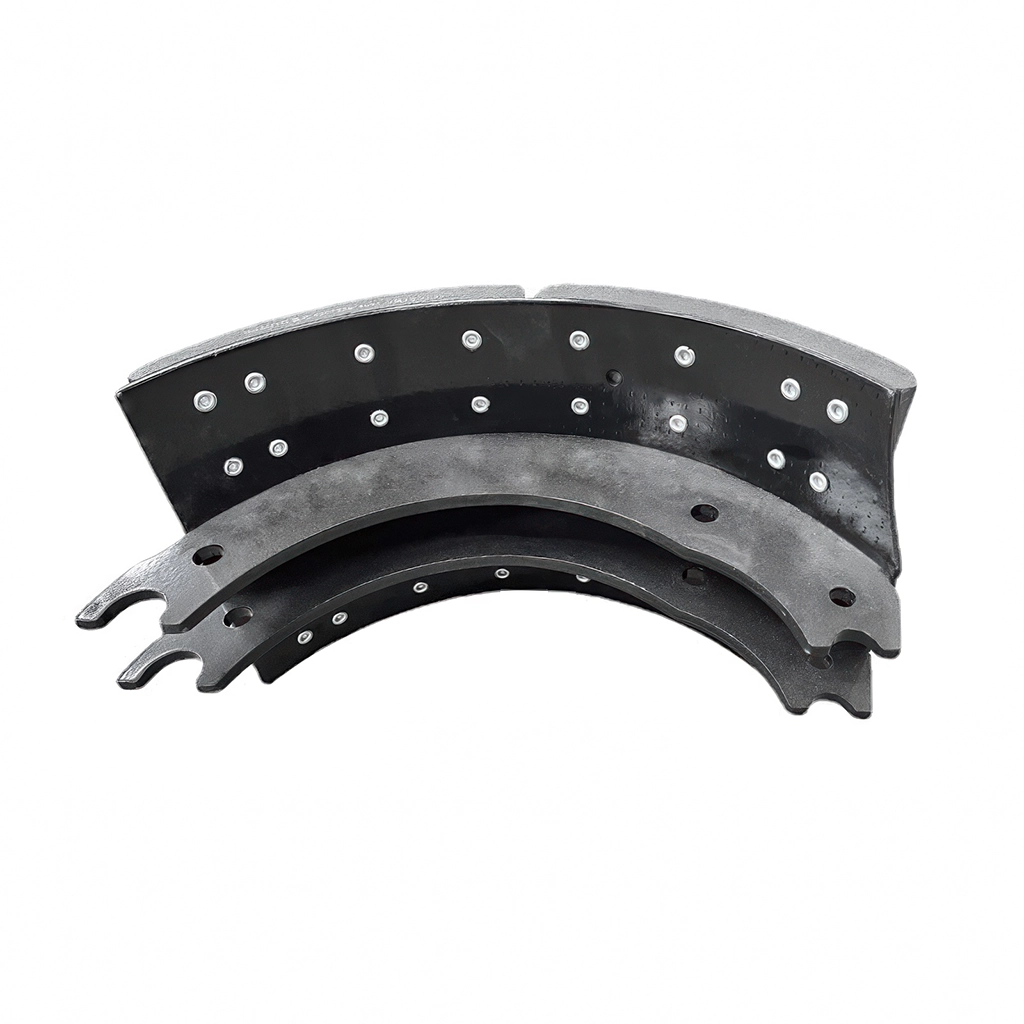
    Short inspection video of the Kales 4707 brake repair kit family for buyers checking friction-material finish and brake-service presentation.
    13-Ton-Trailer-Drum-Axle-Brake-Repair-Kit-Heavy-Duty-Truck-Brake-Repair-Kit-4707
    Front product view useful for checking brake-lining finish and assembly presentation.
    13-Ton-Trailer-Drum-Axle-Brake-Repair-Kit-Heavy-Duty-Truck-Brake-Repair-Kit-4707
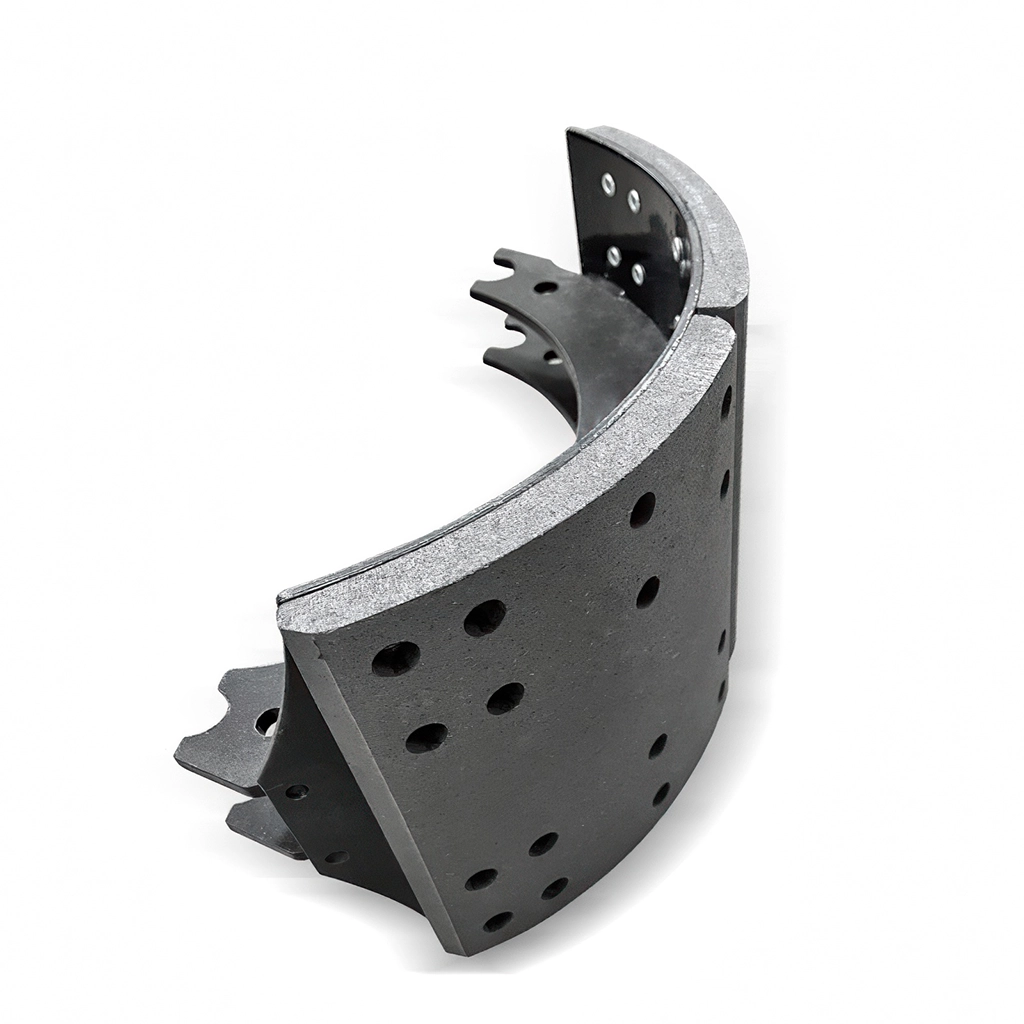
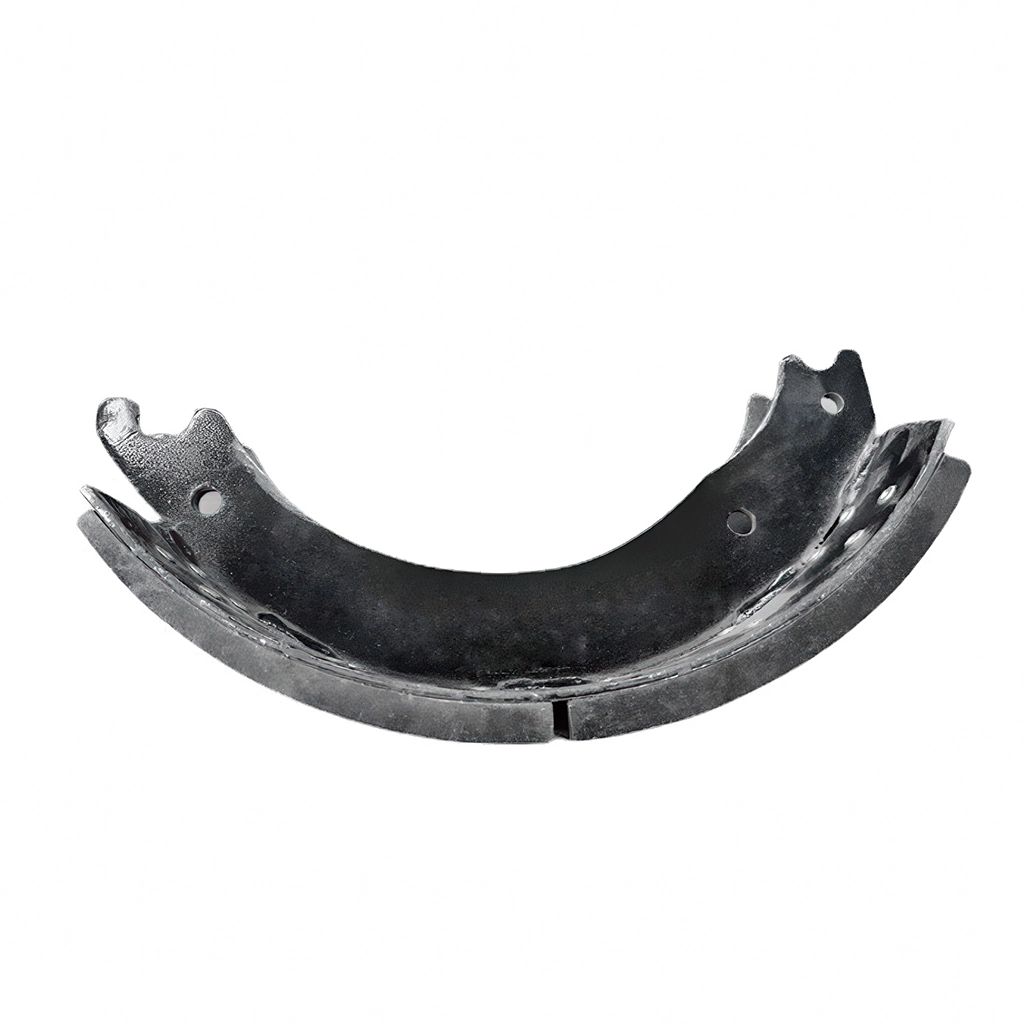
    Inspection angle supporting review of brake-shoe geometry and friction-material placement.
    13-Ton-Trailer-Drum-Axle-Brake-Repair-Kit-Heavy-Duty-Truck-Brake-Repair-Kit-4707
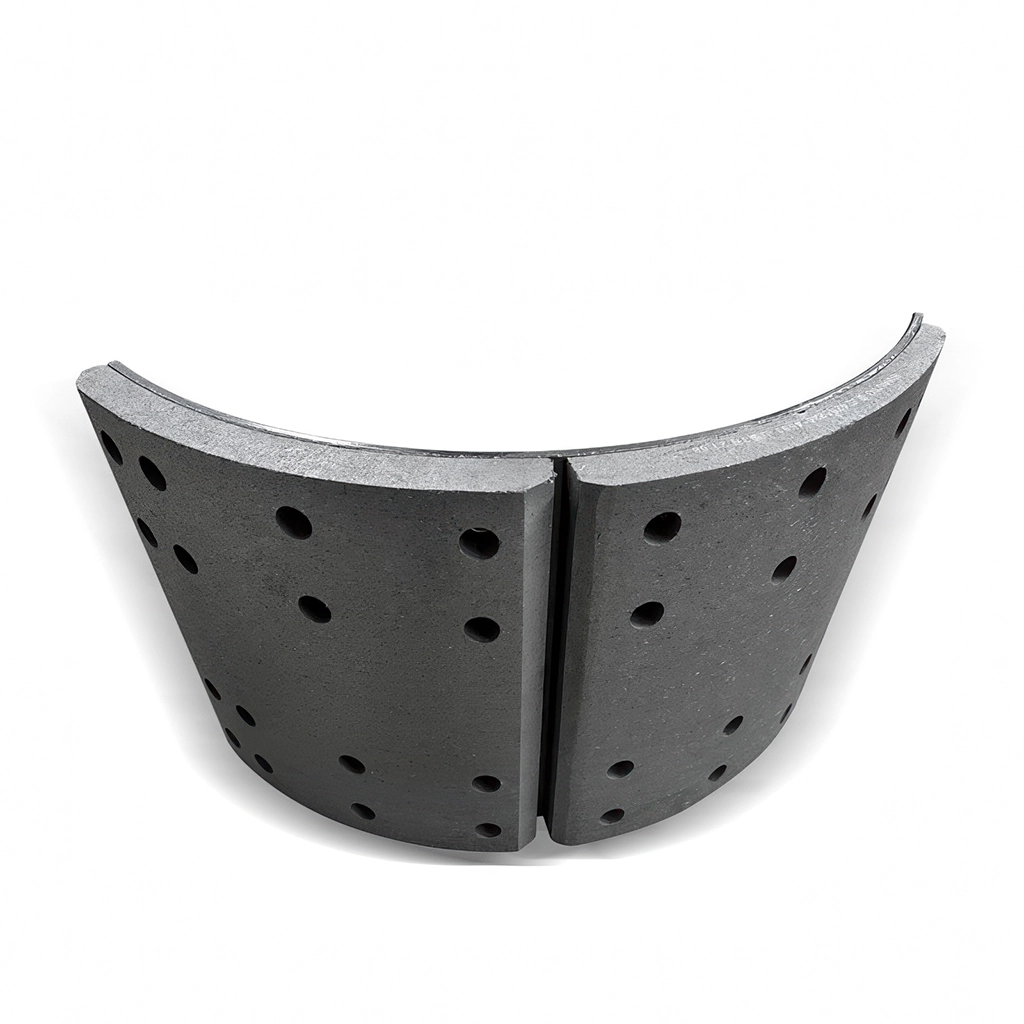
    Factory image useful for checking service-part condition before shipment or stock replenishment.
    13-Ton-Trailer-Drum-Axle-Brake-Repair-Kit-Heavy-Duty-Truck-Brake-Repair-Kit-4707
    Additional view for buyers comparing drum-brake repair parts across replacement programs.

    Frequently Asked Questions

    Is this page for a full axle or only for brake repair parts?

    This page is for drum-brake repair parts and service kits centered on 4707 demand, not for a complete axle assembly.

    What is the representative model and size on this page?

    The representative model is KADR-S13 with a listed size of 209 × 178 × 11/21 mm and FMSI 4707 reference.

    What should I confirm before ordering?

    Confirm the axle platform, drum size, FMSI or replacement reference, and whether the workshop needs lining only or a broader brake repair kit package.

    Can this brake kit be matched to mainstream trailer axle brands?

    Yes. The old product content lists interchange direction across brands such as BPW, FUWA, SAF, ROR, YORK, and related heavy-duty axle programs, but exact matching should still be confirmed before order.

    Request 4707 Brake Kit Matching and Quote

    If you need a 13 ton trailer drum axle brake repair kit 4707, send your axle type, brake size, replacement number, and maintenance scope. Kales can then match the correct drum-brake service kit for your fleet workshop, spare-parts stock, or axle rebuild program.
    WhatsApp Us Email Inquiry

    Related Kales Brake and Axle Parts

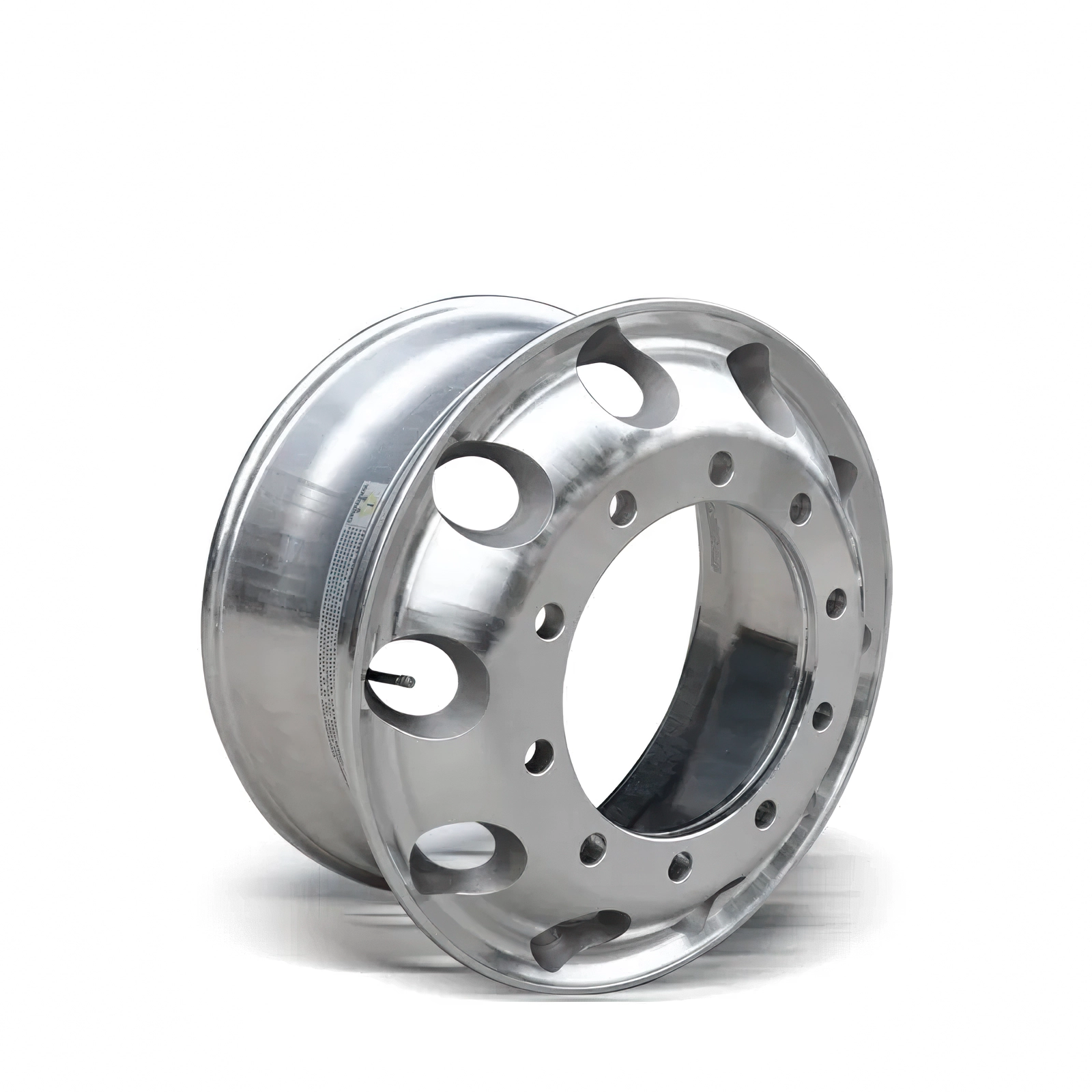
  • Aluminum Truck Wheels 22.5, 19.5, and 17.5 Inch

    Aluminum Truck Wheels 22.5, 19.5, and 17.5 Inch

    high-strength kales Aluminum Wheels 22.5、19.5、17.5Aluminum Rims Trailer Axle Parts
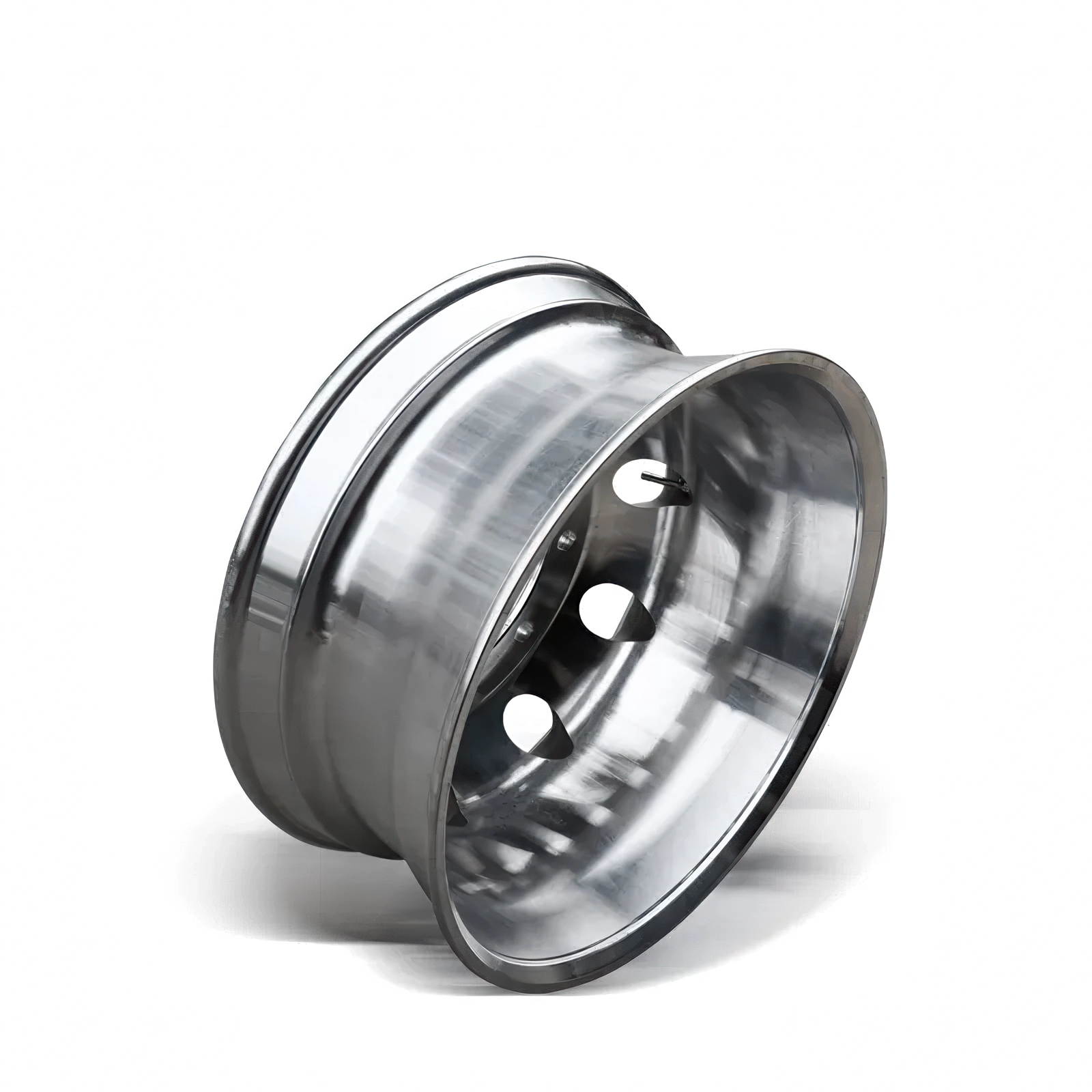
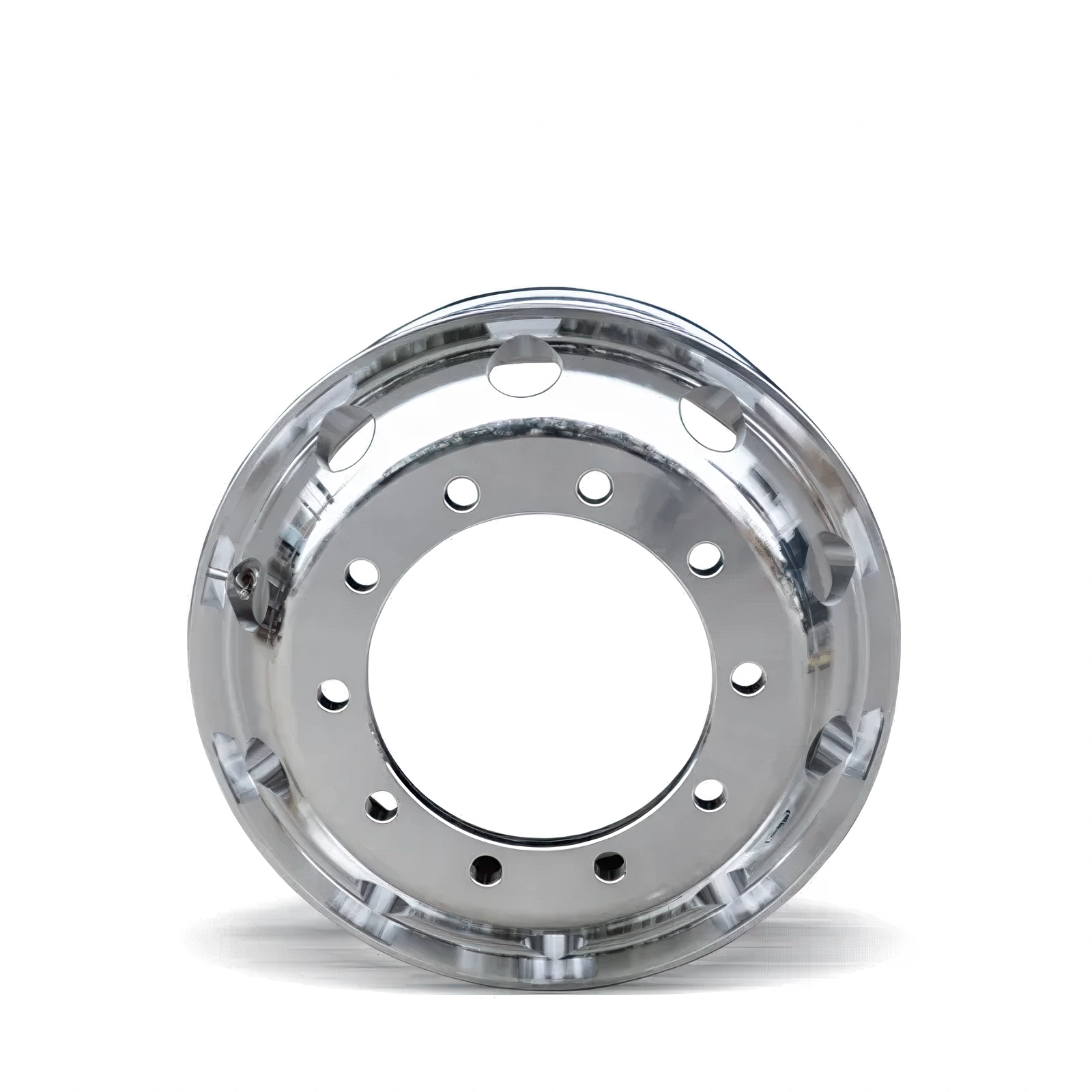
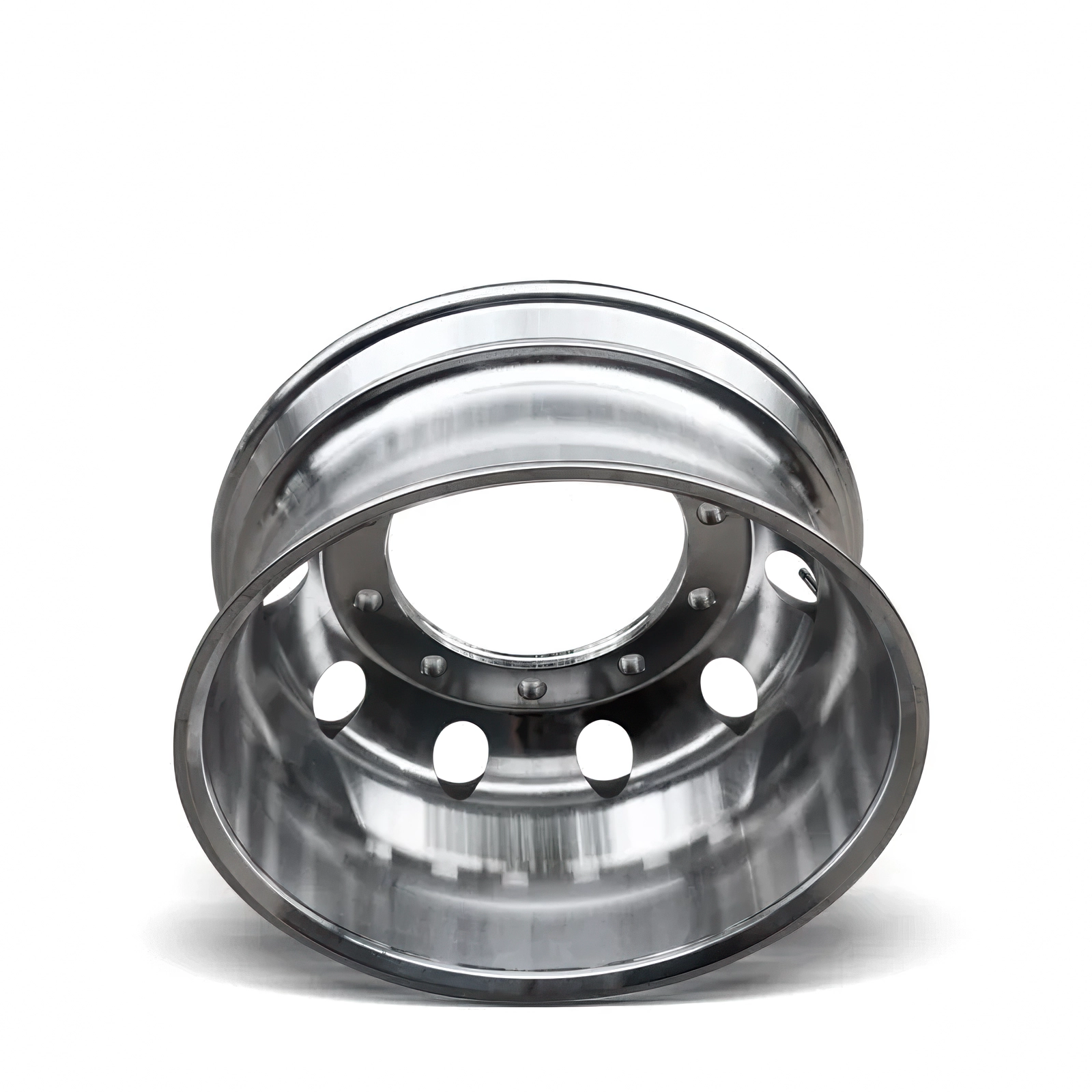
    Kales aluminum truck wheel family covering 22.5 inch, 19.5 inch, 17.5 inch, and selected 16 inch sizes for highway truck and trailer wheel replacement.

    Truck & Trailer Parts Buying Guide · Published: December 17, 2024 · Updated: June 3, 2026 · By Kales Vehicle Wheel Systems Engineering Team · Reviewed by Kales Export Parts Sales Engineering · Market focus: Africa, Latin America, Middle East highway fleets, trailer workshops, and wheel replacement distributors

    Aluminum truck wheel family: this Kales page is for buyers selecting 22.5 inch, 19.5 inch, and 17.5 inch aluminum rims for highway trucks and trailers where lower tare weight, better corrosion resistance, and heat control matter more than lowest first cost.

    Engineering guidance from the Kales Vehicle wheel systems team for fleets comparing aluminum truck wheels against steel wheel replacement in regional and long-haul road service.

    Quick answer: choose this Kales aluminum truck wheel family when your operation is road-focused and you want lighter wheel weight, better cooling, and cleaner long-term appearance for trucks, reefers, tankers, and highway trailers. If the priority is only the lowest purchase price for rough abuse with little concern for weight or corrosion, a basic steel wheel is usually the cheaper direction.

    Technical Snapshot

    Product type Aluminum alloy truck and trailer wheel family
    Core marketed sizes 22.5 inch, 19.5 inch, and 17.5 inch, with selected 16 inch fitments also available
    Manufacturing logic High-strength low-pressure casting
    Typical application Highway truck, tanker, reefer, van trailer, and road-freight wheel replacement
    Representative PCD range 190 mm to 335 mm
    Representative max load range 1,500 kg to 4,125 kg depending on size and model
    Representative weight range 9.0 kg to 26.2 kg depending on size and model
    Custom quotation Contact KALES for a tailored quotation based on the required configuration, order quantity, and destination.

    Representative model table

    Model Size PCD (mm) Center bore (mm) Inset (mm) Weight (kg) Max load (kg)
    KAMT051 22.5×9.0 335 281.2 152.5 24.6 4125
    KAMT024 22.5×8.25 335 281.2 144.5 24.0 3650
    KAMT036 19.5×7.5 275 222.1 134 17.5 3000
    KAMT042 17.5×6.75 222.25 162.2 120 14.7 2000
    KAMT025 16×5.5K 190 140 101.5 9.4 1500

    Selection note: the old product table also includes additional 22.5 inch, 19.5 inch, 17.5 inch, and 16 inch variants. Final wheel matching should always be checked by size, PCD, stud hole, center bore, inset, and required load rating rather than by diameter alone.

    Best Fit Operating Profile

    This aluminum wheel family is best suited to highway-focused fleets and workshops that want lighter wheel assemblies, better corrosion behavior, and cleaner thermal performance on road tractors, trailers, and distribution equipment. It works particularly well where the truck or trailer spends most of its life on paved corridors rather than in severe rock-impact environments.

    Best for

    • Highway truck and trailer wheel replacement where tare weight matters
    • Reefer, tanker, box trailer, and road-freight fleets that run longer paved routes
    • Buyers who want a cleaner corrosion profile than standard steel wheels
    • Workshops that need multiple wheel size options in one family page

    Not ideal for

    • Operations choosing only by lowest purchase price with no weight-savings objective
    • Buyers who have not confirmed wheel interface details such as PCD, bore, and inset
    • Very harsh off-road environments where impact abuse matters more than highway efficiency

    Why Buyers Choose This Aluminum Wheel Family

    • Lower wheel weight: representative 22.5 inch models sit around 24 to 26.2 kg, helping reduce vehicle mass versus heavier steel alternatives.
    • High-strength low-pressure casting: chosen for road-use durability, dimensional consistency, and stable long-term wheel service.
    • Better heat dissipation: aluminum wheel structure helps control heat around the tire and braking area during highway duty.
    • Improved corrosion behavior: useful for fleets operating through humid ports, rainy corridors, or chemical exposure from road service.
    • Broad fitment coverage: the family spans 22.5, 19.5, 17.5, and selected 16 inch options across multiple PCD patterns.
    • Cleaner procurement logic: one family page lets the buyer compare wheel size, load, and fitment before moving to exact order matching.

    Specification-backed advantages

    • Typical application: Highway truck, tanker, reefer, van trailer, and road-freight wheel replacement. This provides a concrete durability and load-control basis for the stated duty cycle.
    • Core marketed sizes: 22.5 inch, 19.5 inch, and 17.5 inch, with selected 16 inch fitments also available. This gives builders and fleet workshops an exact fitment reference before ordering.


    How These Aluminum Truck Wheels Should Be Evaluated

    The correct way to evaluate aluminum truck wheels is to begin with fitment and operating profile, not just wheel diameter. Buyers should verify PCD, stud hole specification, center bore, inset, load class, and whether the truck or trailer actually benefits from lighter highway-oriented wheel assemblies. That prevents expensive ordering mistakes and avoids treating wheel replacement like a generic commodity purchase.

    Buyer situation Best-fit Kales direction Why
    Road fleet seeking lighter wheel assemblies Aluminum truck wheel family Better aligned with tare-weight reduction, cooling, and corrosion resistance
    Buyer rebuilding axle and wheel package together Trailer axle page plus wheel matching Wheel specification should be checked against axle interface dimensions
    Highway trailer spec with comfort-oriented running gear Aluminum wheels plus air suspension Road-use fleets often combine lighter wheels with smoother suspension logic
    Buyer whose only requirement is the cheapest rugged wheel Basic steel-wheel route Aluminum wheel value is strongest when weight, heat, and corrosion are real operating priorities

    Engineering and Serviceability Details

    Why fitment data matters more than marketing language

    The old table is useful because it shows the real selection variables: size, PCD, stud hole, center bore, inset, wheel weight, and load rating. Those values determine whether the wheel can be matched correctly to the axle and tire package. A buyer who skips that check and orders only by “22.5 inch wheel” is not specifying the part precisely enough.

    Why lower wheel weight matters in road service

    On road tractors and highway trailers, wheel weight affects overall vehicle mass and operating efficiency. The lighter aluminum options on this page are positioned for buyers who care about tare reduction, fuel discipline, and wheel replacement quality over long route cycles. That is a commercial operating decision, not just an appearance upgrade.

    Why cooling and corrosion resistance are practical benefits

    Heat dissipation and corrosion behavior are not secondary benefits on fleets that run long paved corridors. Better wheel cooling helps the tire and brake area work under less thermal stress, while aluminum’s corrosion behavior helps the wheel stay cleaner in humid ports, rainy transport lanes, and chemical road environments.

    How is the final quotation confirmed?

    KALES confirms the quotation after reviewing the required specification, quantity, destination, and delivery terms. Send the operating requirements for an accurate proposal.

    Quotation and Procurement Guidance

    Before requesting a quote, send the exact size, PCD, stud hole specification, center bore, inset, target tire, axle or hub standard, and required load rating. Kales can then confirm the correct aluminum wheel model instead of quoting a general diameter that may not match the vehicle interface.

    Inspection Views

    Short inspection video of the Kales aluminum truck wheel family for buyers checking finish quality and wheel profile before order confirmation.
    high-strength kales Aluminum Wheels 22.5、19.5、17.5Aluminum Rims Trailer Axle Parts
    Front inspection view useful for reviewing spoke form and wheel-face finish.
    high-strength kales Aluminum Wheels 22.5、19.5、17.5Aluminum Rims Trailer Axle Parts
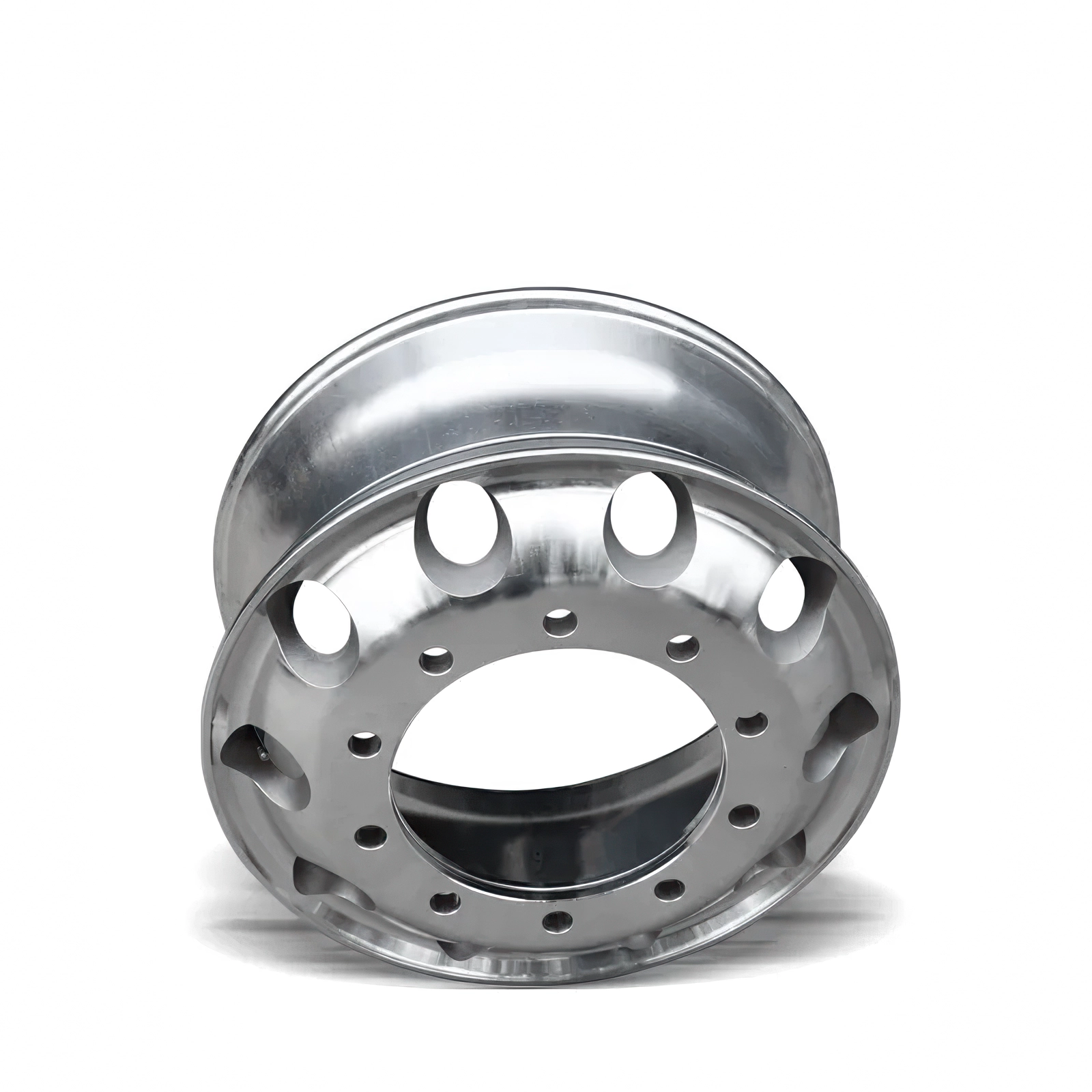
    Angle showing the wheel face and opening layout used for road-service aluminum rim selection.
    high-strength kales Aluminum Wheels 22.5、19.5、17.5Aluminum Rims Trailer Axle Parts
    Factory image for checking machining consistency and visual finish before shipment.
    high-strength kales Aluminum Wheels 22.5、19.5、17.5Aluminum Rims Trailer Axle Parts
    Additional wheel view supporting comparison of profile depth and surface condition across the family.

    Frequently Asked Questions

    What sizes are covered on this aluminum wheel page?

    The page is centered on 22.5 inch, 19.5 inch, and 17.5 inch aluminum truck wheels, with selected 16 inch fitments also shown in the old product table.

    What information matters most before ordering?

    The most important checks are size, PCD, stud hole specification, center bore, inset, and required wheel load rating.

    When do aluminum truck wheels make more sense than steel wheels?

    They make more sense when the fleet values lighter weight, better corrosion behavior, and stronger heat management on paved-road operations.

    Why does this page use a price range?

    Because it covers a family of wheel sizes and fitments rather than one single exact wheel model.

    Can Kales match the wheel to my axle or hub setup?

    Yes. Send the hub or axle standard together with the wheel fitment values so the model can be matched correctly before quotation.

    Request Aluminum Wheel Matching and Quote

    If you need 22.5 inch, 19.5 inch, or 17.5 inch aluminum truck wheels, send your wheel size, PCD, bore, inset, axle standard, and load requirement. Kales can then match the correct road-use aluminum rim model for your truck or trailer fleet.

    WhatsApp Us Email Inquiry

    Related Kales Running-Gear Parts

  • 66 Series American Type Leaf Spring Trailer Suspension

    66 Series American Type Leaf Spring Trailer Suspension

    66 series American type Leaf Spring Suspension 2-Axle Trailer Suspension for sale
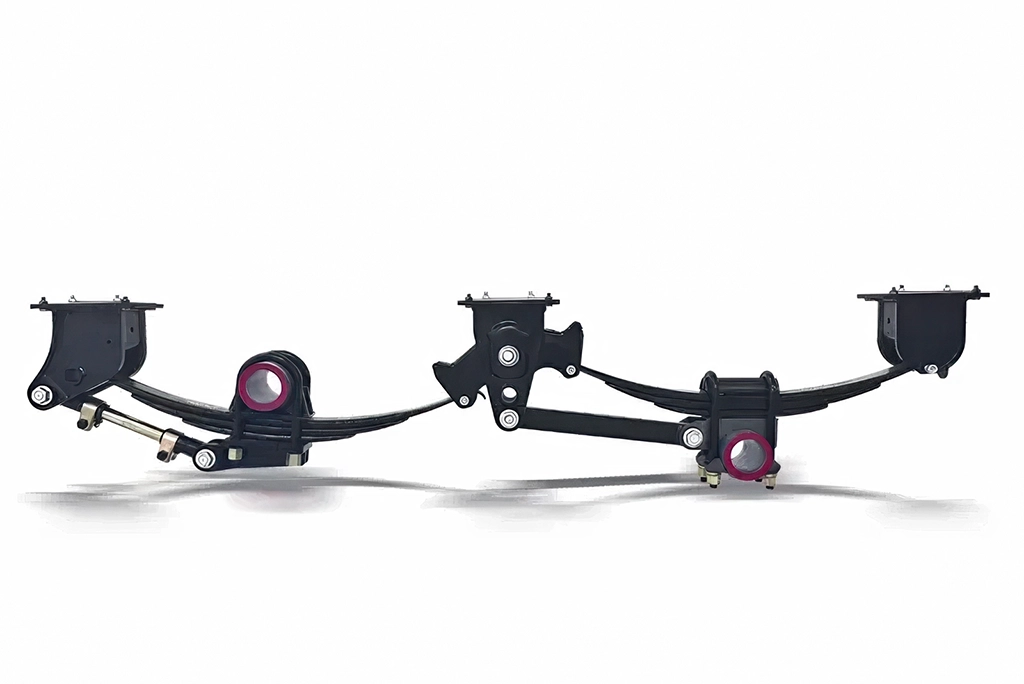
    Kales 66 series American-type leaf spring trailer suspension family built for rugged trailer service, simpler maintenance, and heavy-duty road conditions.

    Trailer Parts Buying Guide · Published: December 16, 2024 · Updated: June 3, 2026 · By Kales Vehicle Suspension Engineering Team · Reviewed by Kales Export Parts Sales Engineering · Market focus: Africa, Latin America, Middle East trailer workshops, heavy-duty road fleets, and replacement-parts distributors

    66 series American-type leaf spring suspension family: this Kales page covers multi-axle mechanical trailer suspension built for buyers who need a rugged, repairable, and cost-efficient running-gear solution for heavy semi-trailer service. It is aimed at fleets comparing leaf spring suspension with air suspension and deciding whether simpler field service matters more than ride softness.

    Engineering guidance from the Kales Vehicle suspension team for buyers selecting mechanical trailer suspension for heavy road use, export replacement, and American-type running gear compatibility.

    Quick answer: choose this 66 series American-type leaf spring trailer suspension when your fleet needs rugged road tolerance, easier workshop maintenance, and straightforward heavy-duty support for semi-trailers on mixed or rougher routes. If the operation depends more on cargo vibration control, smoother highway ride, or dock-height adjustment, an air suspension system is the better direction.

    Technical Snapshot

    Product type 66 series American-type leaf spring trailer suspension family
    Typical axle capacity 10 tons per axle in the base product positioning
    Available axle layouts 1 axle, 2 axle, and 3 axle configurations
    Conventional leaf spring options 77×13-9L and 77×13-10L
    Parabolic leaf spring option 77×22-3L
    Bushing type Tapered rubber bushings for equalizer bushings and torque arm bushings
    Material logic Silicon-manganese spring steel with heat treatment and outdoor rust-resistant coating
    Custom quotation Contact KALES for a tailored quotation based on the required configuration, order quantity, and destination.

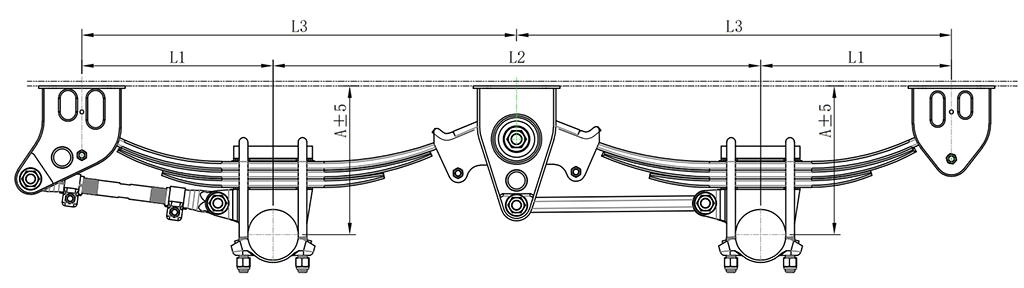
    Representative tandem model table

    Model A1 (mm) L1 (mm) L2 (mm) L3 (mm) Axle loading
    KAWD2390756601 390 482.5 1245 1105 10,000 × 2
    KAWD2415756601 415 482.5 1245 1105 10,000 × 2
    KAWD2440756601 440 482.5 1245 1105 10,000 × 2

    Notes: A1/A2/A3 dimensions are based on unladen condition; suitable for round or square axles; suggested leaf spring is 75×22×3 pcs on the representative tandem setup.

    Best Fit Operating Profile

    This leaf spring suspension family is best suited to fleets and workshops that prioritize structural ruggedness, easier repair, and lower service complexity over highway ride softness. It fits heavy-duty road freight, regional haulage, construction support, and export trailer rebuild programs where mechanical simplicity matters and the trailer must keep working under rougher route conditions.

    Best for

    • Heavy-duty semi-trailer suspension replacement on rough or mixed roads
    • Workshops that want simple installation and straightforward parts service
    • Export trailer programs using American-type running gear logic
    • Buyers who value durability, repairability, and lower system complexity over premium ride quality

    Not ideal for

    • Trailers carrying vibration-sensitive cargo that benefit from air suspension
    • Highway logistics operations that need adjustable ride height or smoother premium ride quality
    • Buyers whose real need is axle replacement rather than full suspension replacement

    Why Buyers Choose This Leaf Spring Suspension Family

    • Rugged mechanical layout: simpler than air suspension and easier to keep working in workshop-led fleets.
    • Silicon-manganese spring steel: chosen for strength, elasticity, and hardenability under heavy-duty service.
    • Heat-treated durability: high-strength heat treatment improves toughness and long-term service behavior.
    • Corrosion protection: outdoor rust-resistant coating helps isolate moisture and extend service life.
    • Lightweight design logic: reduced spring-leaf count is used where possible without giving up carrying ability.
    • Field-service advantage: installation and maintenance are easier than more complex suspension systems in many export markets.

    Specification-backed advantages

    • Material logic: Silicon-manganese spring steel with heat treatment and outdoor rust-resistant coating. This provides a concrete durability and load-control basis for the stated duty cycle.
    • Typical axle capacity: 10 tons per axle in the base product positioning. This defines the working band to validate against the cargo, route, and local legal limits.
    • Bushing type: Tapered rubber bushings for equalizer bushings and torque arm bushings. This links the powertrain choice to the intended load, grades, and operating conditions.


    How This Leaf Spring Suspension Should Be Evaluated

    The correct way to evaluate a leaf spring trailer suspension is not by price alone. Buyers should check route severity, service conditions, axle standard, maintenance capability, and whether the operation actually benefits from mechanical simplicity more than ride softness. That is what separates a suitable heavy-duty suspension from a generic low-price part that does not match the trailer’s real duty.

    Buyer situation Best-fit Kales direction Why
    Heavy-duty road service on rougher routes 66 series leaf spring suspension Better suited to rugged service, simpler repair, and mechanical durability
    Higher-value cargo and smoother highway transport German-style air suspension Air suspension gives better ride quality and cargo isolation
    Buyer replacing the axle rather than the suspension assembly Trailer axle page Axle replacement and suspension replacement should not be confused in procurement
    Workshop needs American-type tandem suspension compatibility 66 series tandem suspension setup The product family is already positioned around American-type trailer running gear

    Engineering and Serviceability Details

    Why the material choice matters

    Kales positions this family around silicon-manganese spring steel because the buyer here is not shopping for a decorative part. Strength, elasticity, and hardenability are the real reasons a trailer suspension keeps working under repeated heavy load and road shock. That material logic is central to the product, not a small secondary detail.

    Why mechanical simplicity still matters in export markets

    Leaf spring suspension remains relevant because simple installation and maintenance are commercial advantages in many fleets. Workshop teams can replace and service it faster than more complex pneumatic systems, especially in regions where route conditions are harsh and parts access is uneven.

    Why heat treatment and coating should be taken seriously

    High-strength heat treatment helps the spring suspension keep both strength and toughness under repeated duty cycles. The outdoor rust-resistant coating matters because many export trailers live in humid ports, dusty inland routes, or mixed climates that accelerate corrosion. Both are real service-life controls.

    How is the final quotation confirmed?

    KALES confirms the quotation after reviewing the required specification, quantity, destination, and delivery terms. Send the operating requirements for an accurate proposal.

    Quotation and Procurement Guidance

    Before asking for a quote, buyers should send the axle layout, route profile, target trailer duty, and whether the program uses conventional or parabolic leaf spring logic. Kales can then match the correct 66 series configuration instead of quoting a generic suspension assembly without proper running-gear context.

    Inspection Views

    66 type leaf spring suspension lightweight suspension 2 axle trailer suspension 08
    66 type leaf spring suspension lightweight suspension 2 axle trailer suspension 08
    66 type leaf spring suspension lightweight suspension 2 axle trailer suspension 01
    66 type leaf spring suspension lightweight suspension 2 axle trailer suspension 01
    66 series American type Leaf Spring Suspension 2-Axle Trailer Suspension for sale
    Product view showing the tandem leaf spring suspension assembly for heavy-duty trailer running gear.
    66 series American type Leaf Spring Suspension 2-Axle Trailer Suspension for sale
    Inspection angle useful for checking suspension beam layout and spring-pack positioning.
    66 series American type Leaf Spring Suspension 2-Axle Trailer Suspension for sale
    Side view supporting checks on installation geometry and bracket arrangement.
    66 series American type Leaf Spring Suspension 2-Axle Trailer Suspension for sale
    Factory image for reviewing the suspension body and finish quality before order confirmation.
    66 type leaf spring suspension lightweight suspension 2 axle trailer suspension 06
    66 type leaf spring suspension lightweight suspension 2 axle trailer suspension 06
    66 type leaf spring suspension lightweight suspension 2 axle trailer suspension 07
    66 type leaf spring suspension lightweight suspension 2 axle trailer suspension 07
    66 series American type Leaf Spring Suspension 2-Axle Trailer Suspension for sale
    Inspection view of another angle from the same 66 series family for export-parts buyers.
    66 series American type Leaf Spring Suspension 2-Axle Trailer Suspension for sale
    Additional product view useful when comparing mechanical suspension structure across replacement options.

    Frequently Asked Questions

    When is leaf spring suspension a better choice than air suspension?

    Leaf spring suspension is usually the better choice when the trailer works on rougher roads, needs easier workshop service, and values mechanical simplicity more than ride softness.

    What axle layouts are available in this 66 series family?

    The family is positioned for 1 axle, 2 axle, and 3 axle configurations, with the representative table on this page centered on the tandem 2-axle setup.

    What leaf spring options does this family support?

    The product description highlights 77×13-9L and 77×13-10L conventional springs plus 77×22-3L parabolic spring option.

    Why does this page use a price range?

    Because it represents a suspension family with multiple layouts, dimensions, and spring forms rather than one single exact model.

    What information should I send before requesting a quote?

    Send your axle layout, route profile, trailer duty, and whether you need conventional or parabolic leaf spring configuration.

    Request Leaf Spring Suspension Matching and Quote

    If you need a 66 series American-type leaf spring trailer suspension, send your axle layout, target trailer duty, and road profile. Kales can then match the right mechanical suspension configuration for your fleet, workshop replacement plan, or export trailer build.

    WhatsApp Us Email Inquiry

    Related Kales Suspension Parts

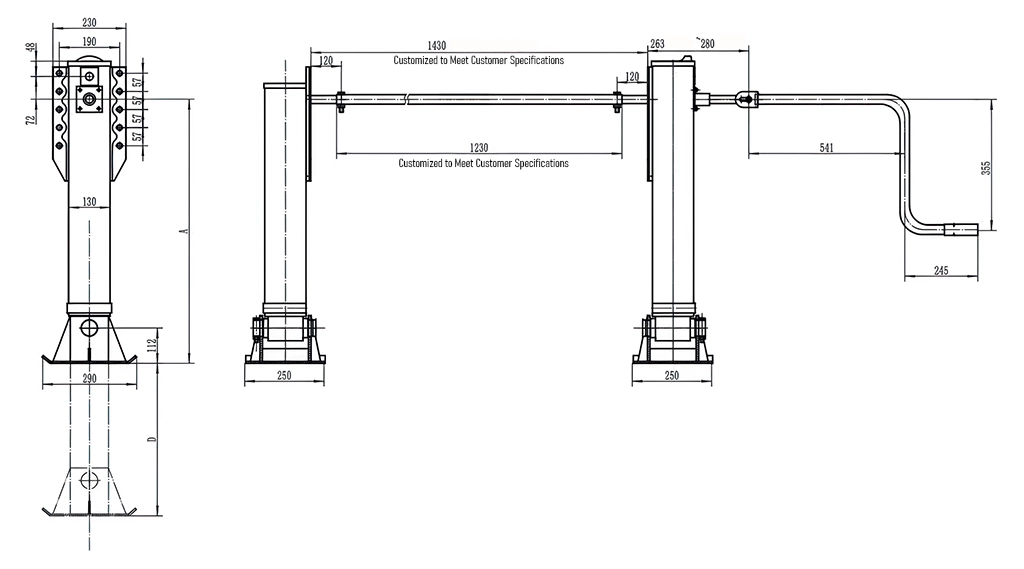
  • 28T/32T/70T Trailer Landing Gear for Semi-Trailers

    28T/32T/70T Trailer Landing Gear for Semi-Trailers

    28t 32t 70t Trailer Landing Gear Trailer Parts Semi Trailer Landing Gear for sale
    Kales semi-trailer landing gear family covering 28T, 32T, and 70T support classes for export trailers, rebuild workshops, and route-matched fleet specification.

    Trailer Parts Buying Guide · Published: December 10, 2024 · Updated: June 3, 2026 · By Kales Vehicle Running-Gear Engineering Team · Reviewed by Kales Export Parts Sales Engineering · Market focus: Africa, Latin America, Middle East trailer fleets, export assembly workshops, and replacement-parts distributors

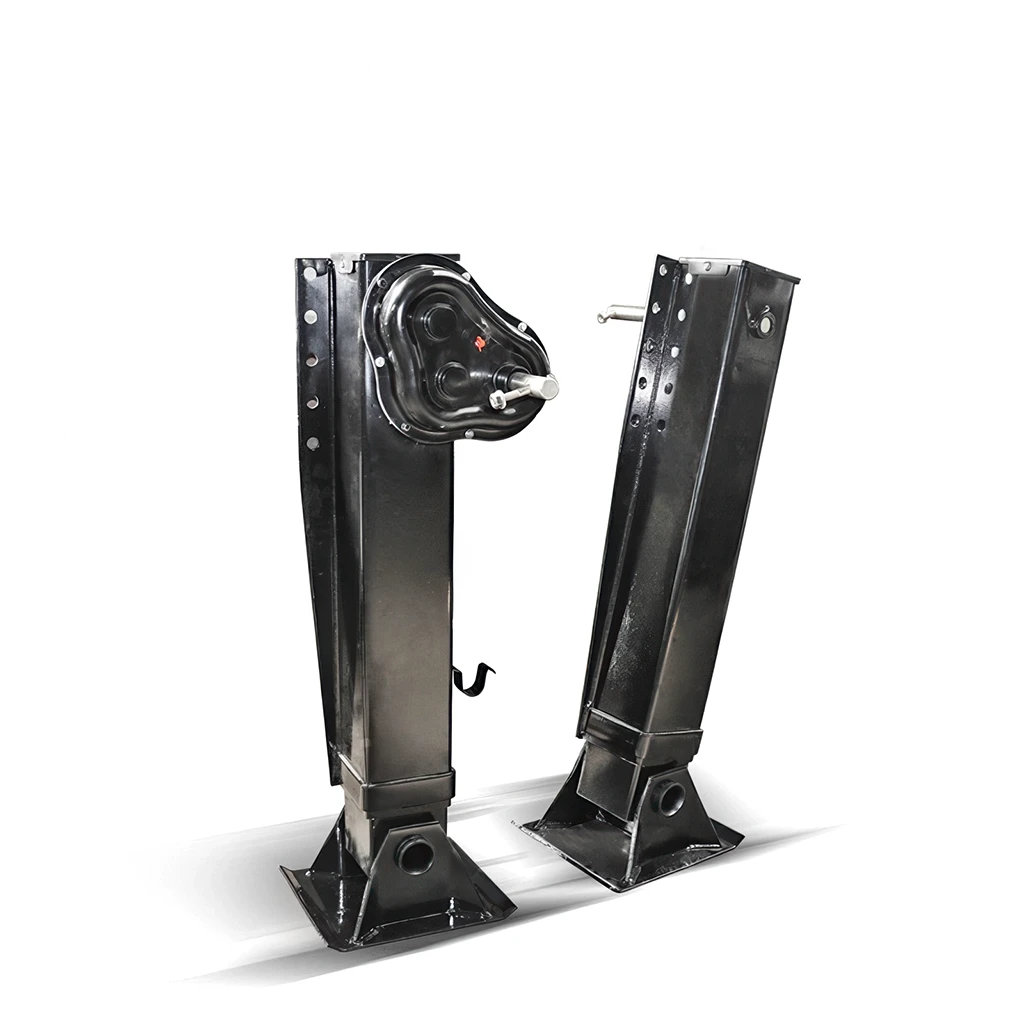
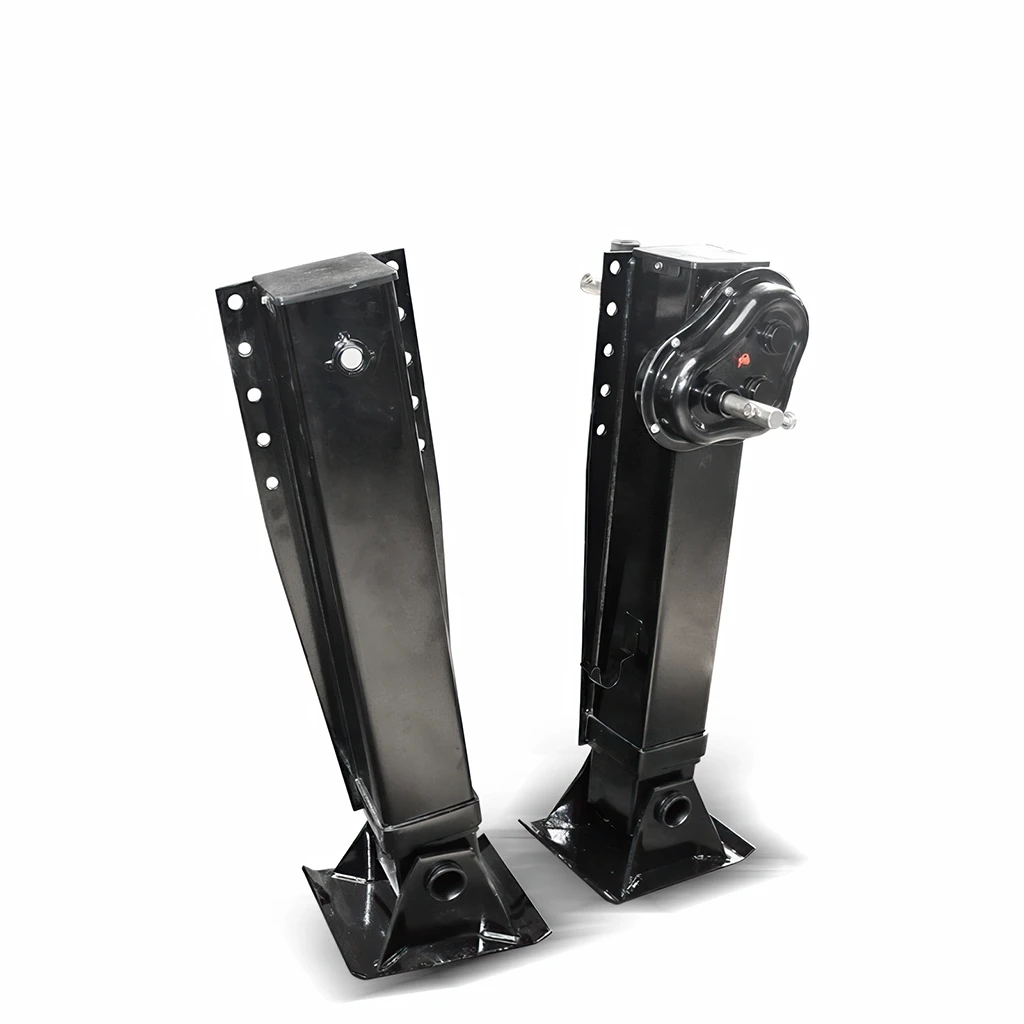
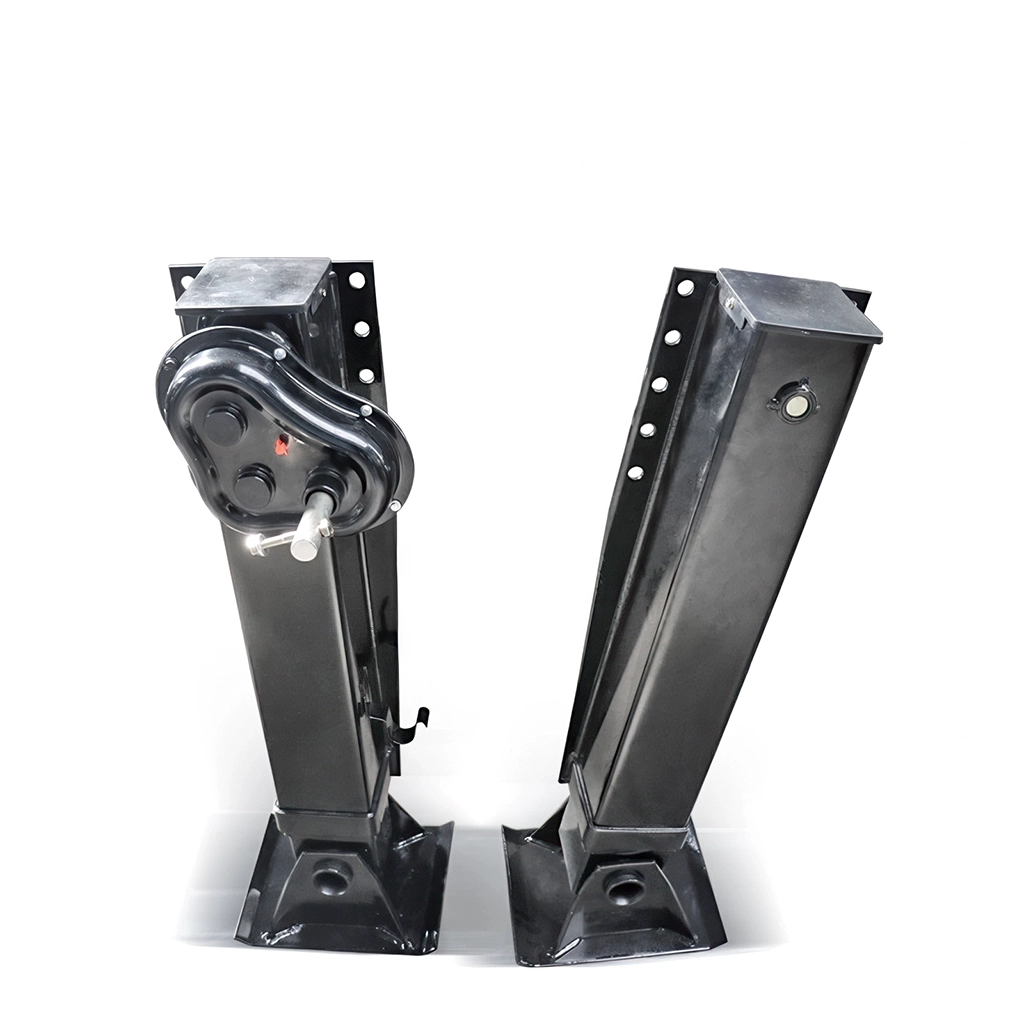
    Trailer landing gear family: this Kales page covers 28T, 32T, and 70T landing gear options for semi-trailers, with interlinked support-leg structure for parking stability, loading support, and practical field service. It is built for buyers who need to match support-leg capacity to trailer class rather than buying one generic landing gear set for every chassis.

    Engineering guidance from the Kales Vehicle parts team for buyers comparing landing gear sizes, tractor-trailer connection hardware, and heavy-duty trailer support components.

    Quick answer: choose 28T or 32T landing gear for mainstream semi-trailers that need dependable daily parking and loading support, and move to the 70T class when the trailer program is materially heavier or the support-leg demand is far above standard road-freight duty. This page is the right fit when you are choosing the trailer support legs themselves, not the king pin or fifth wheel coupling.

    Technical Snapshot

    Product type Interlinked trailer landing gear family for semi-trailers
    Main support classes 28T, 32T, and 70T
    Typical use Trailer parking support, loading stability, and uncoupled trailer standing support
    Structural focus Thickened fixed base, widened side plates, and precision welding
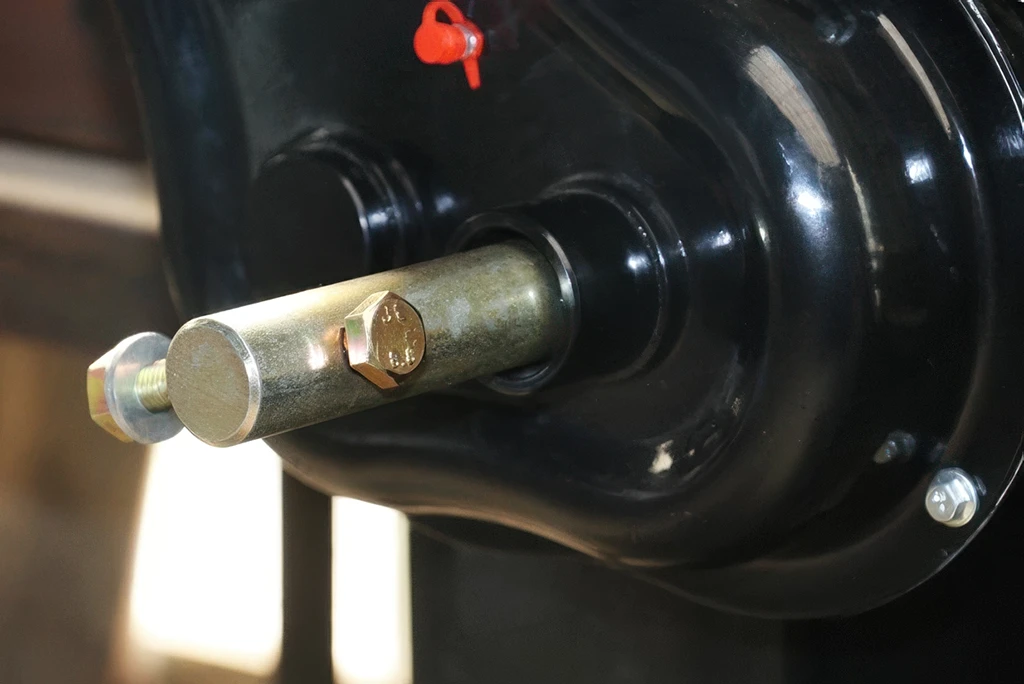
    Connection feature Universal flange with spline connection for smoother operation and easier replacement
    Durability detail Electroplated piston rod with rust, wear, and corrosion resistance
    Strength treatment High-frequency quenching on critical components
    Custom quotation Contact KALES for a tailored quotation based on the required configuration, order quantity, and destination.

    Family selection table

    Landing gear class Best-fit trailer situation Selection logic
    28T Standard semi-trailer parking and loading support Good entry point for mainstream export trailer programs
    32T Heavier mainstream road-freight support demand Extra margin for buyers who want a stronger support-leg class without moving to an extreme-duty setup
    70T Special heavier-duty trailer support requirement Used when the support-leg duty is materially above ordinary semi-trailer service

    Best Fit Operating Profile

    This landing gear family is best suited to trailer builders, replacement-parts buyers, and fleet workshops that need reliable parked-trailer support matched to actual trailer weight class. It works well for standard road-freight trailers, export trailer assembly, and heavier-duty programs where the support legs must stay stable during loading, unloading, and uncoupled parking.

    Best for

    • Standard semi-trailers needing 28T or 32T support-leg replacement
    • Heavier trailer programs that need a stronger 70T landing gear class
    • Fleet rebuild workshops standardizing parked-trailer support hardware
    • Export buyers who need route-matched landing gear specification rather than generic low-price sourcing

    Not ideal for

    • Buyers who actually need the king pin or tractor-side fifth wheel instead of landing gear
    • Requests where trailer support class has not been matched to the chassis duty yet
    • Applications that need axle or suspension replacement rather than front support legs

    Why Buyers Choose This Landing Gear Family

    • Clear size ladder: 28T, 32T, and 70T support classes make it easier to match landing gear to trailer duty.
    • Stable fixed base design: thickened and widened side-plate structure improves standing stability during loading and unloading.
    • Spline-connected universal flange: helps smoother operation and easier replacement in workshop service.
    • Electroplated piston rod: better rust, wear, and corrosion resistance in humid or outdoor conditions.
    • High-frequency quenching on critical parts: improves hardness and helps resist deformation under load.

    Specification-backed advantages

    • Structural focus: Thickened fixed base, widened side plates, and precision welding. This provides a concrete durability and load-control basis for the stated duty cycle.
    • Typical use: Trailer parking support, loading stability, and uncoupled trailer standing support. This links the powertrain choice to the intended load, grades, and operating conditions.
    • Landing gear class: Best-fit trailer situation. This gives builders and fleet workshops an exact fitment reference before ordering.


    How This Landing Gear Family Should Be Evaluated

    The right way to evaluate semi-trailer landing gear is to start with support duty rather than sticker price. Buyers should check trailer class, loading pattern, parked support requirement, corrosion exposure, and whether the fleet wants the easiest replacement path in local workshops. That is what separates a correct landing gear purchase from a support-leg set that looks cheap but fails early under real load cycles.

    Buyer situation Best-fit Kales direction Why
    Mainstream road-freight semi-trailer 28T or 32T landing gear Better matched to everyday trailer parking and loading support duty
    Heavier-duty trailer support demand 70T landing gear Provides the stronger support class for materially heavier applications
    Buyer replacing trailer connection hardware King pin or fifth wheel page Landing gear supports the parked trailer; it does not lock tractor to trailer
    Buyer rebuilding suspension or axle running gear Suspension or axle page Landing gear should be specified separately from running gear components

    Engineering and Serviceability Details

    Why the fixed base matters so much

    The fixed base is the stability foundation of the landing gear. Thickened and widened side plates, combined with precision welding, help the support legs stay more stable during loading, unloading, and longer parked-trailer service. Buyers who ignore base strength often end up with support legs that work acceptably at first but lose confidence under real yard conditions.

    Why the universal flange and spline connection are practical features

    The old product content is right to emphasize the universal flange and spline connection. That detail matters because smoother operation and easier replacement reduce downtime in service workshops. For fleets buying export parts, replaceability is often more important than cosmetic design claims.

    Why piston rod treatment and quenching matter in the field

    The electroplated piston rod helps resist rust, wear, and corrosion, especially when landing gear spends long periods outdoors or in humid transport environments. High-frequency quenching on critical components adds hardness and helps prevent deformation under repeated loading cycles. Those are real service-life controls, not brochure filler.

    How is the final quotation confirmed?

    KALES confirms the quotation after reviewing the required specification, quantity, destination, and delivery terms. Send the operating requirements for an accurate proposal.

    Quotation and Procurement Guidance

    Before asking for a quote, buyers should send trailer type, expected support duty, whether the trailer program is mainstream or heavier-duty, and any corrosion or route constraints that affect parts life. Kales can then match the correct 28T, 32T, or 70T landing gear class instead of quoting a generic support-leg set with the wrong duty margin.

    Inspection Views

    28t 32t 70t trailer landing gear semi trailer parts for sale 02
    28t 32t 70t trailer landing gear semi trailer parts for sale 02
    28t 32t 70t Trailer Landing Gear Trailer Parts Semi Trailer Landing Gear for sale
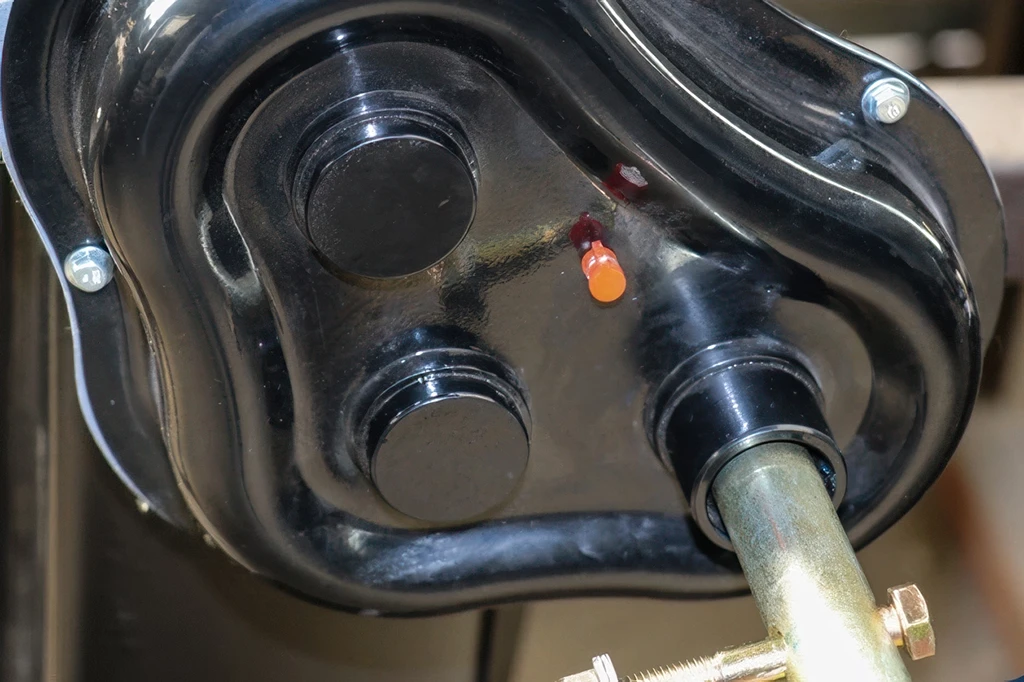
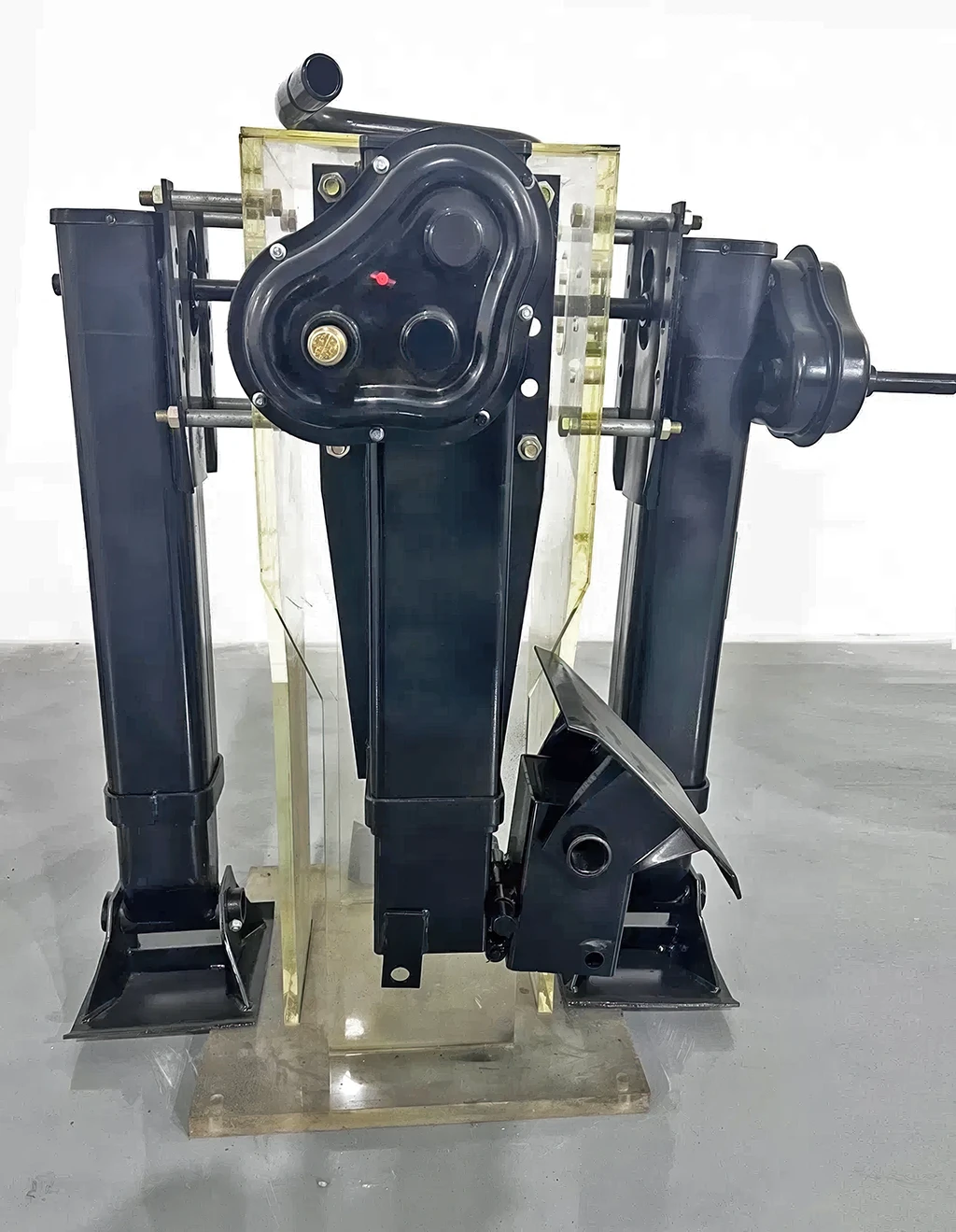
    Product view showing the interlinked landing gear assembly used for parked-trailer support.
    28t 32t 70t Trailer Landing Gear Trailer Parts Semi Trailer Landing Gear for sale
    Inspection angle useful for reviewing the support-leg body and fixed-base structure.
    28t 32t 70t Trailer Landing Gear Trailer Parts Semi Trailer Landing Gear for sale
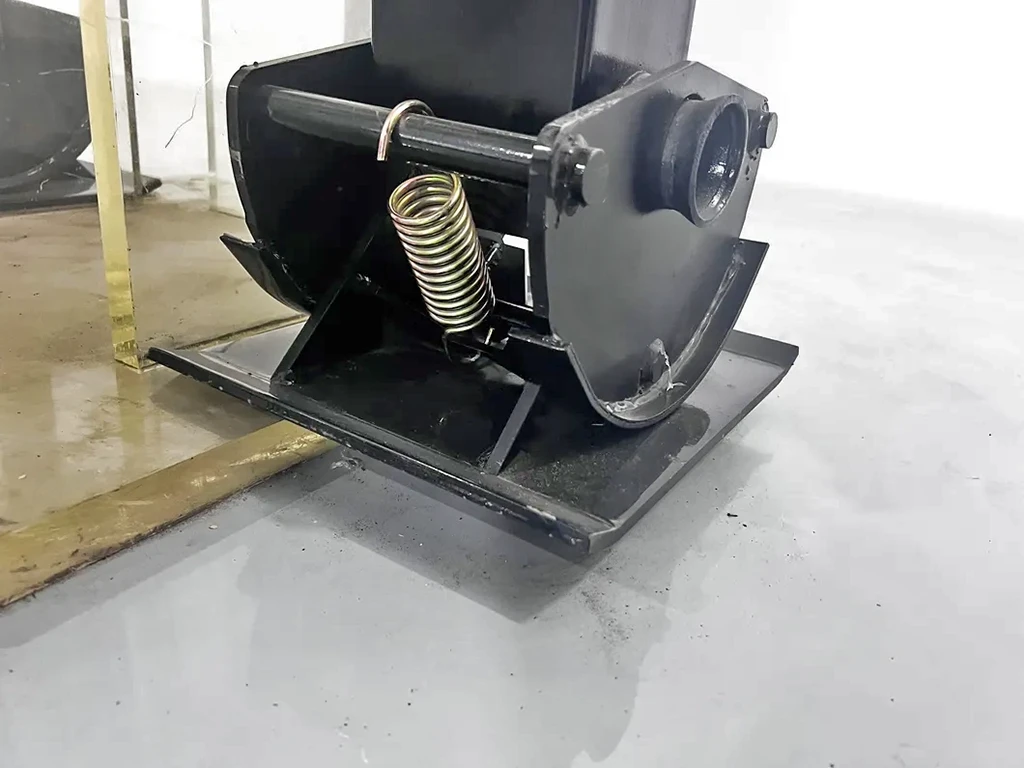
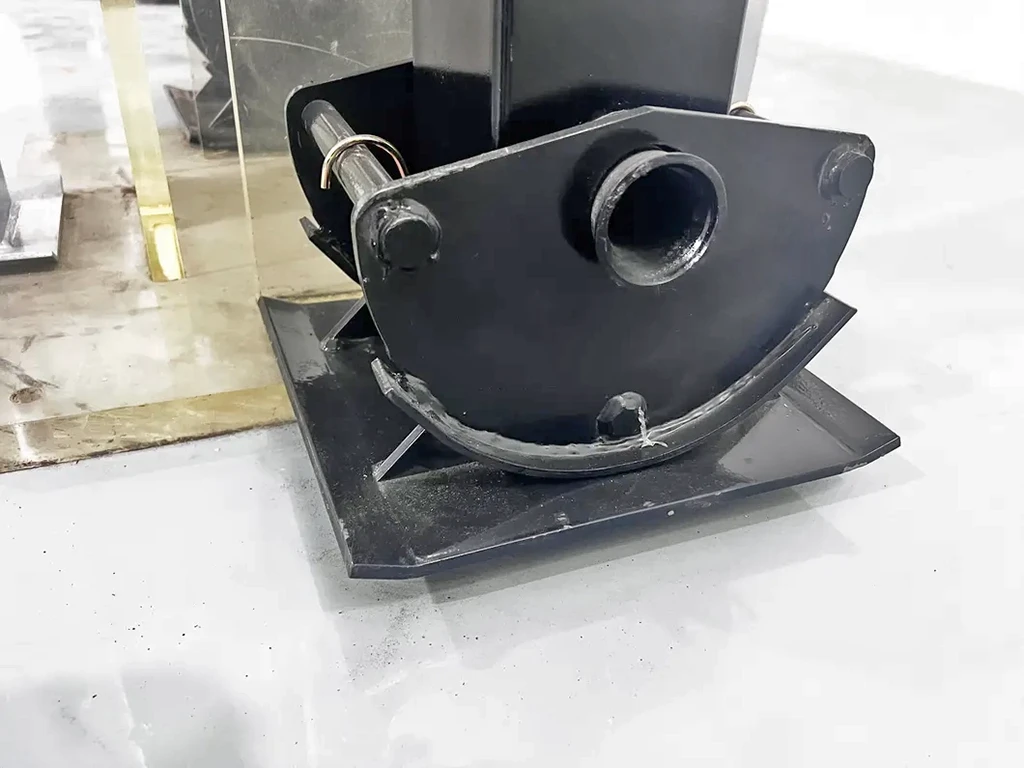
    Side view supporting checks on landing gear geometry and installation form.
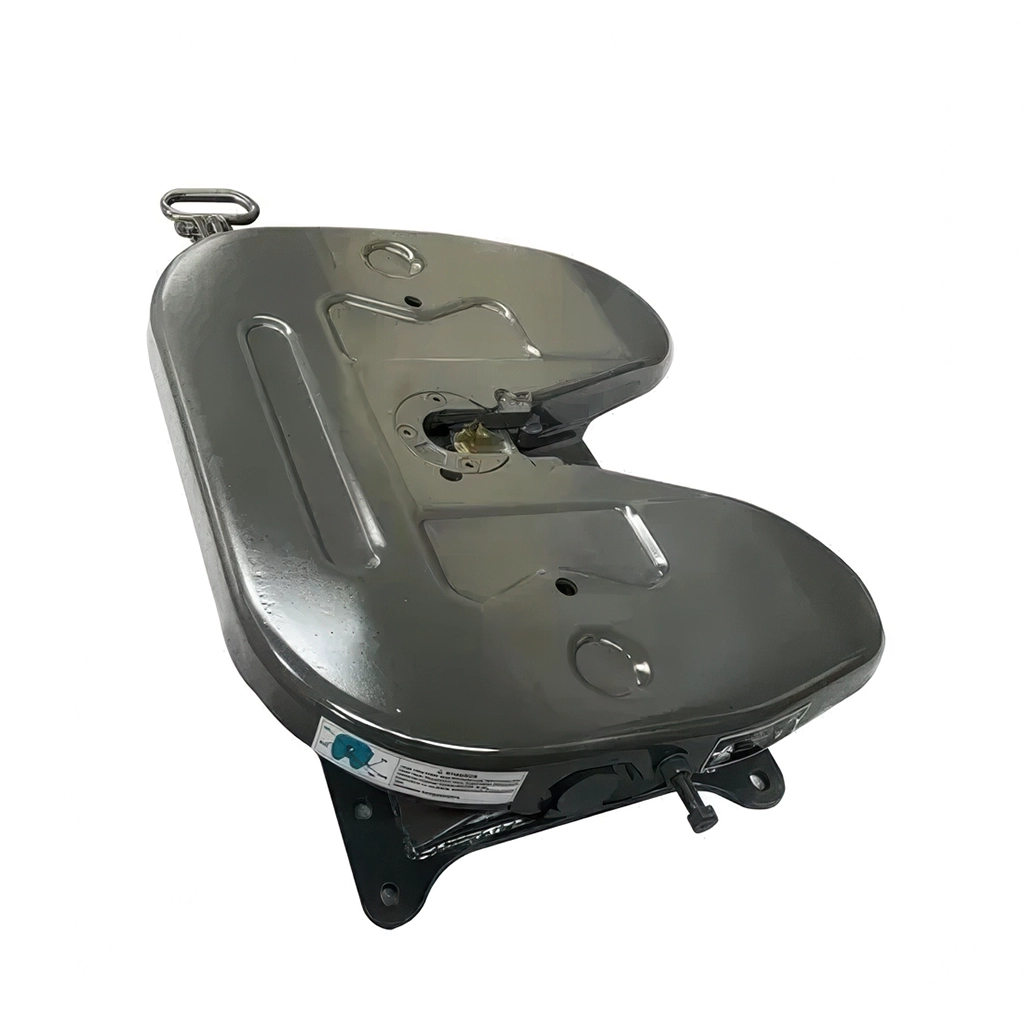
    28t 32t 70t Trailer Landing Gear Trailer Parts Semi Trailer Landing Gear for sale
    Factory image useful for checking the assembly body and support-leg consistency.
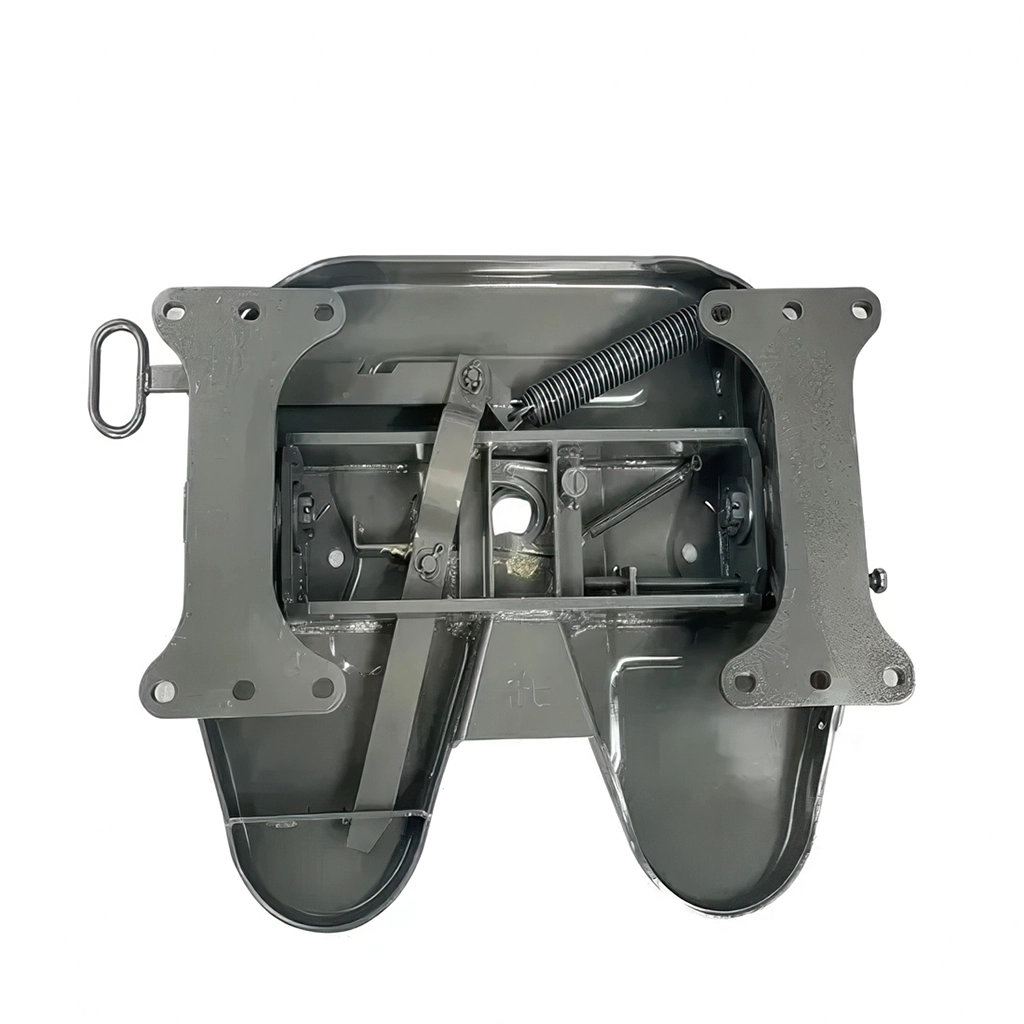
    28t 32t 70t trailer landing gear semi trailer parts for sale 08
    28t 32t 70t trailer landing gear semi trailer parts for sale 08
    28t 32t 70t Trailer Landing Gear Trailer Parts Semi Trailer Landing Gear for sale
    Inspection view that helps buyers review structure details before confirming the support class.
    28t 32t 70t trailer landing gear semi trailer parts for sale 10
    28t 32t 70t trailer landing gear semi trailer parts for sale 10
    28t 32t 70t Trailer Landing Gear Trailer Parts Semi Trailer Landing Gear for sale
    Additional product view from the same landing gear family for export-parts review.

    Frequently Asked Questions

    What is the difference between 28T, 32T, and 70T landing gear?

    The difference is support-duty class. The 28T and 32T classes fit mainstream semi-trailer support needs, while the 70T class is for materially heavier support-leg demand.

    Is landing gear the same as a king pin or fifth wheel?

    No. Landing gear supports the parked trailer. The king pin and fifth wheel are the tractor-trailer connection components.

    Why does spline connection matter on the universal flange?

    It helps smoother operation and easier replacement, which reduces workshop service time and makes the landing gear more practical in field maintenance programs.

    Why does this page use a price range instead of one fixed price?

    Because this is a landing gear family page covering 28T, 32T, and 70T options rather than one single stock model.

    What information should I send before requesting a quote?

    Send the trailer type, expected support duty, whether the program is mainstream or heavier-duty, and any route or corrosion constraints that affect parts life.

    Request Landing Gear Matching and Quote

    If you need 28T, 32T, or 70T trailer landing gear, send your trailer type, support-duty requirement, and route profile. Kales can then match the correct landing gear class for your trailer build, fleet replacement plan, or export parts order.

    WhatsApp Us Email Inquiry

    Related Kales Parts

  • German-Style Air Suspension System for Semi-Trailers

    German-Style Air Suspension System for Semi-Trailers

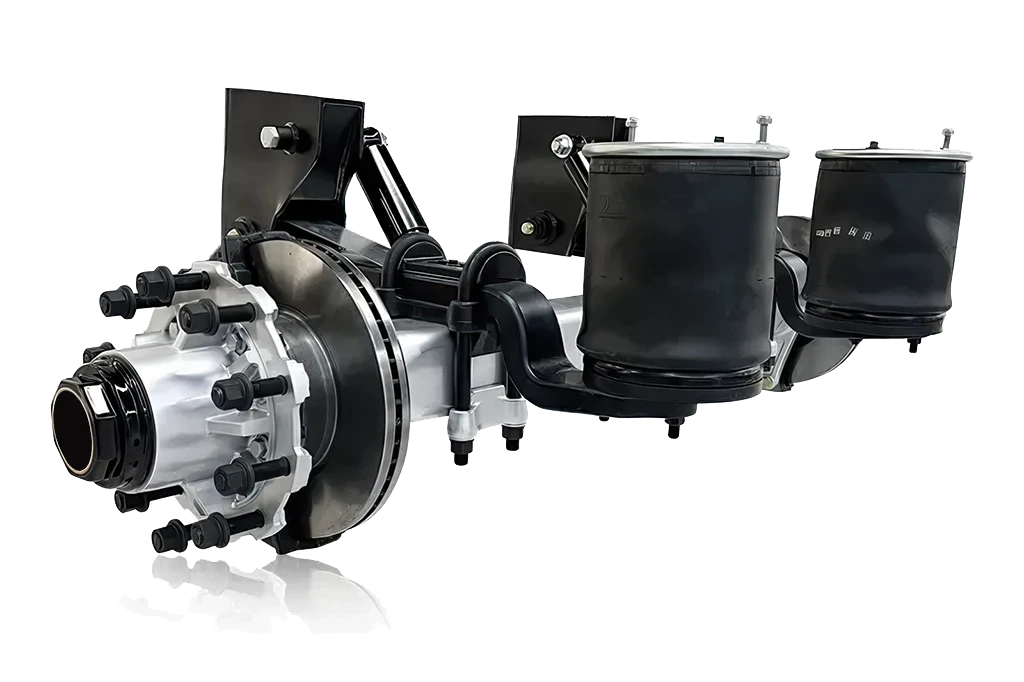
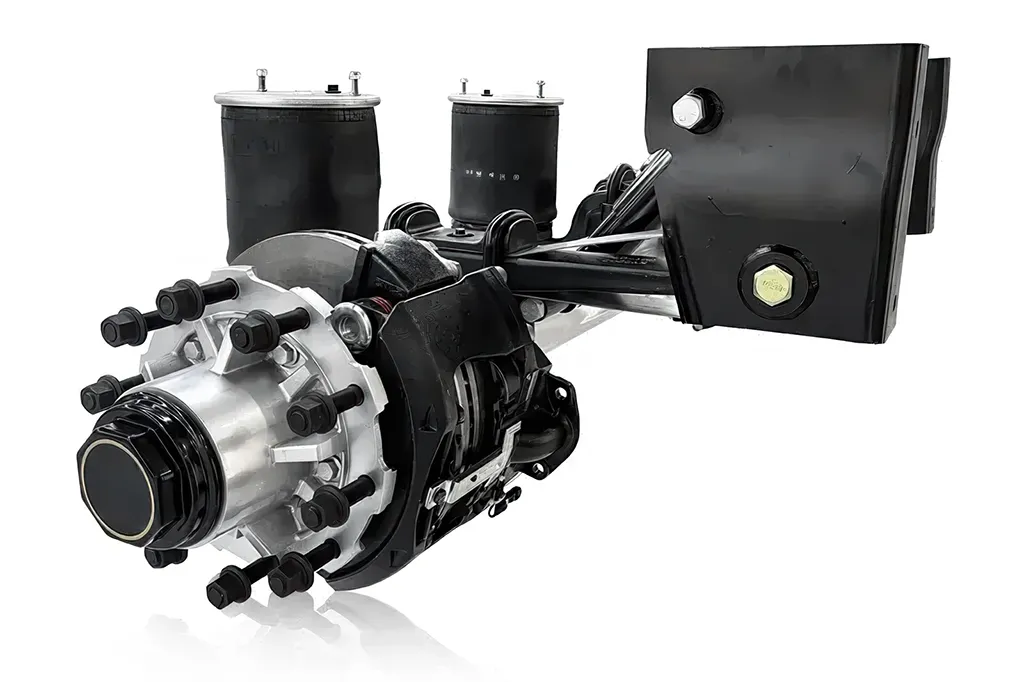
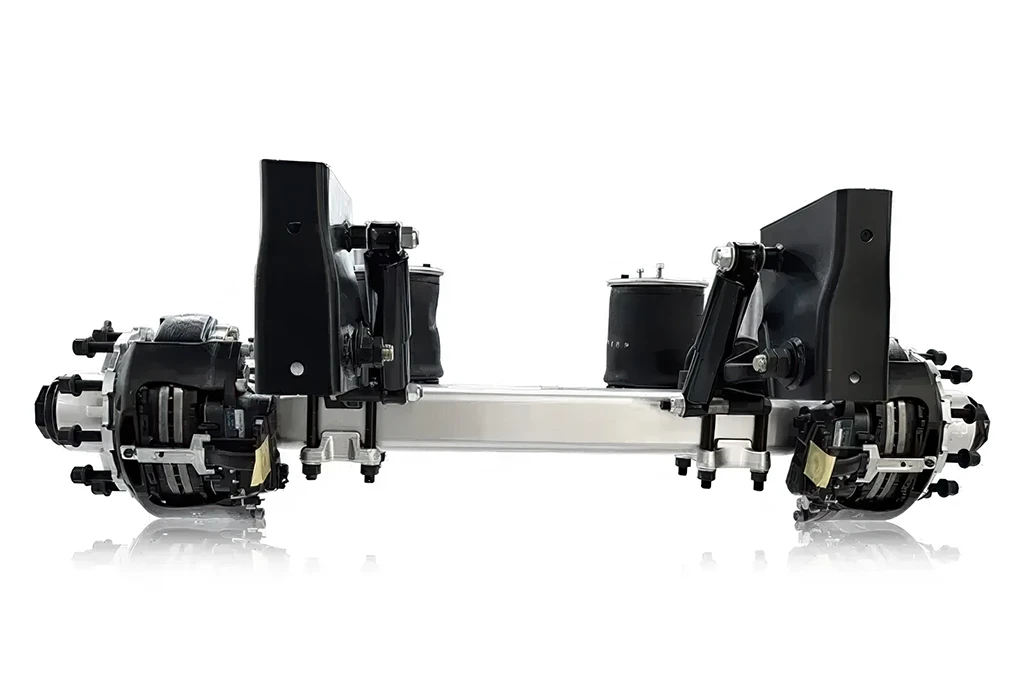
    Kales Adjustable German-Style Air Suspension System Semi-trailer air suspension axle for sale-01
    Kales German-style semi-trailer air suspension family built for smoother highway transport, cargo protection, and adjustable chassis-height control.

    Trailer Parts Buying Guide · Published: December 9, 2024 · Updated: June 3, 2026 · By Kales Vehicle Suspension Engineering Team · Reviewed by Kales Export Trailer Sales Engineering · Market focus: Africa, Latin America, Middle East highway fleets, reefer operators, tanker operators, and trailer rebuild workshops

    German-style air suspension family: this Kales page covers adjustable air suspension systems for semi-trailers that need smoother ride quality, better cargo isolation, and chassis-height control across highway logistics work. It is built for buyers comparing air suspension against mechanical leaf spring systems on reefer, tanker, curtainsider, and higher-value cargo trailers.

    Engineering guidance from the Kales Vehicle suspension team for buyers selecting between air suspension and leaf spring trailer running gear for export fleet programs.

    Quick answer: choose this German-style air suspension system when your semi-trailer runs mostly on paved roads, carries higher-value or vibration-sensitive cargo, or needs adjustable ride height for dock loading and route flexibility. If the real job is overloaded mining duty, rough off-road abuse, or simplest roadside repair, a leaf spring suspension is still the better fit.

    Technical Snapshot

    Product type German-style adjustable air suspension system for semi-trailers
    Typical applications Reefer trailers, tanker trailers, curtainsider trailers, and highway cargo trailers
    Main structure Q345 steel suspension frame with air bags and pneumatic control circuit
    Configuration forms Adjustable air suspension, reverse air suspension, and standard air suspension
    Core benefit Smoother ride, cargo protection, and adjustable chassis height
    Weight logic Approx. 1 ton lighter than comparable leaf spring setup in the original product positioning
    Custom quotation Contact KALES for a tailored quotation based on the required configuration, order quantity, and destination.

    Family decision table

    Option Best-fit use case Operational value
    Adjustable air suspension Mixed loading docks and varied load conditions Dynamic height adjustment and better loading compatibility
    Standard air suspension Routine highway logistics Stable ride quality and cargo protection with simpler configuration
    Reverse air suspension Specific chassis packaging or operator preference Alternative layout for route and body integration needs

    Best Fit Operating Profile

    This air suspension family is best suited to fleets that prioritize ride quality, cargo protection, and smoother long-distance transport rather than overload tolerance and field repair simplicity. It fits reefer operations, fuel and chemical tankers, packaged consumer goods, electronics, and other routes where vibration control matters and the fleet mostly runs on highway or improved regional roads.

    Best for

    • Highway reefer and cold-chain trailers
    • Fuel, chemical, and food-grade tanker trailers
    • Curtainsider and van fleets carrying more delicate or higher-value cargo
    • Trailer programs that need ride-height adjustment for dock and forklift loading

    Not ideal for

    • Mining routes with continuous overload and severe off-road shock
    • Buyers who prioritize the easiest roadside repair above ride quality
    • Trailer fleets operating far from parts support with no plan for air-system spares

    Why Buyers Choose This Air Suspension Family

    • Better cargo isolation: air bags and the pneumatic system reduce vibration transfer compared with a stiffer mechanical leaf spring layout.
    • Adjustable chassis height: useful for dock matching, trailer exchange, and loading efficiency.
    • Weight-saving logic: the original product positioning highlights roughly 1 ton of weight reduction compared with leaf spring alternatives.
    • Highway-focused ride quality: better suited to long-distance road transport where driver comfort and cargo stability matter.
    • Multiple configuration paths: adjustable, reverse, and standard layouts help match different trailer programs.
    • Clear differentiation from leaf spring: this page is for fleets buying ride quality and cargo protection, not overload abuse tolerance.

    Specification-backed advantages

    • Typical applications: Reefer trailers, tanker trailers, curtainsider trailers, and highway cargo trailers. This provides a concrete durability and load-control basis for the stated duty cycle.
    • Configuration forms: Adjustable air suspension, reverse air suspension, and standard air suspension. This makes destination-market parts support and workshop planning easier to confirm before production.
    • Option: Best-fit use case. This gives builders and fleet workshops an exact fitment reference before ordering.


    How This Air Suspension System Should Be Evaluated

    The right way to evaluate a semi-trailer air suspension system is to start with the route and cargo profile. Buyers should confirm whether the trailer runs mainly on highway, whether cargo is vibration-sensitive, whether dock-height flexibility matters, and whether the operating region can support periodic air-system maintenance. Without that filter, fleets often compare air suspension and leaf spring as if they solve the same operating problem.

    Buyer situation Best-fit Kales direction Why
    Highway reefer, tanker, or packaged-cargo trailer German-style air suspension Better ride quality, cargo protection, and ride-height control
    Rough-road mining or overloaded construction trailer Leaf spring suspension Better abuse tolerance and simpler field-service logic
    Buyer needs adjustable dock height and smoother loading operations Adjustable air suspension Height control improves loading alignment and operational flexibility
    Buyer is also rebuilding the axle running gear package Air suspension plus axle planning Suspension and axle matching should be reviewed together, not as isolated parts

    Engineering and Serviceability Details

    Why air suspension wins on highway ride quality

    The air bag and pneumatic circuit provide a softer, more controlled response than a conventional leaf spring pack, especially on paved highways and faster regional transport routes. That matters when the trailer carries cargo that loses value through repeated vibration, impact, or unstable deck movement.

    Why adjustable chassis height changes loading efficiency

    Adjustable ride height helps the trailer align more closely with dock height and loading equipment. That improves forklift approach, trailer exchange, and general loading speed where the operation depends on controlled deck height rather than pure structural ruggedness.

    Why the maintenance trade-off must be stated honestly

    Air suspension can improve ride quality and reduce shock transfer, but it also brings air bags, valves, lines, and pneumatic service needs that a leaf spring system does not have. Buyers should choose it when those operational benefits are worth the added system complexity, not because it sounds more premium in isolation.

    How is the final quotation confirmed?

    KALES confirms the quotation after reviewing the required specification, quantity, destination, and delivery terms. Send the operating requirements for an accurate proposal.

    Quotation and Procurement Guidance

    Before asking for a quote, buyers should send trailer type, expected cargo type, operating road profile, required axle layout, and whether adjustable ride height is necessary. Kales can then recommend whether this air suspension family is the right fit or whether a mechanical leaf spring system would be more practical.

    Inspection Views

    kales adjustable german style air suspension system 01
    kales adjustable german style air suspension system 01
    Kales Adjustable German-Style Air Suspension System Semi-trailer air suspension axle for sale-02
    Product view showing the air suspension assembly layout used on export semi-trailer chassis.
    Kales Adjustable German-Style Air Suspension System Semi-trailer air suspension axle for sale-03
    Inspection angle useful for reviewing the suspension beam, bracket placement, and air bag positioning.
    Kales Adjustable German-Style Air Suspension System Semi-trailer air suspension axle for sale-04
    Side view supporting checks on packaging, installation geometry, and service access.
    Kales Adjustable German-Style Air Suspension System Semi-trailer air suspension axle for sale-05
    Factory image useful for checking mounting structure and air bag arrangement in more detail.
    Kales Adjustable German-Style Air Suspension System Semi-trailer air suspension axle for sale-06
    Inspection view showing another configuration angle for buyers reviewing fitment details.
    kales adjustable german style air suspension system 07
    kales adjustable german style air suspension system 07
    Kales Adjustable German-Style Air Suspension System Semi-trailer air suspension axle for sale-08
    Additional view of the German-style air suspension family for export buyers comparing system layout.

    Frequently Asked Questions

    When is air suspension better than leaf spring on a semi-trailer?

    Air suspension is usually the better fit when the trailer runs mainly on highway, carries higher-value or vibration-sensitive cargo, or needs ride-height control for loading operations.

    Is this system a good fit for mining or overloaded off-road routes?

    Usually no. For continuous overload, rough off-road shock, and simplest field repair, a mechanical leaf spring suspension is generally the safer procurement choice.

    Can this system help with dock loading and trailer exchange?

    Yes. Adjustable ride height is one of the practical advantages of air suspension because it helps match dock and loading height more effectively.

    What should I send before requesting a quote?

    Send trailer type, cargo type, road profile, axle layout, and whether adjustable chassis height is required.

    Request Air Suspension Matching and Quote

    If you need a German-style air suspension system for a semi-trailer, send your trailer type, route profile, cargo type, and whether adjustable ride height is required. Kales can then confirm whether this air suspension family or a leaf spring alternative is the better fit for your fleet.

    WhatsApp Us Email Inquiry

    Related Kales Suspension Parts

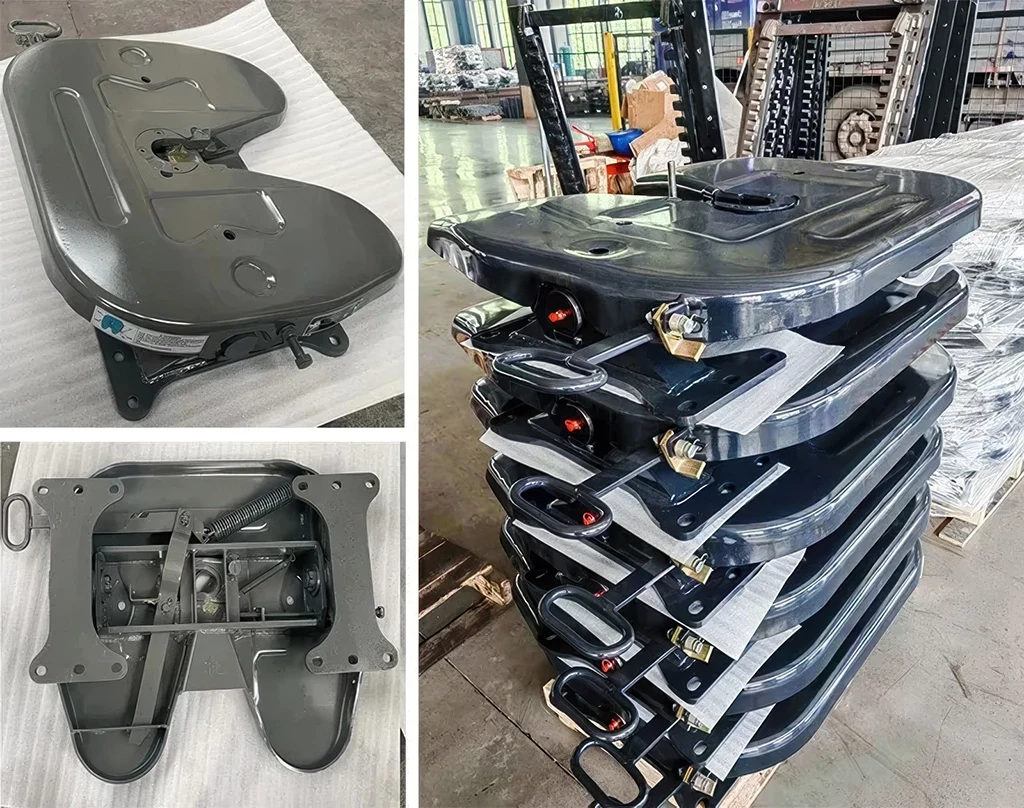
  • Fifth Wheel Coupling for Tractor Trucks and Semi-Trailers

    Fifth Wheel Coupling for Tractor Trucks and Semi-Trailers

    kales fifth-wheel(5th wheel)coupling Heavy-Duty Vehicles Towing Hitch for sale
    Kales fifth wheel coupling family for tractor truck and semi-trailer connection service, covering standard 50 class and heavier-duty 90 class configurations.

    Trailer Parts Buying Guide · Published: December 8, 2024 · Updated: June 3, 2026 · By Kales Vehicle Coupling Engineering Team · Reviewed by Kales Export Parts Sales Engineering · Market focus: Africa, Latin America, Middle East tractor-trailer fleets, trailer rebuild workshops, and parts distributors

    Fifth wheel coupling family: this Kales page covers tractor-side fifth wheel couplings for semi-trailer connection service, centered on 50 mm and 90 mm classes with fixed, lift, and slide configurations. It is built for buyers who need the correct coupling platform for the tractor rather than the trailer-side king pin alone.

    Engineering guidance from the Kales Vehicle parts team for buyers comparing fifth wheel couplings, king pins, and other tractor-trailer connection hardware across fleet replacement and rebuild programs.

    Quick answer: choose the 50 mm fifth wheel coupling for lighter and more standard tractor-semi-trailer duty, and move to the 90 mm class when your fleet needs higher traction mass, heavier vertical load support, or broader heavy-haul transport use. If the job is to secure the tractor-side coupling assembly rather than just replace the king pin, this Kales product family is the correct page to start from.

    Technical Snapshot

    Product type Fifth wheel coupling family for tractor trucks and semi-trailers
    Connection classes 50 mm (2 inch) and 90 mm (3.5 inch)
    Main configurations Fixed, lift, and slide models
    Reference standard GB/T 31879-2015
    Typical traction mass range 50T to 120T depending on selected model
    Rated vertical load range Up to 35T on the heavier-duty 90 class models
    Seat panel thickness 8 mm to 10 mm depending on model
    Custom quotation Contact KALES for a tailored quotation based on the required configuration, order quantity, and destination.

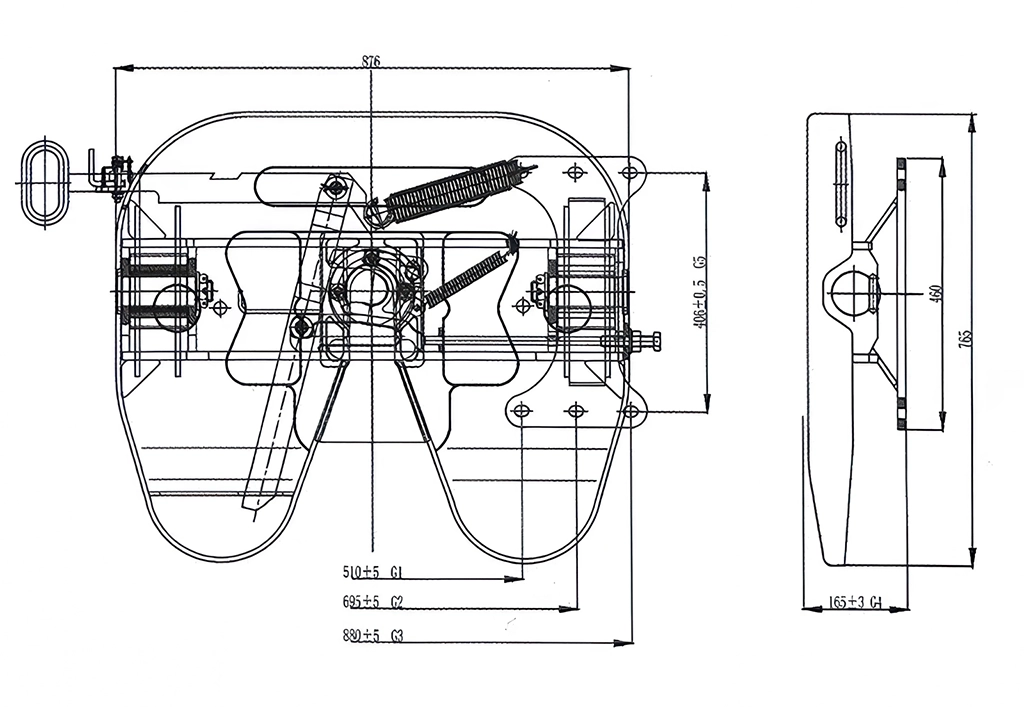
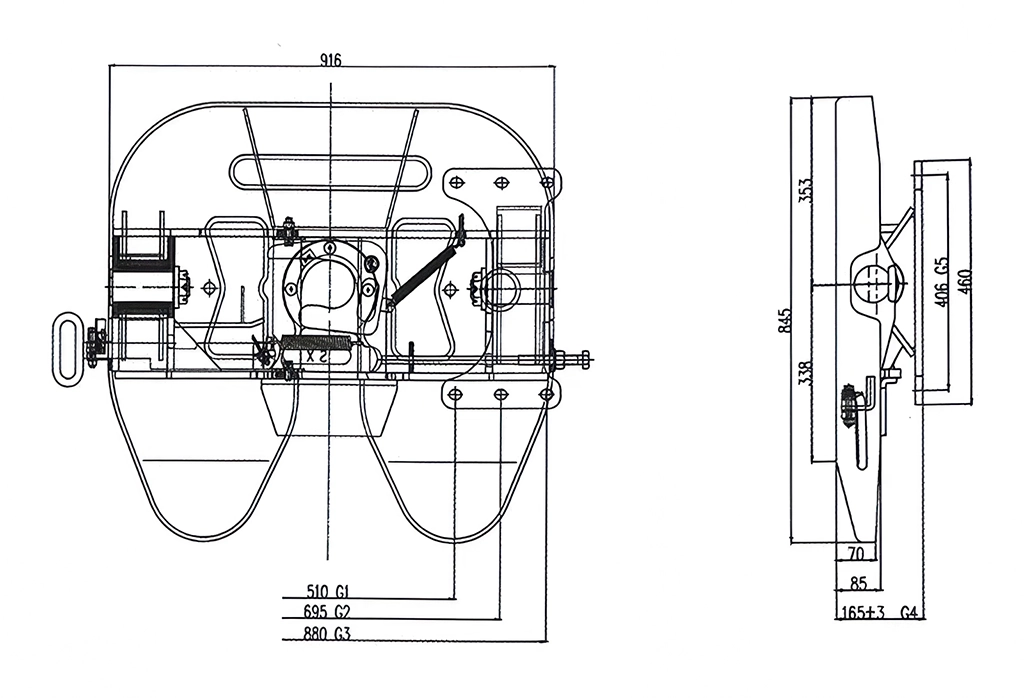
    Representative model table

    Model Coupling class Height Maximum traction mass Rated vertical load Weight
    KASD50S-C32 50 class 165 mm 50T Standard-duty application 117 kg
    KASD90S-B21 90 class 165 mm 70T 30T 130 kg
    KASD90S-A61 90 class 200 mm 120T 35T 185 kg

    Best Fit Operating Profile

    This fifth wheel coupling family is best suited to tractor truck builders, fleet workshops, parts distributors, and rebuild programs that need the full tractor-side coupling assembly matched to the trailer weight class. It fits fleets running standard line-haul tractors, heavier project-transport tractors, and export rebuild programs where coupling reliability matters more than simply sourcing the lowest-cost hardware.

    Best for

    • Tractor units that need a complete fifth wheel coupling replacement
    • Standard route fleets using a 50 class coupling
    • Heavier-duty transport fleets moving up to a 90 class coupling
    • Fleet rebuild programs that must match tractor coupling to trailer load class

    Not ideal for

    • Buyers who only need the trailer-side king pin and not the tractor-side coupling assembly
    • Trailer parking-support applications that actually require landing gear
    • Programs where the tractor chassis or top plate geometry has not yet been confirmed

    Why Buyers Choose This Fifth Wheel Coupling Family

    • Clear tractor-side positioning: this page is for the fifth wheel coupling assembly, not the trailer-side king pin alone.
    • Two load classes: 50 class for lighter standard duty and 90 class for heavier traction mass and vertical load demand.
    • Multiple operating forms: fixed, lift, and slide configurations support different tractor and route requirements.
    • Defensible engineering basis: representative models are tied to declared traction mass, height, seat plate thickness, and vertical load values.
    • Standard-based production: built around GB/T 31879-2015 for road-vehicle fifth wheel technical requirements.

    Specification-backed advantages

    • Seat panel thickness: 8 mm to 10 mm depending on model. This provides a concrete durability and load-control basis for the stated duty cycle.
    • Typical traction mass range: 50T to 120T depending on selected model. This defines the working band to validate against the cargo, route, and local legal limits.
    • Main configurations: Fixed, lift, and slide models. This gives builders and fleet workshops an exact fitment reference before ordering.


    How This Fifth Wheel Coupling Family Should Be Evaluated

    The right way to evaluate a fifth wheel coupling is to check the tractor role first: expected traction mass, vertical load demand, trailer class, chassis installation height, and whether the fleet needs a fixed, lift, or slide structure. That is different from evaluating a king pin, which is only one trailer-side component inside the full coupling system.

    Buyer situation Best-fit Kales option Why
    Standard-duty tractor unit on regular highway work 50 class coupling Good fit where towing mass is moderate and the fleet does not need the heavier 90 class assembly
    Heavier-duty tractor supporting broader transport scenarios 90 class coupling Better for higher traction mass, stronger support load, and harder working conditions
    Buyer only replacing the trailer connection pin King pin product page The king pin is the trailer-side part; it is not the full tractor coupling assembly
    Buyer solving trailer support while uncoupled Trailer landing gear product page Landing gear handles parked trailer support, not tractor-trailer locking

    Engineering and Serviceability Details

    What the fifth wheel actually does in service

    The fifth wheel coupling is the tractor-side interface that locks onto the trailer king pin, carries vertical load, and allows turning articulation between tractor and semi-trailer. In daily fleet use, it must absorb start-up force, braking force, road shock, and repeated coupling cycles without unstable wear or poor locking behavior.

    Why 50 class and 90 class should not be treated as the same thing

    The 50 class is more appropriate for lighter and more standard transport service. The 90 class exists for heavier work where traction mass and support load are materially higher. That distinction matters because coupling size is not cosmetic. It affects safety margin, service life, and suitability for the tractor-trailer combination actually running in the field.

    Representative model logic

    The KASD50S-C32 is the lighter representative model at 165 mm height and 50T maximum traction mass. The KASD90S-B21 moves to 70T maximum traction mass with 30T rated vertical load. The KASD90S-A61 goes further with 200 mm height, 120T maximum traction mass, 35T rated vertical load, and a thicker 10 mm seat panel. Buyers should match the model to the tractor program instead of assuming one coupling fits every chassis.

    How is the final quotation confirmed?

    KALES confirms the quotation after reviewing the required specification, quantity, destination, and delivery terms. Send the operating requirements for an accurate proposal.

    Quotation and Procurement Guidance

    Before asking for a quote, buyers should send the target tractor model, expected towing mass, required coupling class, mounting height, and whether the job needs fixed, lift, or slide structure. Kales can then match the right fifth wheel coupling and avoid the common mistake of pricing a standard assembly against a heavy-duty tractor application.

    Inspection Views

    kales fifth-wheel(5th wheel)coupling Heavy-Duty Vehicles Towing Hitch for sale
    Product view showing the fifth wheel coupling assembly layout used for tractor-side connection service.
    kales fifth-wheel(5th wheel)coupling Heavy-Duty Vehicles Towing Hitch for sale
    Inspection angle useful for reviewing the top plate form and locking area.
    kales fifth-wheel(5th wheel)coupling Heavy-Duty Vehicles Towing Hitch for sale
    Side view supporting checks on seat height and assembly structure.
    kales fifth-wheel(5th wheel)coupling Heavy-Duty Vehicles Towing Hitch for sale
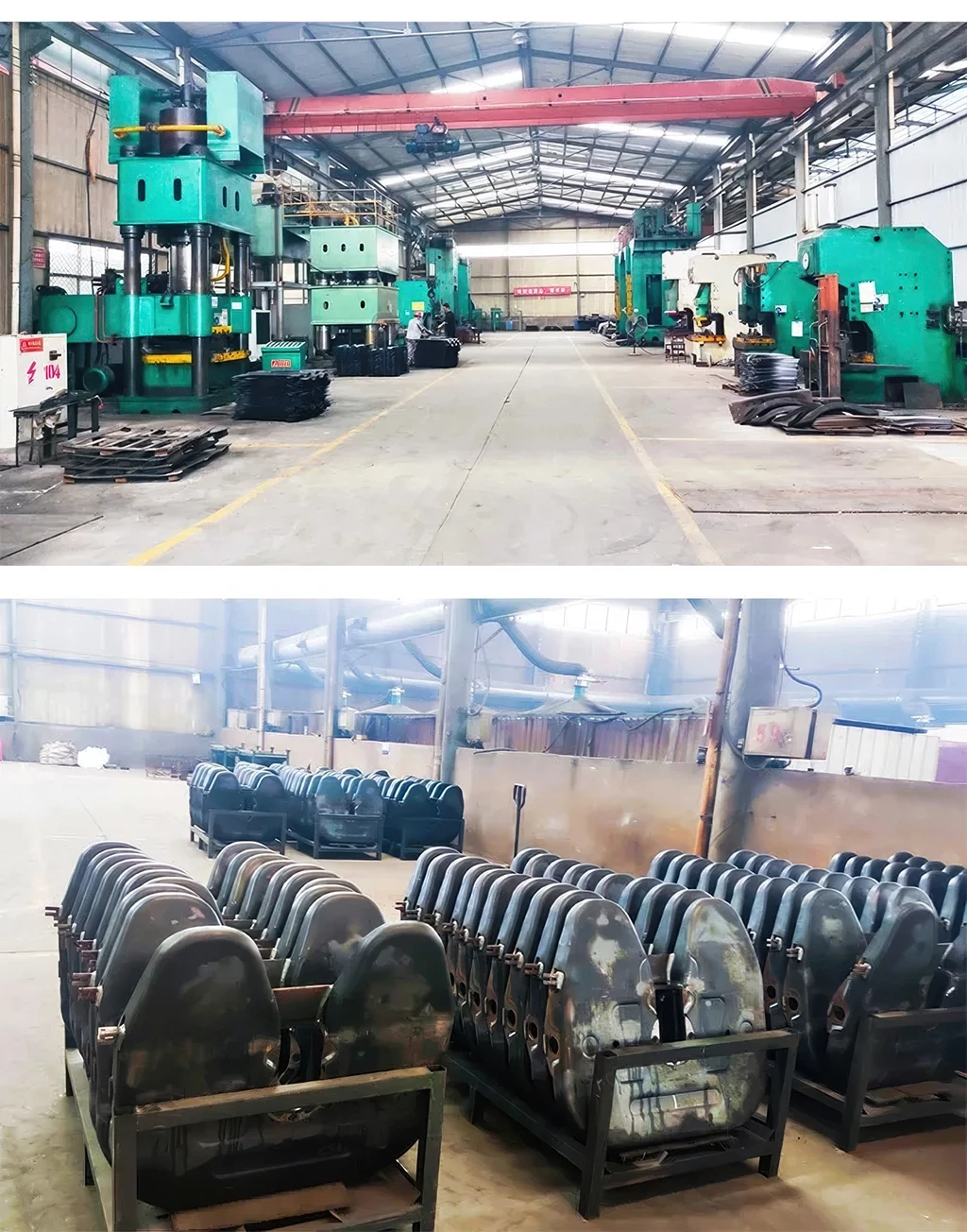
    Factory view helpful for checking plate shape, support geometry, and finish quality.
    kales fifth-wheel(5th wheel)coupling Heavy-Duty Vehicles Towing Hitch for sale
    Additional inspection angle for buyers comparing coupling family variants.
    kales fifth-wheel(5th wheel)coupling Heavy-Duty Vehicles Towing Hitch for sale
    Close view supporting review of the coupling plate and body proportions.
    kales fifth-wheel(5th wheel)coupling Heavy-Duty Vehicles Towing Hitch for sale
    Inspection image for export buyers checking the assembly presentation before order confirmation.
    kales fifth-wheel(5th wheel)coupling Heavy-Duty Vehicles Towing Hitch for sale
    Final angle showing another heavy-duty fifth wheel coupling view from the same product family.

    Frequently Asked Questions

    What is the difference between this page and the king pin page?

    This page covers the tractor-side fifth wheel coupling assembly. The king pin page covers the trailer-side connection pin only. They work together, but they are not the same part.

    When should I choose a 50 class fifth wheel coupling?

    Choose the 50 class when the tractor works in lighter or more standard transport service and does not need the heavier traction mass capacity of a 90 class assembly.

    When is a 90 class coupling the better fit?

    Move to the 90 class when your tractor program needs higher traction mass, stronger support load, or broader heavy-duty transport use.

    Does Kales supply fixed, lift, and slide versions?

    Yes. This product family includes fixed, lift, and slide structures depending on the tractor requirement and operating scenario.

    What information should I send before requesting a quote?

    Send the tractor model, required coupling class, expected towing mass, mounting height, and whether you need a fixed, lift, or slide configuration.

    Request Fifth Wheel Coupling Matching and Quote

    If you need a fifth wheel coupling for a tractor truck and semi-trailer, send your tractor model, target towing mass, coupling class, and installation requirement. Kales can then match the correct 50 class or 90 class configuration for your fleet.

    WhatsApp Us Email Inquiry

    Related Kales Parts