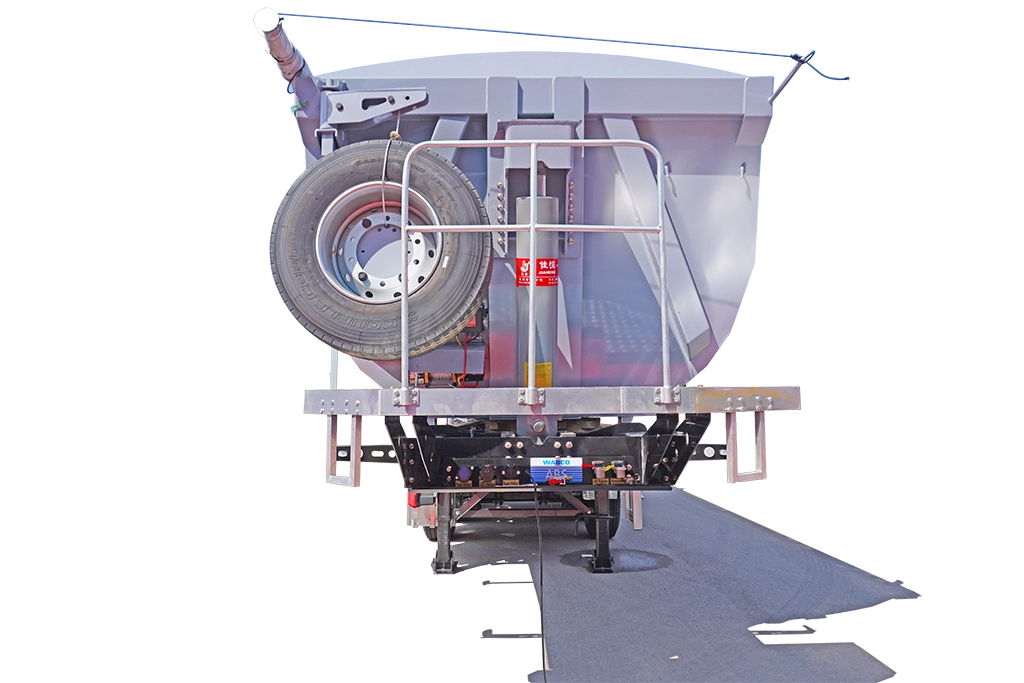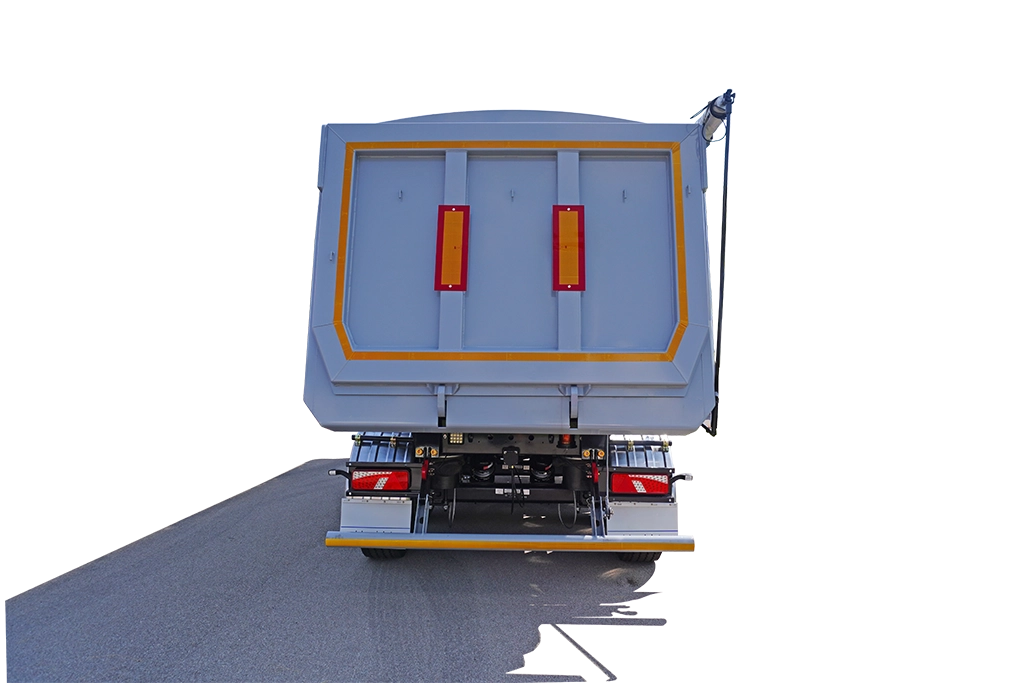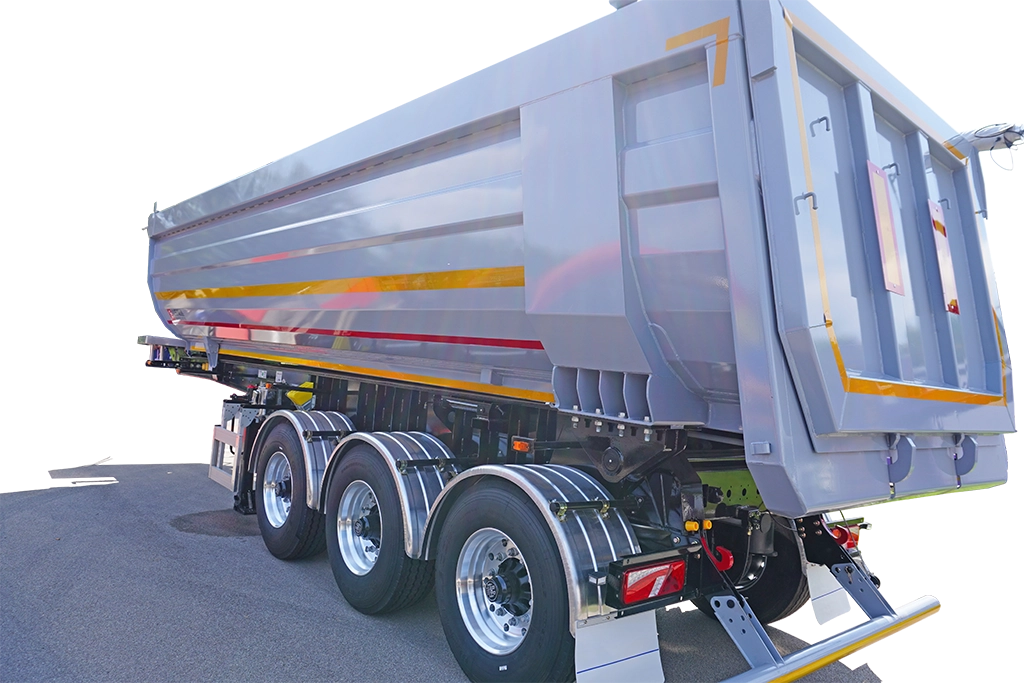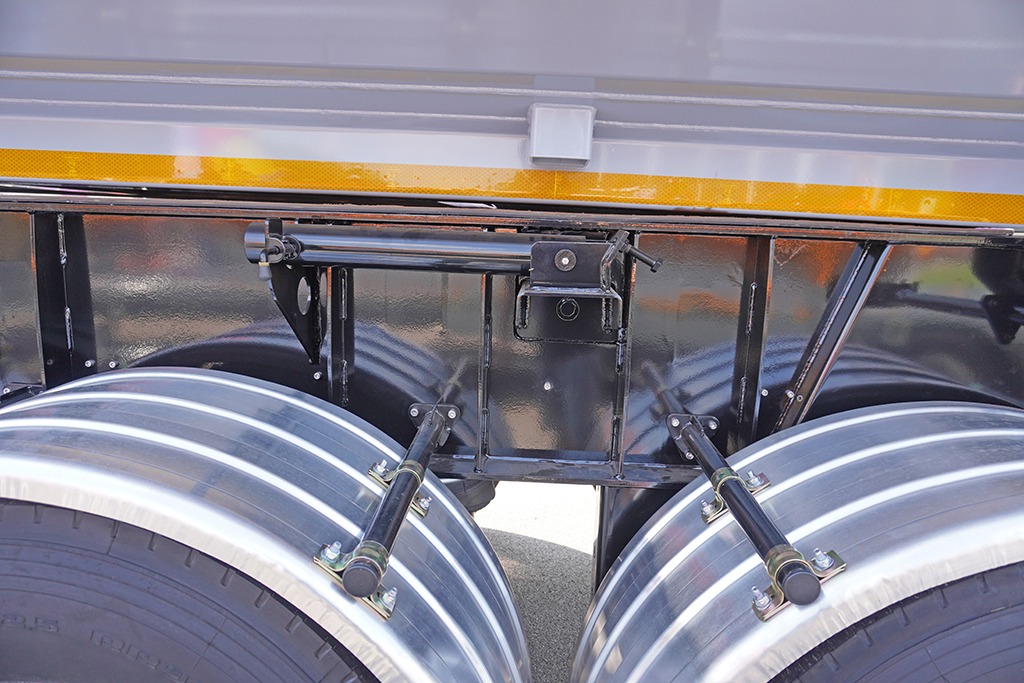
Product Category: Trailers

Reliable Transport Solutions Direct from the Factory At Kales Vehicle, we engineer semi trailers built to withstand the toughest road conditions in Africa, Latin America, and Central Asia. As a leading semi trailer manufacturer in China, we combine advanced welding technology with high-strength steel to deliver fleets that last longer and perform better.

Our Diverse Product Range Whether you are transporting ISO containers, bulk cargo, or heavy machinery, our comprehensive catalog covers every logistical need:

  • Container & Bulk Transport: Optimized solutions including Flatbed, Skeleton, and Fence semi trailers for versatile cargo handling.

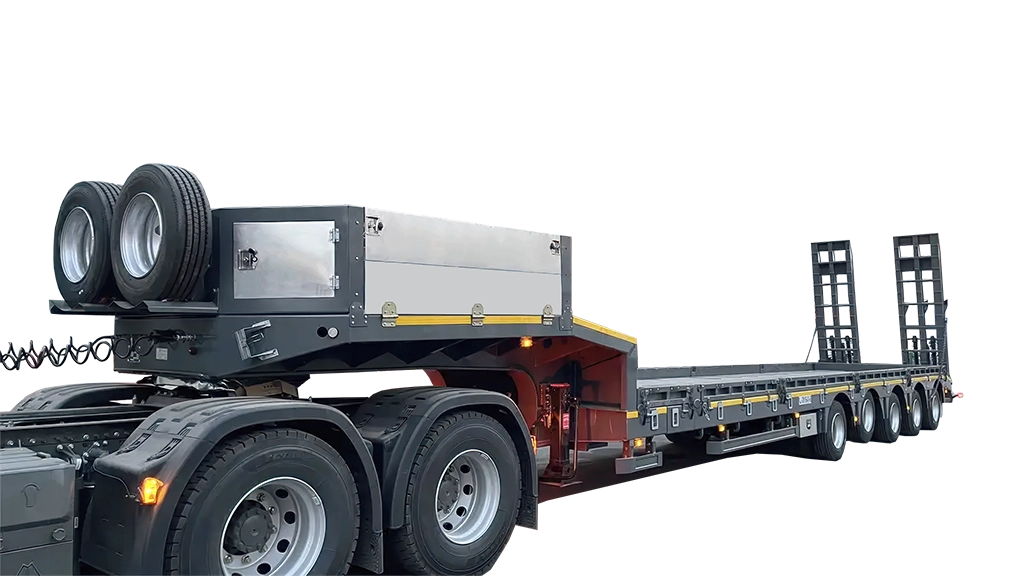
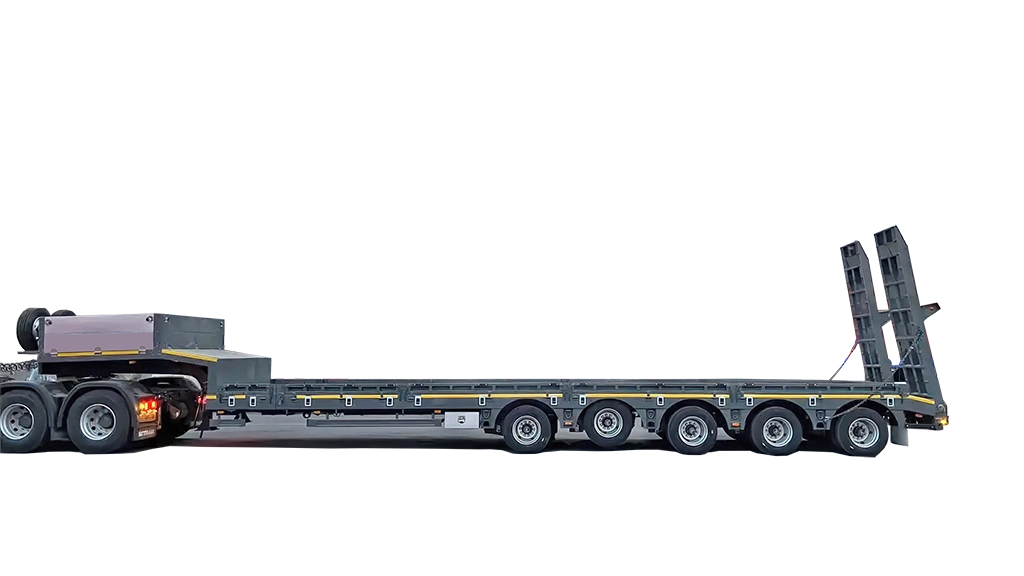
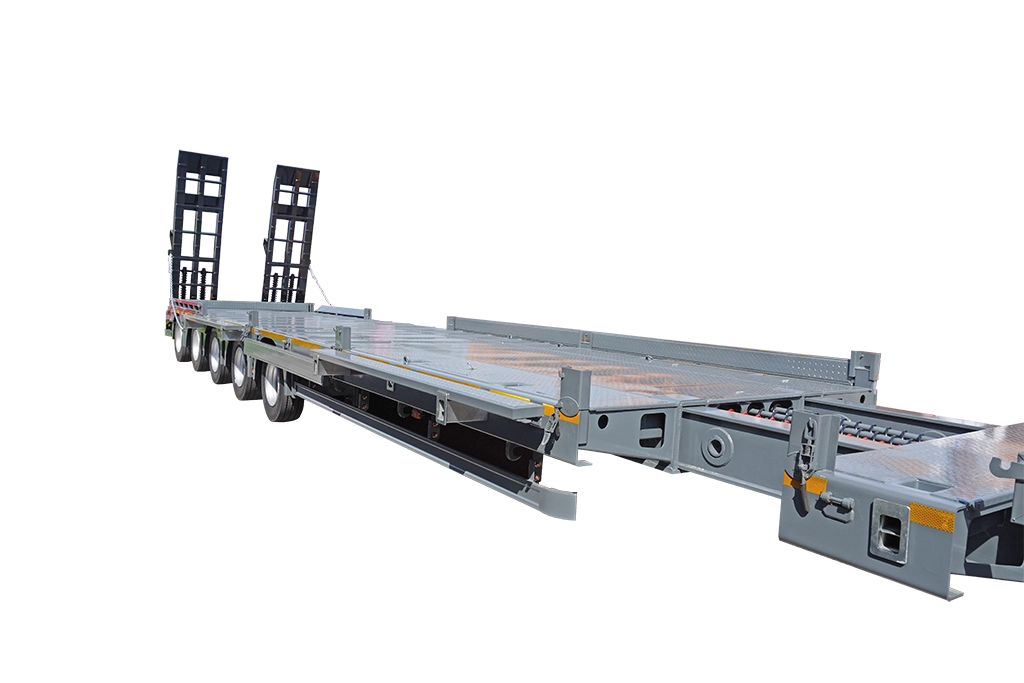
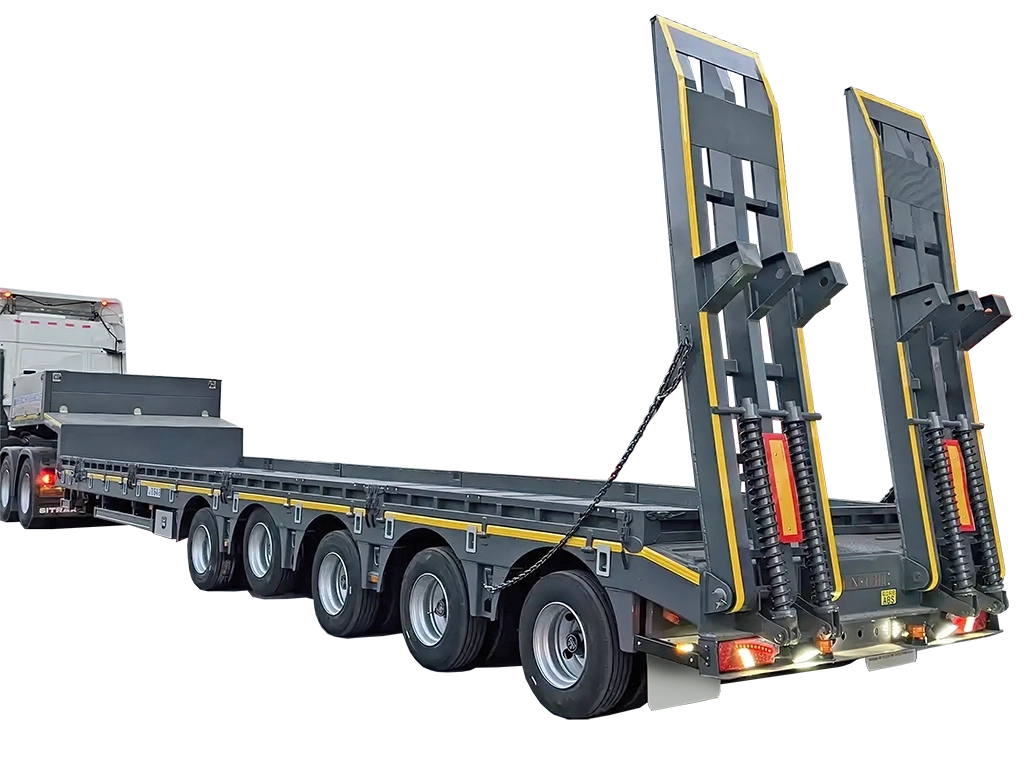
  • Heavy Haulage: Robust Lowbed trailers designed for construction machinery and oversized loads.

  • Tankers: Specialized Fuel and Cement Tankers ensuring safety and efficiency.

Why Choose Kales Vehicle? We offer factory-direct pricing without compromising on quality. All Kales trailers are compatible with major truck heads (Sinotruk, Shacman) and meet strict ISO standards. Browse our categories below to find the perfect specification for your business.

  • 40 CBM Bulk Cement Tanker Trailer | Dry Powder Silo
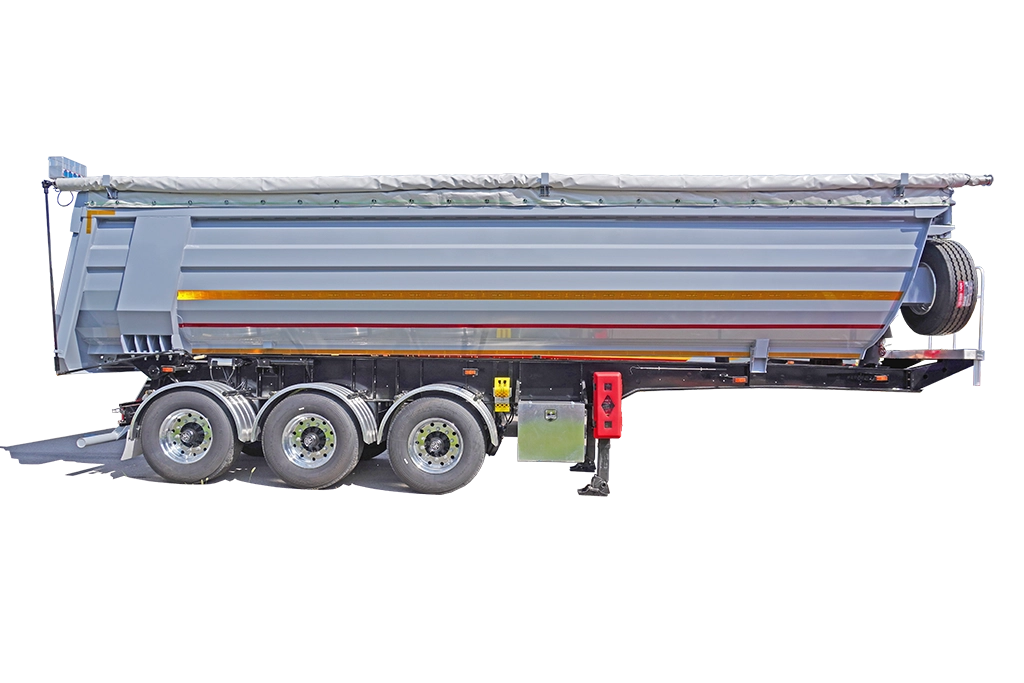
    40 CBM Bulk Cement Tanker Trailer | Dry Powder Silo
    40 Cbm Bulk Cement Tanker Dry Powder Tank Semi Trailer Silo Truck for sale
    Kales 40 CBM bulk cement tanker trailer configured for cement, fly ash, lime powder, and other dry powder fleets that need pneumatic unloading and export-ready operating value.
    Bulk Powder Tanker Procurement Guide · Published: January 16, 2025 · Updated: June 3, 2026 · By Kales Vehicle Tanker Engineering Team · Reviewed by Kales Export Sales Engineering · Market focus: Africa cement distribution, dry powder logistics, plant-to-silo delivery, and regional construction supply chains

    Kales 40 CBM bulk cement tanker trailer: this page is built for buyers who need a single-compartment dry powder tanker for cement, fly ash, lime powder, and similar bulk materials, with pneumatic discharge and a practical export specification. It is positioned as a mainstream cement bulker for plant-to-site distribution rather than a large multi-compartment powder tanker or a liquid fuel tank trailer.

    Engineering guidance from the Kales Vehicle tanker team for buyers comparing 40 CBM cement tankers, larger powder tankers, and other tanker-body export options.

    Quick answer: choose this 40 CBM bulk cement tanker trailer when your fleet needs a standard 3 axle pneumatic dry powder tanker for cement, fly ash, lime powder, or similar silo-delivery work, and you want a more practical mainstream configuration than a larger multi-compartment powder tanker. The represented stock type uses a 40 CBM single-compartment tank, Q235 steel tank body, Bohai 12 cbm/min air compressor, Weichai 4102 diesel engine, 3 x 13T axles, mechanical leaf spring suspension, ABS. Contact KALES for a tailored quotation based on the required configuration, order quantity, and destination.
    Technical Snapshot

    Product type 3 axle bulk cement tanker semi trailer
    Tank volume 40 CBM
    Tank layout Single compartment dry powder tanker
    Dimensions 12000 × 2500 × 4100 mm
    Curb weight 10,500 kg
    Loading weight 50 ton
    Axles 3 x 13T FUWA or Kales
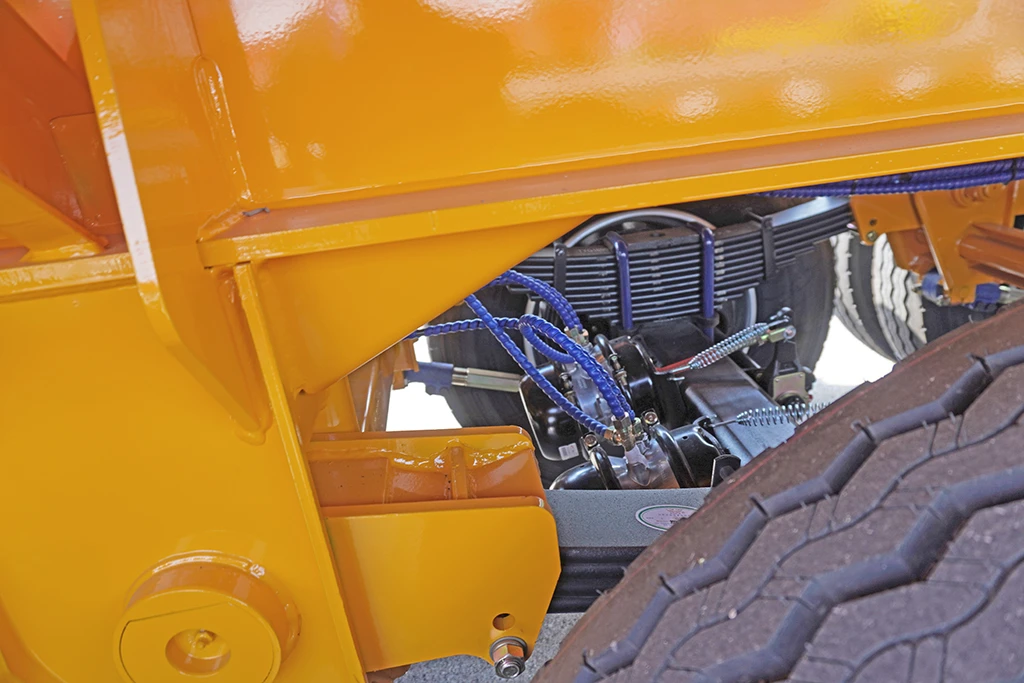
    Suspension Under-mount tri-axle equalizer leaf spring suspension
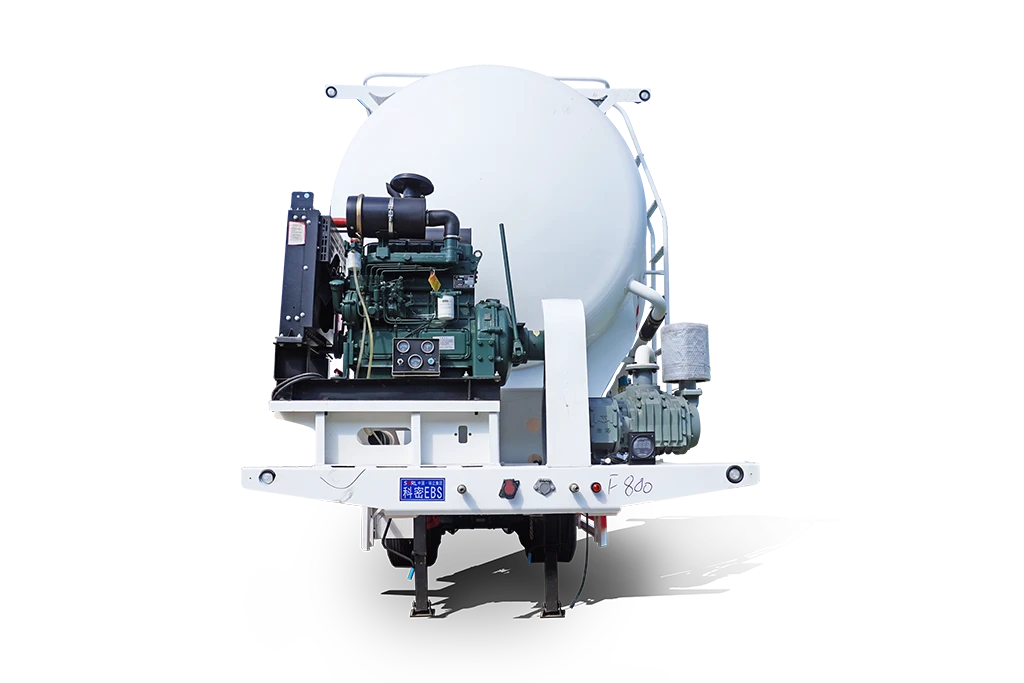
    Air compressor 0.2 MPa, 12 cbm/min, Bohai brand
    Custom quotation Contact KALES for a tailored quotation based on the required configuration, order quantity, and destination.

    Tank and discharge details

    Specification item Kales data
    Tank material Q235 steel, 5 mm shell, 6 mm front and rear plates
    Discharge rate Up to 1.4 ton per minute
    Residual ash rate As low as 0.2%
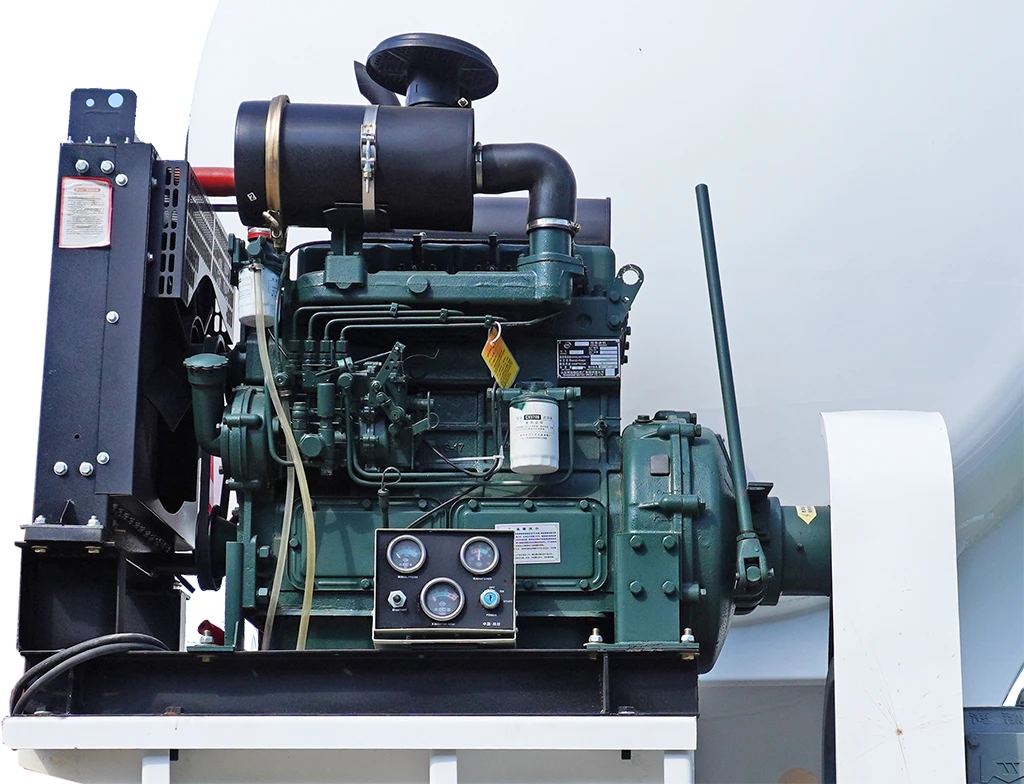
    Engine Weichai 4102 diesel engine
    Manhole cover 500 mm
    Discharge pipe 4 inch seamless steel tube with 4 inch, 6 m rubber hose
    Air charging system 2 inch mainhole, 2 inch check valve, 1.5 inch safety valve, 0.4 MPa gauge
    Braking and controls ABS HNABS4S/4M, dual-line air brake system, 24V six-line wiring

    Best Fit Operating Profile

    This 40 CBM dry powder tanker is best for cement plants, storage silos, ready-mix support networks, and construction supply fleets that need pneumatic unloading of dry powder products. It is intended for buyers who need mainstream cement bulker volume and practical discharge equipment, not a larger multi-compartment powder trailer or any kind of liquid fuel tanker.

    Best for

    • Cement, fly ash, lime powder, flour, and similar dry granular or powdered material
    • Plant-to-silo, silo-to-site, and regional construction distribution work
    • Operators who need pneumatic unloading and lower bagging labor
    • Buyers who want a standard cement bulker rather than a larger specialty powder tanker

    Not ideal for

    • Liquid cargo such as diesel, petrol, chemicals, or edible oil
    • Buyers who need multi-compartment powder segregation across larger route programs
    • Operations without the receiving silo and pneumatic unloading conditions needed for this trailer type

    Why Buyers Choose This 40 CBM Cement Tanker

    • Mainstream cement bulker sizing: 40 CBM is a practical standard for many export cement and fly ash routes.
    • Pneumatic discharge logic: onboard compressor, Weichai engine, and fluidized unloading support faster dry powder delivery.
    • Credible tank construction: Q235 tank body with 5 mm shell and 6 mm end plates supports routine dry bulk work.
    • Simple 3 axle service base: 13T axles, leaf spring suspension, and conventional pneumatic hardware remain workshop-familiar.
    • Clear export value point: positioned below larger specialty powder tankers while keeping a complete discharge system.

    Specification-backed advantages

    • Tank volume: 40 CBM. This provides a concrete durability and load-control basis for the stated duty cycle.
    • Discharge rate: Up to 1.4 ton per minute. This defines the working band to validate against the cargo, route, and local legal limits.
    • Loading weight: 50 ton. This directly supports the loading, unloading, or handling workflow described for this product.


    How This 40 CBM Bulk Cement Tanker Fits the Tanker Lineup

    This page should be understood as a standard dry powder cement tanker, not a general tanker for every product. The key decision is whether the job requires a mainstream single-compartment cement bulker, a larger multi-compartment powder tanker, or an entirely different liquid tanker platform. Once that distinction is made, specification and procurement become much easier.

    Buyer comparison point Best-fit direction Why
    Standard cement and fly ash dry powder transport 40 CBM bulk cement tanker Best fit for mainstream pneumatic dry powder distribution with a single compartment
    Larger multi-compartment powder transport 58m³ 4-compartment powder tanker trailer Better when the route program needs more volume or multiple powder compartments
    Liquid fuel transport 45,000L or 54 CBM fuel tanker trailer Those products are designed for liquid fuel and should not be confused with a dry powder bulker

    Engineering and Serviceability Details

    Why pneumatic unloading changes the operating model

    A cement bulker is not just a tank on wheels. The air compressor, diesel drive source, valves, piping, and pressure behavior are part of the core product value. Buyers who do not have a receiving silo process or do not need pneumatic unloading should not buy this trailer type just because the tank body looks attractive.

    Why discharge rate and residual rate belong in procurement review

    Dry powder fleets care about unload speed and material left in the tank after discharge because both affect turnaround and product loss. That is why the published discharge rate of up to 1.4 ton per minute and residual ash rate as low as 0.2% matter more here than they would on a standard general-cargo trailer page.

    Why tank material and compressor details matter

    The tank shell thickness, end-plate thickness, compressor output, and engine choice directly affect durability and discharge reliability. Q235 tank construction, the Bohai compressor, and the Weichai 4102 engine define the working logic of this represented stock type.

    How is the final quotation confirmed?

    KALES confirms the quotation after reviewing the required specification, quantity, destination, and delivery terms. Send the operating requirements for an accurate proposal.

    Quotation and Procurement Guidance

    Before ordering, buyers should confirm receiving silo readiness, required discharge rate, powder type, route condition, emissions or engine preferences for the compressor system, and whether the fleet actually needs a single-compartment 40 CBM cement bulker or a larger multi-compartment powder tanker.

    Inspection Views

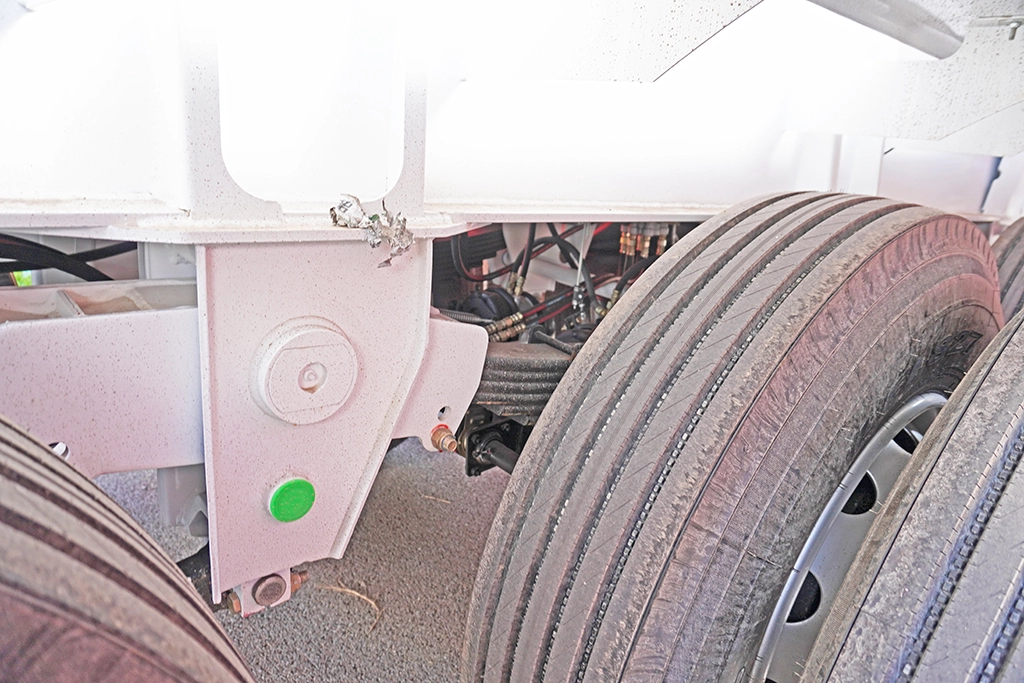
    40 Cbm Bulk Cement Tanker Dry Powder Tank Semi Trailer Silo Truck for sale
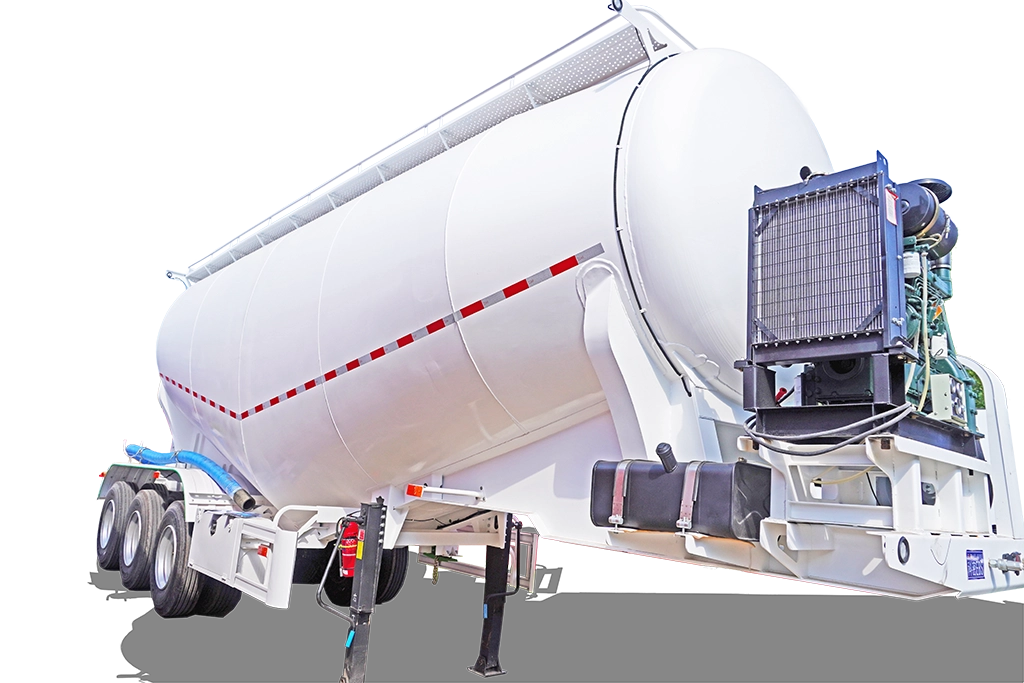
    Side inspection view of the represented 40 CBM dry powder tanker stock.
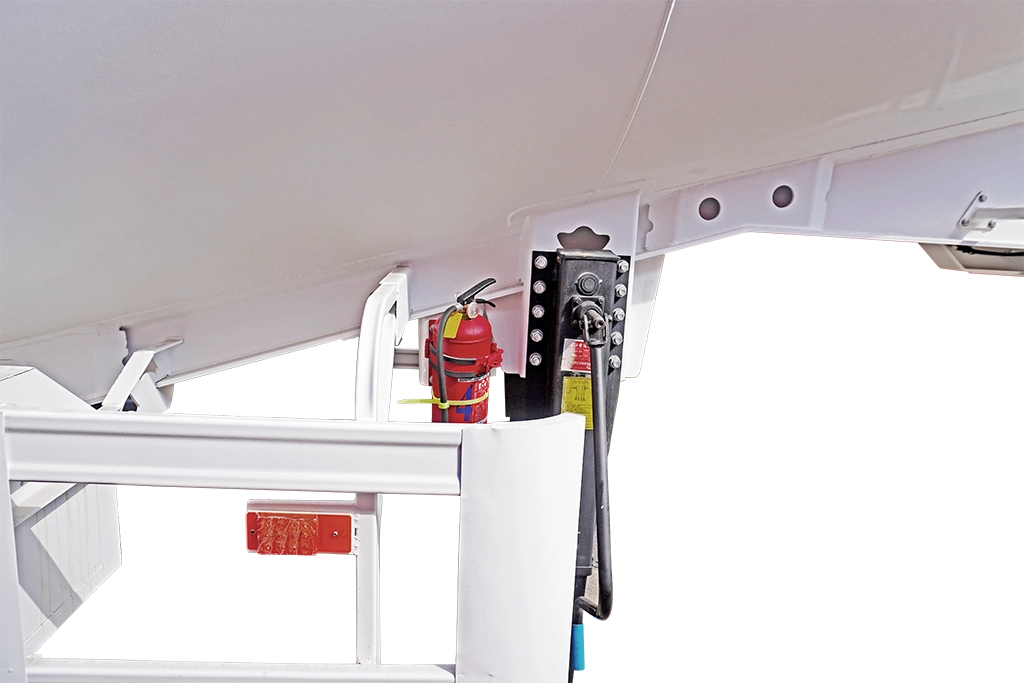
    40 Cbm Bulk Cement Tanker Dry Powder Tank Semi Trailer Silo Truck for sale
    Angle useful for reviewing tank body length, support layout, and axle spacing.
    40 Cbm Bulk Cement Tanker Dry Powder Tank Semi Trailer Silo Truck for sale
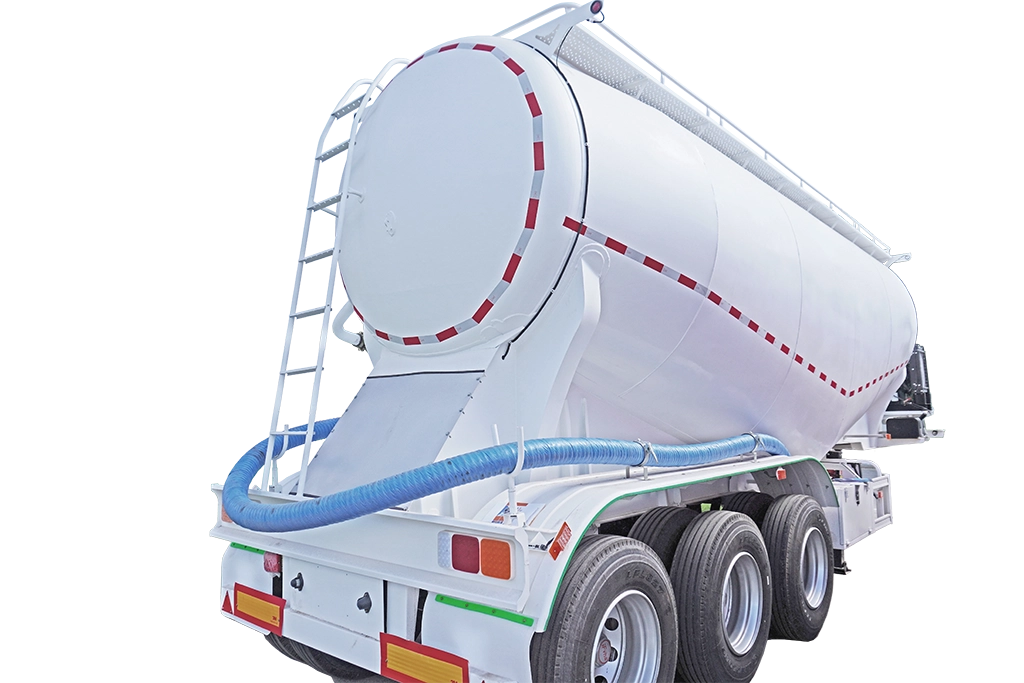
    Exterior image supporting buyer review of the single-compartment silo body.
    40 Cbm Bulk Cement Tanker Dry Powder Tank Semi Trailer Silo Truck for sale
    Additional view for checking the tanker stance and structural presentation.
    40 Cbm Bulk Cement Tanker Dry Powder Tank Semi Trailer Silo Truck for sale
    Inspection angle useful for export buyers evaluating powder tanker stock condition.

    Frequently Asked Questions

    Can this tanker carry fuel or liquid chemicals?

    No. This page is for a dry powder cement tanker with pneumatic unloading. It should not be used as a liquid fuel or chemical tanker.

    What products can this tanker transport?

    It is suited to cement, fly ash, lime powder, flour, and similar dry powder or dry granular materials that are unloaded pneumatically.

    What discharge equipment is included on this stock type?

    The represented stock type includes a Bohai air compressor, Weichai 4102 diesel engine, air charging valves, pressure gauge, and discharge pipe system for pneumatic unloading.

    Who should choose this 40 CBM tanker instead of the 58m³ powder tanker?

    Buyers who need a mainstream single-compartment cement bulker for regular plant-to-silo work should start here. Fleets needing larger volume or multiple powder compartments should compare the 58m³ powder tanker.

    What should I confirm before requesting a quote?

    Confirm powder type, receiving silo conditions, target discharge rate, route environment, and whether your fleet needs a standard 40 CBM cement bulker or a larger multi-compartment powder tanker.

    Request Drawing and Quote

    If you need a 40 CBM bulk cement tanker trailer, send your powder type, receiving silo setup, route country, and discharge requirement. Kales can then confirm whether this single-compartment dry powder tanker is the right export fit for your operation.

    WhatsApp Us Email Inquiry

    Related Kales Tanker Options

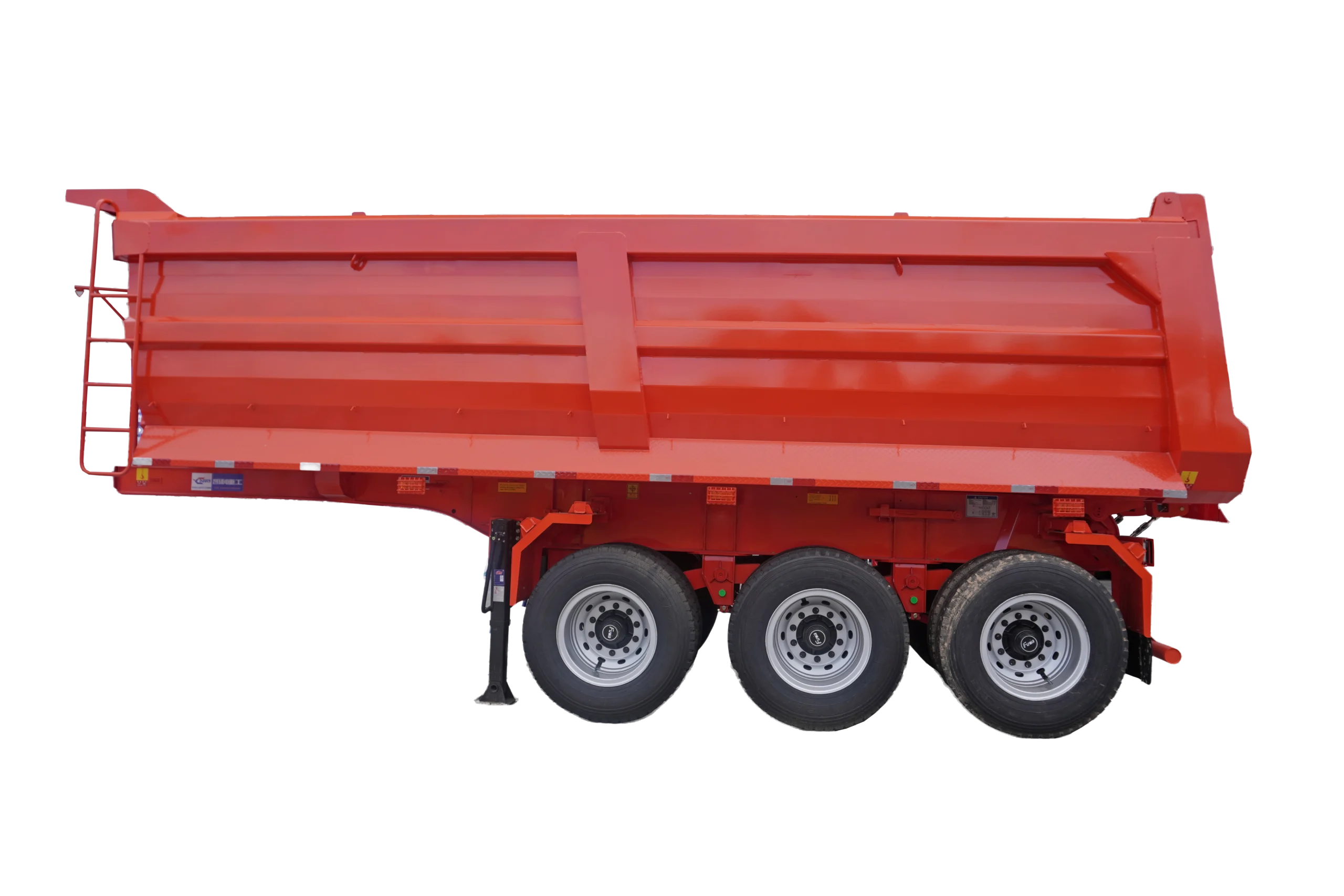
  • 40 Ton Rear Dump Semi Trailer 3 Axle | Kales

    40 Ton Rear Dump Semi Trailer 3 Axle | Kales

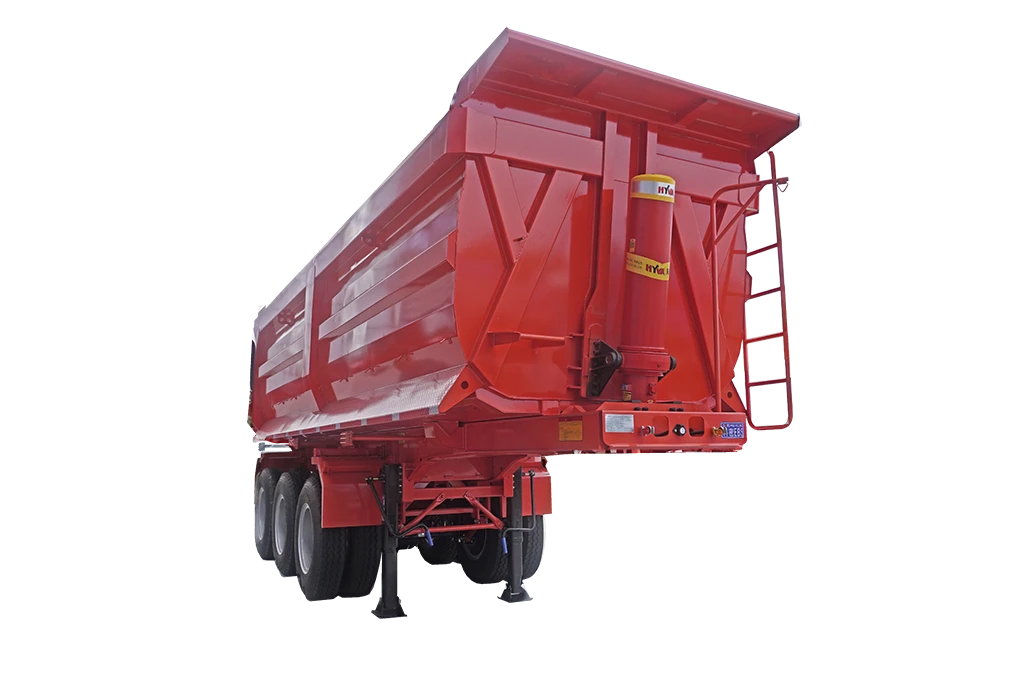
    Kales 40 ton rear dump semi trailer in export-yard condition for aggregate, sand, coal, and quarry haulage.
    Kales 40 ton rear dump semi trailer configured for aggregate, sand, coal, and quarry haul buyers who need a straightforward 3 axle mechanical tipper with export-ready value.

    Tipper Semi-Trailer Procurement Guide · Published: December 24, 2024 · Updated: June 3, 2026 · By Kales Vehicle Trailer Engineering Team · Reviewed by Kales Export Sales Engineering · Market focus: Africa mining support, quarry haulage, construction material transport, and regional bulk logistics

    Kales 40 ton rear dump semi trailer: this page is built for buyers who need a value-led 3 axle tipper trailer for sand, coal, aggregates, quarry stone, and mine-support bulk movement. It sits in the practical middle of the dump trailer market: stronger than light-duty local tipper builds, but not pushed into the cost and payload class of a 60 ton mining-spec rear dump.

    Engineering guidance from the Kales Vehicle trailer team for buyers comparing standard 40 ton rear dump trailers, 35CBM dump trailers, and heavier U-shape mining tippers.

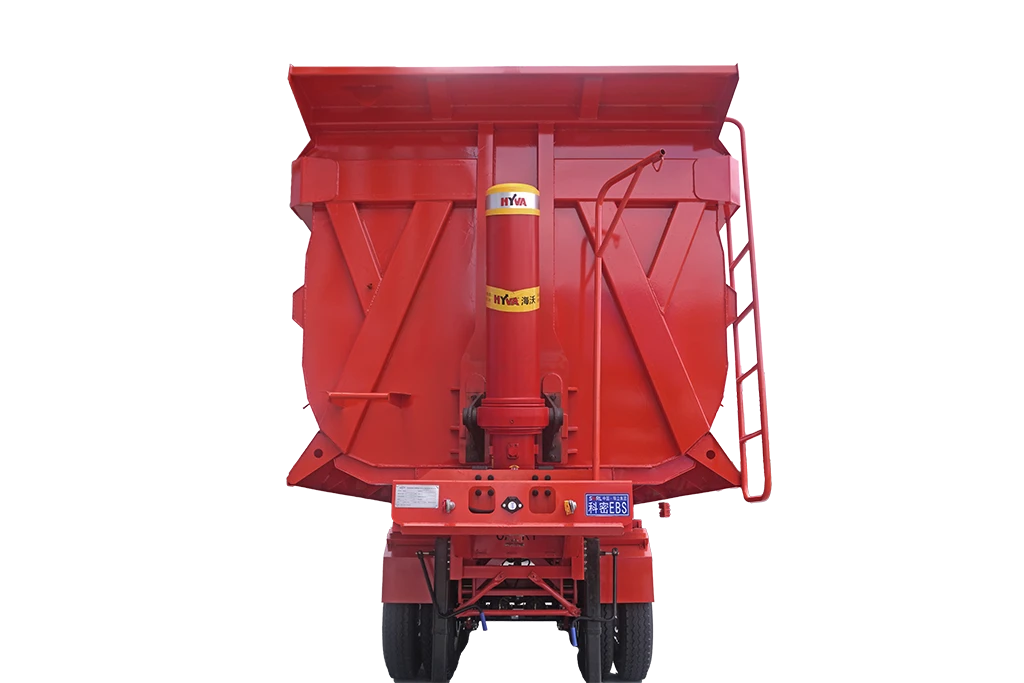
    Quick answer: choose this 40 ton dump trailer when your fleet needs a standard 3 axle rear tipper for bulk sand, coal, aggregate, and quarry haul work, and you want a simpler mechanical suspension platform that remains easier to service than a heavier-duty mining tipper. The represented stock type uses a full HYVA lifting system, 3 x 13T axles, 12R22.5 tires, JOST kingpin and landing gear, a 10 mm floor. Contact KALES for a tailored quotation based on the required configuration, order quantity, and destination.

    Technical Snapshot

    Product type 3 axle rear dump semi trailer
    Payload class 40 ton dump trailer
    Body reference size 8500 × 2550 × 3750 mm
    Maximum gross vehicle weight 51,000 kg
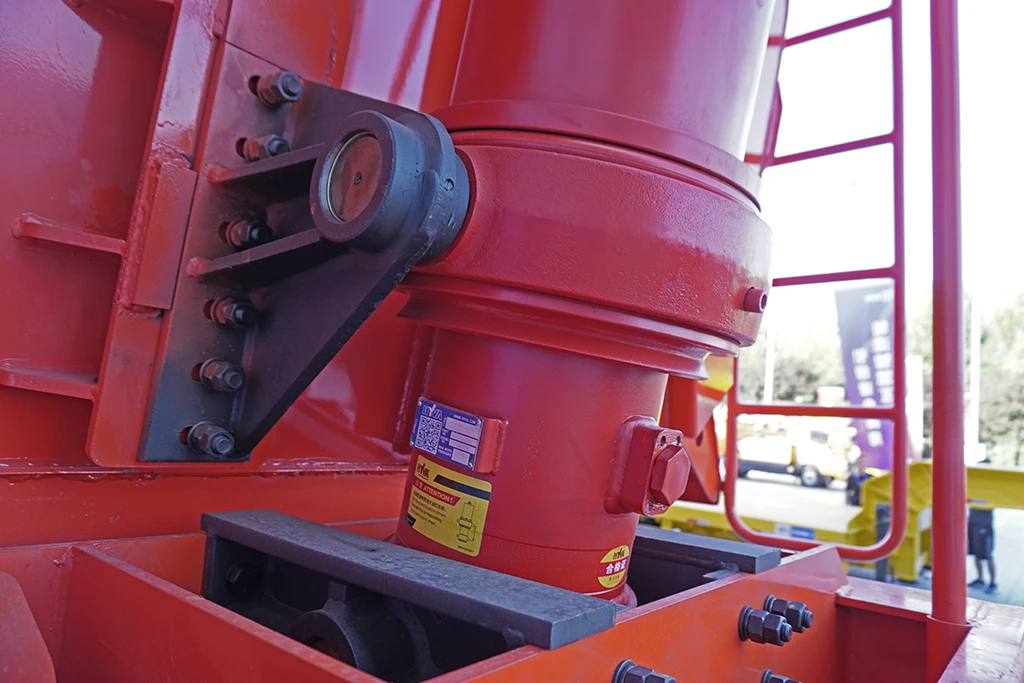
    Lifting system Full HYVA hydraulic cylinder set
    Axles 3 axles, 13T, FUWA or Kales
    Suspension Mechanical suspension
    Tires 12R22.5
    Kingpin JOST 2 inch or 3.5 inch, bolted or welded
    Custom quotation Contact KALES for a tailored quotation based on the required configuration, order quantity, and destination.

    Structural and operating details

    Specification item Kales data
    Hydraulic cylinder diameter 214 mm class
    Floor thickness 10 mm
    Center pin diameter 70 mm
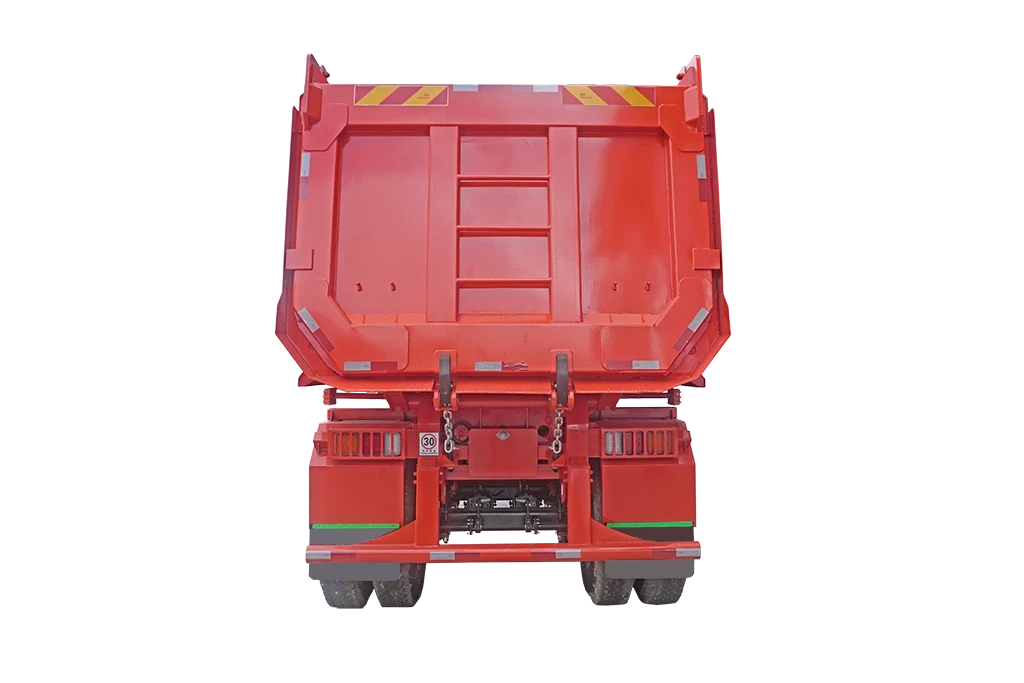
    Rear door support Four flip brackets
    Landing gear JOST or equivalent heavy-duty support gear
    Best cargo class Sand, coal, quarry stone, aggregates, and construction bulk loads

    Best Fit Operating Profile

    This 40 ton tipper semi trailer is best for fleets that need a standard bulk-material rear dump trailer for mixed road conditions, quarry shuttles, mine-support delivery, and construction haulage. It is aimed at buyers who want a mainstream payload class with straightforward parts logic and strong structural basics, rather than an extreme high-payload tipper or a volume-led lighter dump body.

    Best for

    • Sand, coal, aggregate, quarry stone, and general construction bulk material
    • Regional haul routes with mixed pavement and site-road exposure
    • Buyers who want standard 3 axle mechanical tipper serviceability
    • Fleet replacement where cost control matters but floor and suspension strength still matter

    Not ideal for

    • Heavy mining applications that regularly push into the 60 ton tipper class
    • Operations that prioritize body volume over dense bulk payload logic
    • Buyers who need a U-shape body specifically for stickier material discharge behavior

    Why Buyers Choose This 40 Ton Dump Trailer

    • Mainstream bulk-haul fit: 40 ton class remains one of the most practical payload bands for quarry, sand, and coal fleets.
    • HYVA lift logic: full hydraulic lifting support keeps the page aligned with a recognized tipping-system expectation.
    • Mechanical suspension simplicity: easier field service than more complex high-spec tipper setups.
    • Reinforced working structure: 10 mm floor, reinforced suspension points, and 70 mm center pin support durability on site work.
    • Budget-aware purchase point: positioned below heavier mining-spec rear dump trailers while keeping credible structural basics.

    Specification-backed advantages

    • Body reference size: 8500 × 2550 × 3750 mm. This provides a concrete durability and load-control basis for the stated duty cycle.
    • Payload class: 40 ton dump trailer. This defines the working band to validate against the cargo, route, and local legal limits.
    • Lifting system: Full HYVA hydraulic cylinder set. This directly supports the loading, unloading, or handling workflow described for this product.


    How This 40 Ton Rear Dump Trailer Fits the Lineup

    This page should be read as a standard dense-bulk rear dump trailer, not as a generic answer to every dumping application. The right comparison is between a mainstream 40 ton rear tipper, a body-volume-oriented 35CBM dump trailer, and a heavier 60 ton U-shape mining tipper. Once that frame is clear, the buying decision becomes easier.

    Buyer comparison point Best-fit direction Why
    Standard dense bulk rear dump trailer 40 ton rear dump semi trailer Best for mainstream aggregate, sand, coal, and construction haul work
    Volume-oriented dump body 35CBM rear dump trailer Better when the operation evaluates the body more by cubic volume than by heavier payload pressure
    Higher-payload mining tipper 60 ton U-shape rear dump trailer Better when the site routinely needs more payload class and heavier mining-duty structure
    U-shape body discharge angle 3 axle U-shape rear dumper Better when material flow and body geometry matter more than standard straight-box positioning

    Engineering and Serviceability Details

    Why the 40 ton class remains commercially useful

    Many fleets do not actually need the cost, tare weight, and reinforcement burden of a larger mining tipper. The 40 ton class remains commercially strong because it covers a wide band of aggregate and construction work while staying easier to pair with common tractors and regional road conditions.

    Why mechanical suspension still matters on tipper fleets

    For sand, coal, and quarry haulage in export markets, mechanical suspension stays relevant because it is simple, rugged, and workshop-familiar. That matters when the trailer will spend time on site roads, rough loading yards, and maintenance networks where parts access is more important than premium ride logic.

    Why the hydraulic and rear-door details belong in the purchase review

    Dump trailer performance is not only about payload. Buyers should review cylinder class, floor thickness, hinge support, and rear-door security because those details directly affect stability, discharge confidence, and long-term fatigue behavior. The 214 mm cylinder class and four flip-bracket rear-door support are part of that operating logic.

    How is the final quotation confirmed?

    KALES confirms the quotation after reviewing the required specification, quantity, destination, and delivery terms. Send the operating requirements for an accurate proposal.

    Quotation and Procurement Guidance

    Before ordering, buyers should confirm cargo density, route condition, preferred dump-body shape, target tractor specification, and whether the fleet needs a standard 40 ton rear dump or should step up to a heavier 60 ton mining tipper.

    Inspection Views

    Main yard view of the Kales 40 ton rear dump semi trailer.
    Main yard view of the represented 40 ton rear-dump stock type.
    Side inspection view of the Kales 40 ton rear dump semi trailer.
    Side inspection view of the represented 40 ton rear dump trailer stock.
    Box structure and axle-spacing inspection angle on the Kales 40 ton rear dump trailer.
    Angle useful for reviewing box structure and axle spacing before export selection.
    Exterior comparison view of the Kales 40 ton rear dump semi trailer.
    Exterior image supporting comparison with other tipper payload classes.
    Rear-body presentation view of the Kales 40 ton rear dump trailer.
    Additional view for checking rear body presentation and working stance.
    Frame and dump-body balance inspection view of the Kales 40 ton rear dump semi trailer.
    Inspection image helpful for buyers reviewing the trailer frame and dump-body balance.
    Additional stock image of the Kales 40 ton rear dump semi trailer for quarry and construction fleet comparison.
    Additional stock image for quarry and construction fleet comparison.
    Standard rear-dump body layout view of the Kales 40 ton tipper trailer.
    Supplementary view aligned with buyer review of the standard rear-dump body layout.
    Final export-yard inspection view of the Kales 40 ton rear dump semi trailer.
    Final inspection view for evaluating export stock condition and presentation.
    Additional yard view of the Kales 40 ton rear dump semi trailer for export stock review.
    Additional yard view for export stock review.

    Frequently Asked Questions

    Who should buy this 40 ton dump trailer instead of a 60 ton tipper?

    Buyers running mainstream sand, coal, aggregate, and construction-material haulage should start here when they do not need the heavier payload class and added cost of a 60 ton mining-spec tipper.

    What lifting system does this trailer use?

    The represented stock type uses a full HYVA hydraulic lifting cylinder set for rear-dump operation.

    Is this trailer built around air suspension?

    No. This page is positioned around a mechanical suspension layout because that is usually the more practical service choice for export bulk-haul fleets.

    What cargoes fit this trailer best?

    It is best suited to dense bulk materials such as sand, coal, aggregate, quarry stone, and general construction bulk loads.

    What should I confirm before requesting a quote?

    Confirm route condition, cargo density, preferred body shape, target tractor specification, and whether your operation should stay in the 40 ton class or move into a heavier mining tipper.

    Request Drawing and Quote

    If you need a 40 ton rear dump semi trailer, send your target cargo, tractor configuration, road condition, and preferred dump-body type. Kales can then confirm whether this standard 40 ton rear tipper is the right fit for your bulk-haul operation.

    WhatsApp Us Email Inquiry

    Related Kales Tipper Trailer Options


  • 80 Ton 3 Axle Lowbed Trailer for Africa

    80 Ton 3 Axle Lowbed Trailer for Africa

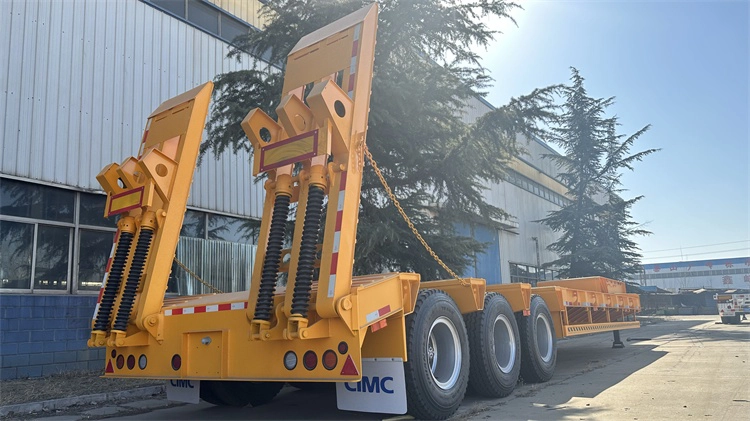
    Rear 45-degree view of Kales 80 ton lowbed trailer featuring exposed tires for an ultra-low 1250mm platform, ideal for safe excavator transport in Africa.
    Kales 3 axle 80 ton class lowbed trailer configured for practical heavy equipment transport.

    Lowbed Trailer Procurement Guide · Published: June 1, 2026 · Updated: June 2, 2026 · By Kales Vehicle Engineering Team · Reviewed by Kales Sales Engineering · Market focus: Africa heavy equipment transport

    80 ton lowbed trailer for Africa: this Kales 3 axle lowbed semi trailer is designed for buyers who need a cost-effective heavy-duty platform for excavators, bulldozers, rollers, wheel loaders, and mining support equipment on mixed road conditions. It is built for practical fleet use: strong beam structure, standard serviceable components, reinforced ramps, and factory-direct pricing without moving into a more specialized global heavy-haul configuration than the route actually requires.

    Engineering guidance from the Kales Vehicle product team for contractors, equipment rental fleets, mining support operators, and regional heavy-haul buyers comparing 3 axle 80 ton lowbed trailer options for African transport conditions.

    Quick answer: If your priority is a durable and affordable 3 axle 80 ton lowbed trailer for Africa, this page is the better fit when you need reliable heavy equipment transport on regional highways, mining access roads, and construction corridors with simpler maintenance and factory-direct procurement. A more specialized global 80 ton platform only becomes relevant when the job requires higher-end export compliance or advanced options such as hydraulic gooseneck and extendable structure.

    Why Buyers Choose This 3 Axle 80 Ton Lowbed Trailer for Africa

    • Buyer intent: a cost-effective 80 ton lowbed trailer for Africa rather than a certification-heavy global special project trailer.
    • Typical cargo: excavators, bulldozers, rollers, compact mining machines, wheel loaders, steel structures, and project equipment.
    • Road fit: paved trunk roads, regional corridors, port-to-site moves, and rough final-mile access roads.
    • Practical strength: HG60 main beam, reinforced gooseneck structure, heavy-duty mechanical suspension, and reinforced loading ramps.
    • Procurement angle: factory-direct sourcing for buyers who care about delivered value, parts interchangeability, and service uptime.

    Specification-backed advantages

    • Main beam: HG60 high-strength steel with 20 mm upper plate, 20 mm lower plate, and 12 mm double web. This provides a concrete durability and load-control basis for the stated duty cycle.
    • Typical payload class: 60 to 80 ton equipment transport depending on route regulation, deck configuration, axle selection, and tractor match. This defines the working band to validate against the cargo, route, and local legal limits.
    • Brake system: WABCO valve with dual air brake system. This gives the buyer a specific braking or safety package to verify for the intended route.


    Technical Snapshot

    Product type 3 axle 80 ton lowbed semi trailer for Africa
    Typical payload class 60 to 80 ton equipment transport depending on route regulation, deck configuration, axle selection, and tractor match
    Overall dimensions 13,000 mm x 3,000 mm x 1,750 mm, customizable to project cargo requirements
    Main beam HG60 high-strength steel with 20 mm upper plate, 20 mm lower plate, and 12 mm double web
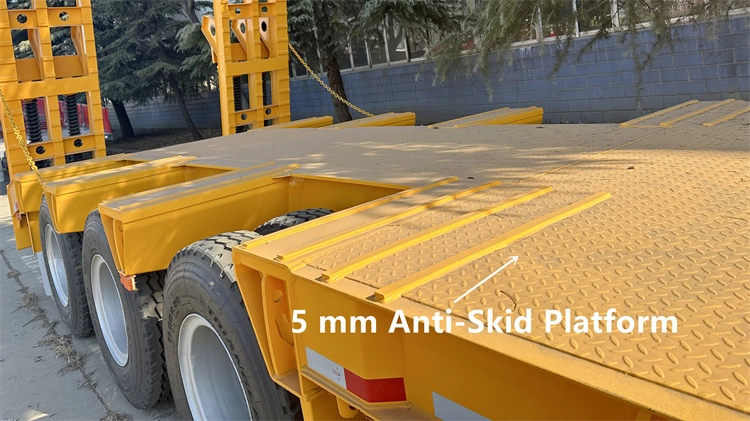
    Deck plate 5 mm checkered anti-slip platform plate
    Axle options 3 axles with 13T, 16T, or 20T configurations; FUWA, BPW, or KALES matching
    Suspension Heavy-duty mechanical suspension, 8 mm or 10 mm specification for rougher operating routes
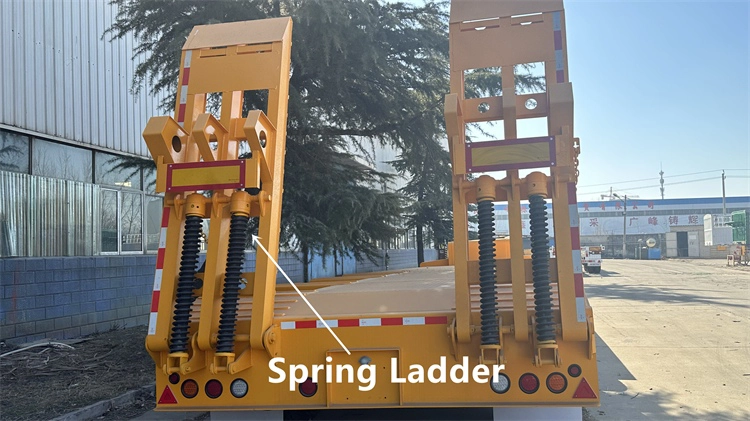
    Ramp options Reinforced spring mechanical ramps as standard, hydraulic ramps available as an upgrade
    Brake system WABCO valve with dual air brake system
    Landing gear JOST or KALES heavy-duty 28T landing gear

    Best Fit Operating Profile

    This 80 ton lowbed trailer for Africa is a strong fit for buyers moving heavy equipment often enough to need a dedicated lowbed, but not so narrowly that every project requires detachable goosenecks, telescopic beams, or a higher-cost special transport chassis. It is especially suitable for construction fleets, equipment leasing companies, quarry and mining support teams, and regional project contractors who need a dependable 3 axle platform that can be maintained with standard components.

    Best for

    • Excavator and bulldozer transport between yard, port, and project site
    • Contractors operating across West, East, Central, and Southern African mixed-route conditions
    • Fleet buyers who want strong payload support without paying for unnecessary specialty options
    • Operators who prioritize simpler maintenance, beam durability, and factory-direct procurement

    Not ideal for

    • Wind power blades, towers, or extra-long project cargo that require extendable structure
    • Tracked machinery that must front-load every day through an RGN configuration
    • Buyers who need the more globally positioned, higher-spec 80 ton model built around specialized export requirements

    How This Product Differs From Our Global 80 Ton Lowbed Model

    The nearby product cluster needs a clear separation. This page is the value-led Africa configuration: practical 3 axle layout, heavy-duty structure, simpler service logic, and strong price discipline. The other 80 ton lowbed model remains the comparison point only when the buyer needs a more global heavy-haul narrative, advanced options such as extendable deck or hydraulic gooseneck, or a stronger fit for specialized project cargo beyond mainstream African fleet use.

    Why This 3 Axle 80 Ton Lowbed Trailer Works Well in Africa

    African fleet buyers usually judge a lowbed trailer on three practical realities: can it survive mixed road conditions, can the parts be serviced without waiting on a rare imported system, and does the delivered price still make sense after shipping and customs. That is why this page should not read like a premium niche special-transport pitch. It is a heavy-duty lowbed trailer for excavator transport built around operating reality rather than brochure prestige.

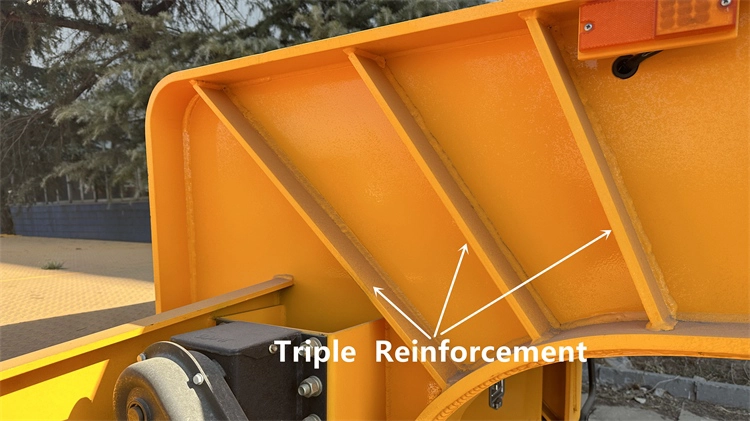
    The HG60 beam and reinforced gooseneck structure address the failure points buyers worry about most on rough routes: beam deformation, neck cracking, and instability when braking or descending with concentrated machinery loads. The heavy-duty mechanical suspension is easier to keep running in markets where standard workshop capability matters more than advanced ride systems. The ramp options also match real usage: spring ramps keep acquisition and maintenance costs lower, while hydraulic ramps remain available when daily loading frequency justifies them.

    ⚖️ Why Kales Costs a Bit More, But Saves You Millions

    Feature Market “Cheap” Standard ❌ Kales Heavy Duty Standard ✅
    Main Beam Steel Q345 Carbon Steel HG60 High-Strength Steel (Prevents sagging)
    Gooseneck Single Layer Standard Double-Layer Vertical Plate (Zero breakage risk)
    Welding Quality Manual Welding (Uneven) Robot Automatic Welding (Reduces tire wear)

    Engineering and Serviceability Details

    Main beam and deck structure

    For a cost-effective 80 ton lowbed trailer, the right place to spend money is the structure, not decorative specification inflation. This trailer uses HG60 high-strength steel, a 20 mm upper plate, 20 mm lower plate, and 12 mm double web to support concentrated machine loads more confidently than light-market commodity builds. The 5 mm anti-slip deck is configured for equipment loading safety and practical site use.

    Suspension, axle, and braking logic

    3 axle lowbed semi trailers serving African equipment transport often live or die by serviceability. This configuration supports common 13T, 16T, or 20T axle matching, heavy-duty mechanical suspension, and WABCO-based braking. That matters because roadside uptime often depends less on brochure complexity and more on whether the fleet can replace wear parts, bushings, valves, and axle components without building a specialized support chain.

    Ramp and width configuration

    Reinforced spring ramps are the standard answer for buyers who want a heavy-duty lowbed trailer for excavator transport at controlled acquisition cost. Hydraulic ramps remain available for fleets loading frequently or handling more demanding crawler equipment routines. Standard width starts from a practical 3,000 mm platform and can be expanded with side brackets when the machine profile requires more deck width.

    Quotation and Procurement Guidance

    This product is positioned for buyers searching terms such as 80 ton lowbed trailer price Africa or affordable 80 ton lowbed trailer, but the practical procurement question is not only the ex-factory number. The better question is whether the trailer gives the fleet enough structural margin, ramp usability, and serviceability to lower downtime over the next several years. A lower quote built on weaker beam steel or lighter suspension can become the more expensive trailer once the fleet starts hauling concentrated machinery loads regularly.

    Kales supplies this configuration as a factory-direct Africa lowbed trailer manufacturer, which means the buyer can align axle class, ramp type, width, and suspension thickness to the real job before production starts. That is usually the right way to control delivered cost: specify only the options the route and cargo need, keep standard serviceable parts where possible, and avoid paying for special transport features that do not improve the actual operating profile.

    Factory Images and Inspection Views

    Close-up of heavy-duty reinforced spring loading ramps with anti-skid bars on 3-axle lowbed semi-trailer for crawler machinery.
    Reinforced mechanical ramp layout.
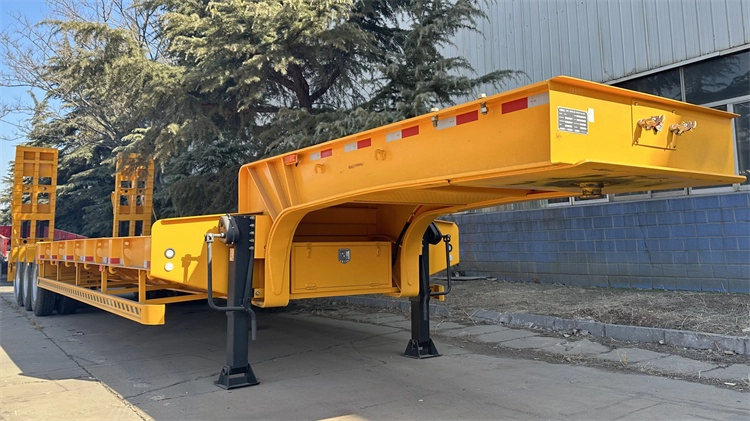
    Front 45-degree view of 80 ton heavy equipment transport trailer showing double-layer reinforced gooseneck and heavy-duty tool box.
    Reinforced gooseneck and rear loading view.
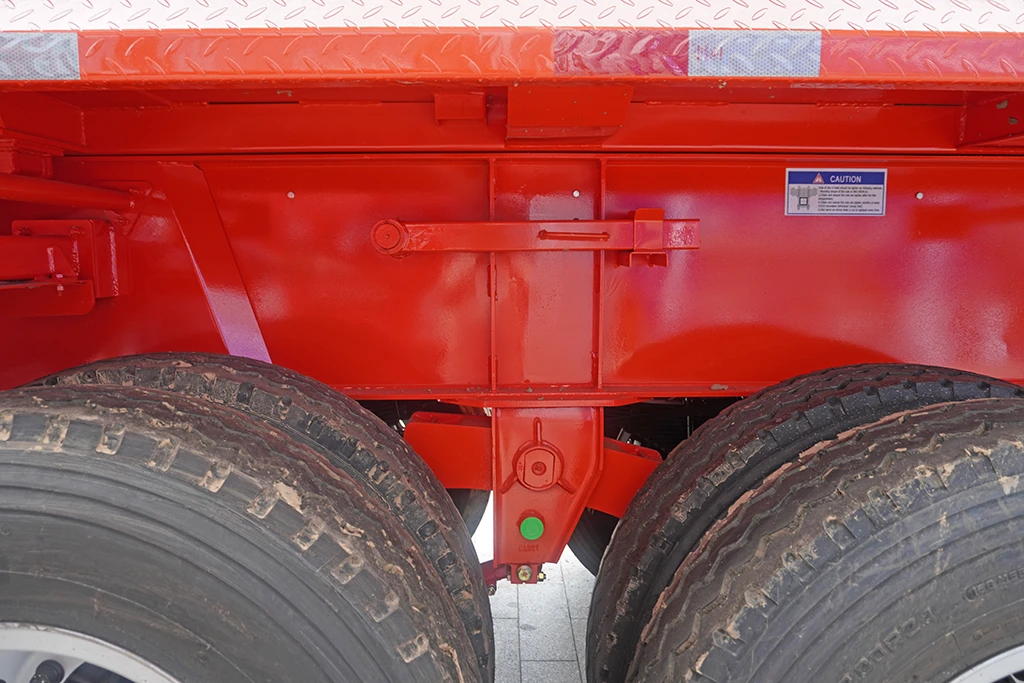
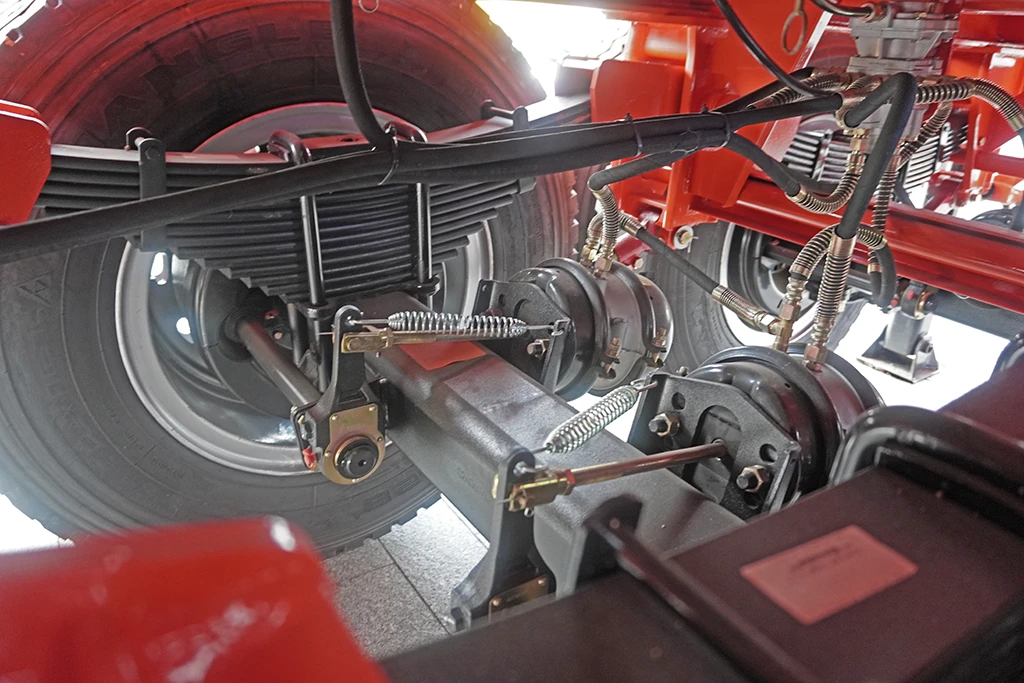
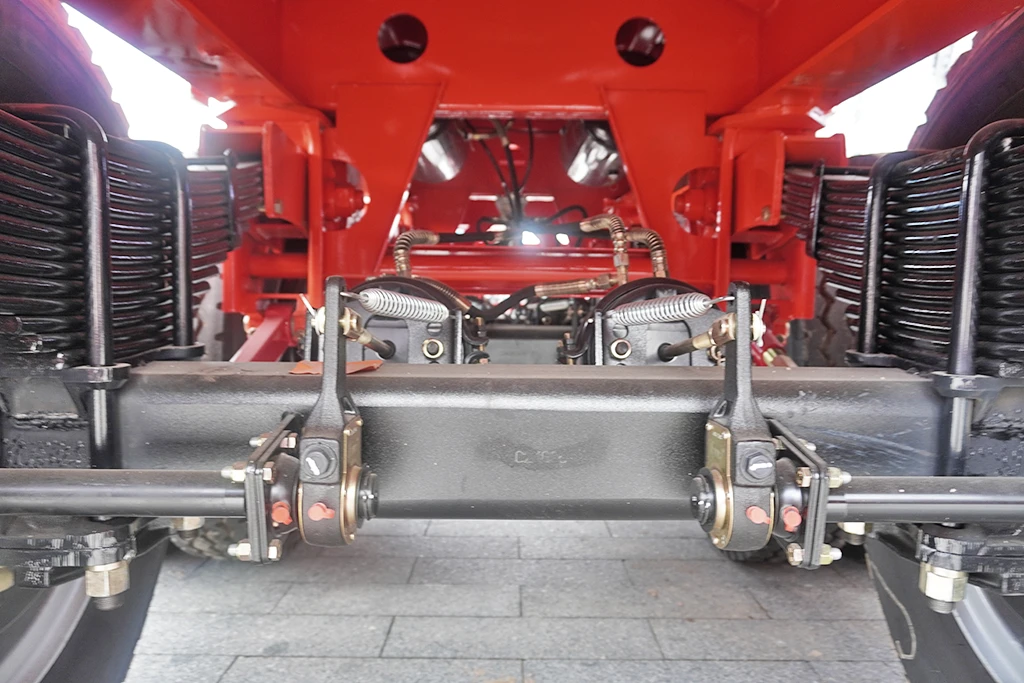
    Detailed view of heavy-duty mechanical suspension and slanted rear frame on 80 ton lowbed trailer, ensuring off-road stability for mining operations.
    Heavy-duty axle and suspension area.
    3000mm wide working platform of heavy-duty lowbed trailer equipped with 5mm checkered anti-skid steel plates to secure oversized industrial cargo.
    Platform width and structural layout.
    Close-up of the double-layer reinforced gooseneck and heavy-duty 28T landing gear on Kales 80 ton lowbed trailer, designed for safe heavy equipment transport.
    Double-layer reinforced gooseneck and heavy-duty 28T landing gear detail.
    Robust HG60 high-strength steel frame structure of Kales lowbed chassis, featuring precision robot welding for harsh construction environments.
    Side beam and support structure detail.
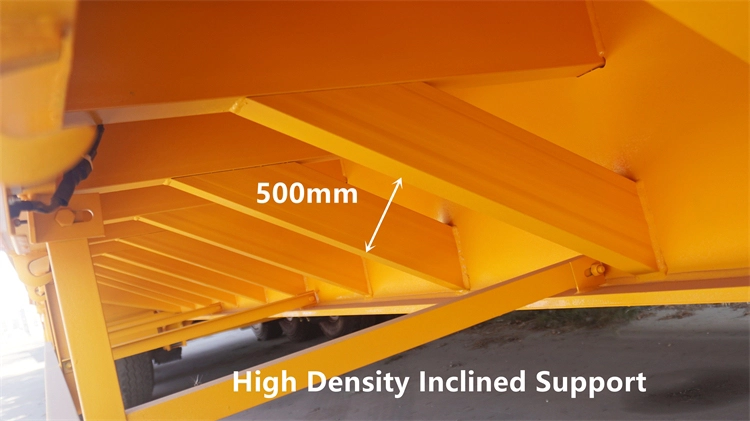
    Close-up of densified secondary support beams and HG60 high-strength steel main beam, preventing chassis sagging under 80-ton concentrated loads.
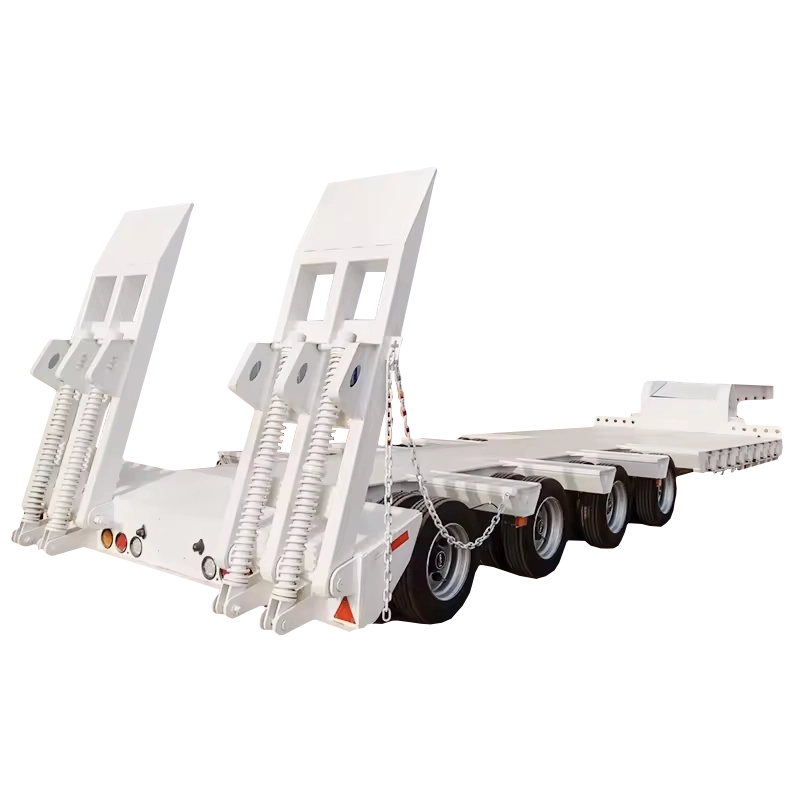
    Full trailer view for heavy equipment transport use.

    Frequently Asked Questions

    Can this 3 axle 80 ton lowbed trailer carry excavators every day on mixed roads?

    Yes, that is the core use case. Buyers should still confirm machine weight, axle configuration, local permit limits, and tractor match, but the trailer is built for practical heavy equipment transport rather than occasional promotional load claims.

    What makes this product more suitable for Africa than the other 80 ton lowbed page?

    This page focuses on cost-effective heavy-duty fleet use: simpler maintenance, serviceable standard components, and a practical spec package for mixed route conditions. The other page is better kept for more specialized global heavy-haul intent.

    Should I choose spring ramps or hydraulic ramps?

    Choose spring ramps when you want lower acquisition cost and straightforward maintenance. Choose hydraulic ramps when loading frequency is high, the equipment is heavier to handle, or the operator wants faster and less labor-intensive loading cycles.

    Can the width be increased for wider machines?

    Yes. The standard platform is around 3,000 mm wide, and side brackets or related deck-width adjustments can be specified for wider cargo.

    Where can I get spare parts after import?

    This trailer is configured around serviceable mainstream components such as WABCO valves, common axle options, and heavy-duty mechanical suspension parts. That makes regional support easier than highly specialized systems that depend on a narrow imported parts chain.

    Request Drawing and Quote

    If you are comparing a 3 axle 80 ton lowbed trailer for Africa for excavator, bulldozer, or heavy equipment transport, send the machine model, operating country, expected payload range, and preferred ramp type. Kales can then match the structure and options to the job instead of quoting a generic trailer that looks cheaper but fits the route poorly.

    Related Kales Lowbed Options


  • Kales 45,000L Aluminum Fuel Tanker Trailer

    Kales 45,000L Aluminum Fuel Tanker Trailer

    Kales 45,000L aluminum alloy tanker semi-trailer for sale
    Kales 45,000L aluminum fuel tanker trailer built in 5083 alloy for diesel, petrol, Jet A1, and other refined fuel distribution programs.

    Liquid & Powder Transport Product Guide · Published: October 24, 2024 · Updated: June 3, 2026 · By Kales Vehicle Engineering Team · Reviewed by Kales Export Sales Engineering · Market focus: fuel distribution, airport fuel service, depot loading, and long-haul liquid logistics in Africa, the Middle East, and Latin America

    45,000L aluminum fuel tanker trailer: this Kales 3 axle tanker is designed for buyers who want higher legal payload, lower corrosion risk, and cleaner fuel handling than a conventional steel tanker can offer. It is positioned for fleets moving diesel, petrol, and Jet A1 where tare weight, fuel purity, and long service life matter more than the lower upfront price of carbon steel.

    Engineering guidance from the Kales Vehicle product team for operators comparing a 45CBM aluminum tanker with heavier steel fuel tankers and dry bulk powder tank programs.

    Quick answer: Choose this 45,000L aluminum fuel tanker trailer when you need a lighter 3 axle fuel tanker with 5083 alloy construction, corrosion resistance, air-suspension compatibility, and export-ready loading hardware. It is the better fit for fuel fleets that value extra payload, cleaner product handling, and stronger long-term resale than a standard steel tanker. Move to a larger steel tanker only when volume matters more than tare weight and corrosion control.

    Why Buyers Choose This 45,000L Aluminum Tanker

    • Lighter tare weight: roughly 2 tons lighter than a comparable steel tanker, helping operators carry more legal payload per trip.
    • 5083 alloy tank body: strong corrosion resistance supports diesel, petrol, and Jet A1 service with lower contamination risk.
    • Export fuel-spec build: API bottom loading, vapor recovery, optic overfill, and anti-static systems can be matched to depot requirements.
    • Safer liquid control: reinforced anti-wave baffles and 7 mm dished ends help manage surge loads during braking and cornering.
    • Lower lifecycle corrosion burden: aluminum avoids the rust-management routine that drives maintenance cost on steel tanks.
    • Higher residual value: aluminum construction typically retains better scrap and resale value over the tanker’s working life.

    Specification-backed advantages

    • Tank volume: 45,000 liters / 45CBM. This provides a concrete durability and load-control basis for the stated duty cycle.
    • Bottom loading: 3 inch or 4 inch aluminum API valve system, optional vapor recovery and overfill sensors. This directly supports the loading, unloading, or handling workflow described for this product.
    • Safety hardware: Anti-static system, extinguisher box, emergency accessories, and optional bottom-loading package. This gives the buyer a specific braking or safety package to verify for the intended route.


    Technical Snapshot

    Product type 3 axle aluminum fuel tanker semi trailer
    Tank volume 45,000 liters / 45CBM
    Overall dimensions 11,500 mm x 2,500 mm x 3,700 mm
    Tank material 5083 aluminum alloy
    Material thickness Tank shell 6 mm; front and rear heads 7 mm
    Compartment layout 1 to 6 compartments, customized to fuel-distribution program
    Axles 3 axles, 13T or 16T; FUWA, BPW, or KALES matching
    Suspension Air suspension standard for many aluminum tanker builds, mechanical optional on selected route profiles
    Bottom loading 3 inch or 4 inch aluminum API valve system, optional vapor recovery and overfill sensors
    Wheels and rims 12.00R22.5 or 315/80R22.5, 12 units, with aluminum rim option
    Safety hardware Anti-static system, extinguisher box, emergency accessories, and optional bottom-loading package
    Custom quotation Contact KALES for a tailored quotation based on the required configuration, order quantity, and destination.

    Best Fit Operating Profile

    This tanker is best suited to buyers running refined-fuel distribution where legal payload, product cleanliness, and long-term corrosion control matter. It works particularly well for diesel and petrol fleets, airport fuel service, and cross-border liquid logistics where the operator wants the weight savings and resale logic of aluminum rather than the lower initial cost of steel.

    Best for

    • Diesel, petrol, and Jet A1 distribution programs
    • Depot loading systems that require API-compatible bottom loading and safety hardware
    • Buyers optimizing legal payload and corrosion resistance over long route cycles
    • Fleets where fuel purity and residual value are commercially important

    Not ideal for

    • Dry powder or cement transport, which should use a pneumatic powder tanker
    • Operations where maximum raw volume matters more than tare weight savings
    • Projects that only need the lowest possible purchase cost and do not value aluminum lifecycle advantages

    Why Aluminum Changes the Economics of Fuel Tanker Operation

    The case for a 45,000L aluminum fuel tanker trailer is not styling. It is operating math. A lighter tank body helps increase legal payload, and corrosion resistance helps protect both the cargo and the tank over a longer service cycle. That is why aluminum tanker buying decisions should be based on route economics, fuel type, and lifecycle cost rather than only comparing initial purchase price against steel.

    Buyer situation Best-fit Kales option Why
    Refined fuel distribution with strong payload and purity requirements This 45,000L aluminum fuel tanker Better tare weight, corrosion resistance, and fuel-handling quality
    Higher-volume fuel dispatch where sheer capacity dominates 54 CBM fuel tanker trailer Larger tank volume when weight penalty is less important than liters per trip
    Bulk cement or dry powder transport 40 CBM or 58 CBM powder tanker trailer Pneumatic dry-bulk systems fit powder, not refined liquid fuels

    Engineering and Serviceability Details

    5083 alloy shell and 7 mm dished-end reinforcement

    The tank body uses 5083 aluminum alloy, with 6 mm shell construction and 7 mm front and rear heads. The thicker heads matter because liquid surge concentrates there under emergency braking, and weaker end construction is one of the first places low-grade tankers begin to fatigue.

    Anti-wave baffles and rollover control

    Fuel is a dynamic load. Internal anti-wave baffles are there to break the momentum of sloshing liquid and improve vehicle stability, especially on braking, lane change, and curve entry. That stability gain matters even more when the tanker is running mixed road quality or uneven loading schedules.

    Bottom loading, anti-static protection, and depot compliance

    Modern fuel fleets often need more than a tank shell. Optional API bottom loading, vapor recovery, optic overfill, anti-static copper grounding, and emergency accessory matching allow this tanker to be configured for more demanding depot environments and commercial fuel brands.

    Air suspension versus mechanical suspension

    Air suspension is commonly chosen on aluminum tankers because liquid stability, ride refinement, and tank protection matter more than on many open-deck trailers. Mechanical suspension is still possible on selected route profiles, but most buyers moving refined fuel on highway corridors prefer the stability and damping benefit of air suspension.

    Quotation and Procurement Guidance

    When comparing aluminum and steel fuel tankers, base price alone is misleading. The useful comparison is liters carried legally per trip, contamination risk, corrosion maintenance, and residual value after years of service. That is where aluminum often closes or reverses the apparent price gap.

    Kales can customize compartment count, loading system, axle brand, suspension, aluminum rim package, ladder and top-walk layout, and safety accessories before production. The right specification depends on fuel type, depot interface, route quality, and whether your priority is airport fuel purity, long-haul diesel distribution, or multi-product regional delivery.

    Factory Images and Inspection Views

    Kales 45,000L aluminum alloy tanker semi-trailer for sale
    Front-side inspection view of the aluminum tanker structure and chassis connection area.
    Kales 45,000L aluminum alloy tanker semi-trailer for sale
    Tank body profile showing the aerodynamic section and upper running gear layout.
    Kales 45,000L aluminum alloy tanker semi-trailer for sale
    Discharge valve box and lower-service area for secure fuel unloading control.
    Kales 45,000L aluminum alloy tanker semi-trailer for sale
    Air-suspension area used on many export aluminum tanker builds.
    Kales 45,000L aluminum alloy tanker semi-trailer for sale
    Emergency equipment enclosure and roadside safety-accessory arrangement.
    Kales 45,000L aluminum alloy tanker semi-trailer for sale
    Wheel and rim detail for a lighter-weight tanker running package.

    Frequently Asked Questions

    Can this tanker be divided into multiple fuel compartments?

    Yes. Kales can build the 45,000L tank with 1 to 6 compartments so operators can separate diesel, petrol, or other refined products in one delivery cycle.

    Why choose aluminum instead of steel for fuel transport?

    Aluminum reduces tare weight, lowers corrosion risk, helps protect fuel purity, and usually retains stronger residual value over time. Those advantages matter most on high-mileage fuel distribution routes.

    Is this tanker suitable for rough African roads?

    It can be configured for demanding roads, but the match depends on route condition, suspension choice, and load pattern. Buyers commonly pair the aluminum tank with reinforced chassis matching and air suspension to improve stability and reduce structural stress.

    Can it be configured for bottom loading and vapor recovery?

    Yes. API bottom loading, vapor recovery, optic overfill, grounding systems, and other depot-oriented accessories can be added according to the loading standard you need to meet.

    Should I choose this 45,000L aluminum tanker or a larger 54 CBM fuel tanker?

    Choose this model when lower tare weight, fuel cleanliness, and aluminum lifecycle value are priorities. Choose a larger tanker when route economics favor maximum raw volume over aluminum’s payload and corrosion advantages.

    Request Drawing and Quote

    If you are comparing a 45,000L aluminum fuel tanker trailer, send your fuel type, compartment requirement, target route, loading standard, suspension preference, and whether you need API bottom loading or vapor recovery. Kales can then match the tank structure, loading package, and running gear to the real fuel-distribution job.

    Related Kales Tanker Options

  • Kales 40ft Flatbed Semi Trailer

    Kales 40ft Flatbed Semi Trailer

    kales 40-foot Flatbed Trailers for sale
    Kales 40ft flatbed semi trailer configured as a dual-use export platform for ISO containers, bagged cargo, steel, timber, machinery, and general freight.

    Container & Bulk Transport Product Guide · Published: October 24, 2024 · Updated: June 3, 2026 · By Kales Vehicle Engineering Team · Reviewed by Kales Export Sales Engineering · Market focus: Africa, Latin America, port corridors, inland freight, and mixed cargo export routes

    40ft flatbed semi trailer: this Kales 3 axle platform trailer is built for fleets that need one open-deck trailer to handle both ISO containers and general cargo without losing deck strength or maintenance simplicity. It fits buyers moving bagged cement, steel, timber, pallets, pipes, machinery, and containerized freight on the same regional network.

    Engineering guidance from the Kales Vehicle product team for transport buyers comparing a standard 40ft flatbed trailer with skeletal, dropside, and curtainsider alternatives.

    Quick answer: Choose this 40ft flatbed semi trailer when you need the mainstream 3 axle platform for container work plus general cargo loading on the same trailer. It is the practical fit for fleets that want a reinforced steel deck, 12 ISO twist locks, mechanical suspension, and a 40T to 60T payload class without moving into a container-only chassis or a more specialized enclosed body.

    Why Buyers Choose This 40ft Flatbed Trailer

    • Dual-use loading logic: carries one 40ft container, two 20ft containers, or loose freight on the same platform.
    • Reinforced deck structure: 3 mm to 4 mm checkered plate and dense cross-member support help control sagging under concentrated cargo.
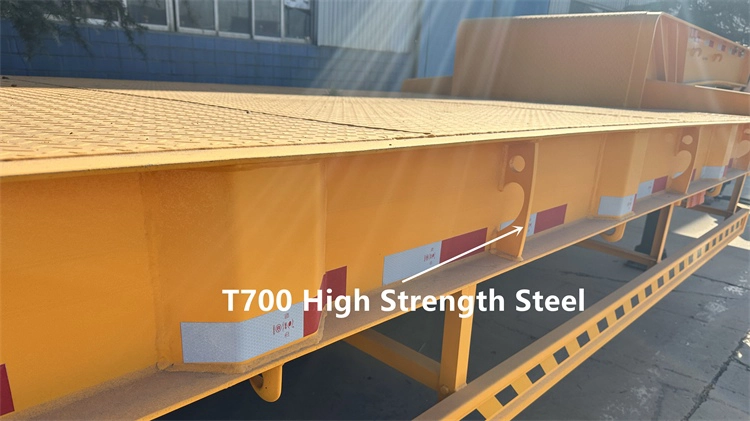
    • T700 steel beam program: stronger resistance to long-term deformation than ordinary carbon-steel flatbed builds.
    • Future upgrade flexibility: side-post sockets and open layout make later conversion to stake or sidewall use easier.
    • Serviceable export hardware: FUWA or BPW axle matching, WABCO brake components, and JOST landing gear support after-sales maintenance.
    • Better backhaul economics: unlike a skeleton chassis, the trailer can return with bagged, bundled, or palletized cargo instead of running empty.

    Specification-backed advantages

    • Deck floor: 3 mm to 4 mm anti-slip checkered steel plate. This provides a concrete durability and load-control basis for the stated duty cycle.
    • Payload class: 40T standard working range, up to 60T in heavier-duty matching. This defines the working band to validate against the cargo, route, and local legal limits.
    • Brake system: WABCO relay valve with T30/30 double chambers. This gives the buyer a specific braking or safety package to verify for the intended route.


    Technical Snapshot

    Product type 3 axle 40ft flatbed semi trailer / platform trailer
    Main freight role General cargo plus ISO 20ft and 40ft container transport
    Overall dimensions 12,500 mm x 2,500 mm x 1,550 mm
    Payload class 40T standard working range, up to 60T in heavier-duty matching
    Deck floor 3 mm to 4 mm anti-slip checkered steel plate
    Main beam T700 high-strength steel beam with reinforced gooseneck area
    Container locks 12 ISO twist locks for one 40ft or two 20ft containers
    Axles 3 axles, 13T or 16T; FUWA, KALES, or BPW options
    Suspension 10-leaf heavy-duty mechanical suspension, air suspension optional for selected highway programs
    Landing gear JOST D200T, 28T lifting capacity
    Brake system WABCO relay valve with T30/30 double chambers
    Custom quotation Contact KALES for a tailored quotation based on the required configuration, order quantity, and destination.

    Best Fit Operating Profile

    This trailer is a strong match for fleets that combine port container pickup with inland general freight. It works well when the return trip should not be empty and when the operator needs one durable platform for steel sections, timber, bagged cement, machinery, packaged freight, and containerized cargo across the same route network.

    Best for

    • Port-to-inland container delivery with return-trip general cargo
    • Construction supply fleets moving steel, pipes, timber, and bagged materials
    • Export buyers who want a standard 40ft platform before moving to more specialized trailer bodies
    • Operators prioritizing rugged serviceability over enclosed-body features

    Not ideal for

    • Container-only shuttle work where a lighter skeletal chassis is the better economic answer
    • Palletized cargo that requires weather protection and side loading
    • Loose agricultural or consumer goods that need permanent sidewalls for load retention

    Why This Flatbed Works Better Than a Container-Only Chassis for Mixed Freight

    Many buyers search for a 40ft flatbed semi trailer after realizing that a skeletal trailer is too narrow in use. A flatbed keeps the ISO twist-lock function but adds a real deck, which changes the economics of return cargo. For regional fleets in Africa and Latin America, that difference matters more than a small saving on day-one purchase price.

    Buyer situation Best-fit Kales option Why
    Container plus general cargo on the same route network This 40ft flatbed semi trailer Open deck plus twist locks gives the best dual-use flexibility
    Container-only shuttle with no loose cargo requirement 40ft container chassis semi trailer Skeleton chassis is lighter and more focused when the cargo is always ISO boxes
    Bulk and packaged cargo needing side restraint 3 axle dropside semi trailer Side structure helps contain loose or stacked freight
    Palletized freight needing weather protection 13m curtainsider semi trailer Curtain-side body improves protection and side-loading efficiency

    Engineering and Serviceability Details

    T700 beam and dense cross-member support

    The flatbed deck is only valuable if it stays straight under concentrated weight. Kales uses a T700 beam program and dense cross-member support to reduce the sagging risk that often appears when cheaper flatbeds carry steel coils, bagged cement, or compact machinery.

    12 ISO twist locks without sacrificing deck practicality

    This product is not just an open deck. It is a platform with standard container locking logic. The 12 twist locks preserve container capability while leaving the deck open for general freight when the dispatch pattern changes.

    Reinforced gooseneck and braking stress control

    Emergency braking with a heavy deck load pushes stress into the gooseneck transition. Reinforcement at that zone matters because fatigue and distortion usually start there on lower-grade flatbeds. The double-layer structure is intended to extend service life under export-road duty.

    Mechanical suspension for route simplicity

    Heavy-duty mechanical suspension remains the default because many target markets value repair simplicity, overload tolerance, and roadside serviceability more than ride refinement. Air suspension is possible, but it fits smoother long-haul highway logistics better than rough mixed-road freight programs.

    Quotation and Procurement Guidance

    A flatbed trailer should be quoted against the real cargo mix, not only by base price. The correct axle class, floor thickness, beam grade, and side-post provision depend on whether your freight is mostly containers, steel sections, bagged goods, machinery, or a rotating mix of all of them.

    Kales can match axle brand, suspension, floor thickness, twist-lock setup, landing gear, and reinforcement level before production. For buyers comparing against cheaper local builds, the more important question is not whether the trailer starts lower in price, but whether the deck and beam stay usable after several years of concentrated cargo loading.

    Factory Images and Inspection Views

    Kales 40ft flatbed semi trailer side view in export-yard configuration for container and general cargo transport.
    Side profile of the 40ft flatbed platform in export-yard inspection condition.
    Detail of ISO container twist locks (12 sets) on Kales 40ft flatbed trailer for secure transport.
    ISO twist-lock detail for secure 20ft and 40ft container positioning.
    Front-quarter view of the Kales 40ft flatbed semi trailer showing deck length, landing gear, and chassis stance.
    Front-quarter inspection view showing deck proportion and landing-gear setup.
    Reinforced gooseneck I-beam structure with double-layer steel plate on Kales 40ft Flatbed Semi-Trailer.
    Gooseneck reinforcement at a key high-stress structural area.
    Reinforced 10x15mm leaf spring suspension and heavy-duty axles on Kales 40ft Flatbed Semi-Trailer.
    Heavy-duty suspension and axle setup for mixed-road cargo work.
    Front 45-degree view of Kales 40ft Container Flatbed Semi-Trailer featuring a robust open deck for versatile loading.
    Front 45-degree inspection view of the open-deck loading platform.
    Rear structure view of the Kales 40ft flatbed semi trailer for export freight and mixed cargo work.
    Rear structure view showing the export flatbed layout and chassis finish.

    Frequently Asked Questions

    What is the main difference between this flatbed and a skeleton trailer?

    The flatbed has a full steel deck, so it can carry general freight as well as containers. A skeleton trailer is mainly for ISO containers and does not give the same flexibility for return cargo.

    Can this trailer carry both one 40ft container and two 20ft containers?

    Yes. The 12-lock layout is designed for standard 40ft and dual-20ft container matching, provided the final payload and route stay within the correct legal and engineering limits.

    Is this flatbed suitable for bagged cement and steel sections?

    Yes. That is a common use case. The reinforced deck, cross-members, and heavy-duty suspension are intended for concentrated freight such as bagged cargo, steel products, timber, and machinery.

    Can I add side stakes or sidewalls later?

    Yes. Kales can prepare the side beam layout with post sockets so the trailer can be adapted later if your cargo profile shifts toward restrained loose freight.

    How are these flatbed trailers shipped for export?

    Kales can arrange stackable loading for bulk or Ro-Ro export programs to reduce ocean freight cost per trailer.

    Request Drawing and Quote

    If you are comparing a 40ft flatbed semi trailer for mixed container and general cargo work, send your target payload, cargo mix, route country, axle preference, and whether you need later sidewall conversion. Kales can then match the deck thickness, beam grade, suspension, and twist-lock layout to the real job.

    Related Kales Open-Deck and Logistics Options


  • Kales 40ft Container Chassis Semi Trailer

    Kales 40ft Container Chassis Semi Trailer

    Rear 45-degree view of Kales 40ft Container Chassis semi-trailer showing rear bumper and LED lighting system.
    Kales 40ft container chassis semi trailer configured for ISO 20ft and 40ft container hauling on port, yard, and inland distribution routes.

    Container & Bulk Transport Product Guide · Published: October 23, 2024 · Updated: June 3, 2026 · By Kales Vehicle Engineering Team · Reviewed by Kales Export Sales Engineering · Market focus: port logistics, inland container haulage, depot shuttle, and regional export routes

    40ft container chassis semi trailer: this Kales 3 axle skeletal trailer is built for fleets that need one standard chassis for 20ft and 40ft ISO container work without paying for a heavier multi-axle specification they do not actually need. It fits port shuttle operations, inland container corridors, and regional yard-to-warehouse transport where durability, lock security, and serviceable hardware matter more than decorative features.

    Engineering guidance from the Kales Vehicle product team for buyers comparing a standard 3 axle 40ft container chassis with heavier 4 axle skeleton trailer programs.

    Quick answer: Choose this 40ft container chassis semi trailer when your work is standard ISO 20ft and 40ft container transport and you want the mainstream 3 axle layout for port operations, depot dispatch, and inland haulage. It is the right fit for buyers who need a dependable skeletal trailer with 12 twist locks, a reinforced gooseneck, and a practical 40T to 60T configuration. Move to a 4 axle skeleton only when axle load distribution, route regulation, or heavier container duty already requires that step.

    Why Buyers Choose This 40ft Container Chassis

    • Mainstream 3 axle layout: better matched to standard container haulage than a heavier 4 axle program when the route does not require extra axle count.
    • 12-lock flexibility: carries one 40ft container, two 20ft containers, or one centered heavy 20ft load depending on dispatch pattern and legal requirement.
    • T700 main beam: stronger anti-sag performance than ordinary carbon-steel chassis while helping control tare weight.
    • Reinforced gooseneck: double-layer reinforcement at the high-stress braking zone reduces the sag and crack risk common on cheaper skeleton trailers.
    • Serviceable global hardware: JOST landing gear, WABCO brake components, and mainstream axle options simplify maintenance after import.
    • Shipping efficiency: stackable chassis logic helps reduce ocean freight cost per unit on export orders.

    Specification-backed advantages

    • Overall dimensions: 12,360 mm x 2,500 mm x 1,520 mm, standard ISO chassis envelope. This provides a concrete durability and load-control basis for the stated duty cycle.
    • Payload class: 40T standard configuration, up to 60T in heavier-duty matching. This defines the working band to validate against the cargo, route, and local legal limits.
    • Twist locks: 12 ISO twist locks, screw type or lifting type depending on program. This directly supports the loading, unloading, or handling workflow described for this product.


    Technical Snapshot

    Product type 3 axle 40ft skeletal trailer / container chassis semi trailer
    Container fit One 40ft container, two 20ft containers, or one centered heavy 20ft container
    Overall dimensions 12,360 mm x 2,500 mm x 1,520 mm, standard ISO chassis envelope
    Payload class 40T standard configuration, up to 60T in heavier-duty matching
    Main beam T700 high-strength steel main beam, 450 mm to 500 mm beam depth
    Twist locks 12 ISO twist locks, screw type or lifting type depending on program
    Axles 3 axles, 13T or 16T; FUWA, KALES, BPW, or SAF matching
    Suspension Reinforced mechanical leaf spring suspension standard, air suspension optional on selected logistics routes
    Tires 12 units, 12.00R22.5 radial or 315/80R22.5 tubeless depending on final setup
    Kingpin JOST 2 inch or 3.5 inch, bolted or welded program
    Landing gear JOST D200T, 28T lifting capacity
    Brake system WABCO emergency valve and 6 double air chambers

    Best Fit Operating Profile

    This trailer fits container fleets that need a durable but still mainstream 40ft chassis for port pickup, inland dispatch, container depot transfer, and regional freight. It is especially useful when the route is centered on ISO box handling and the business does not need the cost and axle complexity of a heavier 4 axle chassis from day one.

    Best for

    • Port-to-yard and yard-to-warehouse shuttle operations
    • Standard ISO 20ft and 40ft container work on regional and cross-border routes
    • Buyers who want the mainstream 3 axle chassis before moving into heavier 4 axle container duty
    • Operators who need secure twist-lock engagement, reinforced structure, and easy spare parts sourcing

    Not ideal for

    • Routes that already require a 4 axle chassis for legal load distribution or heavier container concentration
    • General freight that should be loaded on flatbed, dropside, or curtainsider trailers instead of a skeletal frame
    • Projects where the container is not the cargo unit and a different trailer body is required

    Why a 3 Axle 40ft Chassis Is Still the Core Port Logistics Spec

    Many buyers searching for a 40ft container chassis semi trailer do not need the heaviest solution in the catalog. They need the standard answer that works every day. The 3 axle format remains the core port-logistics spec because it balances payload, structure, maneuverability, and acquisition cost across mainstream container operations.

    Buyer situation Best-fit Kales option Why
    Standard 20ft and 40ft ISO container haulage on mainstream routes This 3 axle 40ft container chassis Best balance of standard axle count, structural strength, and cost
    Heavier container duty or route rules demanding more axle distribution 4 axle 12m skeleton trailer Extra axle support for higher regulatory or payload pressure
    Non-container freight on an open deck 40ft flatbed semi trailer More suitable when the cargo is not an ISO container
    Palletized protected freight with side loading needs 13m curtainsider semi trailer Curtain-side structure suits pallet cargo better than a bare chassis frame

    Engineering and Serviceability Details

    T700 beam and reinforced suspension hanger logic

    A low-cost container chassis often fails at predictable points: the main beam, the gooseneck transition, and the suspension hanger area. That is why this product uses a T700 beam and reinforced hanger structure rather than relying on generic carbon-steel sections. The aim is to control fatigue and prevent early cracking in daily port cycles.

    12 twist locks and dispatch flexibility

    The value of a chassis is not only that it can carry a 40ft box. It is that it can do different ISO jobs safely. The 12-lock layout gives operators more dispatch flexibility across one 40ft, two 20ft, or one centered heavy 20ft container depending on route and legal pattern.

    Reinforced gooseneck and braking load concentration

    The gooseneck area takes repeated stress during emergency braking and uneven road impact. On cheaper chassis this is where sagging starts. The double-layer reinforcement at the gooseneck is there to handle that concentration zone more intelligently and extend structural life.

    Mechanical versus air suspension

    Mechanical suspension remains the default because container chassis often run in harsher port and yard environments where repair simplicity matters. Air suspension is possible, but it only becomes the better answer when the route profile, maintenance network, and ride requirement justify it.

    Quotation and Procurement Guidance

    Buyers often compare a 40ft skeletal trailer only by axle brand and base price. That misses the real procurement question: how well the chassis handles concentrated container loads, poor port surfaces, and inland transport abuse over time. A weak chassis that looks cheap on day one becomes expensive once the beam, hanger, or gooseneck starts to move.

    Kales can customize axle brand, twist-lock format, suspension, kingpin, landing gear, and reinforcement level before production. The right build depends on whether your work is port shuttle, inland container freight, bonded cargo transfer, or heavier concentrated 20ft box movement.

    Factory Images and Inspection Views

    Robust 450mm I-beam main chassis structure and side safety guards on Kales 40ft container trailer.
    Main beam and side protection layout for structural stiffness and road safety.
    Detail of ISO container twist lock on Kales 40ft container chassis semi-trailer for secure transport.
    ISO twist-lock detail for secure container engagement in daily dispatch.
    Reinforced gooseneck of Kales 40ft container chassis featuring double-layer steel plate structure.
    Double-layer gooseneck reinforcement at a key structural stress zone.
    Detail of reinforced suspension hanger with extra steel plate on Kales 40ft container chassis semi-trailer.
    Reinforced suspension hanger area for better fatigue resistance.
    Close-up of JOST brand D200T landing gear on Kales 40ft container chassis semi-trailer.
    JOST landing gear detail for practical after-sales maintenance.
    Heavy-duty tire system (12 units) and reinforced mudguards on Kales 40ft container chassis semi-trailer for high payload transport.
    Heavy-duty wheel set and mudguard arrangement for payload-carrying duty.

    Frequently Asked Questions

    Can this chassis carry two 20ft containers safely?

    Yes. The 12-lock layout is designed for that dispatch pattern, provided the final payload and route remain within the correct legal and engineering configuration for the market.

    When should I move from 3 axles to 4 axles?

    Move to 4 axles when local regulation, heavier concentrated container loads, or route conditions already require broader axle-load distribution. If your operation is mainstream port and inland container work, the 3 axle chassis is usually the more rational answer.

    Why does the gooseneck reinforcement matter so much?

    Because the gooseneck sees repeated stress during braking and poor-road impact. Reinforcing that area helps prevent sagging and structural cracking over time.

    Can this trailer be shipped in stacked form?

    Yes. Kales can prepare stackable shipping for bulk or Ro-Ro export programs to reduce ocean freight cost per chassis.

    Should I choose mechanical or air suspension?

    Mechanical suspension remains the default for most container chassis because it is simpler and tougher in port and yard use. Air suspension is an option when the route is smoother and the operating profile justifies the extra system complexity.

    Request Drawing and Quote

    If you are comparing a 40ft container chassis semi trailer for port logistics, inland container haulage, or depot transfer, send your container mix, route country, target payload, and whether you need standard or heavier-duty reinforcement. Kales can then match the axle package, twist-lock layout, suspension, and beam program to the real work.

    Related Kales Container and Logistics Options