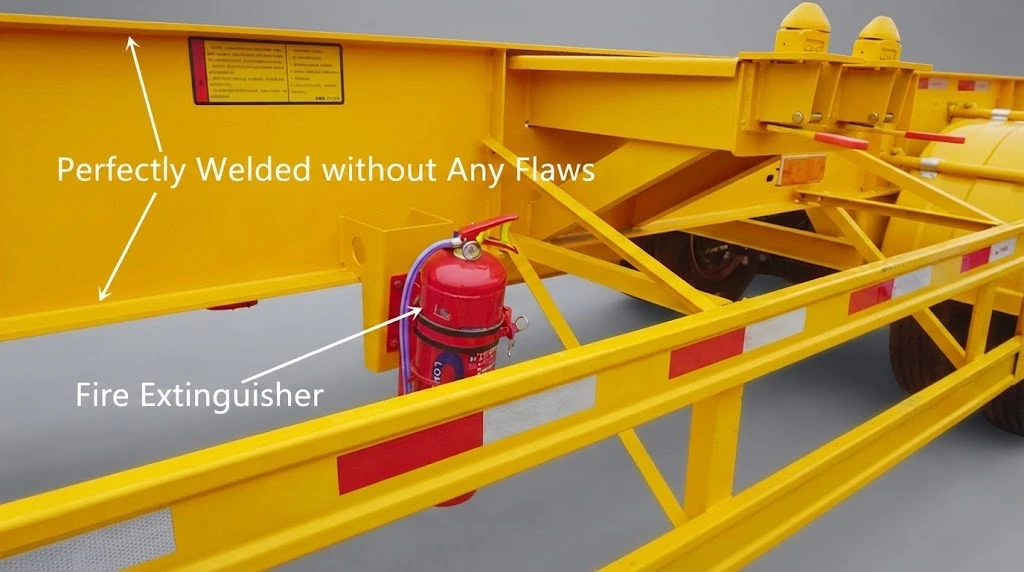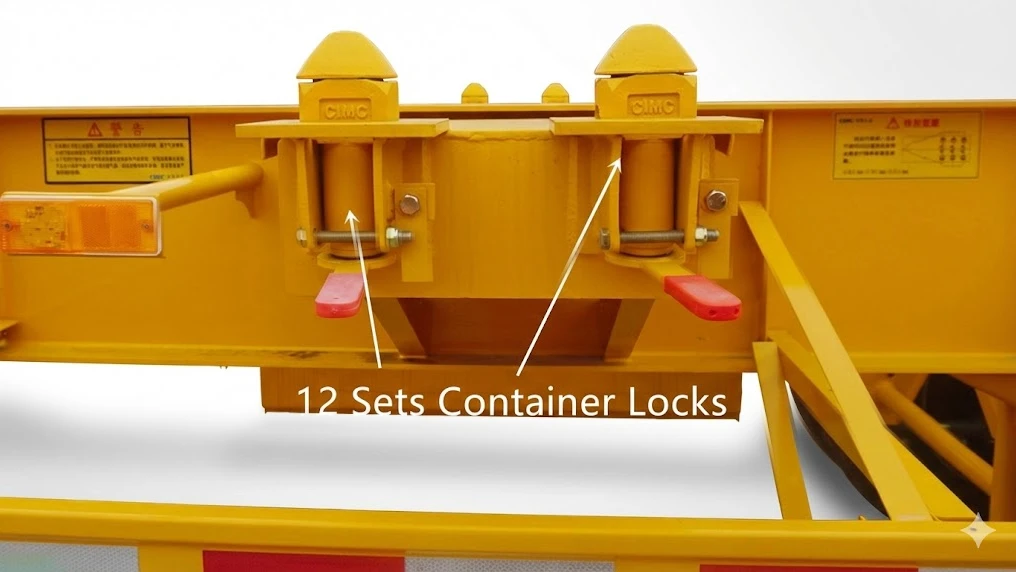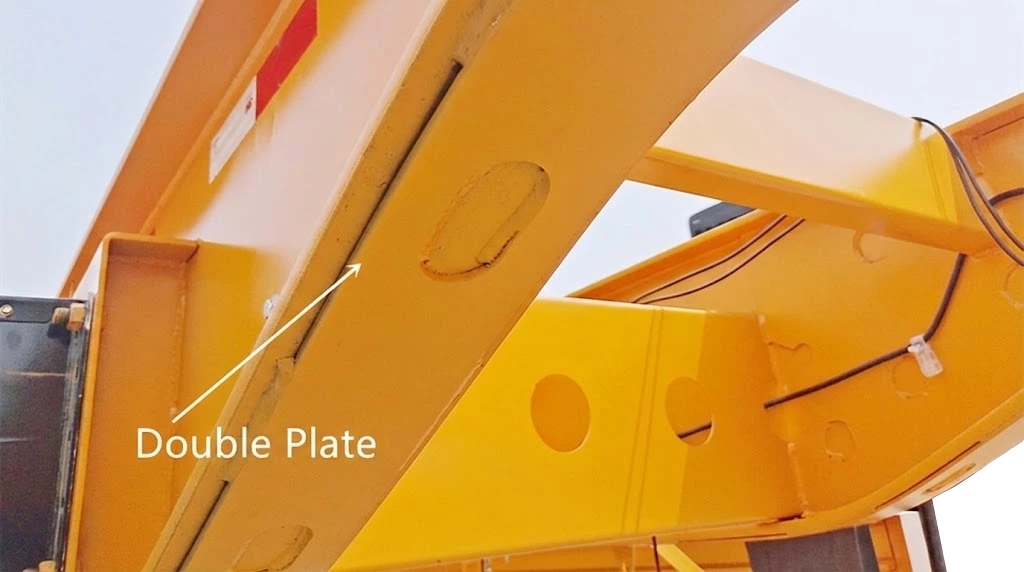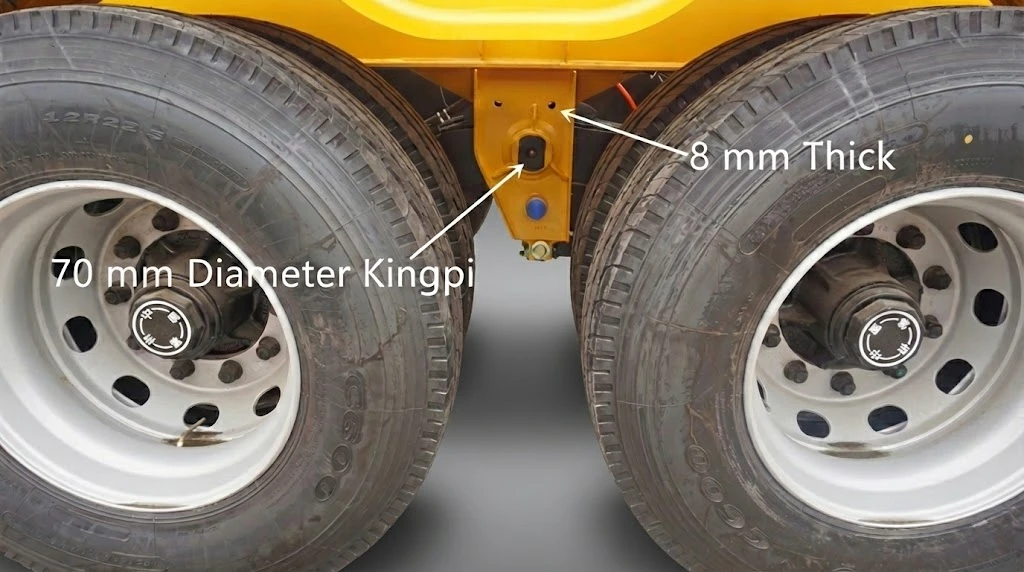
Product Category: Trailers

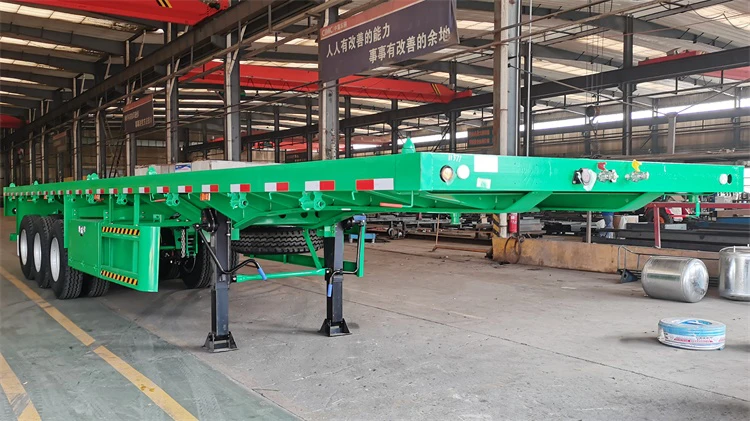
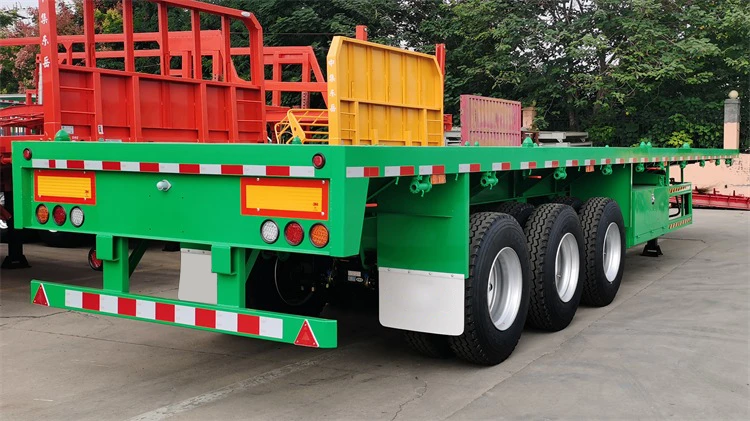
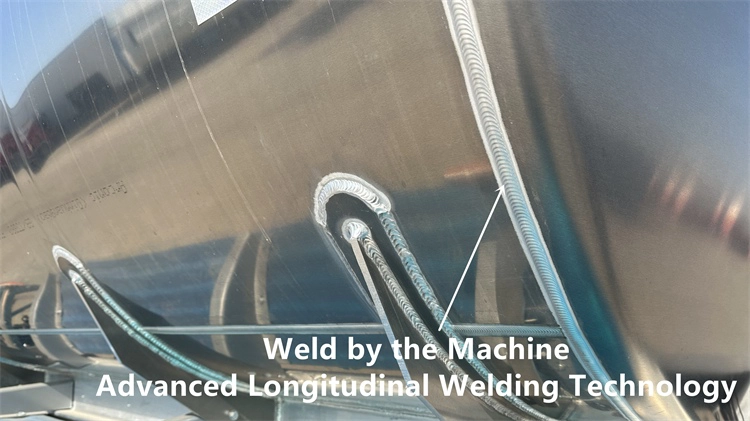
Reliable Transport Solutions Direct from the Factory At Kales Vehicle, we engineer semi trailers built to withstand the toughest road conditions in Africa, Latin America, and Central Asia. As a leading semi trailer manufacturer in China, we combine advanced welding technology with high-strength steel to deliver fleets that last longer and perform better.

Our Diverse Product Range Whether you are transporting ISO containers, bulk cargo, or heavy machinery, our comprehensive catalog covers every logistical need:

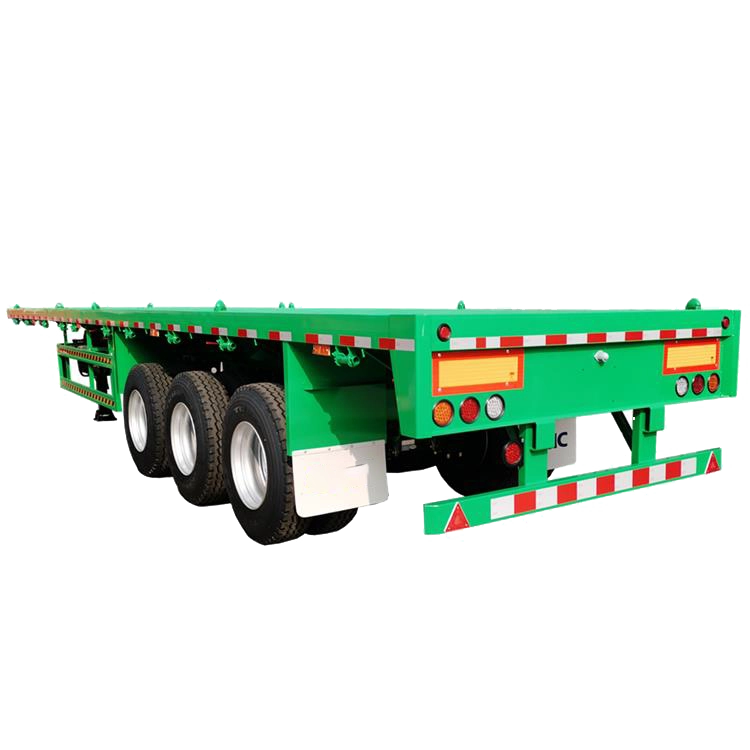
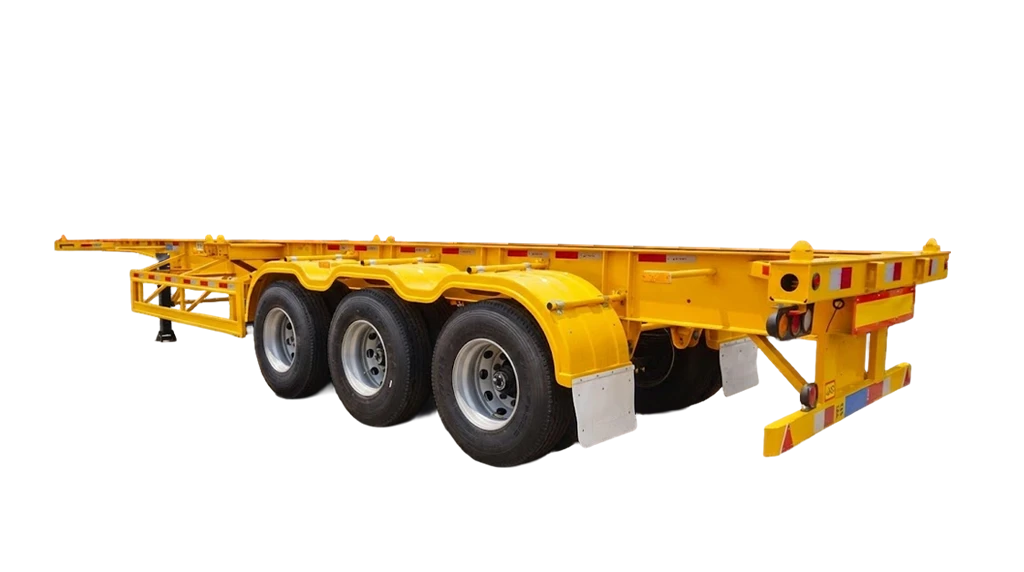
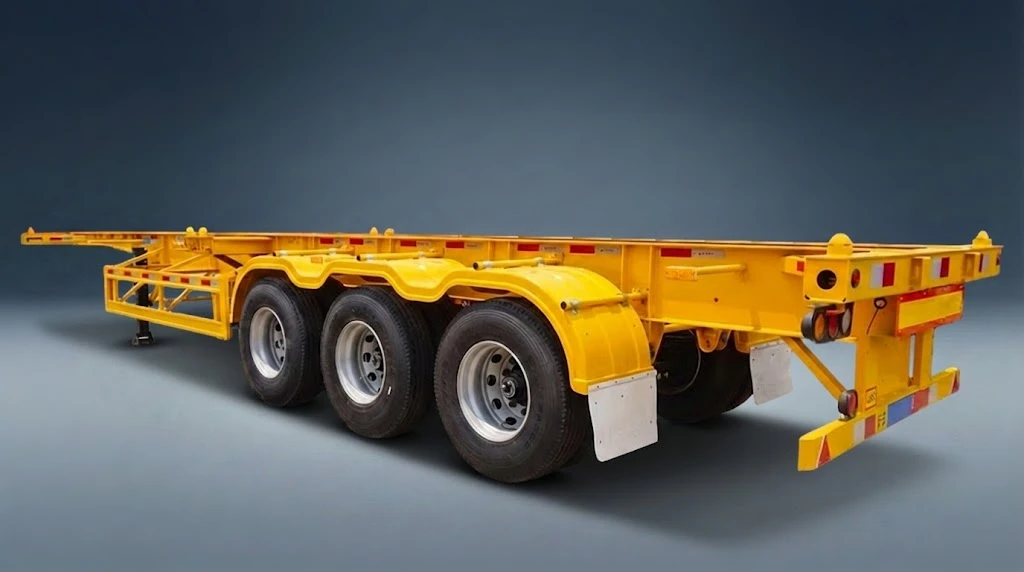
  • Container & Bulk Transport: Optimized solutions including Flatbed, Skeleton, and Fence semi trailers for versatile cargo handling.

  • Heavy Haulage: Robust Lowbed trailers designed for construction machinery and oversized loads.

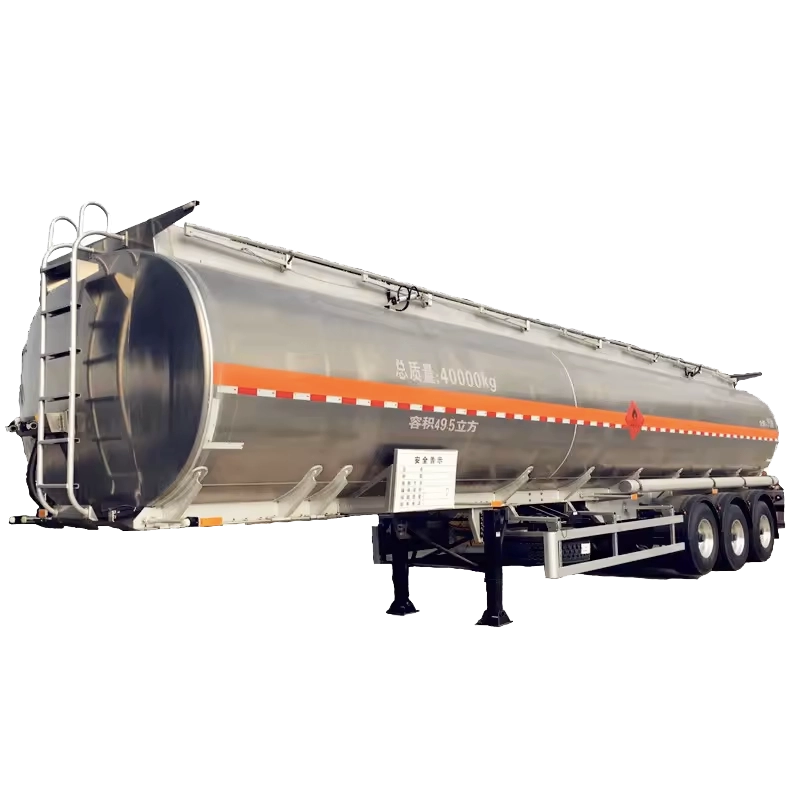
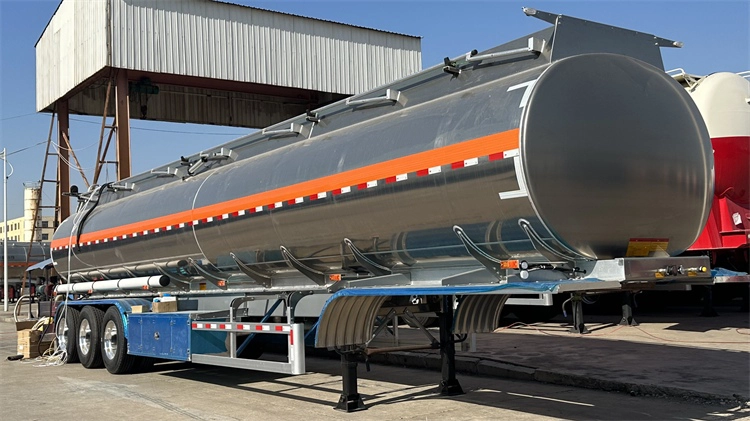
  • Tankers: Specialized Fuel and Cement Tankers ensuring safety and efficiency.

Why Choose Kales Vehicle? We offer factory-direct pricing without compromising on quality. All Kales trailers are compatible with major truck heads (Sinotruk, Shacman) and meet strict ISO standards. Browse our categories below to find the perfect specification for your business.

  • Kales 13M Curtainsider Semi Trailer

    Kales 13M Curtainsider Semi Trailer

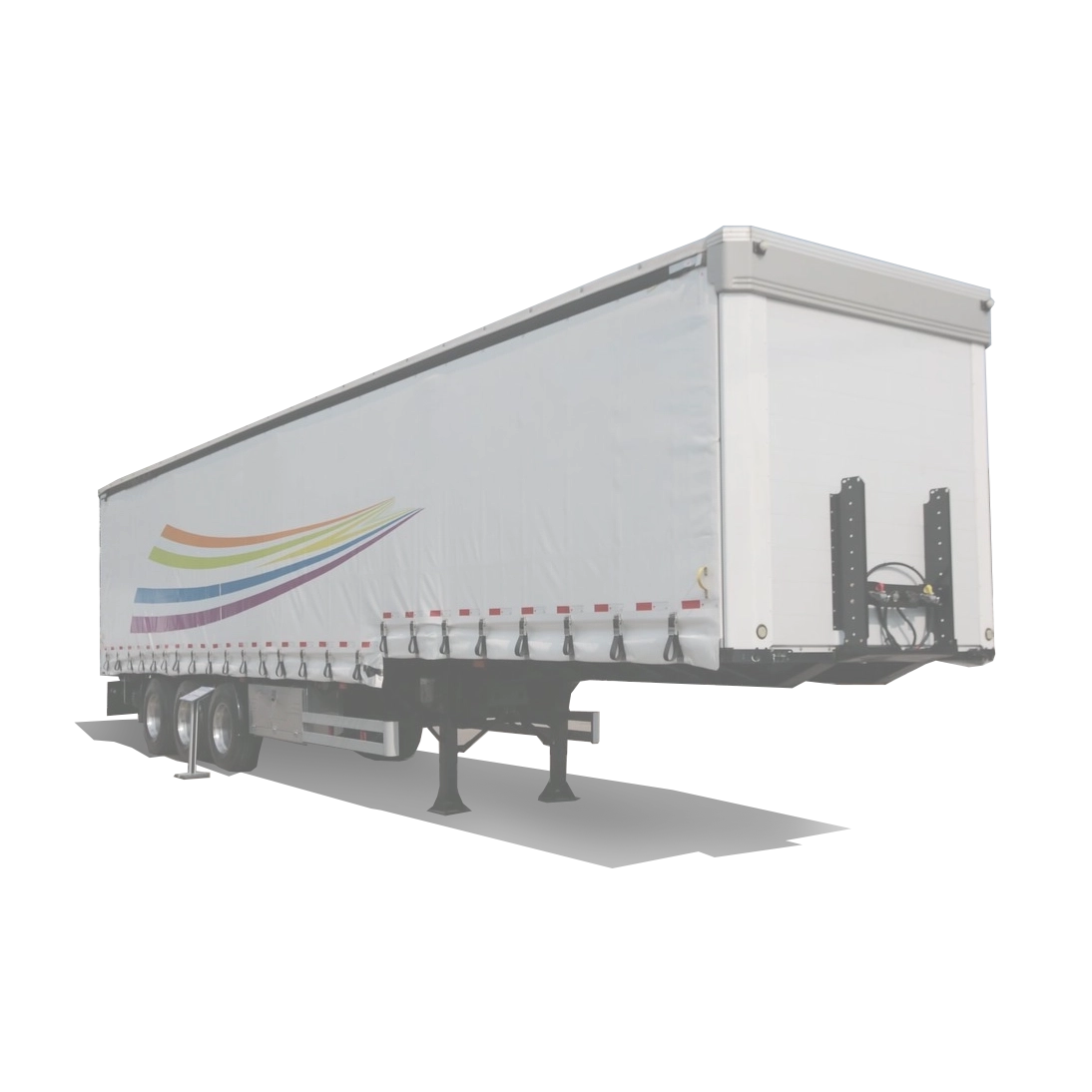
    Kales 13M Curtainsider Semi-trailer for Sale - 3 Axle Curtain Side Trailer.
    Kales 13m curtainsider semi trailer configured for pallet freight, beverage logistics, FMCG distribution, and export cargo with fast side loading.

    DryVan Transport Product Guide · Published: October 23, 2024 · Updated: June 3, 2026 · By Kales Vehicle Engineering Team · Reviewed by Kales Export Sales Engineering · Market focus: pallet freight, FMCG, beverage, automotive parts, and regional export logistics

    13m curtainsider semi trailer: this Kales tautliner is built for fleets that need faster side loading than a dry van while keeping cargo protected from rain, dust, and road debris. It fits buyers moving palletized FMCG, beverages, packaged goods, paper products, and auto parts on standard highway and distribution routes.

    Engineering guidance from the Kales Vehicle product team for buyers comparing a standard 13.75 m curtainsider with longer high-cube curtain-side trailers and other logistics platforms.

    Quick answer: Choose this 13m curtainsider semi trailer when you need one practical export-ready tautliner for side loading, dock efficiency, and weather-protected pallet freight. It is the better fit than a flatbed when cargo needs curtain protection, and the better fit than a 55ft curtain-side trailer when you want the more standard length for mixed regional routes, dock compatibility, and easier compliance.

    Why Buyers Choose This 13M Curtainsider Trailer

    • Fast side access: the full curtain opening supports forklift loading from both sides and cuts dock time versus rear-door-only dry vans.
    • Standard 13.75 m format: easier to place into mainstream export, warehouse, and regional distribution programs than longer 16 m curtain-side builds.
    • Balanced structure: T700 main beam plus aluminum upper structure helps manage tare weight without giving up the strength required for 40 to 50 ton freight duty.
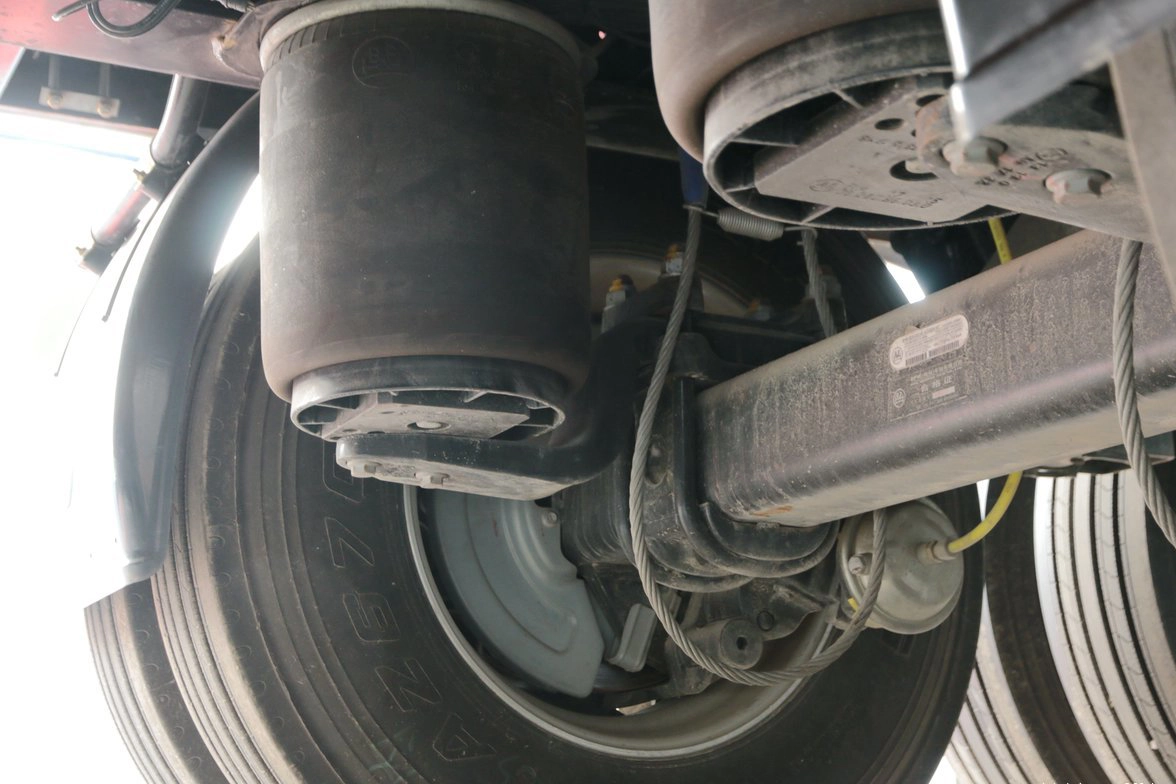
    • Flexible running gear: BPW, SAF, FUWA, or KALES axle matching with air suspension recommended and heavy-duty mechanical suspension available.
    • Cargo protection: 900 gsm PVC curtains, secure side tensioners, rear frame locking, and optional anti-slash reinforcement for higher-risk routes.
    • Practical floor options: 3 mm checkered steel or 28 mm composite wood floor depending on pallet, forklift, and cargo mix.

    Specification-backed advantages

    • Curtain material: 900 gsm reinforced PVC-coated curtain, waterproof and UV-resistant. This provides a concrete durability and load-control basis for the stated duty cycle.
    • Payload class: 40,000 kg to 50,000 kg depending on axle, suspension, and route specification. This defines the working band to validate against the cargo, route, and local legal limits.
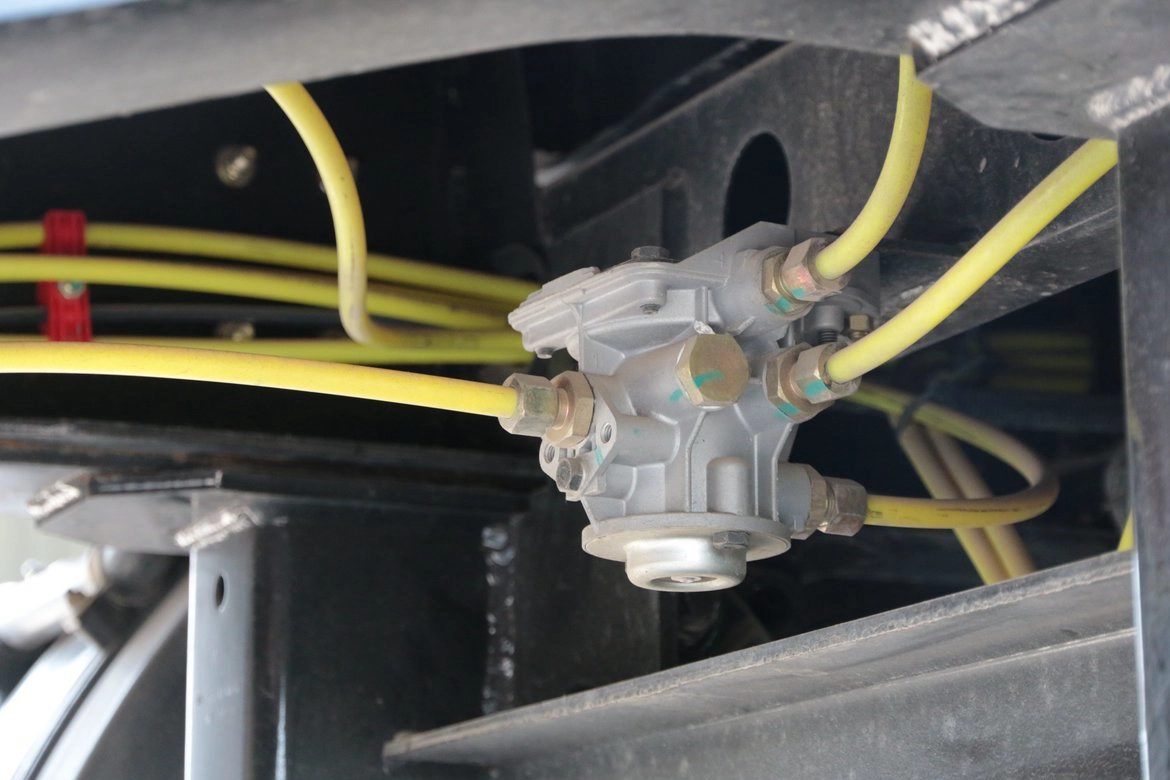
    • Brake system: WABCO valve and dual-line braking system, WABCO EBS optional. This gives the buyer a specific braking or safety package to verify for the intended route.


    Technical Snapshot

    Product type 3 axle curtainsider semi trailer / tautliner / curtain-side logistics trailer
    Overall dimensions 13,750 mm x 2,550 mm x 4,000 mm, with 15 m and 16 m length programs available for selected markets
    Payload class 40,000 kg to 50,000 kg depending on axle, suspension, and route specification
    Curtain material 900 gsm reinforced PVC-coated curtain, waterproof and UV-resistant
    Main beam T700 high-tensile steel main beam for lower tare weight and stronger anti-deformation performance
    Upper structure Aluminum roof support and side structure for weight control and cargo access efficiency
    Axles 3 axles, 13T or 16T; BPW, SAF, FUWA, or KALES matching
    Suspension Air suspension recommended for highway freight; heavy-duty mechanical suspension available for rougher distribution environments
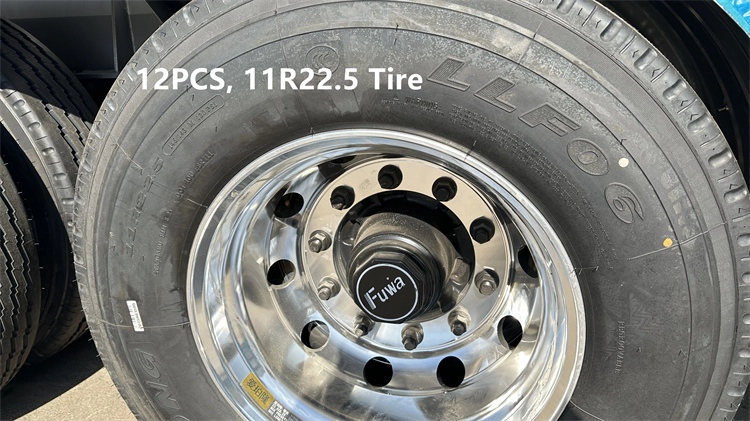
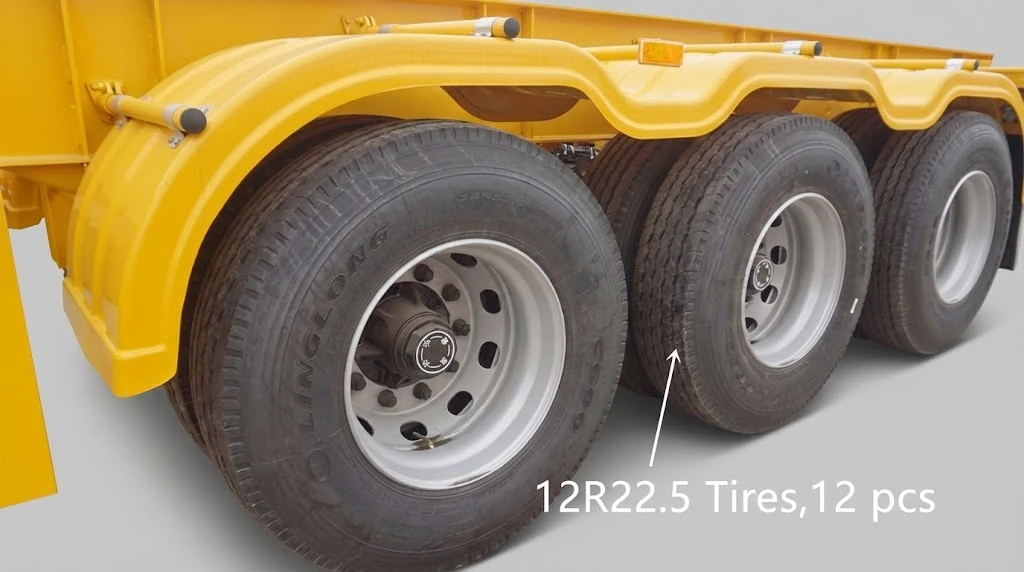
    Tires 12 units, 12R22.5, 315/80R22.5, or 385/65R22.5 depending on axle and route setup
    Floor 3 mm checkered steel plate or 28 mm composite wood floor
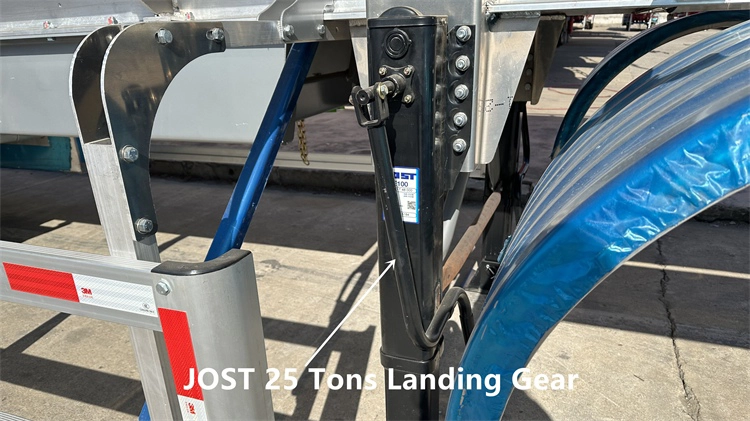
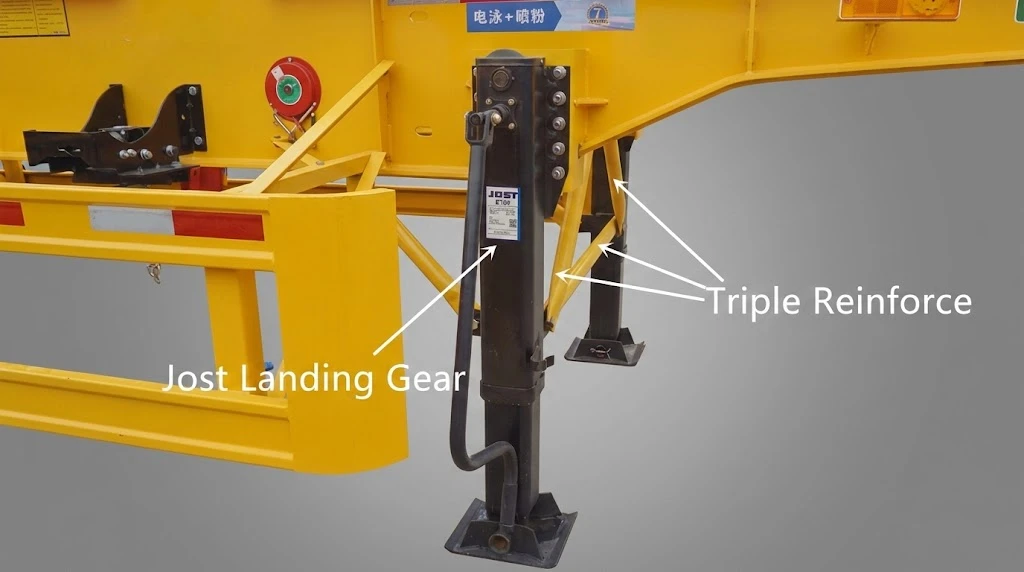
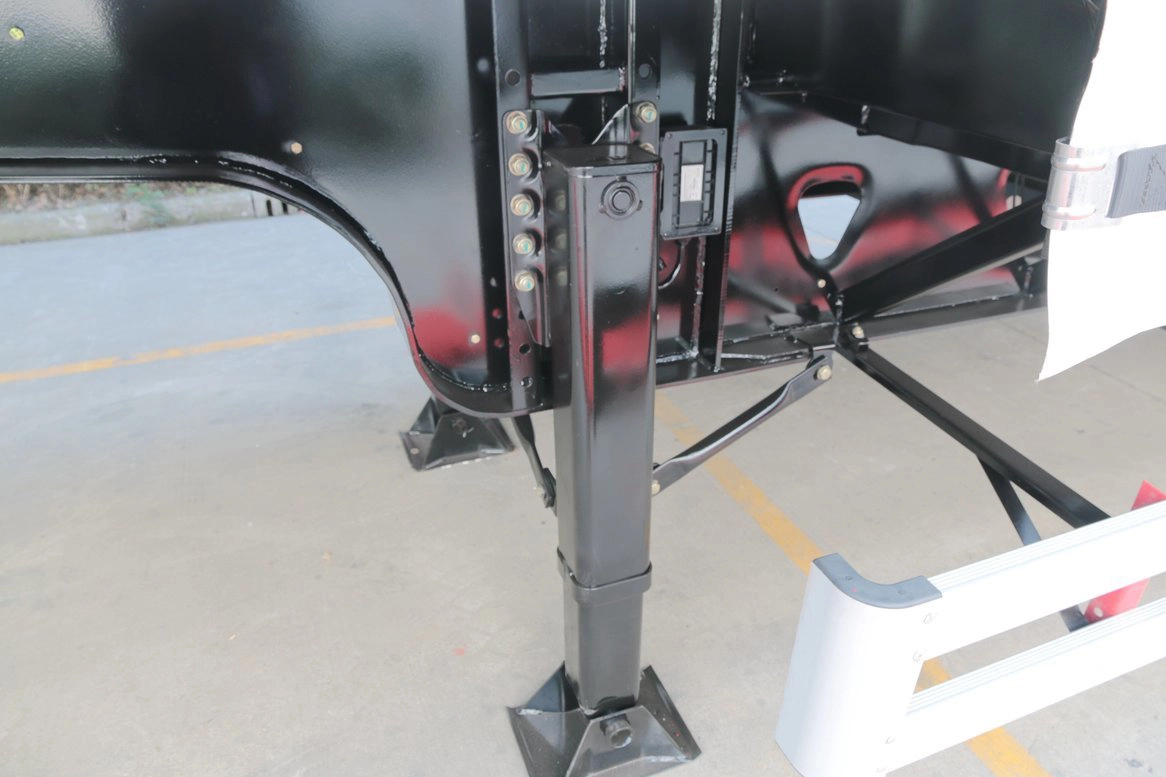
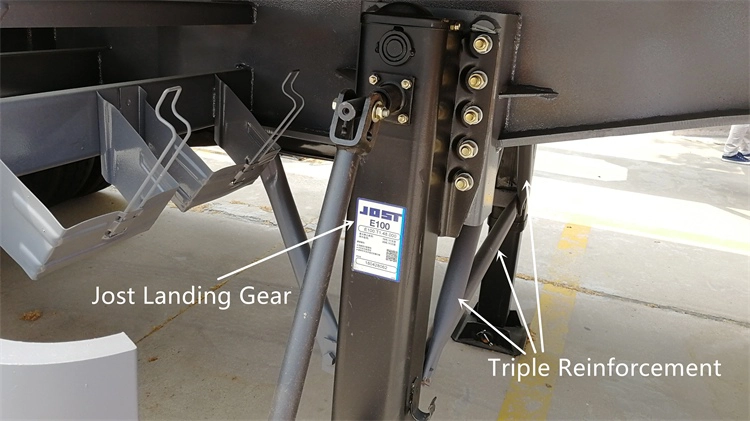
    Landing gear JOST 28T two-speed landing gear
    Brake system WABCO valve and dual-line braking system, WABCO EBS optional
    Kingpin 2 inch or 3.5 inch JOST kingpin, exchangeable configuration

    Best Fit Operating Profile

    This trailer fits fleets that want one standard curtain-side platform for cross-border freight, palletized cargo, beverage distribution, packaged goods, and mixed warehouse loading. It is especially useful when loading speed and side access matter more than the fully enclosed structure of a dry van.

    Best for

    • Palletized FMCG, bottled beverages, paper rolls, bagged products, tires, and boxed industrial cargo
    • Regional highway logistics, bonded cargo movement, and warehouse-to-warehouse distribution
    • Buyers who want the mainstream 13.75 m tautliner size before moving into longer 55ft high-cube curtain-side equipment
    • Operations that need side forklift access and flexible loading from either side or the rear

    Not ideal for

    • Bulk sand, aggregate, quarry material, or mining work that belongs on tipper, sidewall, or flatbed platforms
    • Strict cold-chain cargo that needs an insulated reefer body instead of a curtain-side structure
    • Very high-volume light cargo programs that already require a 55ft or 16 m curtain-side layout

    Why 13M Is Still the Standard Curtainsider Size

    Many buyers compare curtainsiders only by cube volume and assume the longest trailer is automatically the best buy. That is too shallow. The standard 13.75 m curtainsider remains the correct answer for many fleets because it balances cargo space, route flexibility, loading dock compatibility, and compliance better than a stretched 55ft platform.

    Buyer situation Best-fit Kales option Why
    Mainstream pallet freight with side loading and standard regional route requirements This 13m curtainsider semi trailer Better balance of standard length, operating flexibility, and procurement cost
    High-cube, long-length logistics program focused on maximum volume 55ft curtain-side semi trailer More cubic capacity when the route, warehouse, and legal envelope already support a longer body
    Container-only movement from port to inland yard 40ft skeletal trailer Dedicated container chassis is lighter and more efficient for ISO box transport
    General platform freight without curtain protection requirement 40ft flatbed semi trailer Simpler deck structure for cargo that does not need weather cover

    Engineering and Serviceability Details

    T700 beam plus aluminum upper structure

    The frame logic matters more than slogans. The T700 main beam is there to reduce tare weight while keeping the beam resistant to sag under repeated pallet freight cycles. The aluminum roof bows and side members reduce dead weight further, which helps both payload efficiency and tractor fuel use on longer routes.

    Air suspension versus mechanical suspension

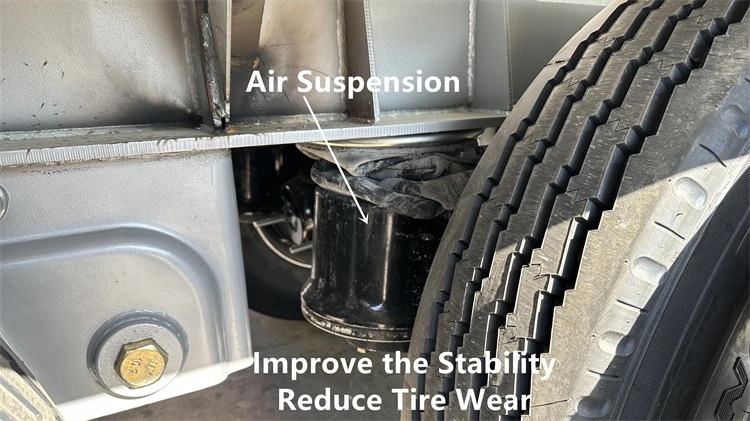
    Air suspension is the recommended choice for this product because curtainsiders usually run on paved or mixed logistics routes and often carry cargo that benefits from better ride isolation. Mechanical suspension is still available for buyers who operate in rougher regional conditions or prioritize simpler maintenance over ride quality.

    Curtain system, access speed, and cargo security

    The operating advantage of a tautliner is not abstract comfort. It is loading speed. Full side opening allows forklifts to work from either side without queuing everything through the rear door. At the same time, the curtain system must still hold tension properly, resist weather, and stay serviceable after many opening cycles. That is why the side tensioners, roof support alignment, and rear locking hardware matter as much as the PVC curtain itself.

    How this page differs from the 55ft curtain-side model

    This page should own the standard 13m curtainsider semi trailer intent. The 55ft curtain-side page is the longer, higher-volume answer for fleets that already know they need a stretched body. This page is for buyers who need the more universal tautliner format that fits mixed regional work and standard dispatch patterns.

    Quotation and Procurement Guidance

    Buyers searching for a 13m curtainsider semi trailer often compare it against dry vans, flatbeds, and longer 55ft curtain-side builds. The better comparison is not just list price. It is loading method, pallet handling speed, route restrictions, and whether the extra body length will actually earn revenue on your route network.

    Kales can customize axle brand, suspension type, curtain specification, floor material, logo printing, and body length before production. The correct build depends on whether your cargo mix is beverage pallets, FMCG, cartonized cargo, industrial parts, or a higher-security program that needs anti-slash curtain reinforcement.

    Factory Images and Inspection Views
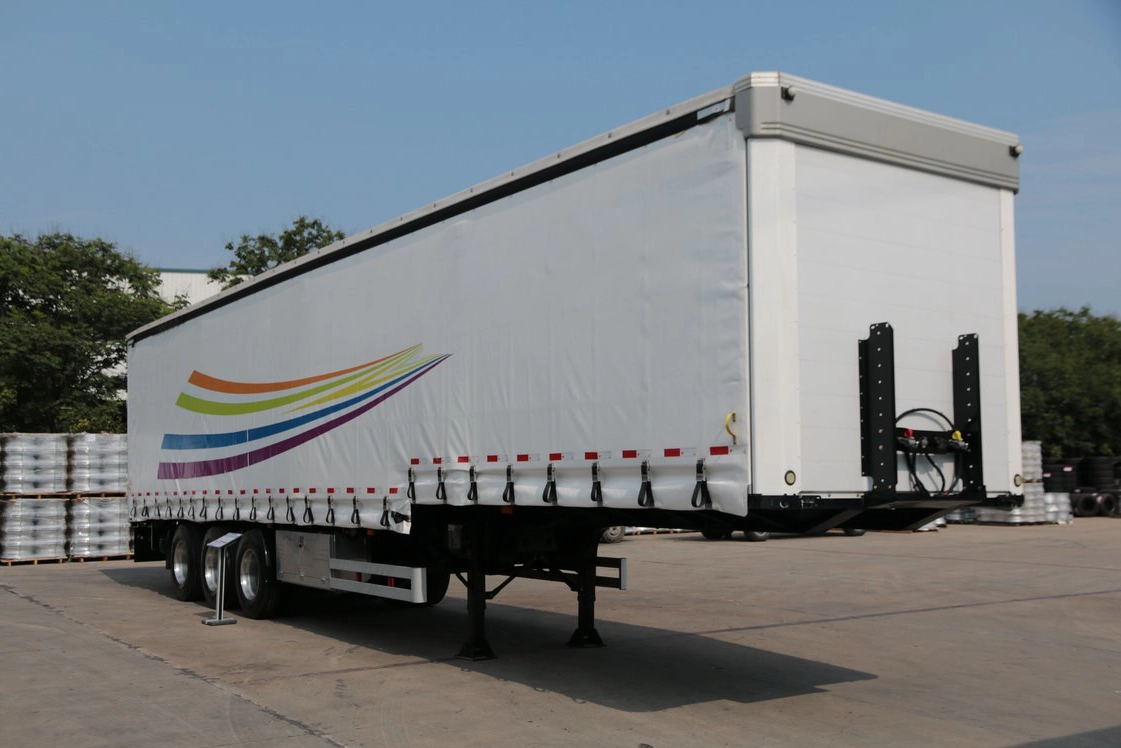
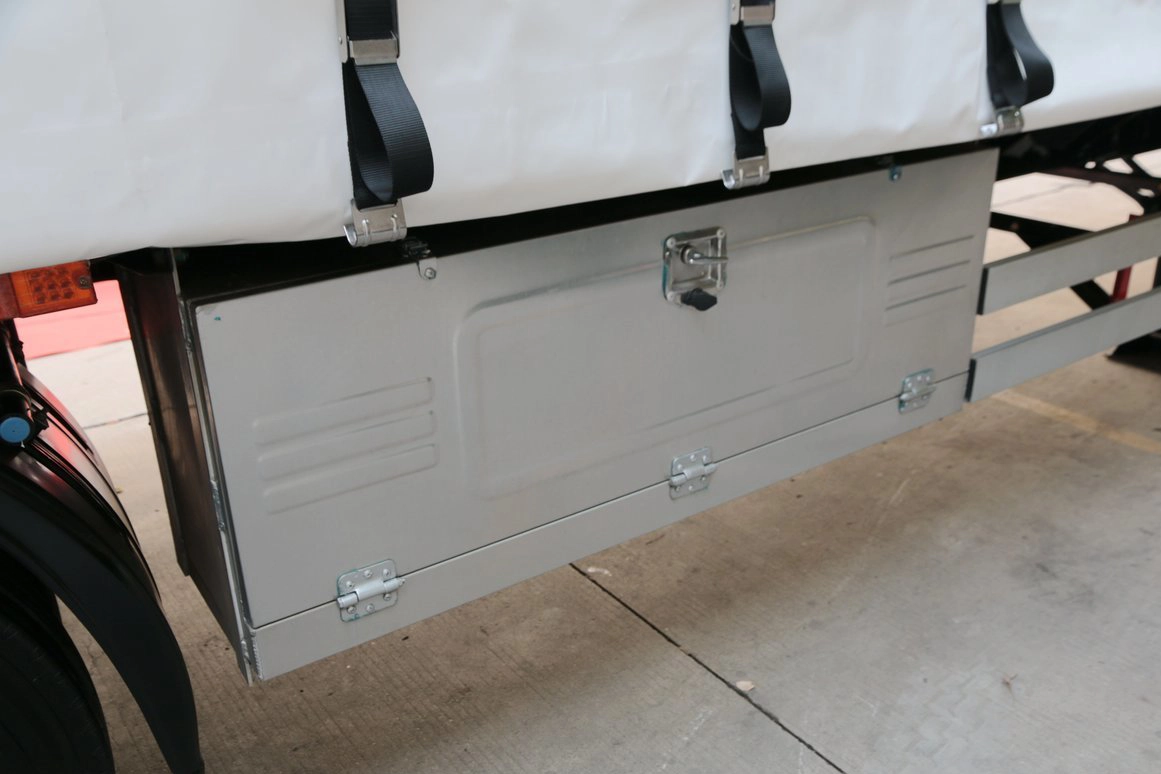
    Kales 13m curtainsider semi trailer side view in export-yard condition for pallet freight and FMCG logistics.
    Full side profile of the 13m curtainsider trailer in export-yard inspection condition.
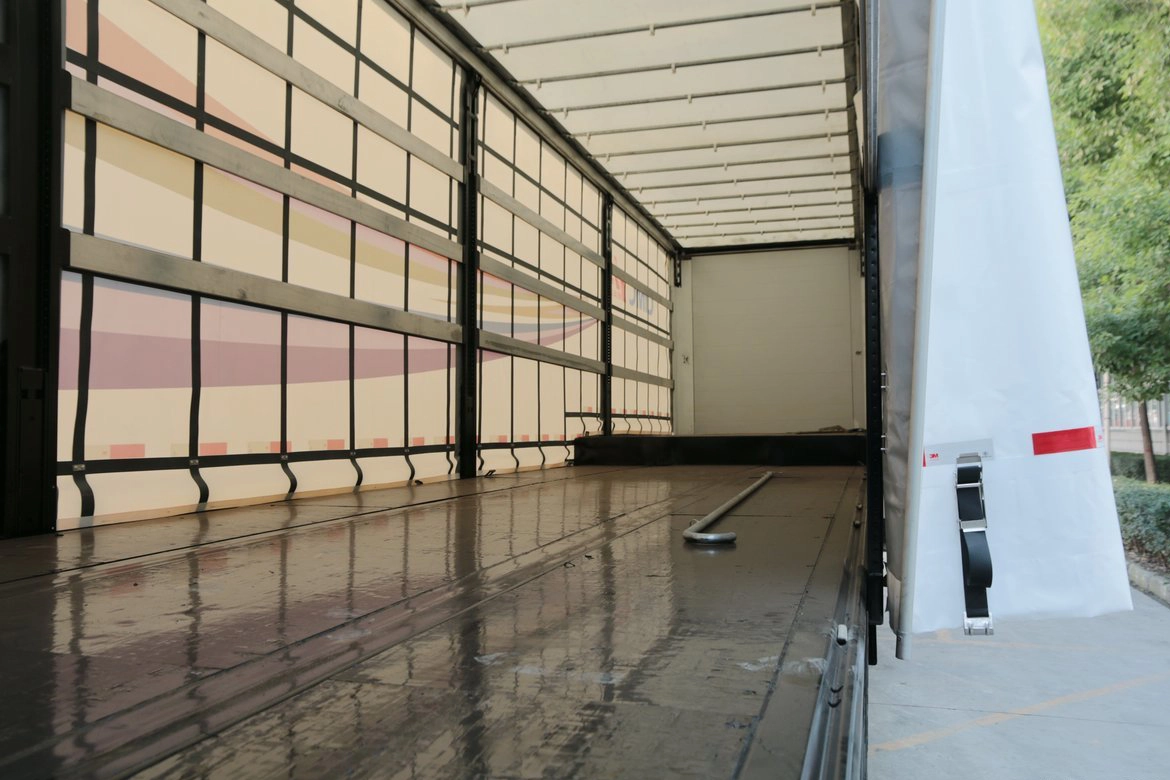
    Internal view of Kales 13M Curtainsider semi-trailer featuring aluminum alloy support structure and durable cargo floor.
    Internal cargo area with aluminum upper structure and durable floor setup.
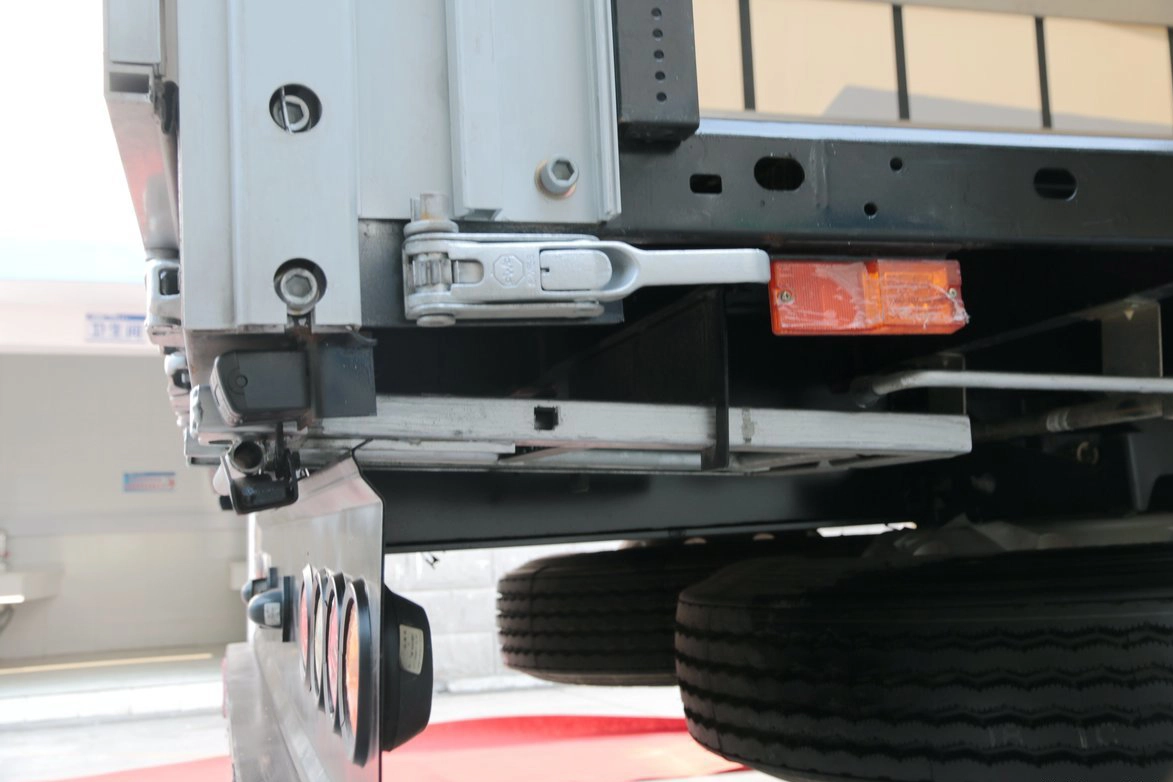
    Detail of side curtain tensioner and rear retractable ladder on Kales 13M Curtainsider semi-trailer.
    Side curtain tensioner and rear access details that matter in daily loading cycles.
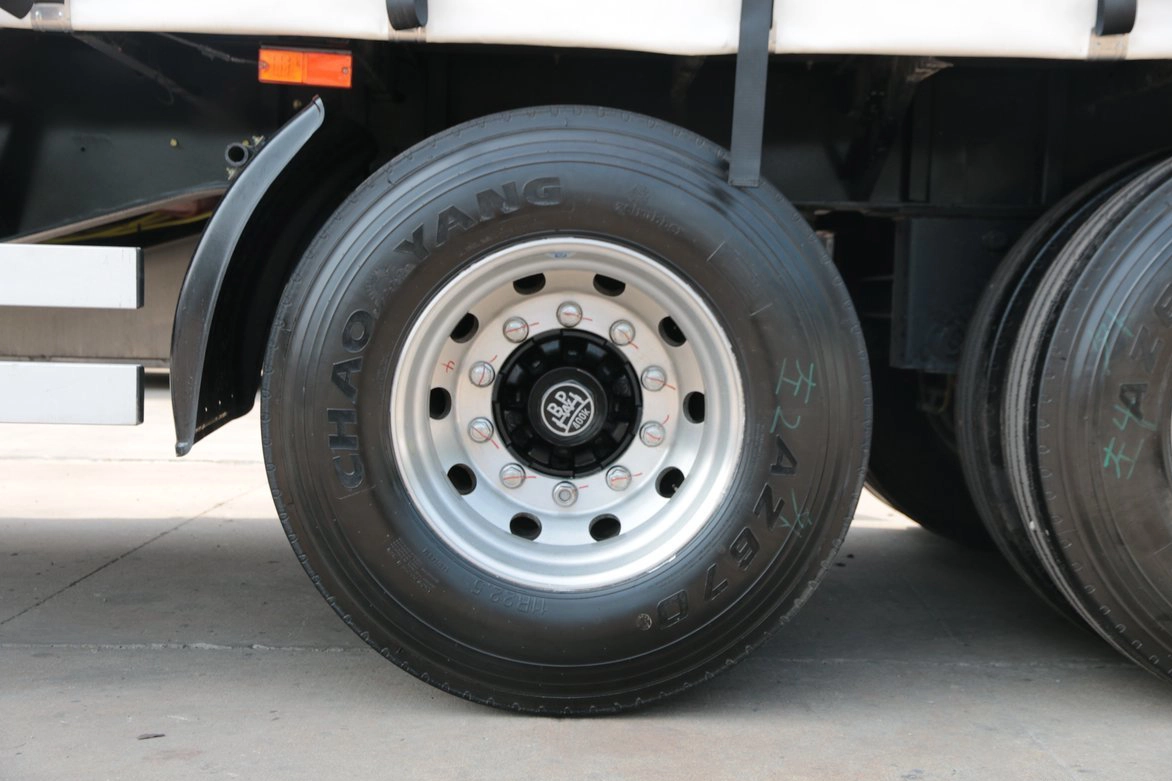
    Detail of premium BPW axles and aluminum alloy rims on Kales 13M Curtainsider semi-trailer.
    Premium axle and wheel-end configuration for long-haul logistics duty.
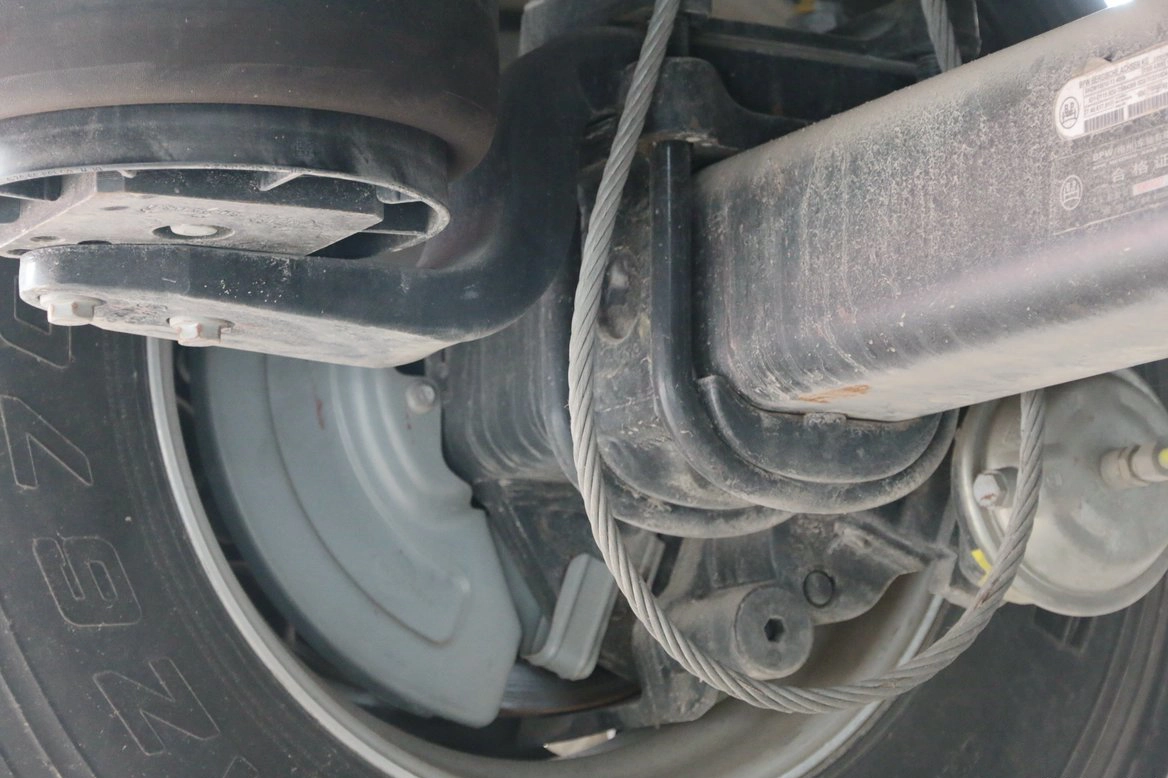
    Detail of air bag suspension system on Kales 13M Curtainsider semi-trailer for superior shock absorption.
    Air suspension setup for better ride isolation on high-value pallet freight.
    Close-up of WABCO brake valve on Kales 13M Curtainsider semi-trailer for enhanced braking safety.
    WABCO brake hardware for controllable highway braking response.
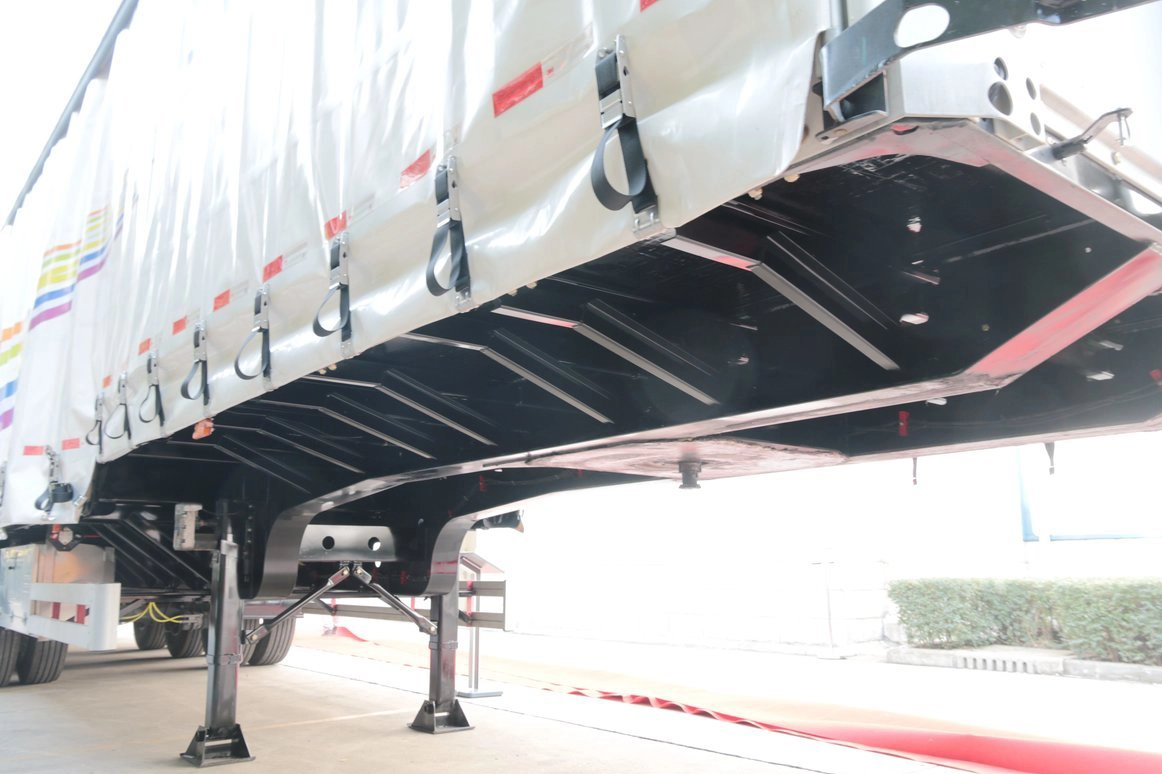
    Front-quarter view of the Kales 13m curtainsider semi trailer showing cab-side stance, curtain body, and landing gear.
    Front-quarter inspection view of the curtain-side body and chassis stance.
    Detail of JOST brand landing gear on Kales 13M Curtainsider semi-trailer.
    JOST landing gear detail for serviceable support hardware after import.
    Rear-quarter view of the Kales 13m curtainsider semi trailer showing rear frame, curtain body depth, and axle stance.
    Rear-quarter view for checking rear frame layout and body depth.
    Additional export-yard view of the Kales 13m curtainsider semi trailer for body finish and stance inspection.
    Additional export-yard inspection view for body finish and overall trailer posture.

    Frequently Asked Questions

    Why choose a curtainsider instead of a dry van?

    Choose a curtainsider when loading speed and side access matter. A dry van protects cargo well, but it restricts loading to the rear. A tautliner keeps weather protection while making side forklift loading much faster.

    Should I choose air suspension or mechanical suspension?

    Air suspension is usually the better match for pallet freight, beverage loads, and longer highway work because it improves ride quality and helps protect cargo. Mechanical suspension remains a rational option for rougher distribution routes or fleets that want simpler field maintenance.

    Is the standard 13.75 m body enough, or should I move to 55ft?

    The standard 13.75 m platform is the right answer for many buyers because it is easier to dispatch across mixed routes and loading docks. Move to 55ft only when your route, legal limits, and warehouse system already support a longer body and the extra cube will actually be monetized.

    Can the curtain be reinforced for higher-security cargo?

    Yes. Kales can supply higher-grade curtain material and anti-slash reinforcement for buyers carrying higher-value freight on routes where cargo security is a bigger risk factor.

    Can this trailer be customized for different cargo programs?

    Yes. Floor type, axle brand, suspension, curtain specification, body length, and logo printing can all be matched to beverage, FMCG, industrial, or export logistics requirements before production.

    Request Drawing and Quote

    If you are comparing a 13m curtainsider semi trailer for pallet freight, beverage logistics, or export cargo, send your target payload, route country, loading pattern, and whether you want air or mechanical suspension. Kales can then match the curtain system, floor type, axle package, and body length to the real job.

    Related Kales Logistics Trailer Options


  • Kales 35CBM Rear Dump Semi Trailer

    Kales 35CBM Rear Dump Semi Trailer

    Front 45-degree view of Kales 35m³ Dump Semi-Trailer featuring HYVA hydraulic cylinder and front reinforced ribs.
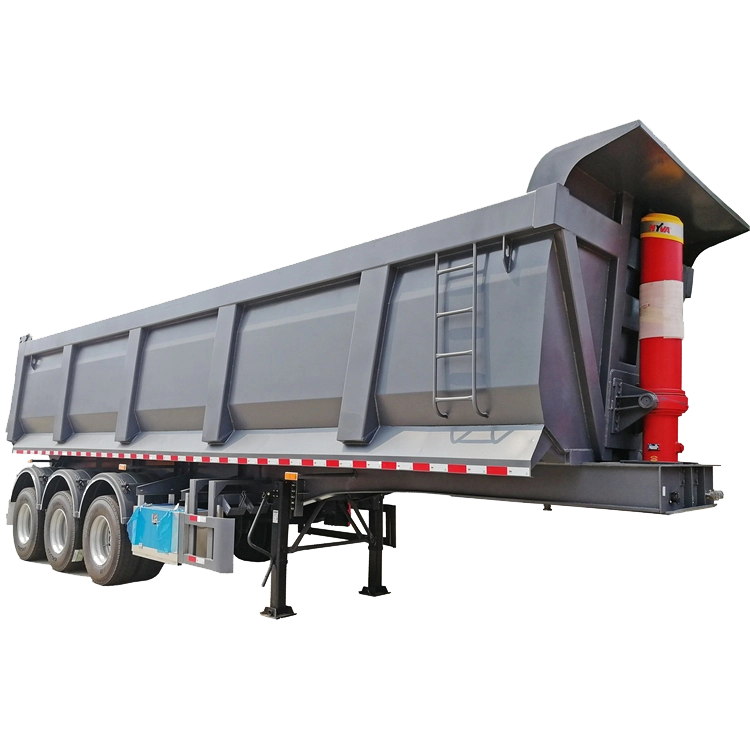
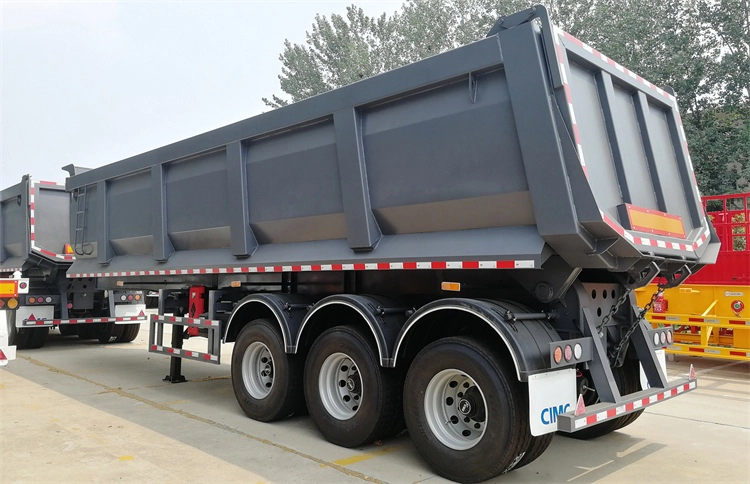
    Kales 35m3 rear dump semi trailer configured for sand, aggregate, coal, and quarry haulage.

    Sand & Coal Transport Product Guide · Published: October 23, 2024 · Updated: June 3, 2026 · By Kales Vehicle Engineering Team · Reviewed by Kales Export Sales Engineering · Market focus: quarry, construction, and mining support haulage

    35m3 dump semi trailer: this Kales rear dump tipper is built for buyers who need a practical 35 cubic meter body for sand, gravel, coal, laterite, and quarry material on daily haul routes. The standard configuration covers mainstream 50 to 60 ton duty, while the same platform can be reinforced into an 80 to 100 ton mining-oriented build when the route, axle count, and floor thickness need to move into a heavier category.

    Engineering guidance from the Kales Vehicle product team for buyers comparing standard rear dump tippers with heavier U-shape mining tipper options.

    Quick answer: Choose this 35CBM rear dump tipper semi trailer when you need a balanced sand-and-aggregate hauler with practical body volume, fast rear unloading, and a straightforward upgrade path from standard duty into mining-grade reinforcement. It is the right fit for quarry, construction, and bulk material routes where 35 cubic meters is the target body class. It is not the best fit when the job already requires a dedicated 60 ton or 80 ton U-shape mining tipper from the start.

    Why Buyers Choose This 35CBM Rear Dump Tipper

    • Practical body size: 35 cubic meters is a useful mid-range volume for sand, aggregate, coal, and general quarry haul routes.
    • Two-level product logic: standard 50 to 60 ton specification for mainstream work, with heavier reinforcement available for 80 to 100 ton mining use.
    • Proven lifting hardware: HYVA hydraulic cylinder with 214 mm width for reliable rear tipping under demanding loading cycles.
    • Body durability: 10 to 14 mm floor options, 8 to 10 mm side panels, and reinforced rear gate structure with four flipping brackets.
    • Fleet-service fit: mainstream axle, suspension, WABCO brake, and JOST support hardware keep serviceability practical after import.

    Specification-backed advantages

    • External dimensions: 8,112 mm x 2,500 mm x 3,482 mm, customizable to route and body program. This provides a concrete durability and load-control basis for the stated duty cycle.
    • Payload range: 50T to 60T standard configuration, 80T to 100T mining-grade reinforced version. This defines the working band to validate against the cargo, route, and local legal limits.
    • Lifting system: HYVA hydraulic cylinder, 214 mm wide-cylinder specification. This directly supports the loading, unloading, or handling workflow described for this product.


    Technical Snapshot

    Product type 35CBM rear dump semi trailer / tipper semi-trailer
    External dimensions 8,112 mm x 2,500 mm x 3,482 mm, customizable to route and body program
    Body volume 35 cubic meters as the standard body class
    Payload range 50T to 60T standard configuration, 80T to 100T mining-grade reinforced version
    Lifting system HYVA hydraulic cylinder, 214 mm wide-cylinder specification
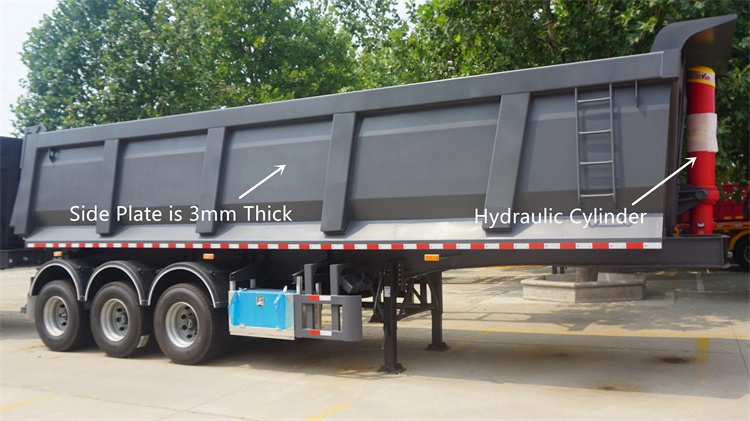
    Box material Floor 10 mm to 14 mm, side walls 8 mm to 10 mm high-tensile steel depending on duty class
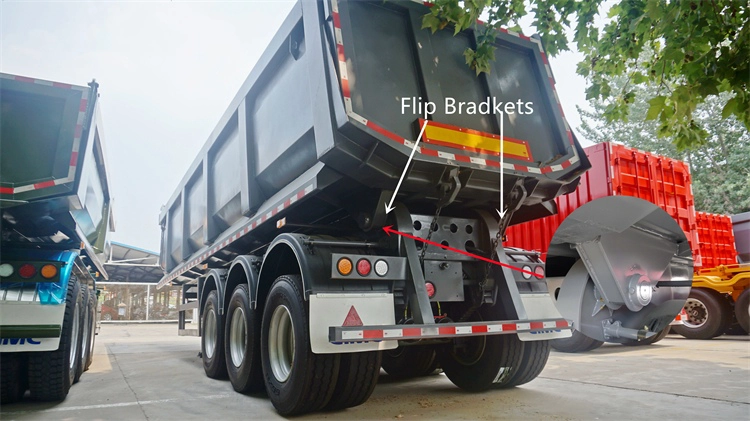
    Rear gate Reinforced rear gate with four flipping brackets
    Axles 3 or 4 axles depending on final payload target; BPW, SAF, FUWA, or KALES matching
    Suspension Mechanical suspension with reinforced 70 mm center pin, air suspension optional on selected routes
    Brake system WABCO braking system with ABS standard and EBS optional
    Tires 12R22.5 or 315/80R22.5 in 12 or 16 unit layout depending on axle count
    Landing gear JOST D200T heavy-duty landing gear

    Best Fit Operating Profile

    This rear dump trailer is best for buyers who want one clear answer for mainstream bulk-material tipping before stepping into very large mining-specific U-shape tippers. It works well on sand routes, aggregate haulage, quarry supply, earthmoving support, and short-to-medium distance mine support where rear unloading simplicity matters and the body volume target sits around 35 cubic meters.

    Best for

    • Sand, gravel, aggregate, laterite, coal, and quarry material haulage
    • Construction fleets that need a practical rear dump trailer before moving to a much larger mining spec
    • Buyers who want to start from a standard 50 to 60 ton configuration and reinforce only when route conditions justify it
    • Operators who prioritize rear unloading simplicity and serviceable mainstream components

    Not ideal for

    • Operations that already know they need a dedicated 60 ton or 80 ton U-shape mining tipper
    • Bulk programs where body shape, anti-sticking behavior, and very high tonnage already point to a larger U-box trailer
    • General freight or cargo profiles that should stay on dropside, sidewall, or flatbed trailers

    Where This 35CBM Dump Trailer Fits in the Kales Tipper Range

    This page should own the standard 35 cubic meter rear dump intent. It is not the same buying situation as the larger 60 ton and 80 ton U-shape tippers. Buyers come here when they need a mainstream rear dump body with a clear upgrade path, not when they already know the route is an 80 ton mining corridor from day one.

    Buyer situation Best-fit Kales option Why
    35 cubic meter rear dump body for sand, aggregate, and general quarry work This 35CBM rear dump trailer Balanced body size with practical standard-duty and reinforced-duty options
    Known 60 ton U-shape quarry and mine requirement 60 ton rear dump U-shape tipper Better matched to higher tonnage and U-box unloading behavior
    Heavier 80 ton mining or coal hauling duty 80 ton U-shape rear dump trailer Purpose-built for larger tonnage and harder mining use from the start
    Heavy dump fleet needing tarp control for road compliance and material containment 80 ton tipper with electric tarp Tarp system adds operational value on specific heavy-haul road programs

    Why the Standard Build Still Matters

    Many dump-trailer pages jump straight to extreme mining claims and skip the more common fleet problem: buyers need a rear tipper that works every day on mainstream bulk routes without paying for unnecessary overbuild. That is why this page should stay centered on the 35 cubic meter body and the standard-duty logic first.

    Standard-duty structure

    The standard version is built around a 10 mm floor, 8 mm side walls, a 3 axle configuration, and rear tipping hardware sized for practical bulk material routes. For most sand, gravel, and general construction work, this is the rational starting point because it balances payload, body life, and acquisition cost.

    Mining-grade reinforcement path

    When the route moves into ore, larger rock impact, or 80 to 100 ton mine-support duty, Kales can increase floor thickness to 12 mm or 14 mm, reinforce the main beam, and add a fourth axle. That creates a real engineering separation between standard bulk hauling and mining-grade operation instead of pretending one light trailer can do everything safely.

    Rear gate and tipping stability

    The reinforced rear gate with four flipping brackets is important because rear doors are a common weakness on low-cost dump trailers. When wet sand, rock, or sticky bulk material pushes against the gate, the extra bracket support helps distribute force more evenly and reduces deformation risk during repeated unloading.

    Mechanical versus air suspension

    Mechanical suspension remains the default choice for rougher quarry and mine-support routes because it handles abuse better and is easier to repair. Air suspension only becomes relevant when the roads are better, the haul pattern is more mixed, or the operator specifically wants different ride behavior and is prepared for the maintenance tradeoff.

    Quotation and Procurement Guidance

    Buyers usually search for a 35CBM rear dump tipper semi trailer when they need a practical body volume for bulk materials rather than the largest mining dump trailer in the catalog. The procurement mistake is to compare only body volume or sticker price. The better question is whether the floor thickness, axle count, lifting cylinder, and reinforcement level match the actual material and impact conditions on the route.

    Kales can customize volume, floor thickness, side thickness, axle count, suspension type, and steel grade before production. That matters because a sand route, a wet aggregate route, and a copper-mine ore route should not all receive the same dump trailer specification just because they share the word “tipper.”

    Factory Images and Inspection Views
    Rear 45-degree view of Kales 35m³ dump semi-trailer featuring side tool box and safety guard rails.
    Rear three-quarter view of the body, chassis, and unloading structure.
    Side profile view of Kales 35m³ Dump Semi-Trailer featuring high-strength 3mm steel box body with reinforced ribbed structure
    Reinforced ribbed box structure for body durability.
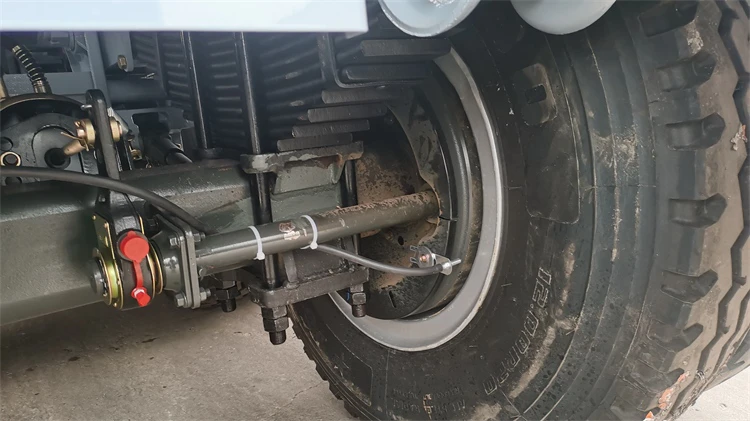
    Heavy-duty axles and thickened leaf spring suspension on Kales 35m³ Dump Semi-Trailer.
    Axle and suspension detail for heavier-duty configuration.
    Rear view of Kales 35m³ Dump Semi-Trailer showing reinforced rear tipping brackets and heavy-duty checkered-pattern tailgate.
    Reinforced rear gate and four flipping bracket arrangement.
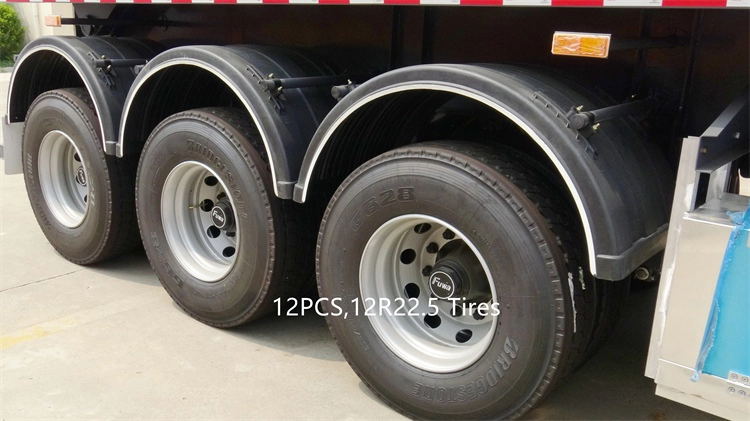
    Set of 12 units 12R22.5 heavy-duty tires on Kales 35m³ Dump Semi-Trailer.
    Heavy-duty tire set for bulk material haulage.
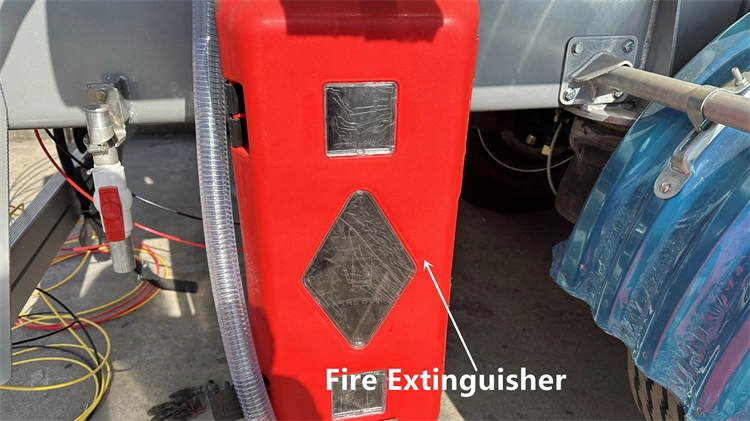
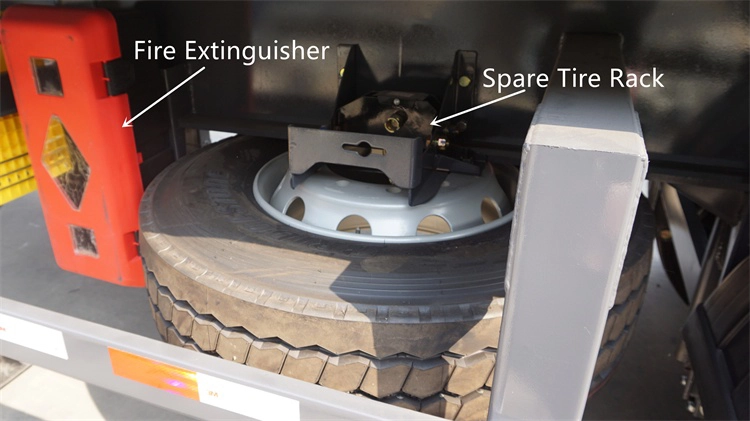
    Kales 35m³ Dump Semi-Trailer accessories: spare tire carrier featuring one spare tire and fire extinguisher.
    Accessory set with spare tire carrier and safety equipment.

    Frequently Asked Questions

    Why does Kales use four flipping brackets on the rear gate instead of two?

    Because heavier bulk material can deform a weak rear gate under repeated unloading. Four flipping brackets distribute force more evenly across the gate and improve unloading stability under wet sand, rock, and dense material.

    Can this trailer be configured for 100 ton mine use?

    Yes, but that is not the standard build. The mining-grade version requires thicker floor steel, additional beam reinforcement, and a 4 axle setup. The final structure should be matched to the target payload and route conditions before production.

    Should I choose mechanical or air suspension?

    Mechanical suspension is the default answer for rougher quarry and mine-support work because it is tougher and easier to repair. Air suspension should only be specified when route conditions and maintenance capability make that tradeoff worthwhile.

    Is 35 cubic meters enough for general aggregate hauling?

    Yes, for many sand, gravel, and construction-material routes it is a practical body size. The right answer still depends on material density, local legal limits, and whether the buyer needs a standard-duty or mining-grade structure.

    What matters more: body volume or steel thickness?

    Both matter, but steel thickness often decides trailer life. A 35 cubic meter body only works commercially if the floor, sides, gate, cylinder, and axle package are matched to the material impact and real route abuse.

    Request Drawing and Quote

    If you are comparing a 35CBM rear dump tipper semi trailer for sand, aggregate, quarry, or coal haulage, send your target payload, material type, road condition, and whether the route is standard-duty or mining-grade. Kales can then match the body thickness, axle count, and reinforcement level to the real job.

    Related Kales Tipper Options


  • Kales 3 Axle Dropside Semi Trailer (60-80 Ton)

    Kales 3 Axle Dropside Semi Trailer (60-80 Ton)

    Kales 3-Axle Side Wall Semi Trailer for Sale - Versatile 60-80 Ton Dropside Trailer.
    Kales 3 axle dropside semi trailer configured for heavy bulk cargo, bagged freight, and container-capable fleet use.

    Container & Bulk Transport Product Guide · Published: October 9, 2024 · Updated: June 3, 2026 · By Kales Vehicle Engineering Team · Reviewed by Kales Export Sales Engineering · Market focus: Africa and export bulk freight fleets

    80 ton dropside semi trailer: this Kales 3 axle sidewall trailer is the heavier-payload choice for buyers carrying dense bulk cargo, bagged materials, palletized building products, steel, and mixed freight that still benefits from removable side boards and container backhaul flexibility. It is built around a T700 high-strength main beam, reinforced side structure, and serviceable mechanical running gear for practical export fleet use.

    Engineering guidance from the Kales Vehicle product team for buyers comparing heavier-payload dropside trailers against lighter 60 ton sidewall, fence, and flatbed configurations.

    Quick answer: Choose this 80 ton dropside semi trailer when your fleet needs a heavier-duty 3 axle sidewall platform for dense cargo and mixed route work, but still wants removable side walls and 12 twist locks for container backhaul. It is the better fit than a lighter 60 ton sidewall trailer when payload intensity is higher. It is not the right choice when your operation is mostly container-only, mostly fence-style agricultural cargo, or specialized machinery hauling.

    Why Buyers Choose This 80 Ton Dropside Semi Trailer

    • Heavier-payload role: positioned above a mainstream 60 ton sidewall trailer for denser cargo and tougher daily loading cycles.
    • 2-in-1 freight logic: removable side walls plus 12 twist locks allow one chassis to support both sidewall cargo and ISO container backhaul.
    • Structural focus: T700 high-strength main beam, reinforced gooseneck zone, stronger side posts, and heavy-duty mechanical suspension.
    • Practical bulk use: suitable for bagged cement, fertilizer, grain, steel products, general cargo, and project materials.
    • Serviceability: built around standard workshop-friendly components rather than a maintenance-heavy specialty layout.

    Specification-backed advantages

    • Main beam material: T700 high-strength steel main beam for heavier payload support. This provides a concrete durability and load-control basis for the stated duty cycle.
    • Payload class: 60 to 80 tons depending on axle selection, route regulation, tractor match, and final cargo density. This defines the working band to validate against the cargo, route, and local legal limits.
    • Axles: 3 axles in 13T or 16T matching; FUWA, BPW, or KALES options. This makes destination-market parts support and workshop planning easier to confirm before production.


    Technical Snapshot

    Product type 3 axle 60-80 ton dropside semi trailer / sidewall trailer
    Payload class 60 to 80 tons depending on axle selection, route regulation, tractor match, and final cargo density
    Overall dimensions 12,500 mm x 2,500 mm x 1,550 mm, customizable for local route and cargo requirements
    Side wall height 600 mm, 800 mm, 1000 mm, or 1200 mm; grain-door options available
    Main beam material T700 high-strength steel main beam for heavier payload support
    Platform floor 3 mm reinforced checkered anti-skid plate
    Axles 3 axles in 13T or 16T matching; FUWA, BPW, or KALES options
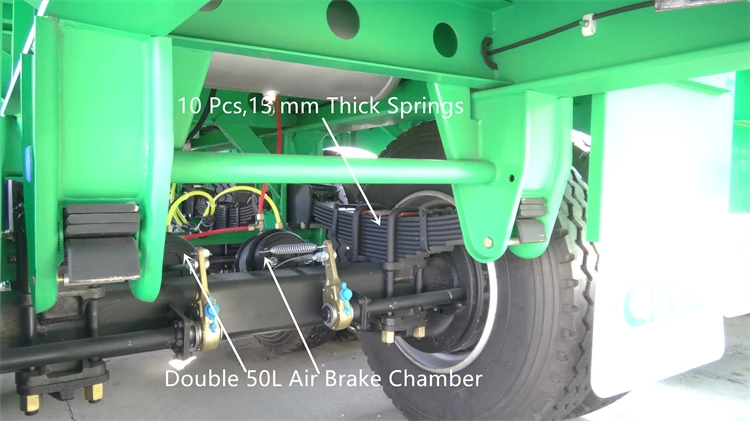
    Suspension Heavy-duty mechanical suspension with 10-leaf spring layout
    Tires 12.00R22.5 or 315/80R22.5, 12 units as standard matching
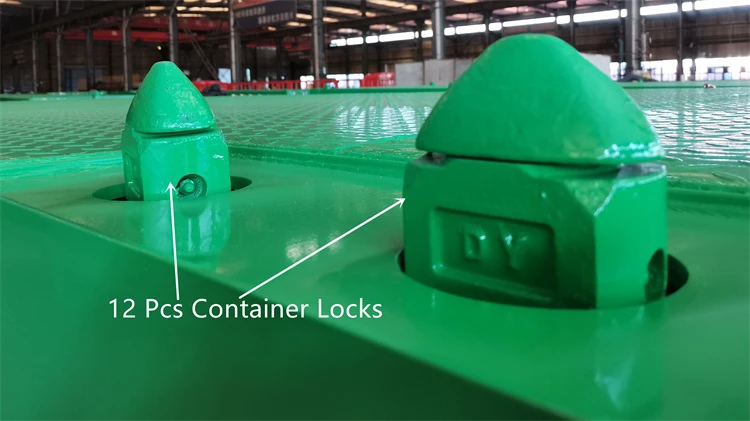
    Container locks 12 twist locks for 1 x 40ft or 2 x 20ft ISO containers
    King pin JOST 2.0 inch or 3.5 inch bolted type
    Landing gear JOST 28T two-speed manual landing gear

    Best Fit Operating Profile

    This heavy payload dropside trailer is built for fleets that do not want to dedicate one chassis to only one cargo type. It works well when the same trailer may haul bagged cement one week, bulk grain with higher side panels the next, then return with palletized building materials or a 40ft container. That versatility matters most to buyers running cross-border, port-to-inland, and construction supply routes where empty-return risk is high.

    Best for

    • Bagged cement, fertilizer, sugar, and flour with frequent side loading and unloading
    • Dense bulk agricultural cargo where higher side walls or grain doors improve unload control
    • Steel pipe, rebar, palletized construction materials, and mixed general freight
    • Fleet buyers who want one trailer to handle both sidewall cargo and container backhaul

    Not ideal for

    • Container-only operations where a skeletal or flatbed chassis is simpler and lighter
    • Fence-style agricultural or livestock cargo that benefits from a more open fence trailer layout
    • Oversized machinery, mining equipment, or project cargo that requires a lowbed trailer
    • Very light general freight where a lighter 60 ton sidewall trailer is the better cost match

    Where This 80 Ton Dropside Trailer Sits in the Kales Sidewall Range

    This page should not compete with every other open-deck trailer in the catalog. The product angle is specific: a reinforced 3 axle dropside semi trailer for buyers who need more payload support than the standard 60 ton sidewall class, but still want removable side boards and container versatility. That keeps the keyword position clear and helps buyers avoid paying for the wrong structure.

    Route and cargo profile Best-fit Kales option Why
    Dense bagged cargo, grain, steel, and heavier mixed freight This 60-80 ton dropside semi trailer Higher payload class with removable side walls and container-capable deck
    Mainstream regional general freight with lower daily payload pressure 60 ton 3 axle sidewall trailer Lighter cost structure for buyers who do not need the heavier 80 ton positioning
    Farm cargo, bagged goods, and loads needing more open side restraint 60 ton fence trailer Fence architecture fits agricultural and bagged cargo handling better than full side boards
    Container-first and open platform cargo without side board need 40ft flatbed trailer Simpler deck structure when removable side walls are not part of the operating logic

    Why Kales Costs More Than a Basic Market Dropside, and Why That Matters

    Feature Basic market trailer Kales heavy-duty standard
    Main beam steel Q345 carbon steel in a lighter beam section T700 high-strength steel for better resistance to sagging under dense loads
    Gooseneck and front structure Standard single-layer construction Reinforced front structure with stronger load transition into the main beam
    Side structure and deck details Lighter posts, fewer reinforcements, lower long-term abuse tolerance Reinforced side posts, stronger edge beam, grain-door options, and container lock integration
    Suspension and durability Lighter spring packs and lower fatigue margin on rough roads Heavy-duty 10-leaf mechanical suspension for practical mixed-route service

    Main beam, deck, and side structure

    The strongest argument for this product is not a decorative spec sheet line; it is the fact that denser cargo punishes weak chassis faster than buyers expect. Bagged cement, fertilizer, and steel do not behave like light consumer cargo. The T700 main beam, reinforced edge beam, and stronger side posts help the trailer stay straighter over time, especially when loading practices in the field are imperfect.

    Removable side walls and container backhaul logic

    Many buyers do not need a trailer that only does one job well. They need a trailer that can switch revenue modes. The removable side walls allow the operator to load bulk or bagged cargo on the outbound leg, then use the 12 twist locks for a 40ft or 2 x 20ft container backhaul on return routes. That is often a more important profit lever than chasing the lowest purchase quote.

    Mechanical suspension and workshop reality

    This page stays with heavy-duty mechanical suspension because many export fleets still prioritize repairability and parts access over premium air-suspension comfort. On rough corridors and overloaded yard conditions, a straightforward spring suspension with known axle brands is usually the better operating decision for this trailer type.

    Quotation and Procurement Guidance

    Buyers usually search this configuration when they want an 80 ton dropside semi trailer or a heavy payload sidewall trailer without moving into a more specialized chassis type. The procurement mistake is to compare it only against the lightest quote in the market. The better comparison is whether the trailer gives enough structural margin and enough cargo flexibility to keep working across multiple freight profiles.

    Kales can match side wall height, grain-door details, axle class, tire configuration, and brand selection to the actual route. For sea freight control, stacking shipment or related export packing options can also be discussed before production. That usually matters more to delivered value than forcing every buyer into one fixed generic configuration.

    Factory Images and Inspection Views
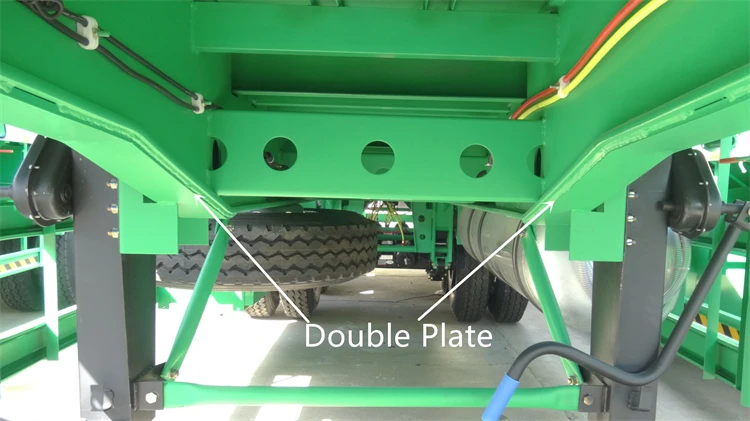
    Reinforced gooseneck of Kales dropside trailer featuring double-layer bottom plate on T700 steel main beam.
    Gooseneck and front beam reinforcement view.
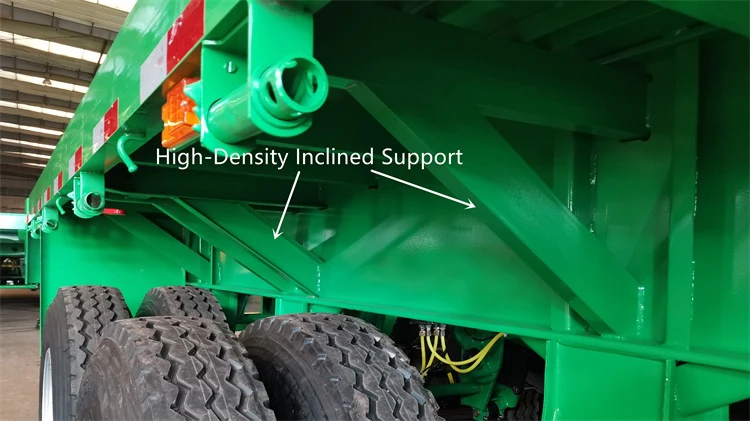
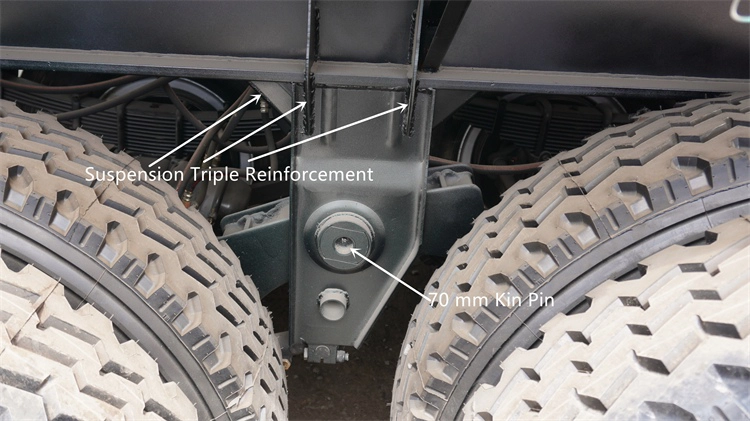
    Kales dropside trailer heavy-duty suspension detail: 70mm pin, diagonal bracing reinforcement, and dual tires.
    Heavy-duty suspension and axle support detail.
    Front 45-degree view of Kales 3-axle dropside semi-trailer designed for versatile bulk and container transport.
    Front three-quarter view of the complete trailer.
    Side detail of Kales dropside trailer featuring 160mm square edge beam, 180mm wide detachable posts, and 3 grain hatches.
    Detachable posts, edge beam, and grain-door arrangement.
    Rear 45-degree view of Kales 3-axle dropside trailer featuring detachable side walls and robust rear structure.
    Rear structure and removable side wall view.
    Rear detail of Kales dropside trailer featuring LED lights with protective guards, reinforced bumper, and openable tailgate.
    Rear lighting, bumper, and tailgate detail.
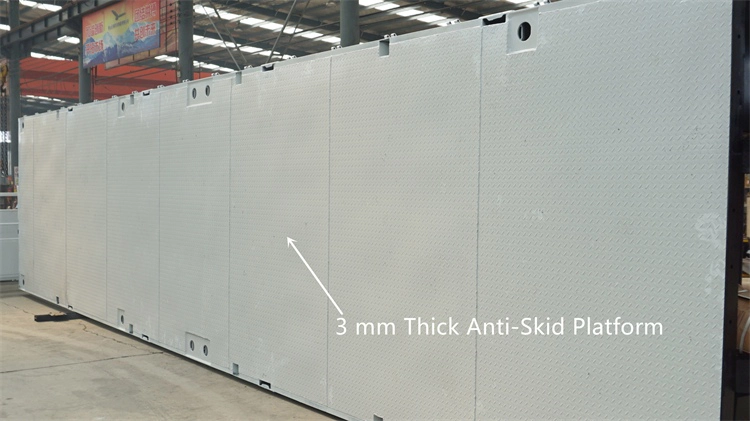
    Kales dropside trailer floor structure featuring 3mm anti-skid checkered plate and 12 container twist locks for versatile transport.
    Deck plate and container twist lock layout.
    Close-up detail of Kales dropside trailer reinforced side wall featuring high-strength steel construction and durable painting.
    Side wall reinforcement and paint finish detail.

    Frequently Asked Questions

    Can the side walls be removed when I need container transport?

    Yes. The side walls and posts are designed to be removable, and the chassis includes 12 twist locks so the trailer can support 1 x 40ft or 2 x 20ft container work when the route requires it.

    How should I choose the side wall height?

    Use lower side walls when the trailer mainly handles palletized or steel cargo and higher side walls when the duty includes grain, fertilizer, or looser bulk material. Kales can also add grain doors if faster controlled unloading is important.

    Is this better than a 60 ton sidewall trailer for cement bags and fertilizer?

    It is the better fit when the daily loading pattern is heavier and cargo density is consistently high. If the route does not need the extra payload positioning, the 60 ton model may be the more economical answer.

    Why keep mechanical suspension on this trailer instead of air suspension?

    For this trailer category, many export buyers still prioritize durability, easier workshop repair, and simpler parts access on rougher routes. Mechanical suspension usually matches that operating reality better.

    Can the trailer be shipped in a way that reduces ocean freight?

    Yes. Depending on the order and destination, Kales can discuss stacking shipment or related export packing methods to reduce shipping cost and improve loading efficiency.

    Request Drawing and Quote

    If you are comparing a heavier-payload dropside or sidewall trailer for bulk cargo, bagged materials, or container backhaul, send your target payload, side wall height preference, main cargo mix, and destination country. Kales can then recommend whether this 60-80 ton configuration is the right fit or whether a lighter sidewall, fence, or flatbed layout matches the route better.

    Related Kales Sidewall and Platform Options


  • Kales 3 Axle Fence Semi Trailer (60 Ton)

    Kales 3 Axle Fence Semi Trailer (60 Ton)

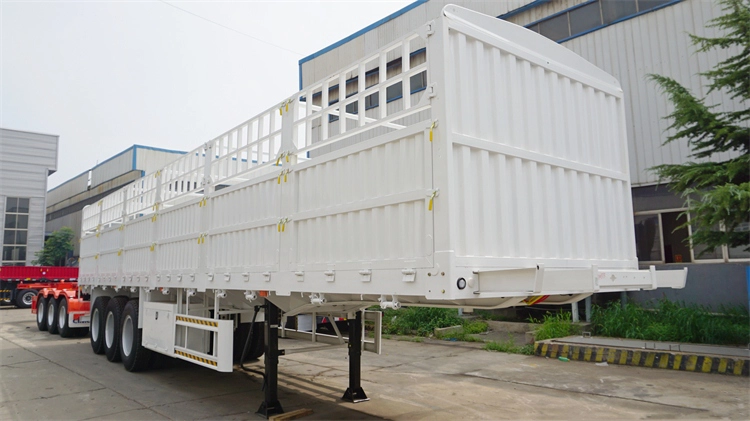
    Kales 60-ton fence semi-trailer for sale, designed for livestock and bulk cargo transport.
    Kales 3 axle fence semi trailer configured for agricultural produce, bagged cargo, and mixed regional freight.

    Container & Bulk Transport Product Guide · Published: October 9, 2024 · Updated: June 3, 2026 · By Kales Vehicle Engineering Team · Reviewed by Kales Export Sales Engineering · Market focus: Africa, farm logistics, and mixed freight fleets

    60 ton fence semi trailer: this Kales 3 axle stake trailer is designed for buyers who need more airflow, easier side access, and more flexible restraint than a full dropside wall can provide. It is a practical fit for agricultural produce, bagged goods, palletized mixed freight, and selected livestock or farm logistics routes where an open fence structure improves loading speed and cargo handling.

    Engineering guidance from the Kales Vehicle product team for fleets comparing fence trailers with sidewall and flatbed alternatives.

    Quick answer: Choose this 60 ton fence semi trailer when your cargo benefits from open side restraint, airflow, and easier manual or forklift loading, especially for agricultural produce, bagged materials, and mixed regional freight. It is the better option than a full sidewall trailer when cargo handling flexibility matters more than full wall containment. It is not the right fit for very dense bulk cargo, heavy pallet programs that need closed side boards, or machinery transport.

    Why Buyers Choose This 3 Axle Fence Semi Trailer

    • Open-cargo advantage: fence architecture improves ventilation and makes side access easier than a full sidewall trailer.
    • Configurable restraint: detachable stakes and panels let the trailer adapt to produce, bagged cargo, palletized goods, and selected livestock applications where local rules allow.
    • Stronger structure: T700 main beam with Q355 side stakes and walls for better durability than basic market fence trailers.
    • Practical component stack: BPW, SAF, FUWA, or KALES axle matching with WABCO braking and JOST landing gear.
    • Specification flexibility: mechanical suspension as standard, air suspension available when route and cargo profile justify it.

    Specification-backed advantages

    • Main beam: T700 high-strength steel main beam, 500 mm beam height. This provides a concrete durability and load-control basis for the stated duty cycle.
    • Payload capacity: 60,000 kg nominal payload class depending on local route regulation, tractor match, and actual cargo density. This defines the working band to validate against the cargo, route, and local legal limits.
    • Brake system: WABCO braking system with ABS standard and EBS optional. This gives the buyer a specific braking or safety package to verify for the intended route.


    Technical Snapshot

    Product type 3 axle 60 ton fence semi trailer / stake trailer
    Payload capacity 60,000 kg nominal payload class depending on local route regulation, tractor match, and actual cargo density
    External dimensions 13,000 mm x 2,600 mm x 3,420 mm with 1.8 m fence height as the reference build
    Main beam T700 high-strength steel main beam, 500 mm beam height
    Side structure Q355 high-strength side walls and stakes; higher-strength anti-bulging options available
    Axles 3 axles in 13T or 16T configuration; BPW, SAF, FUWA, or KALES
    Tires 12 units, 12.00R22.5 or 315/80R22.5 tubeless radial
    Suspension Mechanical suspension standard, air suspension optional
    Brake system WABCO braking system with ABS standard and EBS optional
    King pin JOST 2.0 inch or 3.5 inch bolt-in type
    Landing gear JOST D200T 28 ton lifting capacity
    Platform floor 3 mm anti-slip checkered steel plate

    Best Fit Operating Profile

    This fence trailer works best for fleets that need an open but still controlled cargo platform. It is especially suitable for farm supply routes, produce distribution, bagged goods, regional mixed freight, and operations where loaders want more side access than a closed sidewall trailer gives them. In many markets it also serves livestock routes, but that use case should always be matched against local welfare and transport regulations before order confirmation.

    Best for

    • Agricultural produce that benefits from more airflow and easier side access
    • Bagged fertilizer, feed, sugar, and other cargo needing open restraint plus tie-down access
    • Palletized mixed freight where forklift handling speed matters
    • Regional farm and produce fleets that may switch between fence cargo and flatbed-style use

    Not ideal for

    • Very dense bulk or bagged cargo that needs full side board containment
    • Container-first freight where a flatbed or skeletal trailer is more efficient
    • Project cargo or heavy machinery that should move on a lowbed or dedicated platform
    • Operations that only need a general sidewall trailer and do not benefit from the fence layout

    Where This Fence Trailer Fits in the Kales Cargo Trailer Range

    This page should own the open-fence cargo intent. It sits beside, not on top of, the sidewall and dropside pages. Buyers should choose this page when airflow, open side restraint, and flexible loading matter more than closed wall containment. That distinction is what prevents this trailer from cannibalizing the sidewall pages.

    Cargo and route logic Best-fit Kales option Why
    Produce, bagged cargo, and open-side mixed freight This 60 ton fence semi trailer Fence structure improves airflow and loading flexibility
    Mainstream sidewall cargo with more need for closed side containment 60 ton 3 axle sidewall trailer Full side boards control dense freight better than open fence stakes
    Heavier mixed freight and denser payload demand 80 ton dropside semi trailer Higher payload class and stronger side board structure
    Container-first or open platform cargo without side restraint needs 40ft flatbed trailer Simpler deck structure when fence layout adds no operating value

    Why Kales Costs More Than a Basic Fence Trailer, and Why That Matters

    Feature Basic market fence trailer Kales heavy-duty standard
    Main beam steel Standard carbon steel beam with less fatigue margin T700 high-strength main beam for better durability under mixed freight loading
    Fence stakes and side walls Lighter Q235-type side structure Q355 side walls and stakes for better resistance to impact and deformation
    Brake and axle ecosystem Generic component mix with weaker parts availability WABCO braking with BPW, SAF, FUWA, or KALES axle options matched to destination support
    Suspension strategy One fixed light-duty setup Mechanical suspension standard, air suspension optional for more fragile cargo routes

    Open fence layout and cargo handling logic

    The core value of a fence trailer is not just that it looks more open. The layout changes how the fleet works. More side access helps with manual handling, easier forklift approach, agricultural loading, and cargo that needs tie-down flexibility without the obstruction of full-height steel walls. That is why this page should stay focused on produce, bagged goods, and mixed open-side freight rather than trying to imitate a full dropside trailer.

    T700 chassis and Q355 side structure

    Fence trailers often get treated as simple rural cargo tools, but the structure still matters. If the main beam is too light or the stakes deform early, the trailer becomes harder to load safely and faster to depreciate. The T700 chassis and Q355 side structure are therefore central to the product, not decorative upgrades. They are what allow the trailer to survive repeated loading abuse and rough regional roads with less structural drift.

    Mechanical versus air suspension

    Mechanical suspension remains the default choice for buyers running tougher roads, heavier bagged cargo, and workshop-led maintenance. Air suspension becomes relevant only when the route is better paved and the cargo is more sensitive to vibration, such as fruit, packaged goods, or other fragile loads where ride behavior matters more.

    Quotation and Procurement Guidance

    Buyers usually search terms such as 60 ton fence semi trailer, 3 axle stake trailer, or farm cargo fence trailer. The real buying question is whether the trailer will improve cargo handling and keep enough structural margin for repeated mixed-freight work. If the route mainly carries produce and bagged cargo, the open fence structure often delivers more daily operating value than a sidewall trailer that looks stronger on paper but slows loading and unloading.

    Kales can customize fence height, axle brand, suspension type, and paint scheme before production. For export shipping, stacking or other packing methods can also be discussed to control freight cost. That flexibility matters because fence trailer demand is usually driven by route-specific handling needs rather than one universal cargo pattern.

    Factory Images and Inspection Views
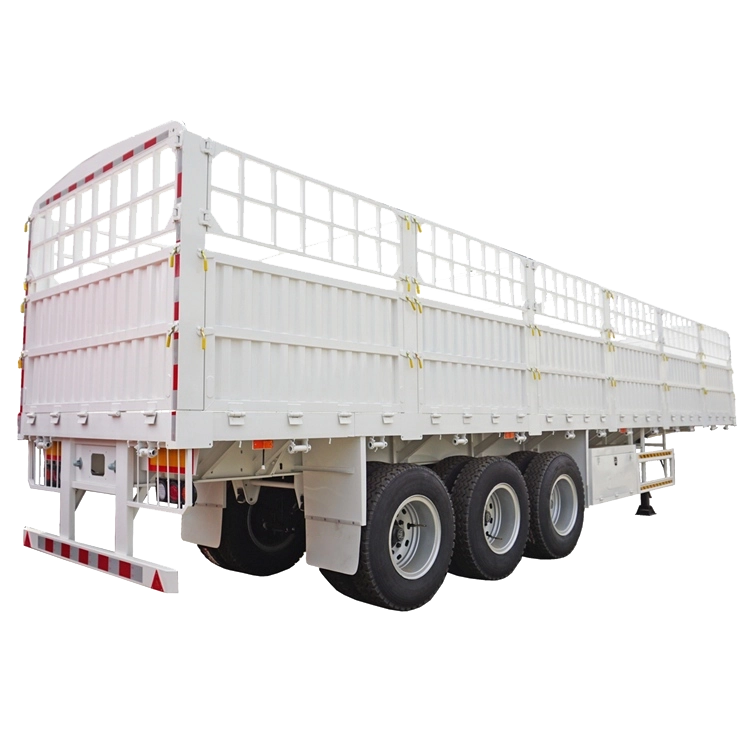
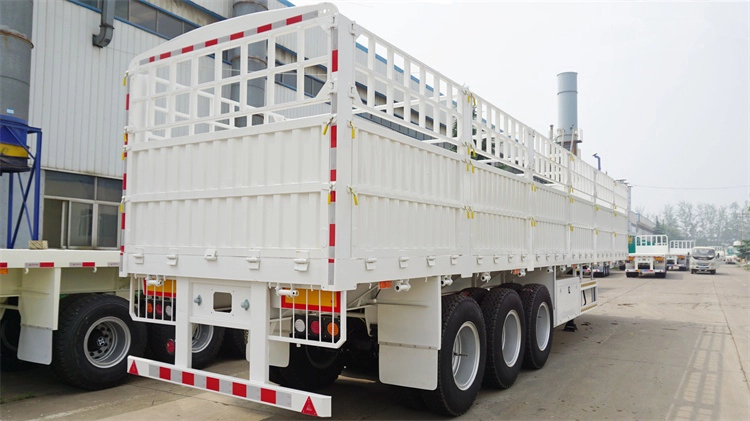
    Rear 45-degree view of Kales 60-ton fence semi-trailer with dropsides and steel stakes, ideal for livestock and ventilated agricultural transport.
    Rear three-quarter view showing the open fence layout and side stakes.
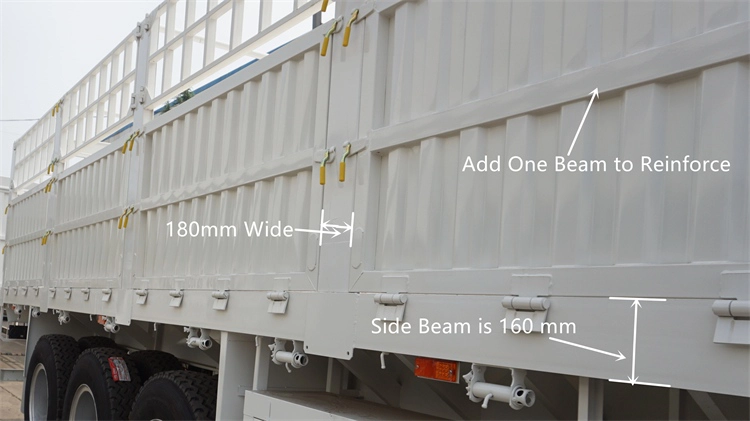
    Kales fence trailer side structure featuring 160mm square tube edge beam, 180mm wide detachable posts, and middle pipe reinforcement.
    Side structure with 160 mm edge beam detail.
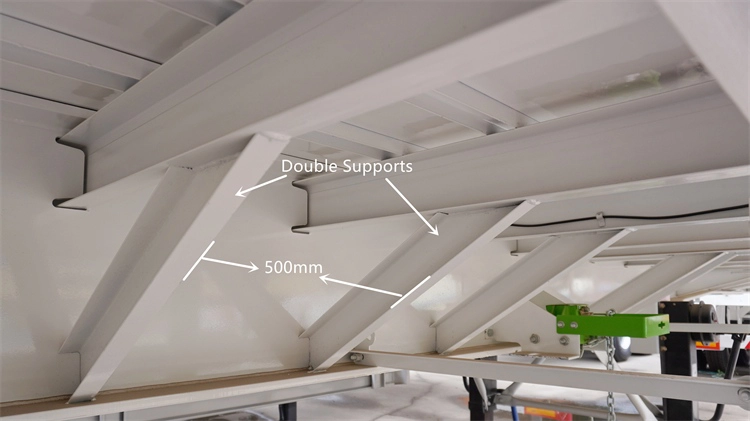
    Kales 60-ton fence trailer chassis structure featuring 500mm main beam, high-density cross members, and diagonal bracing.
    Chassis structure and 500 mm beam section view.
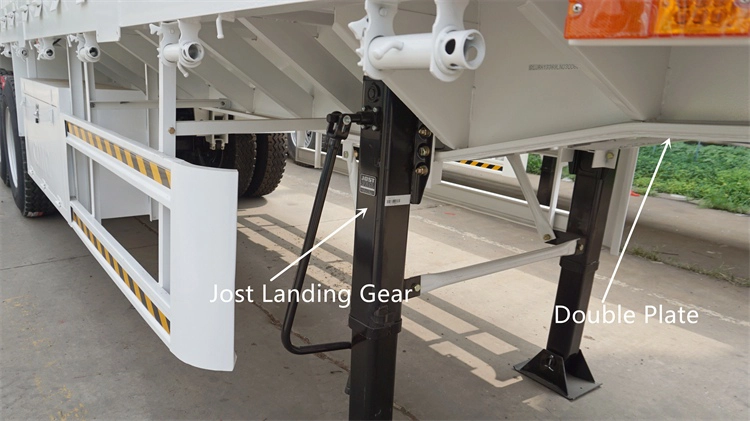
    Gooseneck detail of Kales 60-ton fence trailer featuring JOST landing gear.
    Gooseneck detail with JOST landing gear.
    Kales 60-ton fence trailer mechanical suspension detail featuring triple reinforced hanger brackets and 70mm pin
    Mechanical suspension and reinforced hanger bracket detail.
    Kales 60-ton fence trailer flatbed platform featuring 3mm anti-slip checkered steel plate and 12 container locks.
    Platform floor with anti-slip checkered plate.

    Frequently Asked Questions

    What is the main advantage of a fence trailer over a sidewall trailer?

    The fence structure gives better airflow, more open side access, and more flexible restraint for produce, bagged goods, and mixed cargo. A sidewall trailer is better when the cargo needs stronger full-height containment.

    Why does Kales use Q355 side walls and stakes?

    Q355 gives better resistance to bending and impact than lighter side structures often used in low-cost market builds. That helps the stakes stay straighter and usable for longer under rough operating conditions.

    Can I choose the axle brand based on my local parts market?

    Yes. This trailer can be configured with BPW, SAF, FUWA, or KALES axles so the final build matches the parts ecosystem and maintenance logic in your destination market.

    Should I keep mechanical suspension or upgrade to air suspension?

    Keep mechanical suspension for rougher roads, heavier bagged cargo, and lower maintenance complexity. Consider air suspension only when the roads are better and the cargo is more sensitive to vibration.
    Can this trailer also handle livestock transport?

    It can be configured for selected livestock applications, but that use should be confirmed against local regulations, side height, partition requirements, and route conditions before order finalization.
    Request Drawing and Quote

    If you are comparing a 60 ton fence semi trailer for produce, bagged cargo, or mixed farm freight, send your main cargo types, target fence height, route country, and axle brand preference. Kales can then confirm whether this open fence layout or a sidewall trailer will perform better for the actual job.
    Related Kales Cargo Trailer Options