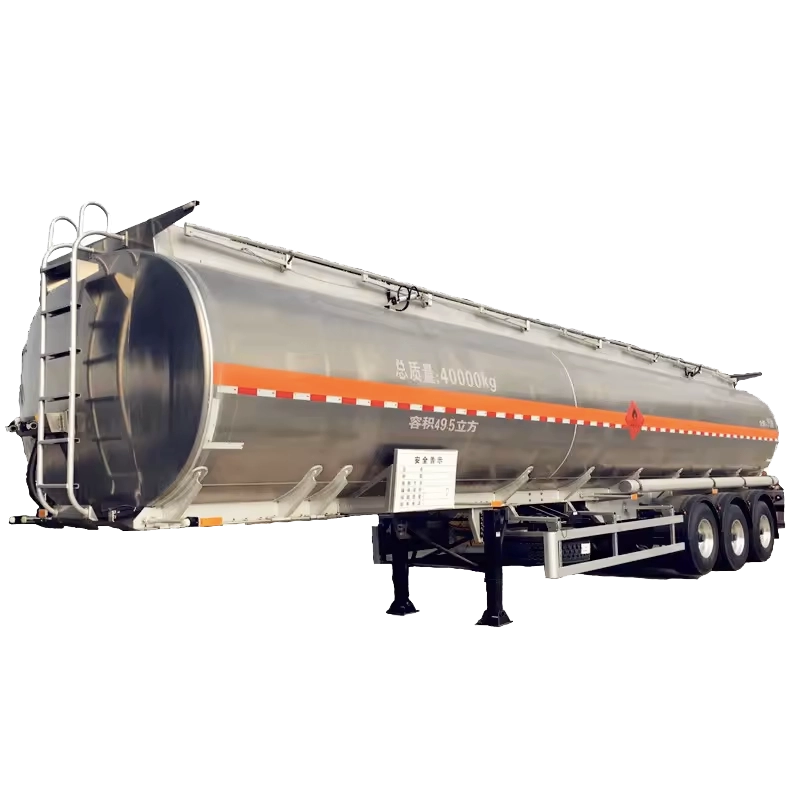
Liquid & Powder Transport Product Guide · Published: October 24, 2024 · Updated: June 3, 2026 · By Kales Vehicle Engineering Team · Reviewed by Kales Export Sales Engineering · Market focus: fuel distribution, airport fuel service, depot loading, and long-haul liquid logistics in Africa, the Middle East, and Latin America
45,000L aluminum fuel tanker trailer: this Kales 3 axle tanker is designed for buyers who want higher legal payload, lower corrosion risk, and cleaner fuel handling than a conventional steel tanker can offer. It is positioned for fleets moving diesel, petrol, and Jet A1 where tare weight, fuel purity, and long service life matter more than the lower upfront price of carbon steel.
Engineering guidance from the Kales Vehicle product team for operators comparing a 45CBM aluminum tanker with heavier steel fuel tankers and dry bulk powder tank programs.
Quick answer: Choose this 45,000L aluminum fuel tanker trailer when you need a lighter 3 axle fuel tanker with 5083 alloy construction, corrosion resistance, air-suspension compatibility, and export-ready loading hardware. It is the better fit for fuel fleets that value extra payload, cleaner product handling, and stronger long-term resale than a standard steel tanker. Move to a larger steel tanker only when volume matters more than tare weight and corrosion control.
Why Buyers Choose This 45,000L Aluminum Tanker
- Lighter tare weight: roughly 2 tons lighter than a comparable steel tanker, helping operators carry more legal payload per trip.
- 5083 alloy tank body: strong corrosion resistance supports diesel, petrol, and Jet A1 service with lower contamination risk.
- Export fuel-spec build: API bottom loading, vapor recovery, optic overfill, and anti-static systems can be matched to depot requirements.
- Safer liquid control: reinforced anti-wave baffles and 7 mm dished ends help manage surge loads during braking and cornering.
- Lower lifecycle corrosion burden: aluminum avoids the rust-management routine that drives maintenance cost on steel tanks.
- Higher residual value: aluminum construction typically retains better scrap and resale value over the tanker’s working life.
Specification-backed advantages
- Tank volume: 45,000 liters / 45CBM. This provides a concrete durability and load-control basis for the stated duty cycle.
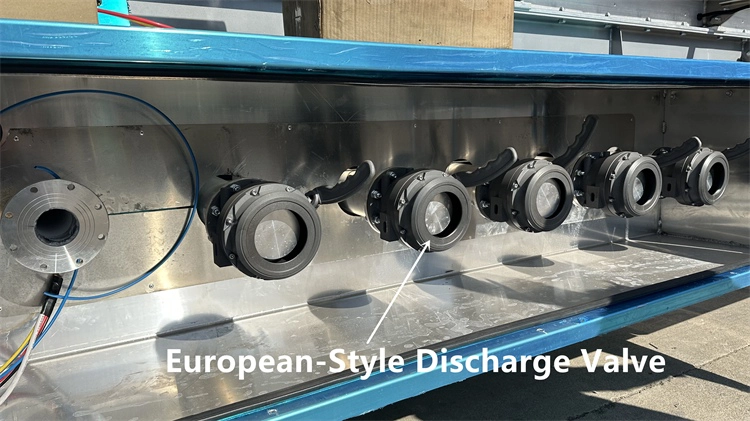
- Bottom loading: 3 inch or 4 inch aluminum API valve system, optional vapor recovery and overfill sensors. This directly supports the loading, unloading, or handling workflow described for this product.
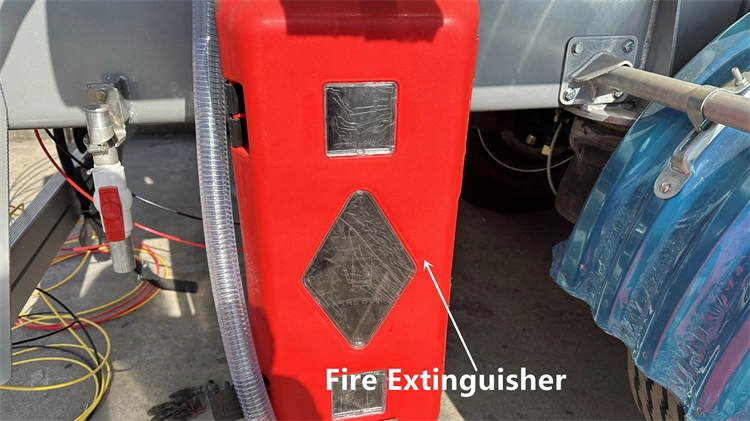
- Safety hardware: Anti-static system, extinguisher box, emergency accessories, and optional bottom-loading package. This gives the buyer a specific braking or safety package to verify for the intended route.
Technical Snapshot
| Product type | 3 axle aluminum fuel tanker semi trailer |
|---|---|
| Tank volume | 45,000 liters / 45CBM |
| Overall dimensions | 11,500 mm x 2,500 mm x 3,700 mm |
| Tank material | 5083 aluminum alloy |
| Material thickness | Tank shell 6 mm; front and rear heads 7 mm |
| Compartment layout | 1 to 6 compartments, customized to fuel-distribution program |
| Axles | 3 axles, 13T or 16T; FUWA, BPW, or KALES matching |
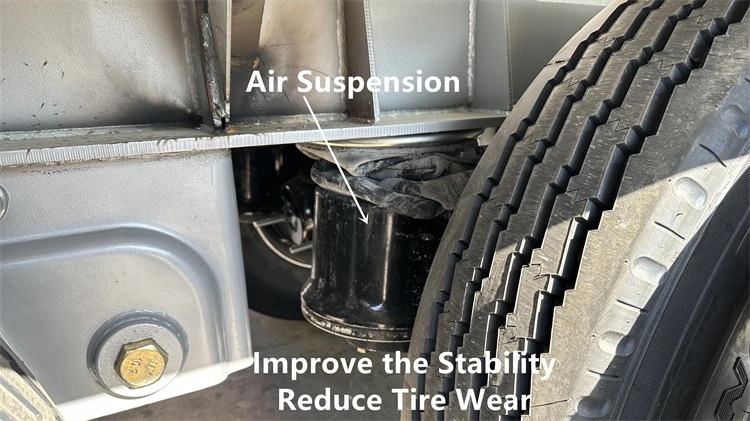
| Suspension | Air suspension standard for many aluminum tanker builds, mechanical optional on selected route profiles |
| Bottom loading | 3 inch or 4 inch aluminum API valve system, optional vapor recovery and overfill sensors |
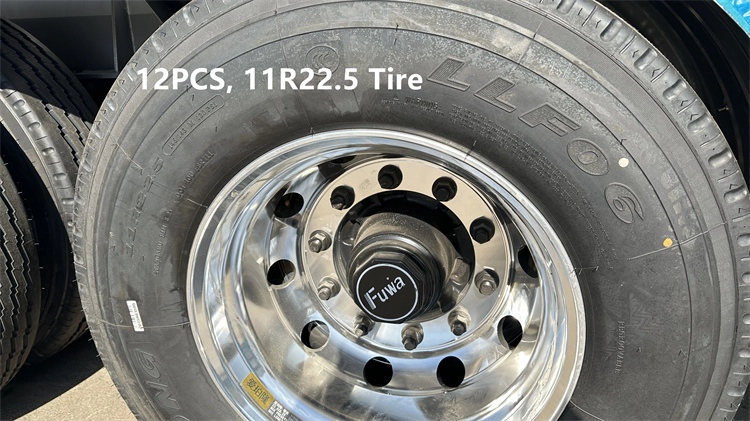
| Wheels and rims | 12.00R22.5 or 315/80R22.5, 12 units, with aluminum rim option |
| Safety hardware | Anti-static system, extinguisher box, emergency accessories, and optional bottom-loading package |
| Custom quotation | Contact KALES for a tailored quotation based on the required configuration, order quantity, and destination. |
Best Fit Operating Profile
This tanker is best suited to buyers running refined-fuel distribution where legal payload, product cleanliness, and long-term corrosion control matter. It works particularly well for diesel and petrol fleets, airport fuel service, and cross-border liquid logistics where the operator wants the weight savings and resale logic of aluminum rather than the lower initial cost of steel.
Best for
- Diesel, petrol, and Jet A1 distribution programs
- Depot loading systems that require API-compatible bottom loading and safety hardware
- Buyers optimizing legal payload and corrosion resistance over long route cycles
- Fleets where fuel purity and residual value are commercially important
Not ideal for
- Dry powder or cement transport, which should use a pneumatic powder tanker
- Operations where maximum raw volume matters more than tare weight savings
- Projects that only need the lowest possible purchase cost and do not value aluminum lifecycle advantages
Why Aluminum Changes the Economics of Fuel Tanker Operation
The case for a 45,000L aluminum fuel tanker trailer is not styling. It is operating math. A lighter tank body helps increase legal payload, and corrosion resistance helps protect both the cargo and the tank over a longer service cycle. That is why aluminum tanker buying decisions should be based on route economics, fuel type, and lifecycle cost rather than only comparing initial purchase price against steel.
| Buyer situation | Best-fit Kales option | Why |
|---|---|---|
| Refined fuel distribution with strong payload and purity requirements | This 45,000L aluminum fuel tanker | Better tare weight, corrosion resistance, and fuel-handling quality |
| Higher-volume fuel dispatch where sheer capacity dominates | 54 CBM fuel tanker trailer | Larger tank volume when weight penalty is less important than liters per trip |
| Bulk cement or dry powder transport | 40 CBM or 58 CBM powder tanker trailer | Pneumatic dry-bulk systems fit powder, not refined liquid fuels |
Engineering and Serviceability Details
5083 alloy shell and 7 mm dished-end reinforcement
The tank body uses 5083 aluminum alloy, with 6 mm shell construction and 7 mm front and rear heads. The thicker heads matter because liquid surge concentrates there under emergency braking, and weaker end construction is one of the first places low-grade tankers begin to fatigue.
Anti-wave baffles and rollover control
Fuel is a dynamic load. Internal anti-wave baffles are there to break the momentum of sloshing liquid and improve vehicle stability, especially on braking, lane change, and curve entry. That stability gain matters even more when the tanker is running mixed road quality or uneven loading schedules.
Bottom loading, anti-static protection, and depot compliance
Modern fuel fleets often need more than a tank shell. Optional API bottom loading, vapor recovery, optic overfill, anti-static copper grounding, and emergency accessory matching allow this tanker to be configured for more demanding depot environments and commercial fuel brands.
Air suspension versus mechanical suspension
Air suspension is commonly chosen on aluminum tankers because liquid stability, ride refinement, and tank protection matter more than on many open-deck trailers. Mechanical suspension is still possible on selected route profiles, but most buyers moving refined fuel on highway corridors prefer the stability and damping benefit of air suspension.
Quotation and Procurement Guidance
When comparing aluminum and steel fuel tankers, base price alone is misleading. The useful comparison is liters carried legally per trip, contamination risk, corrosion maintenance, and residual value after years of service. That is where aluminum often closes or reverses the apparent price gap.
Kales can customize compartment count, loading system, axle brand, suspension, aluminum rim package, ladder and top-walk layout, and safety accessories before production. The right specification depends on fuel type, depot interface, route quality, and whether your priority is airport fuel purity, long-haul diesel distribution, or multi-product regional delivery.
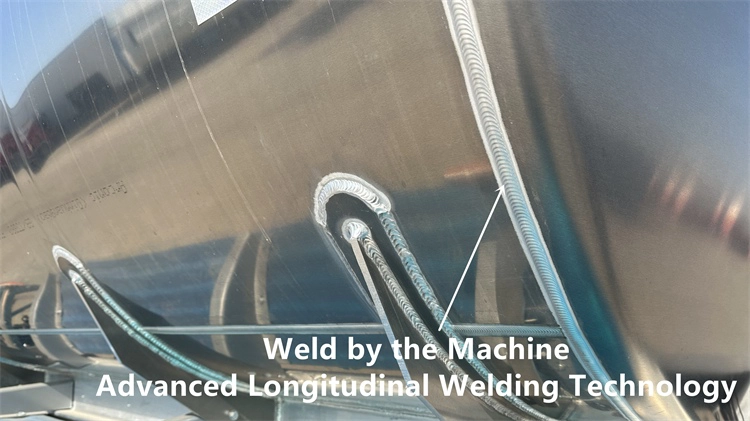
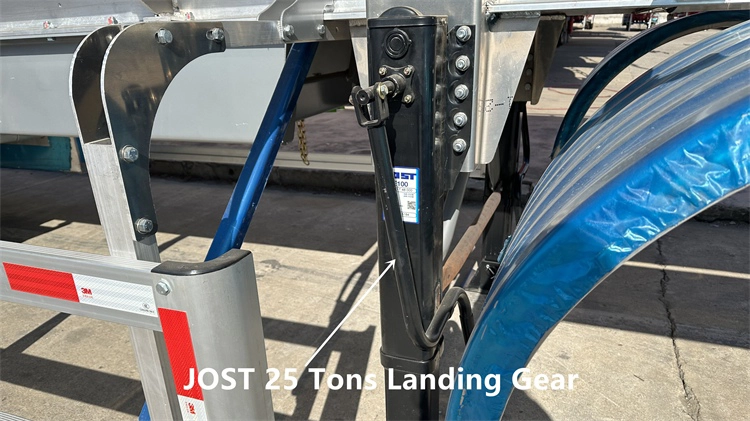
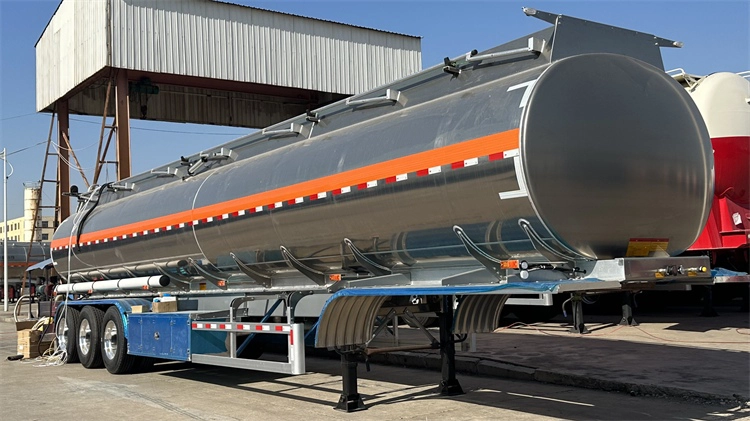
Factory Images and Inspection Views
Frequently Asked Questions
Can this tanker be divided into multiple fuel compartments?
Yes. Kales can build the 45,000L tank with 1 to 6 compartments so operators can separate diesel, petrol, or other refined products in one delivery cycle.
Why choose aluminum instead of steel for fuel transport?
Aluminum reduces tare weight, lowers corrosion risk, helps protect fuel purity, and usually retains stronger residual value over time. Those advantages matter most on high-mileage fuel distribution routes.
Is this tanker suitable for rough African roads?
It can be configured for demanding roads, but the match depends on route condition, suspension choice, and load pattern. Buyers commonly pair the aluminum tank with reinforced chassis matching and air suspension to improve stability and reduce structural stress.
Can it be configured for bottom loading and vapor recovery?
Yes. API bottom loading, vapor recovery, optic overfill, grounding systems, and other depot-oriented accessories can be added according to the loading standard you need to meet.
Should I choose this 45,000L aluminum tanker or a larger 54 CBM fuel tanker?
Choose this model when lower tare weight, fuel cleanliness, and aluminum lifecycle value are priorities. Choose a larger tanker when route economics favor maximum raw volume over aluminum’s payload and corrosion advantages.
Request Drawing and Quote
If you are comparing a 45,000L aluminum fuel tanker trailer, send your fuel type, compartment requirement, target route, loading standard, suspension preference, and whether you need API bottom loading or vapor recovery. Kales can then match the tank structure, loading package, and running gear to the real fuel-distribution job.
- Email: jennylee@kalestruck.com
- WhatsApp: +86 131 5638 8843
Related Kales Tanker Options
- 54 CBM Fuel Tanker Trailer for buyers prioritizing larger tank volume over aluminum tare savings.
- 40 CBM Bulk Cement Tanker Trailer for pneumatic dry-bulk powder transport rather than refined fuel.
- 58 CBM 4-Compartment Powder Tanker Trailer for higher-capacity powder and cement distribution.