Truck & Trailer Parts Buying Guide · Published: December 17, 2024 · Updated: June 3, 2026 · By Kales Vehicle Wheel Systems Engineering Team · Reviewed by Kales Export Parts Sales Engineering · Market focus: Africa, Latin America, Middle East highway fleets, trailer workshops, and wheel replacement distributors
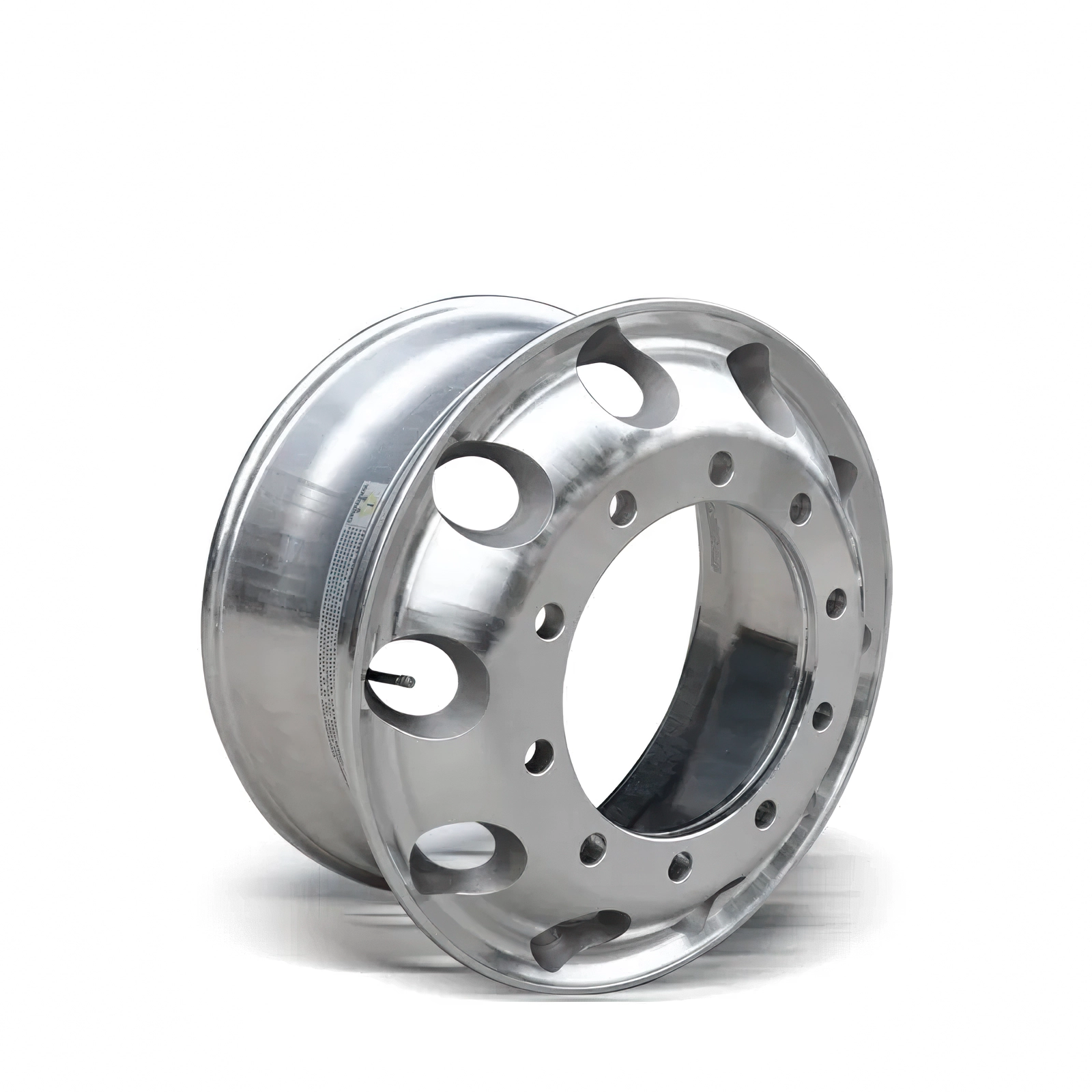
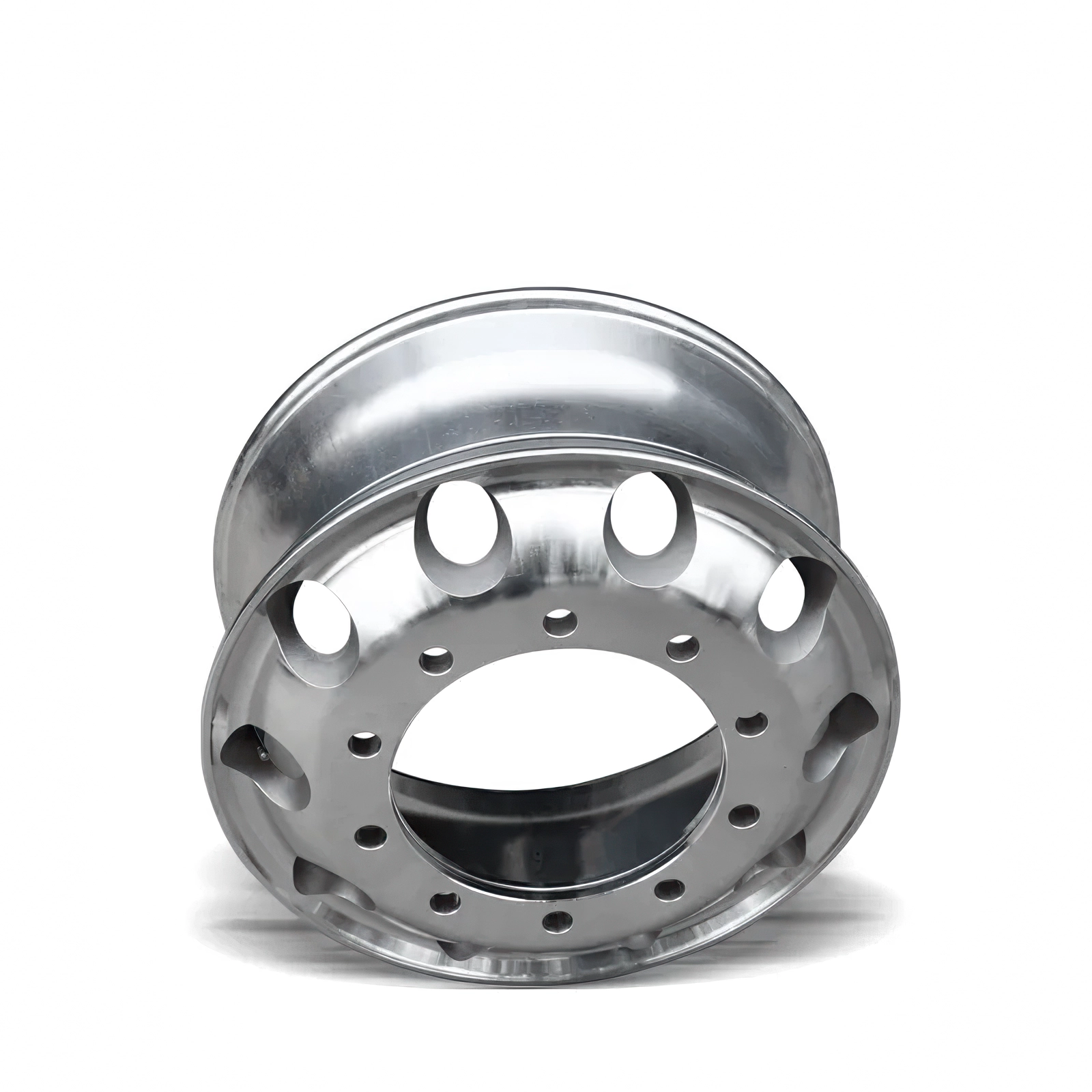
Aluminum truck wheel family: this Kales page is for buyers selecting 22.5 inch, 19.5 inch, and 17.5 inch aluminum rims for highway trucks and trailers where lower tare weight, better corrosion resistance, and heat control matter more than lowest first cost.
Engineering guidance from the Kales Vehicle wheel systems team for fleets comparing aluminum truck wheels against steel wheel replacement in regional and long-haul road service.
Quick answer: choose this Kales aluminum truck wheel family when your operation is road-focused and you want lighter wheel weight, better cooling, and cleaner long-term appearance for trucks, reefers, tankers, and highway trailers. If the priority is only the lowest purchase price for rough abuse with little concern for weight or corrosion, a basic steel wheel is usually the cheaper direction.
Technical Snapshot
| Product type | Aluminum alloy truck and trailer wheel family |
|---|---|
| Core marketed sizes | 22.5 inch, 19.5 inch, and 17.5 inch, with selected 16 inch fitments also available |
| Manufacturing logic | High-strength low-pressure casting |
| Typical application | Highway truck, tanker, reefer, van trailer, and road-freight wheel replacement |
| Representative PCD range | 190 mm to 335 mm |
| Representative max load range | 1,500 kg to 4,125 kg depending on size and model |
| Representative weight range | 9.0 kg to 26.2 kg depending on size and model |
| Custom quotation | Contact KALES for a tailored quotation based on the required configuration, order quantity, and destination. |
Representative model table
| Model | Size | PCD (mm) | Center bore (mm) | Inset (mm) | Weight (kg) | Max load (kg) |
|---|---|---|---|---|---|---|
| KAMT051 | 22.5×9.0 | 335 | 281.2 | 152.5 | 24.6 | 4125 |
| KAMT024 | 22.5×8.25 | 335 | 281.2 | 144.5 | 24.0 | 3650 |
| KAMT036 | 19.5×7.5 | 275 | 222.1 | 134 | 17.5 | 3000 |
| KAMT042 | 17.5×6.75 | 222.25 | 162.2 | 120 | 14.7 | 2000 |
| KAMT025 | 16×5.5K | 190 | 140 | 101.5 | 9.4 | 1500 |
Selection note: the old product table also includes additional 22.5 inch, 19.5 inch, 17.5 inch, and 16 inch variants. Final wheel matching should always be checked by size, PCD, stud hole, center bore, inset, and required load rating rather than by diameter alone.
Best Fit Operating Profile
This aluminum wheel family is best suited to highway-focused fleets and workshops that want lighter wheel assemblies, better corrosion behavior, and cleaner thermal performance on road tractors, trailers, and distribution equipment. It works particularly well where the truck or trailer spends most of its life on paved corridors rather than in severe rock-impact environments.
Best for
- Highway truck and trailer wheel replacement where tare weight matters
- Reefer, tanker, box trailer, and road-freight fleets that run longer paved routes
- Buyers who want a cleaner corrosion profile than standard steel wheels
- Workshops that need multiple wheel size options in one family page
Not ideal for
- Operations choosing only by lowest purchase price with no weight-savings objective
- Buyers who have not confirmed wheel interface details such as PCD, bore, and inset
- Very harsh off-road environments where impact abuse matters more than highway efficiency
Why Buyers Choose This Aluminum Wheel Family
- Lower wheel weight: representative 22.5 inch models sit around 24 to 26.2 kg, helping reduce vehicle mass versus heavier steel alternatives.
- High-strength low-pressure casting: chosen for road-use durability, dimensional consistency, and stable long-term wheel service.
- Better heat dissipation: aluminum wheel structure helps control heat around the tire and braking area during highway duty.
- Improved corrosion behavior: useful for fleets operating through humid ports, rainy corridors, or chemical exposure from road service.
- Broad fitment coverage: the family spans 22.5, 19.5, 17.5, and selected 16 inch options across multiple PCD patterns.
- Cleaner procurement logic: one family page lets the buyer compare wheel size, load, and fitment before moving to exact order matching.
Specification-backed advantages
- Typical application: Highway truck, tanker, reefer, van trailer, and road-freight wheel replacement. This provides a concrete durability and load-control basis for the stated duty cycle.
- Core marketed sizes: 22.5 inch, 19.5 inch, and 17.5 inch, with selected 16 inch fitments also available. This gives builders and fleet workshops an exact fitment reference before ordering.
How These Aluminum Truck Wheels Should Be Evaluated
The correct way to evaluate aluminum truck wheels is to begin with fitment and operating profile, not just wheel diameter. Buyers should verify PCD, stud hole specification, center bore, inset, load class, and whether the truck or trailer actually benefits from lighter highway-oriented wheel assemblies. That prevents expensive ordering mistakes and avoids treating wheel replacement like a generic commodity purchase.
| Buyer situation | Best-fit Kales direction | Why |
|---|---|---|
| Road fleet seeking lighter wheel assemblies | Aluminum truck wheel family | Better aligned with tare-weight reduction, cooling, and corrosion resistance |
| Buyer rebuilding axle and wheel package together | Trailer axle page plus wheel matching | Wheel specification should be checked against axle interface dimensions |
| Highway trailer spec with comfort-oriented running gear | Aluminum wheels plus air suspension | Road-use fleets often combine lighter wheels with smoother suspension logic |
| Buyer whose only requirement is the cheapest rugged wheel | Basic steel-wheel route | Aluminum wheel value is strongest when weight, heat, and corrosion are real operating priorities |
Engineering and Serviceability Details
Why fitment data matters more than marketing language
The old table is useful because it shows the real selection variables: size, PCD, stud hole, center bore, inset, wheel weight, and load rating. Those values determine whether the wheel can be matched correctly to the axle and tire package. A buyer who skips that check and orders only by “22.5 inch wheel” is not specifying the part precisely enough.
Why lower wheel weight matters in road service
On road tractors and highway trailers, wheel weight affects overall vehicle mass and operating efficiency. The lighter aluminum options on this page are positioned for buyers who care about tare reduction, fuel discipline, and wheel replacement quality over long route cycles. That is a commercial operating decision, not just an appearance upgrade.
Why cooling and corrosion resistance are practical benefits
Heat dissipation and corrosion behavior are not secondary benefits on fleets that run long paved corridors. Better wheel cooling helps the tire and brake area work under less thermal stress, while aluminum’s corrosion behavior helps the wheel stay cleaner in humid ports, rainy transport lanes, and chemical road environments.
How is the final quotation confirmed?
KALES confirms the quotation after reviewing the required specification, quantity, destination, and delivery terms. Send the operating requirements for an accurate proposal.
Quotation and Procurement Guidance
Before requesting a quote, send the exact size, PCD, stud hole specification, center bore, inset, target tire, axle or hub standard, and required load rating. Kales can then confirm the correct aluminum wheel model instead of quoting a general diameter that may not match the vehicle interface.
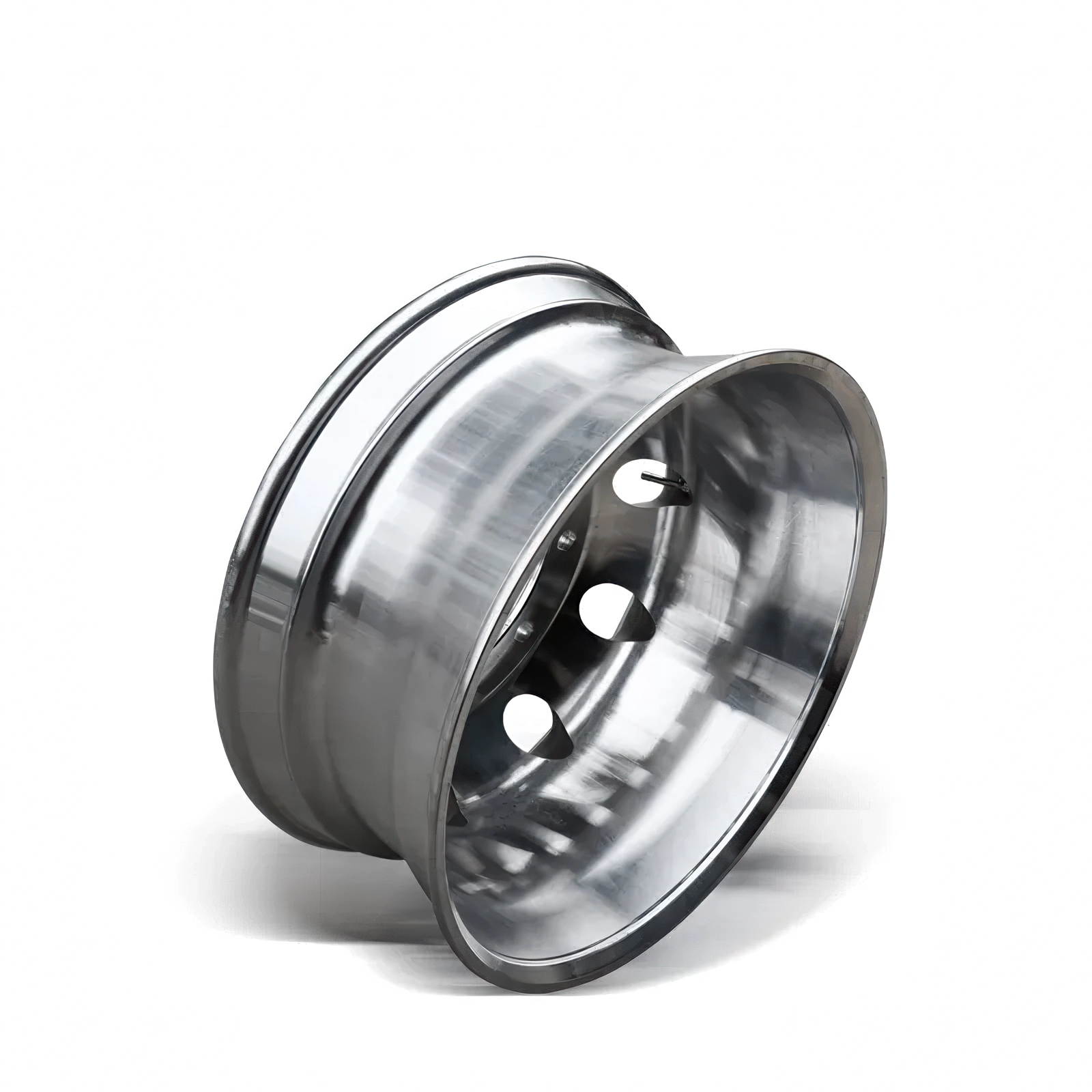
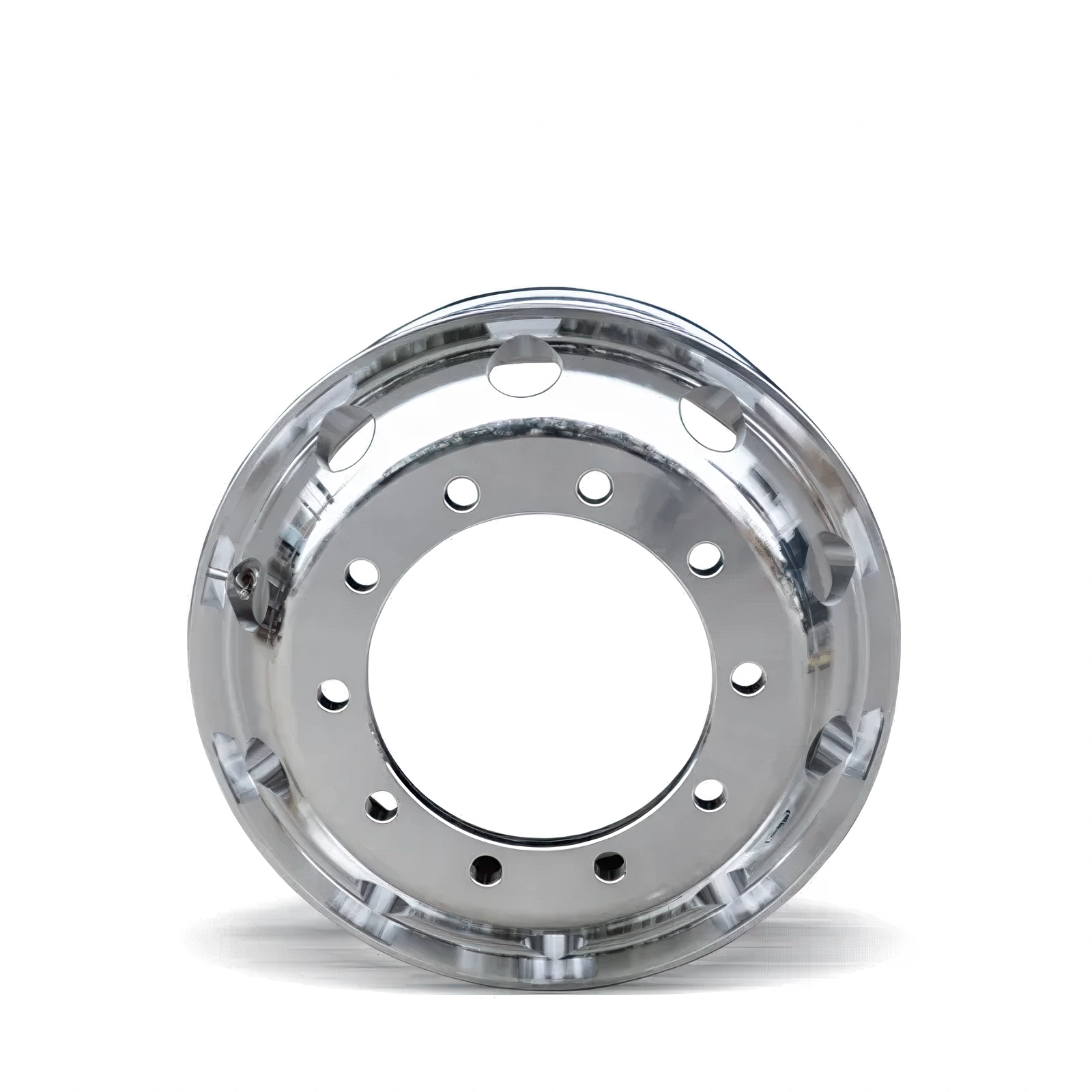
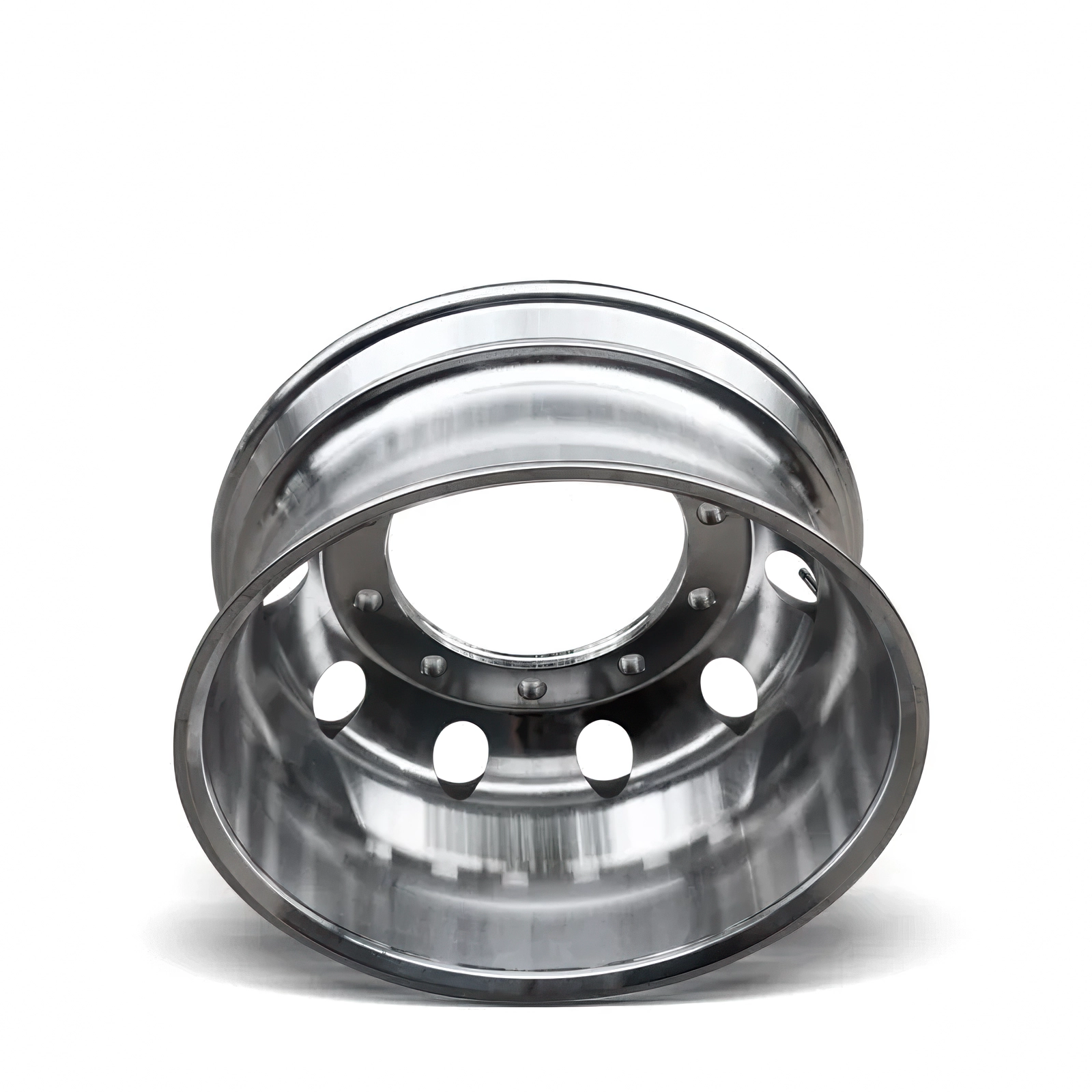
Inspection Views
Frequently Asked Questions
What sizes are covered on this aluminum wheel page?
The page is centered on 22.5 inch, 19.5 inch, and 17.5 inch aluminum truck wheels, with selected 16 inch fitments also shown in the old product table.
What information matters most before ordering?
The most important checks are size, PCD, stud hole specification, center bore, inset, and required wheel load rating.
When do aluminum truck wheels make more sense than steel wheels?
They make more sense when the fleet values lighter weight, better corrosion behavior, and stronger heat management on paved-road operations.
Why does this page use a price range?
Because it covers a family of wheel sizes and fitments rather than one single exact wheel model.
Can Kales match the wheel to my axle or hub setup?
Yes. Send the hub or axle standard together with the wheel fitment values so the model can be matched correctly before quotation.
Request Aluminum Wheel Matching and Quote
If you need 22.5 inch, 19.5 inch, or 17.5 inch aluminum truck wheels, send your wheel size, PCD, bore, inset, axle standard, and load requirement. Kales can then match the correct road-use aluminum rim model for your truck or trailer fleet.
Leave a Reply
You must be logged in to post a comment.