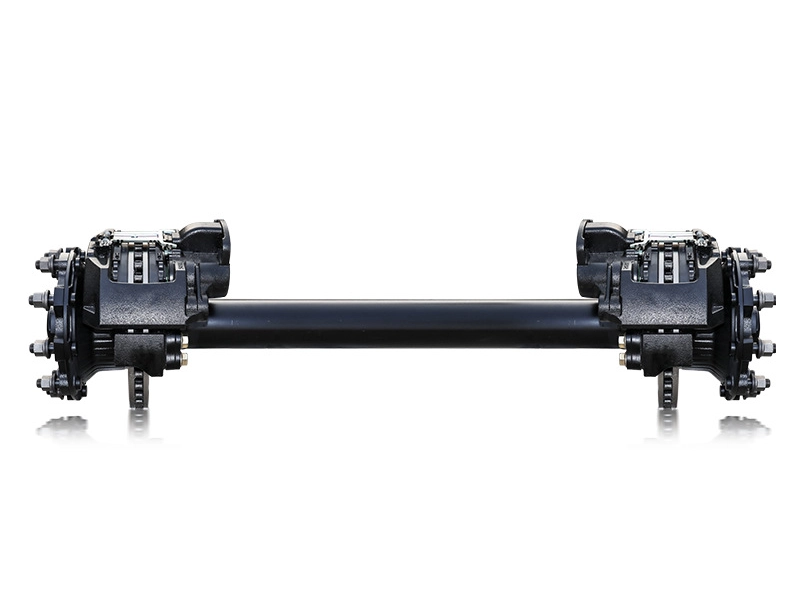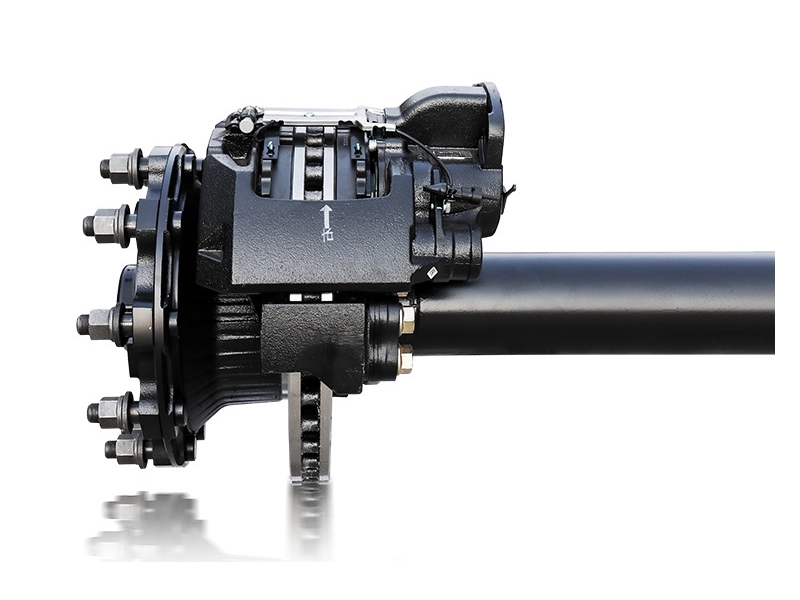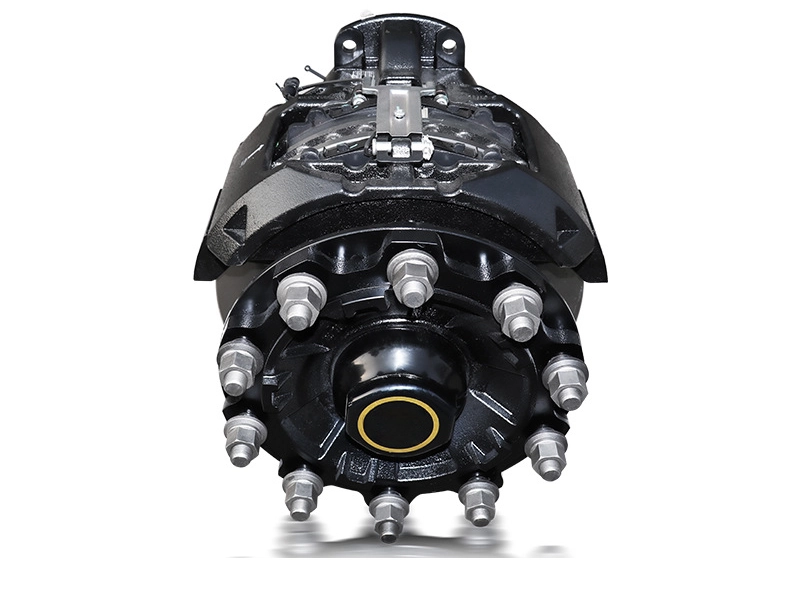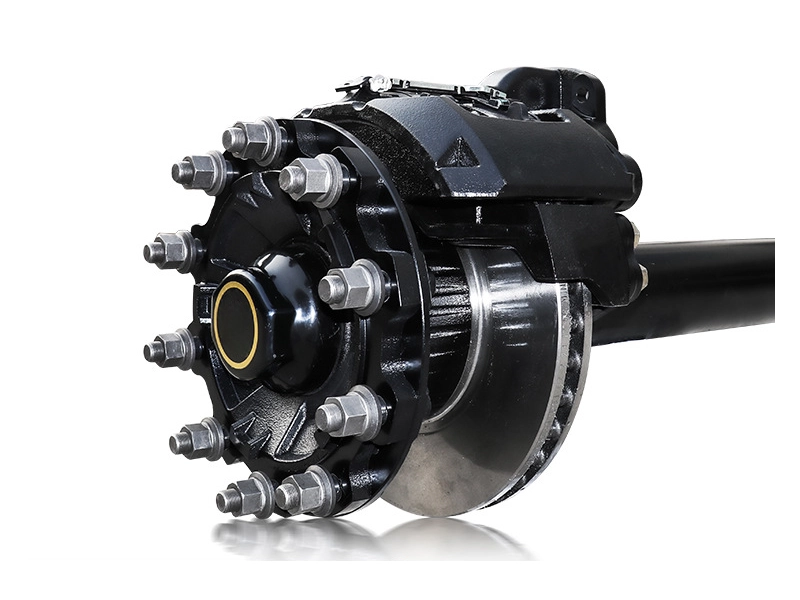
Product Category: Parts

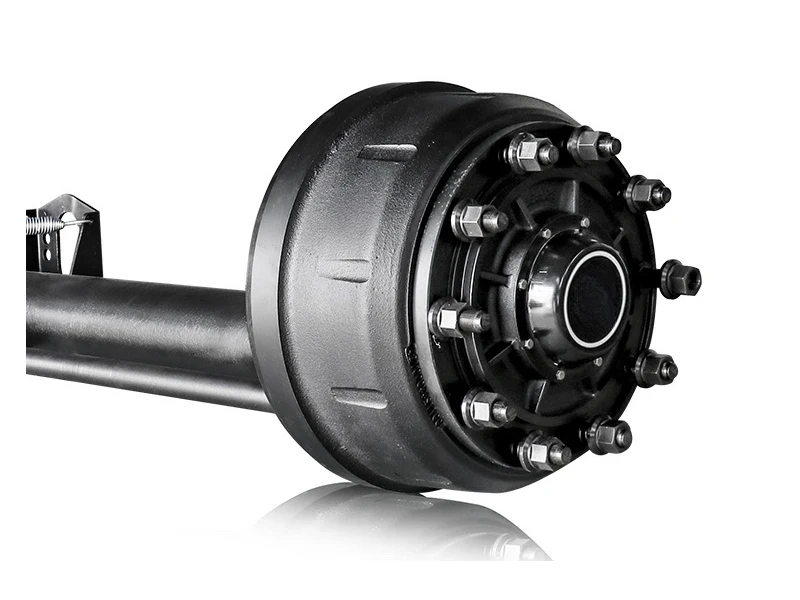
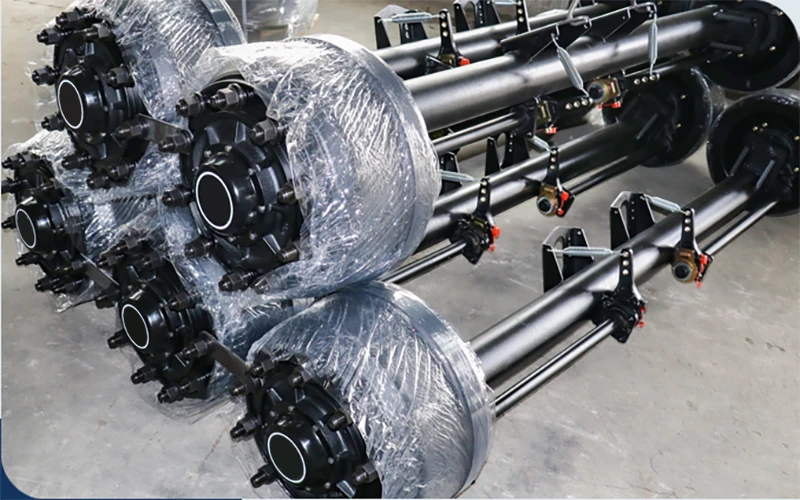
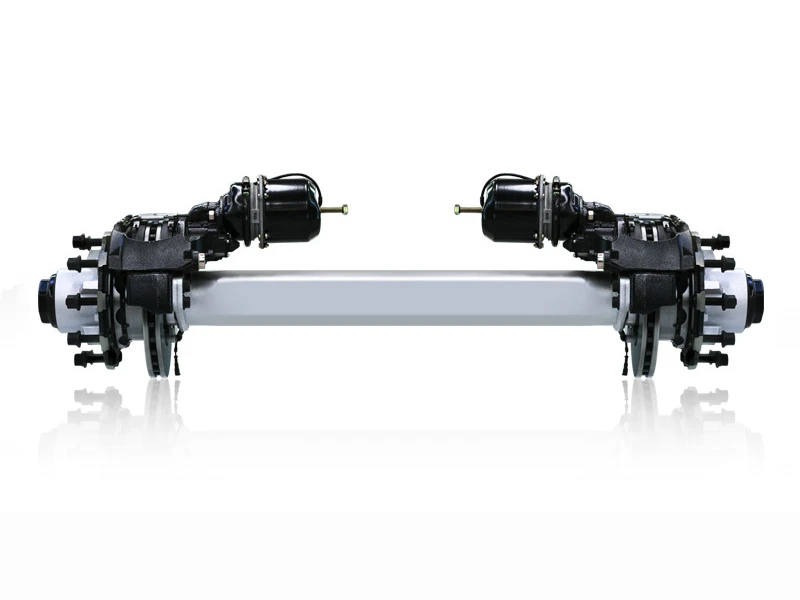
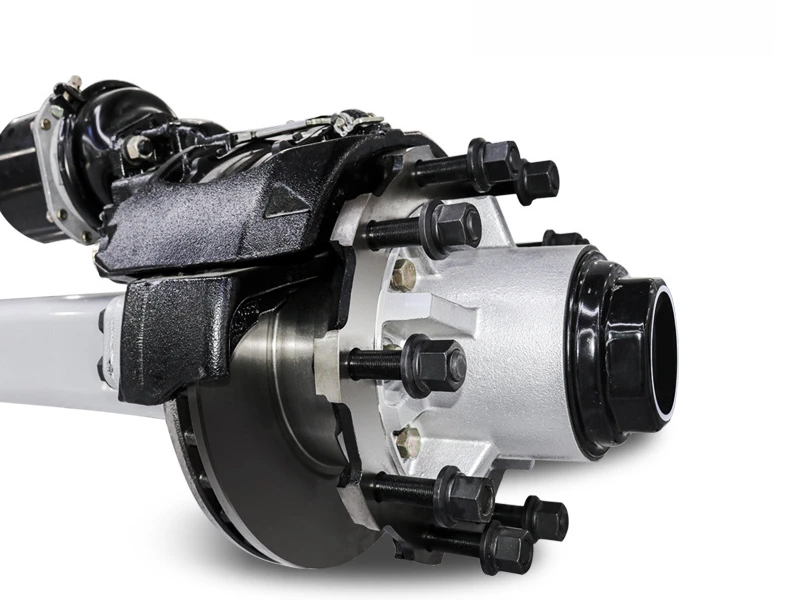
Maintain peak performance with Kales Vehicle’s comprehensive range of genuine spare parts. We provide a full catalog of heavy-duty components compatible with major semi-trailer brands and truck manufacturers (including Sinotruk HOWO and Shacman).

From BPW/FUWA axles, mechanical and air suspension systems, and landing gears, to critical consumables like brake pads, leaf springs, and rims, we ensure every part meets strict OEM quality standards. Minimize your fleet’s downtime with our reliable global shipping and expert technical support. Whether you need replacement parts for a lowbed, flatbed, or fuel tanker, Kales is your trusted partner for durable transport solutions.

  • Semi-Trailer King Pin 50 mm and 90 mm

    Semi-Trailer King Pin 50 mm and 90 mm

    High-Quality King Pins for Semi-Trailers 50mm 90mm for sale-01
    Kales semi-trailer king pin family centered on 50 mm and 90 mm connection sizes for fifth wheel coupling, trailer replacement, and export parts supply.

    Trailer Parts Buying Guide · Published: November 30, 2024 · Updated: June 3, 2026 · By Kales Vehicle Coupling Engineering Team · Reviewed by Kales Export Parts Sales Engineering · Market focus: Africa, Latin America, Middle East tractor-trailer fleets, trailer rebuild workshops, and parts distributors

    Semi-trailer king pin family: this Kales page covers the 50 mm and 90 mm king pin options used on standard and heavy-duty semi-trailer coupling systems. It is built for buyers who need a reliable replacement part with the right mounting style, surface durability, and fifth wheel compatibility for different trailer weight classes.

    Engineering guidance from the Kales Vehicle parts team for buyers comparing king pins, fifth wheel couplings, and other trailer connection hardware across fleet rebuild and replacement programs.

    Quick answer: choose the 50 mm king pin for standard semi-trailer use up to 40 tons gross weight, and choose the 90 mm king pin for heavier-duty trailers above 40 tons and up to 100 tons. If your fleet needs stable trailer-to-tractor connection service, this family gives you the right connection size without moving into a more complex coupling system than the route really needs.

    Technical Snapshot

    Product type Semi-trailer king pin family
    Main sizes 50 mm (No.50) and 90 mm (No.90)
    Application range Standard semi-trailers and heavy-duty semi-trailers
    Material High-strength alloy steel
    Manufacturing method Cold forging
    Standards GB/T 4606-2006 / ISO 337:1981 and GB/T 4607-2006 / ISO 4086:2001
    Mounting styles Welded and assembled options
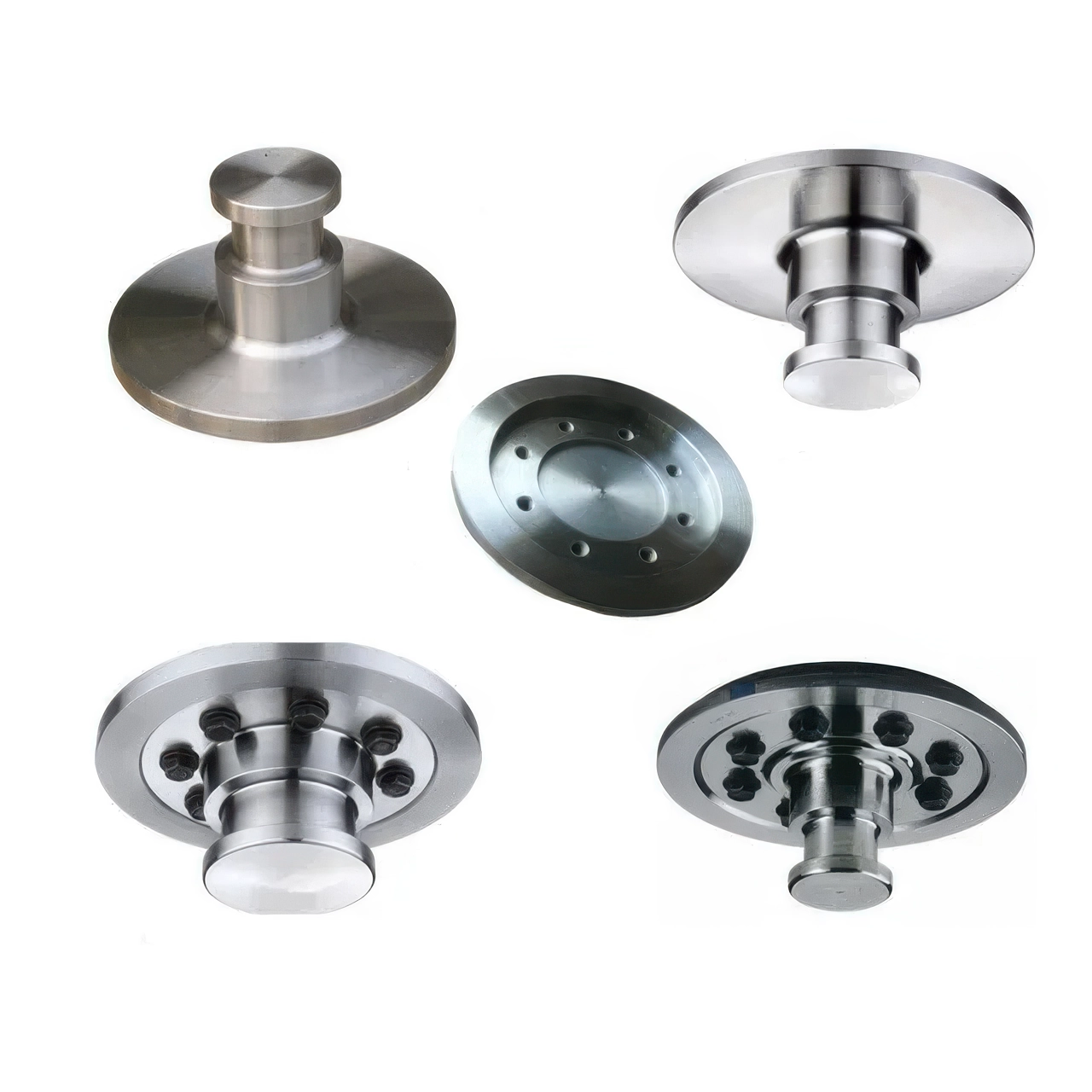
    Shape options Mushroom, cross, double-spoon, and L-shape variants
    Custom quotation Contact KALES for a tailored quotation based on the required configuration, order quantity, and destination.

    Family comparison table

    Model Use case Gross weight guidance Material detail
    No.50 Standard semi-trailer king pin Up to 40 tons High-strength alloy steel, cold forged
    No.90 Heavy-duty semi-trailer king pin Over 40 tons and up to 100 tons 90 mm chromium alloy diameter for stronger durability

    Best Fit Operating Profile

    This king pin family is best suited to trailer builders, workshops, and fleet maintenance teams that need dependable tractor-trailer connection hardware for either standard-duty or heavy-duty semi-trailer service. It fits replacement programs, rebuild programs, and export fleet standardization work where the connection point must match the trailer weight class exactly.

    Best for

    • Standard semi-trailers that need a 50 mm king pin
    • Heavy-duty semi-trailers that need a 90 mm king pin
    • Trailer rebuild workshops standardizing coupling hardware
    • Export parts buyers who need a known king pin size with clear weight guidance

    Not ideal for

    • Buyers looking for landing gear instead of a king pin
    • Trailer programs that need the fifth wheel coupling unit rather than the king pin itself
    • Applications where the trailer connection standard is not 50 mm or 90 mm

    Why Buyers Choose This King Pin Family

    • Two clear size choices: 50 mm for standard service and 90 mm for heavier-duty use keeps selection simple.
    • Cold-forged alloy steel: built for wear resistance, corrosion resistance, and long service life.
    • Standard-compliant production: aligned to GB/T and ISO references used for reliable trailer coupling hardware.
    • Mounting flexibility: welded and assembled options make it easier to match different trailer programs.
    • Shape variety: mushroom, cross, double-spoon, and L-shape variants support different production and fitting preferences.
    • configuration-based structure: practical for parts buyers who need the right king pin specification rather than one fixed stock number.

    Specification-backed advantages

    • Material: High-strength alloy steel. This provides a concrete durability and load-control basis for the stated duty cycle.
    • Main sizes: 50 mm (No.50) and 90 mm (No.90). This gives builders and fleet workshops an exact fitment reference before ordering.
    • Application range: Standard semi-trailers and heavy-duty semi-trailers. This gives the buyer a named standard to verify during technical approval and destination compliance review.


    How This King Pin Family Should Be Evaluated

    The correct way to assess a semi-trailer king pin is not by price alone. Buyers should verify gross trailer weight, coupling standard, fifth wheel compatibility, mounting method, and whether the trailer is a standard-duty or heavy-duty application. That is the difference between ordering the right part and ordering a connection point that creates service problems later.

    Buyer situation Best-fit Kales option Why
    Standard semi-trailer coupling up to 40 tons gross weight 50 mm king pin Matches the lighter-duty trailer connection class
    Heavy-duty semi-trailer above 40 tons and up to 100 tons 90 mm king pin Built for stronger connection demand and heavier trailer service
    Fleet rebuild that needs trailer connection hardware plus coupling unit Fifth wheel coupling product page Better fit when the buyer needs the tractor-side coupling device too
    Trailer that needs stabilization at parking and loading time Trailer landing gear product page Landing gear solves support-leg needs, not king pin needs

    Engineering and Serviceability Details

    The king pin is the connection point, not the whole coupling system

    A king pin works together with the fifth wheel on the tractor. The part itself must be strong, correctly sized, and properly mounted because it carries the coupling load and allows safe articulation between tractor and trailer.

    Material and manufacturing matter under repeated coupling cycles

    High-strength alloy steel and cold forging are used to improve durability under repeated coupling, braking, road vibration, and weather exposure. That matters because the connection point is one of the most safety-sensitive parts on the trailer.

    Why the weight class matters so much

    Using a 50 mm king pin on a heavy-duty trailer that really needs a 90 mm connection class can create unnecessary wear and service risk. Matching the king pin to the trailer weight class is a basic procurement control, not an optional upgrade decision.

    How is the final quotation confirmed?

    KALES confirms the quotation after reviewing the required specification, quantity, destination, and delivery terms. Send the operating requirements for an accurate proposal.

    Quotation and Procurement Guidance

    Buyers should send the trailer gross weight, coupling standard, mounting preference, and whether the request is for a standard-duty or heavy-duty trailer. Kales can then match the right king pin size and give a quote that fits the actual trailer program rather than a generic parts number.

    Inspection Views
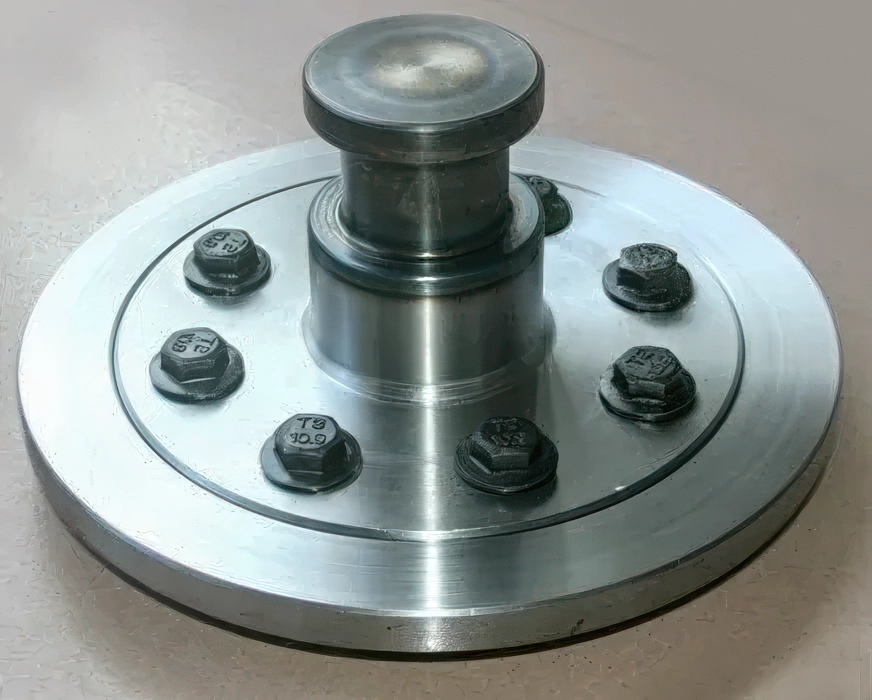
    High-Quality King Pins for Semi-Trailers 50mm 90mm for sale-02
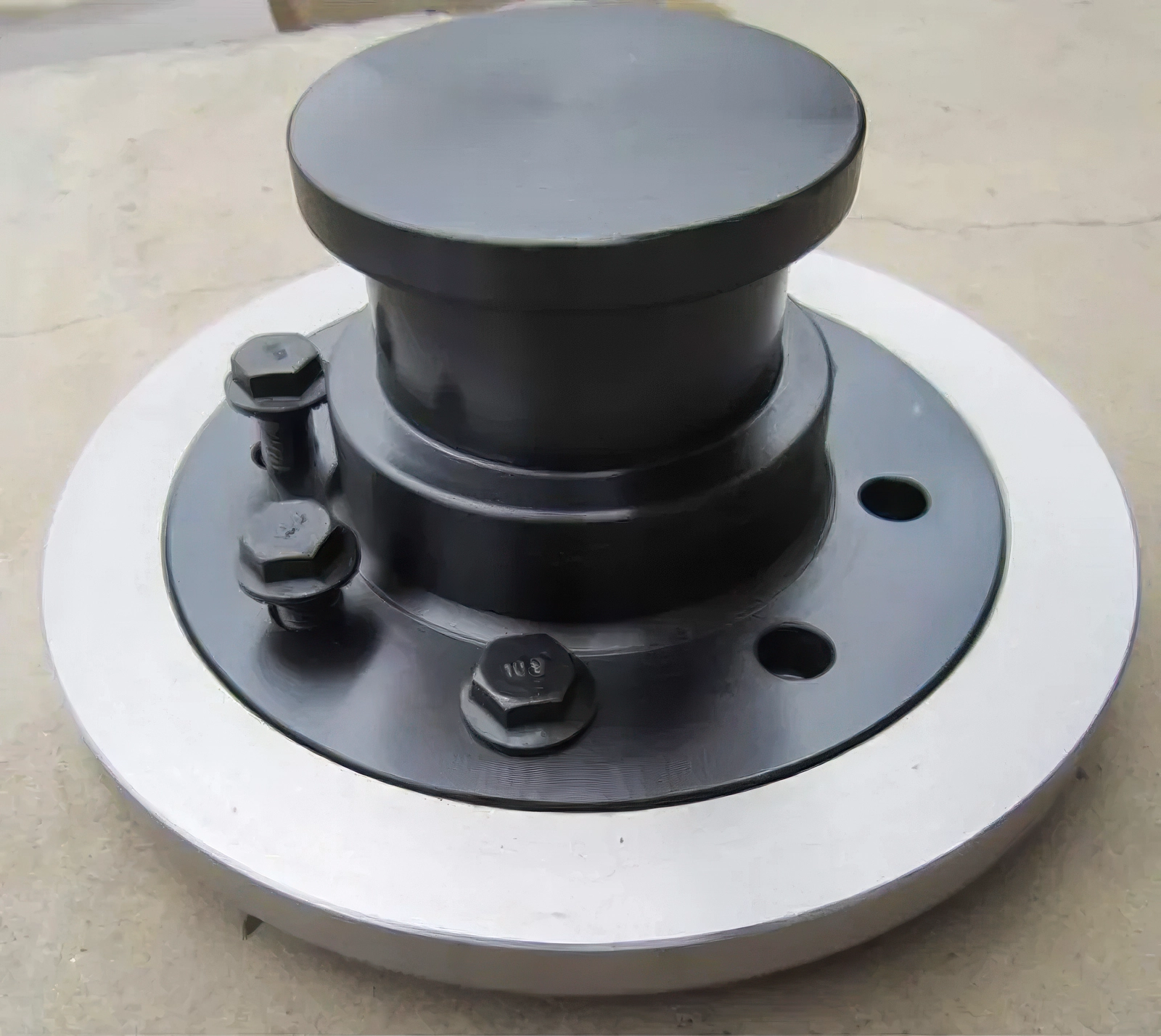
    Product view showing the king pin family hardware used for trailer coupling applications.
    High-Quality King Pins for Semi-Trailers 50mm 90mm for sale-03
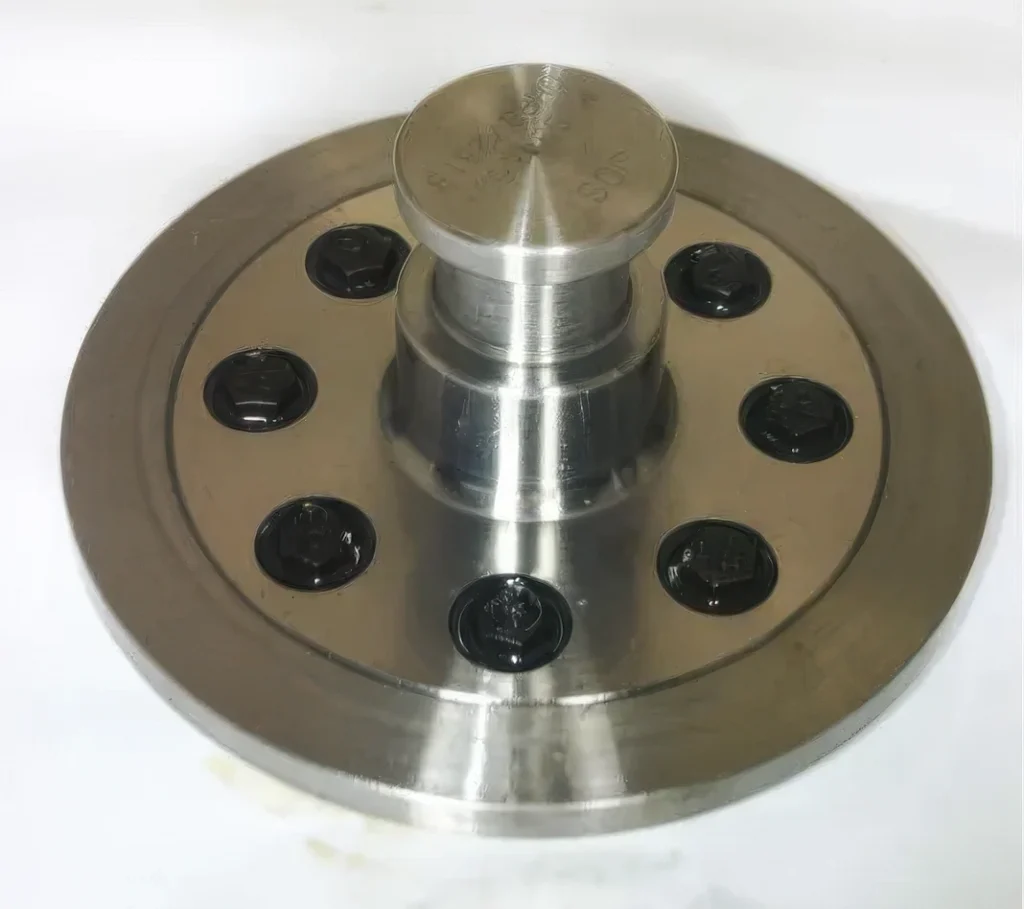
    Inspection angle useful for checking king pin body shape and finish quality.
    High-Quality King Pins for Semi-Trailers 50mm 90mm for sale-04
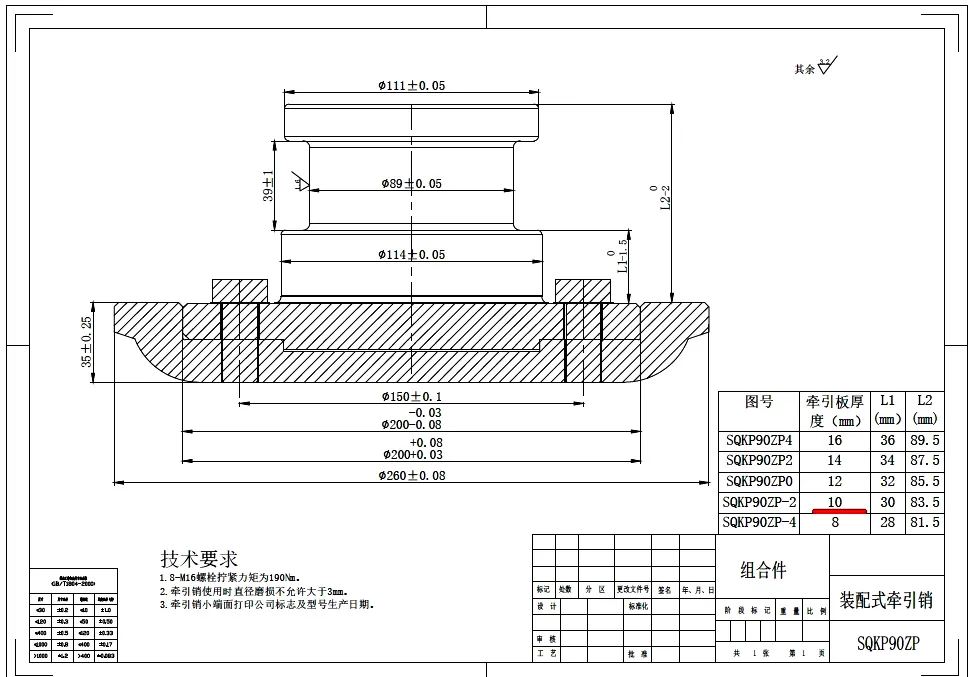
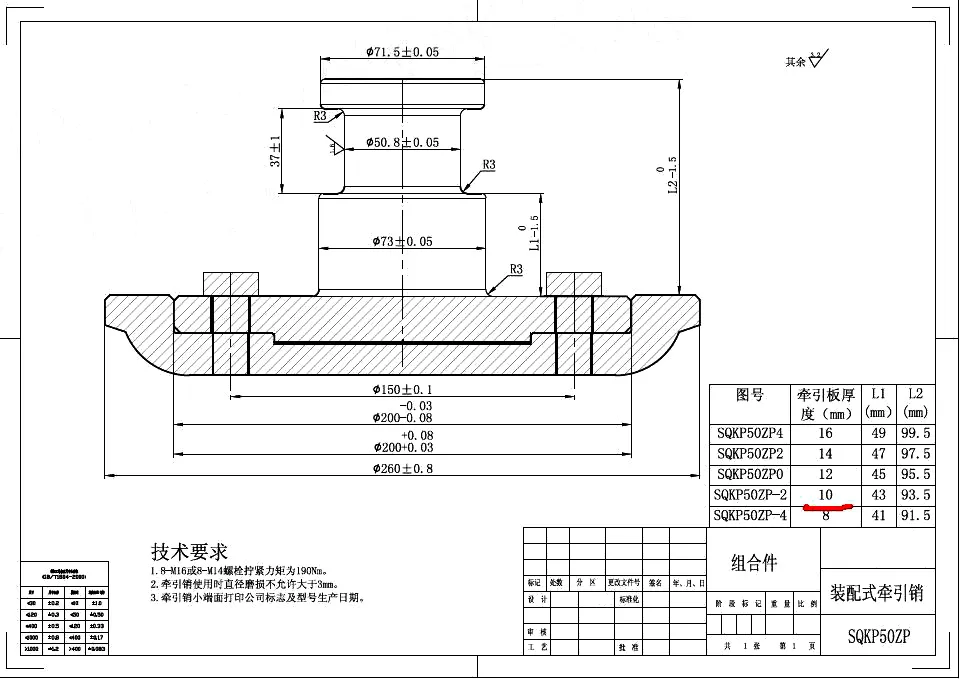
    Close view supporting review of the machined contact area and connection form.
    High-Quality King Pins for Semi-Trailers 50mm 90mm for sale-05
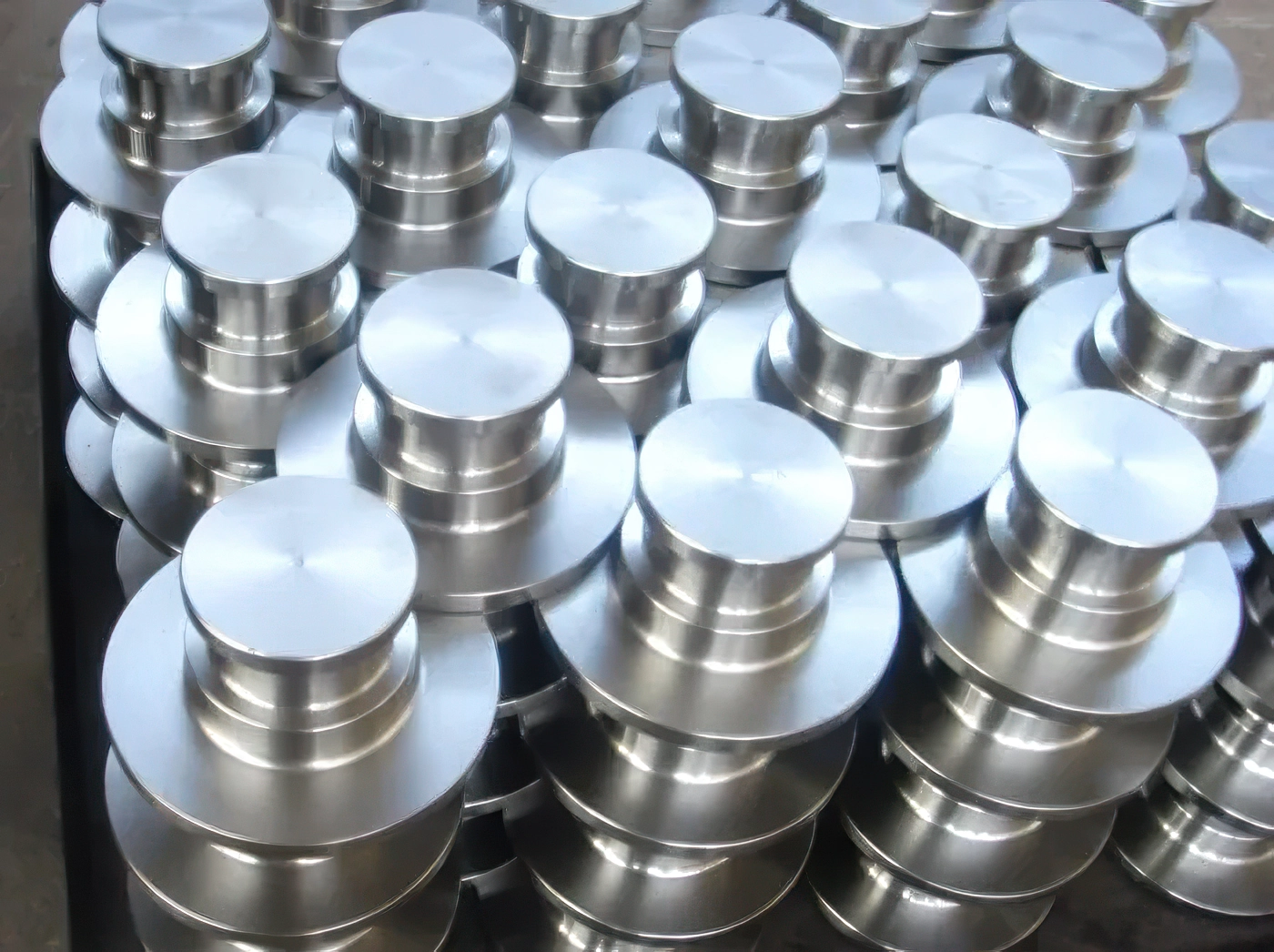
    Additional product angle for buyers comparing the No.50 and No.90 family layout.
    High-Quality King Pins for Semi-Trailers 50mm 90mm for sale-06
    Factory inspection view for surface finish and part consistency.
    High-Quality King Pins for Semi-Trailers 50mm 90mm for sale-07
    Final view useful for export buyers checking product presentation before order confirmation.

    Frequently Asked Questions

    What is the difference between 50 mm and 90 mm king pins?

    The 50 mm king pin is intended for standard semi-trailer service up to 40 tons gross weight, while the 90 mm king pin is intended for heavier-duty trailers above 40 tons and up to 100 tons.

    Is this the same as a fifth wheel coupling?

    No. The king pin is the trailer-side connection point. The fifth wheel coupling is the tractor-side device that locks onto it.

    Can Kales supply welded and assembled versions?

    Yes. This family includes welded and assembled mounting options depending on the trailer build requirement.

    Why does the page use a price range?

    Because the family includes multiple sizes and mounting styles. Final cost depends on the exact model and production detail selected.

    What should I send before asking for a quote?

    Send trailer gross weight, coupling standard, mounting style, and whether the application is standard-duty or heavy-duty.

    Request King Pin Matching and Quote

    If you need a 50 mm or 90 mm semi-trailer king pin, send your trailer gross weight, coupling standard, mounting preference, and destination market. Kales can then match the right king pin size and quote the correct replacement part for your fleet.
    WhatsApp Us Email Inquiry

    Related Kales Parts

  • 3-Line 6-Axle Heavy-Duty Lowbed Trailer Axle Set

    3-Line 6-Axle Heavy-Duty Lowbed Trailer Axle Set

    Heavy-Duty Trailer Axles Low-Profile Axles Multi-Axle Suspensions for sale
    Kales 3-line 6-axle lowbed trailer axle family for heavy-haul lowbed trailers, multi-axle load distribution, and oversized project cargo support.

    Trailer Parts Buying Guide · Published: November 28, 2024 · Updated: June 3, 2026 · By Kales Vehicle Axle Engineering Team · Reviewed by Kales Export Parts Sales Engineering · Market focus: Africa, Latin America, Middle East heavy-haul fleets, lowbed trailer builders, and trailer rebuild workshops

    3-line 6-axle lowbed trailer axle set: this Kales heavy-duty axle family is built for buyers who need a complete multi-axle running-gear package for lowbed trailers carrying transformers, mining equipment, project cargo, and other oversized loads. The page covers the KATR30A, KATR30B, KATR40A, and KATR40B configurations sold under one heavy-haul axle platform.

    Engineering guidance from the Kales Vehicle parts team for buyers comparing a 3-line 6-axle heavy-haul axle package with standard rear axles, follower steering axles, and lowered axle alternatives.

    Quick answer: choose this 3-line 6-axle lowbed trailer axle family when your trailer program needs multi-axle load sharing, stronger support for oversized cargo, and a heavy-haul package that is easier to source as one matched set. It is the right fit for lowbed and specialized trailers where standard 3-axle running gear is no longer enough.

    Technical Snapshot

    Product type 3-line 6-axle heavy-duty lowbed trailer axle set family
    Family models KATR30A, KATR30B, KATR40A, KATR40B
    Model rating range 30,000 to 40,000 kg depending on model
    Primary application Lowbed heavy-haul trailers and specialized project transport trailers
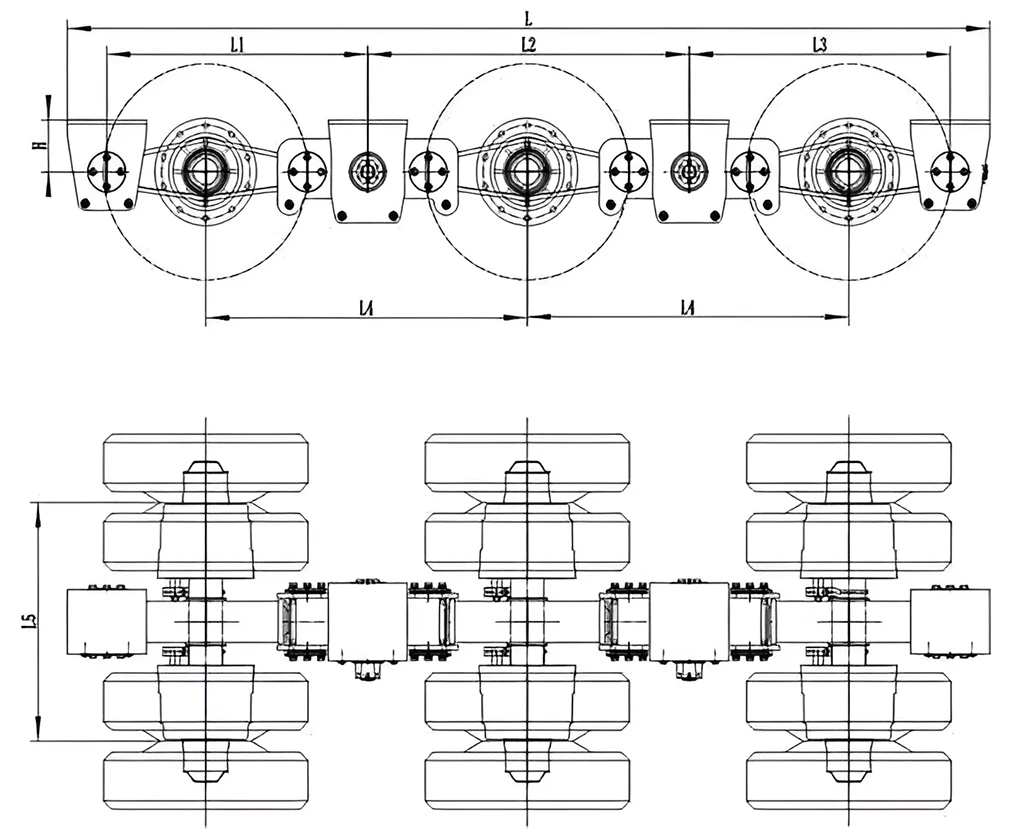
    Track range 865 to 965 mm
    Wheelbase range 1220 to 1362 mm
    Central distance range 1600 to 1760 mm
    Total width range 2965 to 3305 mm
    Central height 190 to 220 mm
    Side swing 6 degrees left and right
    Brake options 311 x 190 mm or 420 x 180 mm depending on model
    Suspension material Q345 steel plate suspension with polyurethane torsion-bar bushings
    Custom quotation Contact KALES for a tailored quotation based on the required configuration, order quantity, and destination.

    Family configuration table

    Model Rated load (kg) Track (mm) Wheelbase (mm) Central distance (mm) Total width (mm) Brake Wheel fixing Tyre
    KATR30A 30000 865 1220 1600 2980 311 x 190 6.5-15 8.25-15
    KATR30B 30000 865 1220 1600 2965 420 x 180 6.5-20 8.25-20
    KATR40A 30000 865 1220 1600 2980 311 x 190 6.5-16 8.25-15
    KATR40B 40000 965 1362 1760 3305 311 x 190 7.5-20 10.00-20

    Best Fit Operating Profile

    This axle family is best suited to lowbed trailers carrying concentrated heavy equipment and oversized project cargo where a normal semi-trailer axle layout cannot distribute load correctly. It works well for heavy haul corridors, mining support equipment movement, transformer transport, and specialized trailer manufacturing or rebuilding programs.

    Best for

    • Lowbed trailers for excavators, transformers, and industrial modules
    • Trailer builders that need a matched 3-line 6-axle running-gear package
    • Heavy-haul fleets working on project logistics and oversized cargo permits
    • Workshops rebuilding or upgrading old multi-axle lowbed trailers

    Not ideal for

    • Standard flatbed, sidewall, or bulk trailers that only need mainstream 13T to 20T rear axles
    • Buyers looking for the simplest low-cost axle replacement rather than a full heavy-haul set
    • Trailer programs that mainly need steering behavior improvement instead of higher load distribution capacity

    Why Buyers Choose This Multi-Axle Heavy-Haul Set

    • Multi-axle load sharing: built for trailer programs that need to spread heavy point loads across more axle positions.
    • Matched family logic: KATR30A, KATR30B, KATR40A, and KATR40B are offered as one coordinated heavy-haul package instead of unrelated single-axle purchases.
    • High-strength tubular axle construction: positioned for harder working conditions and oversized project transport.
    • Hot-rolling and quenching process: the axle body and axle heads are engineered for better structural durability under repeated heavy-load cycles.
    • Q345 suspension with polyurethane bushings: useful for controlling durability and serviceability on heavy-haul trailers.
    • configuration-based structure: practical for buyers who need the correct heavy-haul configuration rather than one generic stock number.

    Specification-backed advantages

    • Suspension material: Q345 steel plate suspension with polyurethane torsion-bar bushings. This provides a concrete durability and load-control basis for the stated duty cycle.
    • Model: Rated load (kg). This defines the working band to validate against the cargo, route, and local legal limits.
    • Brake options: 311 x 190 mm or 420 x 180 mm depending on model. This gives the buyer a specific braking or safety package to verify for the intended route.


    How This 3-Line 6-Axle Set Should Be Evaluated

    The correct way to assess a 3-line 6-axle lowbed trailer axle set is not by price headline alone. Buyers should confirm the trailer’s target cargo weight, deck geometry, permit requirements, brake expectations, tire specification, and whether the project needs a fixed multi-axle load platform or a different specialty axle logic. In heavy-haul service, fitment mistakes are expensive.

    Buyer situation Best-fit Kales option Why
    Heavy-haul lowbed trailer that needs a complete multi-axle support package This 3-line 6-axle family It is built around heavy load distribution and specialized lowbed running gear
    Heavy trailer that only needs a stronger mainstream rear axle 20T American type drum trailer axle Better fit when the trailer does not require a full multi-axle lowbed set
    Trailer program that needs tighter turning behavior Follower steering trailer axle Better fit when the main issue is tire scrub and maneuverability, not only load distribution
    Low-deck trailer that mainly needs a lowered axle geometry 13T American type drop axle Better fit when deck height is the main design constraint

    Engineering and Serviceability Details

    This is a heavy-haul family page, not one generic axle SKU

    Contact KALES for a tailored quotation based on the required configuration, order quantity, and destination.

    Material and process choices matter under repeated heavy-load cycles

    The family is built around high-strength alloy tubular axles, integrated hot-rolling process improvements, and medium-frequency quenching at the axle heads. Those details matter because heavy-haul lowbed trailers see repeated load concentration and harsher structural cycling than standard route trailers.

    Suspension and bushing quality affect trailer uptime

    Q345 steel suspension members and polyurethane torsion-bar bushings are not cosmetic details. On project routes, mining access roads, and construction corridors, those components influence wear stability, vibration control, and long-term service predictability.

    Fitment discipline is more important than chasing the lowest quote

    Track, wheelbase, total width, brake package, wheel fixing, and tyre matching all affect whether the heavy-haul trailer can be assembled and serviced correctly. A cheap axle set that does not match the trailer geometry usually creates more cost later in rework, downtime, and parts mismatch.

    Quotation and Procurement Guidance

    This family uses range pricing because the final package depends on model mix, brake hardware, wheel-end requirements, and whether the order covers a new trailer build or a replacement and rebuild job. Serious buyers should send cargo class, target trailer drawing, axle arrangement, and destination market so the axle package can be matched correctly before shipment.

    Inspection Views

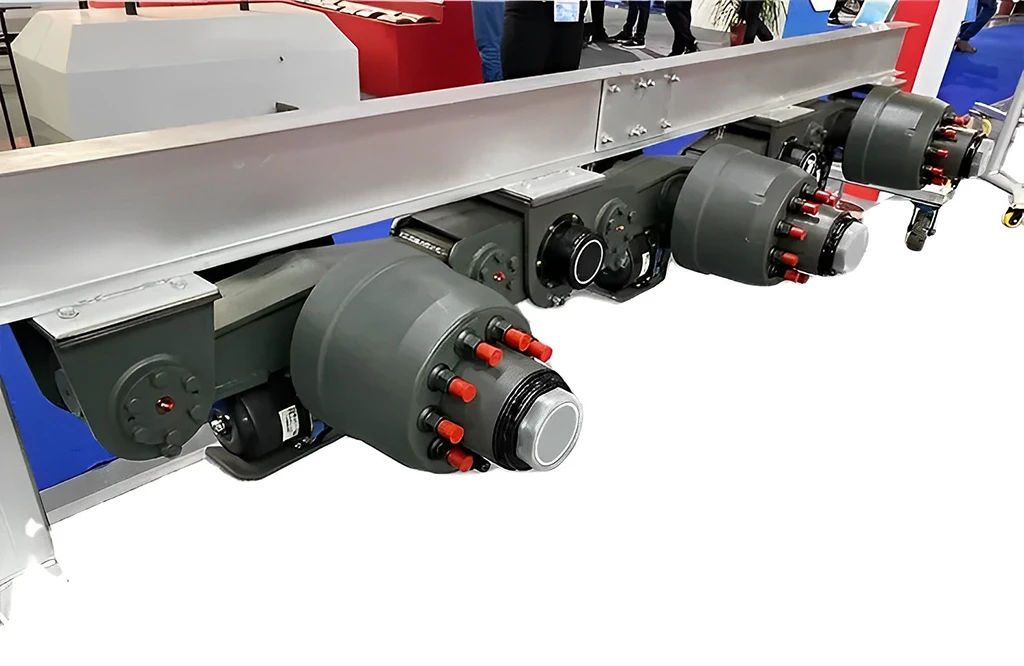
    Heavy-Duty Trailer Axles Low-Profile Axles Multi-Axle Suspensions for sale
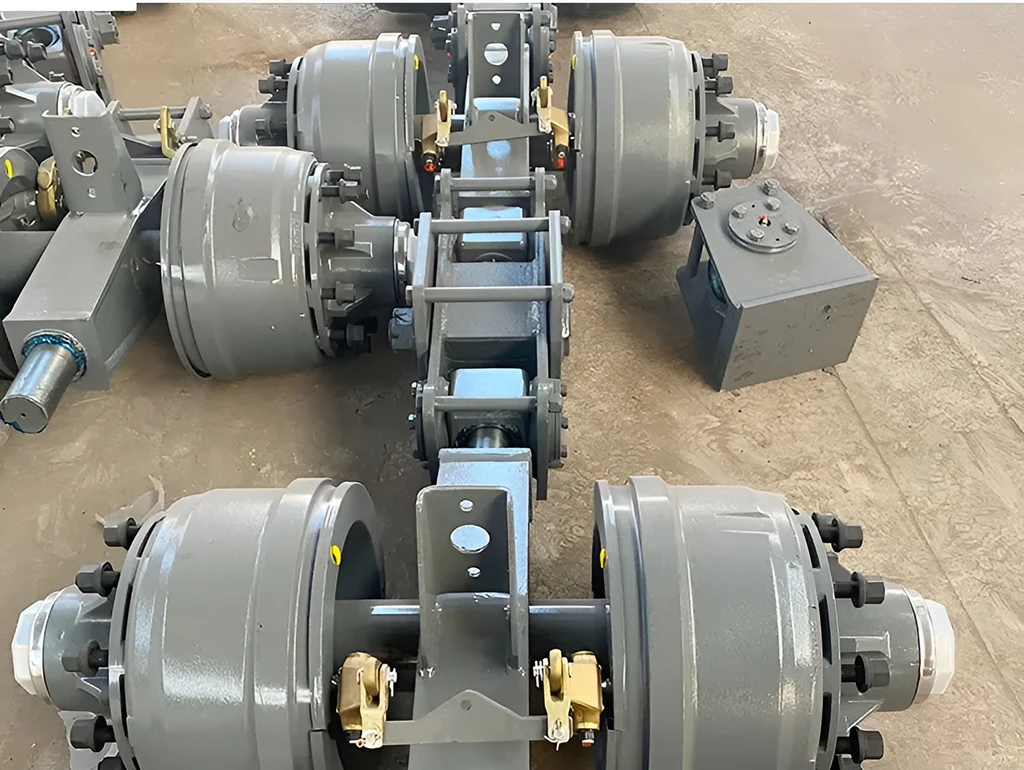
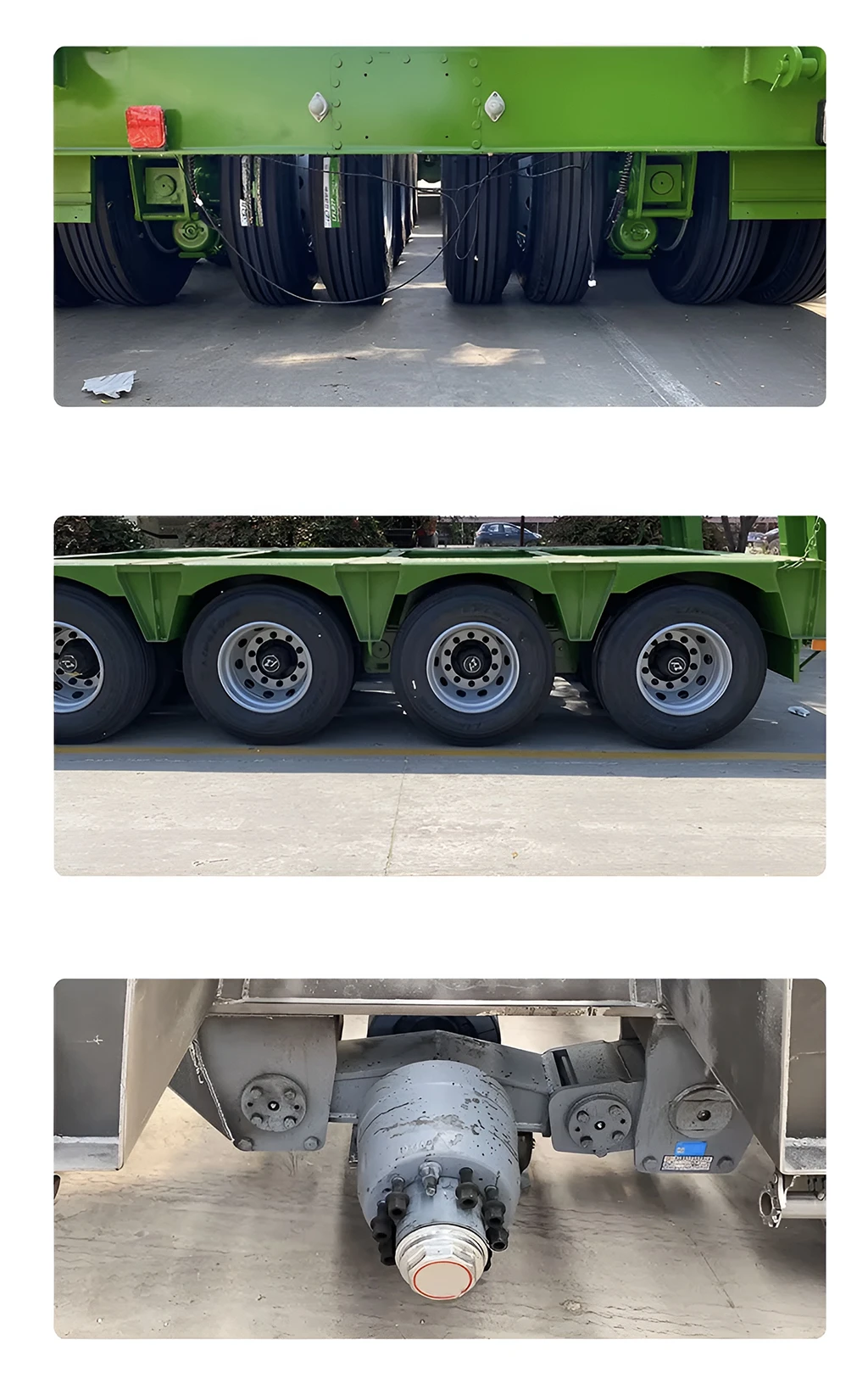
    Factory view showing the multi-axle lowbed running-gear arrangement assembled as a matched heavy-haul set.
    Heavy-Duty Trailer Axles Low-Profile Axles Multi-Axle Suspensions for sale
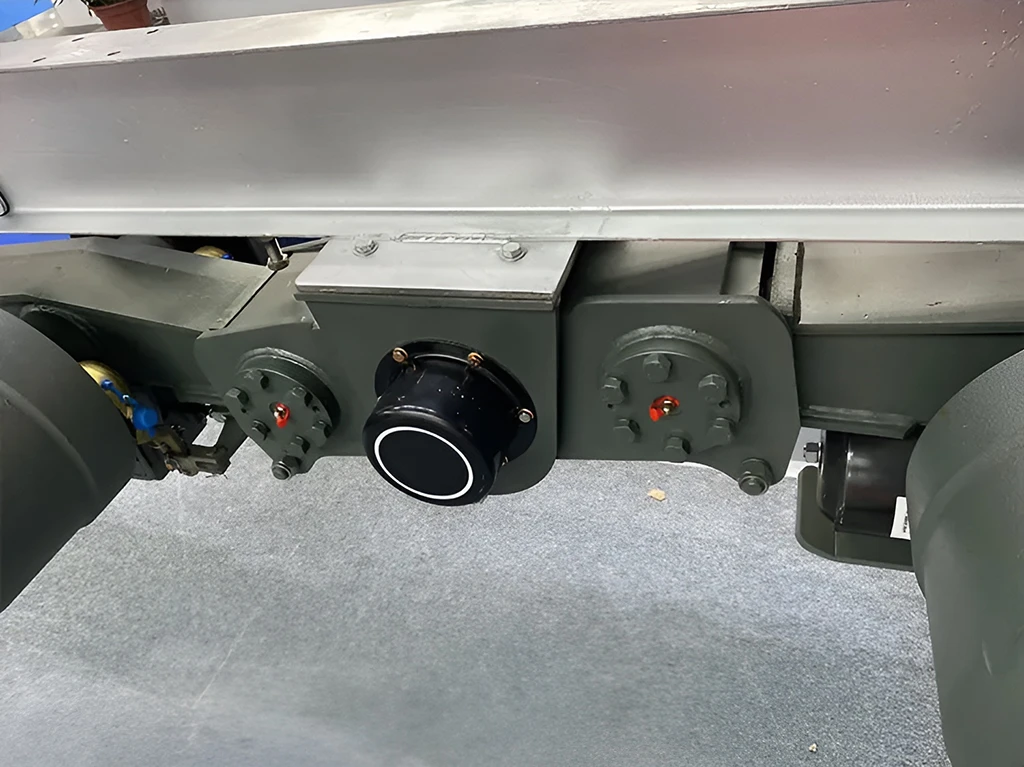
    Closer inspection angle for axle beam geometry, cross-member spacing, and heavy-haul layout details.
    Heavy-Duty Trailer Axles Low-Profile Axles Multi-Axle Suspensions for sale
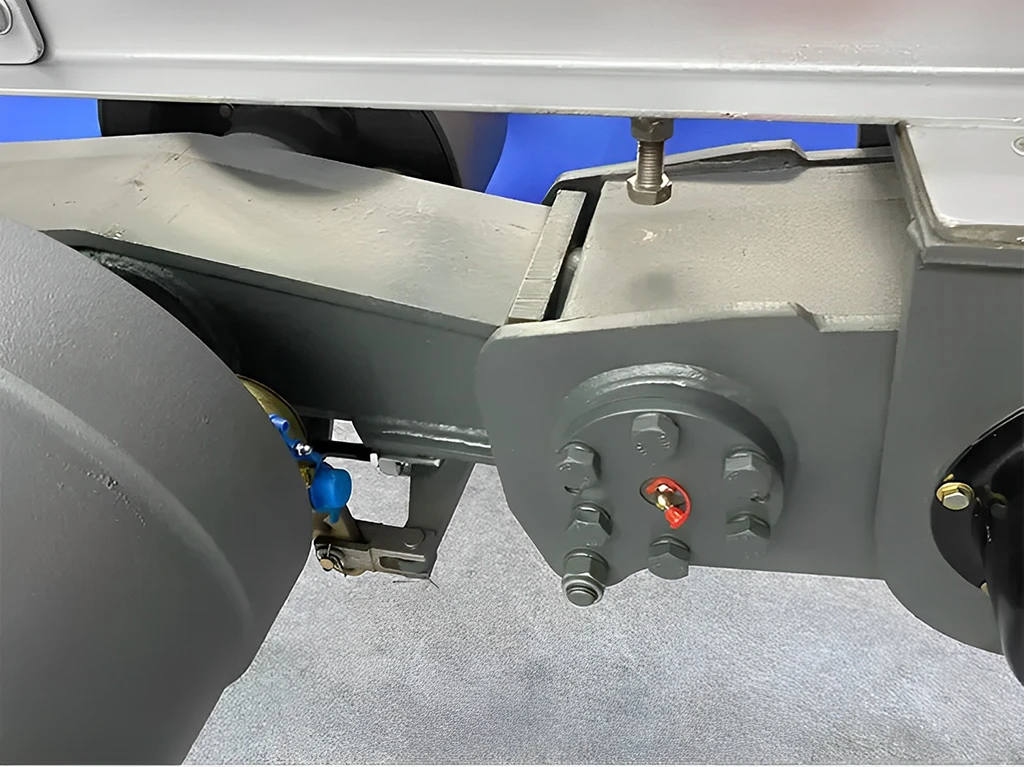
    Workshop-side angle useful for reviewing axle grouping and suspension alignment before order confirmation.
    Heavy-Duty Trailer Axles Low-Profile Axles Multi-Axle Suspensions for sale
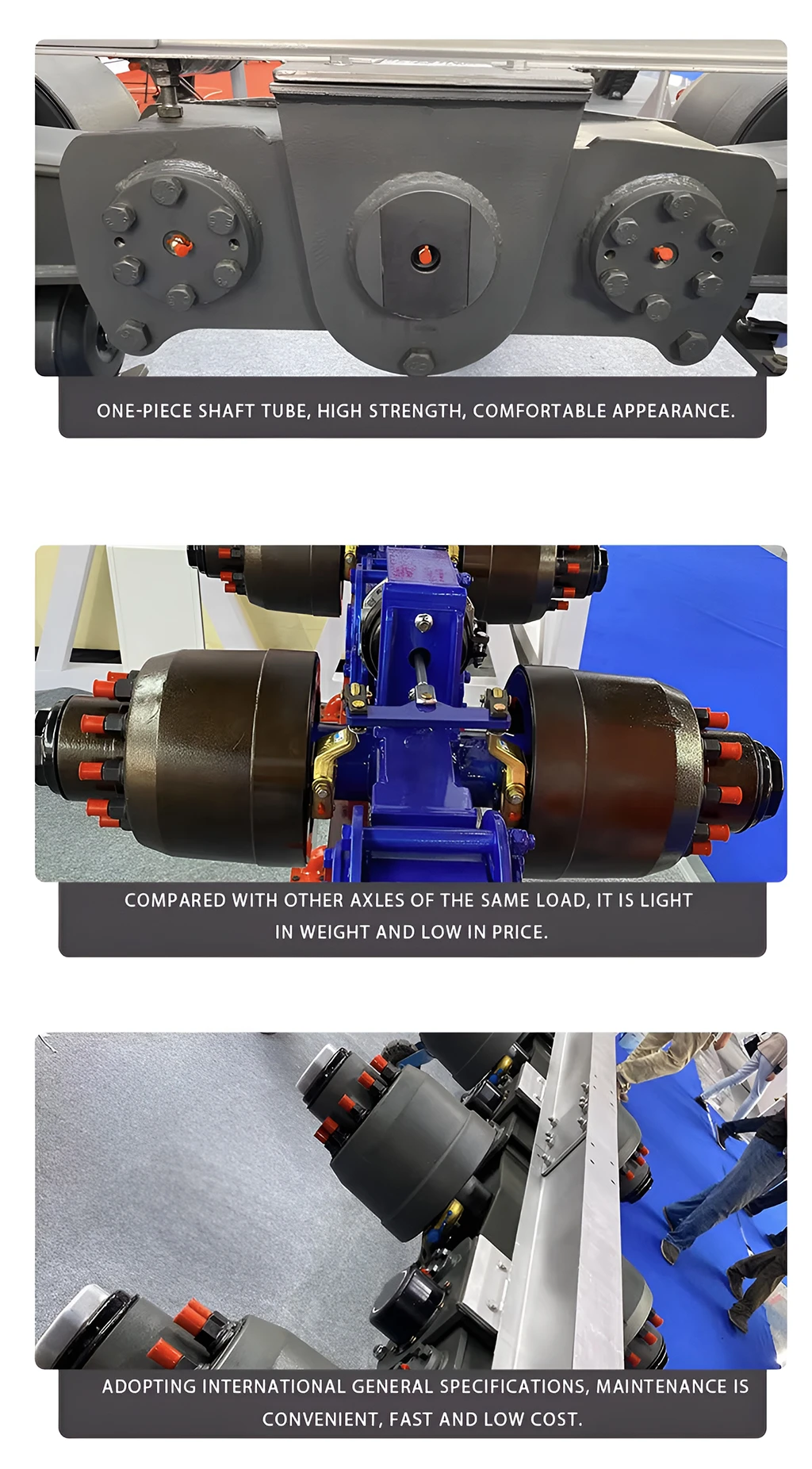
    Vertical inspection view highlighting the structural arrangement used on the heavy-duty lowbed axle family.
    Heavy-Duty Trailer Axles Low-Profile Axles Multi-Axle Suspensions for sale
    Additional heavy-haul assembly view for checking suspension stacking and axle-set presentation.
    Heavy-Duty Trailer Axles Low-Profile Axles Multi-Axle Suspensions for sale
    Final angle supporting buyer review of overall package layout and build consistency.

    Frequently Asked Questions

    How is the final quotation confirmed?

    KALES confirms the quotation after reviewing the required specification, quantity, destination, and delivery terms. Send the operating requirements for an accurate proposal.

    Is this the right choice for a normal 3-axle flatbed or sidewall trailer?

    No. This family is meant for lowbed heavy-haul and specialized multi-axle trailer work. Standard trailers usually need a simpler rear axle solution.

    What is the difference between KATR30A, KATR30B, KATR40A, and KATR40B?

    The models differ in rated load, brake package, wheel fixing, tyre matching, and overall dimensional geometry. KATR40B is the heaviest-rated option in this family.

    Can Kales supply this family for trailer rebuilding projects?

    Yes. Buyers can use this family for new heavy-haul trailer builds or for structured replacement and rebuilding projects when the existing lowbed running gear needs upgrading.

    What details should I send before asking for a quote?

    Send the trailer drawing, target cargo type, expected maximum load, axle arrangement, wheel and tyre preference, and destination market so the heavy-haul package can be matched correctly.

    Request 3-Line 6-Axle Heavy-Haul Matching and Quote

    If you are sourcing a 3-line 6-axle lowbed trailer axle set, send your trailer drawing, cargo weight, axle arrangement target, brake preference, and destination country. Kales can then match the right KATR-series package and quote the correct heavy-haul configuration instead of a generic axle offer.

    WhatsApp Us Email Inquiry

    Related Kales Axle Configurations

  • Follower Steering Trailer Axles

    Follower Steering Trailer Axles

    High Quality Factory Follower Steering Axles Specialty Axles Heavy Duty Axles Semi-trailer for sale
    Kales follower steering trailer axle family centered on the KAFSAS11 specialty axle for lowbed trailers, tight-turn transport routes, and reduced tire scrub in heavy-duty trailer service.

    Trailer Parts Buying Guide · Published: November 19, 2024 · Updated: June 3, 2026 · By Kales Vehicle Axle Engineering Team · Reviewed by Kales Export Parts Sales Engineering · Market focus: Africa, Latin America, lowbed fleets, specialty trailer builders, heavy-equipment transporters, and export spare-parts buyers

    Follower steering trailer axles: this Kales specialty axle page is built for buyers who need a self-steering or follower-steering axle to reduce tire scrub, improve low-speed turning behavior, and make heavy-duty specialty trailers easier to position in tight operating spaces. The page is centered on the KAFSAS11 configuration while covering the fit, brake, wheel, and routing details that actually decide whether a follower steering axle is the right answer for the trailer.

    Engineering guidance from the Kales Vehicle parts team for buyers comparing follower steering trailer axles with fixed heavy-duty rear axles, lowered/drop axles, and simpler rigid axle replacement programs.

    Quick answer: choose this follower steering trailer axle when your lowbed or specialty trailer needs a tighter turning radius and less tire drag in confined routes, yards, ramps, or project sites. It is the right fit when steering behavior and tire-scrub reduction matter more than the lower entry cost and simpler maintenance logic of a fixed rigid axle.

    Technical Snapshot

    Product type Follower steering specialty axle for semi-trailers
    Headline configuration KAFSAS11 follower steering axle
    Rated capacity 11.5 tons
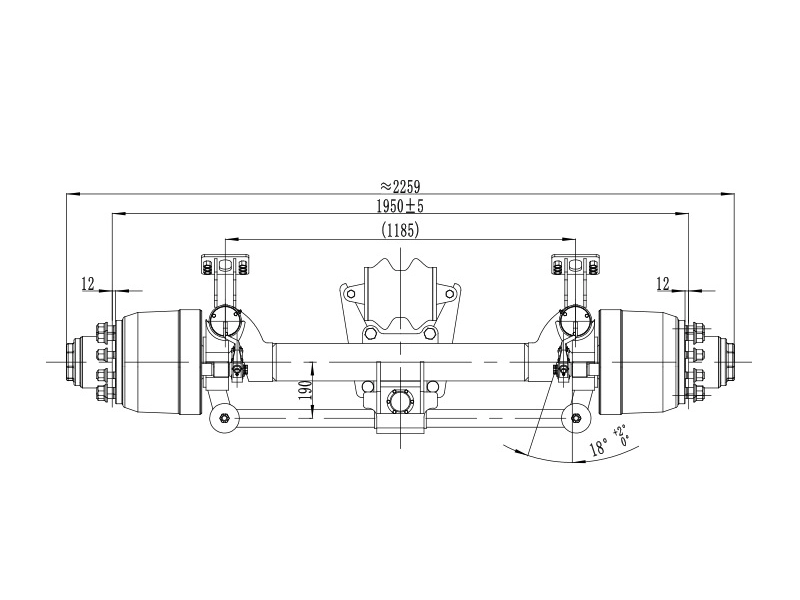
    Total length 2259 mm
    Wheel track 1950 mm
    Brake size 420 x 180 mm
    Axle tube O127 x 16 mm
    Stud pattern 10 x M22 x 1.5
    PCD 225 mm
    Center hole 176 mm
    Recommended wheels 6.5-15 or 6.75 x 17.5
    Track strategy Custom track available according to trailer requirements
    Optional systems ABS support and air brake chamber matching available
    Custom quotation Contact KALES for a tailored quotation based on the required configuration, order quantity, and destination.

    Configuration table

    Model Capacity (T) Total length (mm) Wheel track (mm) Brake (mm) Axle tube Recommended wheel
    KAFSAS11 11.5 2259 1950 420 x 180 O127 x 16 6.5-15 / 6.75 x 17.5

    Best Fit Operating Profile

    This axle family is best suited to lowbed trailers, specialty transport trailers, and multi-axle layouts that lose money through tire scrub, awkward turning behavior, or difficult maneuvering in constrained sites. It works well for heavy-equipment transporters that need better cornering behavior at low speed without moving into a fully custom modular transport system.

    Best for

    • Lowbed and specialty trailers that need a tighter turning radius
    • Heavy-equipment routes with yards, ramps, intersections, and jobsite access constraints
    • Buyers trying to reduce tire scrub and dragging on turning axles
    • Export trailer builders that need a specialty axle instead of a generic rigid rear axle

    Not ideal for

    • Mainstream flatbed or bulk trailers that can stay on simpler fixed axles
    • Jobs where deck-height reduction matters more than steering behavior
    • Overload-prone heavy bulk routes that need a heavier rigid drum axle instead
    • Buyers who only want the lowest purchase cost and the simplest workshop logic

    Why Buyers Choose This Follower Steering Axle

    • Tighter turning behavior: positioned for trailers that need more practical maneuvering in confined spaces.
    • Less tire scrub: follower steering logic helps reduce dragging and heat buildup on turning routes.
    • Specialty-trailer fit: designed for use cases where a standard rigid rear axle is not the best operational answer.
    • Export-ready fitment: custom track, ABS support, and air chamber matching help the axle fit real trailer programs.
    • Compact wheel logic: the 6.5-15 and 6.75 x 17.5 wheel options align with specialty trailer packaging requirements.
    • configuration-based structure: useful when final cost depends on trailer geometry and steering package details rather than one generic stock axle.

    Specification-backed advantages

    • Rated capacity: 11.5 tons. This defines the working band to validate against the cargo, route, and local legal limits.
    • Brake size: 420 x 180 mm. This gives the buyer a specific braking or safety package to verify for the intended route.
    • Headline configuration: KAFSAS11 follower steering axle. This makes destination-market parts support and workshop planning easier to confirm before production.


    How This Follower Steering Axle Should Be Evaluated

    The correct way to assess a follower steering trailer axle is not only by capacity or price. Buyers should confirm whether the transport problem is really turning behavior, tire scrub, and site maneuverability rather than deck height or pure axle load. They should also verify wheel track, brake package, wheel choice, mounting geometry, and how the axle will fit the trailer’s overall steering strategy.

    Buyer situation Best-fit Kales option Why
    Specialty or lowbed trailer that needs better turning behavior and lower tire scrub This follower steering axle family It is built around maneuverability logic rather than only fixed-axle load carrying
    Trailer program that mainly needs lower deck height 13T drop axle family Better fit when the problem is geometry and loaded height rather than turning behavior
    Bulk or overload-prone trailer that needs a stronger fixed axle 20T American-type drum axle Better fit when heavy load support matters more than specialty steering logic
    Mainstream 13T route with workshop simplicity as the priority 13T external drum trailer axle Better fit when the trailer does not need follower steering complexity

    Engineering and Serviceability Details

    Follower steering solves a different problem than a drop axle

    A drop axle changes trailer height and center of gravity. A follower steering axle changes how the trailer behaves in a turn. Buyers often confuse those two jobs. This page is for trailers that already know their problem is maneuverability, tire drag, and cornering behavior.

    Tire-scrub reduction is the commercial reason to buy this axle

    On specialty trailers that turn frequently in ports, yards, industrial compounds, or equipment-delivery sites, a fixed axle can scrub tires hard and increase resistance through the turn. A follower steering axle exists to reduce that penalty and make the trailer easier to place accurately.

    Fitment details matter more here than on a generic rigid axle

    Because this is a specialty steering axle, buyers should confirm wheel track, wheel package, brake package, and trailer geometry before purchase. A follower steering axle only creates value when it is matched to the real trailer layout instead of treated as a generic rear axle substitute.

    How is the final quotation confirmed?

    KALES confirms the quotation after reviewing the required specification, quantity, destination, and delivery terms. Send the operating requirements for an accurate proposal.

    Quotation and Procurement Guidance

    This page should be compared to rigid axle alternatives only after the buyer confirms that the operating bottleneck is turning behavior, not simply price or rated load. A cheaper fixed axle can become the more expensive choice if tire scrub, maneuvering delays, and trailer placement problems remain unresolved.

    Kales can match wheel track, brake package, wheel recommendation, ABS option, and air brake chamber logic before order confirmation. For serious buyers, the main goal is to order a follower steering axle that actually fits the trailer program rather than a specialty axle that looks right only on paper.

    Inspection Views

    High Quality Factory Follower Steering Axles Specialty Axles Heavy Duty Axles Semi-trailer for sale
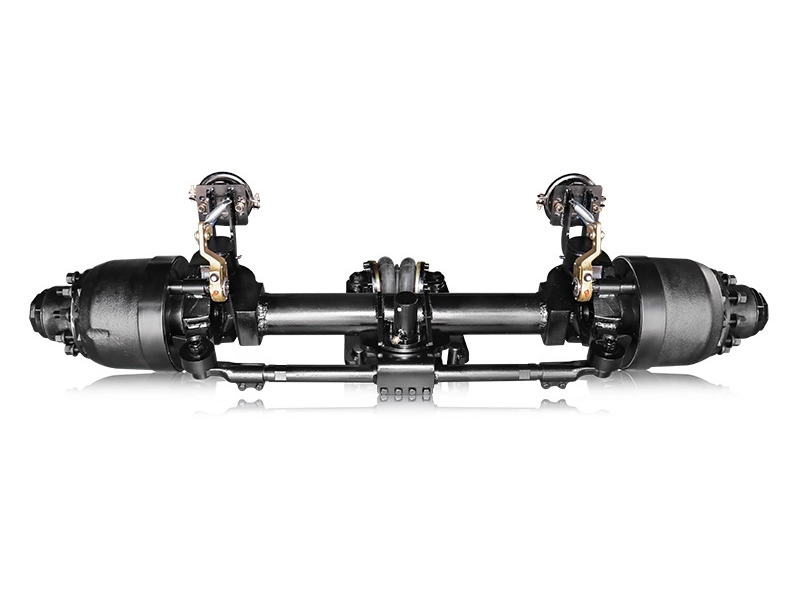
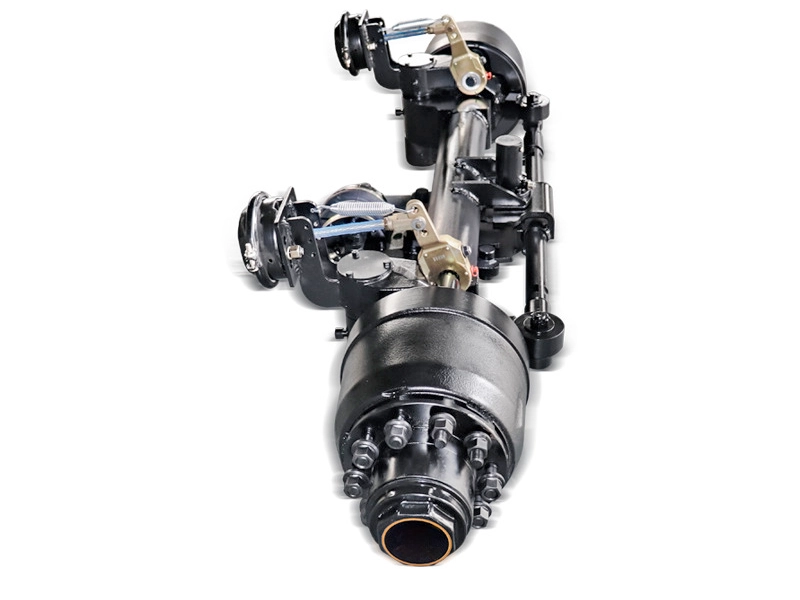
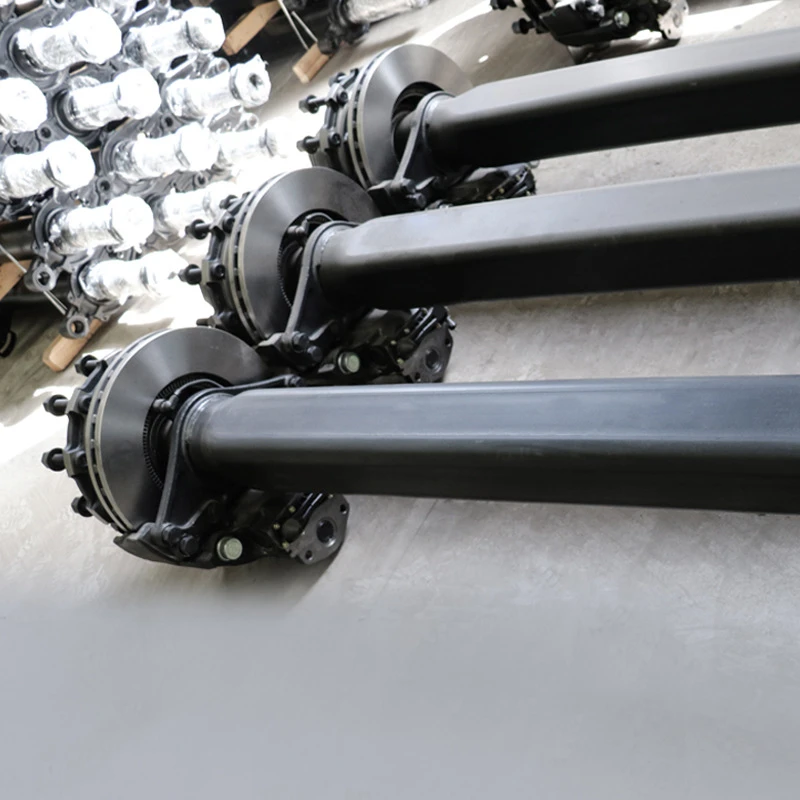
    Front inspection view showing the follower steering axle layout and specialty hub package.
    High Quality Factory Follower Steering Axles Specialty Axles Heavy Duty Axles Semi-trailer for sale
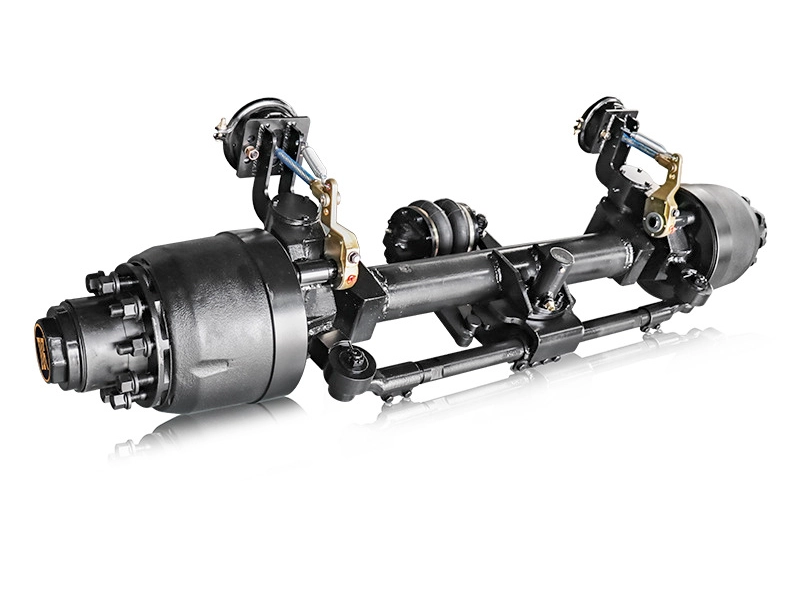
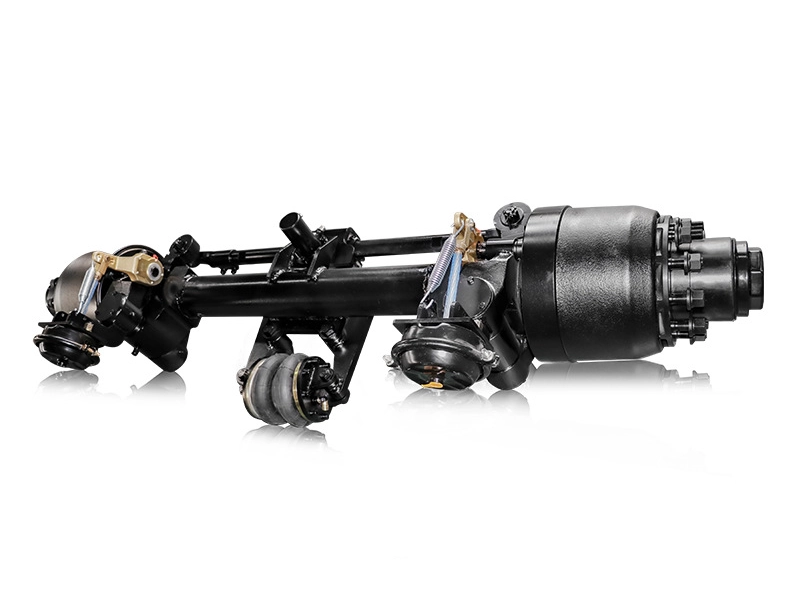
    Closer angle for reviewing beam construction, brake hardware, and wheel-end details.
    High Quality Factory Follower Steering Axles Specialty Axles Heavy Duty Axles Semi-trailer for sale
    Inspection angle useful for checking the axle body and specialty mounting arrangement.
    High Quality Factory Follower Steering Axles Specialty Axles Heavy Duty Axles Semi-trailer for sale
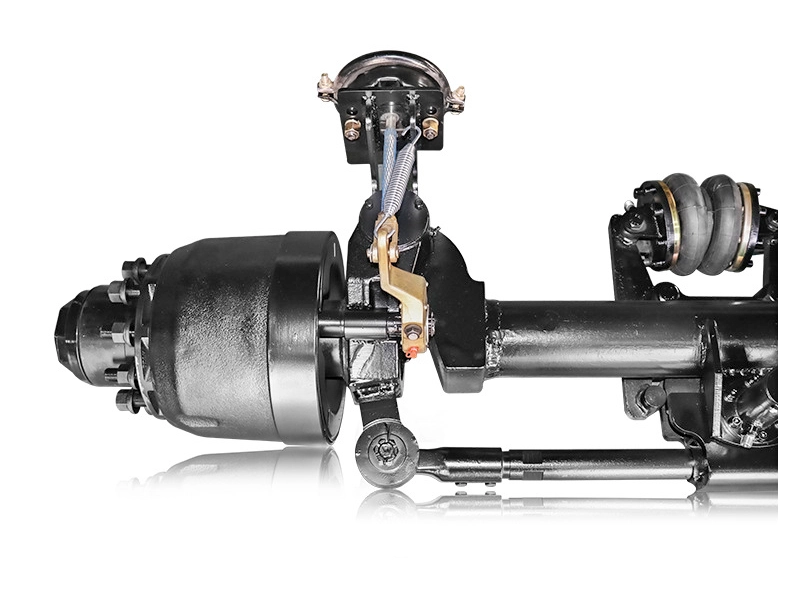
    Product view highlighting the compact wheel package used on this follower steering configuration.
    High Quality Factory Follower Steering Axles Specialty Axles Heavy Duty Axles Semi-trailer for sale
    Additional inspection view for buyers checking specialty axle packaging and component spacing.
    High Quality Factory Follower Steering Axles Specialty Axles Heavy Duty Axles Semi-trailer for sale
    Hero image of the Kales follower steering trailer axle family.

    Frequently Asked Questions

    Why does this page use a price range instead of one fixed price?

    Because final cost depends on track customization, brake package, chamber matching, and the trailer’s specialty steering fitment details. This is not a one-size-fits-all rigid axle.

    What problem does a follower steering axle solve?

    It is meant to reduce tire scrub and improve turning behavior on trailers that struggle in confined sites, tight yard layouts, ramps, and specialty transport routes.

    When should I choose this axle instead of a drop axle?

    Choose this axle when the operational problem is turning behavior. Choose a drop axle when the main problem is deck height and loaded overall height.

    Is this the right choice for every heavy-duty trailer?

    No. Many heavy-duty trailers are better served by a simpler fixed axle. This page is strongest when the trailer layout actually benefits from follower steering behavior.

    What should I confirm before ordering?

    Confirm wheel track, brake package, wheel size, axle mounting geometry, ABS requirement, air chamber requirement, and the real trailer application before final approval.

    Request Follower Steering Axle Matching and Quote

    If you are comparing a follower steering trailer axle for a lowbed or specialty trailer, send your trailer type, axle layout, wheel track requirement, brake package, wheel size, and route profile. Kales can then match the correct follower steering axle configuration and quote the right fitment package instead of a generic rigid axle offer.

    WhatsApp Us Email Inquiry

    Related Kales Axle Configurations

  • 13T German Disc Trailer Axle

    13T German Disc Trailer Axle

    13T Disc Brake axle German style single-tire Semi-Trailer Axle
    Kales German-style disc trailer axle family centered on the 13 ton single-tire configuration for BPW-style running gear, export trailer replacement, and road-focused braking performance.

    Trailer Parts Buying Guide · Published: November 19, 2024 · Updated: June 3, 2026 · By Kales Vehicle Axle Engineering Team · Reviewed by Kales Export Parts Sales Engineering · Market focus: Africa, Latin America, German-style running gear fleets, BPW-style replacement programs, and export spare-parts buyers

    13T German disc trailer axle: this Kales German-style single-tire disc axle family is built for buyers who need BPW-style running gear compatibility, cleaner disc braking, and more predictable German-fit replacement logic for export semi-trailers. The page is centered on the 13 ton disc configuration while covering the fit, beam, and service details that matter when the buyer is choosing between German-style and American-type axle systems.

    Engineering guidance from the Kales Vehicle parts team for buyers comparing a 13T German disc trailer axle with a 13T American disc axle, a 16 ton German-style rear axle, and lower-cost American-type drum axle replacements.

    Quick answer: choose this 13T German disc trailer axle when your trailers already use German-style running gear and you want cleaner disc braking with BPW-style fit logic. It is the right fit for export replacement programs where the fleet standard is German-style and the buyer wants road-focused braking quality instead of switching to American-type drum or disc hardware.

    Technical Snapshot

    Product type German-style single-tire disc brake semi-trailer axle family
    Headline configuration 13T German-style single-tire disc axle
    Rated capacity 13 tons
    Brake type Monolithic alloy disc brake
    Approximate axle weight 660 lb / 330 kg
    Running gear fit German-style / BPW-style replacement logic
    Standard track length 1840 mm
    Axle beam options Round or square beam available
    Square beam option 6.6 inch square beam with 12 mm or 14 mm wall thickness available
    Optional systems ABS support and air brake chamber matching available
    Surface finish Black painted or galvanized
    Track customization Other track lengths available according to trailer requirements
    Brake chamber note Brake chambers are not included by default and should be matched to the trailer brake package
    Custom quotation Contact KALES for a tailored quotation based on the required configuration, order quantity, and destination.

    Key build notes

    Build point Kales 13T German disc axle position Why it matters
    Axle architecture German-style single-tire disc axle Needed for fleets standardized on German wheel-end geometry
    Disc package Monolithic alloy disc Supports cleaner heat dissipation and road-use braking stability
    Beam format Round or square beam available Useful for matching different trailer design preferences
    Square beam option 6.6 inch beam, 12 mm or 14 mm wall Important for buyers comparing stiffness and durability level
    Track strategy 1840 mm standard with custom track available Helps fit the axle to the target trailer geometry
    Brake-system options ABS and air chamber matching available Critical for export replacement and fleet-standard alignment

    Best Fit Operating Profile

    This axle family is best suited to fleets and workshops already standardized on German-style running gear that want disc-brake road behavior without changing axle architecture. It works well for road freight trailers, tanker or reefer programs with German-fit hardware, and export replacement buyers who care about cleaner braking, BPW-style compatibility, and predictable parts matching after arrival.

    Best for

    • German-style running gear fleets that need a 13T disc replacement
    • BPW-style axle replacement and rebuild programs
    • Road-focused semi-trailers that want cleaner disc braking
    • Export buyers who need German-fit parts logic instead of American-type hardware

    Not ideal for

    • American-type trailer fleets that want to stay in that parts ecosystem
    • Heavy-duty applications that need a higher-capacity 16T German-style axle instead
    • Very low-deck special trailers that actually need a drop axle
    • Buyers who only want the lowest possible rear axle price and do not need German-style fit

    Why Buyers Choose This 13T German Disc Axle Family

    • German-style fit logic: the axle is positioned for buyers who need BPW-style compatibility instead of American wheel-end geometry.
    • Cleaner disc braking: the monolithic alloy disc suits road-focused fleets that care about heat dissipation and braking consistency.
    • Lighter package: the approximately 330 kg axle weight supports operators looking for braking quality without unnecessary weight penalty.
    • Beam flexibility: round or square beam options help match different trailer build preferences.
    • Custom track availability: useful when the trailer program needs something closer than a one-size-fits-all axle.
    • Export-ready options: ABS support, air chamber matching, and finish choices help the buyer fit the axle into a real destination-market maintenance program.

    Specification-backed advantages

    • Axle beam options: Round or square beam available. This provides a concrete durability and load-control basis for the stated duty cycle.
    • Rated capacity: 13 tons. This defines the working band to validate against the cargo, route, and local legal limits.
    • Brake type: Monolithic alloy disc brake. This gives the buyer a specific braking or safety package to verify for the intended route.


    How This German-Style Disc Axle Should Be Evaluated

    The correct way to assess a 13T German disc trailer axle is not only by the 13 ton capacity and disc-brake label. Buyers should confirm whether the fleet is actually standardized on German-style running gear, whether BPW-style fit is required, what track length the trailer needs, which beam format is preferred, and how the brake package will be matched after delivery. Those details determine whether the axle fits the trailer and the workshop parts system.

    Buyer situation Best-fit Kales option Why
    13T German-style road trailer that needs disc braking and BPW-style fit This 13T German disc axle family It keeps the trailer in a German-style parts ecosystem while adding disc-brake road behavior
    13T road trailer that is already standardized on American-type disc hardware 13T American disc trailer axle Better fit when the fleet standard is American-type rather than German-style
    Higher-capacity German-style rear axle requirement 16 ton German style trailer axle Better fit when the load envelope has moved beyond the 13T class
    Lower-cost mainstream 13T replacement where disc braking is not essential 13T external drum trailer axle Better fit when workshop simplicity and lower entry cost matter more than German-style disc logic

    Engineering and Serviceability Details

    German-style fit is the first filter, not an afterthought

    The main reason to buy this page instead of a 13T American disc axle is not just braking. It is system fit. If the trailer, workshop, and spare-parts logic are already built around German-style running gear, staying inside that architecture is often more valuable than chasing a similar axle from another system.

    Disc performance only creates value if the parts standard is correct

    Cleaner heat dissipation and more stable braking response are real benefits, but they only matter if the wheel-end, brake package, and service components match the destination trailer correctly. A disc axle from the wrong parts standard can create more service friction than braking benefit.

    Track and beam choices are part of the buying decision

    This axle family offers standard 1840 mm track with custom track options, plus round or square beam formats. That matters because some buyers are not replacing one axle in isolation. They are trying to match a trailer build, a fleet standard, or a local workshop expectation with as little adaptation as possible.

    Brake-chamber planning still matters on a premium axle page

    This axle does not include brake chambers by default. Buyers should confirm the brake package before order approval. That remains true even on a more specialized German-style disc axle, and skipping it can still slow installation after delivery.

    Quotation and Procurement Guidance

    This page uses aggregate pricing because final cost depends on beam format, track requirement, finish, and brake-system matching rather than one rigid stock configuration. Buyers should compare price only after confirming the real German-style fit requirement, not before.

    Kales can match track, beam format, finish, ABS support, and air brake chamber logic before order confirmation. For serious buyers, the real goal is to order the exact German-style disc axle that fits the trailer standard and maintenance environment instead of buying a nominally similar axle that forces compromise later.

    Inspection Views

    13T Disc Brake axle German style single-tire Semi-Trailer Axle
    Front inspection view showing the German-style disc layout and wheel-end configuration.
    13T Disc Brake axle German style single-tire Semi-Trailer Axle
    Closer brake-side angle for reviewing disc package and hardware finish.
    13T Disc Brake axle German style single-tire Semi-Trailer Axle
    Inspection angle supporting review of beam, caliper area, and assembly detail.
    13T Disc Brake axle German style single-tire Semi-Trailer Axle
    Hero image of the Kales 13T German-style single-tire disc axle family.

    Frequently Asked Questions

    How is the final quotation confirmed?

    KALES confirms the quotation after reviewing the required specification, quantity, destination, and delivery terms. Send the operating requirements for an accurate proposal.

    What makes this axle different from a 13T American disc axle?

    This axle is positioned for German-style and BPW-style fit logic. A 13T American disc axle is better when the fleet standard and parts ecosystem are American-type instead.

    When should I choose this axle instead of a 16T German-style rear axle?

    Choose this axle when 13T capacity is sufficient and the priority is German-style disc braking. Choose the 16T German-style axle when the load envelope requires a heavier rear axle class.

    Are brake chambers included with this disc axle?

    No. Brake chambers should be matched separately according to the intended trailer brake package.

    What fitment points must I confirm before ordering?

    Confirm running gear standard, track length, beam format, finish, brake package, ABS requirement, and air brake chamber strategy before final approval.

    Request German Disc Axle Matching and Quote

    If you are comparing a 13T German disc trailer axle for BPW-style replacement or German-fit trailer service, send your running gear standard, track requirement, beam format, brake package, and trailer application. Kales can then match the correct German-style disc axle variant and quote the right fitment package instead of a generic rear axle offer.

    WhatsApp Us Email Inquiry

    Related Kales Axle Configurations

  • 13T American Type Drop Axle

    13T American Type Drop Axle

    13-ton drop axle lowered axle American Type Semi-Trailer Axle
    Kales American-type drop axle family centered on the 13 ton lowered-axle configuration for low-deck trailers, special trailer geometry, and export axle replacement.

    Trailer Parts Buying Guide · Published: November 18, 2024 · Updated: June 3, 2026 · By Kales Vehicle Axle Engineering Team · Reviewed by Kales Export Parts Sales Engineering · Market focus: Africa, Latin America, special trailer builders, low-deck trailer fleets, and export spare-parts buyers

    13T American type drop axle: this Kales lowered-axle family is built for buyers who need lower deck height, lower loaded center of gravity, and special trailer geometry that a standard straight rear axle cannot deliver. The page is centered on the 13 ton drop axle while covering the main single-tyre and twin-tyre variants for buyers comparing spring center, wheel track, axle tube, and fitment logic.

    Engineering guidance from the Kales Vehicle parts team for buyers comparing a 13T drop axle with standard 13T external drum axles, 13T disc axles, and heavier 20 ton American-type drum axle options.

    Quick answer: choose this 13T American type drop axle when your trailer needs lower deck height for height-sensitive cargo or special low-deck geometry. It is the right fit for special trailer builds, lowbed-adjacent layouts, and replacement programs where deck clearance matters more than standard axle simplicity. It is not the first choice for harsh obstacle-heavy routes where maximum under-axle clearance is more important than a lower trailer stance.

    Technical Snapshot

    Product type American-type lowered/drop semi-trailer axle family
    Headline configuration KAASDA13 lowered axle
    Rated capacity 13 tons
    Brake size 420 x 150 mm drum brake
    Spring center 1500 mm or 1650 mm depending on wheel layout
    Wheel track 2340 mm or 2575 mm depending on wheel layout
    Axle tube options 150 x 150 mm square tube or O127 round tube
    Stud pattern 10 x M22 x 1.5
    PCD 335 mm
    Center hole 281 mm
    Recommended wheel 7.5V-20 or above
    Wheel layouts Single-tyre and twin-tyre configurations
    Optional equipment ABS support and air brake chamber matching available
    Custom quotation Contact KALES for a tailored quotation based on the required configuration, order quantity, and destination.

    Family variant table

    Model Capacity (T) Spring center (mm) Wheel track (mm) Brake (mm) Axle tube PCD (mm) Center hole (mm) Recommended wheel
    KAASDA13A single tyres 13 1650 2575 420 x 150 150 x 150 335 281 7.5V-20 or above
    KAASDA13B single tyres 13 1650 2575 420 x 150 O127 335 281 7.5V-20 or above
    KAASDA13C twin tyres 13 1500 2340 420 x 150 150 x 150 335 281 7.5V-20 or above
    KAASDA13D twin tyres 13 1500 2340 420 x 150 O127 335 281 7.5V-20 or above

    Best Fit Operating Profile

    This axle family is best suited to special trailer programs where lower deck height changes the legality or practicality of the transport job. It works well for low-deck cargo layouts, height-sensitive freight, special platform trailers, and certain replacement programs where a standard straight axle would leave the trailer too high. Its value comes from geometry, not from being a universal replacement for every rear axle application.

    Best for

    • Special trailers that need lower deck height
    • Height-sensitive cargo programs where every millimeter of loading height matters
    • Low-deck or lowered-platform trailer replacement programs
    • Builders comparing single-tyre and twin-tyre lowered axle layouts

    Not ideal for

    • General trailer fleets that can use a standard straight axle with simpler service logic
    • Rough obstacle-heavy routes where more under-axle clearance is important
    • High-speed reefer fleets that specifically want disc-brake highway behavior
    • Heavier-load bulk applications that genuinely need a 20 ton drum axle platform

    Why Buyers Choose This 13T Drop Axle Family

    • Lower deck height: the primary value is a lower trailer stance for special geometry and height-sensitive work.
    • Lower loaded center of gravity: useful when trailer stability matters alongside deck height.
    • Single-tyre and twin-tyre choices: buyers can match the wheel layout to the trailer design instead of forcing one format.
    • Axle tube flexibility: square and round tube versions support different build preferences and replacement needs.
    • Custom track potential: useful for special trailer builders who need the axle to fit non-standard layouts.
    • Practical price band: still positioned as an export-friendly lowered-axle solution rather than a hydraulic specialty product.

    Specification-backed advantages

    • Rated capacity: 13 tons. This defines the working band to validate against the cargo, route, and local legal limits.
    • Brake size: 420 x 150 mm drum brake. This gives the buyer a specific braking or safety package to verify for the intended route.
    • Headline configuration: KAASDA13 lowered axle. This makes destination-market parts support and workshop planning easier to confirm before production.


    How This Lowered Axle Should Be Evaluated

    The correct way to assess a 13T American type drop axle is not only by capacity and price. Buyers should confirm required deck-height reduction, spring-center spacing, wheel track, wheel layout, axle tube format, brake package, and route environment. Those details determine whether the lowered axle solves the trailer geometry problem without creating avoidable fitment or clearance issues elsewhere.

    Buyer situation Best-fit Kales option Why
    Special trailer build that needs lower deck height This 13T lowered/drop axle family It is designed around lower trailer geometry rather than standard axle height
    Mainstream 13T trailer replacement with simpler service logic 13T external drum trailer axle Better fit when low-deck geometry is not required and workshop simplicity matters more
    13T highway trailer with road-speed braking priority 13T American disc trailer axle Better fit when thermal braking behavior matters more than lowered geometry
    Heavier bulk or harsher load duty above the 13T class 20 ton American type drum trailer axle Better fit when load severity requires a heavier axle platform instead of lowered geometry

    Engineering and Serviceability Details

    Lower deck height is the core purchase reason

    The real reason to buy a drop axle is geometry. If the transport job is limited by trailer height or center of gravity, a lowered axle can solve a problem that a standard axle cannot. If the transport job does not need that geometry change, a standard axle often remains the simpler and more economical answer.

    Lowered stance and clearance must be judged together

    A lower trailer deck helps with cargo height and stability, but buyers should also think about route obstacles, yard ramps, and under-axle clearance. A lowered axle is strongest on routes where the geometry benefit matters more than maximum clearance under the axle beam.

    Wheel layout changes the fit profile

    This family covers both single-tyre and twin-tyre layouts with different spring-center and wheel-track numbers. That matters because the correct lowered axle is not just about capacity. It is also about how the trailer builder wants the chassis, wheel envelope, and deck structure to work together.

    Customization matters more here than on standard axles

    Special trailers often need non-standard wheel track or closer fit control. That is why drop-axle procurement should focus on exact dimensional matching rather than buying by headline price alone. A low-deck axle that is dimensionally wrong can undo the very geometry benefit the buyer wanted.

    Quotation and Procurement Guidance

    This page keeps aggregate pricing because the family spans different wheel layouts and axle-tube combinations under one lowered-axle concept. Buyers should compare the price range only after confirming spring center, wheel track, axle tube, wheel layout, and the exact trailer geometry target.

    Kales can match wheel layout, axle tube, brake arrangement, wheel track, and optional ABS or air brake chamber setup before order confirmation. For serious buyers, the goal is to buy the lowered axle that actually solves the trailer design problem instead of selecting a standard axle simply because it is easier to quote.

    Inspection Views

    13-ton drop axle lowered axle American Type Semi-Trailer Axle
    Front inspection view showing the lowered axle beam shape and wheel-end layout.
    13-ton drop axle lowered axle American Type Semi-Trailer Axle
    Closer view supporting review of brake package and lowered axle geometry.
    13-ton drop axle lowered axle American Type Semi-Trailer Axle
    Inspection angle useful for checking wheel-end arrangement and fitment details.
    13-ton drop axle lowered axle American Type Semi-Trailer Axle
    Side view showing the lowered beam profile used for low-deck applications.
    13-ton drop axle lowered axle American Type Semi-Trailer Axle
    Additional assembled view for reviewing axle-body proportions before order approval.
    13-ton drop axle lowered axle American Type Semi-Trailer Axle
    Hero image of the Kales 13T American-type lowered axle family.

    Frequently Asked Questions

    How is the final quotation confirmed?

    KALES confirms the quotation after reviewing the required specification, quantity, destination, and delivery terms. Send the operating requirements for an accurate proposal.

    What makes this axle different from a standard 13T external drum axle?

    This axle is positioned around lower trailer geometry and lower deck height. A standard 13T external drum axle is better when the trailer does not need lowered geometry and service simplicity is the main priority.

    When should I choose a drop axle instead of a disc axle?

    Choose a drop axle when trailer geometry and deck height are the core problem to solve. Choose a disc axle when the trailer is road-focused and braking temperature behavior matters more than lowered axle geometry.

    Can Kales match single-tyre and twin-tyre lowered axle layouts?

    Yes. This family covers both formats, with different spring-center and wheel-track dimensions according to the trailer design target.

    What fitment points must I confirm before ordering?

    Confirm rated capacity, spring center, wheel track, axle tube format, wheel layout, brake size, stud pattern, PCD, center-hole diameter, and any ABS or air brake chamber requirement before final approval.

    Request Drop Axle Matching and Quote

    If you are comparing a 13T American type drop axle for a low-deck or special trailer build, send your required deck-height target, spring center, wheel track, wheel layout, brake package, and trailer application. Kales can then match the correct lowered-axle variant and quote the right fitment package instead of a generic axle offer.

    WhatsApp Us Email Inquiry

    Related Kales Axle Configurations

  • 13T American Disc Trailer Axle

    13T American Disc Trailer Axle

    13T Disc axle American Type Semi-Trailer Axle for sale
    Kales American-type disc brake trailer axle family centered on the 13 ton highway-focused configuration for reefer, tanker, and export semi-trailer replacement programs.

    Trailer Parts Buying Guide · Published: November 17, 2024 · Updated: June 3, 2026 · By Kales Vehicle Axle Engineering Team · Reviewed by Kales Export Parts Sales Engineering · Market focus: Africa, Latin America, highway reefer fleets, tanker fleets, and export spare-parts buyers

    13T American disc trailer axle: this Kales semi-trailer axle family is built for buyers who need cleaner heat control, more stable road-speed braking, and easier visual disc inspection than a drum setup can usually provide. The page is centered on the 13 ton single-wheel disc axle while covering neighboring 9T and 11T variants in the same American-type disc family for buyers comparing offset, wheel-end fit, and route profile.

    Engineering guidance from the Kales Vehicle parts team for buyers comparing a 13T American disc trailer axle with a 13T external drum axle, a heavier 20 ton drum axle, and German-style rear axle options for different trailer duty cycles.

    Quick answer: choose this 13T American disc trailer axle when your trailers run long highway distances, carry reefer or tanker cargo, and need more stable thermal braking with easier disc inspection. It is the right fit for buyers who value road-speed braking control and cleaner heat management more than the workshop simplicity of an external drum axle.

    Technical Snapshot

    Product type American-type disc brake semi-trailer rear axle family
    Headline configuration KATA13 single-wheel disc axle
    Rated capacity 13 tons
    Brake size 430 x 45 mm alloy disc brake
    Offset 0 mm
    Wheel track 1840 mm
    Ring gear teeth 90 mm family standard
    Stud pattern 10 x M22 x 1.5
    PCD 335 mm
    Center hole 280 mm
    Recommended wheel 20 inch or 22.5 inch
    Approximate axle weight 660 lb / 330 kg
    Variant range 9T, 11T, and 13T American-type disc axle family in single-wheel and twin-tyre layouts
    Brake system note Brake chambers are not included and should be matched to the trailer brake package
    Custom quotation Contact KALES for a tailored quotation based on the required configuration, order quantity, and destination.

    Family variant table

    Model Capacity (T) Offset (mm) Wheel track (mm) Brake (mm) Studs PCD (mm) Center hole (mm) Recommended wheel
    KATA09A single wheel 9 120 1840 377 x 45 10 x M22 x 1.5 335 280 19.5 / 20 / 22.5
    KATA09B single wheel 9 0 1840 377 x 45 8 x M22 x 1.5 275 220 19.5
    KATA09C twin tyre 9 0 1840 377 x 45 8 x M22 x 1.5 275 220 19.5
    KATA09D single wheel 9 120 1840 430 x 45 10 x M22 x 1.5 335 280 20 / 22.5
    KATA09E single wheel 9 0 1840 430 x 45 10 x M22 x 1.5 335 280 20 / 22.5
    KATA09F twin tyre 9 0 1840 430 x 45 10 x M22 x 1.5 335 280 20 / 22.5
    KATA11A single wheel 11 0 1840 430 x 45 10 x M22 x 1.5 335 280 20 / 22.5
    KATA11B twin tyre 11 0 1840 430 x 45 10 x M22 x 1.5 335 280 20 / 22.5
    KATA11C twin tyre 11 0 1840 377 x 45 8 x M22 x 1.5 275 220 19.5
    KATA13 single wheel 13 0 1840 430 x 45 10 x M22 x 1.5 335 280 20 / 22.5

    Best Fit Operating Profile

    This axle family is best suited to fleets that spend most of their time on paved corridors, longer-distance logistics lanes, and controlled-speed regional highways where disc heat control and braking consistency matter. It works especially well for reefer semi-trailers, fuel and chemical tankers, and other road-focused trailer programs where cargo protection and thermal braking stability outweigh the field-service simplicity of drum hardware.

    Best for

    • Highway reefer and cold-chain trailer fleets
    • Fuel, chemical, and road tanker fleets that want more stable braking
    • Road-focused operators that value easier disc inspection and cleaner heat control
    • Export buyers standardizing an American-type disc axle package for asphalt-heavy routes

    Not ideal for

    • Rough-route fleets that prioritize the workshop simplicity of an external drum axle
    • Heavy bulk trailers that genuinely require a 20 ton drum axle platform
    • Fleets standardized around German-style axle geometry and parts matching

    Why Buyers Choose This 13T American Disc Axle Family

    • Cleaner heat control: the alloy disc layout suits buyers who need more stable braking temperature on longer highway runs.
    • Road-speed braking stability: a disc package is attractive when reefers and tankers spend more time at steady logistics speeds.
    • Easier visual inspection: the disc layout makes it simpler to check wear condition and service status without the same drum-access limitations.
    • Lighter package: the 13T disc axle is positioned for operators who care about payload efficiency as well as braking quality.
    • Advanced brake-system compatibility: ABS, EBD, and retarder-oriented trailer programs align more naturally with this road-focused disc setup.
    • Family coverage: buyers can stay within one American-type disc family while selecting 9T, 11T, or 13T according to trailer duty.

    Specification-backed advantages

    • Rated capacity: 13 tons. This defines the working band to validate against the cargo, route, and local legal limits.
    • Brake size: 430 x 45 mm alloy disc brake. This gives the buyer a specific braking or safety package to verify for the intended route.
    • Headline configuration: KATA13 single-wheel disc axle. This makes destination-market parts support and workshop planning easier to confirm before production.


    How This American Disc Axle Should Be Evaluated

    The correct way to assess a 13T American disc trailer axle is not only by capacity and price headline. Buyers should confirm route profile, brake temperature demand, wheel-end fit, offset, PCD, center-hole diameter, brake-chamber strategy, and whether the destination workshop already supports disc-service routines. Those details determine whether the disc package creates real value instead of avoidable service friction.

    Buyer situation Best-fit Kales option Why
    13T American-type axle for highway reefer and tanker service This 13T American disc axle family It prioritizes thermal braking stability, easier disc inspection, and road-speed braking consistency
    13T American-type axle for simpler workshop service on rough regional roads 13T external drum trailer axle Better fit when repair simplicity and drum-brake familiarity matter more than disc refinement
    Heavier-load drum service above the 13T class 20 ton American type drum trailer axle Better fit when payload severity requires a larger drum axle platform
    Fleet standardized on German-style running gear 16 ton German style trailer axle Better fit when geometry and replacement parts need to stay in the German-style system

    Engineering and Serviceability Details

    Disc heat control is the real reason to buy this page

    The main reason fleets move from a drum package to a disc package is not fashion. It is braking temperature behavior. On longer highway runs with repeated braking events, a disc axle gives cleaner heat dissipation and more predictable braking response than many fleets get from a mainstream drum setup.

    Brake-chamber planning must be explicit

    This axle family does not include brake chambers by default. Buyers should match the disc axle with the intended trailer brake package before order confirmation. Skipping that step is one of the easiest ways to create avoidable fitment and commissioning delays after arrival.

    Offset and wheel-end fit matter more than the headline spec

    This family includes different offsets, stud counts, and center-hole combinations. That matters because a disc axle that looks correct on paper can still create workshop problems if the hub, wheel, or mounting logic does not match the trailer already in service.

    Disc is not automatically the best answer for every route

    If the trailer spends most of its time on broken regional roads with limited workshop capability, an external drum axle can still be the better economic choice. This disc page is strongest when the route is road-focused enough to benefit from thermal control, cleaner inspection, and more stable high-speed braking behavior.

    Quotation and Procurement Guidance

    This page uses aggregate pricing because the family spans several disc layouts under one American-type platform. Buyers should compare the price range only after confirming capacity, offset, wheel-end standard, center-hole fit, wheel choice, and the brake package that will be installed with the axle.

    Kales can match the disc axle to the trailer application before order confirmation, including wheel-end geometry and brake-system logic. For serious buyers, the goal is to order the exact road-use disc variant that fits the trailer program instead of paying for the wrong hardware simply because the headline capacity looks close enough.

    Inspection Views

    13t disc axle american type semi trailer axle
    13t disc axle american type semi trailer axle
    13T Disc axle American Type Semi-Trailer Axle for sale
    Front inspection view showing the disc brake layout and wheel-end arrangement.
    13T Disc axle American Type Semi-Trailer Axle for sale
    Closer brake-side angle for checking disc condition and service access.
    13T Disc axle American Type Semi-Trailer Axle for sale
    Wheel-end inspection angle useful for reviewing hub geometry before order confirmation.
    13T Disc axle American Type Semi-Trailer Axle for sale
    Beam and disc assembly view supporting fit and finish review.
    13t disc axle american type semi trailer axle06
    13t disc axle american type semi trailer axle06
    13T Disc axle American Type Semi-Trailer Axle for sale
    Side inspection view for axle beam, disc package, and overall assembly presentation.
    13T Disc axle American Type Semi-Trailer Axle for sale
    Additional assembled view of the Kales American-type disc axle family.

    Frequently Asked Questions

    How is the final quotation confirmed?

    KALES confirms the quotation after reviewing the required specification, quantity, destination, and delivery terms. Send the operating requirements for an accurate proposal.

    What makes this axle different from a 13T external drum axle?

    This axle is positioned for cleaner heat control, easier disc inspection, and more stable road-speed braking. A 13T external drum axle is better when workshop simplicity and rough-route service logic matter more.

    When should I choose this axle instead of a 20T drum axle?

    Choose this axle when the trailer operates in a 13T-class duty envelope and your priority is highway braking behavior. Choose a 20T drum axle when the payload severity genuinely requires a heavier-load platform.

    Are brake chambers included with this disc axle?

    No. Brake chambers should be matched separately according to the intended trailer brake package.

    What dimensions and fit points must I confirm before ordering?

    Confirm capacity, offset, wheel track, brake size, stud pattern, PCD, center-hole diameter, wheel size, and the brake-chamber strategy before final approval.

    Request Disc Axle Matching and Quote

    If you are comparing a 13T American disc trailer axle for reefer, tanker, or road-focused semi-trailer replacement, send your required capacity, route profile, brake package, offset, PCD, center-hole, and wheel standard. Kales can then match the correct disc axle variant and quote the right wheel-end configuration instead of a generic parts offer.

    WhatsApp Us Email Inquiry

    Related Kales Axle Configurations