In our previous guide, Disc Brakes vs. Drum Brakes: The Ultimate Guide for Fleets, we discussed the superior safety of disc brakes. But here is the hard truth:
Disc brakes are like high-performance athletes—they need the right equipment to perform. Using them with an outdated suspension or without electronic control is a recipe for premature failure.
For many fleet owners, upgrading the trailer is the smartest, most cost-effective way to improve safety. But if you tick the box for "Disc Brakes," you must also tick the boxes for EBS and Air Suspension.
This isn't an upsell. It's about physics, longevity, and protecting your investment. Here is the technical breakdown from Kales Vehicle experts.
1. EBS: The "Brain" Your Trailer Needs
🛑 Braking Distance Comparison (EBS Disc vs. Conventional Drum)
✅ Vehicles with EBS and Disc Brakes
50 km/h
25m
↓ 5m shorter
80 km/h
45m
↓ 20m shorter!
90 km/h
48m
↓ 27m shorter!
⛔ Vehicles with Conventional Braking & Drum Brakes
50 km/h
30m
80 km/h
65m
90 km/h
75m
Conclusion: The faster the speed, the more obvious the advantage of EBS + Disc Brakes.
At 80km/h, it can save 20 meters of stopping distance, potentially saving lives.
You might think: "My driver is experienced, and my truck has standard air brakes. Why pay extra for Trailer EBS?"
A. The "20-Meter" Safety Gap
Disc brakes bite instantly (0.3s), while pneumatic signals are slow (0.6s+). EBS solves this by transmitting signals electronically.
The Data: Tests show that at 80 km/h, an EBS-equipped vehicle can stop 20 meters shorter than one with conventional brakes. That 20 meters is the difference between a near-miss and a fatal collision.
B. Coupling Force Control (Anti-Jackknife)
EBS manages the "Coupling Force" at the kingpin. Ideally, the force between tractor and trailer should be zero.
Through the ISO 11992 protocol, EBS constantly adjusts the trailer's braking pressure to ensure it neither "pushes" the truck (Jackknife risk) nor "drags" it. This active stability is impossible with standard air brakes.
C. The Hidden Bonus: RSS & Wear Control
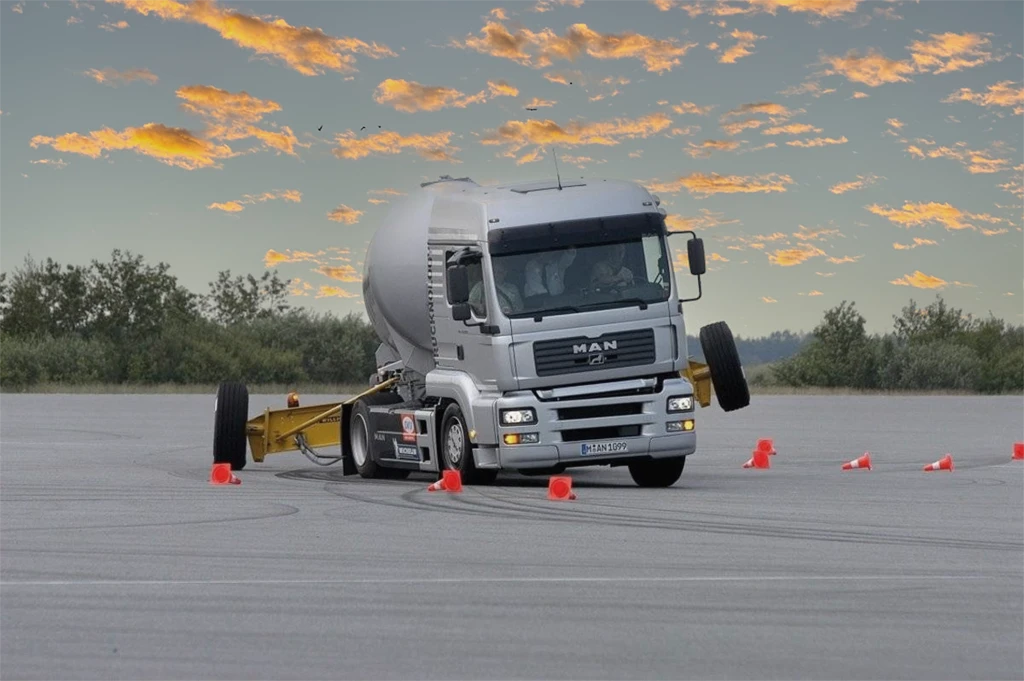
🛡️ Roll Stability Support (RSS): Automatically brakes specific wheels to prevent rollover on curves.
💰 Wear Harmonization: EBS sensors monitor pad thickness. It reduces pressure on worn pads and increases it on new ones, ensuring all pads wear evenly. This means you can replace all pads at once, reducing service downtime.
⚠️ Crucial Warning: The ISO 7638 Cable
EBS is useless if it's not plugged in!
We often see drivers connect the air hoses but forget the ISO 7638 Power Cable (the thick 5-pin or 7-pin spiral cable). Without this connection, your premium EBS is dead, and your disc brakes revert to "dumb" mechanical mode.
👉 Action Item: Ensure your tractors have this socket functioning and drivers use it.
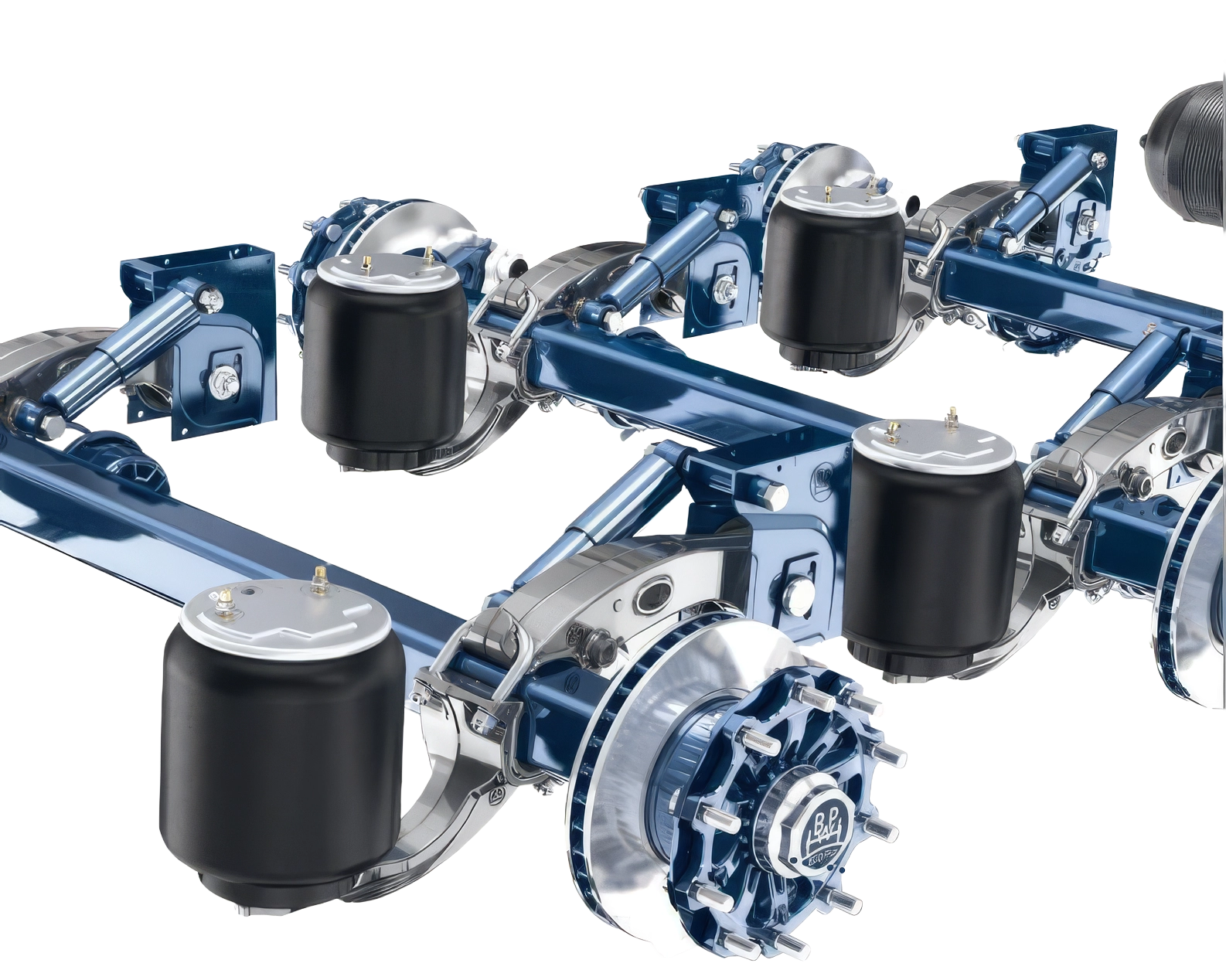
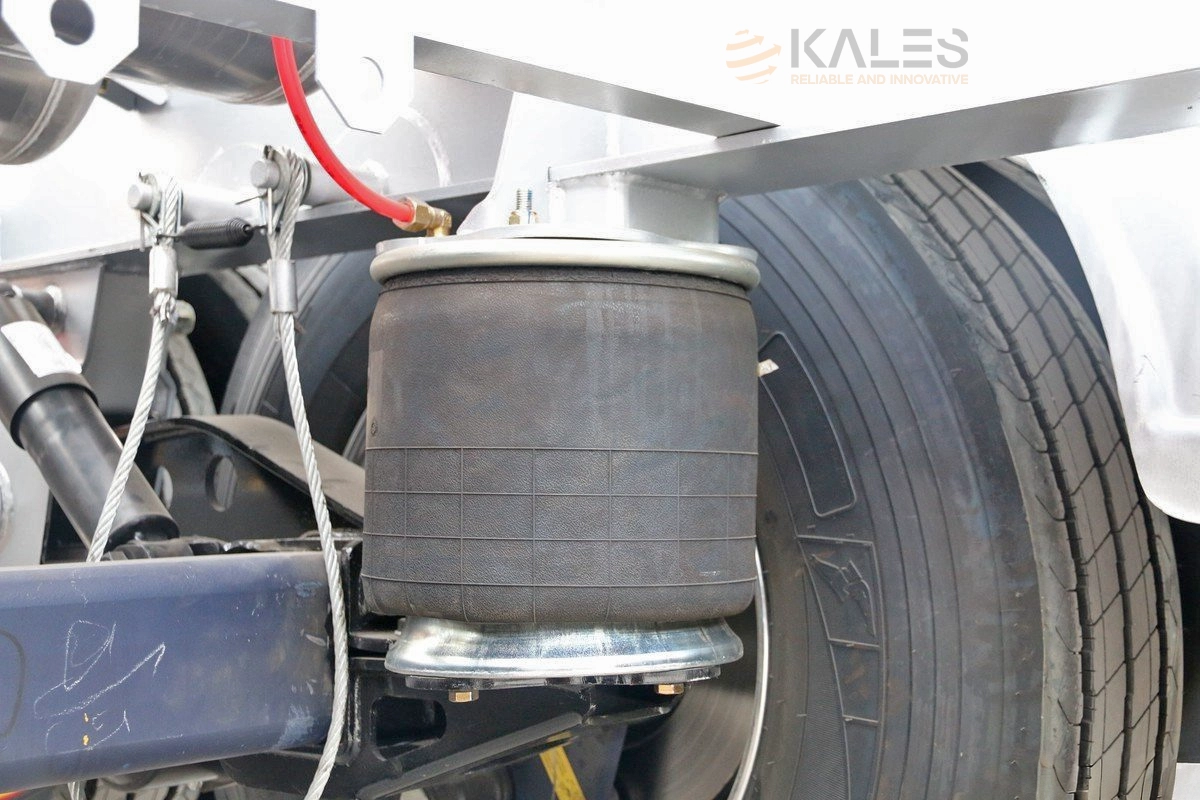
2. Air Suspension: The "Bodyguard" for Calipers
Some buyers think Air Suspension is just for driver comfort. For Disc Brakes, it is a mechanical necessity.
Air suspension filters vibration and ensures constant road contact.
🛡️ 1. Vibration Protection
The Problem: Steel leaf springs transmit harsh road vibrations directly to the axle. This can shake precise caliper mechanisms loose, causing seizing.
The Solution: Air bags act as a damper, filtering out vibrations and extending caliper life.
🛑 2. Eliminating "Wheel Hop"
Physics: When braking hard on a bumpy road, steel springs make the axle "hop." A bouncing tire has zero friction.
The Solution: Air suspension keeps the tire firmly planted on the asphalt, ensuring 100% braking power.
⚖️ 3. Load Equalization
Air suspension instantly equalizes weight across all axles. This ensures no single disc brake is overloaded, preventing rotor cracking due to heat stress.
Summary: Calculate Your ROI
Upgrading your trailer configuration is cheaper than buying a new truck, and it pays for itself.
Feature
The Real Benefit (ROI)
Trailer EBS
1. Shorter Stops: Up to 20m less at 80km/h.
2. Wear Control: Balances pad wear for single-stop maintenance.
3. Stability: Includes Anti-Rollover (RSS).
Air Suspension
Protects sensitive calipers from vibration damage & prevents tire hopping.
ISO 7638 Cable
Free but Critical. Ensure your drivers plug it in!
By choosing Disc Brakes + EBS + Air Suspension, you are building a trailer that is safer, lasts longer, and commands a higher resale value.
Ready to spec your premium trailer?
Don't guess. Let Kales Vehicle experts configure the perfect axle and suspension package for your specific road conditions.
“I heard disc brakes are safer, but they cost thousands more?”
“Are disc brakes too fragile for heavy loads?”
“Is the upgrade really worth the investment?”
In recent years, "Disc Brakes" have become a buzzword in the logistics industry. With stricter international safety regulations, more new trucks and premium trailers are coming standard with disc brakes. However, many fleet owners still have doubts: Are they really that good? Or are they just an expensive trend?
Today, we provide a no-nonsense, technical breakdown. We will clarify the advantages, disadvantages, and determine if this investment is worth your money.
1. What is the Difference? "Clamping" vs. "Expanding"
To understand which is better, we must look at how they work.
🛠️ Drum Brakes: The Classic Standard
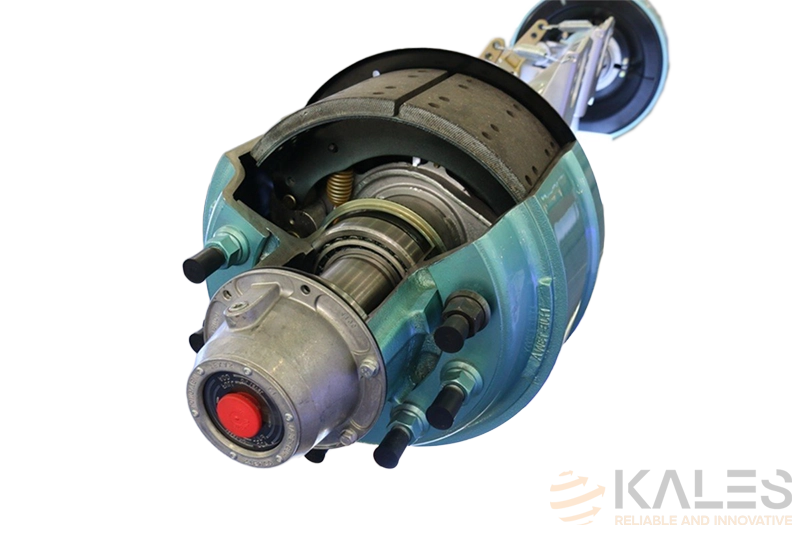
The brake drum rotates with the wheel. When braking, internal pistons push the brake shoes outward to rub against the inner wall of the drum. Features: Low cost and traditional design. Because brake shoes are durable and provide high braking torque at the same diameter, they remain the top choice for heavy-duty off-road transport.
⚙️ Disc Brakes: The Modern Standard
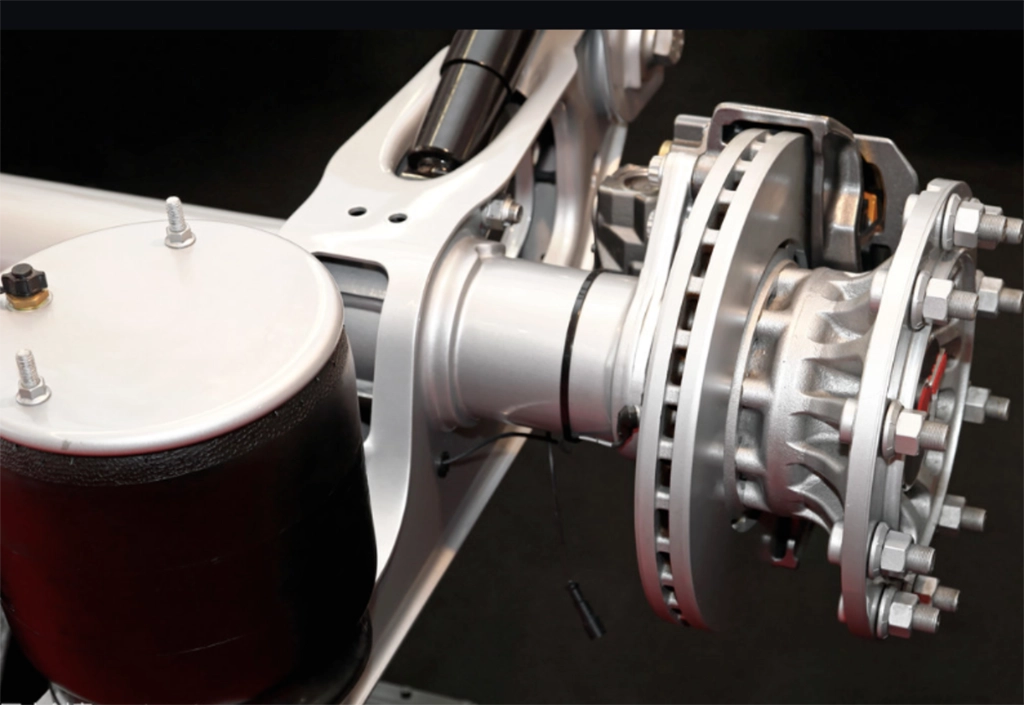
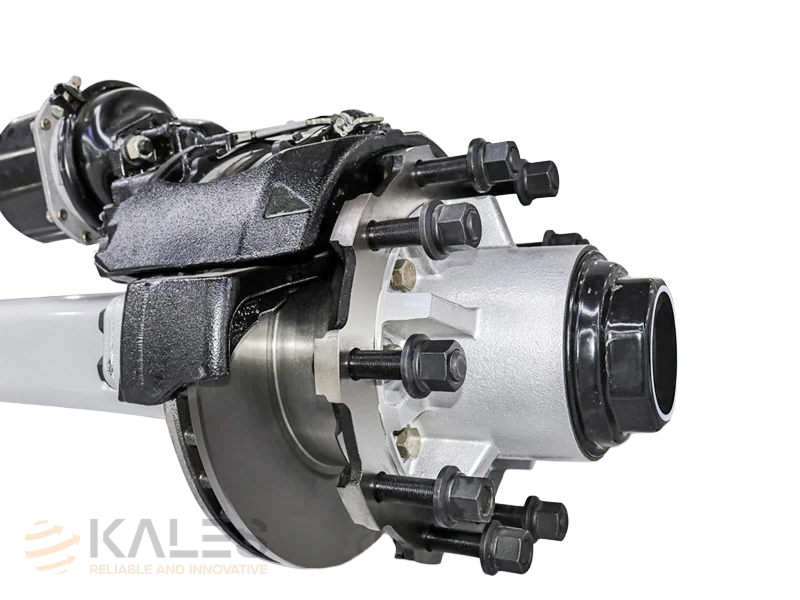
The brake disc (rotor) rotates with the tire. When braking, the caliper clamps the brake pads against the disc from both sides to generate friction. Features: Rapid development. They are now standard on dangerous goods transport and high-end logistics vehicles worldwide.
2. Why Are Regulations Pushing for Disc Brakes? 4 Key Advantages
Compared to drums, disc brakes offer a quantum leap in safety:
1. Faster Response (Essential for ABS/EBS)
Disc brakes respond instantly, allowing for high-frequency braking actions. This makes them perfectly compatible with ABS (Anti-lock Braking System) and EBS (Electronic Braking System). On wet roads, this prevents jackknifing and side-slipping effectively.
2. Resists "Heat Fading" & Stable Pedal Feel
Drum Brake Pain Point: Under continuous braking, the drum heats up and expands (diameter increases). The brake shoes can lose contact with the drum surface, causing brake failure (Heat Fade). Disc Brake Advantage: Excellent heat dissipation. Even if the disc expands due to heat, it expands in thickness, not away from the pads. Braking force remains stable, and pedal travel does not increase dangerously.
3. Balanced Braking Force (No Veering)
Drum brakes have a "self-energizing" effect which can lead to uneven braking force between left and right wheels. Disc brakes provide linear and equal braking force on both sides, keeping the vehicle stable during emergency stops.
4. Visual Maintenance & Automatic Adjustment
Disc brakes come with automatic gap adjustment mechanisms, reducing manual labor. Brake pad thickness is visible without dismantling the wheel hub, eliminating "hidden wear" risks.
3. The Financials: TCO (Total Cost of Ownership) Analysis
Many truckers are scared off by the initial cost. Let's calculate the real ROI.
Initial Investment
Upgrading a 3-axle trailer to Disc Brakes + Air Suspension
Approx. cost increase: ~$5,500 USD
💰 Hidden Profits (ROI):
1. Weight Savings (More Cargo):
Disc axles are lighter than drum axles. A 3-axle setup saves about 150kg.
📝 Calculation: Based on 150,000 km/year operation:
Extra cargo revenue can amount to ~$1,000+ USD per year.
In 3 years, you earn back ~$3,000 USD just on weight.
2. Maintenance Savings (Less Downtime): Faster Changes: Disc pads take 30 mins to change; Drums take half a day. Time is money. Tire Life: Disc brakes + Air suspension ensure even tire wear. Saving 20% on 22 tires/year saves at least ~$800 - $1,200 USD/year.
Conclusion: While the upfront cost is higher, through fuel savings, extra cargo, and tire longevity, you typically break even in 2-3 years, while enjoying superior safety.
4. The "Enemies" of Disc Brakes: Know the Limitations!
Disc brakes are advanced, but they require proper usage.
⚠️ 1. Lower Absolute Braking Torque
At the same size, drum brakes provide higher absolute stopping torque. For severely overloaded vehicles, drums are still "stronger." Solution: Disc brakes MUST be used with auxiliary braking systems (Retarders/Engine Brakes). Relying solely on friction brakes for heavy loads will wear them out quickly.
Physics (Quenching Effect): Brake discs are cast metal. If a red-hot disc (400°C+) is suddenly sprayed with cold water (a common habit in some regions), it will shrink instantly and crack or shatter.
Mud & Dirt: In muddy mining sites, gravel can get trapped in the open caliper, acting like sandpaper. Use drum brakes for construction sites.
5. Avoid Pitfalls: Matching Tractor & Trailer
If you feel a "pushing" sensation or "soft brakes," the issue might not be the disc brakes, but a mismatch between the Tractor and Trailer braking systems.
🚛 Braking System Compatibility Table
Tractor Config
Trailer Config (Disc)
Match Effect
EBS + Disc
EBS + Disc
★ Best ★
ABS + Disc
EBS + Disc
★ Best ★
EBS + Disc
ABS + Disc
Medium
ABS + Drum
ABS + Disc
Poor
ABS + Drum
EBS + Disc
❌ Very Bad ❌
💡 Expert Note: Mixing an old Drum Brake Truck with a new Disc Brake Trailer often causes response lag. Consult a professional for valve adjustment.
6. Practical Guide: Daily Use & Maintenance
1. The 3 Golden Rules
🚫 NO Water Cooling: Do not spray water on hot discs. They will crack.
👀 Visual Check: Inspect the open caliper structure daily for debris or cracks.
💧 Drain Air Tanks: Drain water from air tanks every 2 weeks to protect the valves.
2. Maintenance Standards
⚠️ The Red Line: 2mm
Kales experts advise: When brake pad friction material wears down to 2mm, replace immediately!
Also replace if you see: Glazing (shiny surface), Cracks, or Oil contamination.
🛠️ Axle Maintenance Tip
Axle Care: Don't forget to grease the axle hubs annually.
💡 Want less hassle? Choose Kales 13-Ton Disc Brake Axles. They come with specialized long-life lubrication, offering longer maintenance intervals and better stability.
⛔ Use Caution: Severe Overloading, Mining/Off-road sites, or drivers who refuse to use Retarders.
❓ FAQ
Q: How often should I change disc brake pads?
A: It depends on usage. For standard highway logistics, front axle pads last 100k-150k km, trailer pads 80k-120k km. Using a retarder can extend this to 200k+ km.
Q: Can I put disc brakes on leaf spring suspension?
A: Technically yes, but Air Suspension is strongly recommended (and often legally required) with disc brakes to reduce vibration damage to the precise caliper mechanisms.
Q: I see small cracks on the rotor. Should I change it?
A: Hairline heat cracks on the surface are normal. However, if cracks extend to the edge or are deeper than 1.5mm, replace the rotor immediately to prevent shattering.
"My tank trailer has EBS; does that mean it brakes automatically?"
"Is standard ABS enough? Why do I need RSS (Roll Stability)?"
"Does the trailer need to support AEBS, or is that just for the tractor truck?"
If you think a semi-trailer is just a "passive metal box" being dragged behind a truck, think again.
In modern intelligent transport systems, the trailer's own safety systems—especially the braking architecture—directly determine whether the entire combination can stop safely, stay stable, or actively avoid accidents in critical moments. As a professional semi-trailer manufacturer, Kales Vehicle is here to walk you through ABS, EBS, RSS, and AEBS, clarifying their relationships, capabilities, and common misconceptions.
1. The Foundation: ABS — Anti-Lock, Steering Control
ABS (Anti-lock Braking System) is currently the mandatory standard for trailers in many regions. Fundamentally, it is an extension of the pneumatic braking system that allows for electronic intervention.
Core Function:During emergency braking, ABS monitors wheel speed to prevent trailer wheels from locking up. Once a wheel locks, the tire loses lateral grip, causing the trailer to slide, swing, or even lead to a catastrophic Jackknife accident.
The image on the right visually compares tire marks under three conditions:
ABS Active: Dotted/intermittent marks, "brake-and-roll", directional control maintained.
Locked-up: Solid dark skid marks, total loss of control.
Fig 1: Tire Mark Comparison: A. Rolling vs B. ABS Active vs C. Locked Wheel
Principle & Advantages:
The driver's braking action is transmitted pneumatically via the foot valve. Wheel speed sensors are installed on key axles (typically 2S/2M or 4S/2M configurations). When the system detects an impending lock-up, the modulator valve rapidly adjusts air pressure, achieving a "rapid pulsing" effect several times per second.
Simple Control Principle: Adds electronic monitoring to traditional air lines. Low cost and easy maintenance.
Foundation for Expansion: This logic forms the hardware platform for advanced functions like ESP (Electronic Stability Program).
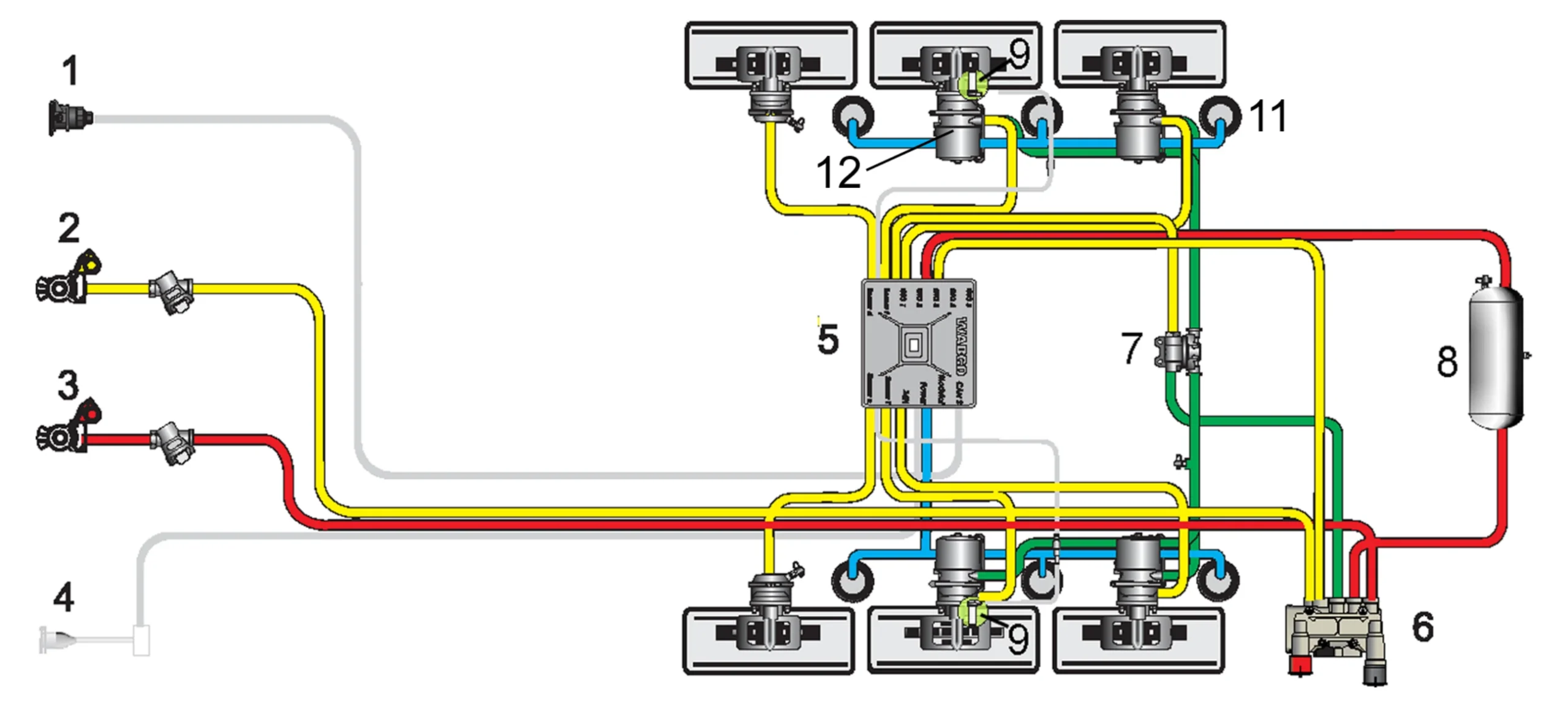
Fig 2: Typical Semi-Trailer 2S/2M ABS System Schematic1. ISO 7638 Power Supply 2. Service Line 3. Supply Line 4. Stop Light Power (ISO 1185, Optional) 5. TEBS Modulator (with pressure sensors) 6. Park Release Emergency Valve (PREV) 7. Overflow Valve 8. Service Brake Reservoir 9. ABS Speed Sensor 11. Suspension Air Bag 12. Spring Brake Chamber. (Lines represent cable and pipe connections)
⚠️ Expert Tip: The primary goal of Trailer ABS is to prevent loss of control, not necessarily to shorten braking distance. For long-wheelbase, high-center-of-gravity trailers, it is the absolute baseline for safety.
In the realm of "Intelligent Trailers," the anti-rollover system is the true game-changer. Although manufacturers use different names, the core objective is identical:
RSS (Roll Stability Support) —— ZF / WABCO
RSP (Roll Stability Program) —— Knorr-Bremse
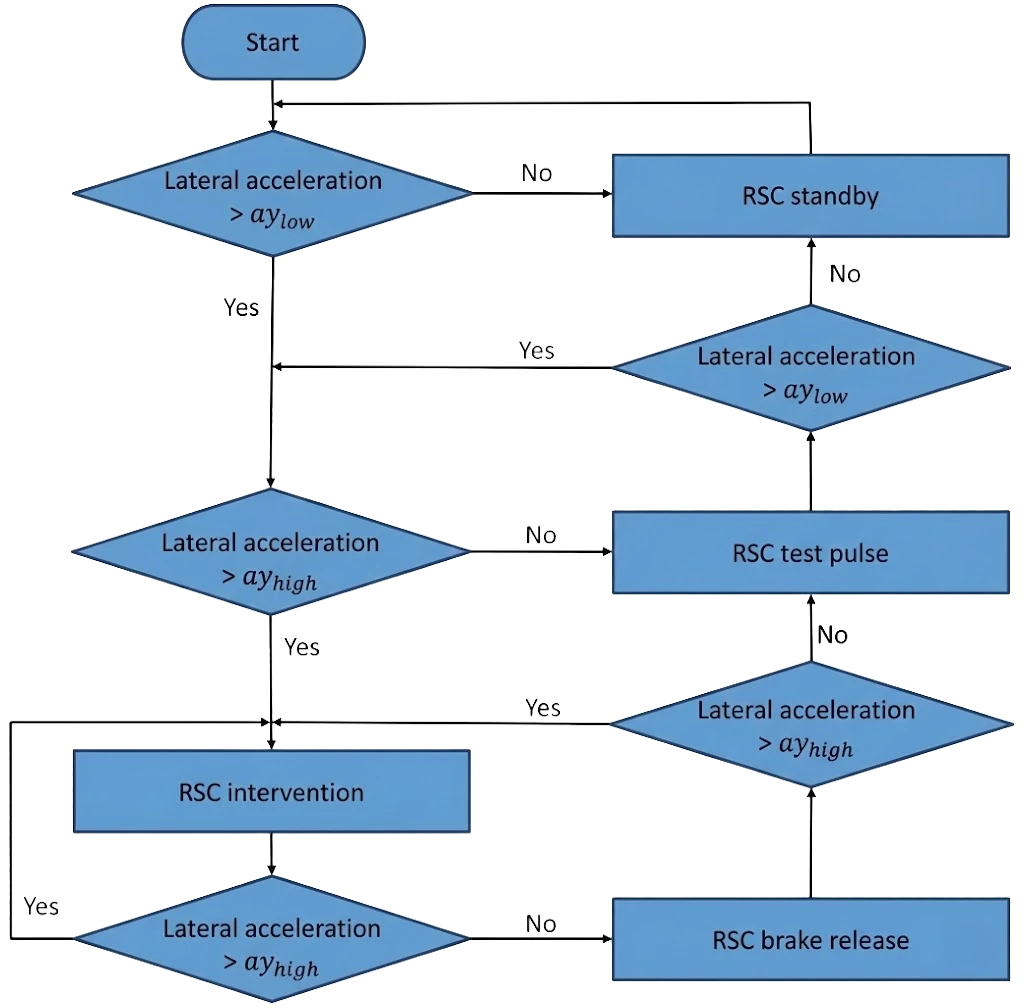
RSC (Roll Stability Control) —— Haldex
1. Why do trailers roll over?
According to the ECE R111 standard, a rollover becomes a critical risk when lateral acceleration reaches approximately 0.4G. For trailers carrying liquids, hanging meat, or unevenly distributed loads, this threshold is even lower.
Fig 3: RSS Logic: The system actively applies brakes to specific wheels to counteract rollover forces.
2. How does it react faster than a human?
This system relies on physics and algorithms, not driver reaction time. Here are the two mainstream working logics:
🔵 WABCO RSS 3-Stage Logic
Stage 1 (Warning @ ~0.2G): Applies light braking (approx. 2 bar). Purpose: Test wheel grip and pre-charge the system, not to decelerate.
Stage 2 (Strong Intervention @ ~0.3G): If lateral force increases, the system brakes hard to forcibly reduce speed.
Stage 3 (Correction): Applies higher brake pressure to the inner wheels of the curve to prevent the trailer from straightening out abruptly, guiding it through the turn.
🟠 Knorr RSP Smart Logic
Test Pulse: When rollover risk is detected, the system sends a tiny brake signal to check if the "inner wheels" slow down.
If they slow down, they have grip. If they do NOT slow down, it means the wheels are about to lift off (slip), and the system immediately identifies high risk and applies full braking.
3. A Warning for Fleets and Drivers
🚨 System Activation = Near Miss Event
If the driver feels the trailer "tugging" back, or the telematics system reports an RSS activation, take it seriously:
Without this system, the vehicle might have already rolled over.
It is a severe warning regarding driving behavior (cornering too fast) or load distribution (CG too high).
3. EBS: Making Braking "Fast, Precise, and Stable"
EBS (Electronic Braking System), also known as Brake-by-Wire, is not a single function but a powerful electronic control platform. It integrates sensors and actuators, often deeply linked with the air suspension.
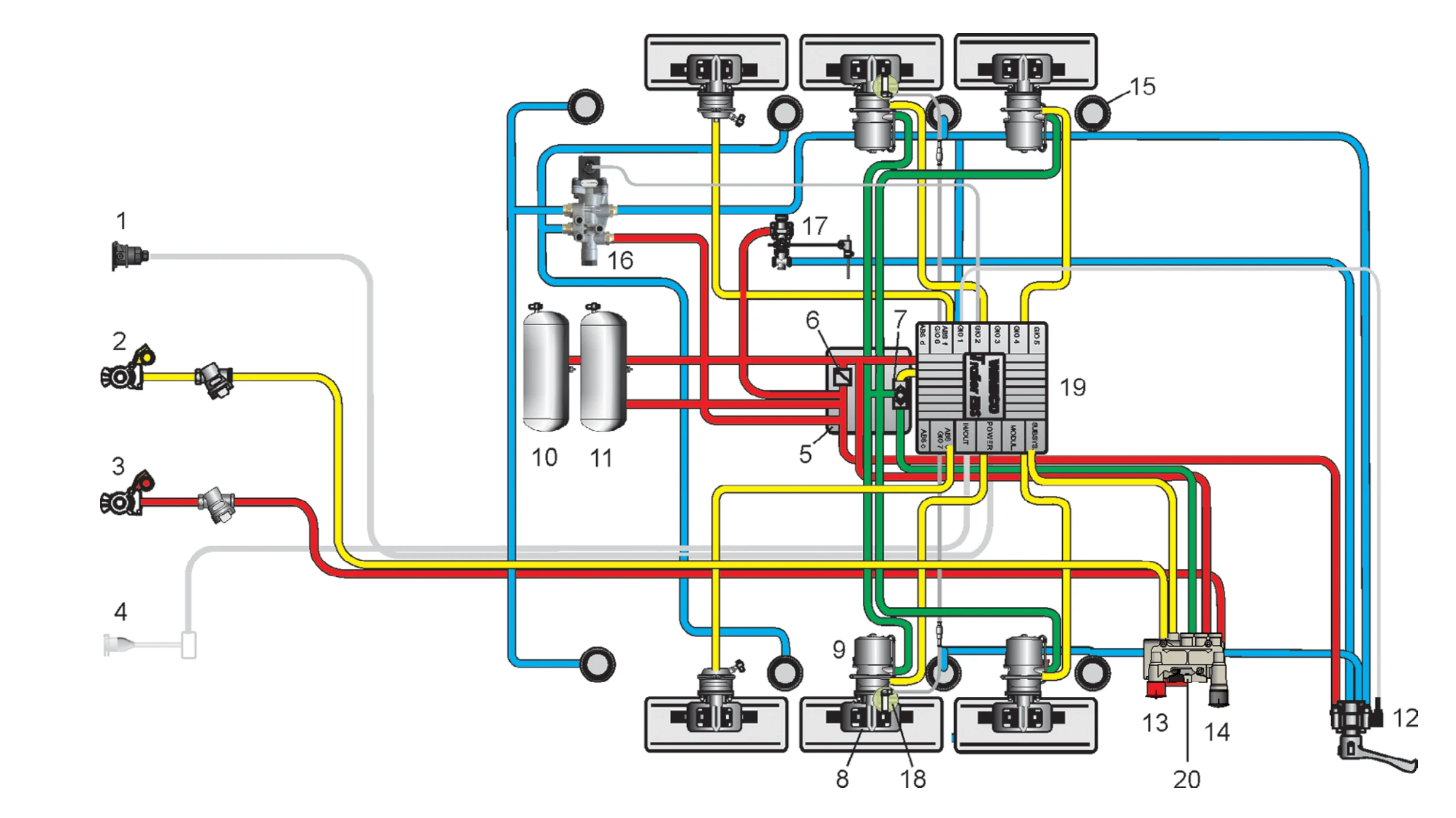
Fig 4: EBS Braking System Schematic Integrated with Air Suspension1. ISO 7638 Power Supply 2. Service Line 3. Supply Line 4. Stop Light Power (Optional) 5. Pneumatic Extension Module (PEM) 6. Overflow Valve (Integrated) 7. Charging Valve (Integrated) 8. Service Brake Part 9. Spring Brake Chamber 10. Service Reservoir 11. Air Suspension Reservoir 12. Raise/Lower Valve 13. Red Button (Park) 14. Black Button (Release) 15. Air Bag 16. Lift Axle Valve 17. Levelling Valve 18. ABS Sensor 19. TEBS Modulator 20. PREV.
1. How it works: From "Blowing Air" to "Digital Signals"
Traditional air brakes rely on the foot pedal to control air flow physically. EBS uses a pedal position sensor to detect the driver's braking intent. The control unit calculates the required brake pressure for each axle based on speed, load, and wheel speed.
This information is transmitted via the CAN Bus to the Electro-Pneumatic Modulator (EPM), which adjusts pressure directly near the wheels. This eliminates the delay caused by long pneumatic lines.
2. Hidden Benefits of Modern EBS
Modern EBS (like systems used by Kales Vehicle) typically uses a modular design, integrating the ECU, sensors, and pneumatic control into one compact component, simplifying the trailer chassis layout.
🔍 The "Invisible Bonuses" of EBS: Not just fast, but smart
Coupling Force Control (CFC): The system optimizes the braking timing and force between the tractor and trailer, preventing "trailer push" or "tugging," making the combination drive more smoothly.
Brake Blending: Intelligently distributes deceleration intent between endurance braking (like retarders) and service braking (pads), extending brake pad life.
Lining Wear Control: Automatically adjusts braking force distribution across axles to ensure even wear on all brake pads, simplifying fleet maintenance.
Multi-Function Integration: Modern EBS modules often integrate Lift Axle Control (LAC), RSS, dynamic wheelbase control, TPMS, and overflow valves, eliminating the need for complex external plumbing.
Comparison Summary:
Feature
Traditional ABS (Pneumatic)
Smart EBS (Electronic)
Signal Transmission
Air Pipes (Slow)
CAN Bus Signal (Light Speed)
Response Delay
0.3 ~ 0.6 Seconds
Almost Zero Delay
Functionality
Anti-lock Only
Lift Axle, Wear Balance, Coupling Control
4. AEBS Synergy: The Danger of "Lag"
Although AEBS (Advanced Emergency Braking System) decisions are made by the tractor's radar and camera, the trailer's execution capability is critical.
❌ Trailer with Standard ABS only:
When the tractor triggers a violent AEBS stop, the trailer reacts with a pneumatic lag. The massive inertia of the trailer pushes the tractor forward. This extends braking distance and causes a dangerous "Pushing Effect," potentially leading to loss of control.
✅ Trailer with EBS:
As the tractor brakes, the trailer receives the signal via the ISO 11992 interface (or ISO 7638) instantly. It applies full braking force with zero delay, creating a "Stretching Effect" that keeps the entire vehicle combination straight and stable.
5. The Pyramid of Trailer Intelligent Braking
[Visual: Imagine a Pyramid Structure]
Fig 5: Hierarchy of Intelligent Safety Technology
L1 FoundationABS
Legal Baseline
L2 PlatformEBS
Electronic Brain
L3 AdvancedRSS + AEBS
Active Safety
6. Advice for Fleet Managers and Buyers
As a professional trailer manufacturer, Kales Vehicle suggests considering the following:
1. Think Long Term: Choose EBS/RSS
If you transport liquids (tank trailers), livestock, or high-value cargo, we strongly recommend EBS with RSS. While the initial cost is higher, preventing just one rollover accident covers the cost many times over.
2. Don't Ignore the "ISO 7638" Cable
A Fatal Blind Spot for Drivers! The trailer's ABS/EBS system MUST be powered and communicate via the ISO 7638 Coiled Cable (the thickest plug).
If unplugged or damaged, the most advanced EBS becomes "brain dead," reverting to an old-school air brake with NO anti-lock or anti-rollover protection. Always check before driving.
ISO 7638 Connection
3. Tractor-Trailer Compatibility
When buying, check if the spec sheet confirms "EBS Supported" and "RSS/RSP Functionality." Even if your tractor truck is state-of-the-art, an outdated trailer braking system will compromise the safety of the entire rig.
Conclusion: Safety is the Biggest ROI
In the era of intelligent transport, the trailer is no longer a silent partner. Don't just look at volume and price; ask: "Is the braking system smart enough?"
Kales Vehicle is dedicated to providing the safest, most durable semi-trailer solutions for global clients.
In the heavy transport industry, efficiency is king. Whether you call it a pneumatic dry bulk trailer, a cement bulker, or a "silobas," choosing the right equipment and operating it correctly is crucial for profitability. As a leading manufacturer exporting to Africa, Latin America, and Central Asia, Kales Vehicle Co., Ltd. presents this comprehensive guide to mastering your bulk powder tanker semi trailer.
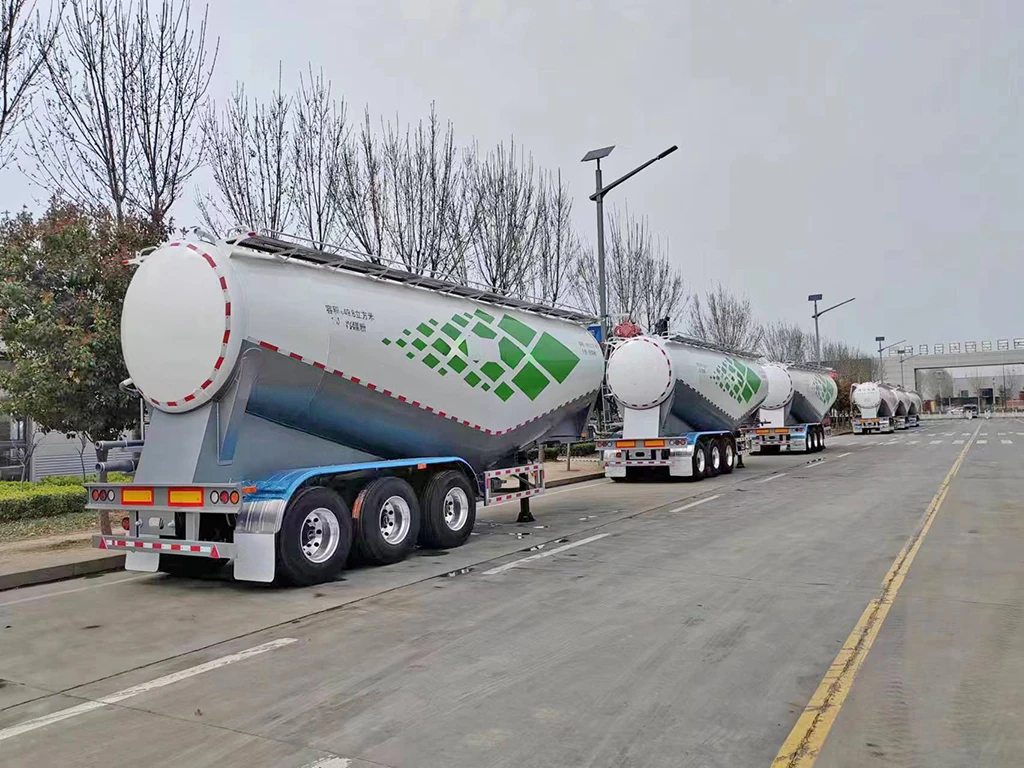
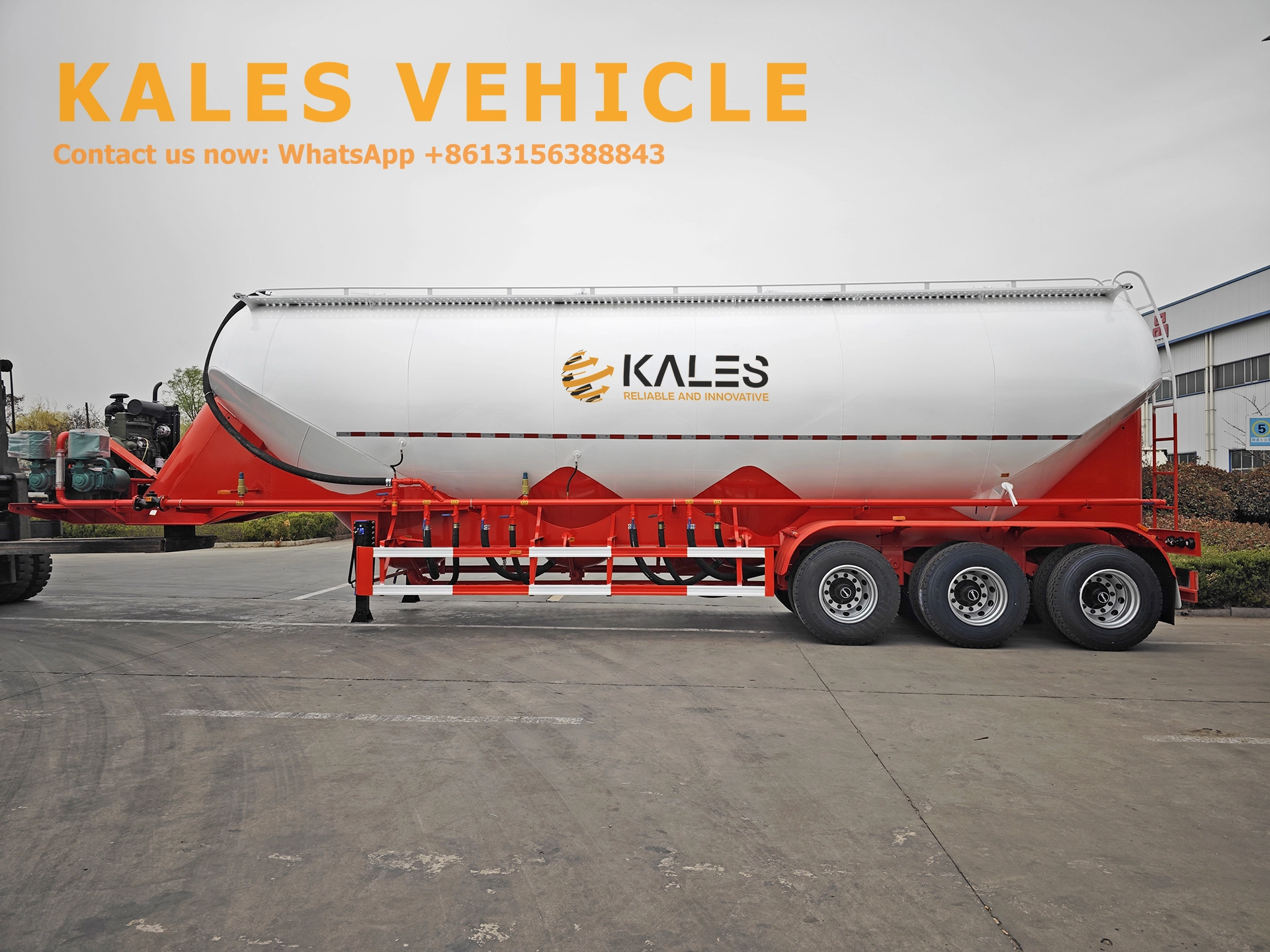
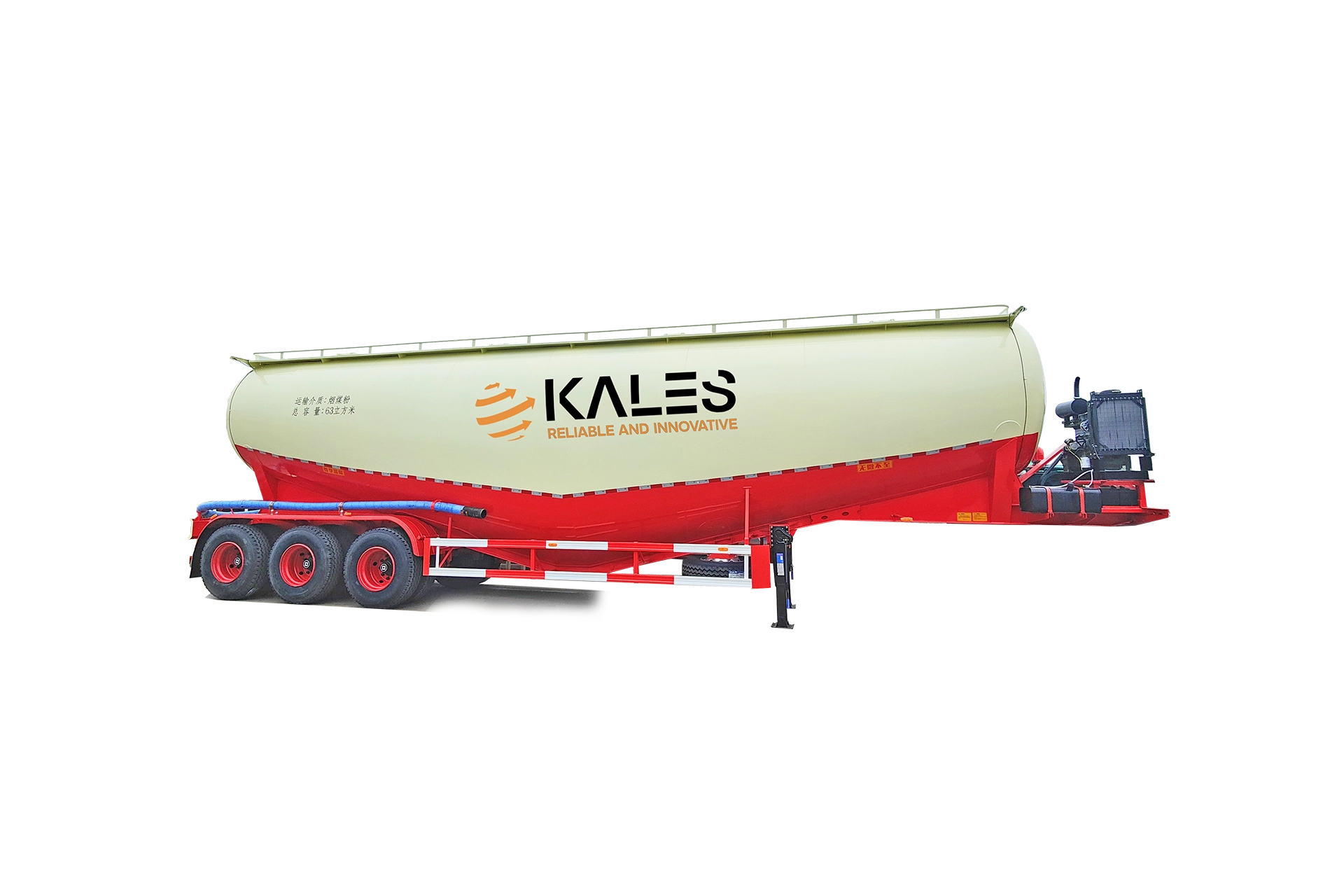
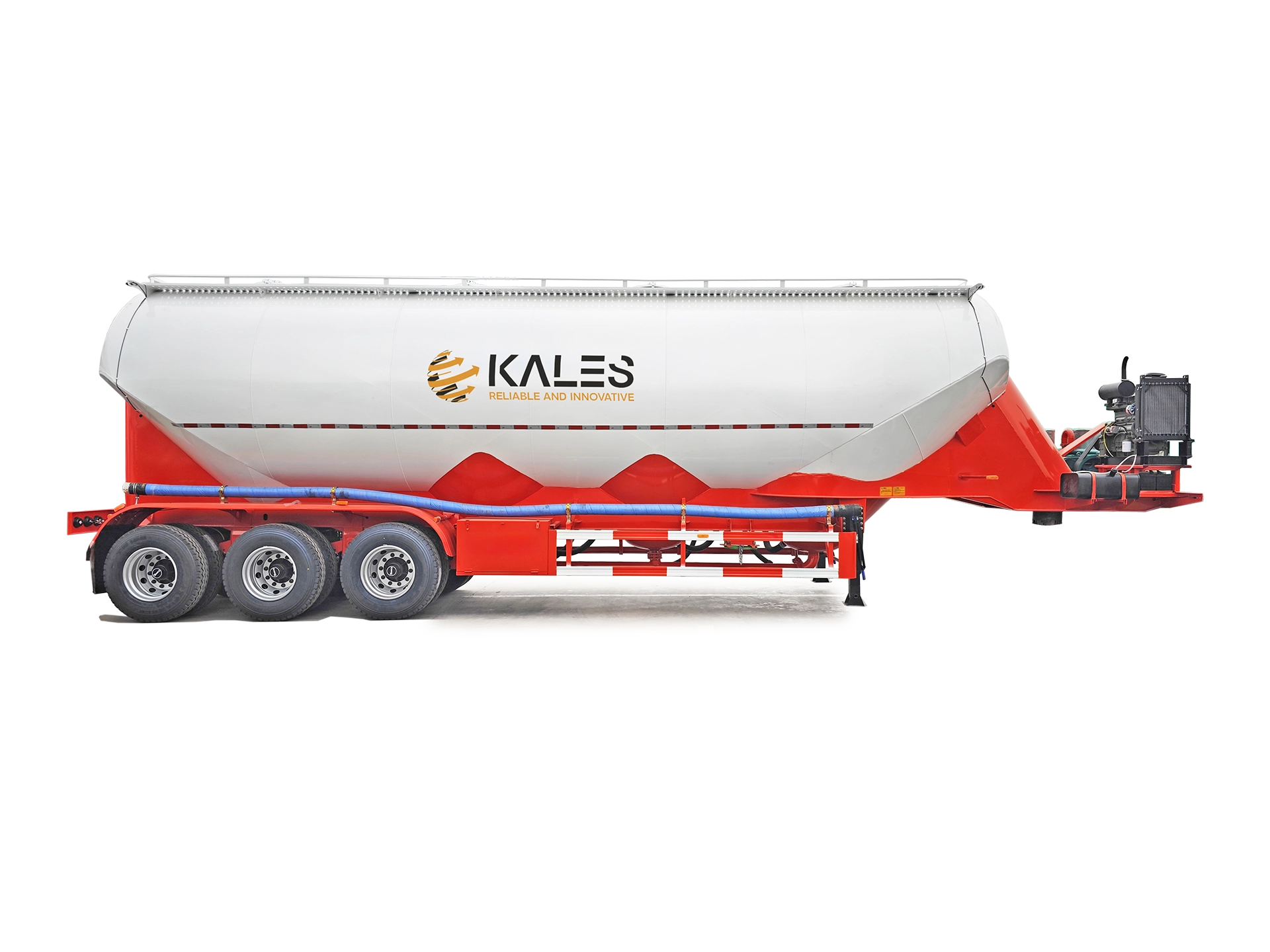
Kales 3-axle bulk powder tanker semi trailer for cement transport ready for export.
1. Why Choose Kales Pneumatic Dry Bulk Trailers?
Designing trailers for rough terrain requires more than just steel; it requires engineering precision. Kales trailers are built to withstand the harsh road conditions of mining regions while delivering high-speed unloading.
⚡ Fast Unloading Speed: Achieves 1.2–1.5 tons/minute, significantly reducing waiting time at the construction site.
📉 Ultra-Low Residue: Our advanced fluidized bed design ensures a residue rate of <0.1%, saving you material costs on every trip.
🛠️ World-Class Components: We use globally trusted brands for easy maintenance:
Diesel Engines: Reliable Weichai engines for consistent power.
Air Compressors: High-performance Bohai or Suzhou compressors (12m³ dual-cylinder).
Braking: Genuine WABCO braking systems for safety.
🌍 Reinforced Chassis: Specially strengthened sub-frames and suspension systems designed for African and Central Asian road conditions.
2. Selecting the Right Bulk Tanker Configuration
Choosing between a V-shape, Cone-shape, or Tipper depends entirely on your cargo.
🚛 Type A: Horizontal "V-Shape" Cement Trailer
Best for: Cement, Fly Ash, Lime Powder.
Pros: Low center of gravity provides superior stability on highways. Simple internal structure allows for large capacity (up to 85m³).
Cons: Not suitable for coarse materials that don't fluidize well.
🚀 Type B: Vertical "Cone" Tanker
Best for: Granules, Fertilizer, Coarse materials.
Pros: Gravity-assisted discharge ensures clean unloading of heavier particles.
Cons: Higher center of gravity requires careful driving on curves.
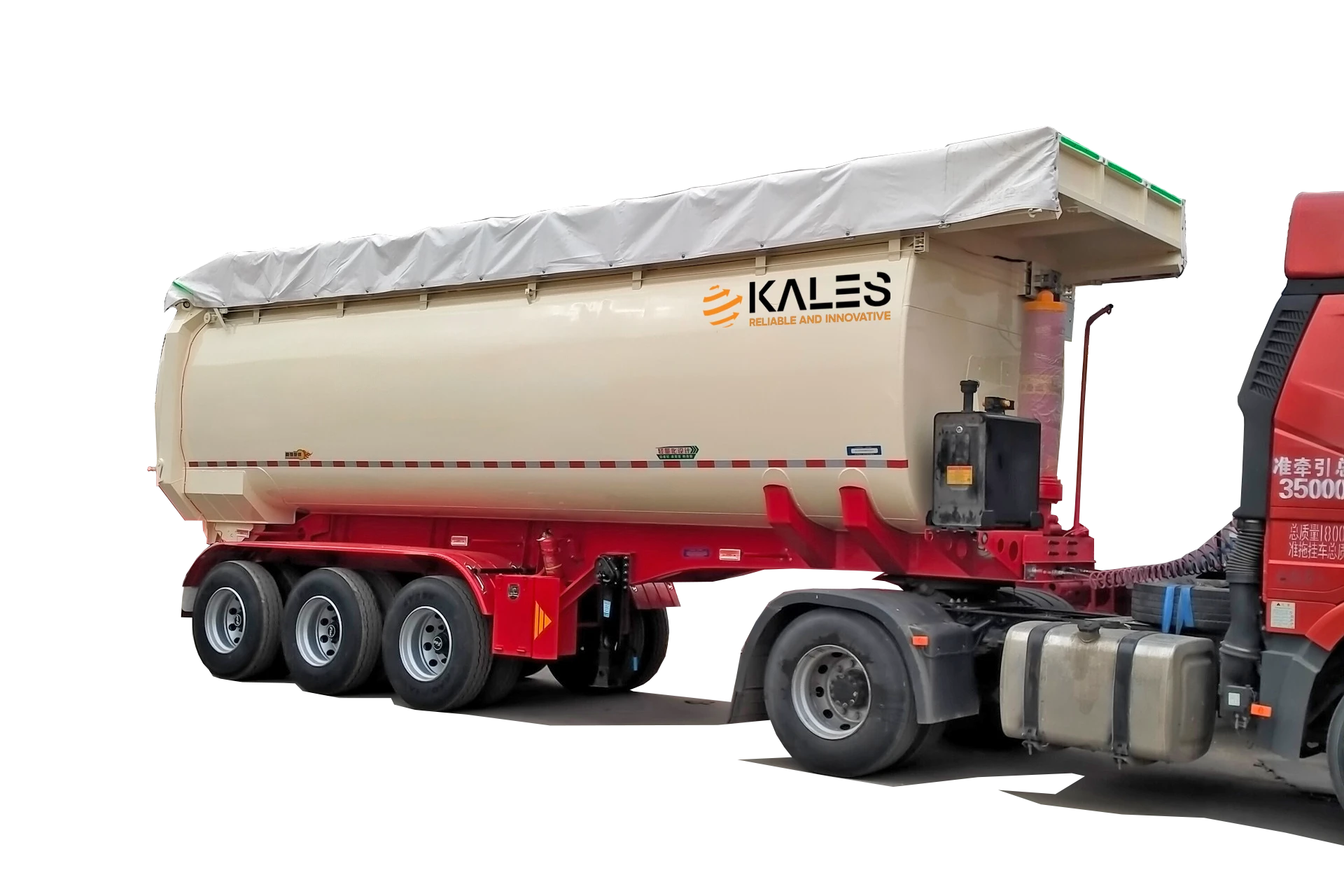
🆙 Type C: Tipper (Lift-Type) Powder Tanker
Best for: Food-grade Flour, PTA, Pharmaceutical Powders.
Pros:Zero residue makes it ideal for hygiene-sensitive cargo. Easy to clean internally.
Cons: Requires a flat, stable site for lifting to prevent tipping over.
3. Power Source: Diesel Engine vs. PTO
When ordering your Kales cement trailer, you must decide how to power the air compressor.
Feature
Independent Diesel Engine
PTO (Power Take-Off)
Flexibility
High. Works with ANY truck head. Ideal for logistics companies with mixed fleets.
Low. Must be paired with a specific truck head equipped with a PTO gearbox.
Weight
Heavier (Adds approx. 500kg).
Lighter (Saves fuel during empty return trips).
Maintenance
Requires separate engine oil/filter changes.
Low maintenance (uses truck engine power).
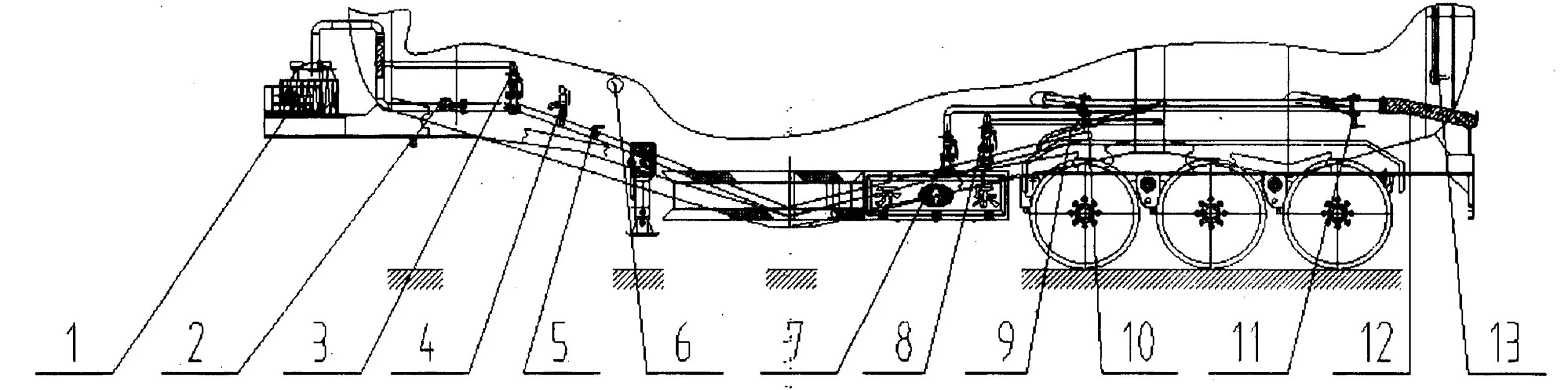
1
Air Compressor、2. Check Valve、3. Front Air Chamber Inlet Valve、4. Safety Valve (0–0.3 MPa)、5. External Air Source、6. Pressure Gauge、7. Middle Air Chamber Inlet Valve、8. Rear Air Chamber Inlet Valve、9. Secondary Blow Valve、10. Front Compartment Discharge Butterfly Valve、11. Rear Compartment Discharge Butterfly Valve、12. Discharge Hose
4. Standard Operating Procedure (SOP) for Safe Unloading
Follow this step-by-step guide to ensure safety and prevent damage to the fluidization canvas.
⚠️ Critical Safety Rules
MOISTURE WARNING: Never allow water into the tank or air lines. Wet cement creates concrete blockages that can ruin the tank. PRESSURE HAZARD: Never open the manhole cover while the pressure gauge reads above 0 MPa.
Step 1: Start-Up
Connect the discharge hose to the silo inlet securely.
Close the Pressure Relief Valve and Discharge Butterfly Valve. Open the Air Inlet Valves.
Start the Weichai diesel engine.
Adjust the hand throttle to the rated RPM. (Target: Keep Air Compressor at 850–1000 RPM. Do not over-rev!)
Wait until tank pressure builds to 0.2 MPa.
Step 2: Unloading
Open the Secondary Blow Valve (Assist Valve) to clear the discharge pipe.
Slowly open the main Discharge Butterfly Valve.
Monitor the pressure. If it drops rapidly, the tank is emptying.
Step 3: Cleaning & Shutdown
When pressure drops to 0.15–0.10 MPa, alternate opening and closing the front/rear inlet valves. This "sweeping" action clears residue.
Stop the engine. Open the pressure relief valve to release all remaining air before disconnecting hoses.
5. Troubleshooting: How to Unblock a Cement Tanker Pipe
A clogged discharge hose is a nightmare for drivers. If your pressure gauge spikes (>0.25 MPa) and discharge stops, follow this emergency procedure.
The "Pulse" Technique (Emergency Unblocking)
STOP: Do not increase the throttle; this will pack the powder tighter.
CLOSE: Close the main Discharge Butterfly Valve.
BLAST: Open the Secondary Blow Valve fully to blast air through the hose.
PULSE: Quickly open and close the Discharge Butterfly Valve. The sudden pressure bursts often dislodge the blockage.
MANUAL: If this fails, stop the engine, release ALL pressure, and physically check the rubber hose. A hard section indicates the clog.
6. Maintenance Guide for Rough Roads
To extend the life of your dry bulk trailer in Africa or Central Asia, pay attention to these often-overlooked areas.
✅ Chassis & Suspension
U-Bolts: Retighten leaf spring U-bolts every 5,000 km. Loose bolts are the #1 cause of suspension failure on dirt roads.
Cushion Pads: Inspect the rubber pads between the tank body and chassis. Worn pads lead to metal-on-metal stress cracks.
✅ Fluidization System
Canvas Life: The breathable belt inside the tank usually lasts 1–2 years. If unloading slows down, replace it.
Water Separator: Drain the air compressor tank daily. Moisture is the enemy of the fluidization belt.
Ready to Upgrade Your Fleet?
Kales Vehicle Co., Ltd. delivers durable, high-performance transport solutions tailored to your market. Contact us today for technical diagrams and a custom quote.
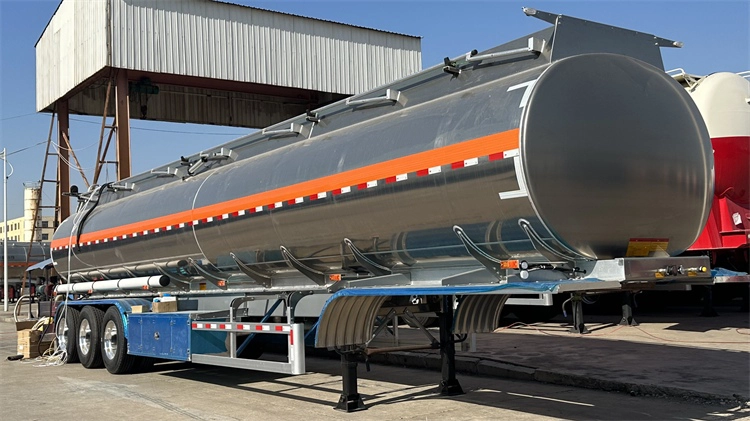
Foreword: Designed for professional drivers and fleet managers, this manual provides the essential SOPs (Standard Operating Procedures) for the safe operation of Kales Fuel Tanker Trailers. Adherence to these guidelines ensures compliance with international HAZMAT transport regulations.
1. Core Systems Overview
1.1 🛢️ Tank Body & Construction
Material Standards: High-tensile Carbon Steel (Q345R), Stainless Steel, or Aluminum Alloy (5083). Compliant with ADR/RID and ISO standards for dangerous goods transport.
Compatible Media: Gasoline (Petrol), Diesel, Kerosene, and Jet Fuel.ℹ️ Note: For transporting edible oils or specific chemicals, ensure seals (gaskets) and lubricants are food-grade or chemically compatible. Never cross-contaminate without validation.
Anti-Surge Design: Equipped with internal Baffles (Thickness ≥4mm, flow area >20%) to minimize liquid surge and improve vehicle stability.
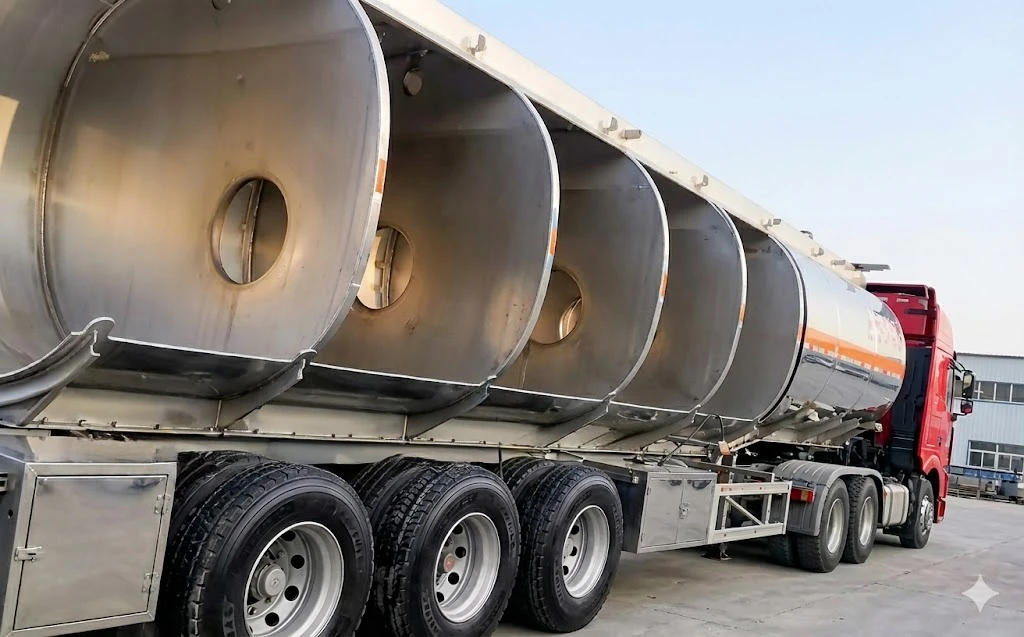
Capacity: 20,000L – 80,000L, available in Single or Multi-Compartment configurations.
Cross-sectional diagram of the bulkheads and baffles in the Kales fuel tank semi-trailer
1.2 ⚙️ Manhole Assembly (Top Loading System)
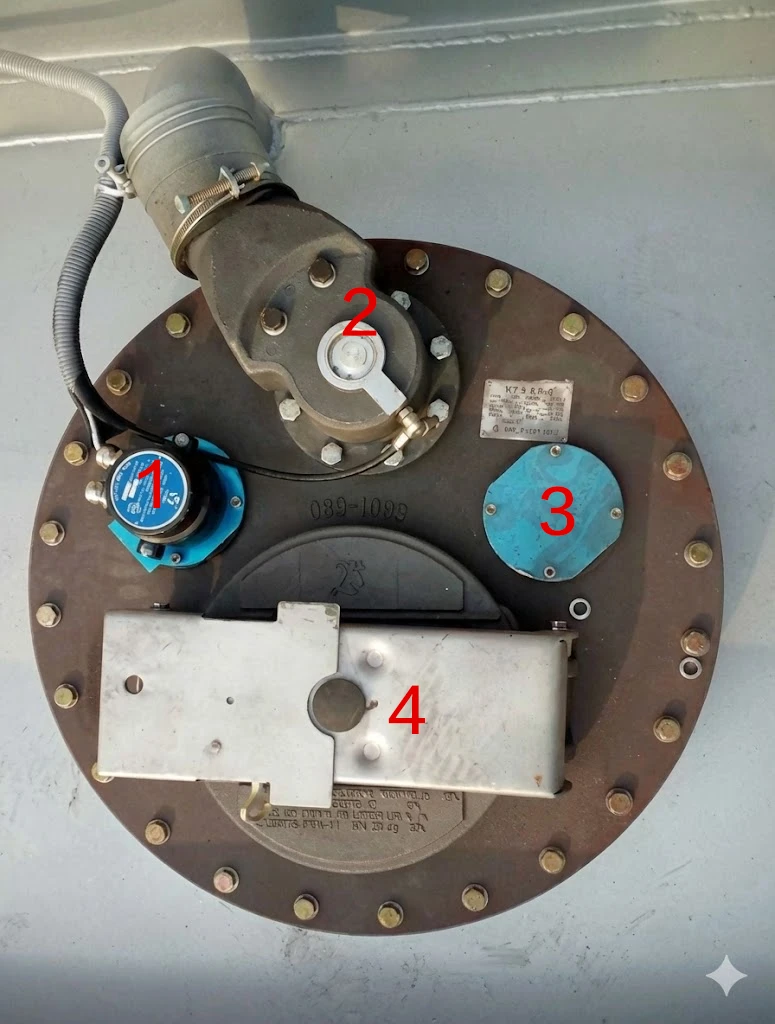
Located on the tank top, the standard Euro-style Manhole (DN500) integrates:
Working Pressure: +6~+8 kPa (Pressure) / -2~-3 kPa (Vacuum).
Emergency Venting: 21~32 kPa.
Safety Interlock: The cover cannot be opened unless residual tank pressure is safe.
Overfill Prevention: Integrated with optic/thermistor sensors to trigger high-level alarms and shut off loading automatically.
European-style manhole cover with integrated pressure 1.Overfill prevention probe 2.Vapor recovery valve 3.Gauging hatch (or dip tube opening) 4.Manhole cover with integrated Breather Valve and Safety Interlock
1.3 🔋 Bottom Loading System (API Standard)
The core system for closed-loop, environmentally friendly loading operations. Fully compliant with API RP1004.
Emergency Foot Valve (Internal Valve): Pneumatically operated. Features a shear groove that snaps off during a collision, keeping the tank sealed to prevent spillage.
API Adapter Valve: The standard 4-inch valve with a 70° nose angle for dry-break coupling. Uses FKM (Viton) seals for fuel resistance.
Vapor Recovery Valve: Interlocked to open with the Foot Valve, returning volatile vapors to the terminal instead of venting to the atmosphere.
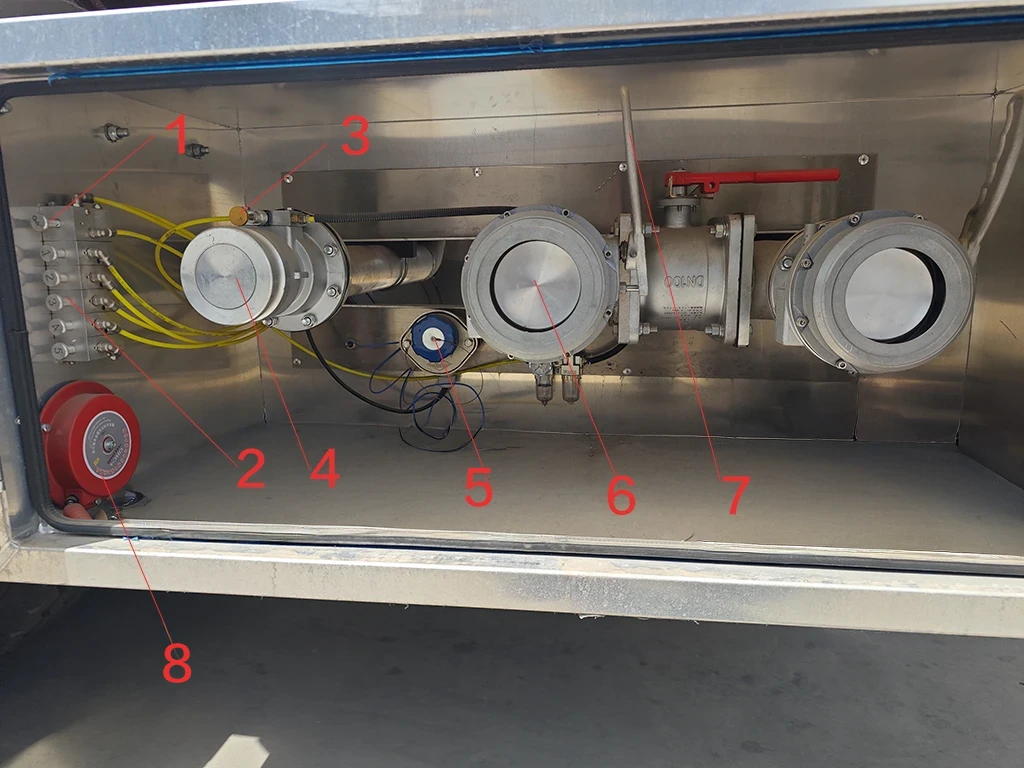
Pneumatic Control Block: Centralizes control for all valves, including the Master Air Valve.
Valve Box Components Legend:
Master Air Valve: Activates the main pneumatic system.
Compartment Switches: Pneumatic controls for individual Emergency Foot Valves.
Vapor Recovery Switch: Opens the top vents (Interlocked with Master Valve).
Vapor Recovery Valve: Outlet for recovering vapors during loading.
Overfill Prevention Socket: Connection point for the terminal's anti-overfill monitor.
API Adapter Valve: Standard 4" connection for bottom loading/unloading.
API Valve Handle: Manually controls the valve opening and flow rate.
Static Grounding Pin & Clamp: Essential connection point for static dissipation.
2. Standard Operating Procedures (SOP)
2.1 ⛽ Loading Procedure (Bottom Loading)
A. Pre-Loading Checks
🛑 Park & Secure: Engine off, parking brake set, wheel chocks in place.
⚡ Static Grounding (CRITICAL): Connect the Bonding Cable to the terminal ground. Ensure the continuity light is green.*Wait 15 minutes after parking for static dissipation before connecting.
🔄 System Reset: Ensure all valves are closed and the air pressure gauge reads 0.35–0.5 MPa (50-70 psi).
B. Loading Execution
Connections:
Connect Overfill Probe Socket (Ensure no "Wet" alarm).
Connect Vapor Recovery Hose.
Connect Loading Arm to the API Adapter (Lock securely).
Open Master Air Valve:
✅ Action: Pull the "Master" switch.
💡 Function: Engages the pneumatic system and forces the Vapor Vents open to balance tank pressure.
Open Product Line:
Actuate the Foot Valve switch for the specific compartment.
Manually open the API Valve Handle.
Start Loading: Follow terminal procedures. Monitor the Emergency Shut Down (ESD) button.
Loading Sequence:
Recommended: Load evenly (e.g., Center first, or Front/Rear balanced).
⚠️ PROHIBITED: Driving with a full load in only the front or rear compartment (prevents Kingpin/Suspension damage).
C. Post-Loading Disconnection
Close & Disconnect: Once the pump stops, close the Foot Valve first, then the API Valve. Disconnect hoses.
Final Step:Disconnect the Grounding Cable last.
2.2 💧 Unloading Procedure (Gravity Drop)
🛑 DANGER: Vacuum Collapse Warning
Liquid discharging creates a massive vacuum inside the tank. NEVER unload without opening the Master Air Valve (Vapor Vents).
Failure to vent the tank will cause the tank body to implode (collapse) instantly.
Execution Steps:
Hose Connection: Connect Vapor Hose (if available) first, then the Discharge Hose.
Equalize Pressure:Open the Master Air Valve.Check: Listen for the "hiss" or mechanical sound of the Vapor Vents opening on top.
Discharge: Open the Foot Valve, then open the Manual Discharge Valve.
Monitor: Never leave the vehicle unattended. Watch the sight glass.
Drain & Finish: Tilt the hose to drain residue into the storage tank. Close valves in order: Foot Valve ➔ Manual Valve. Disconnect hoses.
2.3 🚛 Special Operations
🔩 Lift Axle Operation
Permitted: Only when the trailer is Unloaded (Empty).
Prohibited: NEVER lift the axle when carrying a load.
↩️ Self-Steering Axle (Reversing)
Procedure: Before reversing, drive forward 3–5 meters to straighten the wheels. Shift into Reverse and ensure the Locking Pin is engaged.
⚠️ Warranty Void:Reversing without locking the steering axle will cause severe damage to the steering mechanism and tires. This is NOT covered under warranty.
3. Maintenance & Safety Checklist
3.1 🛠️ Preventive Maintenance Schedule
Component
Action Required
Frequency
U-Bolts
Re-torque after the first 50-100km (Loaded) to compensate for rubber settling.
New Trailer + Monthly
Static Grounding
Check the Earthing Strap for contact with the ground and conductivity.
📅 Every Trip
Valves
Ensure all valves are fully closed. Do not leave in "Half-Open" position.
📅 Daily
Pneumatics
Clean air filters/strainers. Check system pressure.
📅 Weekly
Breather Valves
Professional inspection for sealing and pressure settings.
📅 Quarterly
Extinguisher
Check pressure gauge (Green zone) and hose condition.
📅 Monthly
3.2 🚫 Critical Safety Rules
No Overloading: Adhere strictly to the Gross Vehicle Weight (GVW) and compartment limits.
No Ignition Sources: No smoking. Use only Non-Sparking Tools when working on the tank or valves.
Confined Space Entry: NEVER enter the tank without: ① Full Depressurization ② Cleaning/Degassing ③ Forced Ventilation ④ Gas Testing ⑤ A Safety Spotter.
Winter Precautions: If valves are frozen, DO NOT use open flames. Use steam or hot water to thaw.
⚠️ Disclaimer This manual is based on the standard export configuration of Kales Vehicle Co., Ltd. Actual vehicle specifications may vary based on custom orders. Please refer to the technical documents delivered with your specific vehicle.
Reviewed by Jason M.
Lead Fleet Maintenance Engineer, Kales Vehicle
What is a semi-trailer pre-trip inspection and coupling procedure? A semi-trailer pre-trip inspection is a mandatory safety protocol involving the visual and mechanical verification of the fifth-wheel coupling, air brake system pressure (800-850 kPa), and wheel nut torque (600-650 N.m). Proper execution of these steps, in accordance with commercial driving regulations, prevents trailer detachment, load loss, and severe highway accidents.
⚠️ DANGER / WARNING
Always park the tractor and semi-trailer on a level, firm surface and engage the parking brakes before attempting to couple or uncouple. Failure to visually verify that the fifth wheel jaws securely lock around the kingpin can result in trailer detachment, load loss, and severe accidents. Chock the trailer wheels before reversing.
Figure 1: Ensure the correct front-to-rear tilt angle of the fifth wheel before attempting to couple the trailer.
The "Emergency Room" Matrix
Symptom
Possible Root Cause
Immediate Solution
The fifth wheel jaws fail to lock around the semi-trailer kingpin.
The trailer kingpin plate is resting too high relative to the tractor fifth wheel.
Lower the landing gear so the kingpin plate sits 10 to 30 millimeters below the center of the fifth wheel.
A loud hissing noise comes from the air line connections at the front of the trailer.
The rubber seals inside the red or yellow gladhands are damaged, or dirt is blocking the connection port.
Disconnect the gladhands, clean off any debris, and replace the rubber seals if they show signs of cracking.
The trailer ABS warning light stays illuminated on the dashboard.
The 7-pin electrical plug or the dedicated ISO ABS cable is not fully inserted into the tractor socket.
Push the electrical cables firmly into their respective sockets and ensure the locking caps snap fully shut over them.
Your new trailer exhibits loose wheel nuts shortly after beginning its first commercial haul.
The new steel rims, studs, and paint layers naturally settle and compress during their initial period under heavy load.
Retorque every wheel nut to the specified 600 to 650 N.m using a calibrated heavy-duty torque wrench.
Critical Specs & Torque Settings
Wheel Nut Torque Requirement: 600 - 650 N.m
Initial Retorque Interval: First 50 - 100 km (30 - 60 miles) of loaded driving
Air Brake System Operating Pressure: 800 - 850 kPa (116 - 123 psi)
Optimal Coupling Height Difference: Kingpin plate 10 - 30 mm lower than fifth wheel center
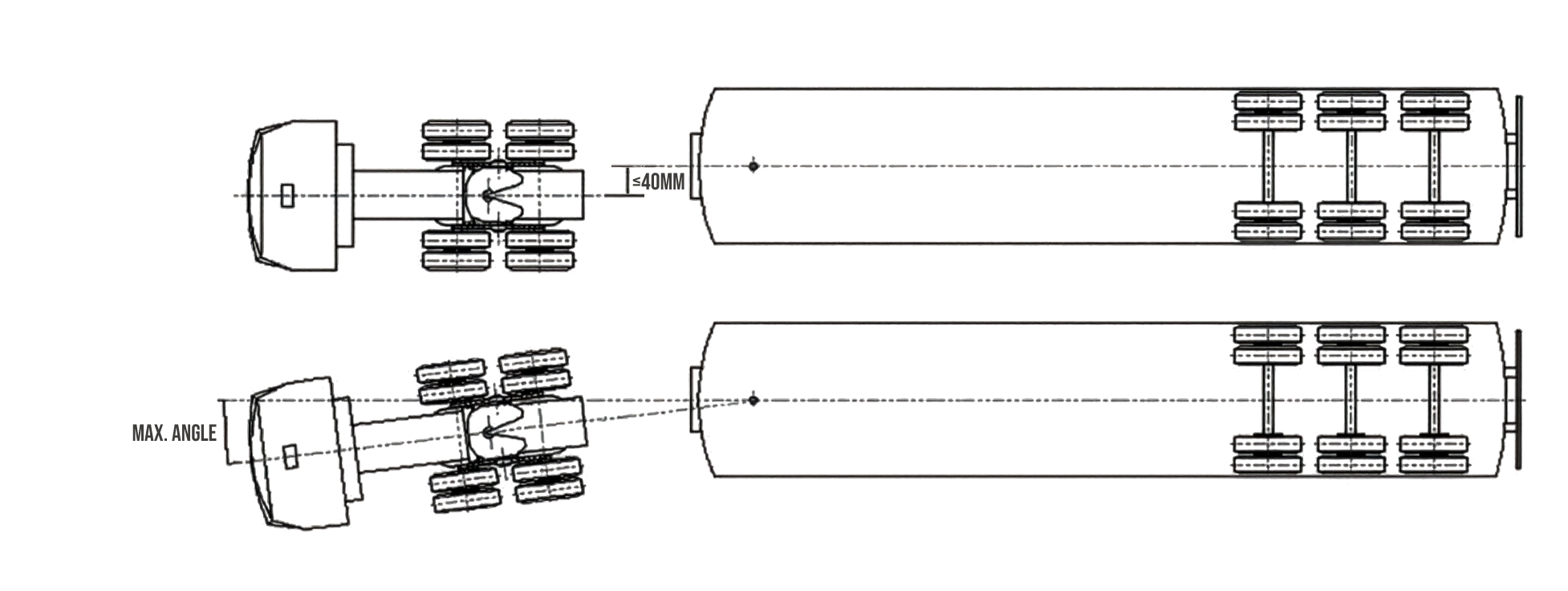
Maximum Articulation Angle for Coupling: 5 degrees or less
Coupling Centerline Tolerance: Within 40 mm
📈 Field Experience Note:
In our experience servicing thousands of commercial fleets, failure to perform the mandatory 50km wheel nut retorque procedure is the number one cause of hub damage and catastrophic wheel-off incidents on brand-new trailers. Never skip this initial maintenance step.
Step-by-Step Coupling Guide
Figure 2: The kingpin plate must sit slightly lower than the fifth wheel.
Step 1: Adjust Landing Gear
Crank the landing gear handle to raise or lower the trailer. Set the height so the kingpin plate sits exactly 10 to 30 millimeters lower than the center of the tractor's fifth wheel. This allows the tractor chassis to physically lift the trailer slightly during engagement.
Figure 3: Keep articulation angles under 5 degrees for a safe coupling.
Step 2: Align the Tractor
Open the locking jaw mechanism on the fifth wheel. Reverse the tractor slowly, keeping the trailer and tractor centerlines within a 40-millimeter tolerance. Keep the tractor articulation angle equal to or less than 5 degrees to avoid damaging the kingpin.
Step 3: Lock & Visually Inspect
Reverse the tractor until the kingpin slides in and locks automatically into the fifth wheel. Exit the cab and shine a flashlight directly under the fifth wheel to visually confirm the jaws are entirely closed around the kingpin shank. Never rely solely on the sound of the latch or an in-cab tug test.
Step 4: Connect Pneumatics & Electrical
Attach the red gladhand to the supply line. Attach the yellow gladhand to the control line. Plug the 7-pin and ISO cables into the receptacles. Open the fast-fill supply valve to build the system pressure to at least 800 kPa, in accordance with FMCSA safety guidelines.
Preventative Maintenance Checklist
Pre-Trip:Inspect all red and yellow gladhands to ensure the rubber seals are clean and intact.
Pre-Trip:Test all brake, turn, and clearance lights to confirm they illuminate brightly.
Pre-Trip:Build air pressure to 850 kPa and listen carefully around the axles for any hissing sounds indicating air leaks.
Post-Delivery (New Trailers):Retorque all the wheel nuts to 600-650 N.m after driving the first 50-100 kilometers under load.
Weekly:Verify that all suspension U-bolts and axle plates remain tight and free from metal fatigue cracks.
Weekly:Examine tire pressures and tread depths across all axles.
Need Spare Parts?
We stock all Kales Vehicle original parts, including heavy-duty gladhands, 7-pin electrical cords, ABS sensors, and replacement wheel studs. Consult the exploded view diagrams in your owner's manual to find the exact Part Number you require.
Frequently Asked Questions
Why did my semi-trailer wheel come loose during the first trip?
New rims and studs naturally settle during their initial use under heavy load, causing the wheel nuts to lose their clamping force. You must retorque all wheel nuts to 600-650 N.m after your first 50 to 100 kilometers of loaded driving to prevent catastrophic wheel detachment.
What is the correct height for coupling a semi-trailer to a tractor?
The optimal height requires the trailer's kingpin plate to sit 10 to 30 millimeters lower than the center of the tractor's fifth wheel. This configuration allows the tractor chassis to physically lift the trailer slightly during engagement, ensuring a secure lock.
How do I reliably test the air brake system during a pre-trip inspection?
Build the air pressure to a range of 800 to 850 kPa (116 to 123 psi) and listen closely around the axles and gladhands for any hissing sounds that indicate an air leak. Test the service brakes physically to ensure all wheels engage simultaneously and evenly before entering the highway.
Stuck? Let our Engineers Help.
Experiencing persistent coupling issues or air leaks? Send us a photo or video of the affected component.