Hazardous Cargo Container Chassis Product Guide · Published: August 2, 2026 · Updated: August 2, 2026 · By Kales Vehicle Engineering Team · Reviewed by Kales Export Sales Engineering · Market focus: Tanzania, Kenya, East African port corridors, chemical logistics, and ISO tank container operations
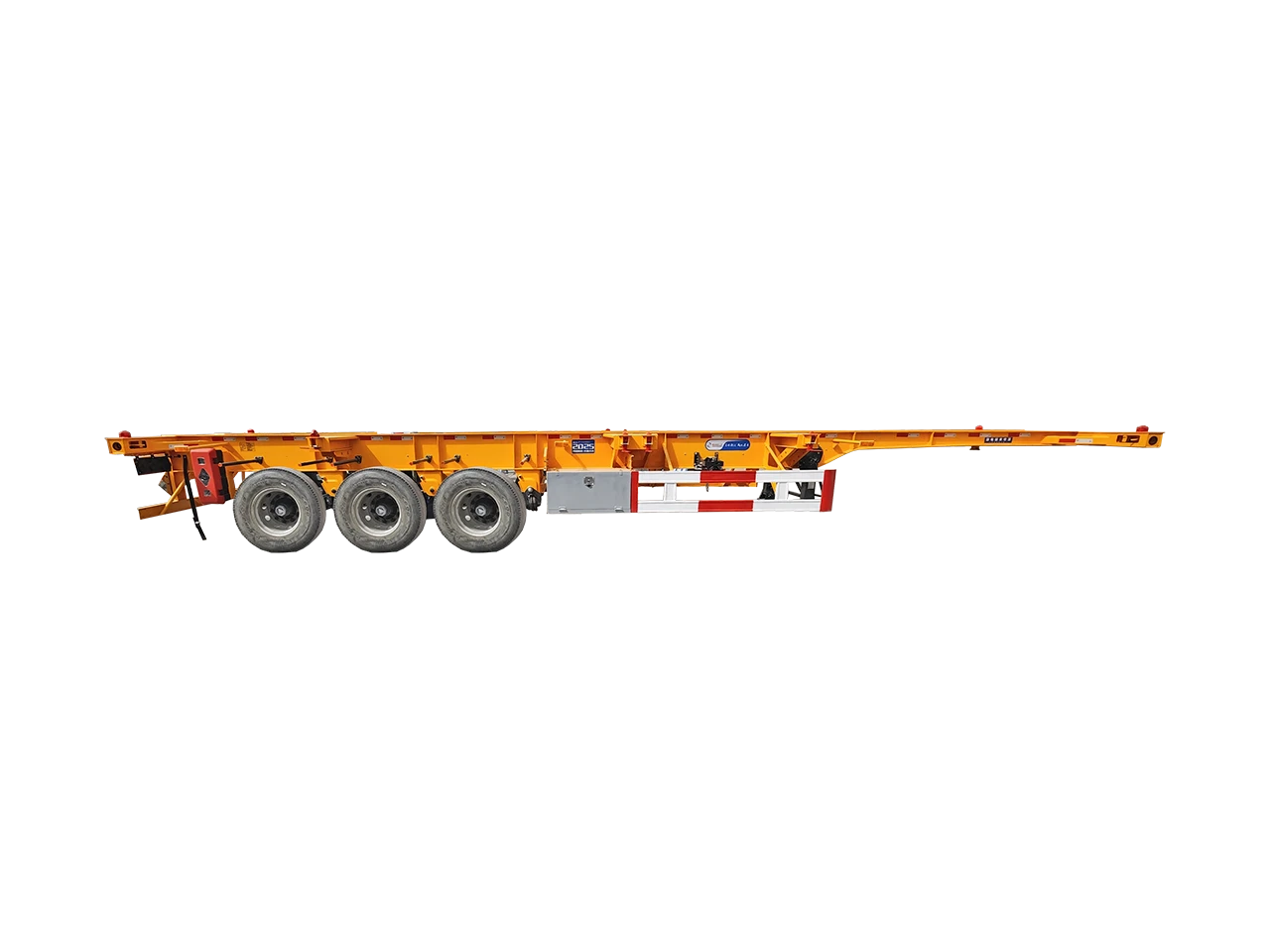
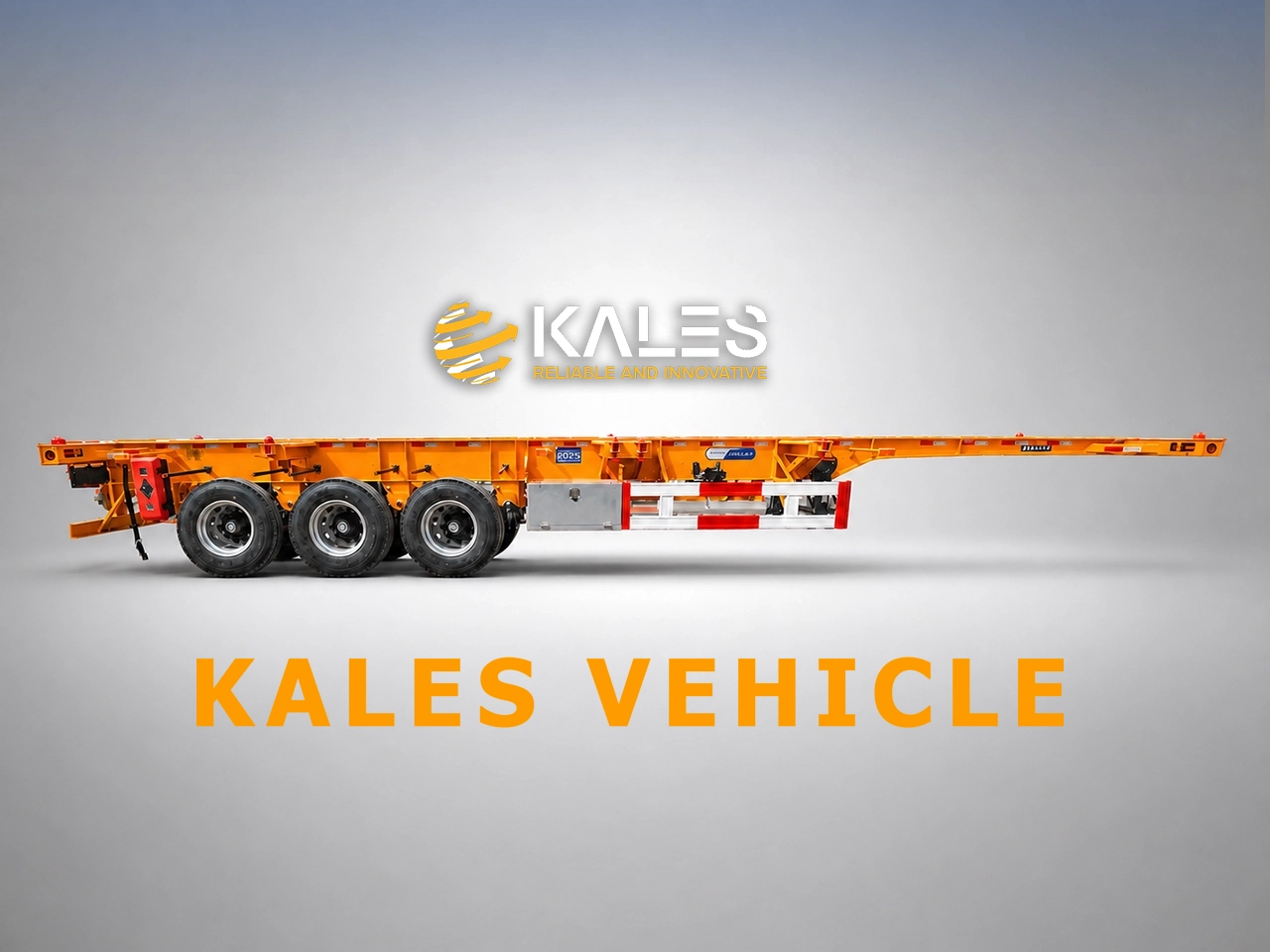
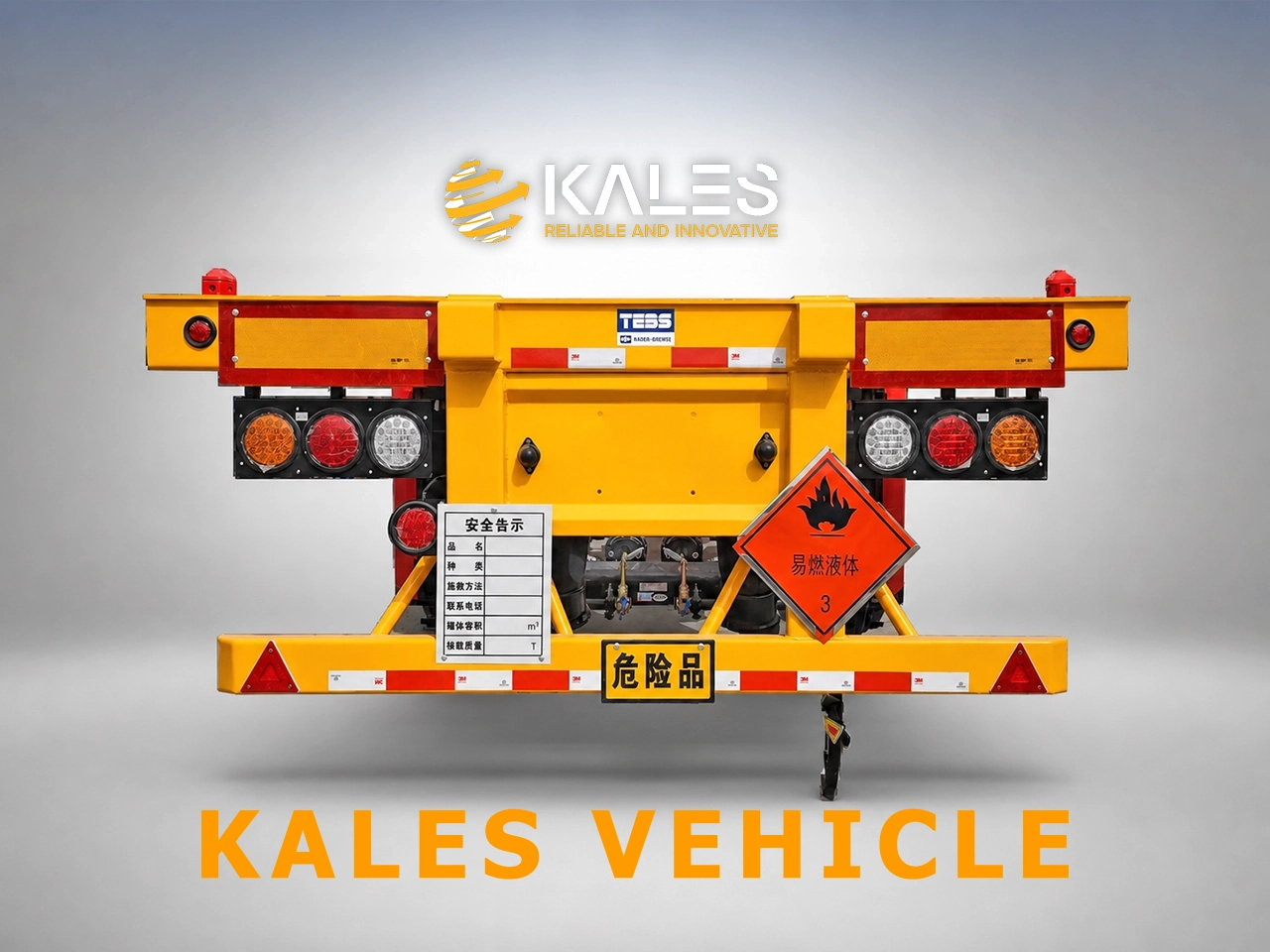
Kales hazmat container trailer for East Africa: this product page documents a configurable tri-axle skeletal chassis for buyers planning ISO tank container and regulated hazardous-cargo movements. The factory images confirm the chassis layout, air suspension hardware, reinforced frame sections, container locking hardware, landing support, equipment cabinet, rear lighting, conspicuity treatment, placard area, and underrun protection.
This is an evidence-led buying page, not a certificate of compliance. The correct trailer configuration depends on the tank or container data plate, cargo classification, legal axle and gross-weight limits, tractor interface, route permits, emergency equipment, inspection regime, and destination-country marking rules. Kales should confirm those items on the signed drawing and supply agreement before production.
Quick answer: choose this hazmat container chassis when your operation needs a dedicated skeletal trailer with visible air suspension, reinforced frame transitions, container locking hardware, mounted safety-equipment storage, and a clearly arranged rear safety zone. Do not order from the photographs alone. Send the container or tank drawing, cargo information, tractor details, route countries, legal weight limits, and required safety equipment so the final chassis can be checked for the actual East African duty cycle.
Photo-Confirmed Configuration and Order Checks
| System | Confirmed in the supplied images | Confirm before ordering |
|---|---|---|
| Chassis layout | Tri-axle skeletal semi-trailer with an open center frame | Overall dimensions, tare, design rating, legal payload, axle spacing, and kingpin position |
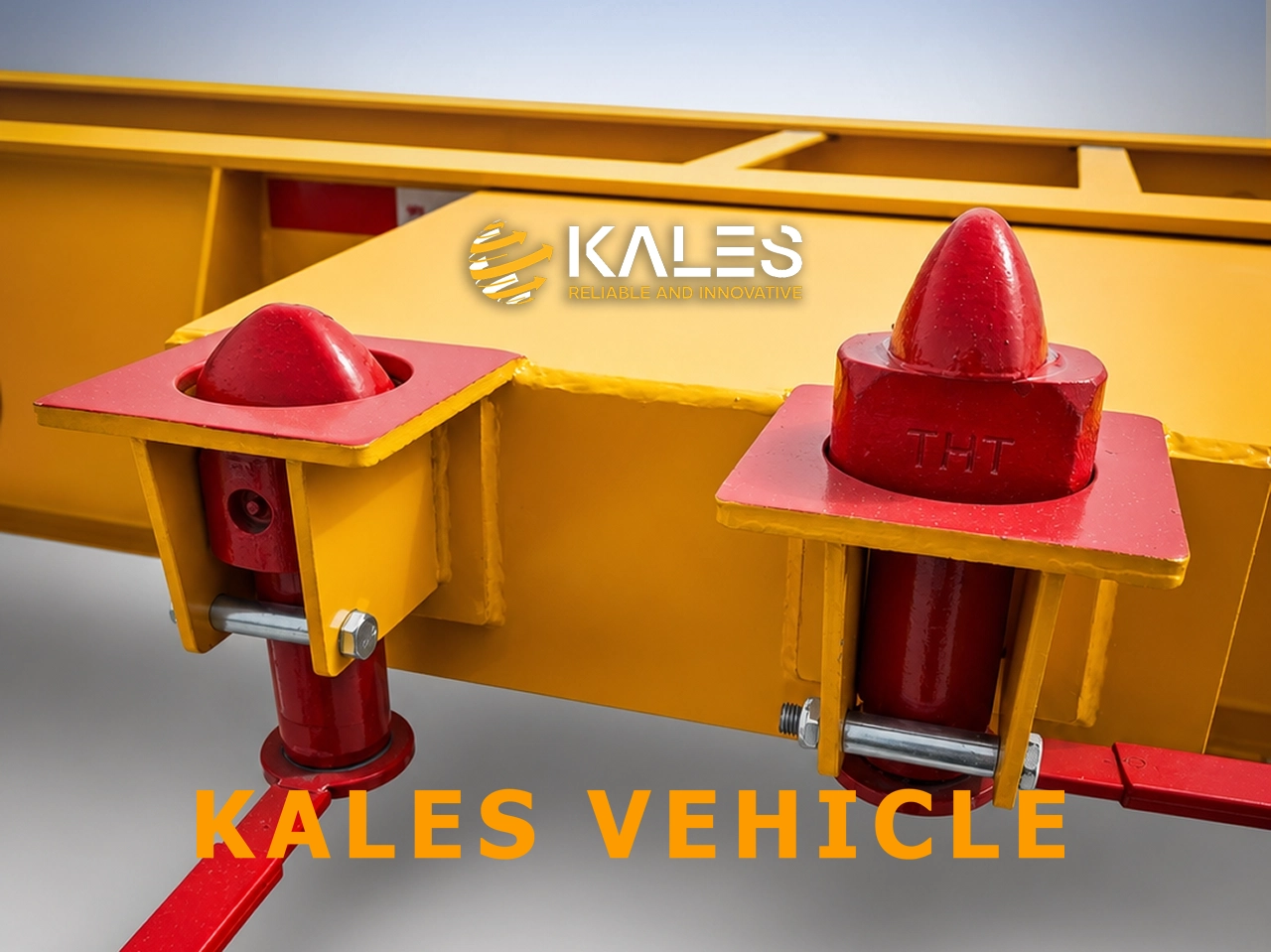
| Cargo interface | Multiple container locking points and visible locking mechanisms | Tank or container size, corner-casting drawing, lock spacing, center of gravity, load concentration, and dispatch pattern |
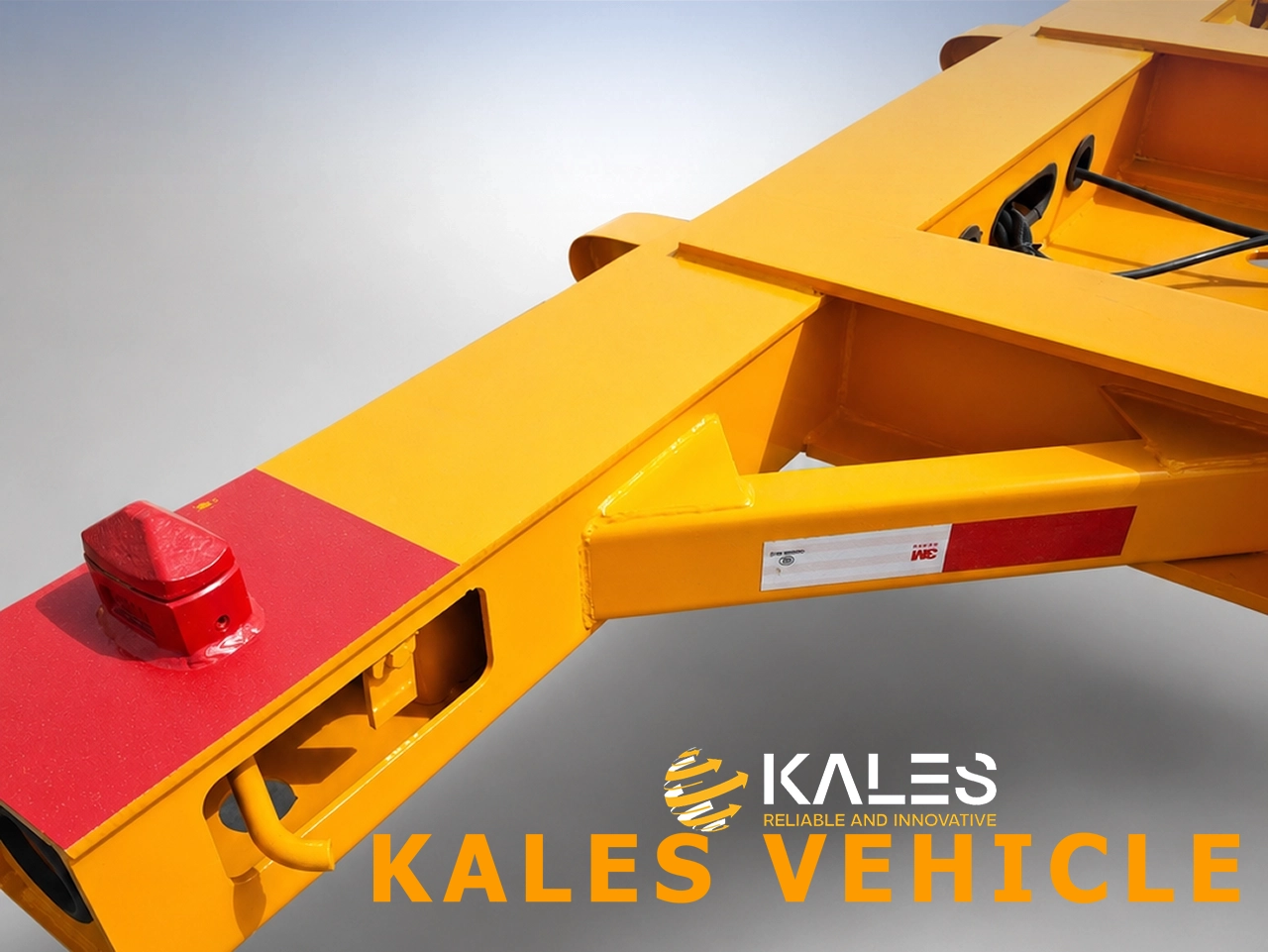
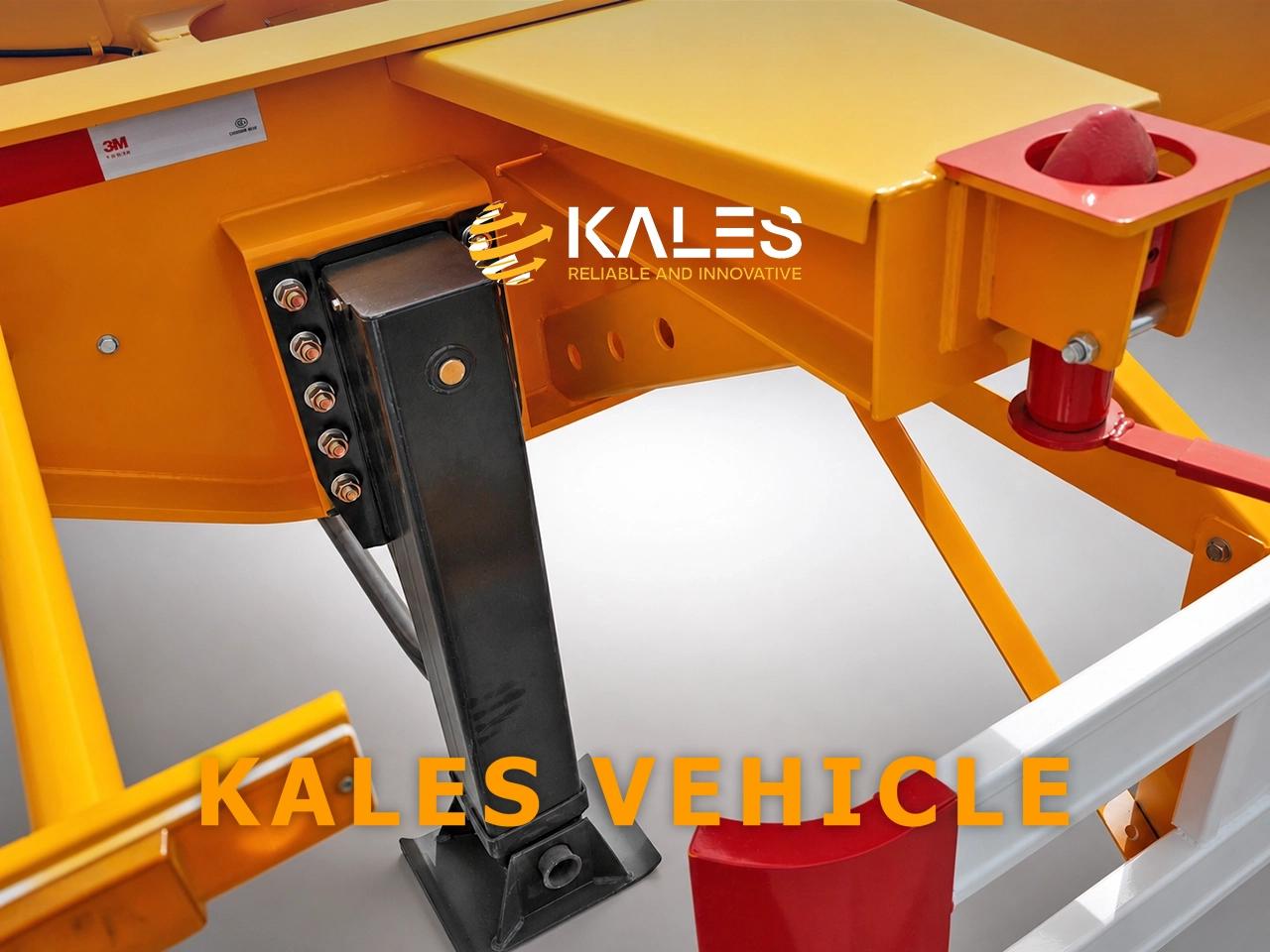
| Frame | Reinforced gooseneck transition, cross-members, gussets, and welded support structure | Steel grade, section thickness, fatigue basis, weld procedure, inspection method, and corrosion-protection specification |
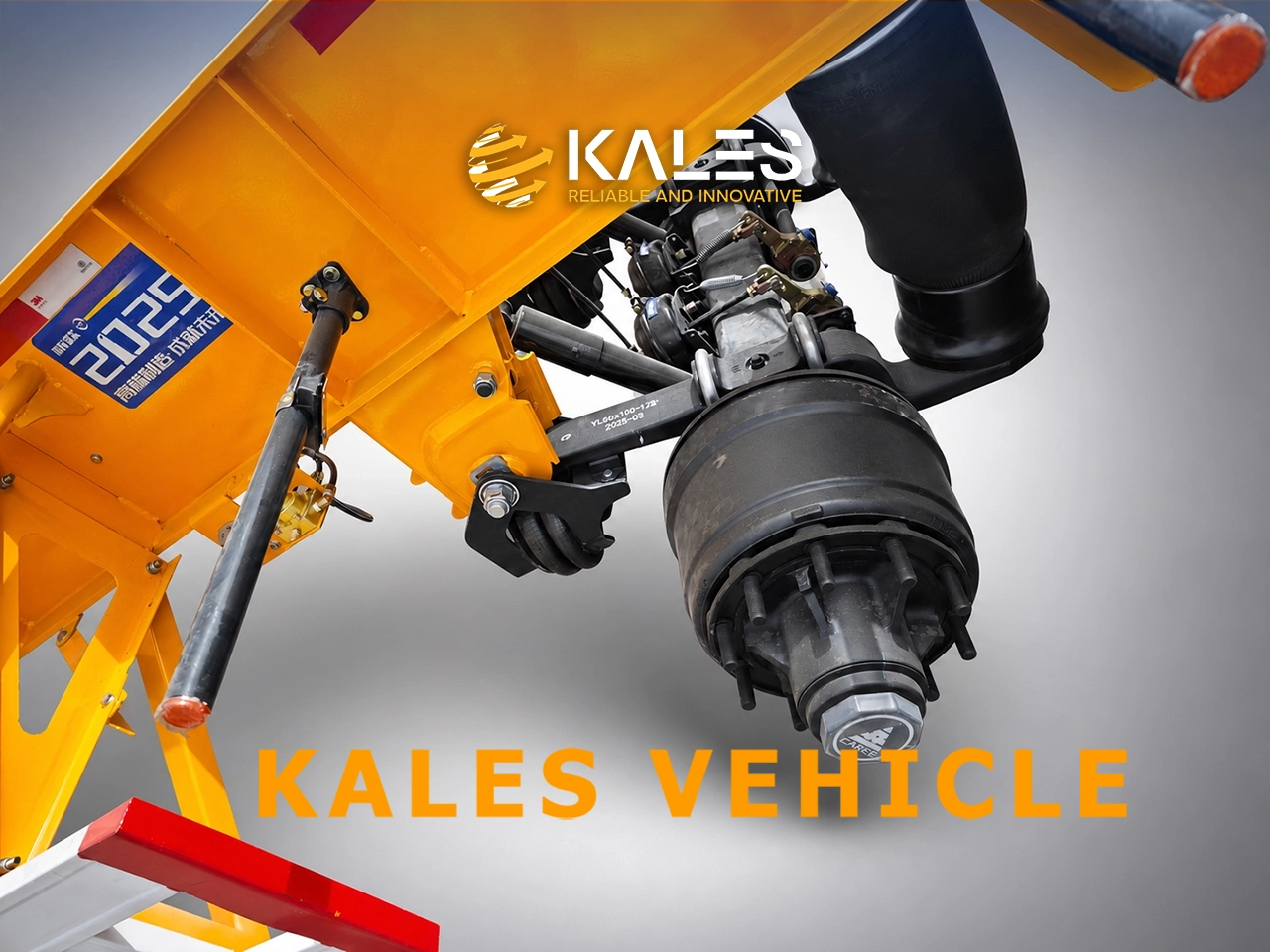
| Suspension | Pneumatic suspension with visible air bags and link hardware | Axle ratings, suspension brand, ride height, control valves, lift-axle requirement, and local service support |
| Braking | Wheel-end brake, air chamber, hoses, and pneumatic hardware are visible | Brake type, ABS or EBS architecture, component brand, tractor compatibility, connector standard, and approval documentation |
| Landing support | Paired mechanical landing legs mounted below the forward frame | Rated capacity, lift specification, foot type, brand, operating clearance, and spare-parts availability |
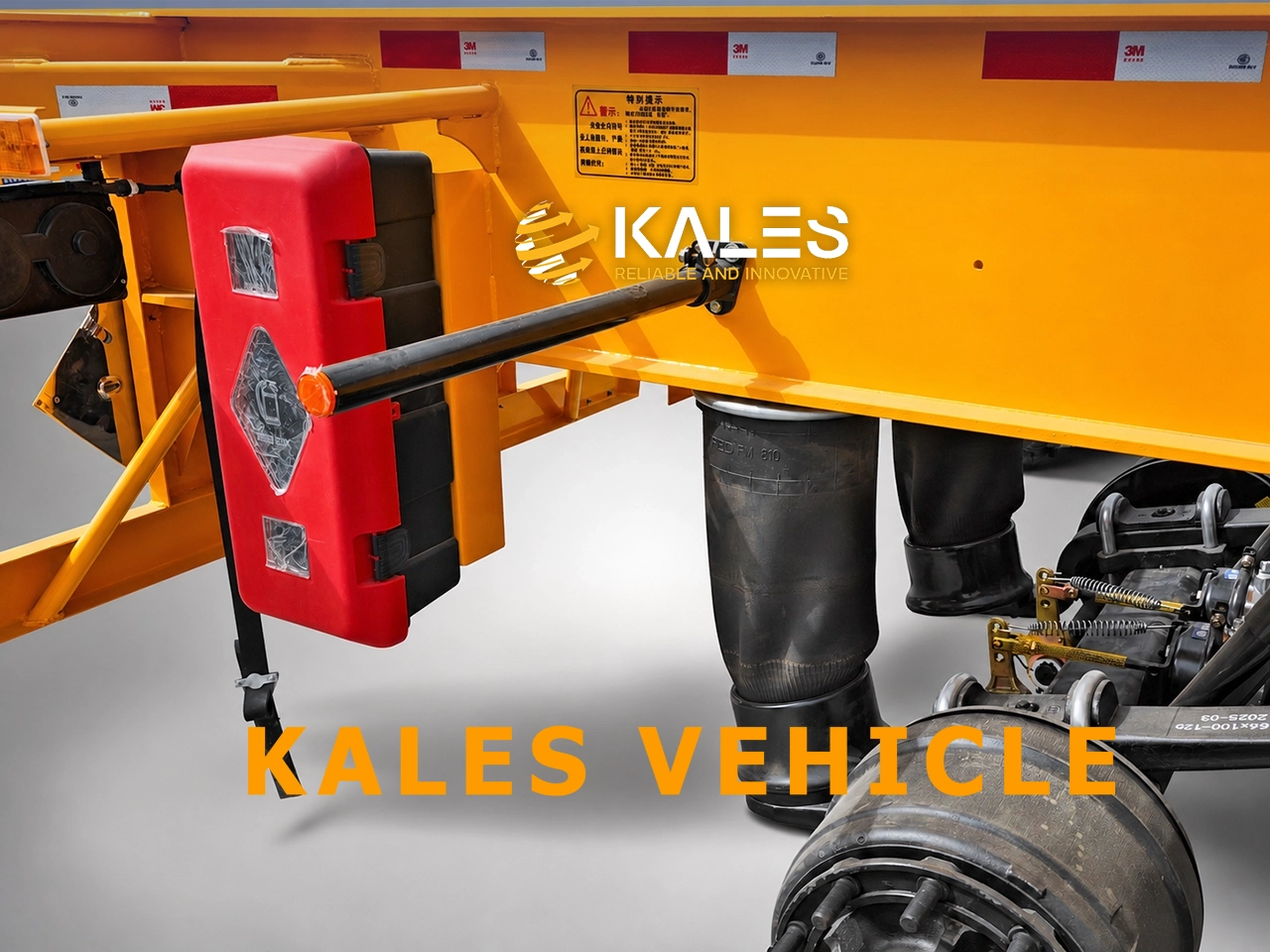
| Safety equipment | Protected red equipment cabinet mounted beside the running gear | Required cabinet contents, extinguisher quantity and rating, spill response kit, wheel chocks, PPE, and inspection labels |
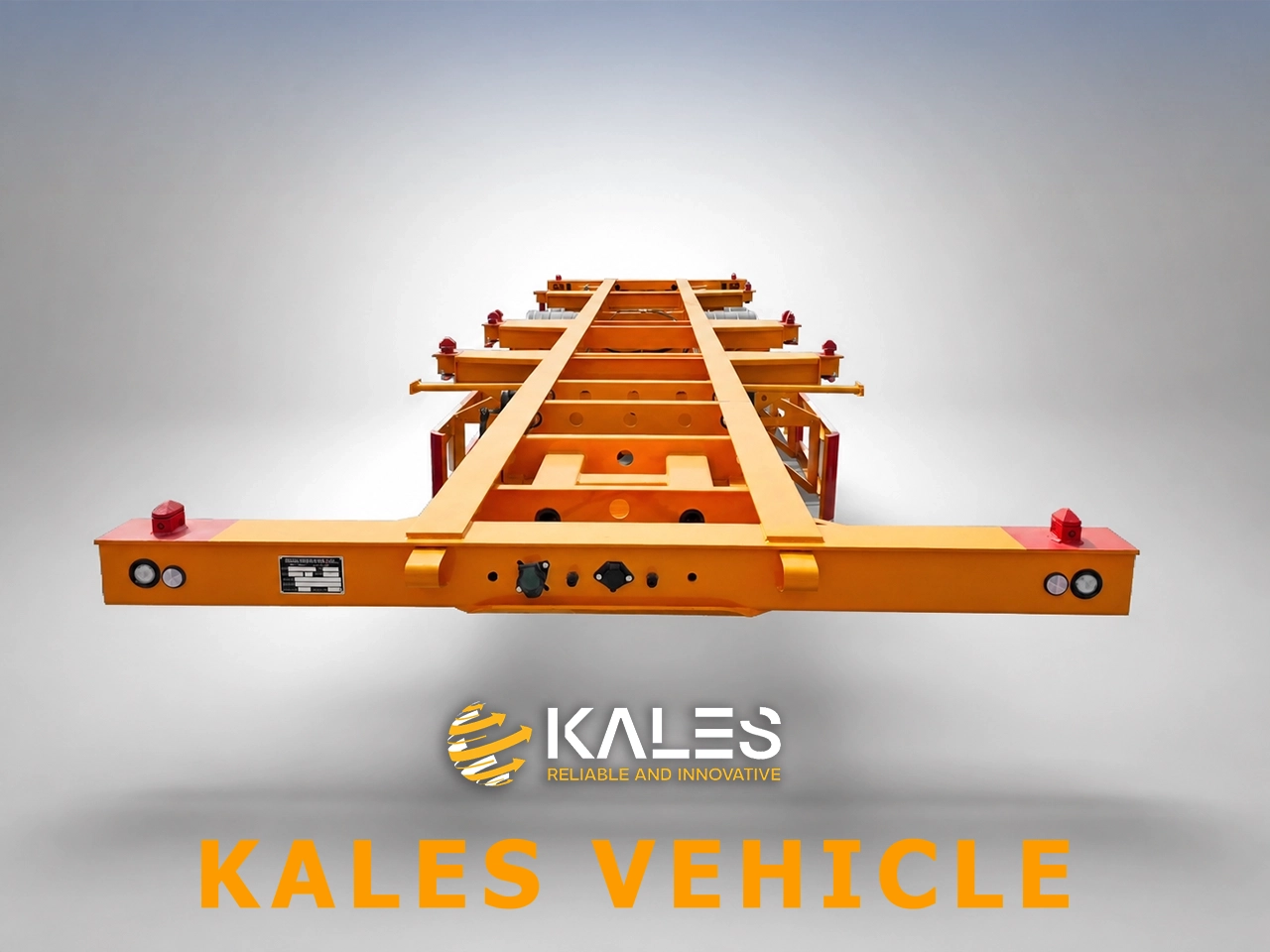
| Rear safety zone | LED lamp clusters, reflective markings, placard location, triangles, and rear underrun protection | Destination lighting standard, electrical voltage, connector pinout, placard language and class, conspicuity layout, and underrun dimensions |
| Storage and protection | Side-mounted metal toolbox and side protection structure | Tool inventory, lock type, weather sealing, side-guard geometry, and operator access procedure |
Best Fit Operating Profile
This chassis is a relevant starting point for chemical logistics companies, tank-container operators, port hauliers, and project fleets that need a dedicated container interface rather than a full flatbed deck. It is especially useful when the procurement team wants the running gear, locking points, equipment mounting, and rear safety layout reviewed as one system before dispatch to Tanzania, Kenya, or another East African market.
Best for
- ISO tank or regulated container movements where the exact container interface is provided for engineering review
- Port-to-depot and inland corridor work that benefits from an air-suspension chassis configuration
- Buyers who need dedicated locations for emergency equipment, placards, lights, reflective markings, and rear protection
- Fleet programs that will document tractor compatibility, route limits, inspection responsibility, and local compliance before production
Not ideal for
- Transporting hazardous material without an approved tank or container and the required cargo documentation
- General open-deck cargo that should use a flatbed, dropside, or other load-retention body
- Operations that cannot provide the container drawing, center-of-gravity data, route limits, or tractor specification
- Buyers seeking a universal East Africa compliance claim from photographs instead of a destination-specific technical review
Why Buyers Start With This Configuration
- Inspection-friendly skeletal layout: the open frame makes cross-members, locks, suspension connections, air lines, and rear equipment easier to inspect than components hidden under a full deck.
- Reinforcement is visible: the gooseneck transition and cross-member joints can be reviewed from several factory angles before the final drawing is accepted.
- Air suspension is documented: the supplied close-up shows pneumatic suspension hardware, allowing the buyer to ask specific questions about ride height, controls, axle loading, and local parts support.
- Safety equipment has a defined location: the mounted cabinet separates emergency equipment storage from loose tools, although its final contents must follow the cargo and destination requirements.
- The rear layout is ready for a compliance review: lamps, reflective material, placard positions, underrun protection, and air connections are visible together, so destination-specific changes can be identified before shipping.
Engineering and Inspection Guidance
Start with the tank or container, not a generic payload number
A hazmat chassis cannot be selected responsibly from a headline tonnage alone. The engineering review should begin with the tank or container identification, overall drawing, corner-casting locations, maximum gross mass, empty and loaded center of gravity, product classification, and any special handling restrictions. Kales can then check lock position, frame load path, axle distribution, tractor load, and clearance using the actual cargo unit.
Review the frame transition and concentrated load path
The supplied images show added structure around the gooseneck transition and cross-members. These are useful inspection views because tank-container loads enter a skeletal chassis through discrete locking points rather than through a continuous deck. The final order should state the material specification, member thicknesses, weld procedure, surface preparation, coating system, and factory inspection records instead of relying on paint appearance.
Match suspension and braking to the tractor and service network
Air suspension hardware is visible, but the photographs do not prove the axle rating, lift function, brake type, or electronic control architecture. The buyer should confirm whether the tractor supports the required pneumatic and electrical connections, whether the selected brake components have service coverage on the operating corridor, and what fault diagnostics and spare parts the workshop can handle.
Validate every locking point before dispatch
The locking mechanisms must match the actual container corner castings, operating clearances, and expected load concentration. Acceptance should include a physical fit check or dimensional inspection against the approved drawing, positive lock engagement, retention-pin inspection, and confirmation that handles remain accessible without exposing the operator to the cargo or traffic side.
Treat emergency equipment and placards as cargo-specific items
A mounted equipment cabinet and rear placard area are useful provisions, but they do not establish compliance by themselves. Required extinguishers, spill-control materials, PPE, warning signs, emergency instructions, and placard classes depend on the substance, quantity, container, carrier obligations, insurer, terminal, route, and national rules. The final packing list should name every supplied item and identify which items remain the operator’s responsibility.
East Africa Procurement Checklist
- Define the cargo: provide the product name, safety data sheet, hazard classification, transport conditions, and emergency-response instructions.
- Identify the cargo unit: send the tank or container data plate, dimensional drawing, corner-casting arrangement, maximum gross mass, center of gravity, and certification documents.
- Map the route: list ports, terminals, border crossings, road classes, bridge or axle restrictions, gradients, surface conditions, and planned operating speeds.
- Confirm legal limits: obtain written guidance for axle loads, gross combination mass, dimensions, underrun protection, lighting, reflective marking, and hazardous-goods operation in every destination and transit country.
- Match the tractor: confirm fifth-wheel height, kingpin interface, air and electrical connectors, brake-control capability, turning clearance, and permitted combination mass.
- Define safety equipment: agree the placards, languages, extinguisher and spill-kit requirements, chocks, PPE, grounding or bonding provisions where applicable, and cabinet layout.
- Plan inspection and maintenance: define pre-trip checks, lock inspection, brake and air-system service, torque records, corrosion checks, parts stock, and responsibility for periodic statutory inspection.
- Approve evidence before production: sign the general arrangement drawing, technical schedule, inspection plan, document list, and acceptance criteria before fabrication starts.
Factory Images and Inspection Views
Frequently Asked Questions
Is this trailer already approved for hazardous cargo in Kenya or Tanzania?
The photographs and product page do not prove national approval. Compliance must be checked for the exact cargo, tank or container, tractor, trailer configuration, operator, route, and current destination-country requirements. Ask Kales to include the agreed technical documents and inspection evidence in the contract.
Can this chassis carry an ISO tank container?
The chassis is shown with container locking hardware and the feature image presents an ISO tank application. Final compatibility still requires the tank drawing, corner-casting locations, maximum gross mass, center of gravity, load concentration, and physical or dimensional lock-fit verification.
Is the tank container included with the trailer?
Not unless the quotation and supply agreement explicitly include it. Treat the skeletal trailer, tank or container, emergency equipment, documentation, and destination approvals as separate line items until the contract states otherwise.
What does air suspension change for this application?
The visible pneumatic suspension provides a configurable running-gear basis, but operating benefits depend on axle loading, ride-height control, road condition, maintenance capability, and tractor integration. Confirm the full valve, brake, axle, and spare-parts package rather than selecting it from the air bags alone.
What information is needed for a reliable quotation?
Send the cargo safety data, tank or container drawing and data plate, intended routes and countries, legal axle and gross-weight limits, tractor specification, annual duty pattern, brake and electrical requirements, placard and emergency-equipment list, quantity, and delivery term. Kales can then prepare a configuration and inspection plan for review.
Request an East Africa Configuration Review and Quote
For a useful quotation, send the actual tank or container documents and route information instead of only a target payload. Kales Export Sales Engineering can review the lock interface, frame layout, axle distribution inputs, tractor connection, safety-equipment mounting, rear marking plan, documentation, and factory acceptance scope before pricing the final configuration.
- Email: jennylee@kalestruck.com
- WhatsApp: +86 131 5638 8843
- Send: cargo SDS, tank or container drawing, route countries, tractor data, legal limits, safety equipment, quantity, and delivery term
Related Kales Container Transport Options
- 40ft Container Chassis Semi Trailer for mainstream port and inland ISO container work that does not require a dedicated hazardous-cargo equipment plan.
- 4-Axle 12m Container Skeleton Semi-Trailer for container routes where the approved engineering case requires broader axle-load distribution.
- 40ft Flatbed Semi Trailer for open-deck general freight that should not use a dedicated skeletal tank-container chassis.