Asphalt Tanker Trailer Product Guide · Published: July 31, 2026 · Updated: July 31, 2026 · By Kales Vehicle Trailer Engineering Team · Reviewed by Kales Export Sales Engineering · Market focus: Central Asia road construction, municipal maintenance, asphalt plants, and cross-border liquid asphalt logistics in Kazakhstan, Uzbekistan, Kyrgyzstan, Tajikistan, and Turkmenistan
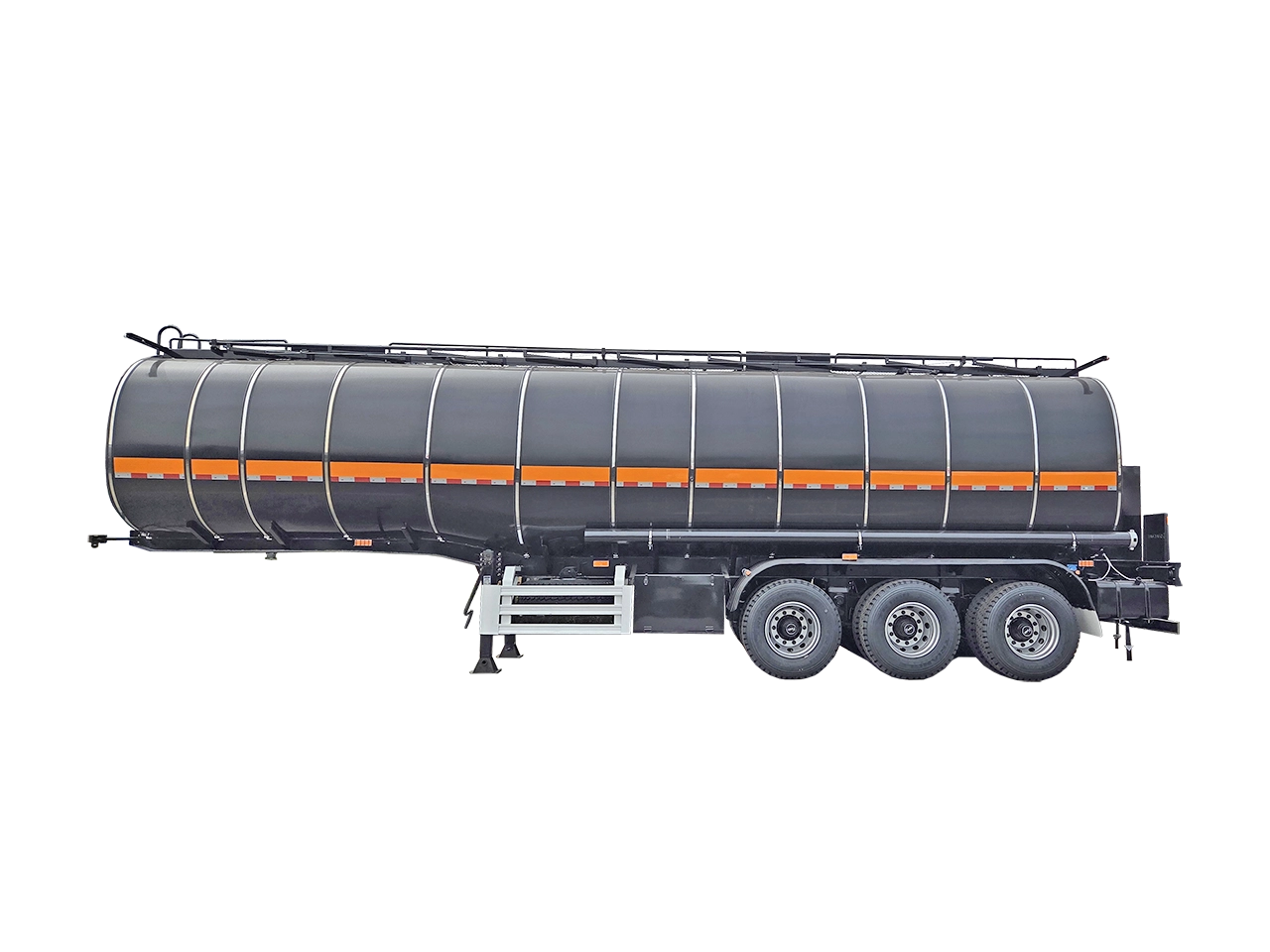
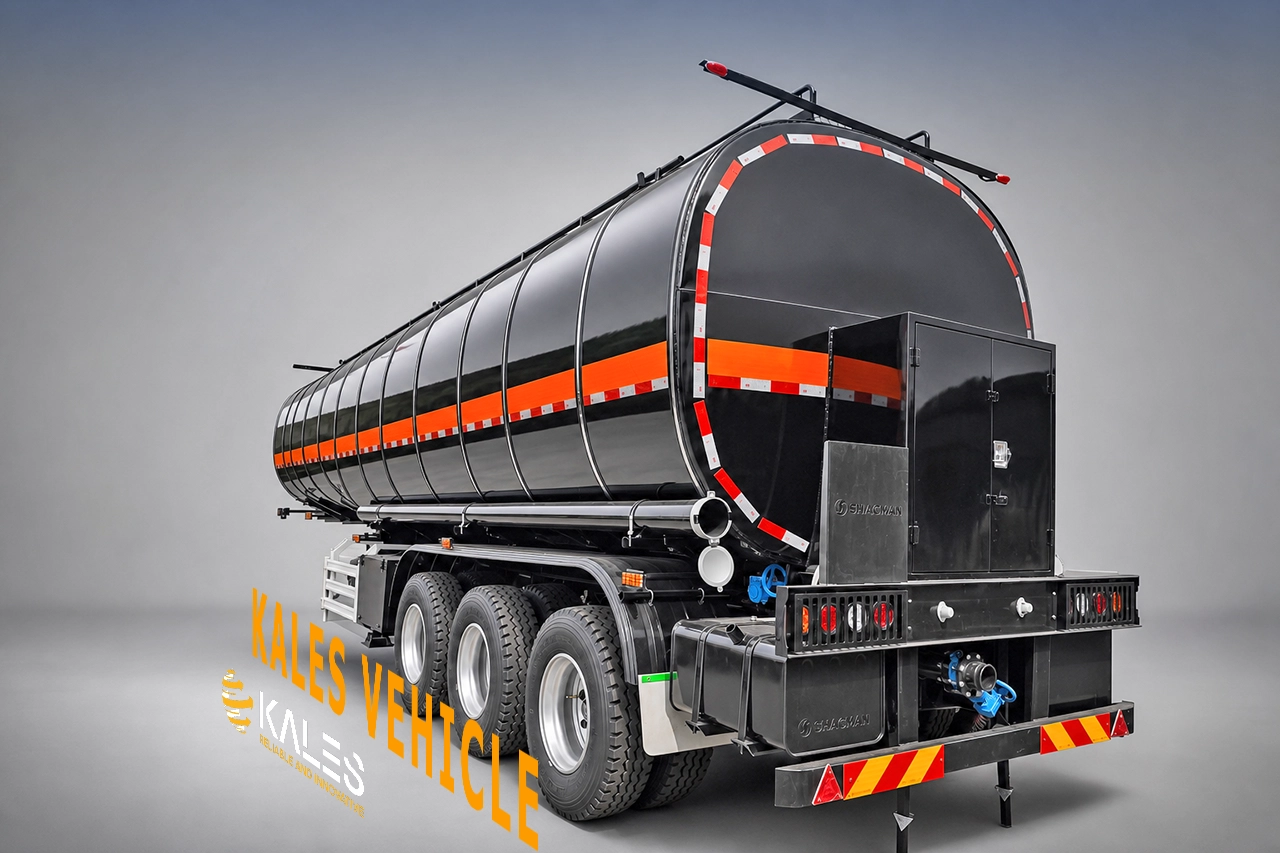
3-axle heated asphalt tanker semi trailer: this Kales tanker is built for fleets that need to move liquid asphalt or emulsified asphalt while controlling temperature, unloading time, and on-site power requirements. The represented configuration combines a 33.69 m3 tank, approximately 32 m3 effective capacity, 80 mm rock wool insulation, automatic heating, an independent diesel generator, and flexible unloading modes.
Engineering guidance from the Kales Vehicle trailer team for buyers comparing heated bitumen tankers, insulated asphalt trailers, and general liquid tanker equipment for Central Asian project routes.
Quick answer: choose this 3-axle heated asphalt tanker semi trailer when your project needs controlled-temperature liquid asphalt delivery to road construction or municipal maintenance sites. The represented build uses a 33.69 m3 total tank, approximately 32 m3 effective capacity, 3 x 13T axles, 80 mm rock wool insulation, a Riello 40 burner, a CC3500E diesel generator, and 3-inch or 4-inch unloading options. It is a strong fit for cross-border and remote-site work where asphalt must arrive hot and ready to flow. Final load, axle, heating, and road-compliance decisions must follow the destination country’s regulations and the signed technical agreement.
Technical Snapshot
| Product type | 3-axle heated asphalt tanker semi trailer |
|---|---|
| Overall dimensions | 10,360 x 2,500 x 3,800 mm |
| Gross vehicle weight | 40,000 kg reference configuration |
| Tare weight | 7,950-8,730 kg depending on equipment |
| Tank capacity | 33.69 m3 total; approximately 32 m3 effective capacity |
| Maximum stated medium density | 974 kg/m3; legal payload must be checked for the actual product and route |
| Tank material | Q355B carbon steel or stainless steel, subject to configuration |
| Insulation | 80 mm rock wool insulation with stainless steel outer shell |
| Axles and axle spacing | 3 x 13T axles; 4,600 + 1,310 + 1,310 mm spacing reference |
| Tyres | 11.00R20 or 12R22.5 (12PR), 12 units |
| Suspension | Mechanical suspension |
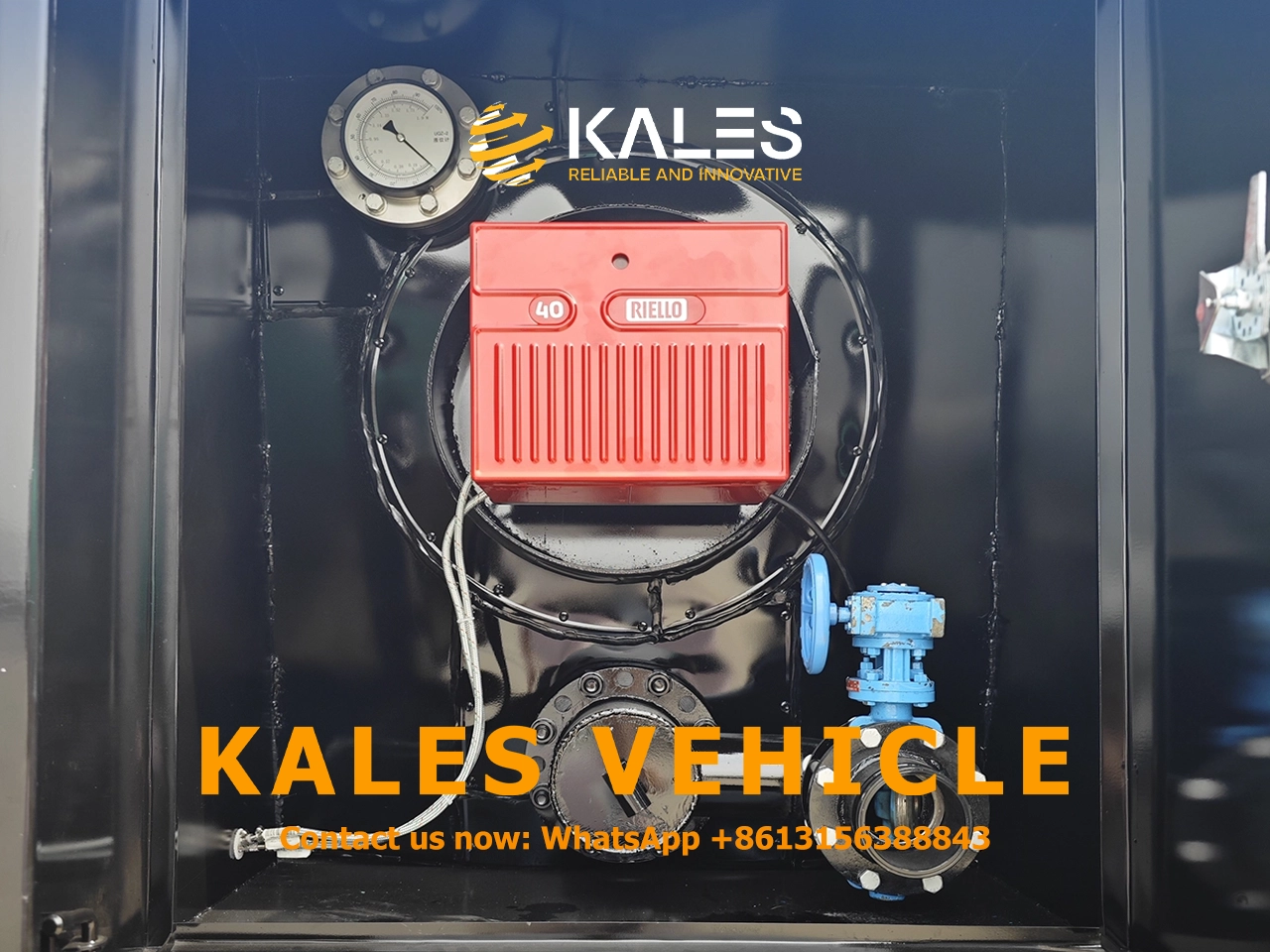
| Heating burner | Riello 40 imported burner with automatic temperature control |
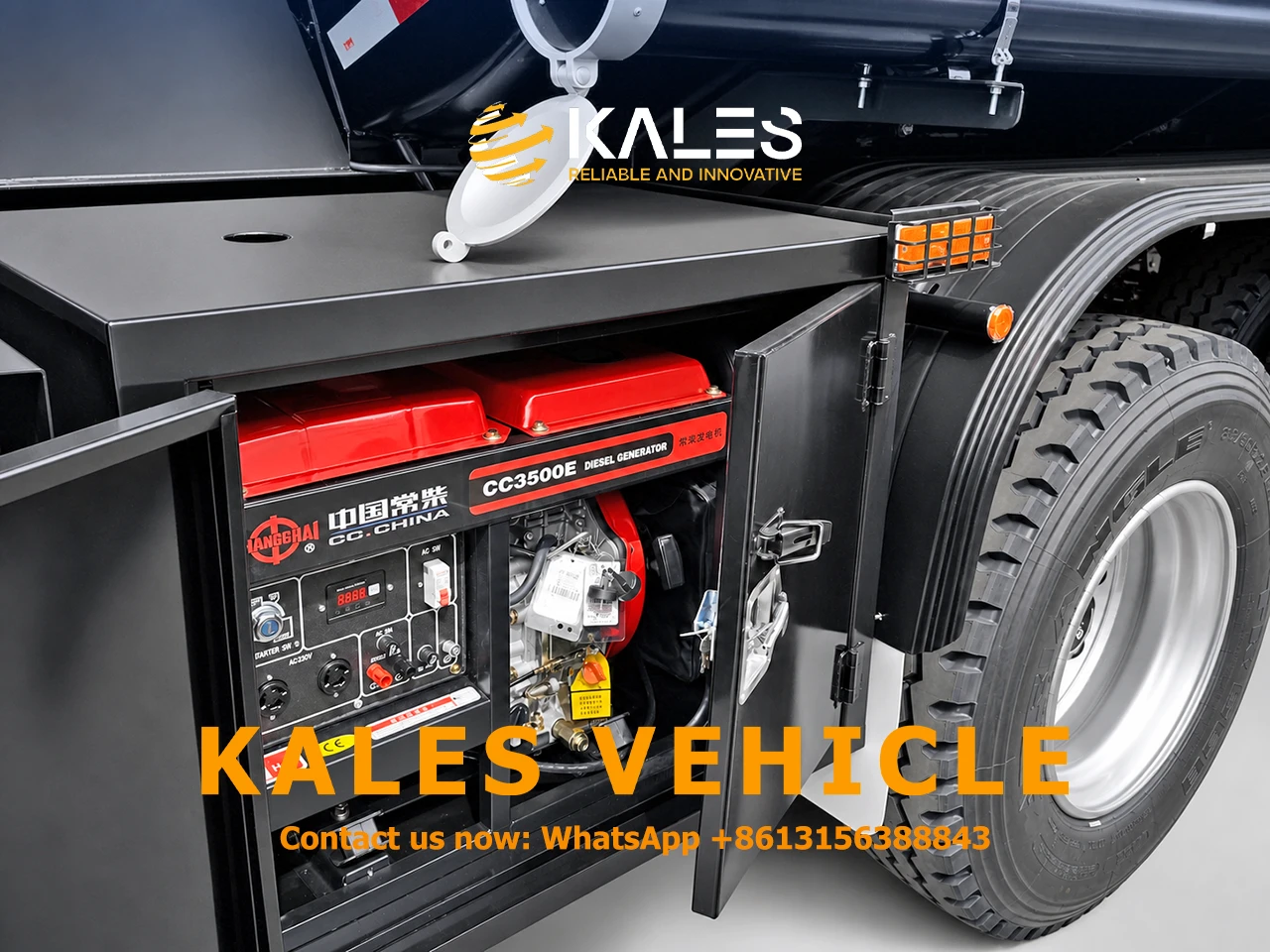
| Independent power | CC3500E diesel generator for heating and pumping systems |
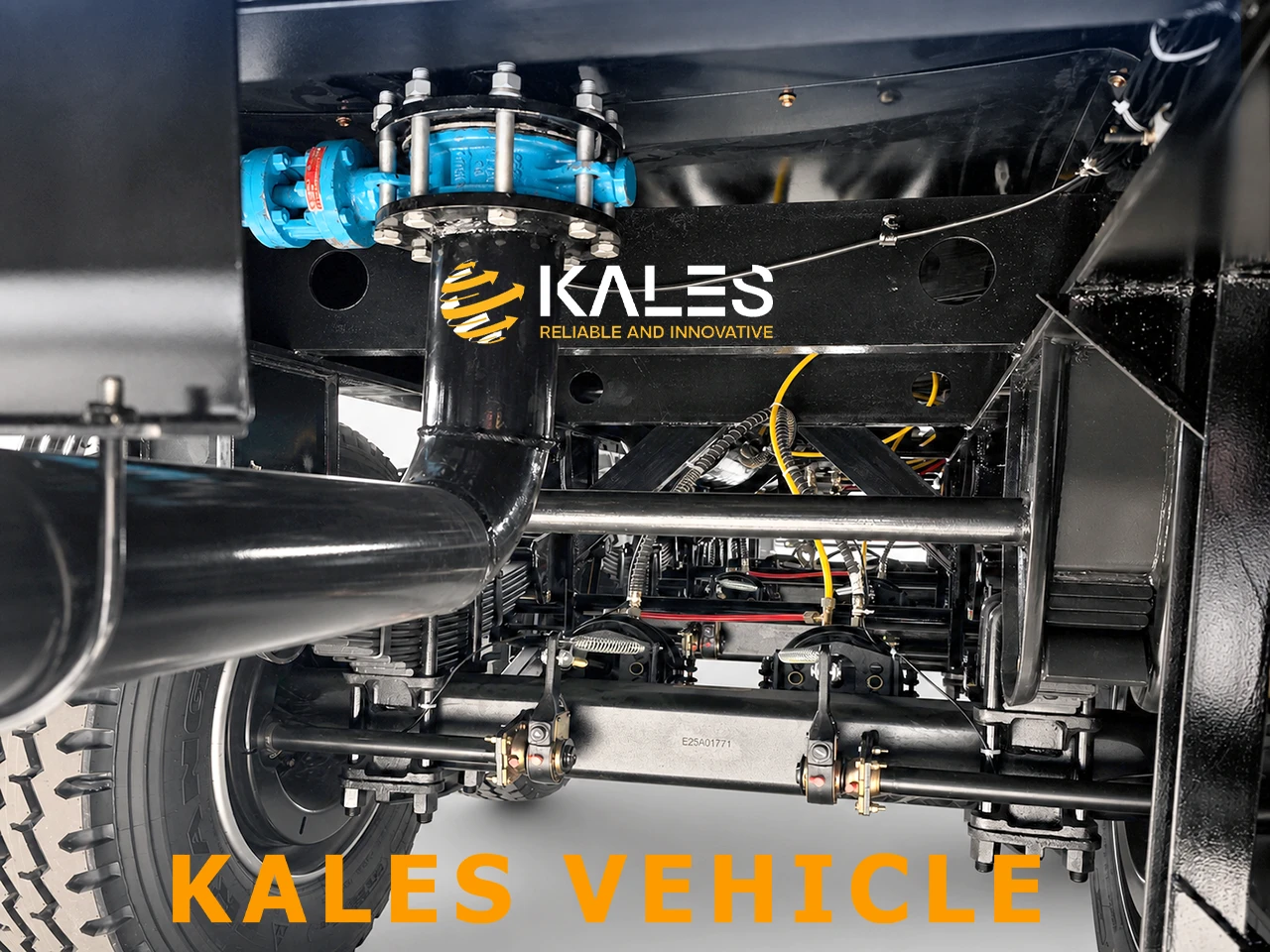
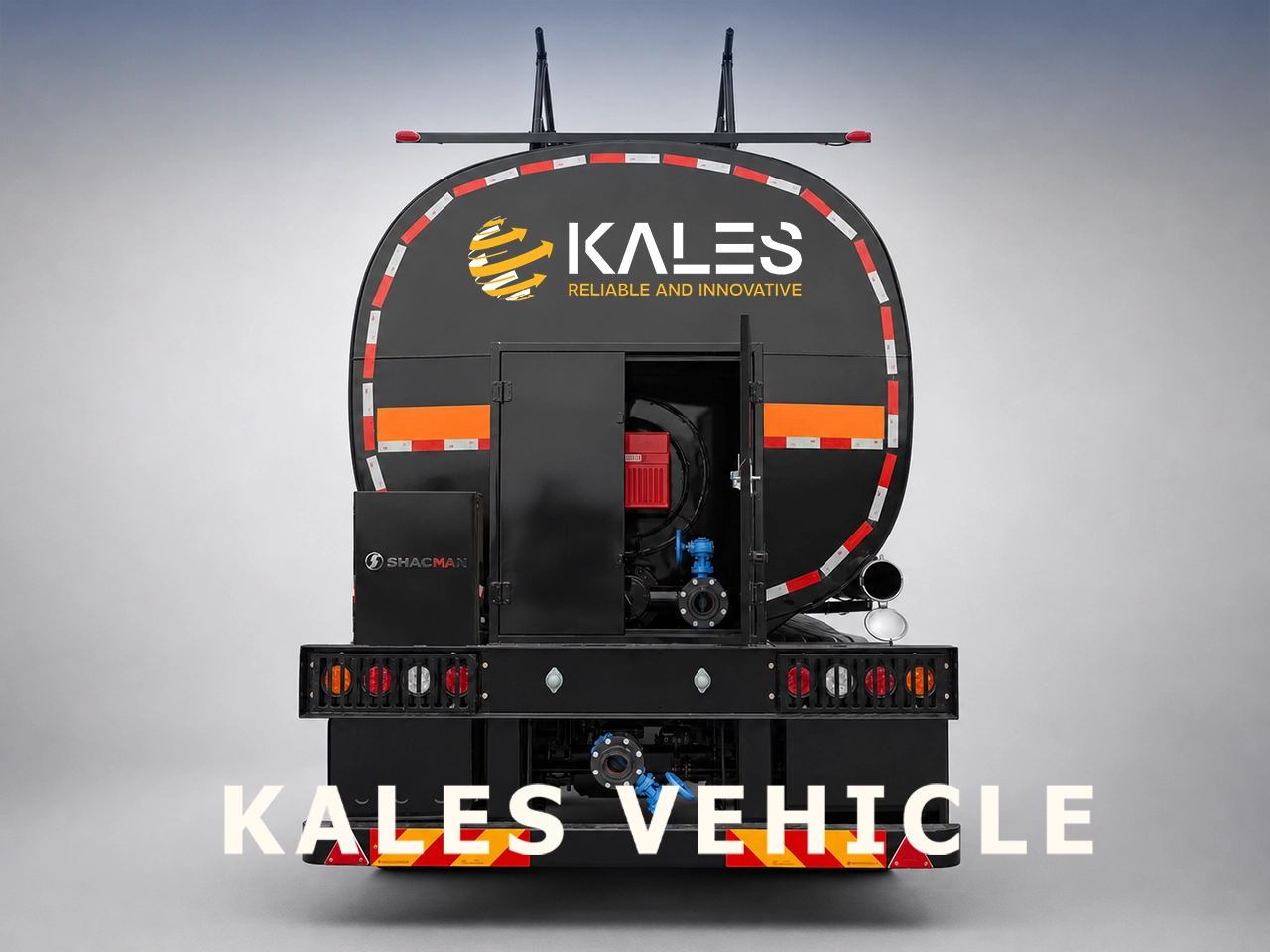
| Unloading | 3-inch or 4-inch ball valve; two 4-inch rubber hoses, approximately 6 m each |
| Brake system | WABCO valve system with WABCO or Kemi EBS and disc brakes |
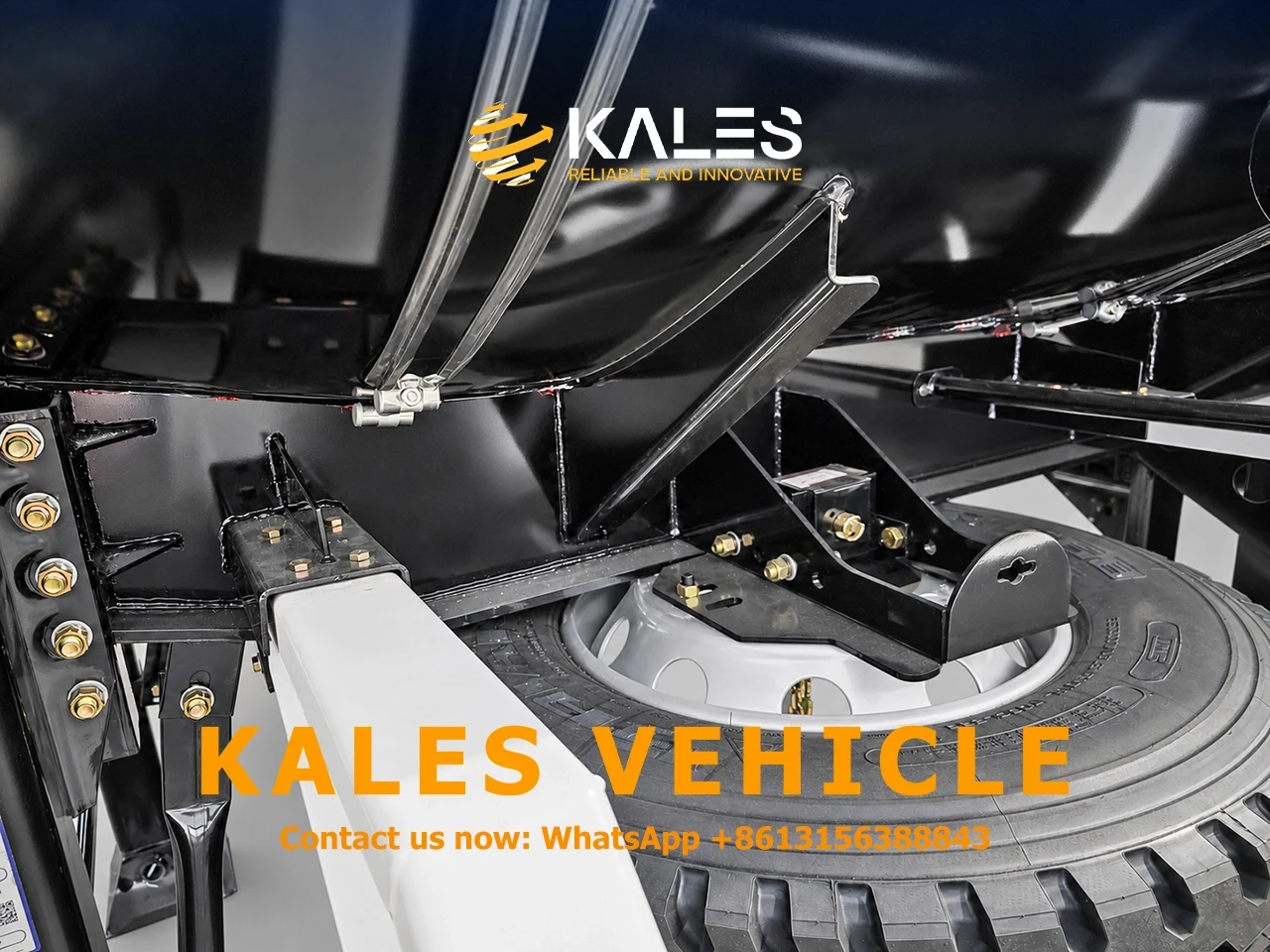
| Support equipment | JOST, Kales, or Fuwa landing legs; Q235 bolted side and rear protection |
Best Fit Operating Profile
This heated asphalt tanker is intended for road contractors, asphalt plants, municipal maintenance fleets, and infrastructure suppliers moving liquid asphalt between a production site and a paving or repair location. It is particularly useful when routes include long distances, cold weather, remote worksites, or limited access to external electrical power.
Best for
- Road paving and highway maintenance projects in Kazakhstan, Uzbekistan, Kyrgyzstan, Tajikistan, and Turkmenistan
- Liquid asphalt and bitumen transfer from an asphalt plant to a paving crew or storage tank
- Emulsified asphalt transport where the cargo temperature and unloading method are defined in advance
- Remote or temporary construction sites that need independent heating and pumping power
- Fleets comparing a heated asphalt tanker trailer with a general-purpose liquid tanker
Not ideal for
- Fuel, chemical, food-grade, or other liquid cargo that requires a different tank and certification package
- Projects that do not need temperature control or heated unloading
- Routes where the selected axle load, total weight, or heating equipment does not meet local road requirements
Why Buyers Choose This Heated Asphalt Tanker
- Temperature-controlled transport: automatic heating supports the operating temperature selected for the asphalt grade and construction process.
- Lower heat loss: the 80 mm rock wool layer and stainless steel outer shell help slow temperature loss during transit. Actual retention depends on ambient temperature, travel time, starting temperature, and operating conditions.
- Independent site operation: the CC3500E generator supplies power for heating and pumping where grid power is unavailable.
- Flexible unloading: gravity discharge, pressure pumping, self-pumping, internal circulation, and external pump filling support different site layouts.
- Serviceable running gear: mechanical suspension, 13T axle options, JOST landing legs, and WABCO EBS support practical export-fleet maintenance.
Engineering and Serviceability Details
Insulated tank construction
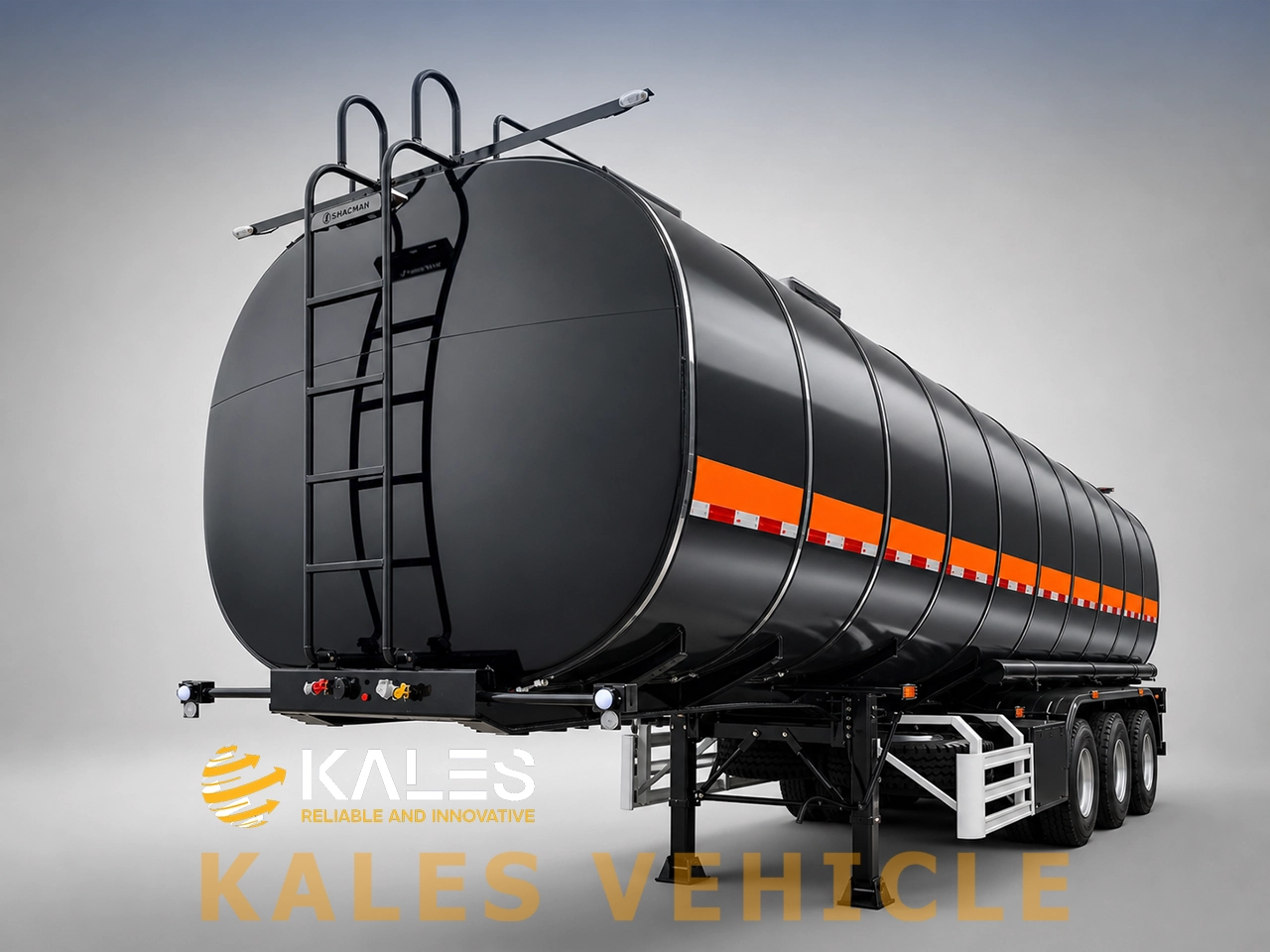
The tank body can be specified in Q355B carbon steel or stainless steel. Its ladder-round section keeps the body compact and places the load relatively low on the chassis. The insulation package uses approximately 80 mm of rock wool under a stainless steel outer shell. This construction is intended to reduce heat loss and delay asphalt stiffening between loading and unloading.
Riello 40 burner and automatic control
The Riello 40 burner works with automatic temperature control so operators can manage the heating process against the selected asphalt grade and site procedure. Heating setpoints should be confirmed with the asphalt supplier and the paving method. The system is not a substitute for checking cargo temperature, pressure, ventilation, and fire-safety procedures before operation.
Five operating modes for site logistics
- Gravity discharge: uses height difference when the receiving tank is lower than the trailer.
- Pressure discharge: supports delivery when the receiving point is higher or natural flow is insufficient.
- Self-pumping intake: draws asphalt through the trailer’s own pipework when an external intake pump is unavailable.
- Internal circulation: moves the asphalt during heating to improve temperature uniformity.
- External pump filling: allows loading through the top manhole with an external pump.
Safety and maintenance checks
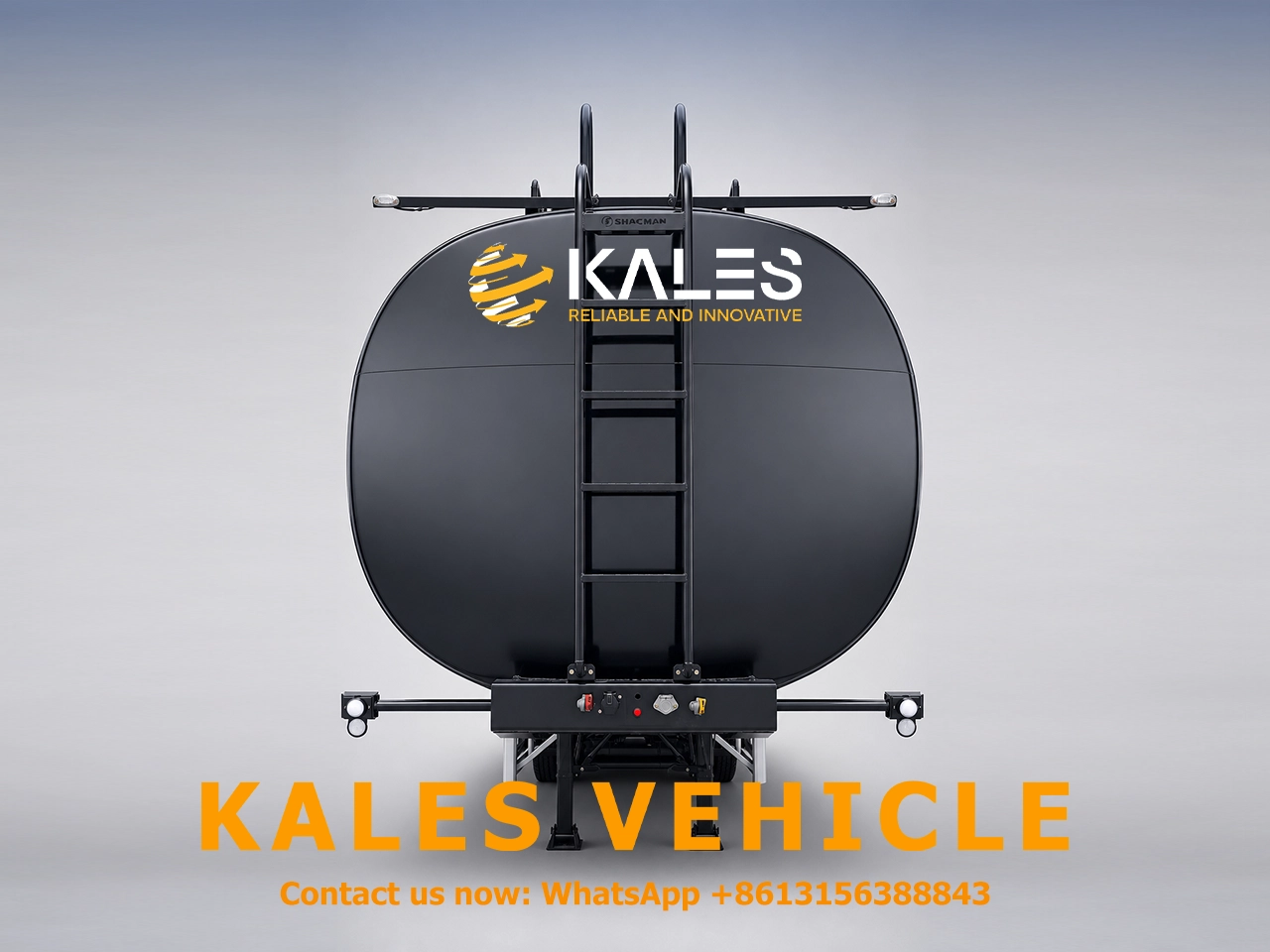
The stated package includes emergency shut-off, overflow protection, pressure relief, explosion-protection provisions, WABCO valve equipment, EBS options, and bolted Q235 side and rear protection. Kales recommends pressure, sealing, and high-temperature durability checks before delivery, followed by routine inspection of burner lines, hoses, valves, insulation, grounding, brakes, and axle components.
Central Asia procurement guidance
For Central Asian routes, confirm winter ambient conditions, border-crossing and axle-load rules, tractor fifth-wheel height, local fire requirements, asphalt grade, unloading elevation, and spare-parts support before final specification. A correct quotation should state the tank material, effective capacity, burner and generator package, hose and valve sizes, axle brand, brake configuration, and delivery scope.
Inspection Views

Frequently Asked Questions
What cargo can this heated asphalt tanker transport?
It is configured for liquid asphalt, bitumen, and selected emulsified asphalt applications. The tank material, temperature range, loading method, and local transport rules must be confirmed for the actual cargo.
How much asphalt can the trailer carry?
The tank has approximately 32 m3 effective capacity. The legal load depends on asphalt density, tare weight, axle limits, gross vehicle weight, and the destination country’s road regulations.
Does the trailer need external electricity?
No. The CC3500E diesel generator is designed to provide independent power for the heating and pumping systems. External electrical requirements still depend on the final equipment package.
Is this trailer suitable for winter road projects in Central Asia?
It can be specified for cold-weather asphalt logistics because it combines insulation, automatic heating, and independent power. Buyers should confirm the expected ambient temperature, transport time, asphalt grade, and heating procedure before ordering.
Can Kales customize the unloading system?
Yes. The trailer can be configured with 3-inch or 4-inch ball valves, two 4-inch hoses, circulation and pumping functions, and other equipment according to the receiving tank, unloading height, and project workflow.
What should be confirmed before requesting a quotation?
Send the asphalt type, density, target capacity, route countries, winter temperature range, unloading method, tractor specification, preferred axle and brake brands, and any local certification requirements. Kales can then match the tank, heating, running gear, and delivery scope to the real project.
Request a Technical Drawing and Quote
If you are comparing a heated asphalt tanker semi trailer for a Central Asian road or municipal project, send your asphalt type, route, required capacity, unloading setup, tractor details, and destination country. Kales can confirm the suitable tank material, insulation, burner, generator, axle, brake, and hose configuration before production.
Related Kales Tanker Trailer Options
- 45,000L Aluminum Fuel Tanker Trailer for refined-fuel transport where tare weight and corrosion resistance are priorities.
- 54 CBM Fuel Tanker Trailer for larger-volume petrol and diesel transport with a dedicated fuel-tanker configuration.
- 58 m3 Powder Tanker Trailer for pneumatic dry-bulk and cement transport rather than heated liquid asphalt.