Trailer Parts Buying Guide · Published: December 16, 2024 · Updated: June 3, 2026 · By Kales Vehicle Suspension Engineering Team · Reviewed by Kales Export Parts Sales Engineering · Market focus: Africa, Latin America, Middle East trailer workshops, heavy-duty road fleets, and replacement-parts distributors
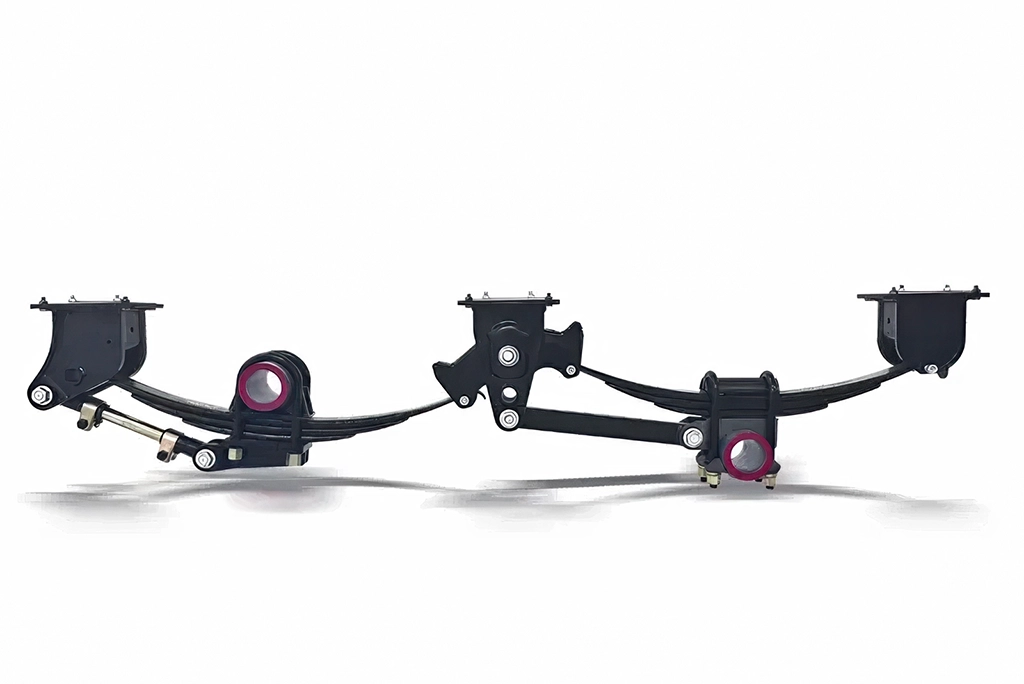
66 series American-type leaf spring suspension family: this Kales page covers multi-axle mechanical trailer suspension built for buyers who need a rugged, repairable, and cost-efficient running-gear solution for heavy semi-trailer service. It is aimed at fleets comparing leaf spring suspension with air suspension and deciding whether simpler field service matters more than ride softness.
Engineering guidance from the Kales Vehicle suspension team for buyers selecting mechanical trailer suspension for heavy road use, export replacement, and American-type running gear compatibility.
Quick answer: choose this 66 series American-type leaf spring trailer suspension when your fleet needs rugged road tolerance, easier workshop maintenance, and straightforward heavy-duty support for semi-trailers on mixed or rougher routes. If the operation depends more on cargo vibration control, smoother highway ride, or dock-height adjustment, an air suspension system is the better direction.
Technical Snapshot
| Product type | 66 series American-type leaf spring trailer suspension family |
|---|---|
| Typical axle capacity | 10 tons per axle in the base product positioning |
| Available axle layouts | 1 axle, 2 axle, and 3 axle configurations |
| Conventional leaf spring options | 77×13-9L and 77×13-10L |
| Parabolic leaf spring option | 77×22-3L |
| Bushing type | Tapered rubber bushings for equalizer bushings and torque arm bushings |
| Material logic | Silicon-manganese spring steel with heat treatment and outdoor rust-resistant coating |
| Custom quotation | Contact KALES for a tailored quotation based on the required configuration, order quantity, and destination. |
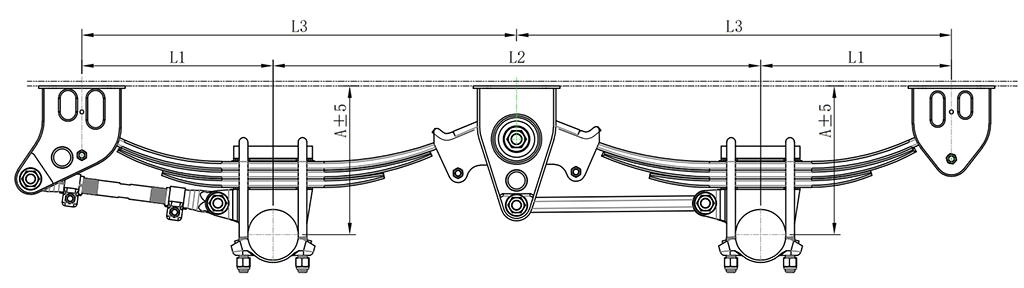
Representative tandem model table
| Model | A1 (mm) | L1 (mm) | L2 (mm) | L3 (mm) | Axle loading |
|---|---|---|---|---|---|
| KAWD2390756601 | 390 | 482.5 | 1245 | 1105 | 10,000 × 2 |
| KAWD2415756601 | 415 | 482.5 | 1245 | 1105 | 10,000 × 2 |
| KAWD2440756601 | 440 | 482.5 | 1245 | 1105 | 10,000 × 2 |
Notes: A1/A2/A3 dimensions are based on unladen condition; suitable for round or square axles; suggested leaf spring is 75×22×3 pcs on the representative tandem setup.
Best Fit Operating Profile
This leaf spring suspension family is best suited to fleets and workshops that prioritize structural ruggedness, easier repair, and lower service complexity over highway ride softness. It fits heavy-duty road freight, regional haulage, construction support, and export trailer rebuild programs where mechanical simplicity matters and the trailer must keep working under rougher route conditions.
Best for
- Heavy-duty semi-trailer suspension replacement on rough or mixed roads
- Workshops that want simple installation and straightforward parts service
- Export trailer programs using American-type running gear logic
- Buyers who value durability, repairability, and lower system complexity over premium ride quality
Not ideal for
- Trailers carrying vibration-sensitive cargo that benefit from air suspension
- Highway logistics operations that need adjustable ride height or smoother premium ride quality
- Buyers whose real need is axle replacement rather than full suspension replacement
Why Buyers Choose This Leaf Spring Suspension Family
- Rugged mechanical layout: simpler than air suspension and easier to keep working in workshop-led fleets.
- Silicon-manganese spring steel: chosen for strength, elasticity, and hardenability under heavy-duty service.
- Heat-treated durability: high-strength heat treatment improves toughness and long-term service behavior.
- Corrosion protection: outdoor rust-resistant coating helps isolate moisture and extend service life.
- Lightweight design logic: reduced spring-leaf count is used where possible without giving up carrying ability.
- Field-service advantage: installation and maintenance are easier than more complex suspension systems in many export markets.
Specification-backed advantages
- Material logic: Silicon-manganese spring steel with heat treatment and outdoor rust-resistant coating. This provides a concrete durability and load-control basis for the stated duty cycle.
- Typical axle capacity: 10 tons per axle in the base product positioning. This defines the working band to validate against the cargo, route, and local legal limits.
- Bushing type: Tapered rubber bushings for equalizer bushings and torque arm bushings. This links the powertrain choice to the intended load, grades, and operating conditions.
How This Leaf Spring Suspension Should Be Evaluated
The correct way to evaluate a leaf spring trailer suspension is not by price alone. Buyers should check route severity, service conditions, axle standard, maintenance capability, and whether the operation actually benefits from mechanical simplicity more than ride softness. That is what separates a suitable heavy-duty suspension from a generic low-price part that does not match the trailer’s real duty.
| Buyer situation | Best-fit Kales direction | Why |
|---|---|---|
| Heavy-duty road service on rougher routes | 66 series leaf spring suspension | Better suited to rugged service, simpler repair, and mechanical durability |
| Higher-value cargo and smoother highway transport | German-style air suspension | Air suspension gives better ride quality and cargo isolation |
| Buyer replacing the axle rather than the suspension assembly | Trailer axle page | Axle replacement and suspension replacement should not be confused in procurement |
| Workshop needs American-type tandem suspension compatibility | 66 series tandem suspension setup | The product family is already positioned around American-type trailer running gear |
Engineering and Serviceability Details
Why the material choice matters
Kales positions this family around silicon-manganese spring steel because the buyer here is not shopping for a decorative part. Strength, elasticity, and hardenability are the real reasons a trailer suspension keeps working under repeated heavy load and road shock. That material logic is central to the product, not a small secondary detail.
Why mechanical simplicity still matters in export markets
Leaf spring suspension remains relevant because simple installation and maintenance are commercial advantages in many fleets. Workshop teams can replace and service it faster than more complex pneumatic systems, especially in regions where route conditions are harsh and parts access is uneven.
Why heat treatment and coating should be taken seriously
High-strength heat treatment helps the spring suspension keep both strength and toughness under repeated duty cycles. The outdoor rust-resistant coating matters because many export trailers live in humid ports, dusty inland routes, or mixed climates that accelerate corrosion. Both are real service-life controls.
How is the final quotation confirmed?
KALES confirms the quotation after reviewing the required specification, quantity, destination, and delivery terms. Send the operating requirements for an accurate proposal.
Quotation and Procurement Guidance
Before asking for a quote, buyers should send the axle layout, route profile, target trailer duty, and whether the program uses conventional or parabolic leaf spring logic. Kales can then match the correct 66 series configuration instead of quoting a generic suspension assembly without proper running-gear context.
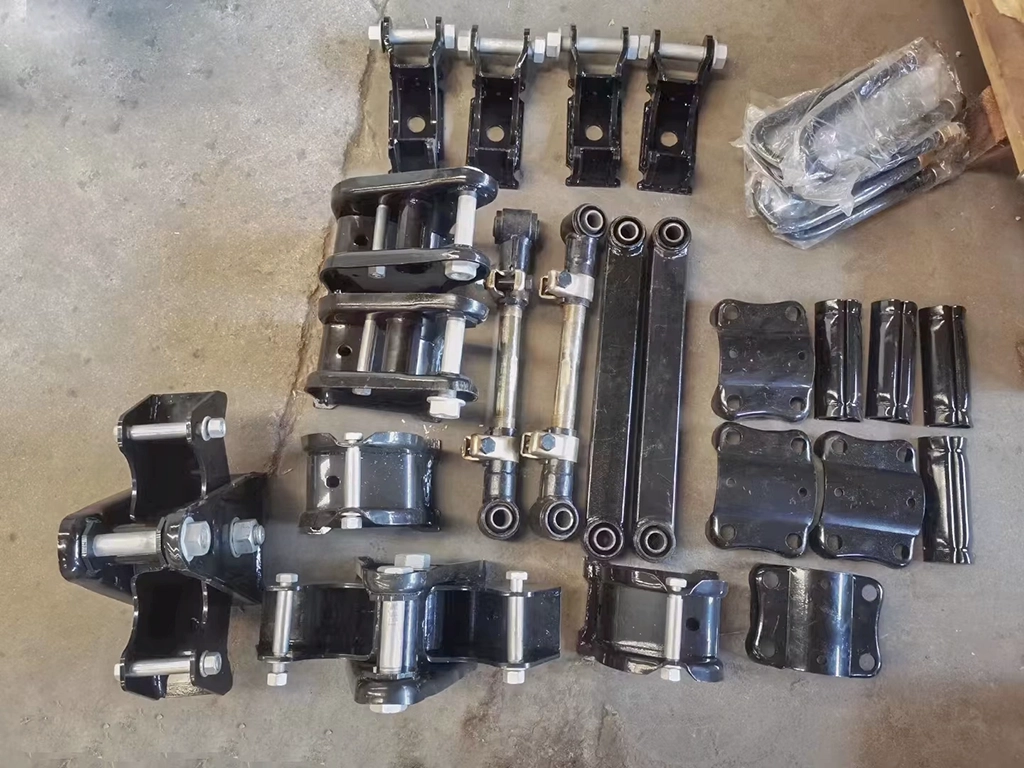
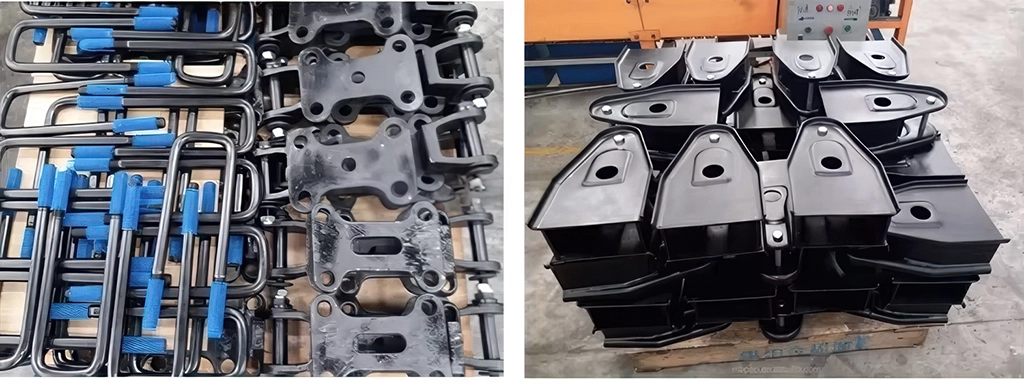
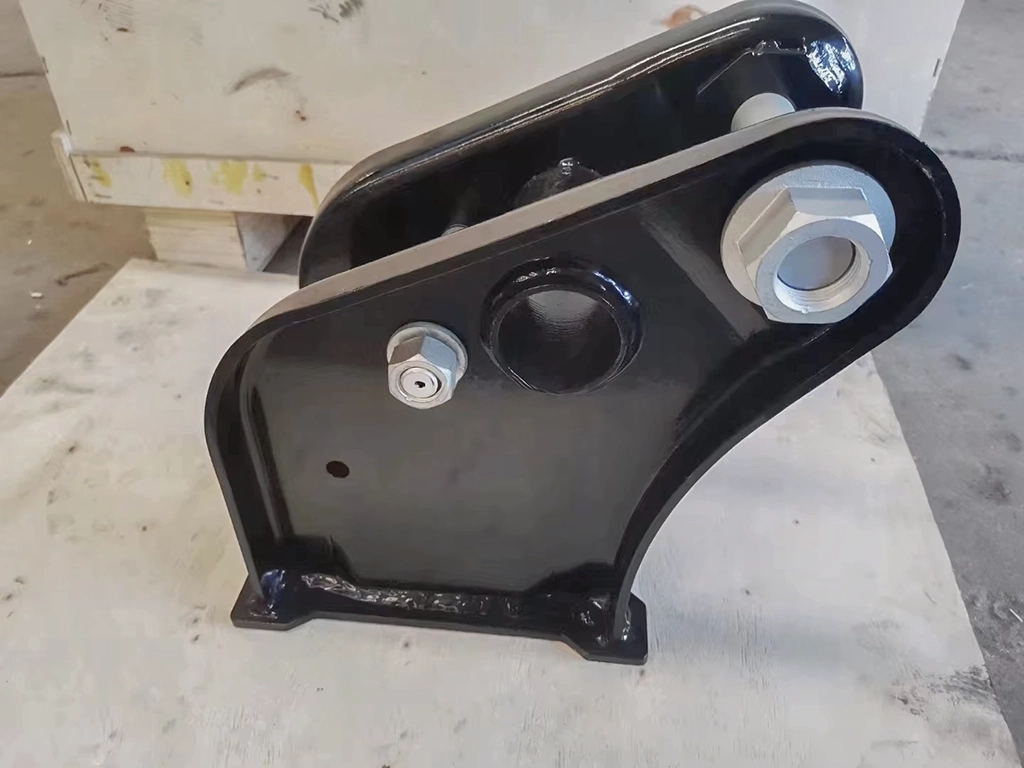
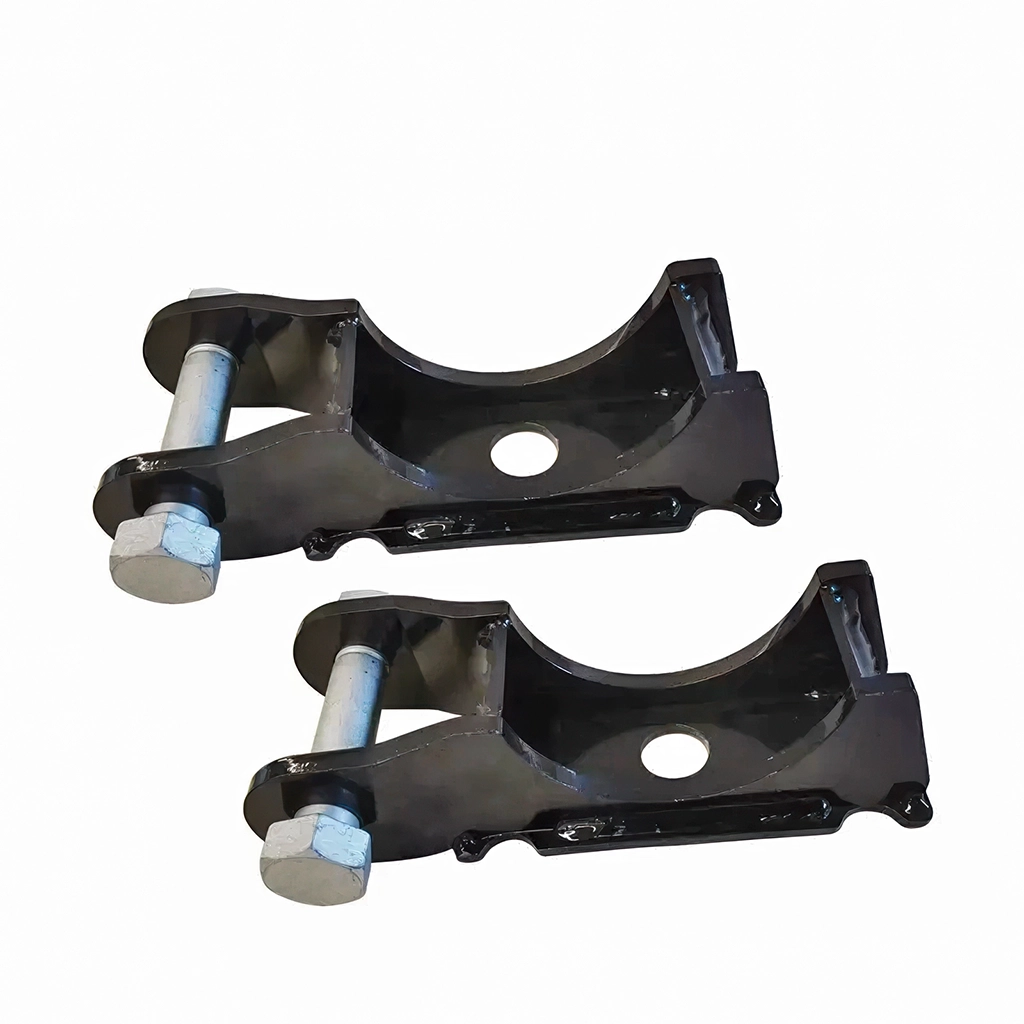
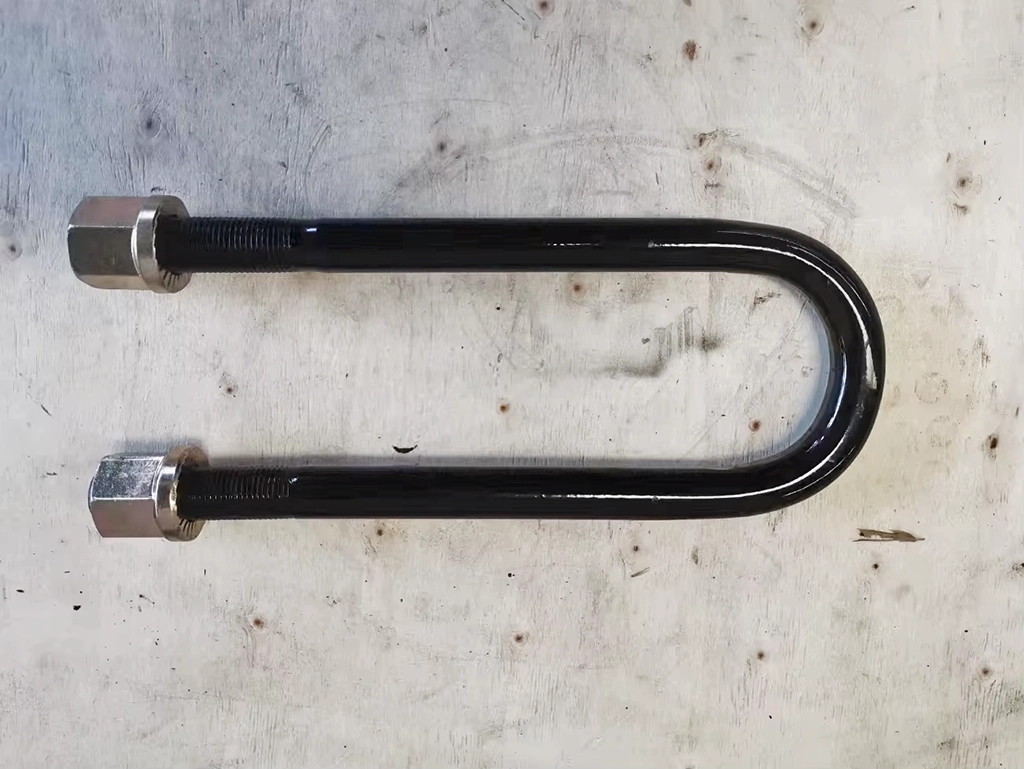
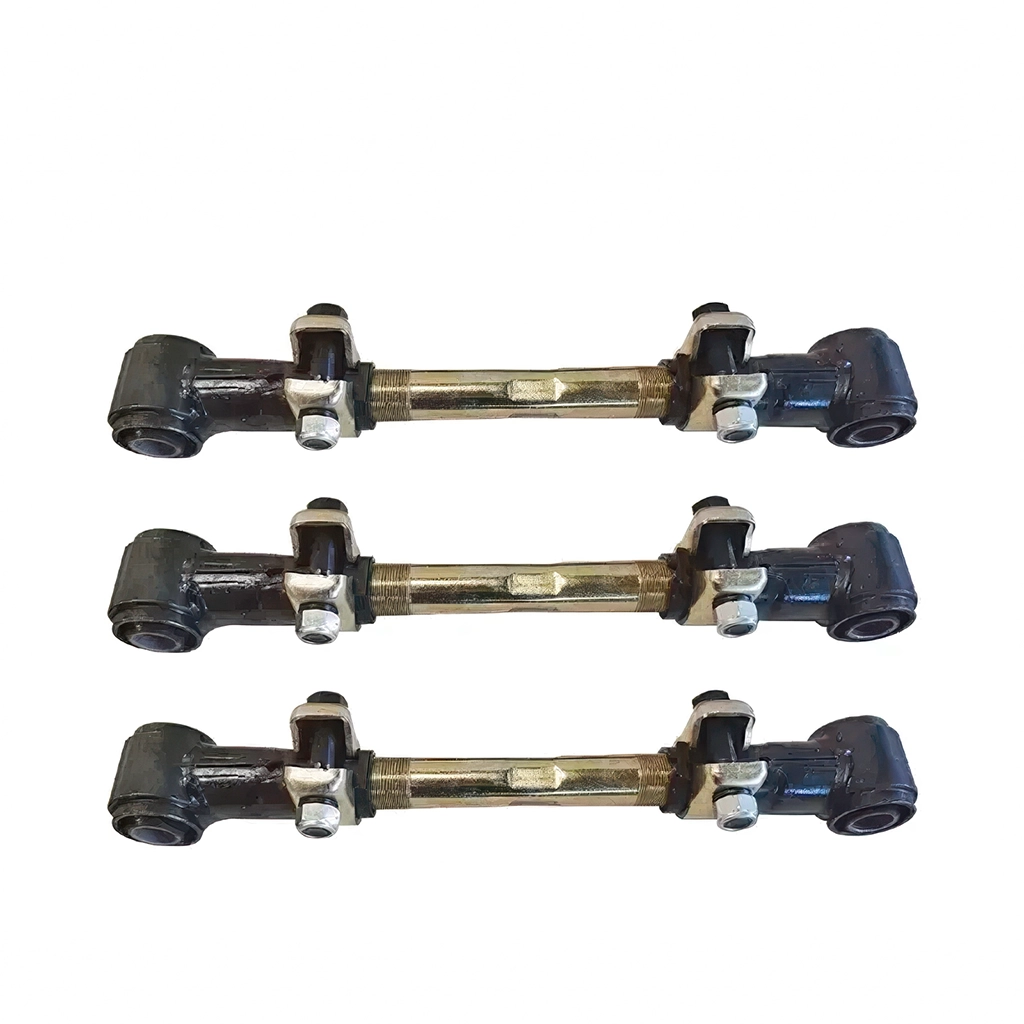
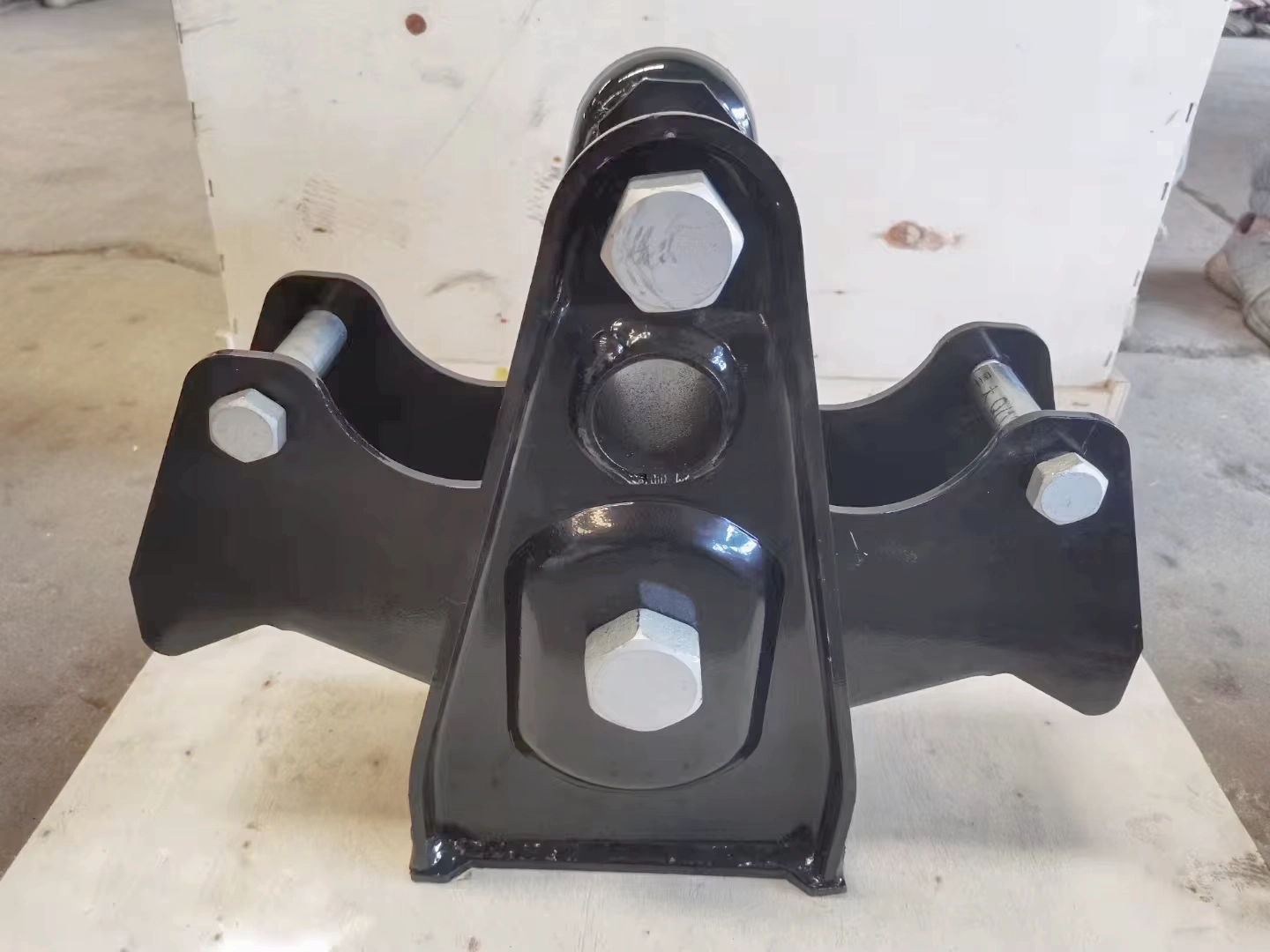
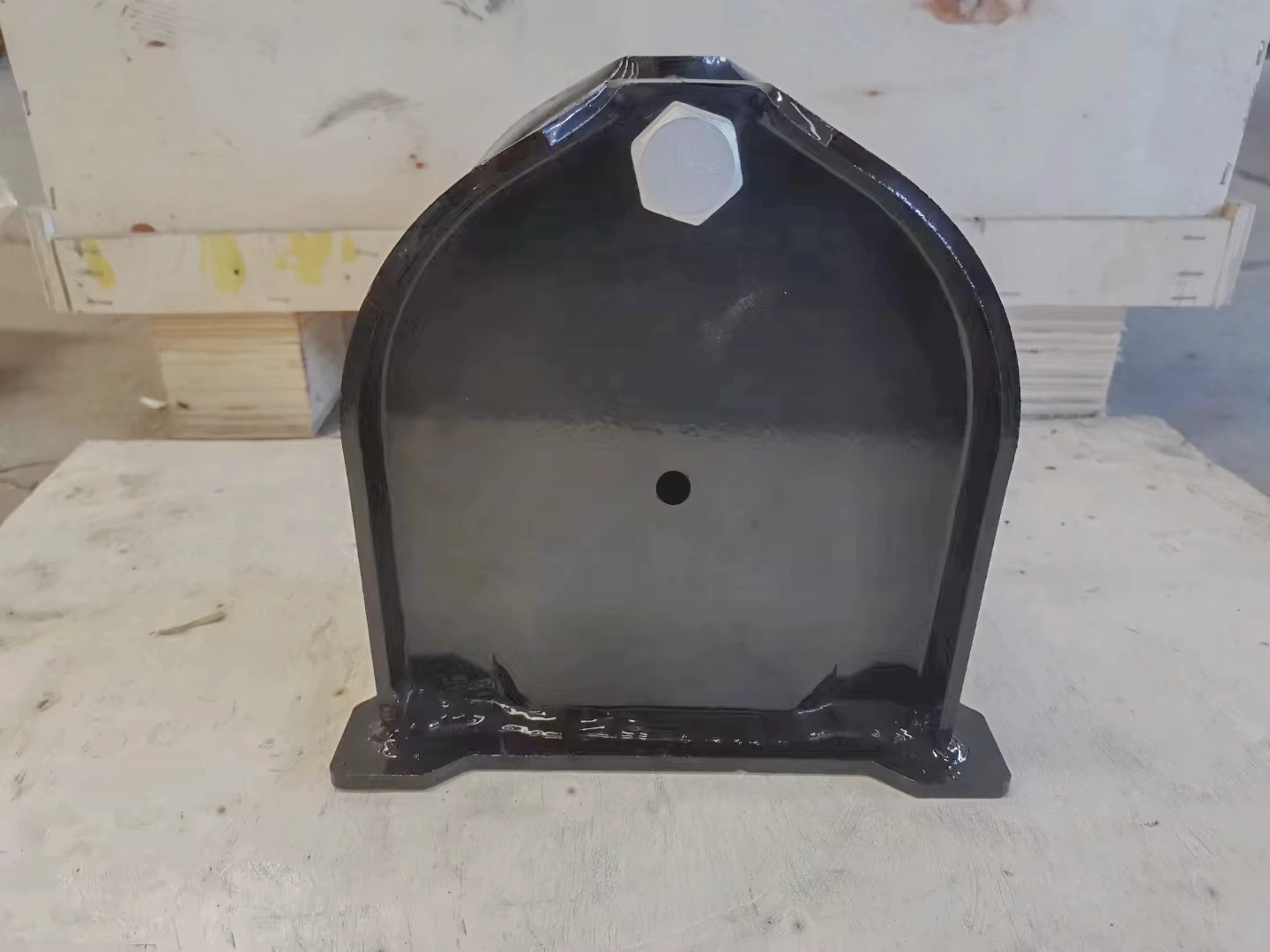
Inspection Views
Frequently Asked Questions
When is leaf spring suspension a better choice than air suspension?
Leaf spring suspension is usually the better choice when the trailer works on rougher roads, needs easier workshop service, and values mechanical simplicity more than ride softness.
What axle layouts are available in this 66 series family?
The family is positioned for 1 axle, 2 axle, and 3 axle configurations, with the representative table on this page centered on the tandem 2-axle setup.
What leaf spring options does this family support?
The product description highlights 77×13-9L and 77×13-10L conventional springs plus 77×22-3L parabolic spring option.
Why does this page use a price range?
Because it represents a suspension family with multiple layouts, dimensions, and spring forms rather than one single exact model.
What information should I send before requesting a quote?
Send your axle layout, route profile, trailer duty, and whether you need conventional or parabolic leaf spring configuration.
Request Leaf Spring Suspension Matching and Quote
If you need a 66 series American-type leaf spring trailer suspension, send your axle layout, target trailer duty, and road profile. Kales can then match the right mechanical suspension configuration for your fleet, workshop replacement plan, or export trailer build.
Leave a Reply
You must be logged in to post a comment.